Tengriism / Steppe (TEN-gree-izm)
Tengriism is an animistic and shamanic tradition — venerating spirits of sky, earth, ancestors, and animals, with Tengri, the Eternal Blue Sky, as the supreme guiding presence. Animism means every aspect of the natural world — from horses to rivers, from winds to mountains — is understood as alive and spiritually potent. Shamanism emphasizes mediation: shamans journey between worlds, balancing human, spirit, and natural realms.
Origins & Historical Development
Tengriism arises among the nomadic peoples of the Eurasian steppes — Scythians, Turks, Mongols, and others. In our history, it was often absorbed or displaced by Islam and Christianity. In Koina’s divergence, without hegemonic religions suppressing local traditions, Tengriism endures as the spiritual backbone of steppe federations. Horse cultures maintain rituals of sky and earth, while shamans serve as healers, seers, and advisors to chieftains. By the modern era, Tengriism integrates into the Accord as one of its most ecological and ancestral faiths.
Core Beliefs & Practices
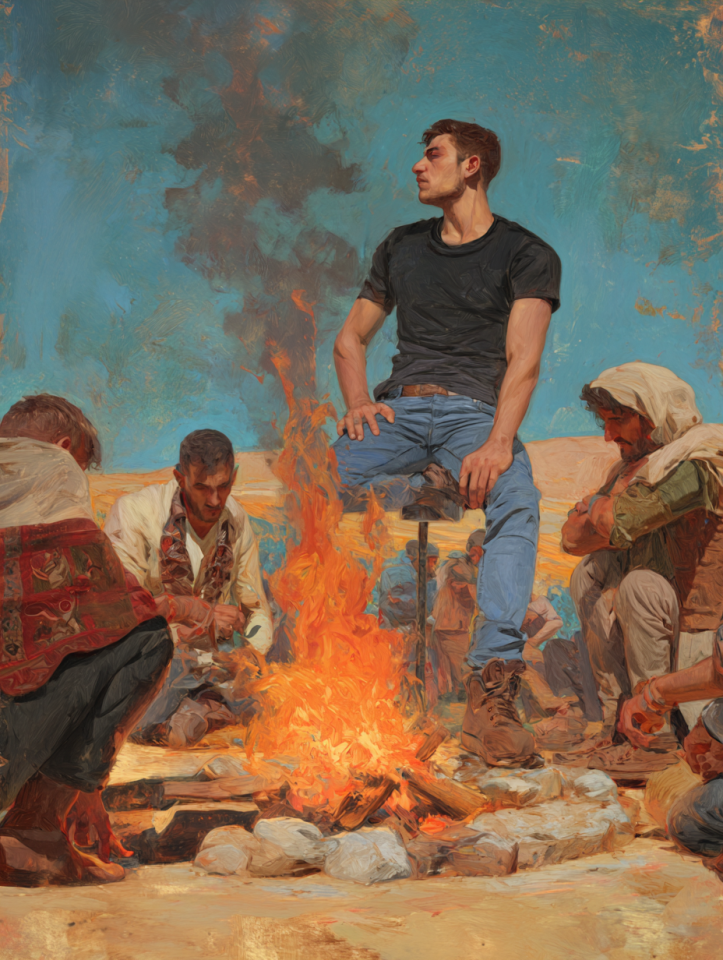
Tengri is revered as the Eternal Blue Sky, source of order and fate. The Earth Mother (Umay) embodies fertility and nurture, while ancestral spirits guide clans and lineages. Rituals include horse sacrifices, fire offerings, and shamanic journeys into spirit realms. Seasonal festivals mark migrations, harvests, and celestial events. In Koina, Tengriism is practiced not only on the steppe but in cities, where horse festivals and sky ceremonies are adapted into civic celebrations of ancestry and nature.
Sacred Texts & Traditions
Tengriism is not scriptural but oral, carried in epic songs, chants, and shamanic teachings. Myths recount the creation of the world, the role of Tengri, and heroic epics like the deeds of Manas or Alp Er Tunga. In Koina, these oral traditions are preserved in the Net of Voices, while performance remains central: epic singers (bards) recite ancestral histories at councils, keeping memory alive in sound as well as text.
Institutions & Structure
Authority rests with shamans (böö, kam) who mediate between human and spirit worlds through trance, drumming, and ritual. Clan elders oversee communal rites, while chieftains maintain sacred duties tied to land and ancestry. In Koina, shamanic guilds integrate into federative councils, recognized as healers, mediators, and ecological stewards. Steppe federations formalize seasonal assemblies where ritual and governance intertwine.
Relation to the Accord
Tengriism contributes to the Accord through its ecological worldview. Its reverence for sky, land, and animals directly shapes federative treaties on pastoral lands and nomadic rights. Shamans often serve in the League of Healers & Watchmen, offering ecological and psychological care. The Tengrian emphasis on harmony with migration and cycles resonates with Accord principles of balance and pluralism.
Cultural Influence & Legacy
Steppe epics, horse culture, and nomadic artistry enrich global culture. The horse becomes a symbol of freedom and balance across Koina. Tengri’s blue sky motif appears in art and banners as an emblem of resilience and openness. Ethically, Tengrian values of hospitality, loyalty, and respect for the land influence Accord philosophy.
Modern Presence
Today, Tengriism thrives among Turkic, Mongolic, and other steppe peoples, but also has diasporic presence in cities across the Cooperative Federation. Festivals of horse racing, sky ceremonies, and ancestral feasts are celebrated globally. Far from a forgotten nomadic faith, Tengriism is a living, respected path — one that embodies the Accord’s recognition that sky, earth, and ancestry form the eternal foundation of human community.

Type
Religious, Organised Religion
Alternative Names
Tengrism; Eternal Blue Sky Faith
Demonym
Tengrians
Afterlife

Tengriism Afterlife
The soul in harmony ascends into the vast Blue Sky — Tengri’s eternal realm. There it rides the winds with forebears, free among clouds and stars, the spirit joined to the living breath of the world.
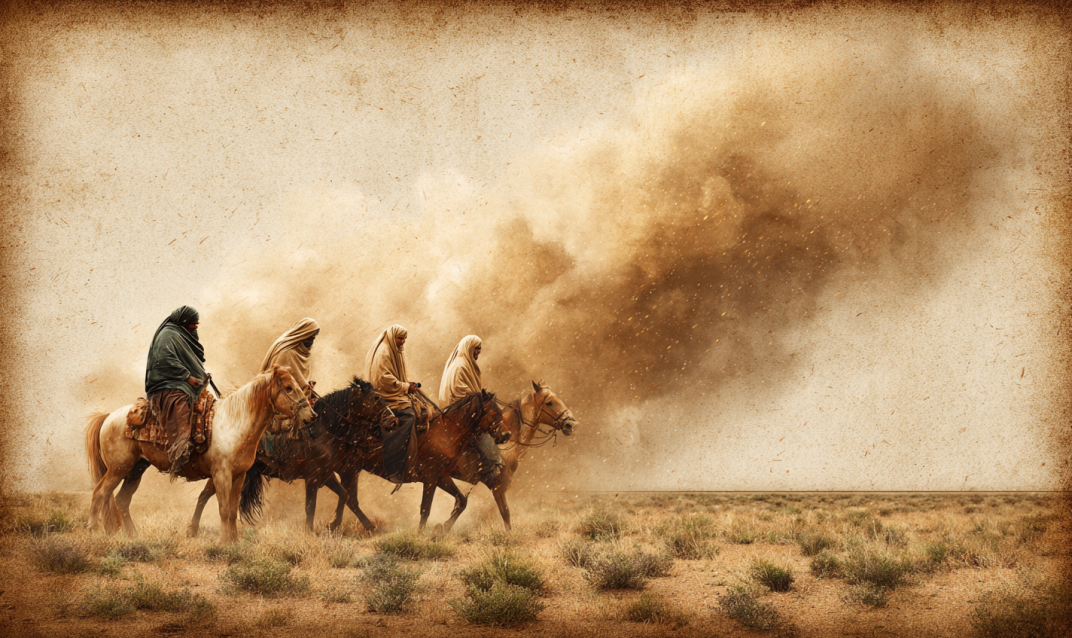
Tengriism Afterlife
The dishonorable, who break oaths or kinship, are scattered spirits. The winds carry them aimlessly until the clan performs rites of reconciliation, guiding them back toward the open sky.
Pantheon of Worship
The following entries offer only a partial glimpse into the living mosaic of belief. Across the federations and the Free-States alike, divinity takes many forms: anthropomorphic gods, elemental forces, moral principles, ancestral spirits, and philosophical ideas. None of these lists are exhaustive, nor do they presume uniform worship or singular interpretation. Over millennia of dialogue and migration, names have changed, stories have merged, and meanings have diverged—each person, community, and age reshaping the sacred to mirror its own understanding. Within the Accord, faith is treated not as doctrine but as conversation: these are simply the primary voices that endure within that vast and ever-evolving chorus that lies within each individual.
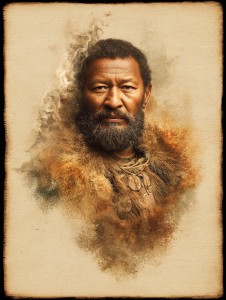

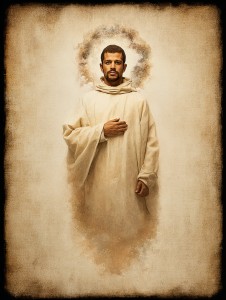
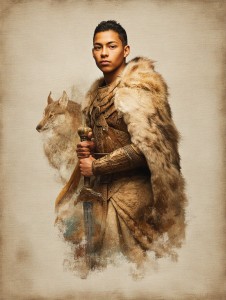
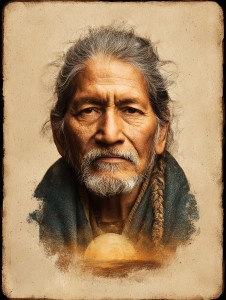
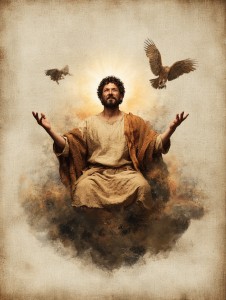
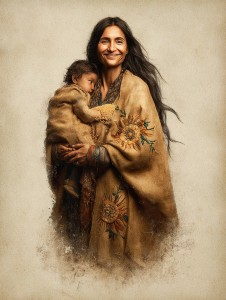

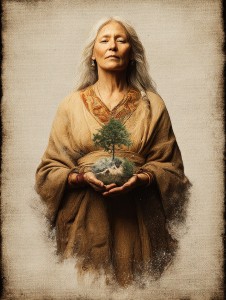
Erlik
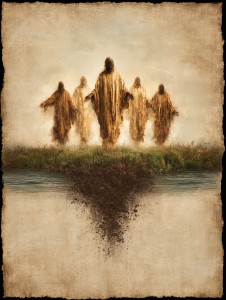
Lord of the underworld and keeper of consequence. To the Accord, Erlik symbolizes Depth through Accountability—the principle that all imbalance must be faced and reconciled. He is not demon but record; his darkness is the archive of deeds awaiting renewal.
Gun Ana
Sun Mother, giver of life and light. She represents Sustenance through Illumination, the warmth that feeds mind and body alike. Her golden aura is reflected in Accord imagery as the principle that enlightenment must also nourish, not merely dazzle.
Kayra
Creator spirit, source of the upper heavens. Kayra embodies Generative Silence, the potential that precedes manifestation. Accord mystics liken him to the pause before insight—the pregnant quiet in which understanding forms.
Kyzaghan
Warrior spirit and defender of honor. In the Accord’s civic mythos, Kyzaghan becomes the model for Courage without Conquest—valor bound by conscience. His battles are metaphors for the moral defense of freedom, never its violation.
Tengri
Sky Father and eternal expanse, Tengri is Conscious Infinity—the boundless order that precedes all form. The Accord reveres him as a philosophical ancestor of its cosmology: omnipresent but impersonal, law as compassion. His blue vault over the steppes remains the symbol of unity through openness, where freedom and responsibility share the same horizon.
Ülgen
Sky-father and creator of good, Ülgen reigns over the celestial realm opposite Erlik Khan’s underworld. He is wisdom expressed as light, the breath of clarity over chaos.
Umai
Mother Earth and guardian of fertility, Umai represents Nurture as Authority—the wisdom of care as power. She is neither submissive nor passive but the living ground that disciplines by sustaining. Accord ethics mirror her teaching: that true leadership is maternal in nature, patient and enduring.
Lesser Pantheon / Other Important Entities
Beneath the great architects of creation move countless presences who shape the subtler rhythms of existence. These are the intercessors, the boundary-walkers, and the remembered: angels and lwa, saints and ancestors, spirits of grove and hearth, tricksters, dreamers, and the beloved dead. Their powers are intimate rather than cosmic—rooted in memory, place, and the daily turning of life. They remind the living that divinity does not dwell only in the heavens but also in laughter, grief, and the quiet negotiations between mortal and divine. Through them, the sacred becomes personal, and the invisible world remains close enough to touch.
Almasty
Hairy steppe dweller of folklore, neither beast nor man. A warning against laziness and disconnection from tribe.
Etügen Eke
Earth-mother of nomads, embodiment of fertile soil and enduring strength. To the Accord she is the patience of land made divine.
Yer-Sub spirits
Earth-water spirits dwelling in rivers, lakes, and groves, the Yer-Sub are guardians of sacred geography. They grant prosperity to those who honor the land and misfortune to those who defile it.




Comments