Norse / Ásatrú (NORSS PAY-guh-nizm / AH-sah-troo)
Norse Paganism is a polytheistic and animistic religion — venerating many gods, spirits, and ancestors, with each embodying forces of nature, fate, and community. Polytheism means worship of deities such as Odin, Thor, Freyja, and Frigg, each linked to aspects of war, fertility, wisdom, or household care. Animism refers to the belief that land, rivers, storms, and even crafted objects can be imbued with spiritual presence. This combination produces a worldview rooted in kinship, honor, and the cycles of nature.
Origins & Historical Development
Norse Paganism emerges among the Germanic and Scandinavian peoples of Northern Europe, preserved through sagas, runes, and oral tradition. In our world, it was suppressed by Christianization; in Koina’s divergence, with no Christian monopoly, it remains unbroken. From the fjords of Norway to the forests of Germany and the steppes influenced by Gothic migrations, Norse religion evolves as part of federative guilds and councils. Seasonal assemblies (þings) retain both civic and religious character, ensuring continuity between myth, law, and community life.
Core Beliefs & Practices
The Norse worldview emphasizes honor, kinship, and courage. The gods (Æsir and Vanir) are not distant creators but active kin, bound in the same fate as mortals. Odin seeks wisdom, Thor protects, Freyja embodies love and fertility, and Loki embodies chaos and transformation. Rituals include blóts (sacrifices, often feasts of animals, mead, or grain) and sumbels (communal toasts of memory and vow). Seasonal festivals — Yule, Midsummer, Harvest, and Winter Nights — anchor the calendar. In Koina, these celebrations persist as federative holidays of fire, feasting, and oath-making.
Sacred Texts & Traditions
In our world, the Eddas preserved fragments; in Koina, the full oral tradition survives. Poems, sagas, and rune inscriptions remain part of the living record, transcribed early into the Net of Voices. Mythic cycles — creation from Ymir, Ragnarök as cyclical renewal — remain central. Seers and skalds (poets) hold civic roles, their verses preserving law, genealogy, and cosmic truth alike.
Institutions & Structure
Religious authority is diffuse. Chieftains, goðar (priests), and seers conduct rituals, but responsibility is shared by communities. The þing — assemblies of freemen and leaders — serves as both political and religious institution. In Koina, Norse federations adapt smoothly into the Accord, with goðar acting as Whispers and skalds as civic archivists. Sacred groves, stone circles, and temples (hofs) remain active, woven into local governance.
Relation to the Accord
Norse Paganism contributes to the Accord through its ethos of honor and oath. The sumbel — where individuals swear vows before gods and peers — becomes a model of accountability in councils. Its mythic emphasis on fate (wyrd) and cyclical renewal influences Accord philosophy, resonating with Indic and Meso views of time. Rather than disappearing under Christianity, the Norse gods remain cultural guardians of the North, integrated into the federative chorus.
Cultural Influence & Legacy
Norse art and symbolism — interlacing knotwork, dragon-ships, runes — enrich Accord aesthetics. Stories of Odin’s quest for wisdom, Thor’s defense of Midgard, and Freyja’s passion become part of federative literature. The seafaring innovations of Norse guilds expand cooperative trade across the northern seas. Ethically, the Norse stress on courage, hospitality, and keeping oaths enters the shared moral vocabulary of Koina.
Modern Presence
Today, Norse Paganism thrives in Scandinavia, Iceland, and diaspora communities across the Atlantic. Seasonal festivals like Yule are celebrated worldwide, often as civic holidays beyond Norse lands. Ásatrúar communities maintain living temples, groves, and assemblies, but also adapt their rites into modern cooperative frameworks. Norse Paganism is no longer a reconstructed faith but a living, continuous tradition — one where gods, ancestors, and humans stand together in an ongoing cycle of fate and renewal.
Type
Religious, Organised Religion
Alternative Names
The Old Norse Ways; Faith of the Æsir and Vanir
Demonym
Norse Pagans / Ásatrúar
Related Myths
Afterlife
Norse Afterlife
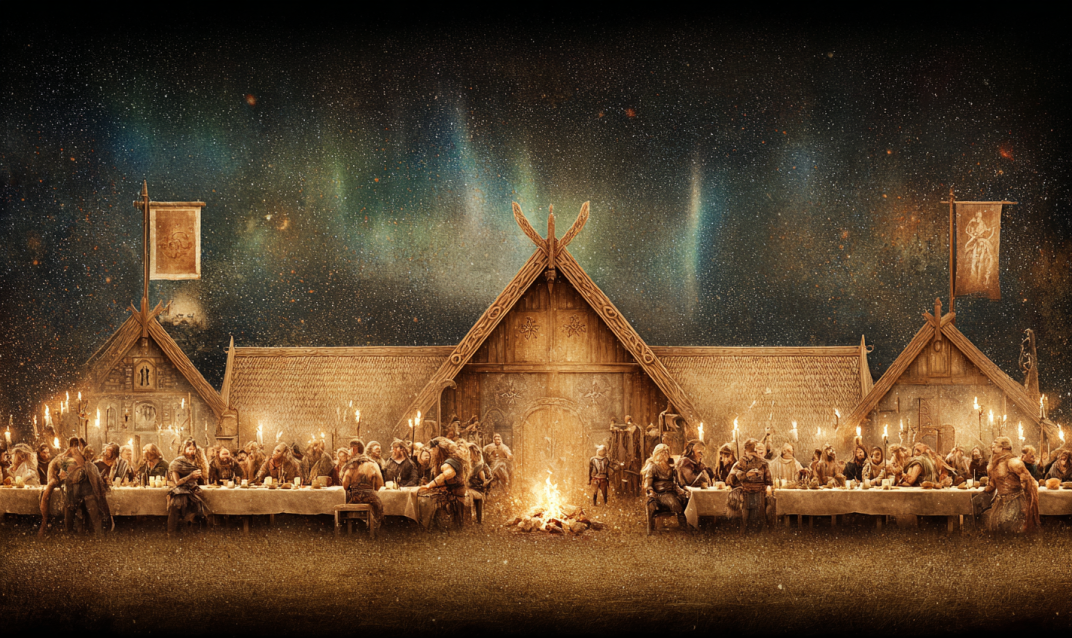
In Norse belief, the worthy find welcome in Fólkvangr or Valhalla, halls of courage and fellowship. There they feast with gods and ancestors, awaiting the final dawn. Even Helheim, for those of gentle lives, offers quiet comfort and remembrance.
Norse Afterlife
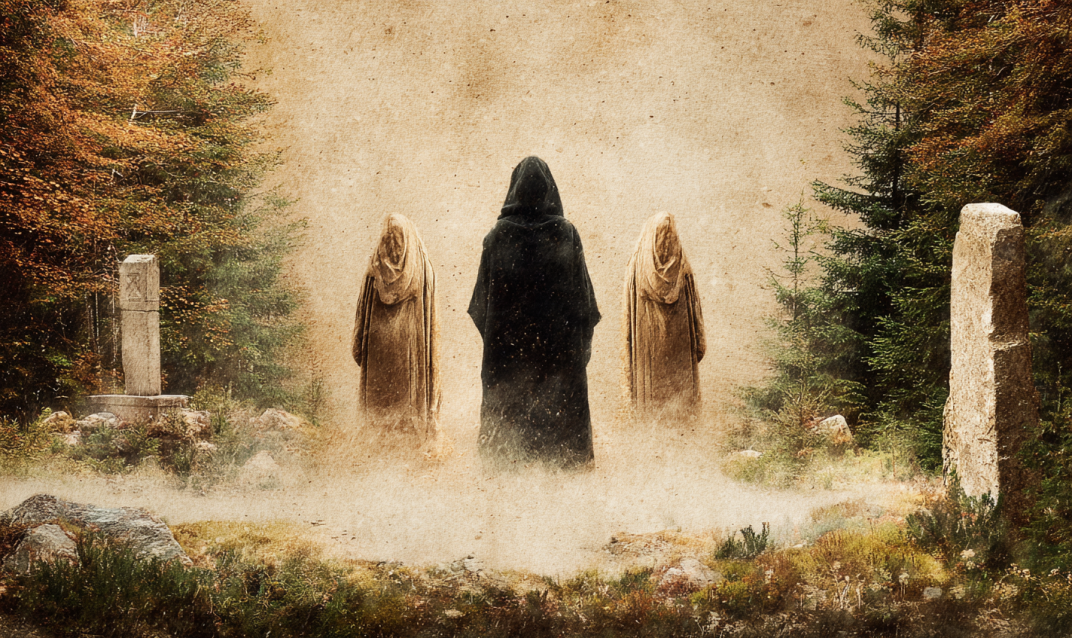
For oath-breakers and betrayers, no flames await — only forgetfulness. The greatest punishment is to be erased from memory, unspoken in saga and song. Without remembrance, their spirits fade, lost beyond the reach of kin or hall.
Pantheon of Worship
The following entries offer only a partial glimpse into the living mosaic of belief. Across the federations and the Free-States alike, divinity takes many forms: anthropomorphic gods, elemental forces, moral principles, ancestral spirits, and philosophical ideas. None of these lists are exhaustive, nor do they presume uniform worship or singular interpretation. Over millennia of dialogue and migration, names have changed, stories have merged, and meanings have diverged—each person, community, and age reshaping the sacred to mirror its own understanding. Within the Accord, faith is treated not as doctrine but as conversation: these are simply the primary voices that endure within that vast and ever-evolving chorus that lies within each individual.
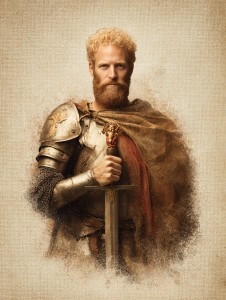
Baldr
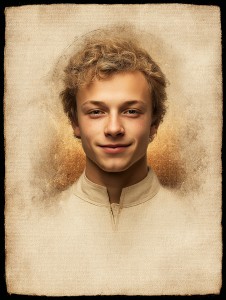
The shining one, embodiment of innocence and peace. His death and foretold return symbolize Hope’s Resilience—the belief that purity, once lost, can still be reborn through collective remembrance. His story underlines the Accord’s conviction that even light slain by ignorance may rise again through learning.
Freyja
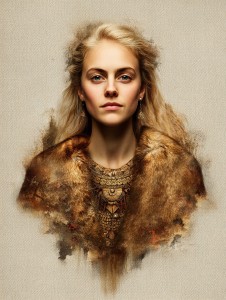
Goddess of love, magic, and self-possession. In Accord reflection she represents Empowered Affection, the joining of passion with agency. She governs the courage to desire and to mourn, teaching that beauty’s strength lies in authenticity, not submission.
Freyr
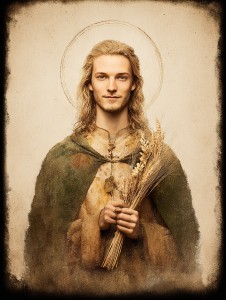
Twin of Freyja, god of prosperity and peace. Freyr symbolizes Abundance through Harmony—fertility, not conquest, as the measure of success. Accord agricultural guilds keep his sigil as emblem of stewardship joined to celebration.
Frigg
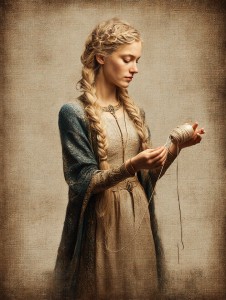
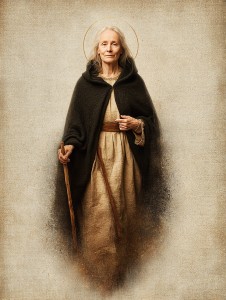
Queen of foresight and household sovereignty. Frigg embodies Quiet Governance, wisdom through listening. In the Accord’s civic ethos, she is patron of deliberative councils—the power of calm perception guiding collective reason.
Heimdall
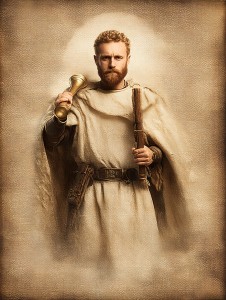
Watcher of the rainbow bridge, sentinel of thresholds. Heimdall embodies Perpetual Vigilance, the moral clarity that stands between harmony and ruin. His horn is metaphor for readiness—the alertness of conscience in times of moral fatigue.
Hel
Ruler of the underworld, impartial and serene. In Accord theology, Hel represents Equanimity in Death—the recognition that judgment must give way to understanding. Her half-living visage mirrors the human duality of fear and acceptance; she is balance incarnate.
Loki
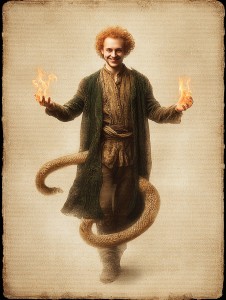
Trickster and shapeshifter, necessary disruptor of complacency. Loki embodies Creative Chaos, the challenge that exposes stagnation. Accord culture preserves him not as villain but as instrument of evolution—the reminder that mischief is the shadow of invention.
Odin
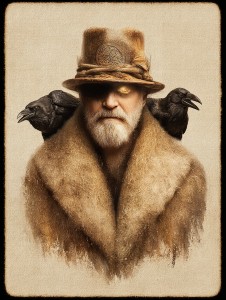
All-Father, wanderer, and seeker of knowledge. In Accord philosophy, Odin stands for Wisdom through Sacrifice—the willingness to lose comfort for understanding. His self-hanging upon Yggdrasil mirrors the Accord’s intellectual humility: enlightenment purchased only by empathy and endurance.
Thor
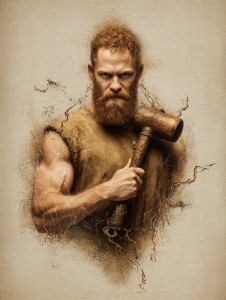
Protector of humanity and the storm’s force made righteous. Thor’s hammer is Power as Responsibility, not aggression. Accord workers and guardians honor him as emblem of service: strength without cruelty, defense without pride.
Tyr
God of law and honorable sacrifice. His lost hand is the Accord’s symbol of Justice with Cost—the idea that fairness demands risk and that moral courage often bears personal consequence. He is venerated in Accord courts as patron of integrity.
Lesser Pantheon / Other Important Entities
Beneath the great architects of creation move countless presences who shape the subtler rhythms of existence. These are the intercessors, the boundary-walkers, and the remembered: angels and lwa, saints and ancestors, spirits of grove and hearth, tricksters, dreamers, and the beloved dead. Their powers are intimate rather than cosmic—rooted in memory, place, and the daily turning of life. They remind the living that divinity does not dwell only in the heavens but also in laughter, grief, and the quiet negotiations between mortal and divine. Through them, the sacred becomes personal, and the invisible world remains close enough to touch.
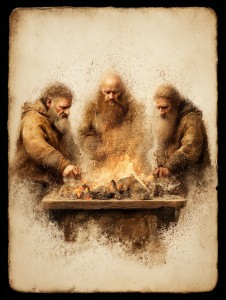
Dwarves
Master smiths and deep-earth dwellers, the Dwarves forged the gods’ greatest treasures. They personify craft, labor, and the sanctity of skill. Within Accord interpretation they represent mastery as devotion.
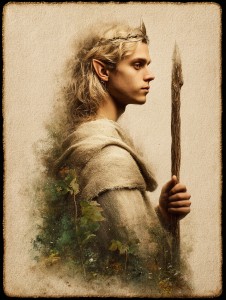
Elves
The shining ones of northern lore, the Álfar are luminous ancestors or nature spirits bound to hills and light. They embody beauty, artistry, and the unseen harmony between human and natural worlds.
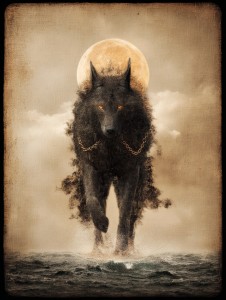
Fenrir
The wolf of prophecy, born of gods and destined to devour them, Fenrir personifies untamed will. His story warns that fear breeds the monsters it imagines.
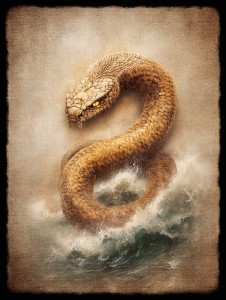
Jörmungandr
The World Serpent encircling the oceans, Jörmungandr is the endless cycle itself—creation biting its own tail. In Accord reflection, it is the symbol of balance between limit and infinity.
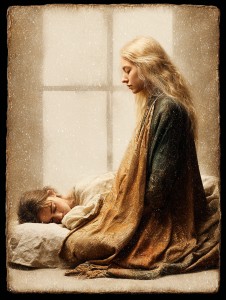
Mara
Nightmare spirit who presses upon sleepers, born of guilt and broken oaths. In Accord lore, Mara is conscience made visible—the weight of one’s own unrest.
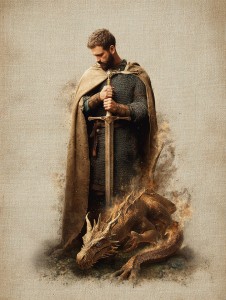
Sigurd
Hero of dragon-slaying fame, Sigurd stands for courage and the peril of wisdom earned through fire. His saga teaches that heroism is less conquest than the endurance to face one’s own fate.
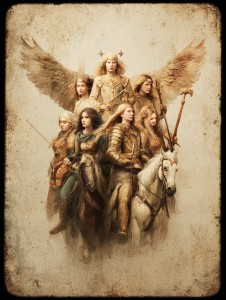
Valkyries
Choosers of the slain, the Valkyries ride across the sky to bear heroes from battle to rest. Neither cruel nor kind, they embody the impartial beauty of destiny fulfilled.




Comments