Inca (IN-kah)
Inca religion is a polytheistic and animistic tradition — venerating gods of the sun, moon, earth, and mountains, while also treating the natural world as alive with spirit. Polytheism means devotion to multiple deities such as Inti (sun), Mama Quilla (moon), Viracocha (creator), and Pachamama (earth mother). Animism refers to reverence for sacred landscapes — mountains (apus), rivers, and stones — all recognized as spiritual beings with agency.
Origins & Historical Development
Inca religion develops in the Andes, building upon earlier Andean traditions such as those of the Moche and Tiwanaku. In our history, Spanish conquest dismantled it; in Koina’s divergence, with no colonization, it thrives continuously as the spiritual foundation of the Andean Leagues. Temples, mountain sanctuaries, and pilgrimage routes remain active. Inca federations integrate priestly guilds into governance, ensuring religion evolves as a civic as well as spiritual system.
Core Beliefs & Practices
Central to Inca belief is reciprocity: humans sustain the gods with offerings, and the gods sustain humans through fertility and protection. Inti, the sun, is the primary deity, honored in daily rituals and annual festivals. Pachamama, the earth mother, ensures agricultural fertility, while apus (sacred mountains) protect communities. Rituals include offerings of food, chicha beer, and textiles; in Koina, symbolic offerings replace the large-scale sacrifices known in our history. Seasonal festivals like Inti Raymi (sun festival) and Capac Raymi (year’s end) remain central civic celebrations.
Sacred Texts & Traditions
Inca religion is primarily oral, with myths preserved through quipus (knotted cords), chants, and ritual drama. Myths of Viracocha, creation, and heroic ancestors are maintained in both oral and written forms in Koina, digitized into the Net of Voices. Pilgrimage traditions — to Cusco, Lake Titicaca, and high mountain shrines — remain vital, blending devotion with civic assembly and ecological stewardship.
Institutions & Structure
Priests (willka umu) oversee major temples like the Coricancha in Cusco, while local priests maintain shrines to apus and Pachamama. In Koina, the Inca federations formalize priestly guilds within councils, ensuring integration of ritual and civic governance. The Sapa Inca is no longer a divine emperor but a symbolic figure, with leadership rotating through federative assemblies. Ritual specialists and astronomer-priests guide agricultural cycles, blending religion with science.
Relation to the Accord
Inca religion contributes to the Accord through its emphasis on reciprocity and ecology. Its mountain cults influence federative environmental law, ensuring protection of sacred landscapes. Its calendar and agricultural knowledge contribute to cooperative farming treaties across federations. Pilgrimages and sun festivals become major inter-federative gatherings, reinforcing Accord values of continuity, reciprocity, and balance with nature.
Cultural Influence & Legacy
Inca architecture — terraced fields, stone temples, sacred plazas — remains active as civic and ritual spaces. Textiles, goldwork, and ritual pottery enrich federative art. Philosophically, the Inca emphasis on reciprocity (ayni) becomes part of global ethical vocabulary. Their road networks, pilgrimage routes, and agricultural innovations influence global infrastructure, reinforcing the integration of religion, ecology, and civic life.
Modern Presence
Today, Inca religion thrives across Peru, Bolivia, Ecuador, and Chile, and through diaspora communities worldwide. Inti Raymi is celebrated not only in Cusco but across federations, drawing pilgrims from all backgrounds. Temples, mountain shrines, and community festivals remain central to civic life. Inca spirituality endures as a living faith of sun, earth, and reciprocity — one that teaches that balance with nature is the truest offering humanity can give.
Type
Religious, Organised Religion
Alternative Names
Andean Faith; Cult of Inti
Demonym
Inca / Andeans
Related Myths
Afterlife
Inca Afterlife
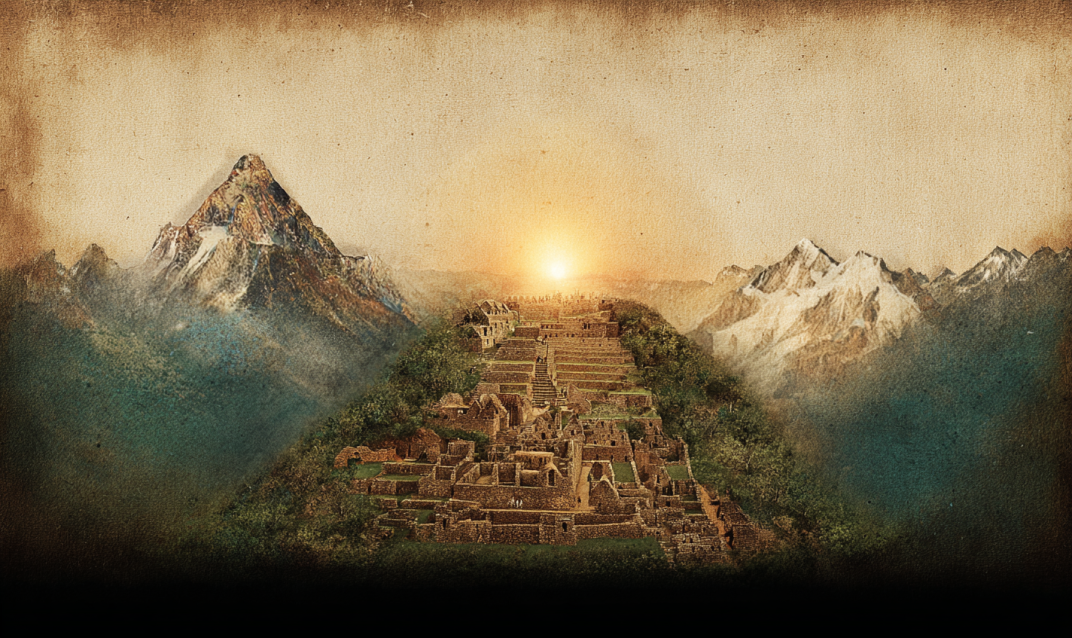
Those who honored truth and community rise to dwell with Inti, the Sun, or rest in verdant fields beneath the earth. Their spirits join the rhythms of light and harvest, bringing warmth and fortune to their descendants.
Inca Afterlife
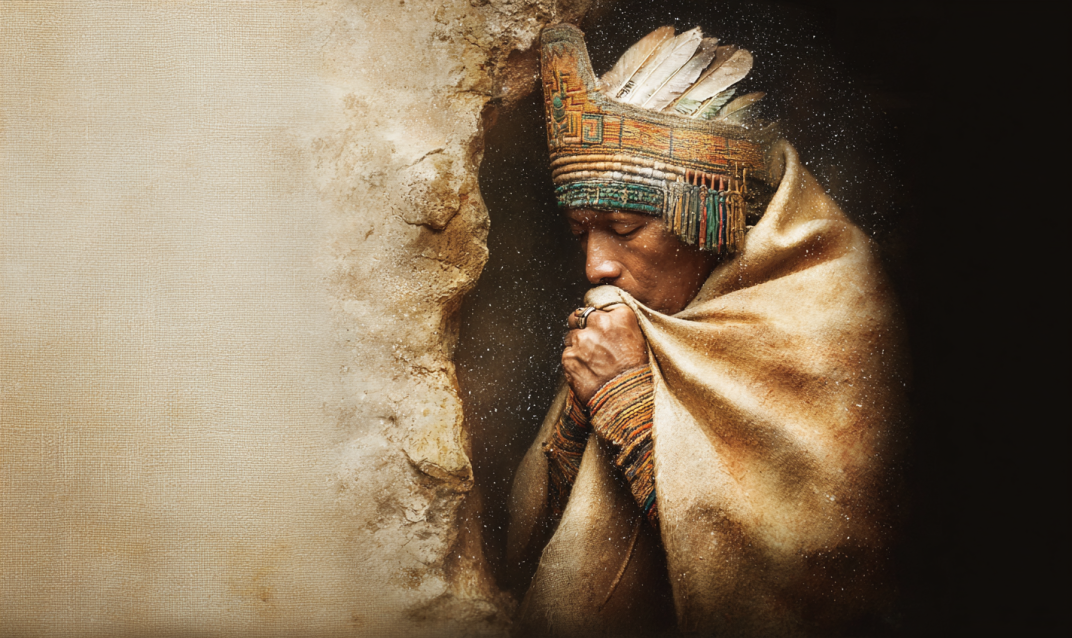
Those who hoarded wealth or lied to kin are banished to the cold darkness under the mountains. There they wander in chill silence until ritual cleansing restores them to the Sun’s grace, their penance a long waiting beneath the stone.
Pantheon of Worship
The following entries offer only a partial glimpse into the living mosaic of belief. Across the federations and the Free-States alike, divinity takes many forms: anthropomorphic gods, elemental forces, moral principles, ancestral spirits, and philosophical ideas. None of these lists are exhaustive, nor do they presume uniform worship or singular interpretation. Over millennia of dialogue and migration, names have changed, stories have merged, and meanings have diverged—each person, community, and age reshaping the sacred to mirror its own understanding. Within the Accord, faith is treated not as doctrine but as conversation: these are simply the primary voices that endure within that vast and ever-evolving chorus that lies within each individual.
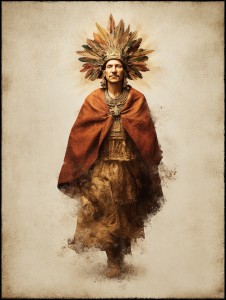
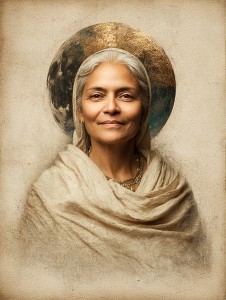
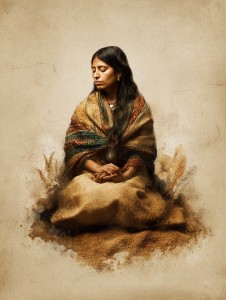
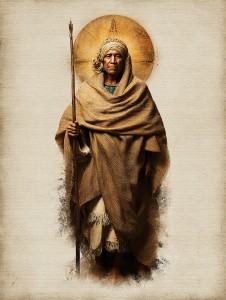
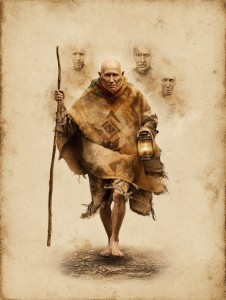
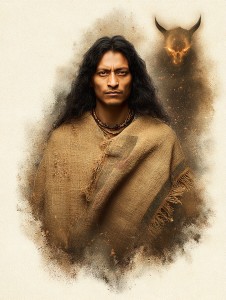
Illapa
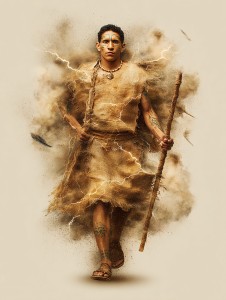
God of thunder, lightning, and rain—both giver and reminder. Illapa represents the volatility of necessity, the edge between drought and deluge. Accord scholars see him as Equilibrium through Contrast, teaching that balance often manifests through disruption.
Inti
Sun of the Andes, heart of vitality, and symbol of reciprocal care between heaven and earth. Inti’s radiance nourishes fields and rulers alike, demanding stewardship in return. In Accord philosophy, he embodies Illuminated Responsibility—the understanding that all power must sustain life or forfeit legitimacy.
Mama Quilla
The lunar consort of Inti, guardian of time, tides, and women’s cycles. Mama Quilla preserves rhythm and rest, reminding that reflection is as sacred as action. To the Accord, she mirrors Temporal Balance, the feminine counterpart to solar order: light made gentle, strength made cyclical.
Pachamama
Earth mother and fertile body of the world. In Koina metaphysics, Pachamama stands at the intersection of Asase Yaa and Demeter—a testament to the universality of earth’s sanctity. She is The Living Ground, a consciousness that feeds all beings equally and demands gratitude before use.
Viracocha
The primordial creator, sculptor of sky and sea, Viracocha represents origin as intention—conscious design within the fabric of existence. To the Accord, he embodies the Proto-Force of Purposeful Creation, the belief that formation is neither accident nor tyranny but deliberate harmony. His departure across the western sea is read not as abandonment but trust: creation made capable of sustaining itself.
Lesser Pantheon / Other Important Entities
Beneath the great architects of creation move countless presences who shape the subtler rhythms of existence. These are the intercessors, the boundary-walkers, and the remembered: angels and lwa, saints and ancestors, spirits of grove and hearth, tricksters, dreamers, and the beloved dead. Their powers are intimate rather than cosmic—rooted in memory, place, and the daily turning of life. They remind the living that divinity does not dwell only in the heavens but also in laughter, grief, and the quiet negotiations between mortal and divine. Through them, the sacred becomes personal, and the invisible world remains close enough to touch.
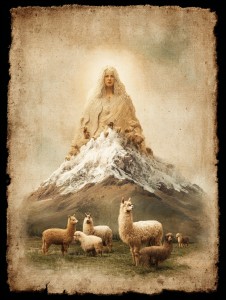
Apu Ausangate
The great mountain spirit of protection and endurance, Apu Ausangate watches over herders and pilgrims alike. Her snow-fed veins sustain the valleys below, her silence teaching reverence for what endures beyond speech.
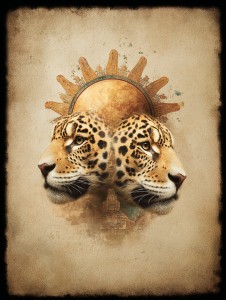
Chuqui Chinchay
Jaguar deity of duality, protector of those born between roles. Served by two-spirited shamans, Chuqui Chinchay guards the balance between masculine sun and feminine moon.
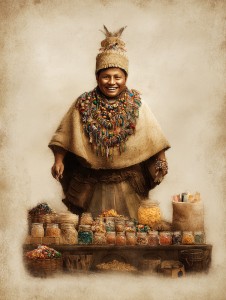
Ekeko
The joyful household god of abundance, Ekeko brings laughter, love, and material comfort. Laden with miniature gifts, he is the reminder that generosity multiplies happiness. In Accord thought, he represents communal prosperity over individual wealth.
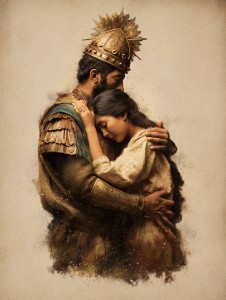
Ollantay
Hero and warrior-poet of Incan legend, Ollantay defied imperial command for love of a princess, choosing the heart’s truth over obedience. His story endures as the testament that courage in love is a form of resistance.
Pishtaco
Pale fat-stealer of the Andes, haunting mountain roads and greedy hearts alike. He warns that betrayal of kin and land consumes the betrayer first.
Supay
Spirit of the underworld and lord of the departed. Supay’s realm is neither infernal nor punitive; it is the matrix of return. In Accord symbolism, he presides over Continuity Beyond Form, ensuring that death remains dialogue, not erasure.




Comments