Adelphism
The Path of Kinship in All Things
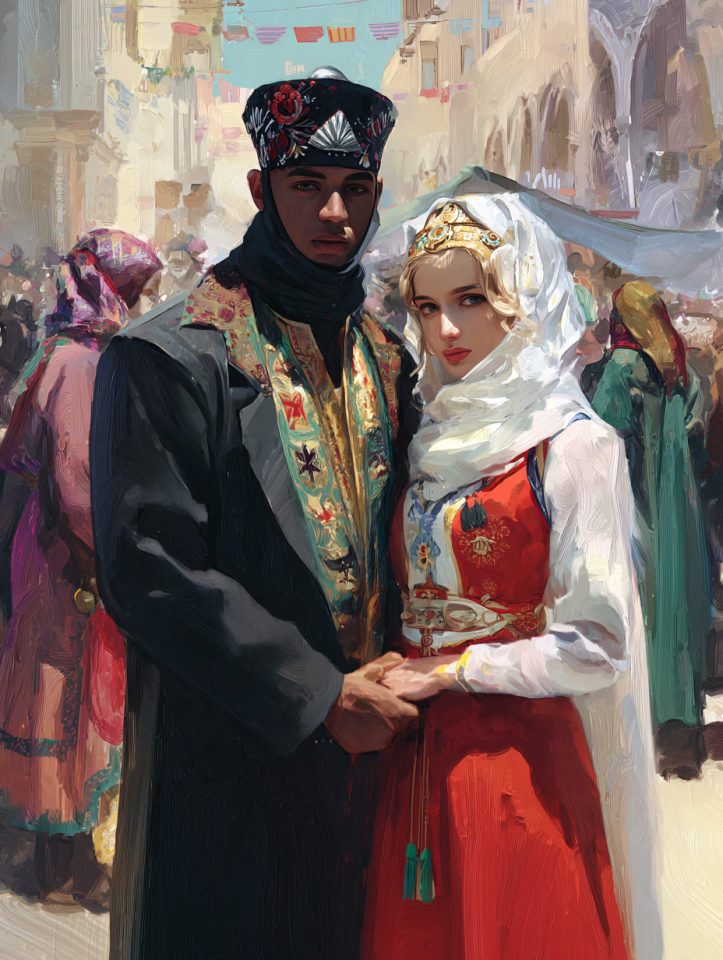
It began in a courtyard in Jerusalem, where Eliezer ben Yeshua welcomed the stranger to his table. His teaching was simple: all are welcome. He spoke less of doctrine than of compassion, urging his students to see the stranger as kin and the neighbor as equal. This ethos spread quietly, more a philosophy of conduct than a formal school.
When Ibrahim ibn Muhammad joined generations later, he found a tradition in need of widening. To Eliezer’s ethic of loving the stranger, Ibrahim added the conviction that no faith should stand outside the circle. All are welcome, and all paths are welcome became the new refrain. With this expansion, Adelphism matured into not just an ethic of hospitality, but a pluralist philosophy of belonging across all beliefs and identities. Its guiding motto was set down in those years: “We are all one in the light.”
Origins and Growth
Adelphism’s first founding is dated to circa 321 ZC, when Eliezer ben Yeshua’s household first became known as a gathering place for those of varied background. Its practices emphasized shared meals, neighborly compassion, and welcoming the stranger — a philosophy more than a faith.
The second founding, or re-affirmation, came in 10th century, when Ibrahim ibn Muhammad brought the Mohammedan ethos of justice and equality into Adelphism. This broadened the school from a philosophy of inclusion into a cooperative faith of plural belonging. At this point, it was recognized not only as a practice of compassion, but as a school affirming all faiths, all genders, and all identities within a shared household.
Organization
Core Principles
Adelphism rests on three commitments:
Welcome: Every person is received as kin, whatever their identity, orientation, or circumstance.
Plural Belonging: All paths — religious, philosophical, cultural, or secular — are honored as threads in the shared weave.
Celebration of Difference: Harmony arises not from sameness, but from recognizing difference as sacred.
The motto captures this vision: We are all one in the light.
Breaches of Kinship
Though Adelphism does not speak of “sin,” it recognizes two profound breaches that unravel hospitality and belonging:
Withholding Welcome: To turn away the stranger, the vulnerable, or the different is to deny the household of life itself.
Exploiting Hospitality: To take advantage of one’s host — whether by greed, deceit, or harm — is to profane the gift of kinship.
All other disputes are seen as imbalances to be mediated. But these two breaches strike at the heart of Adelphism and are considered the gravest disruptions of harmony.
Role in Civic Life
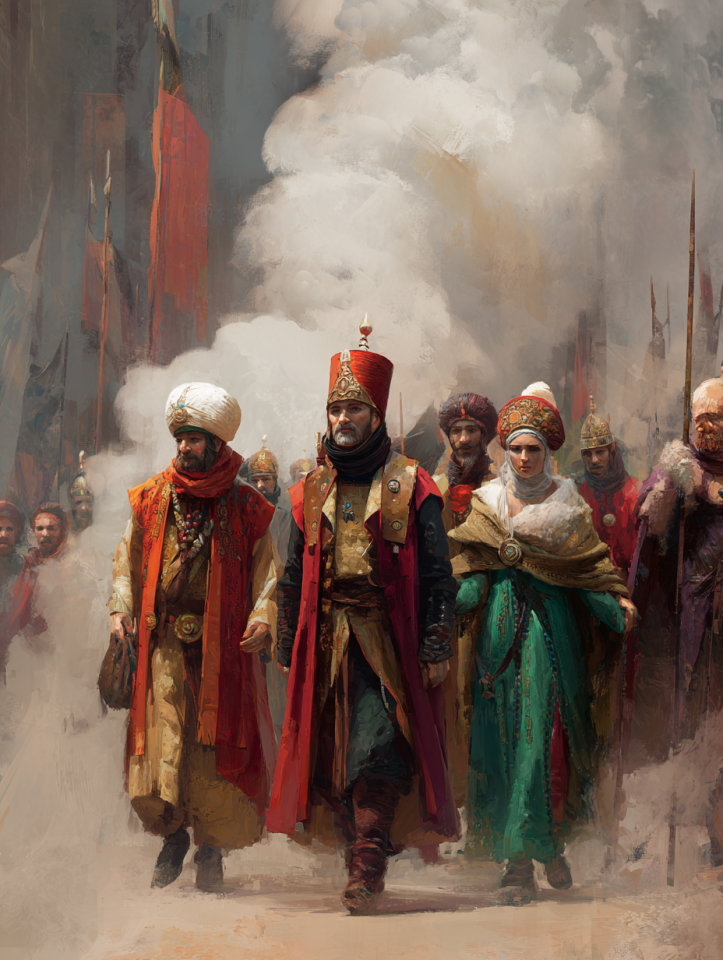
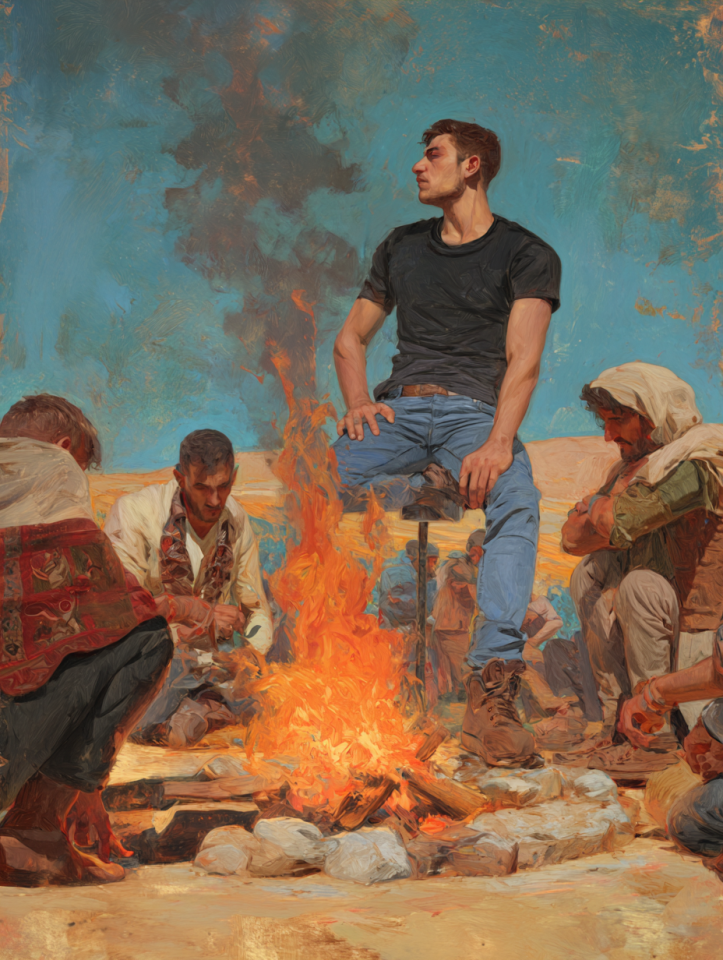
Adelphists became known as mediators in early councils, reminding disputants that even opponents were kin. Caravans often hosted Adelphist circles, ensuring hospitality to strangers across trade routes. Over centuries, Adelphism’s ethos directly influenced the Assembly of Concord, which enshrined plural belonging as a civic expectation.
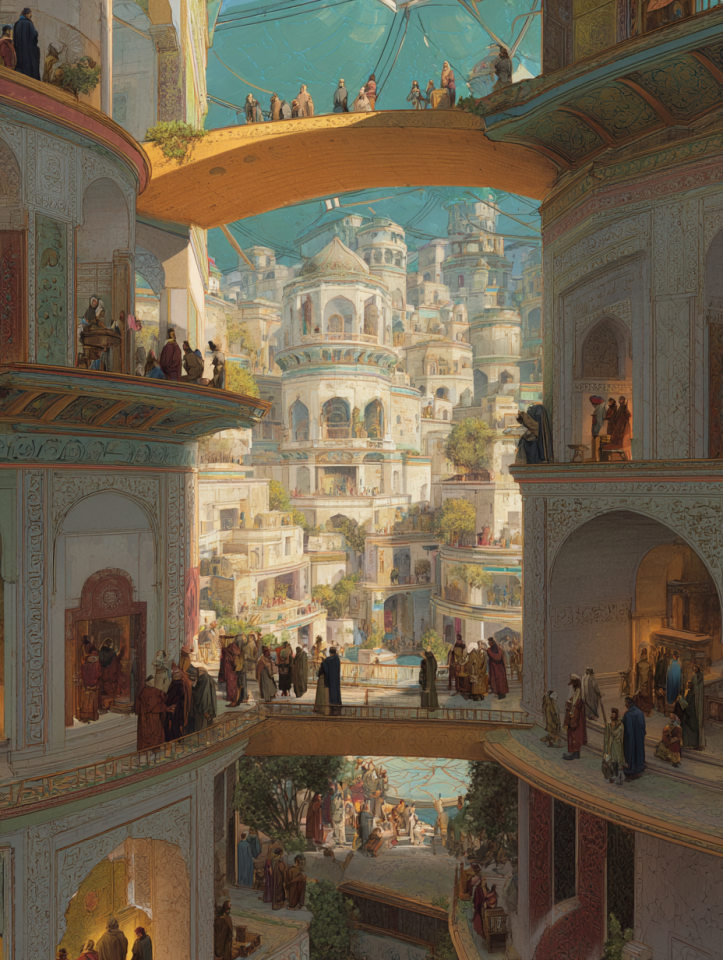
Their gatherings are simple: shared meals, recitations of welcome, and collective song. Adelphism rarely builds temples; its sacred spaces are gardens, kitchens, and meeting circles where strangers become neighbors.
Symbolism
The emblem of Adelphism is a heart at the center of a multi-spoked wheel, each spoke representing a different path converging on shared kinship. For civic or religious registers, the emblem is often rendered in plain black and white to emphasize equality. In more expressive contexts, the emblem may appear with Verdant Green spokes and a Crimson Lotus heart, or with a heart surrounded by rainbow-colored spokes, symbolizing the celebration of diversity within unity.
Tone of Belief
The tone of Adelphism is inclusive and celebratory. It is not a creed to assent to, but a practice of welcome. Its first age emphasized hospitality to all persons; its second age expanded to embrace all faiths and paths. Today it is remembered as one of the clearest models of how Koina’s pluralism became lived reality — the conviction that the stranger, the neighbor, the different, and the familiar are all members of the same household.
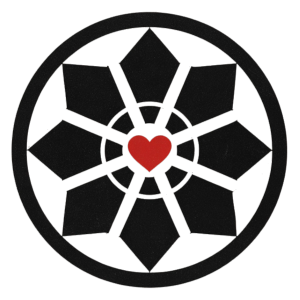
We are all one in the light.
Founding Date
321 /912 zc
Type
Religious, Other
Alternative Names
Path of LIght
Demonym
Host
Founders




Comments