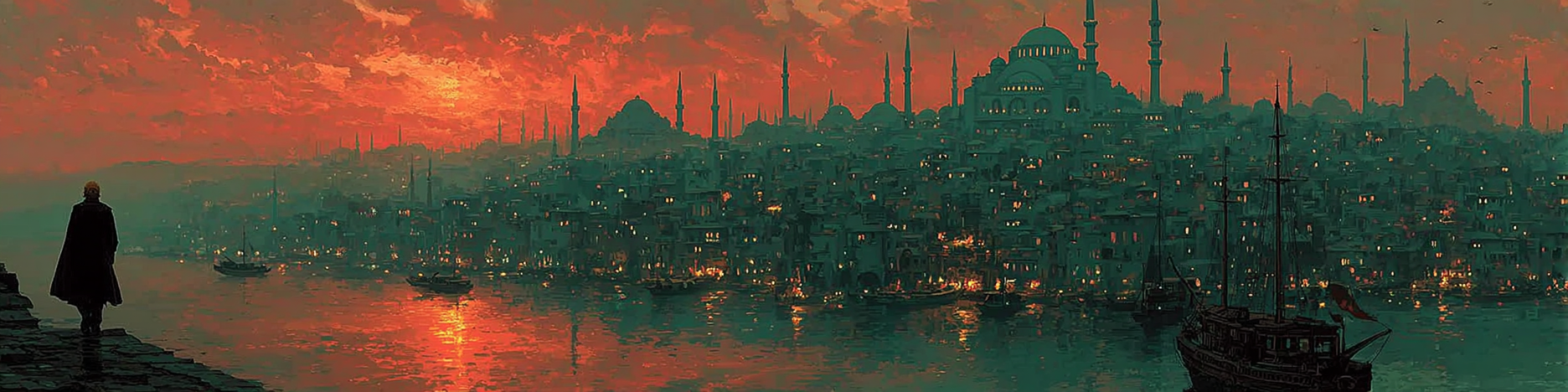
Paragons: Middle Age
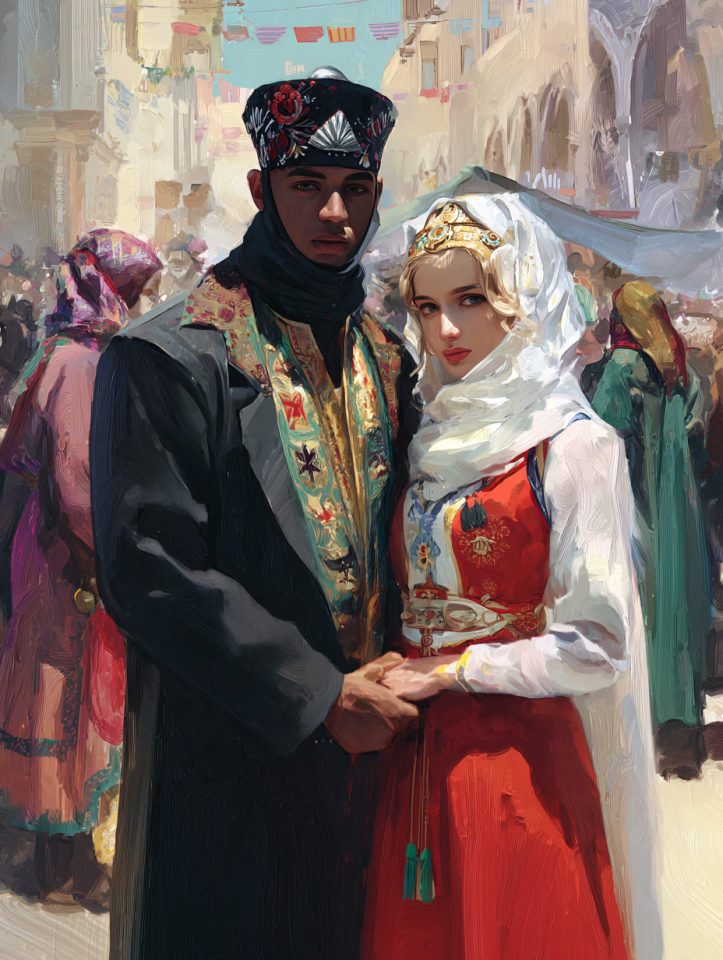
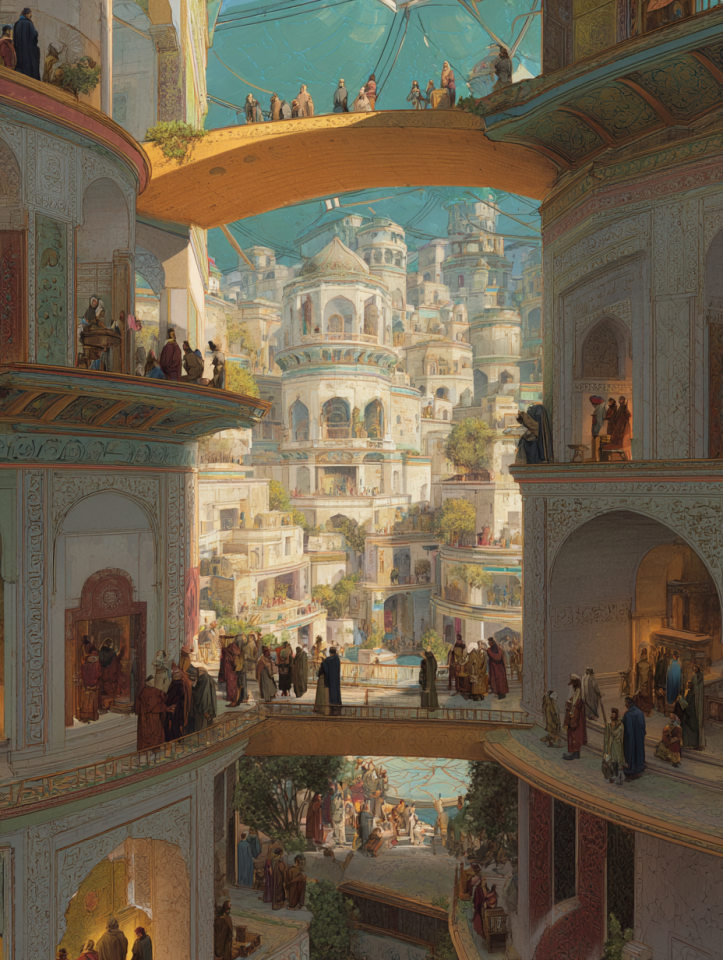
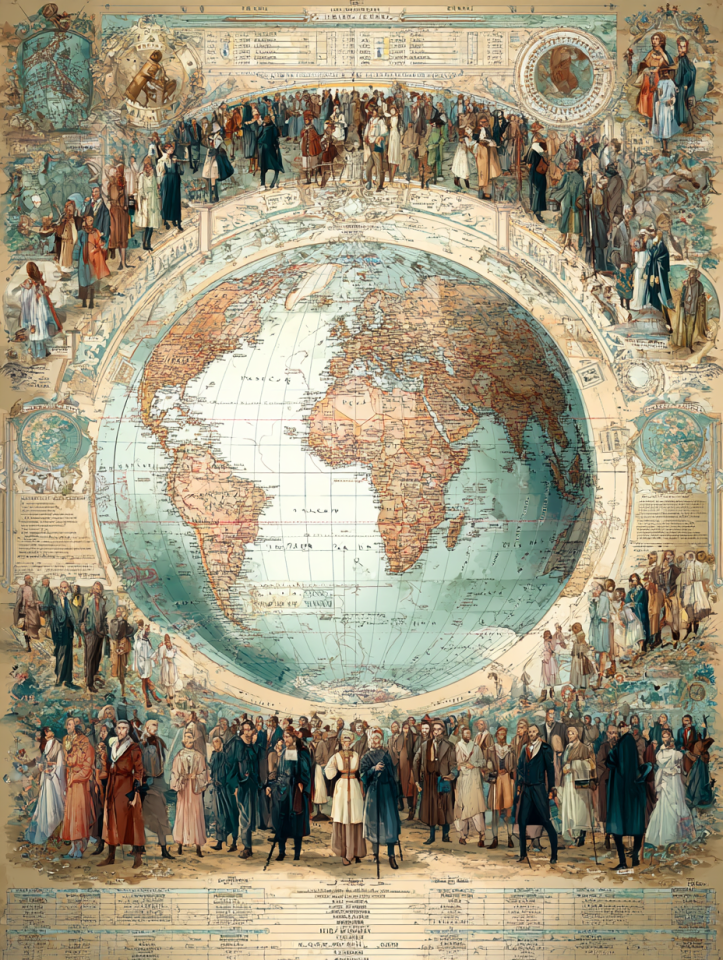
The Middle Age is the era where paragon narratives mature into ensemble stories, political intrigue, and large-scale problem-solving. Cooperation between regions is emerging, and cultures are beginning to view themselves as contributors to a broader world rather than isolated territories. Heroes of this era operate within interconnected systems—trade networks, councils, early scientific circles, and cultural exchanges. Their adversaries become increasingly complex as well: ecological crises, ideological schisms, engineered plagues, and rival alliances shaped not by brute force but by competing visions of progress.
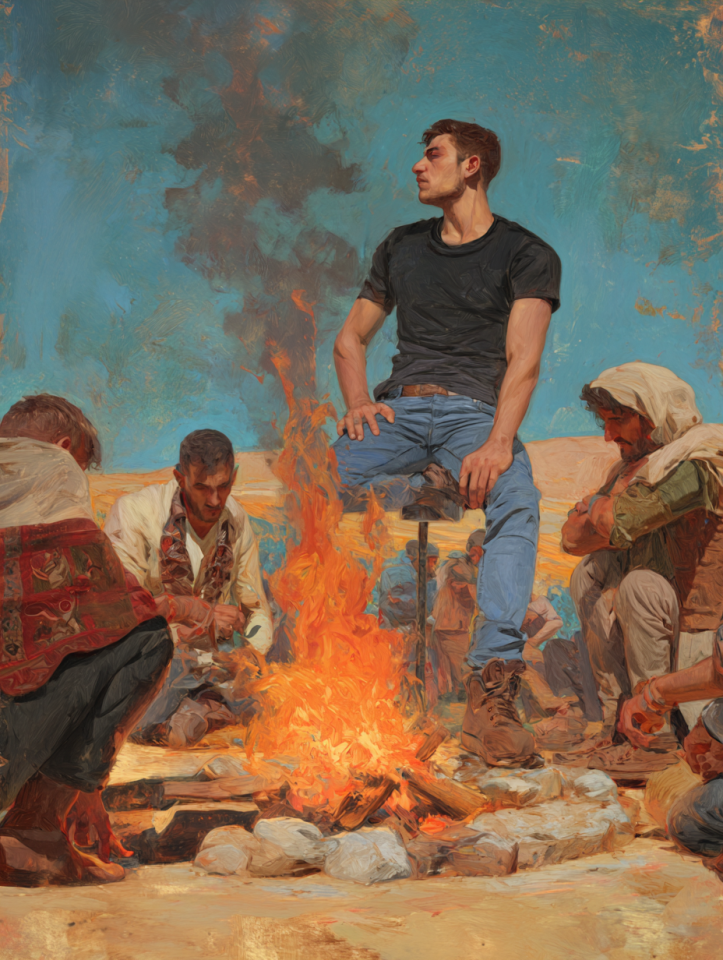
Internally, Middle Age paragons wrestle with compromise, collaboration, and the painful reality that good intentions do not guarantee good outcomes. They’re often torn between local loyalty and global impact, between the ideals they represent and the obligations of the positions they hold. Many heroes of this era discover that leadership is as heavy as any weapon, and victory often involves sacrifice, negotiation, or the courage to relent. Their personal arcs explore nuance—learning when to act, when to listen, and when to trust others to carry the burden.
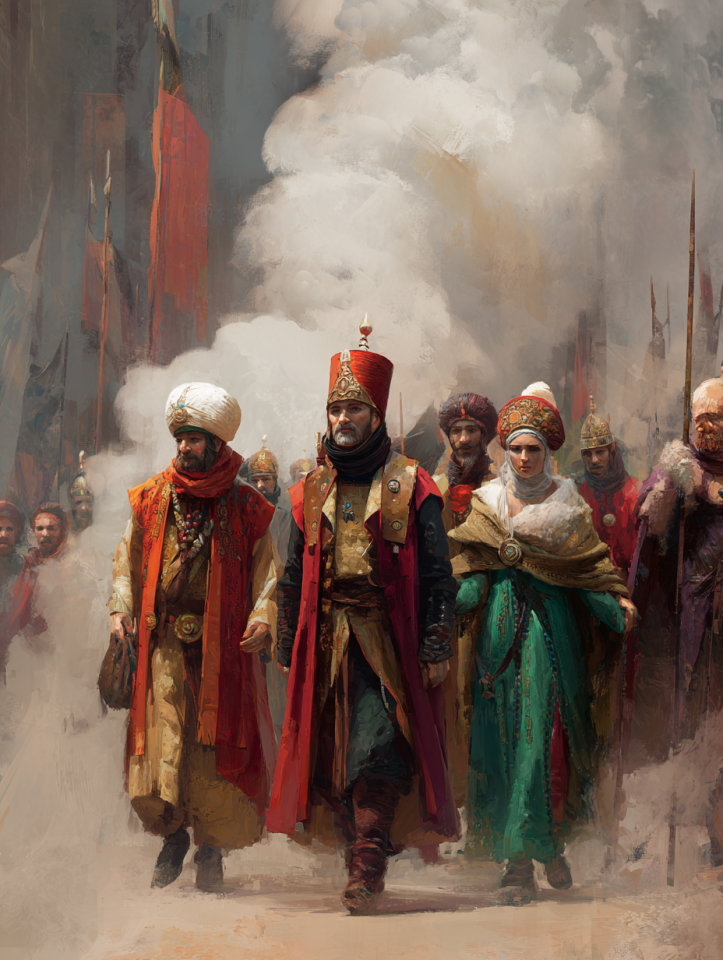
In comic storytelling, the Middle Age introduces the first true team structures and long-form political arcs. Conflicts hinge on diplomacy, scientific advancement, or competing philosophies rather than solely on combat. Modern readers often see this era as the “prestige drama” period of paragon history—full of shifting alliances, institutional change, and the groundwork for the more polished global cooperation seen in contemporary eras. Middle Age heroes are remembered not for single decisive battles but for shaping the systems that future paragons rely upon.
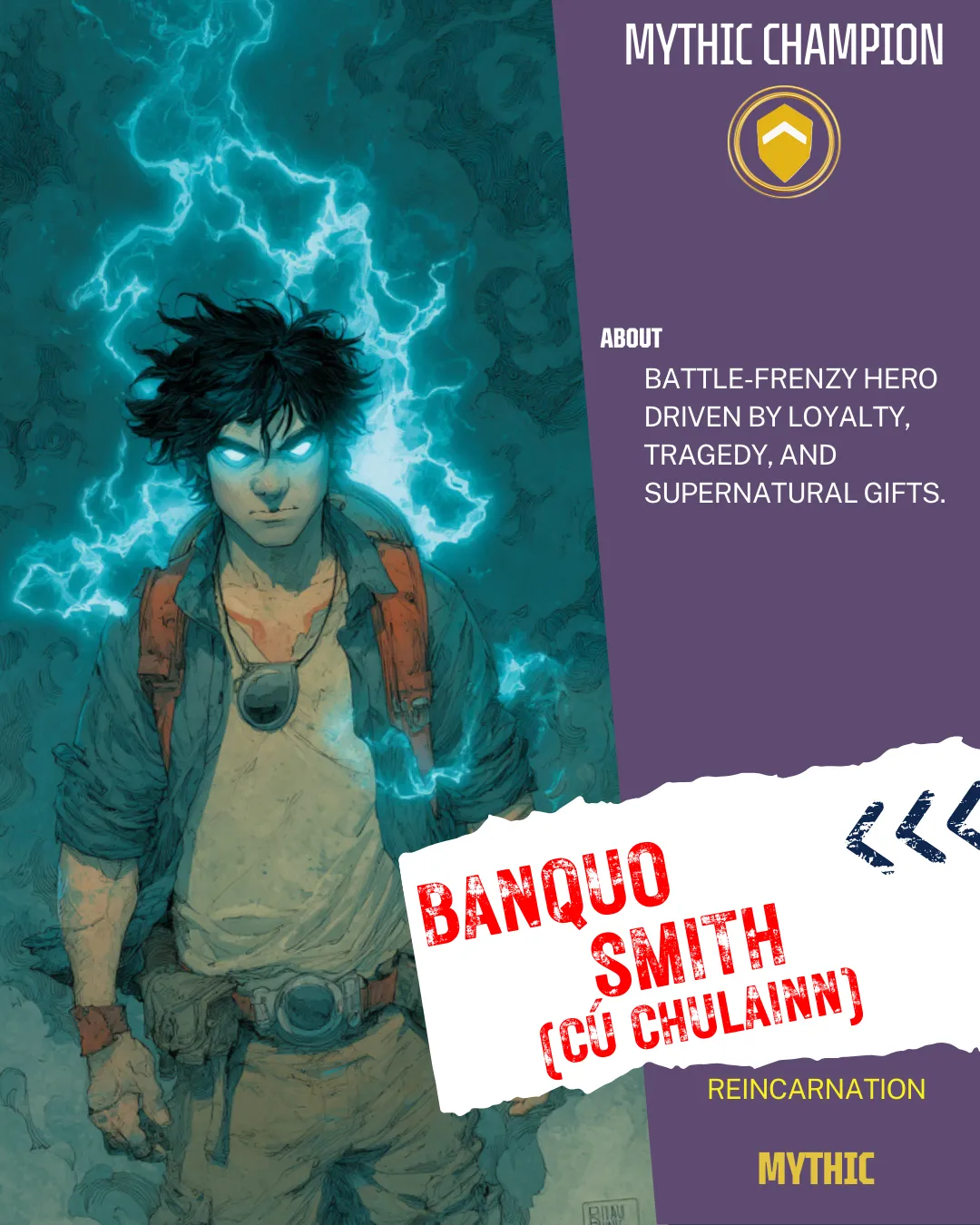
Banquo Smith
Middle Age Paragons
Banquo Smith
Cú Chulainn
A tragic, heroic warrior is re-incarnated into a mortal form. Yet retains his overwhelming battle-fury and an equally overwhelming sense of loyalty. Known for impossible feats, supernatural resilience, and a destiny that intertwines glory with self-destruction.
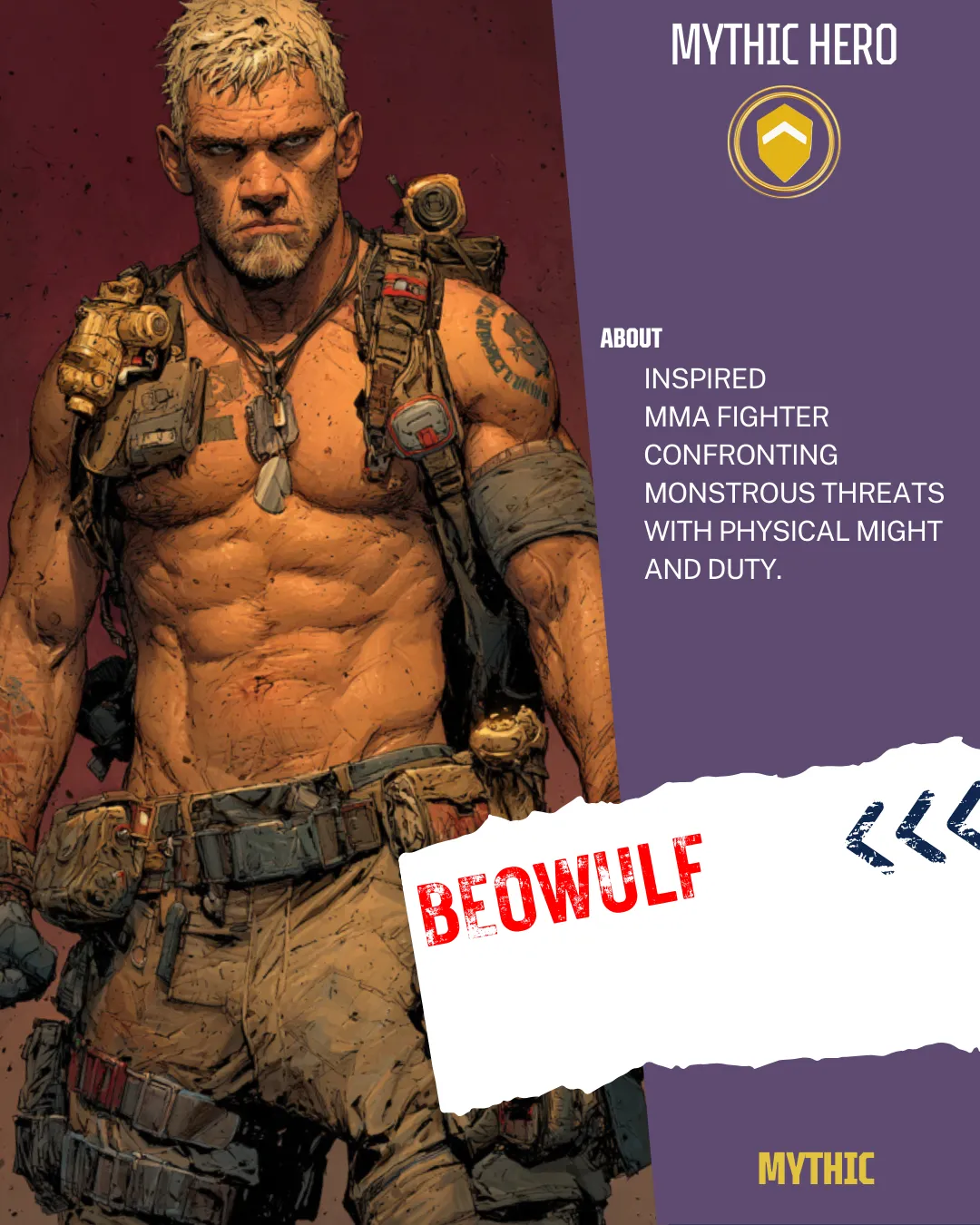
Beowulf
Named and inspired by the legendary monster-slayer defined by physical might, unwavering bravery, and a sense of heroic duty. Ex-MMA fighter confronts threats others flee, facing the monstrous not just with strength but with an acceptance that victory often carries mortal cost.
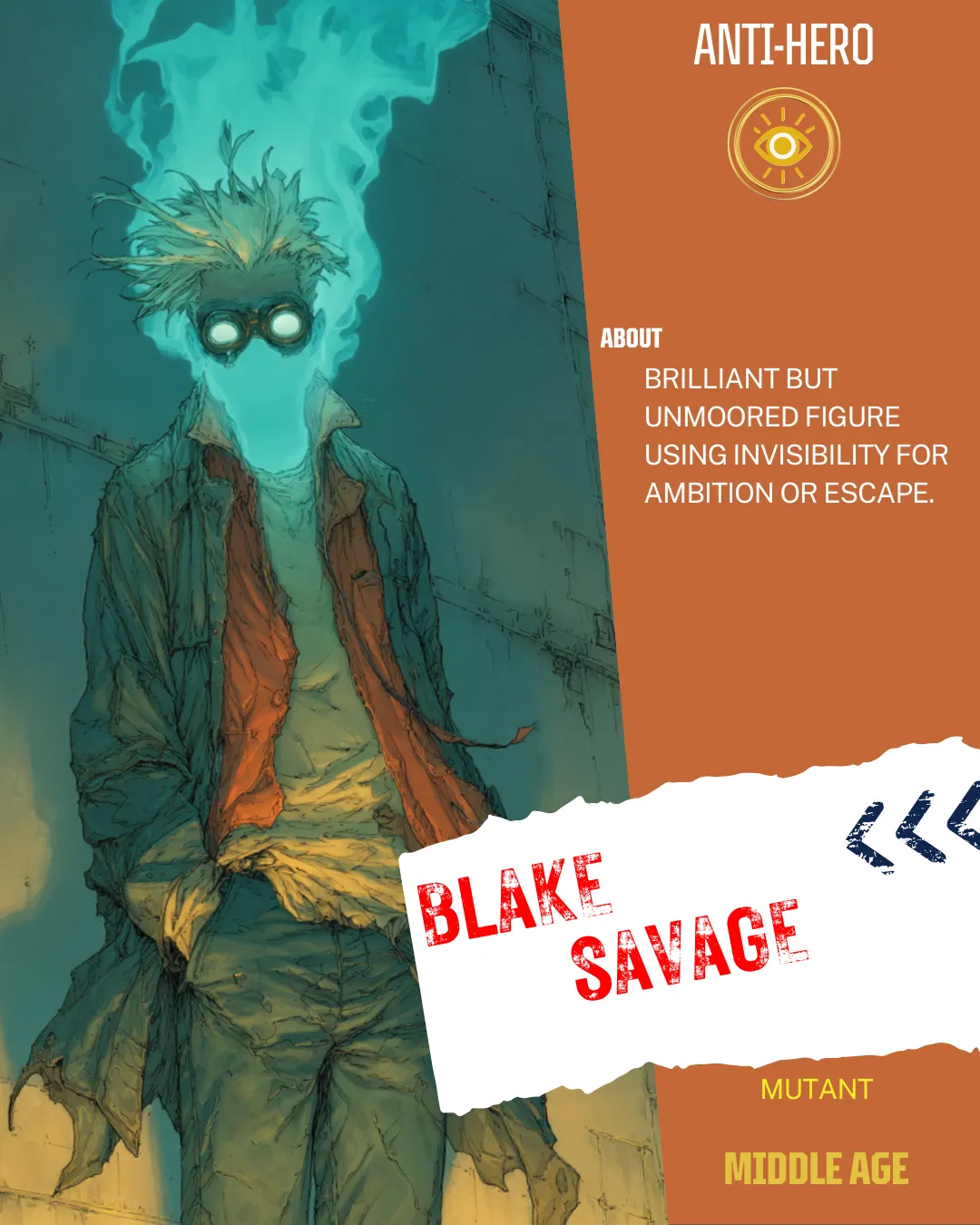
Blake Savage
A brilliant but unstable figure whose mutant ability to vanish becomes both tool and torment. Haunted by isolation and unchecked ambition, using invisibility to test society's boundaries-and occasionally their own humanity’s limits.
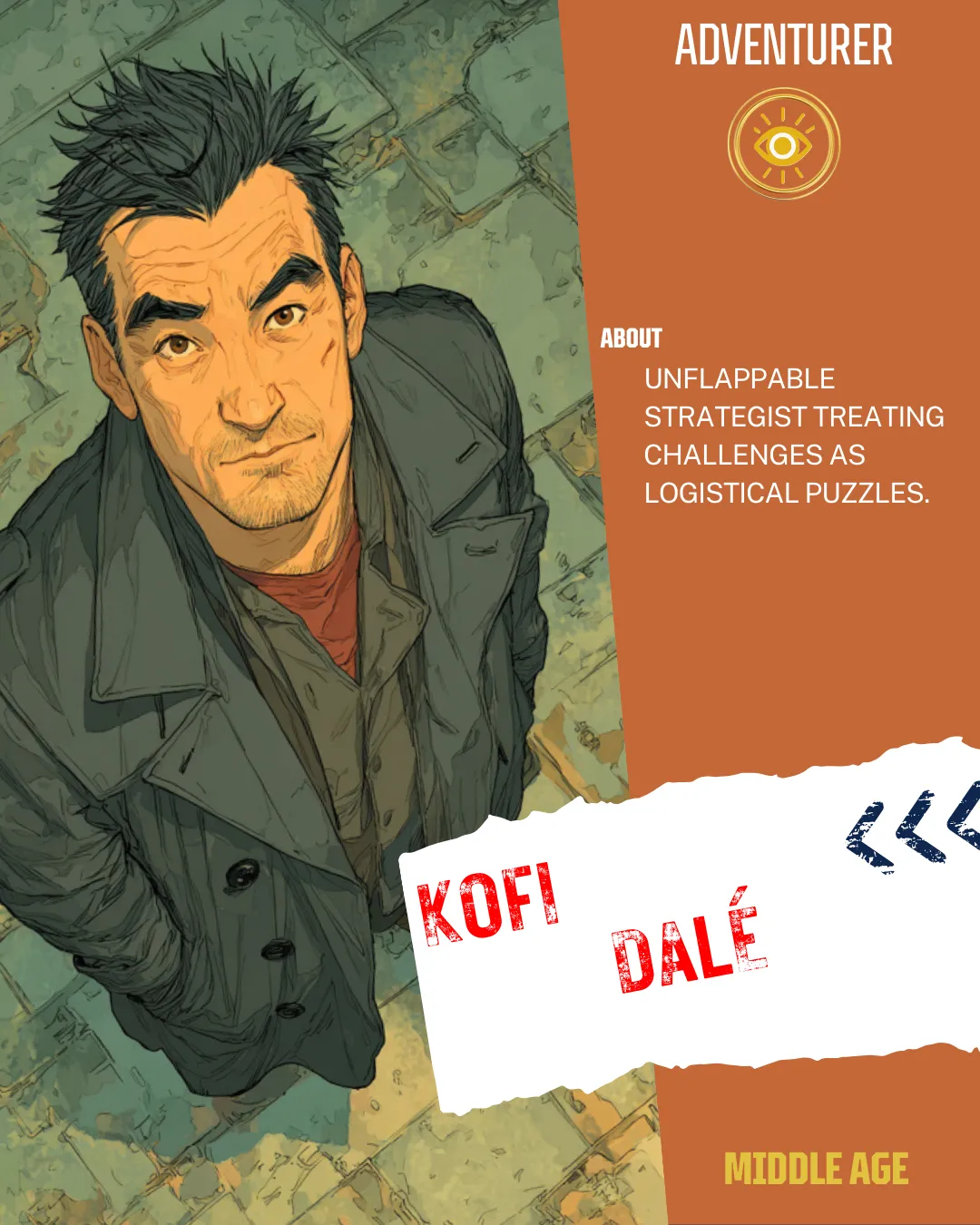
Kofi Dalé
A precise, unflappable strategist who approaches life as a series of solvable logistical puzzles. Prefers rationality and meticulous planning, yet proves unexpectedly resourceful when unpredictability derails even the best-laid itineraries.
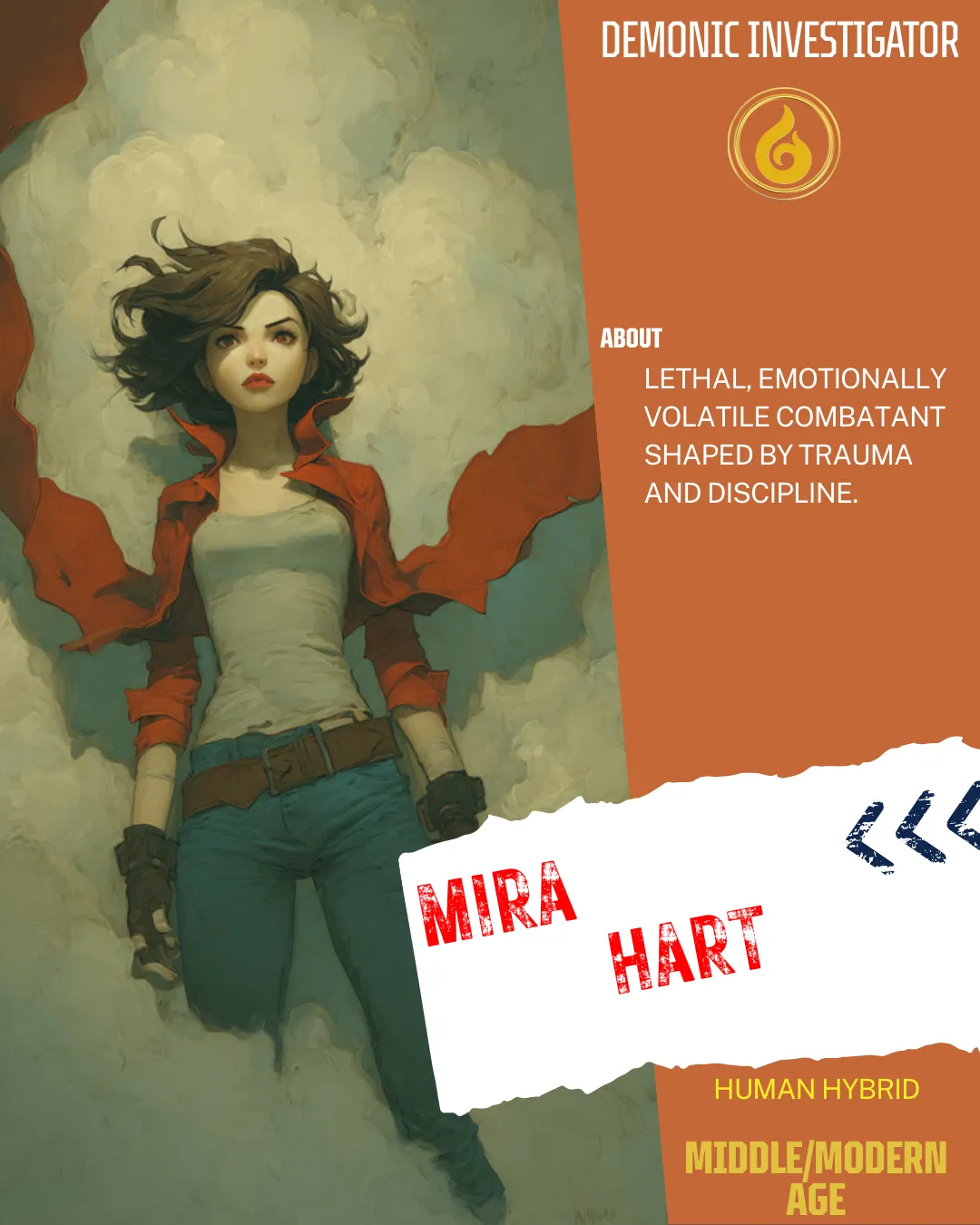
Mira Hart
A fiercely intelligent, resilient individual whose inherited darkness leaves her powerful and powerless. Uses analytical mind, emotional fortitude, and uncanny sensitivity to track, understand, and confront supernatural threats. But always battling with her dark side, inherited from her father (a fire being of unknown origin).
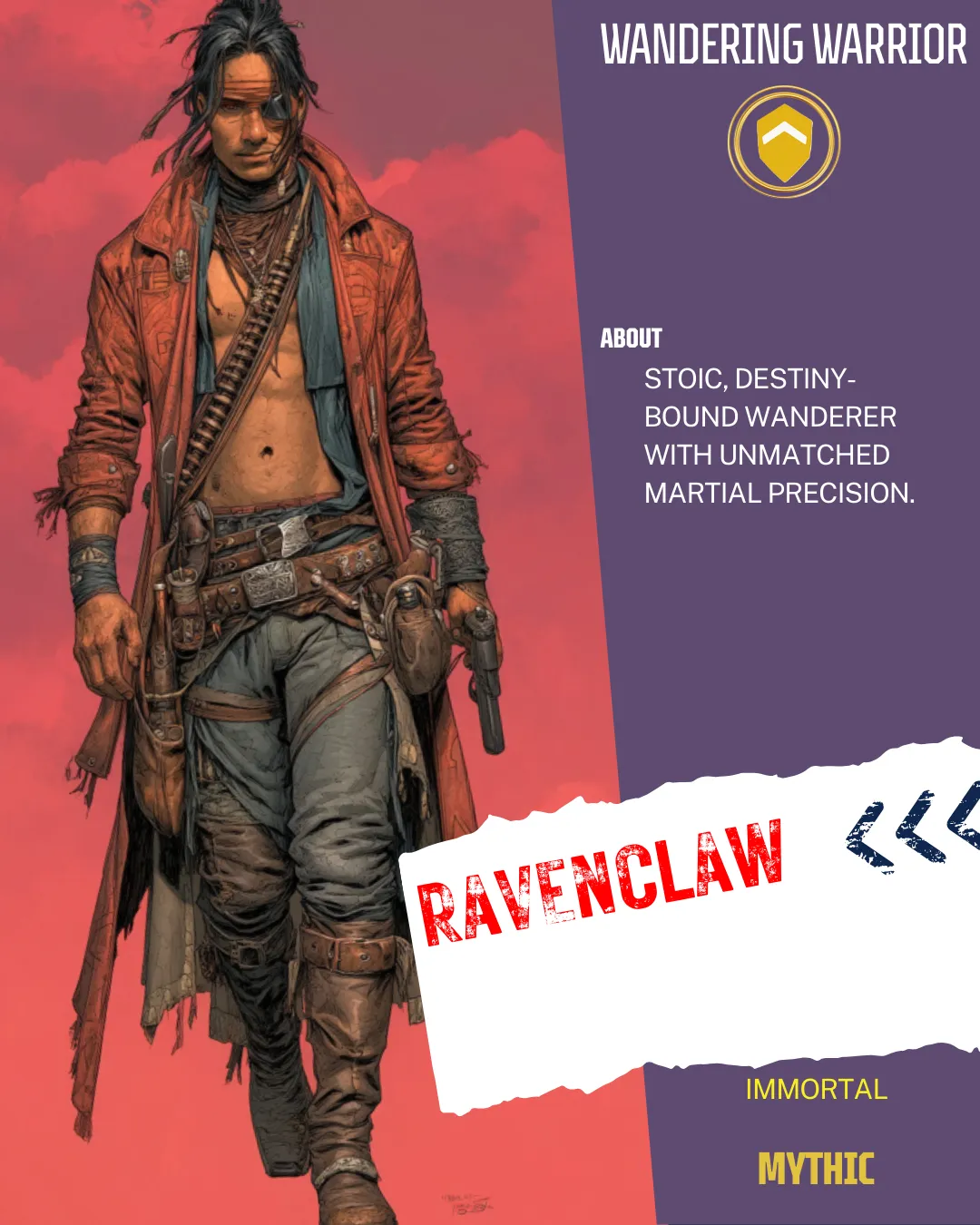
Ravenclaw
A stoic wanderer bound by an ancient code, moving through desolate lands with singular purpose. A marksman of impossible skill whose calm demeanor belies deep grief, driven by destiny, obsession, or a vow he refuses to break.
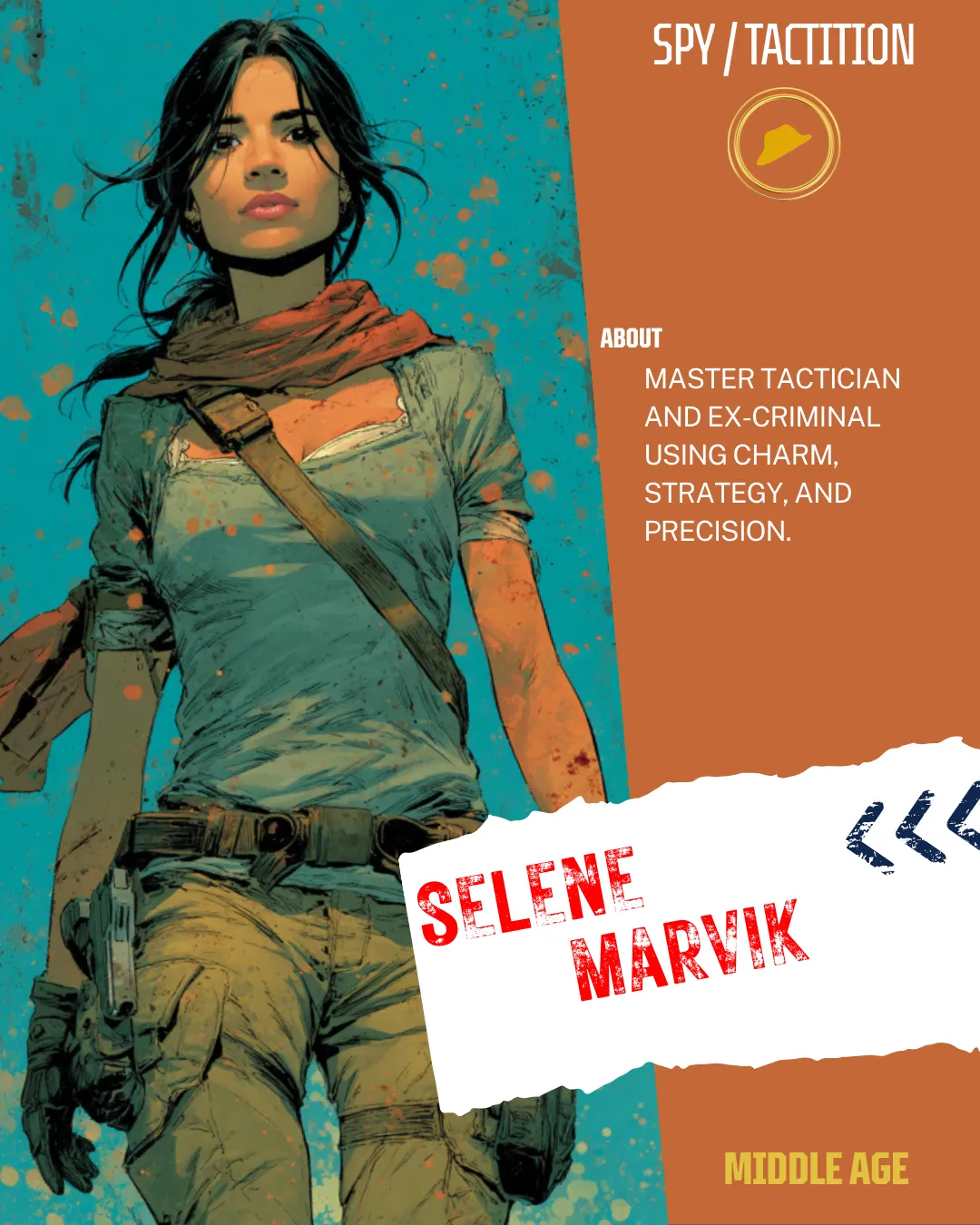
Selene Marvik
A former criminal prodigy turned master tactician and covert operative. Thrives on improvisation, charm, and razor-sharp instincts, often solving high-stakes problems without firing a shot-even if she’s fully capable when needed.
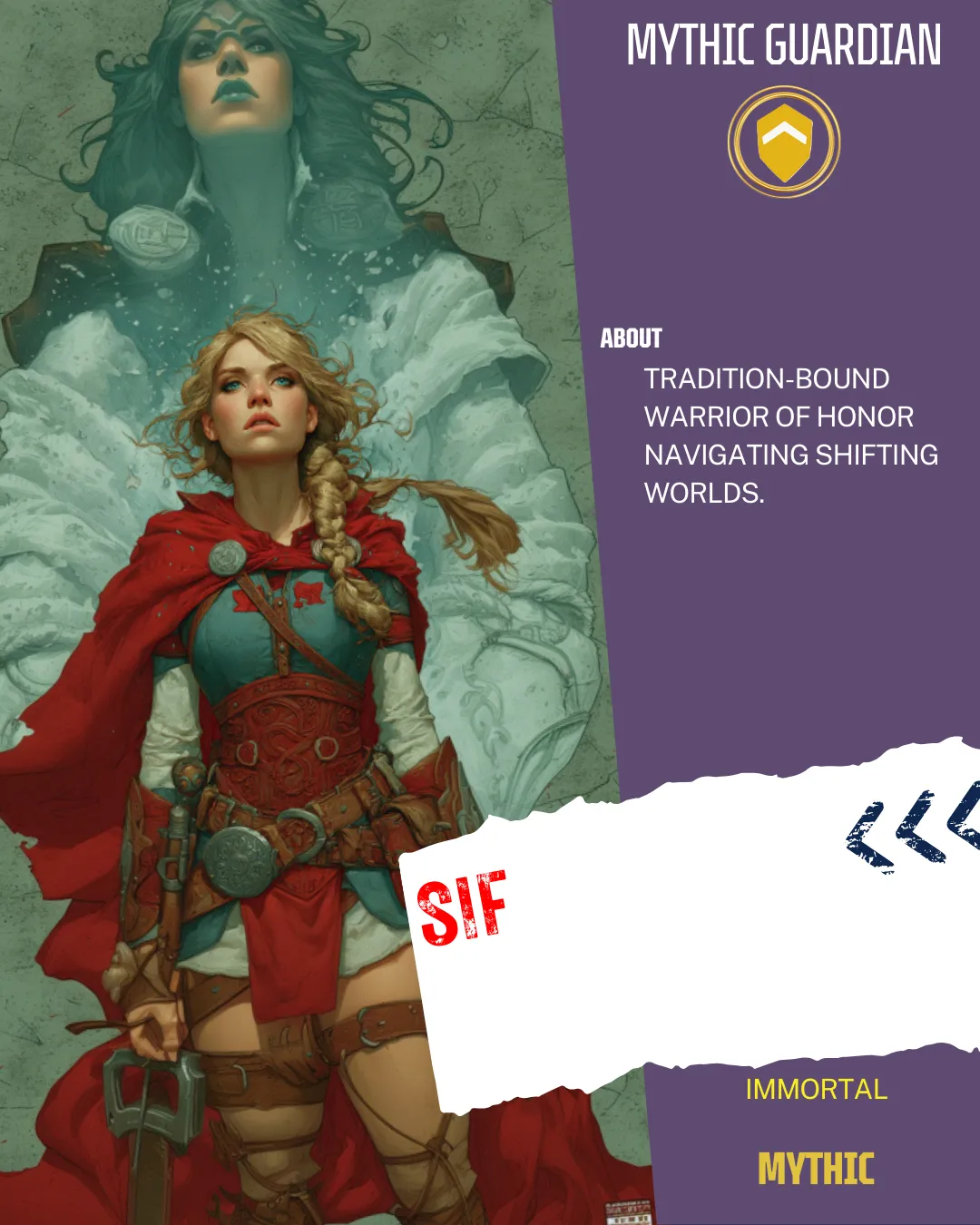
Sif
A battle-hardened warrior steeped in honor and ancient tradition. Combines discipline, loyalty, and ferocity, navigating conflict as both protector and relic of a martial culture whose values she upholds even when the world shifts around her.




Comments