Nubian / Axumite (NOO-bee-an / AK-soo-mite truh-DIH-shuns)
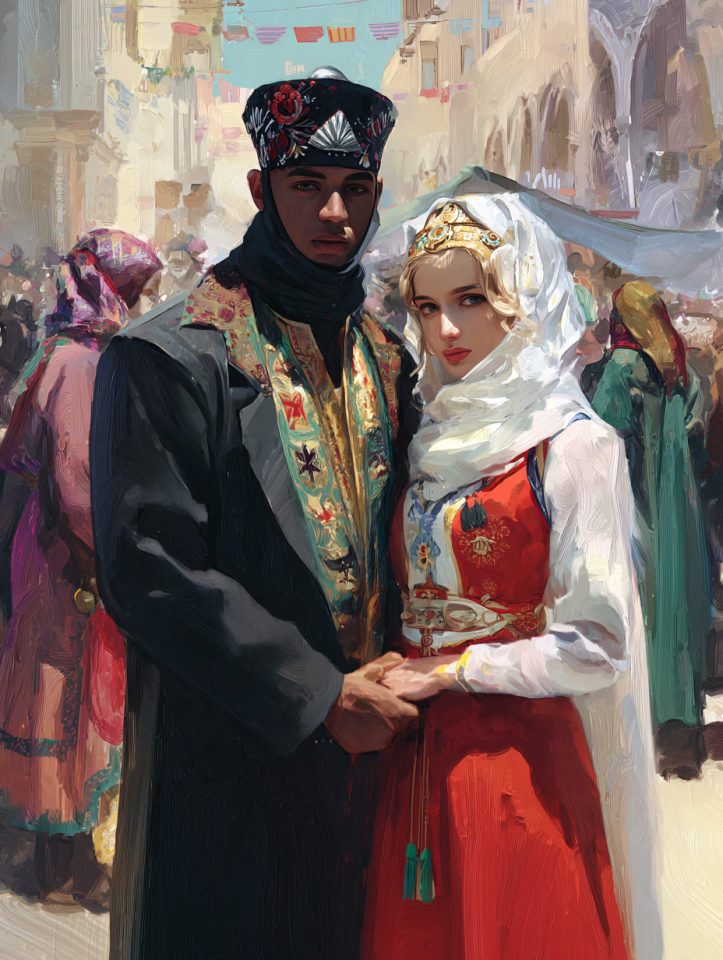
The Nubian and Axumite traditions are polytheistic and ancestral religions — meaning they venerate many deities tied to natural forces and royal ancestors, while also recognizing kingship and lineage as sacred. Polytheism involves gods like Apedemak (lion war-god), Sebiumeker (fertility and procreation), and Isis (shared with Egypt). Ancestral veneration means rulers and forebears are honored as mediators between divine and human realms.
Origins & Historical Development
In our history, Nubian and Axumite faiths were overshadowed by Christianity and Islam. In Koina, with no Roman-Christian dominance, they evolve continuously, blending influences from Kemet, Arabia, and the Horn of Africa. The kingdoms of Kush and Axum develop federative councils that integrate their priesthoods into governance. By the medieval era, their religions stand not as precursors to monotheism but as robust traditions in their own right, shaping the Nile–Red Sea Commonwealth’s identity.
Core Beliefs & Practices
The gods embody natural and civic powers: Apedemak as protector of warriors, Sebiumeker as fertility and guardian of procreation, Amun as high god of Thebes adopted into Nubia, and Mahrem as the war deity of Axum. Rituals involve animal offerings, river festivals, and coronation rites linking kingship to divine mandate. Ancestor cults play a strong role — tombs and royal stelae are treated as sacred spaces where offerings connect the living to the honored dead.
Sacred Texts & Traditions
These traditions are primarily oral, preserved through hymns, chants, and carved inscriptions on temples and stelae. In Koina, priestly schools record prayers and genealogies into the Net of Voices, ensuring continuity of memory. Myths of lion gods, river spirits, and divine kingship remain central narratives, performed in ritual theater and seasonal festivals.
Institutions & Structure
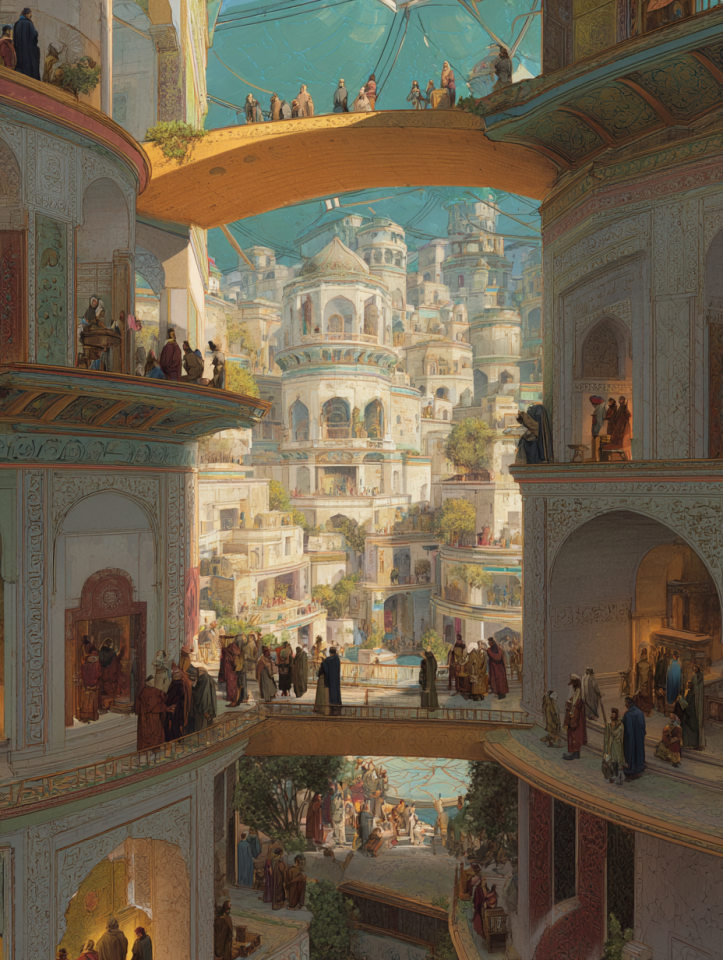
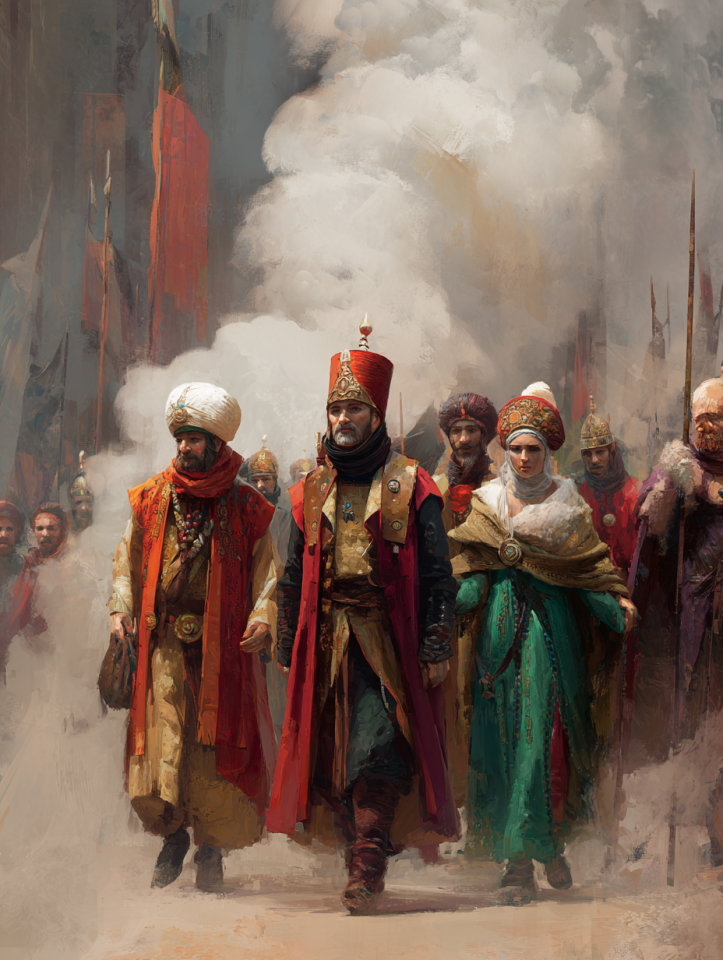
Temples serve as both civic and spiritual centers, particularly at sites like Meroë and Axum. Priests and queens (kandakes) play active roles in ritual and governance. In Koina, priestly guilds align with federative assemblies, giving religion an ongoing civic function. Coronations and festivals are overseen by these guilds, reinforcing the bond between ruler, people, and divine order.
Relation to the Accord
The Nubian and Axumite traditions strengthen the Accord through their emphasis on lineage and land. Their rituals of kingship influence federative ideas of sovereignty, where leaders are seen as bound to the land and ancestors. River rituals shape ecological treaties, while lion symbolism (Apedemak) spreads as a marker of courage and justice. These traditions also serve as bridges between African and Arabian federations, maintaining cultural dialogue across the Red Sea.
Cultural Influence & Legacy
Nubian pyramids, Axumite obelisks, and lion-god temples remain living religious centers. Artistic traditions — reliefs, jewelry, carved stelae — enrich Koina’s shared culture. Ethically, the respect for ancestors and rulers as sacred guardians influences federative law, ensuring genealogy and heritage remain civic responsibilities. Axumite trade networks carry religious symbols — lion, sun, and crescent — across Africa and Asia.
Modern Presence
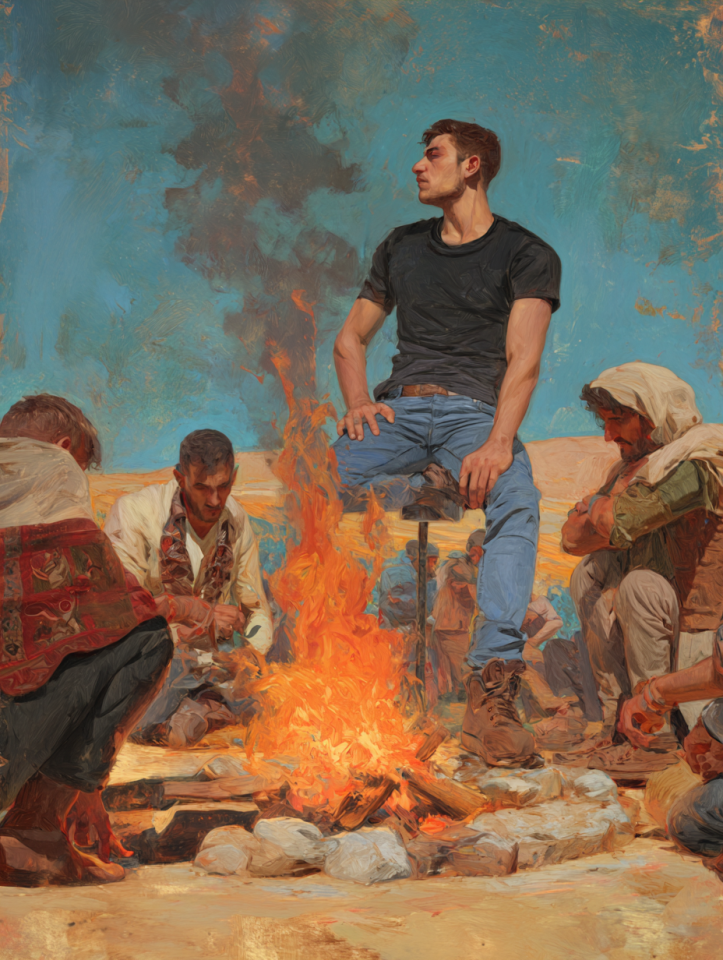
Today, Nubian and Axumite traditions are thriving in Sudan, Ethiopia, and Eritrea, integrated into the Nile–Red Sea Commonwealth. Temples, pyramids, and obelisks are maintained as active sites of worship and community. Festivals of lion-gods, river spirits, and ancestor remembrance are celebrated across federations, often joined by non-Nubians as civic holidays. These religions stand not as forgotten curiosities but as continuous traditions of resilience, sovereignty, and balance — guardians of Africa’s deep spiritual memory.

Type
Religious, Organised Religion
Alternative Names
Kushite Religion; Faith of Axum
Demonym
Nubians / Axumites
Afterlife
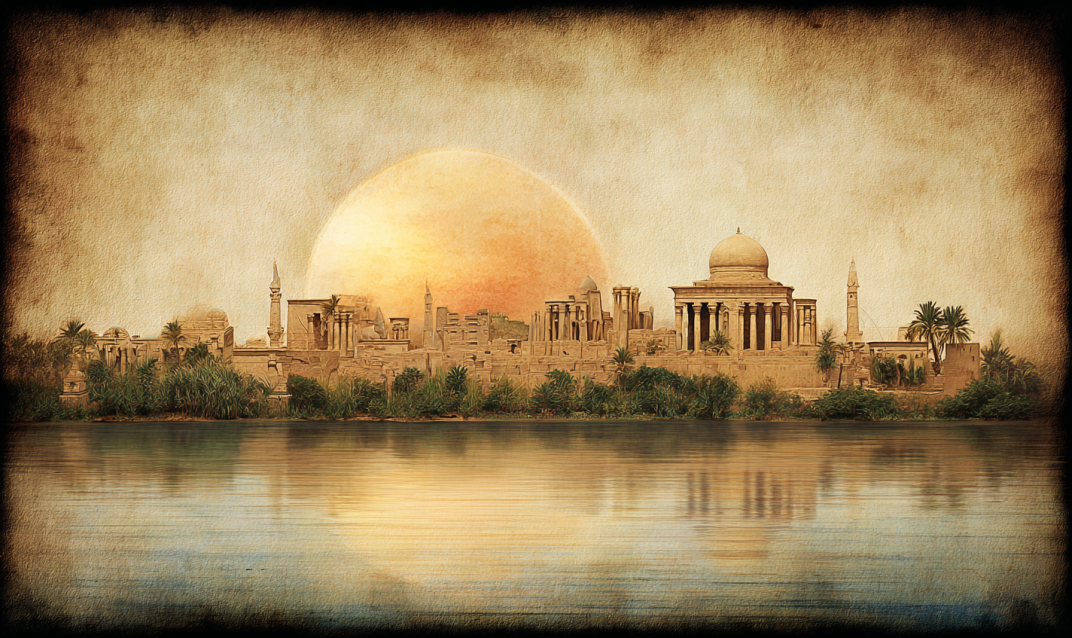
Nubian Afterlife
The virtuous cross to Aaru-Napata, the horizon where river meets sun. There they join ancestors in radiant stillness, their spirits mingling with the Nile’s eternal flow and the desert’s golden light.
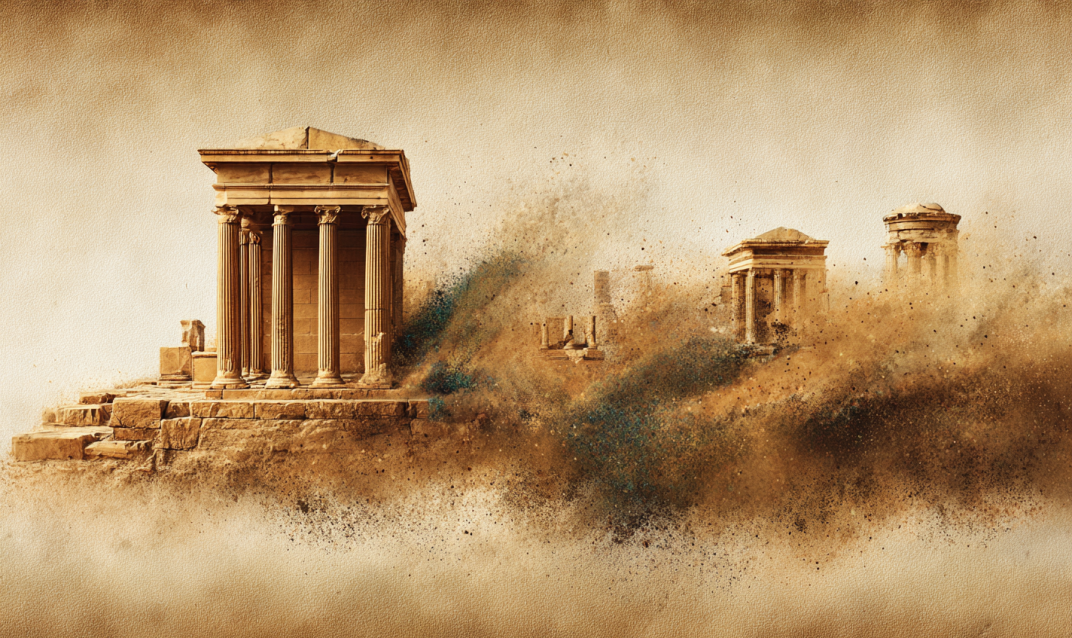
Nubian Afterlife
Cruel or faithless souls dissolve into dust upon the desert wind. They drift nameless until a descendant’s prayer or remembrance draws them back to form, reminding that even the lost may be called again to harmony.
Pantheon of Worship
The following entries offer only a partial glimpse into the living mosaic of belief. Across the federations and the Free-States alike, divinity takes many forms: anthropomorphic gods, elemental forces, moral principles, ancestral spirits, and philosophical ideas. None of these lists are exhaustive, nor do they presume uniform worship or singular interpretation. Over millennia of dialogue and migration, names have changed, stories have merged, and meanings have diverged—each person, community, and age reshaping the sacred to mirror its own understanding. Within the Accord, faith is treated not as doctrine but as conversation: these are simply the primary voices that endure within that vast and ever-evolving chorus that lies within each individual.
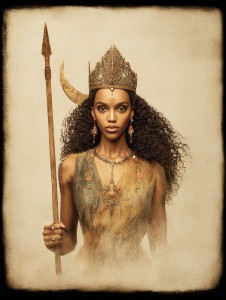
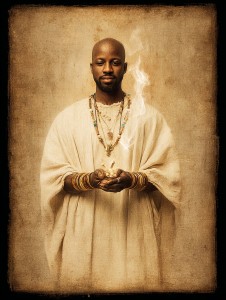
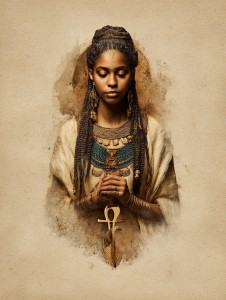
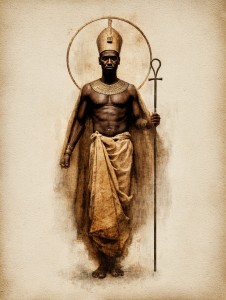
Astare
A goddess of fertility and war whose worship traveled across Semitic, Egyptian, and Nubian worlds. Within the Accord, Astare (Astarte) represents Continuity of the Feminine Divine, the endurance of womanhood’s complexity through millennia of translation.
Dedun
God of incense, wealth, and offering. Dedun represents Prosperity through Honor, the enrichment that flows from gratitude, not greed. Accord economists often cite his cult as the ancient prototype for ethical trade: goods moving by trust, sanctified by scent and word.
Isis
Here, Isis is both mother and queen—a fusion of Egyptian and Nubian divinity. She remains Continuity across Cultures, proof that reverence travels by empathy, not conquest. Her shrines in Nubia are remembered by the Accord as the first deliberate syncretism: faith as dialogue.
Sebiumeker
Deity of creation and fertility, often depicted as guardian of thresholds. In Koina interpretation, Sebiumeker is Potential Awakened—the latent force that waits behind every new beginning. His image stands beside Ganesha and Janus in Accord symbology as keeper of emergence and passage.
Lesser Pantheon / Other Important Entities
Beneath the great architects of creation move countless presences who shape the subtler rhythms of existence. These are the intercessors, the boundary-walkers, and the remembered: angels and lwa, saints and ancestors, spirits of grove and hearth, tricksters, dreamers, and the beloved dead. Their powers are intimate rather than cosmic—rooted in memory, place, and the daily turning of life. They remind the living that divinity does not dwell only in the heavens but also in laughter, grief, and the quiet negotiations between mortal and divine. Through them, the sacred becomes personal, and the invisible world remains close enough to touch.
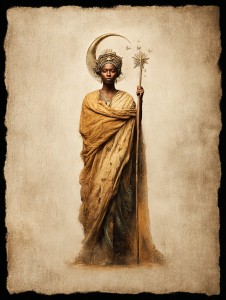
Amesemi
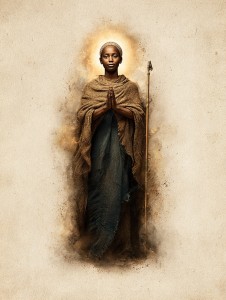
Crescent-crowned protector and guardian of royal women, Amesemi embodies foresight and maternal strength. Her presence shields travelers and kings alike from unseen harm, a living arc of moonlight against the dark.
Amun
In the southern kingdoms, Amun merges sky and hiddenness—the unseen that moves all visible life. To the Accord he is Mystery within Presence, a philosophical counterpart to the idea that truth, once named, must remain partly veiled.
Apedemak
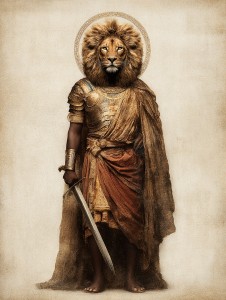
Lion-headed warrior and guardian of Meroë. Apedemak symbolizes Strength as Custodianship—the power that protects rather than conquers. Within the Accord, he is seen as ancestral emblem of righteous defense, his roar echoing in every act of moral resistance to tyranny.
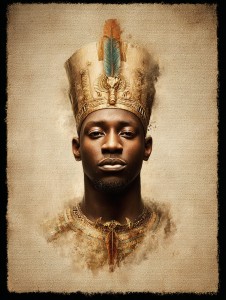
Arensnuphis
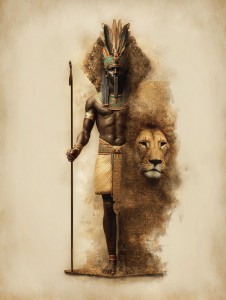
Companion and intermediary to Isis, Arensnuphis bridges divine and mortal realms. Depicted with plumed crown and lion’s grace, he represents loyal service and spiritual diplomacy within the pantheon of the Nile.
Arwe
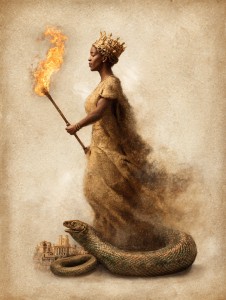
Dragon-queen of vengeance and rebirth; devourer of arrogance who restores humility through fear. In Accord myth, she is destruction purified into renewal.
Wosret
Protector and teacher, often invoked in secrecy. Wosret embodies Guarded Wisdom—the knowledge kept safe until the world is ready to receive it. Accord archivists mark her sigil in restricted texts as homage to her silent guardianship.




Comments