Minor Faiths & Syncretic Traditions (SIN-kreh-tik)
This category encompasses animistic, polytheistic, monotheistic, and syncretic traditions that are not among the major world religions but persist or arise within the Cooperative Federation. Animism here refers to small-scale practices that honor local rivers, mountains, or ancestor spirits. Polytheism includes village pantheons or regional cults. Monotheism is found in sects emphasizing singular high deities. Syncretism describes the blending of traditions — creating new practices, sects, and movements in response to cultural exchange.
Origins & Historical Development
Across the world, countless spiritual practices arise and adapt outside the “major” faiths. In Koina’s divergence, without imperial suppression, these smaller paths thrive and interweave. Some remain local — a river cult in Anatolia, a fire festival in the Balkans, or a mountain veneration in the Andes. Others expand through migration, blending into larger traditions. Unlike in our history, where many were stamped out by conquest, in Koina these traditions endure, shift, and sometimes re-emerge after dormancy.
Core Beliefs & Practices
Practices vary widely but share common themes:
– Nature veneration (sacred groves, wells, rivers, stones).
– Ancestor reverence (household shrines, funerary feasts).
– Spirit mediation (shamans, diviners, mediums).
– Festival cycles tied to planting, harvest, and seasonal change.
– Syncretic devotion, where multiple deities or saints are merged into shared cults, often blending traditions from different federations.
Some More Common Faiths
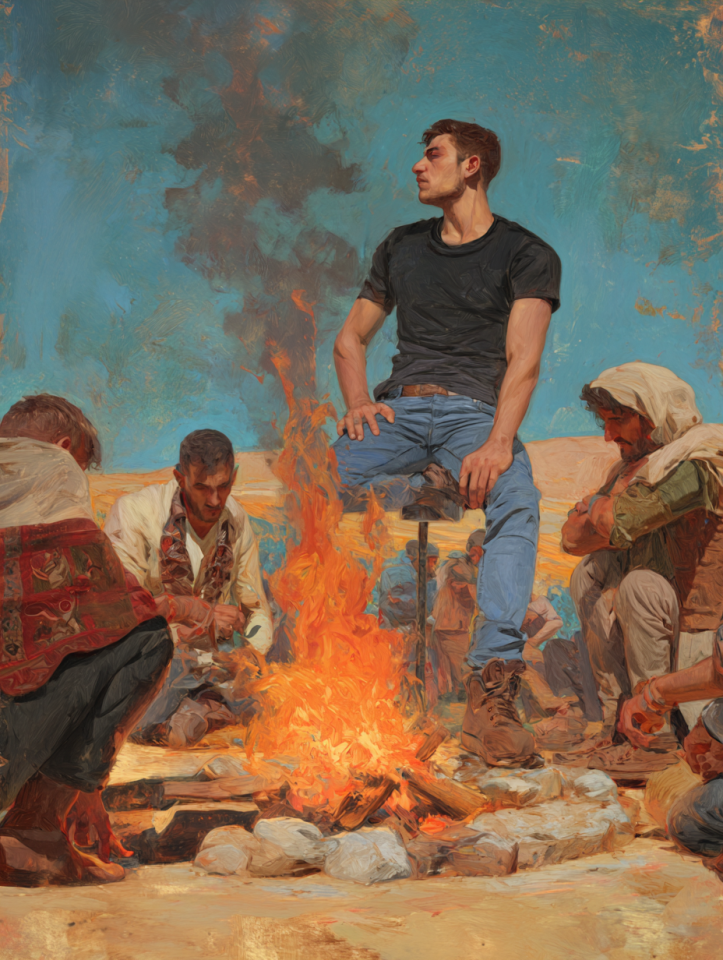
Mostly found in Zāgros zones.
Arid Interiors
| Aboriginal | Bedouin | Berber | Dakhla | Tuareg |
|---|---|---|---|---|
| Land-based cosmology mapping creation beings to waterholes, hills, and songlines; moral law expressed through landscape. | Early tribal rites to hearth-fires, stars, and protective desert spirits predating formal religions. | Belief in protective sand and wind beings guiding caravans across the Sahara. | Fire-keeping healer groups preserving desert rituals of purification and endurance. | Belief in protective sand and wind beings guiding caravans across the Sahara. |
Carpathian Foothills & Itinerant Paths
| Dacian | Danubian | Romani | ||
|---|---|---|---|---|
| Reverence for mountains and stone circles as living ancestors; storm and forge rites common. | Seasonal river offerings honoring fertility, flow, and renewal. | Nomadic practice maintaining portable hearth-flame, symbols of luck, and protective spirits of travel. |
Equatorial Green Belts
| Arawa / Tupi | Congo | Dayak | Muisca | Papuan |
|---|---|---|---|---|
| Animistic rainforest traditions honoring water spirits and medicinal plant guardians. | Forest-centered spirituality; songs and dances used to “wake” the forest after misfortune. | Longhouse ancestor veneration linked to carved totems and river spirits. | Worship of Sué and Chía, maintaining agricultural and cosmic balance through observatories and ritual offerings. | Ritual exchange linking shell wealth, sky, and ancestral renewal through dance and carving. |
Northern Expanse
| Inua | Inuit | Samoyedic | Siberian | Uralic |
|---|---|---|---|---|
| Concept of inua (life-essence) present in all things; rituals ensure balance between people and the glacier world. | Belief system centered on spirits of sea, ice, and hunted animals; harmony maintained through offerings and song. | Reindeer and tundra-spirit veneration emphasizing clan totems and ancestral guidance. | Trance-based spiritual practice mediating between human and natural realms through drumming and sky journeys. | Domestic fire worship and seasonal rites tied to metalwork and household ancestors. |
Southern Marches
| Khoisan | Minas Gerais | Polynesian | Selk’nam | |
|---|---|---|---|---|
| Healing dances invoking animal spirits to restore health and community balance. | Indigenous Brazilian devotion to local land spirits tied to fertility and mining sites; pre-colonial roots. | Celestial navigation treated as sacred knowledge uniting sea, ancestry, and memory. | Patagonian cosmology linking clans to star beings celebrated through masked ceremonies. |
Other / Fringe Zones
| Altai | Malagasy | Tibetan | ||
|---|---|---|---|---|
| Central Asian drum and eagle-spirit rites bridging heaven and earth through ecstatic flight. | Austronesian ancestor veneration focused on tomb-building, reburial, and kinship continuity. | Indigenous high-mountain practice venerating local deities and elemental forces predating formal Buddhism. |
Relation to the Accord
Minor faiths embody the Accord’s principle of inclusivity. They remind federations that no single tradition holds universal truth, and that wisdom may arise from the smallest village cult as much as from a great temple. Accord law protects local shrines, seasonal festivals, and small sects, ensuring pluralism at every scale. Syncretic traditions often act as bridges between federations, blending rituals and creating shared festivals that transcend boundaries.
Cultural Influence & Legacy
Though small in scale, these traditions leave deep cultural marks:
– Folk festivals that grow into regional holidays.
– Healing rites that influence federative medicine.
– Local myths that inspire art, theater, and literature.
– Syncretic cults that become philosophical schools, shaping wider thought.
Over centuries, many “minor” faiths shape daily life more directly than the large traditions, embedding themselves in family rituals, village gatherings, and guild practices.
Modern Presence
Today, thousands of minor faiths and sects continue worldwide. Some remain village-specific; others have become international through migration and syncretism. New movements arise regularly, weaving together Buddhist compassion, Yoruba destiny, Celtic seasonal rites, or Taoist balance. None are excluded — all are recognized as part of the Cooperative Federation’s living spiritual mosaic. In Koina, even the smallest faith has a place, and the rise and fall of traditions is seen not as loss but as transformation, feeding the plural chorus of human spirituality.
Type
Religious, Other
Alternative Names
Varied
Demonym
Varied — practitioners, devotees, communities
Pantheons of Worship
The following entries offer only a partial glimpse into the living mosaic of belief. Across the federations and the Free-States alike, divinity takes many forms: anthropomorphic gods, elemental forces, moral principles, ancestral spirits, and philosophical ideas. None of these lists are exhaustive, nor do they presume uniform worship or singular interpretation. Over millennia of dialogue and migration, names have changed, stories have merged, and meanings have diverged—each person, community, and age reshaping the sacred to mirror its own understanding. Within the Accord, faith is treated not as doctrine but as conversation: these are simply the primary voices that endure within that vast and ever-evolving chorus that lies within each individual.

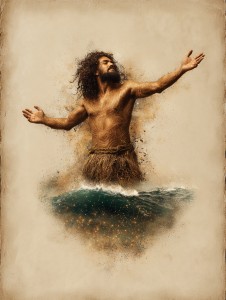
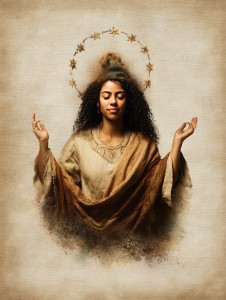
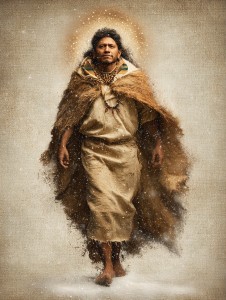
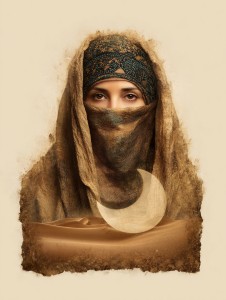
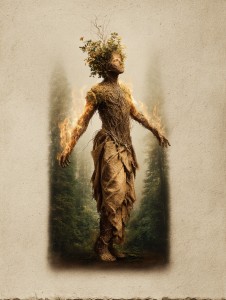
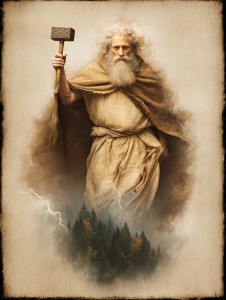
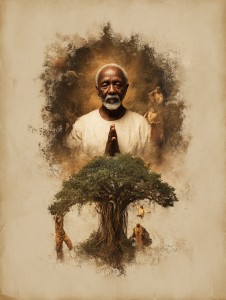
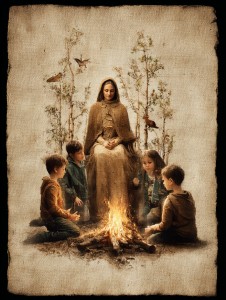
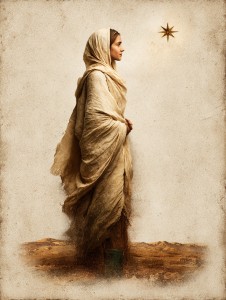
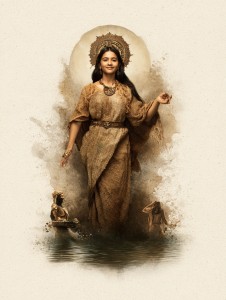
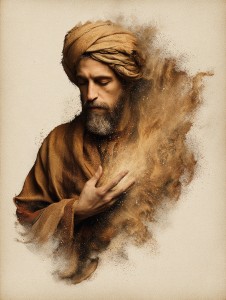
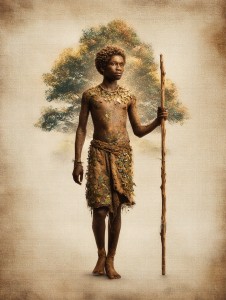
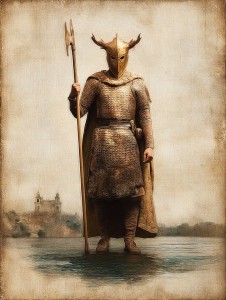
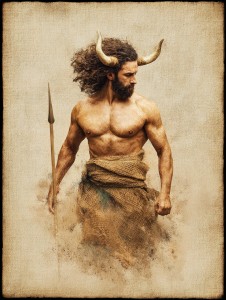
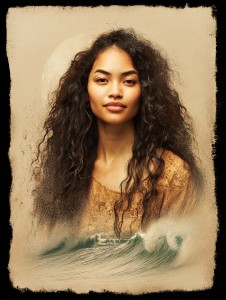
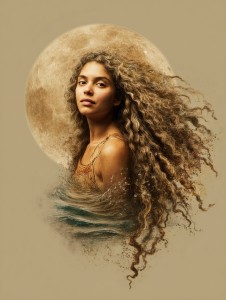
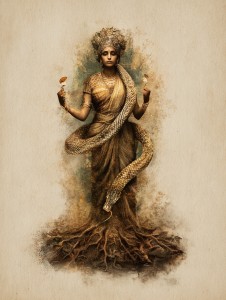

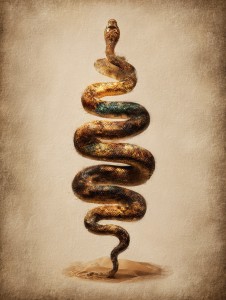
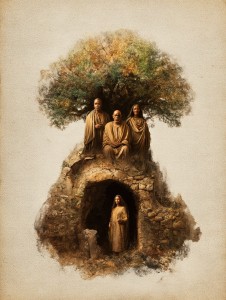
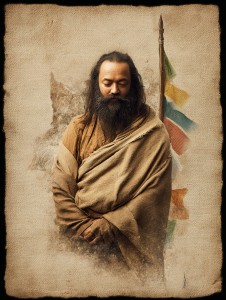

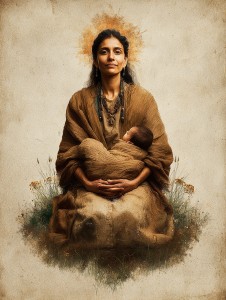
Al-Lāt
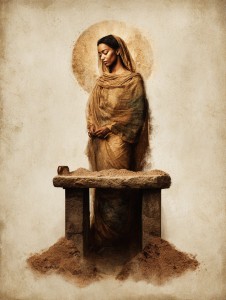
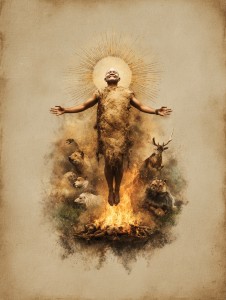
In pre-Islamic Arabian belief, Al-Lāt is the goddess of strength and the fertile earth, honored by desert tribes through stones and sacred groves.
Baiame
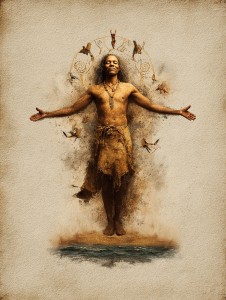
In Aboriginal Dreaming traditions, Baiame is the Sky Father and creator who shaped rivers, mountains, and the moral law carried by songlines.
Curupira
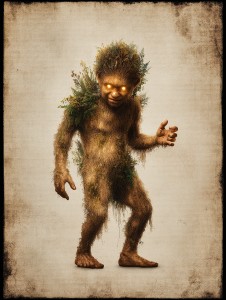
In Tupi forest tradition, Curupira is the guardian of the woods, a childlike spirit with backward feet who confuses hunters and protects wildlife from harm.
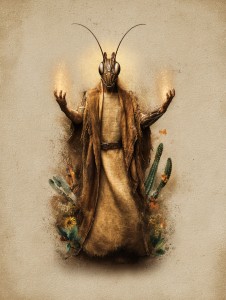
Kaggen
Among the Khoisan, Kaggen is the mantis trickster and creator who shaped life and taught healing dances. His stories bind humor and wisdom.
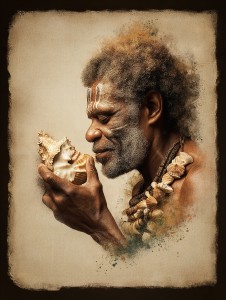
Kaileuna
In Papuan highland lore, Kaileuna is the Sky Father linked to shell wealth and cosmic ancestry, representing the bond between earth, trade, and the heavens.
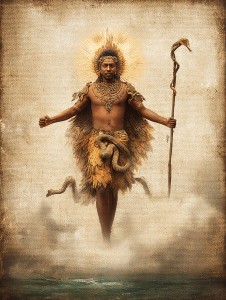
Mahatala
Among the Dayak of Borneo, Mahatala is the supreme sky god who rules over creation and serpents of the heavens, symbolizing balance between upper and lower worlds.
Num
In Samoyedic cosmology, Num is the high creator who shaped the earth and sky and set spirits in motion. He represents order above chaos and watches over reindeer herders and wanderers.
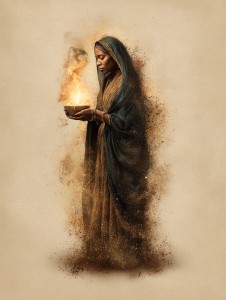
Sara e Kali
In Romani spiritual practice, Sara e Kali is the protector of wanderers and keeper of the sacred flame, embodying endurance and renewal.
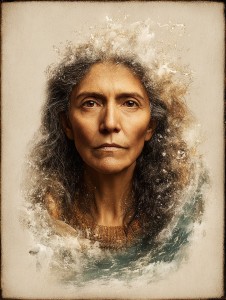
Sedna
In Inuit belief, Sedna is the Sea Mother who governs the creatures of the deep. She dwells beneath the cold ocean, her flowing hair entwined with seals and fish, symbolizing the bond between people and the sea.
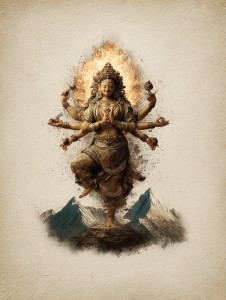
Sidpa Gyalmo
In Bön practice, Sidpa Gyalmo is the fierce protector queen, rider of winds, who upholds balance and wards off chaos.
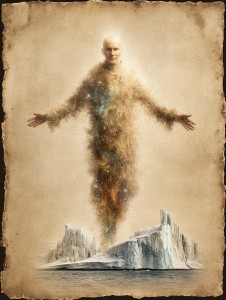
Silap Inua
In Greenlandic tradition, Silap Inua embodies the life-force in all things—air, wind, and breath. Hunters call upon this spirit for calm weather and safe passage.
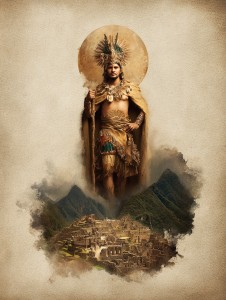
Sué
For the Muisca, Sué is the solar deity, giver of light, heat, and order. His worship at the Temple of the Sun bound community and cosmos together.
Tangaroa
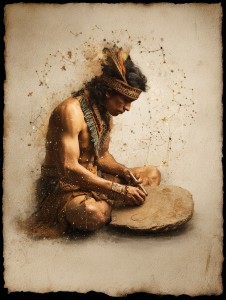
In Polynesian seafaring belief, Tangaroa is the ocean father, source of all life, who governs tides, storms, and navigation by the stars.
Tanit
In ancient Berber and Punic faith, Tanit is the celestial mother and guardian of fertility, often represented by stars, moon, and open palms.
Temáukel
In Selk’nam cosmology, Temáukel is the supreme sky being, remote yet omnipresent, representing cosmic law and the order of creation.
Tin Hinan
In Tuareg oral heritage, Tin Hinan is remembered as the ancestral queen and spirit mother who guides desert travelers and clans through wind and sand.
Tore
In Mbuti tradition, Tore is the forest spirit who awakens the world through song and firelight, guiding hunters and mediators through the trees.
Ukko
Among Uralic peoples, Ukko is the sky and thunder god who brings rain and renewal. His presence is felt in the hearth’s flame and in the storms that nourish the land.
Zanahary
In Malagasy belief, Zanahary is the creator spirit of sky and life, honored through ancestor veneration and ritual reburial.
Lesser Pantheons / Other Important Entities
Beneath the great architects of creation move countless presences who shape the subtler rhythms of existence. These are the intercessors, the boundary-walkers, and the remembered: angels and lwa, saints and ancestors, spirits of grove and hearth, tricksters, dreamers, and the beloved dead. Their powers are intimate rather than cosmic—rooted in memory, place, and the daily turning of life. They remind the living that divinity does not dwell only in the heavens but also in laughter, grief, and the quiet negotiations between mortal and divine. Through them, the sacred becomes personal, and the invisible world remains close enough to touch.
Akka
In Uralic tradition, Akka is the feminine counterpart to Ukko, patroness of earth, fertility, and childbirth, invoked at the hearth.
Al-‘Uzzā
In pre-Islamic Arabian belief, Al-‘Uzzā is a goddess of might and the morning star, honored with acacia groves and stones.
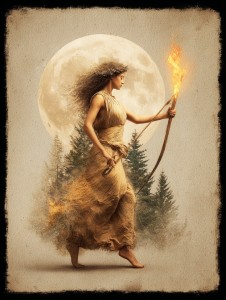
Bendis
In Dacian cults, Bendis is the goddess of the moon, forests, and wild hunt, often depicted with torch and bow.
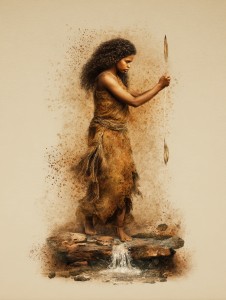
Birrangulu
In Aboriginal creation stories, Birrangulu is the Earth Mother who birthed the first waters and creatures, protector of life and fertility.
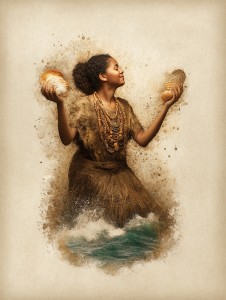
Bubu
Among Papuan coastal clans, Bubu is the Ocean Mother whose shell tears form pearls, symbols of renewal and trade.
Chía
In Muisca cosmology, Chía is the moon goddess and consort of Sué, her phases marking tides, fertility, and the rhythm of ritual time.
Devla
In Romani spirituality, Devla is the supreme divine principle, formless and luminous, invoked for justice and safe passage.
Epilipili
Among Mbuti storytellers, Epilipili is a guiding forest guardian who teaches balance between hunting and harmony.
Erlik
In Altai belief, Erlik is the lord of the underworld, counterpart to Ulgen, who governs death and balance between realms.
Gurzil
Among ancient Berbers, Gurzil is a war and bull god, symbol of strength and protection for nomadic tribes.
Hina
In Polynesian mythology, Hina is the moon goddess and patron of tapa making, known for grace and quiet strength.
Iara
In Tupi and broader Amazonian lore, Iara is the spirit of rivers and beauty, both guide and danger to those who disrespect the water.
Jata
In Bornean belief, Jata is the serpent goddess of the underworld waters, complement to Mahatala, her union ensuring the world’s balance.
Kaang
Among the San, Kaang is the sky lord and originator of life who taught humans to live in harmony before the world divided.
Kel Essuf
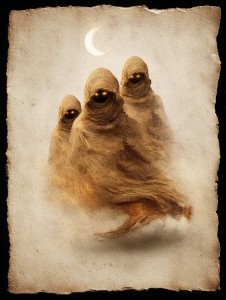
In Tuareg cosmology, the Kel Essuf are invisible desert beings, guardians and tricksters born of solitude and sand.
Kenos
In Selk’nam tales, Kenos is the first shaper sent by Temáukel to organize the world, teaching clans law and ritual.
Nanook
Among Arctic hunters, Nanook is the master of bears and the spirit of survival, honored with songs and offerings before each hunt.
Nga
In Samoyedic myth, Nga is the underworld counterpart to Num, ruler of shadows and ancestral spirits who receive the dead.
Rainbow Serpent
The Rainbow Serpent is a central being of creation across Australia, bringing rain, shaping rivers, and enforcing moral law.
Razana
In Malagasy ancestor reverence, the Razana are the ancestral spirits who remain present among their descendants, guiding the living through dreams.
Shenrab Miwoche
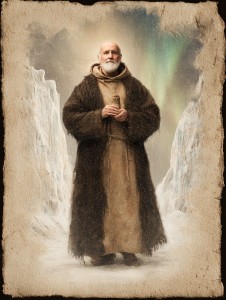
In Bön tradition, Shenrab Miwoche is the founding teacher who revealed ancient wisdom before recorded history.
Torngarsuk
In Inuit oral tradition, Torngarsuk is a powerful helping spirit who aids shamans in curing illness and guiding lost souls across the ice.
Umai
In Central Asian shamanic belief, Umai is the Mother Earth spirit who protects children and midwives; she represents fertility and renewal.
Uumarnituq and Aakulujjuusi
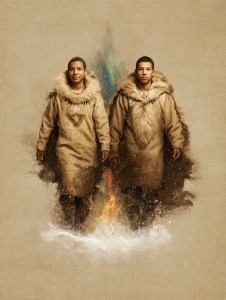
In Inuit creation stories, Uumarnituq and Aakulujjuusi are the first beings to emerge from the earth. Uumarnituq, originally male, transformed into female so that life could continue, giving birth to the first generation of humans. Together they embody the fluidity of form and the cooperative essence of creation—gender, matter, and spirit shifting in balance with need.




Comments