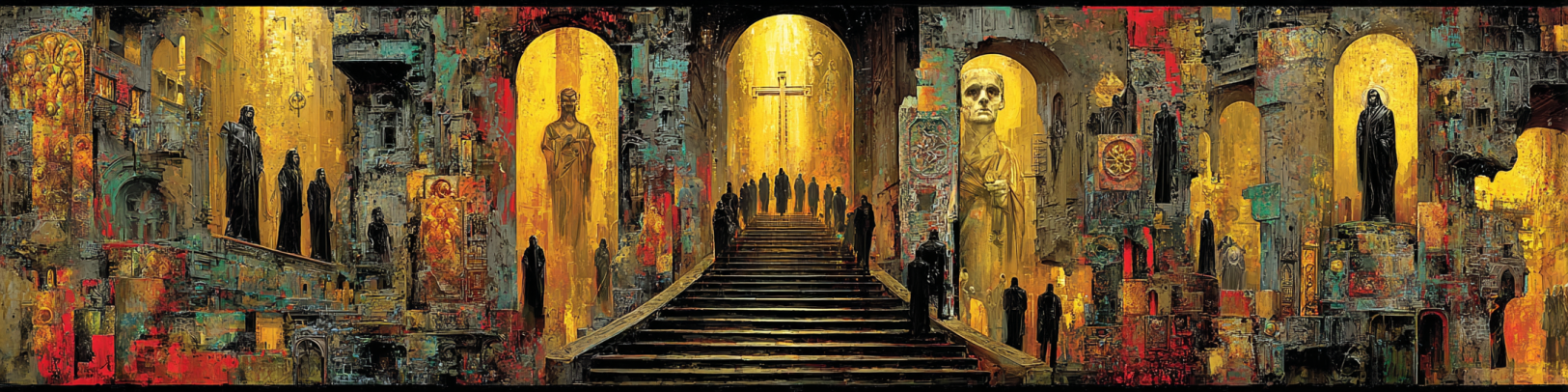
CTU: Pantheon
Integral to Crowley’s wider Terran Universe is the mythological system known as the Terran Pantheon, first introduced in The Iron Gospel (2023) and later expanded through subsequent novels and posthumous works. The pantheon’s deities embody virtues corrupted by civic-religion, each representing an aspect of social order transformed into a mechanism of control. Crowley treated these figures not as religious entities but as metaphors for the moral compromises inherent in empire.
Later authors within the Dominion Continuum reinterpreted the pantheon through poetry, drama, and theological commentary, solidifying its place as one of the most analyzed fictional cosmologies in modern literature.
Below is the complete roster of deities formally recognized within the Terran Pantheon, presented with their domains and canonical interpretations.
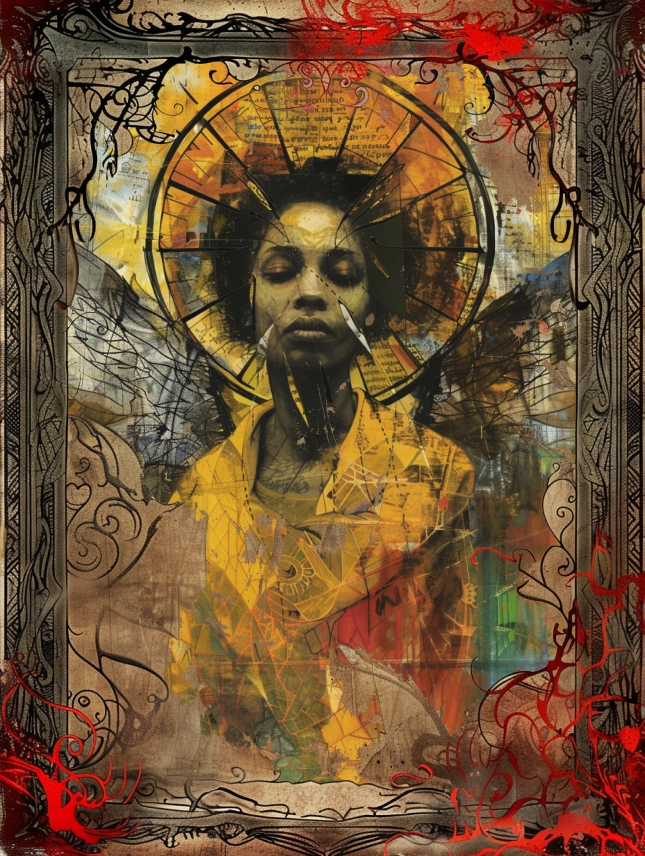
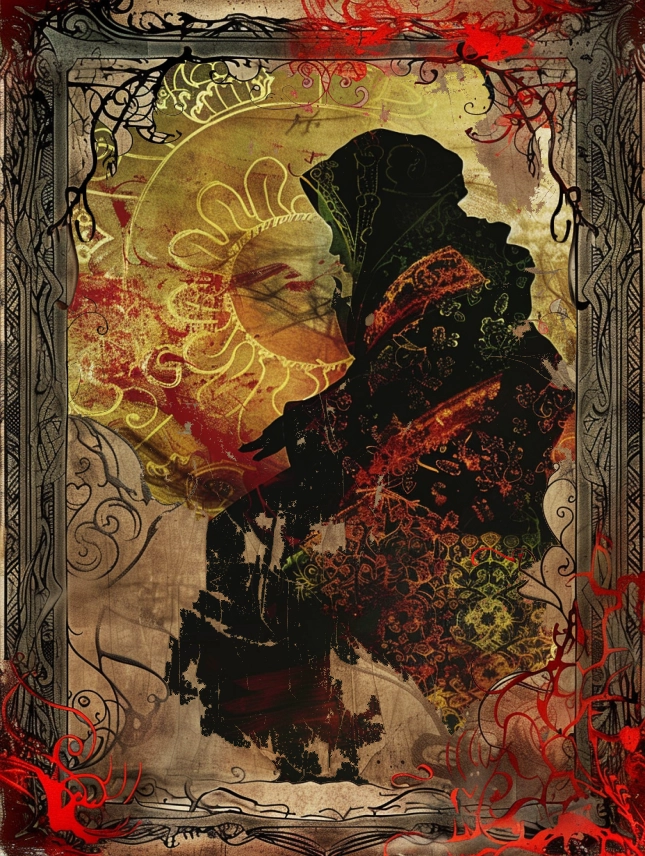
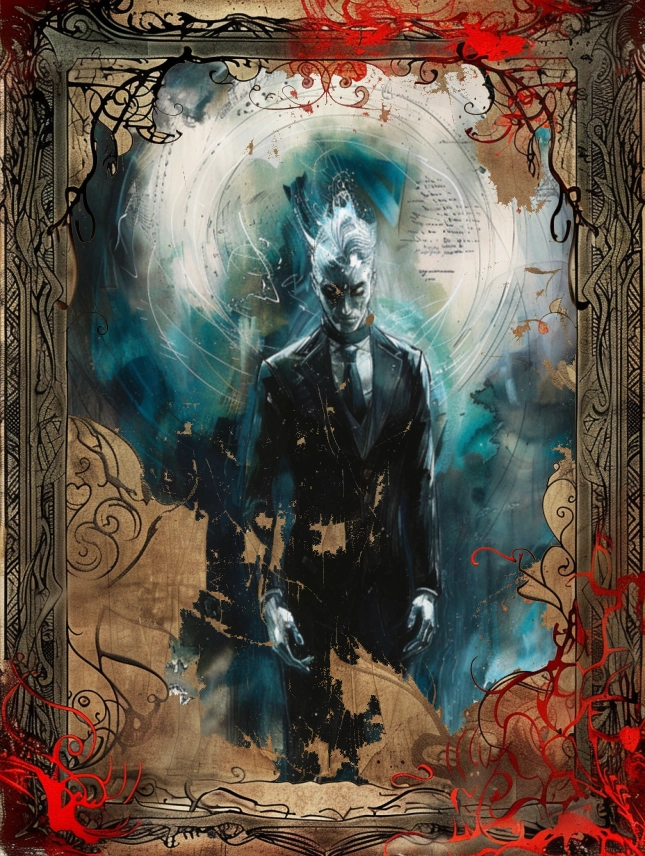
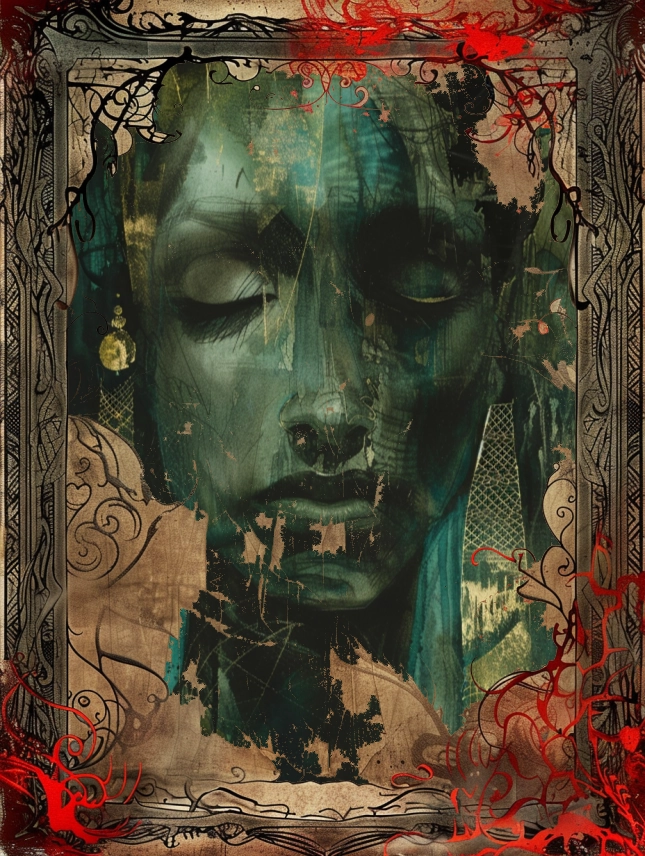
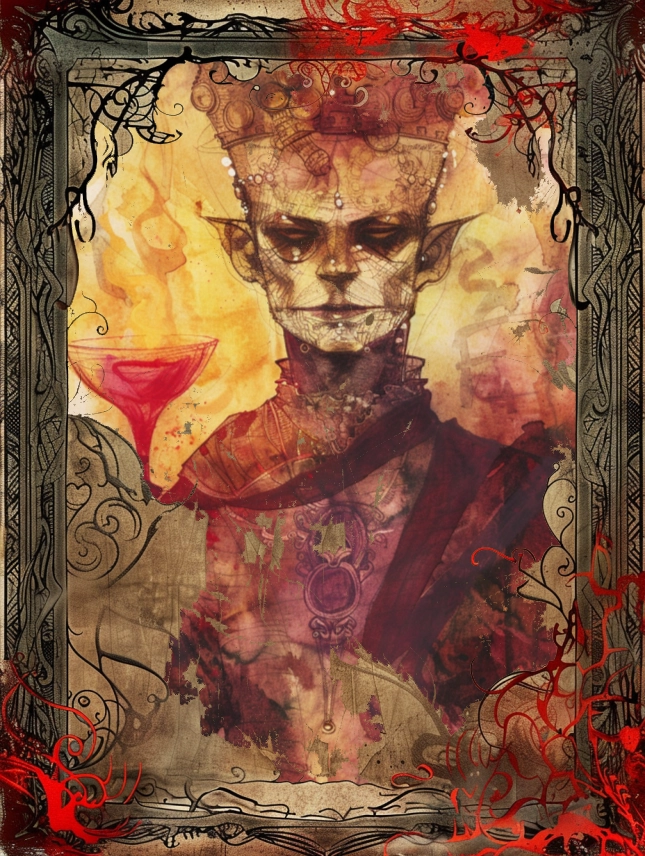
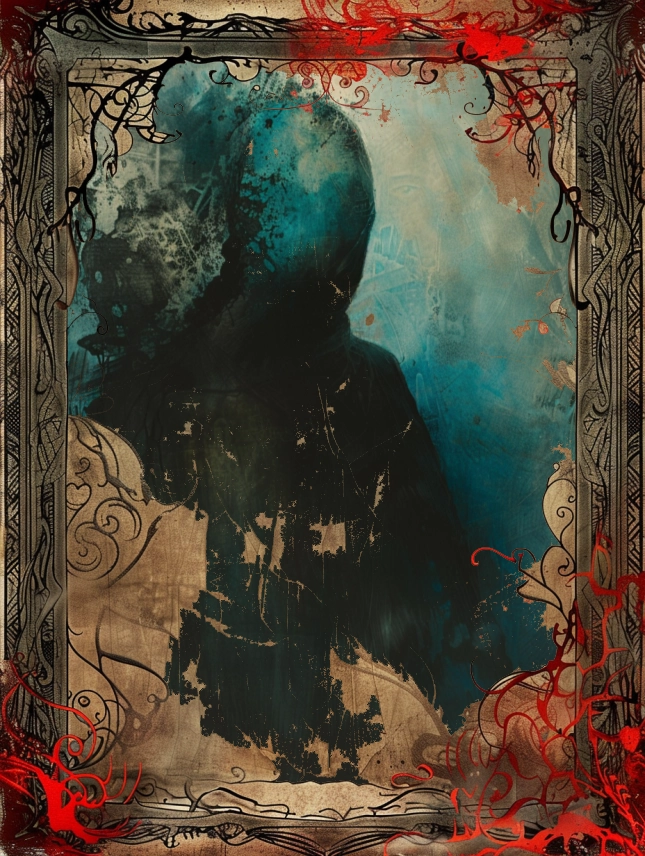
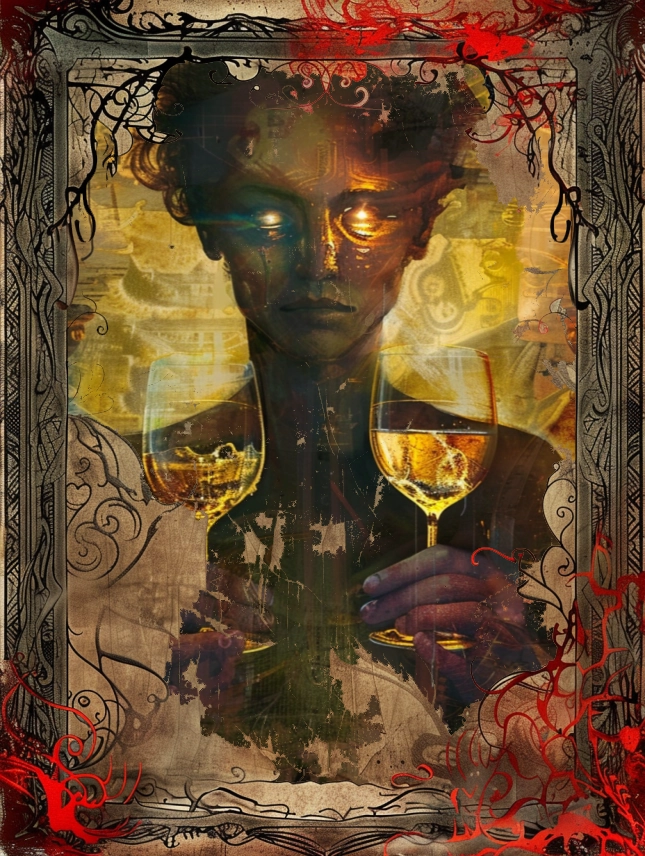 The pantheon serves as the ethical core of Crowley’s universe. Its members appear across both the Dominion and Lendonium cycles, their relationships mirroring the tension between order and chaos that defines his fictional world. Scholars often group them as “The Genteel Gods,” a term first used by literary critic Iason Thermenis in The Journal of Modern Letters to describe their dual role as both moral symbols and instruments of manipulation.
The Pantheon
Columbia
The Radiant Mother
Patron of benevolence and empire; her light represents order that blinds as much as it illuminates. Central to The Gospel of Iron and Canticles of Columbia.
Patron of benevolence and empire; her light represents order that blinds as much as it illuminates. Central to The Gospel of Iron and Canticles of Columbia.
Esmara
The Flesh of Comfort
Goddess of desire and indulgence; pleasure becomes servitude under her influence.
Goddess of desire and indulgence; pleasure becomes servitude under her influence.
Orthos
The Gentleman of Order
Embodies law, ritual, and unfeeling justice; portrayed as a bureaucrat whose immaculate gloves conceal perpetual bloodstains.
Embodies law, ritual, and unfeeling justice; portrayed as a bureaucrat whose immaculate gloves conceal perpetual bloodstains.
Sibra
The Listener
Spirit of empathy and confession; offers forgiveness that prevents change. Represents moral paralysis through compassion.
Spirit of empathy and confession; offers forgiveness that prevents change. Represents moral paralysis through compassion.
Thane
The Ever-Hungry
Personification of ambition and appetite; the only god who admits his own monstrosity, reflecting Crowley’s recurring theme of truth in corruption.
Personification of ambition and appetite; the only god who admits his own monstrosity, reflecting Crowley’s recurring theme of truth in corruption.
The Murmer
The Kindly Shape / The Silence That Listens Back
An unseen, formless consciousness feeding on fear and certainty; posthumously associated with the abyss motif in The Quiet and later Continuum works
An unseen, formless consciousness feeding on fear and certainty; posthumously associated with the abyss motif in The Quiet and later Continuum works
Virelius
The Friendmaker
God of diplomacy and deceit; conquers through charm and hospitality. Symbolic of manipulation masked as civility.
God of diplomacy and deceit; conquers through charm and hospitality. Symbolic of manipulation masked as civility.




Comments