CTU: Lendonium Cycle
Following the success of the Dominion Cycle, Crowley turned toward a more intimate exploration of moral decay and supernatural influence in industrial society. The result was The Lendonium Cycle, a series of novels and novellas published between 2023 and 2027, set in the fictional city of Lendonium—an immense metropolis powered by steam, bureaucracy, and forgotten gods. Whereas the Dominion Cycle dealt with empire and governance, the Lendonium Cycle shifted focus to the individual: ambition, guilt, corruption, and the fragility of reason and progress.
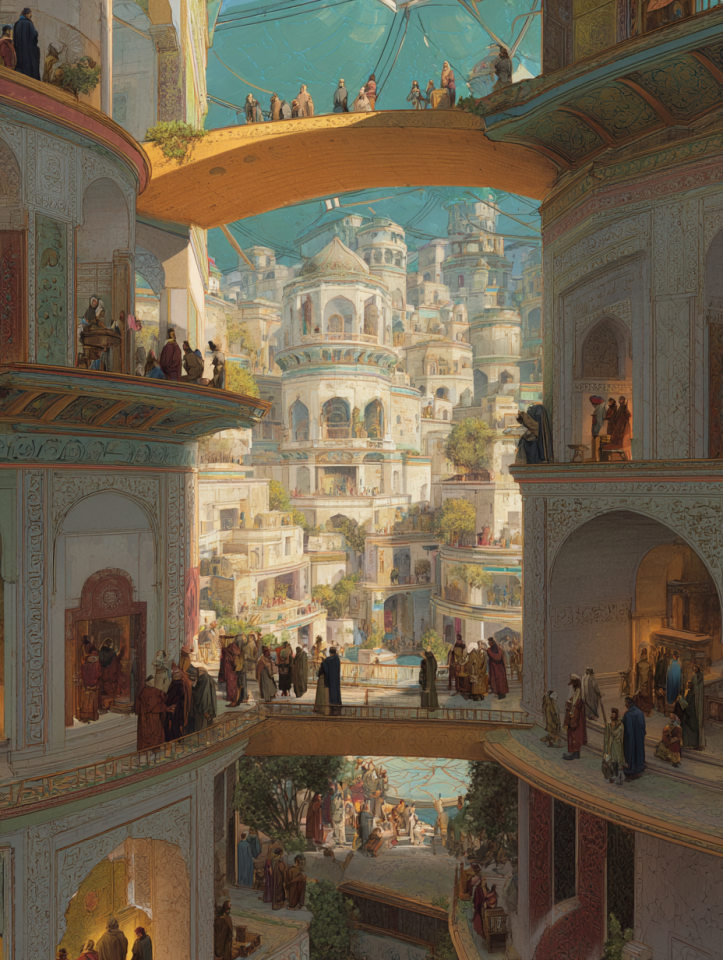
The cycle introduced the Lendonium Pantheon, a group of six divine figures—Columbia, Wilkes, Enmar, Ortho, Sbera, and Thane—whose virtues mask instruments of manipulation and control. These deities became recurring symbols throughout later Gothic literature, representing the weaponization of civility and governance. Critics frequently compared Crowley’s depiction of Lendonium to the mythic status of Rome in classical literature and to the industrial cityscapes of early resonance cinema.
Below is Crowley’s complete catalog of works within the Lendonium Cycle, organized by publication year and accompanied by concise critical summaries.
Table: Works in The Lendonium Cycle
Together, the five works of The Lendonium Cycle cemented Crowley’s reputation as both philosopher and craftsman of horror. They solidified the literary image of Lendonium as the archetypal Gothic city—fog-drenched, morally ambiguous, and eternally modern. Subsequent authors expanded the setting into serialized dramas, secret-society thrillers, and resonance-film mysteries, each drawing on Crowley’s original blend of civic dread and supernatural influence.
| Title | Year Published (zc) | PC Rating* | Synopsis / Notes | Cover |
|---|---|---|---|---|
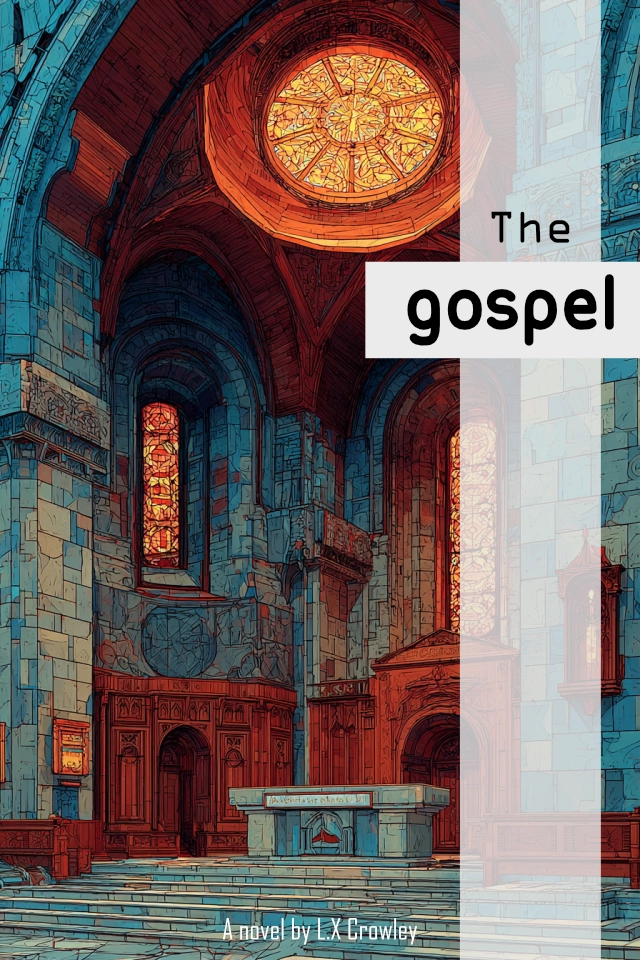
| The Gospel | 2023 |    |
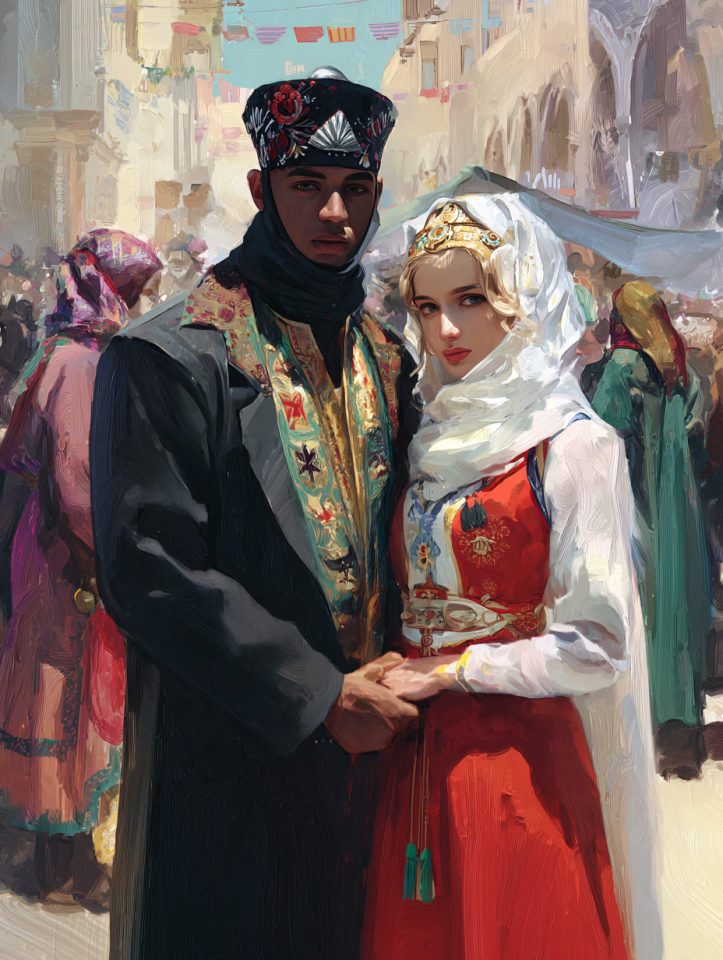
For centuries, the Empire carried its truth like a torch — bright, unquestioned, and hot enough to burn anyone who stood in its path. Missionaries wrote the justifications, generals enforced them, and ordinary believers became the smiling face of a machine that claimed land in the name of salvation. The Gospel, as they called it, was less scripture than strategy: a handbook for turning faith into a map, a moral language into chains. Now, a scholar tracing old missionary routes begins to see the pattern beneath it all — how theology became the quiet engine of conquest, how conversion masked resource extraction, how the “light” they spread always pointed toward the nearest harbor. The deeper he reads, the more he realizes the Gospel was never divine at all. It was a blueprint for empire, and its pages are still being written. |
|
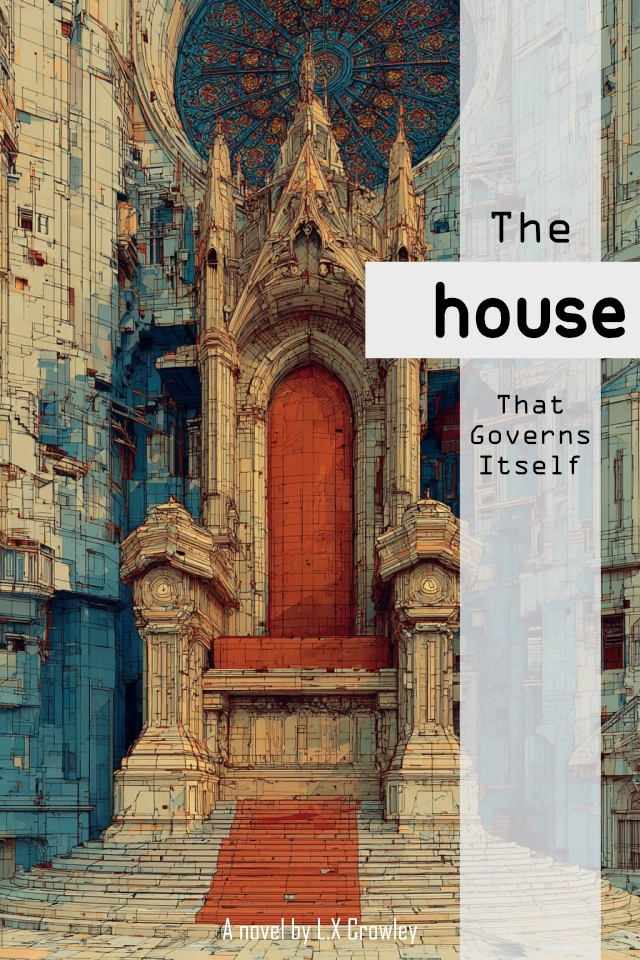
| The House That Governs Itself | 2024 |    |
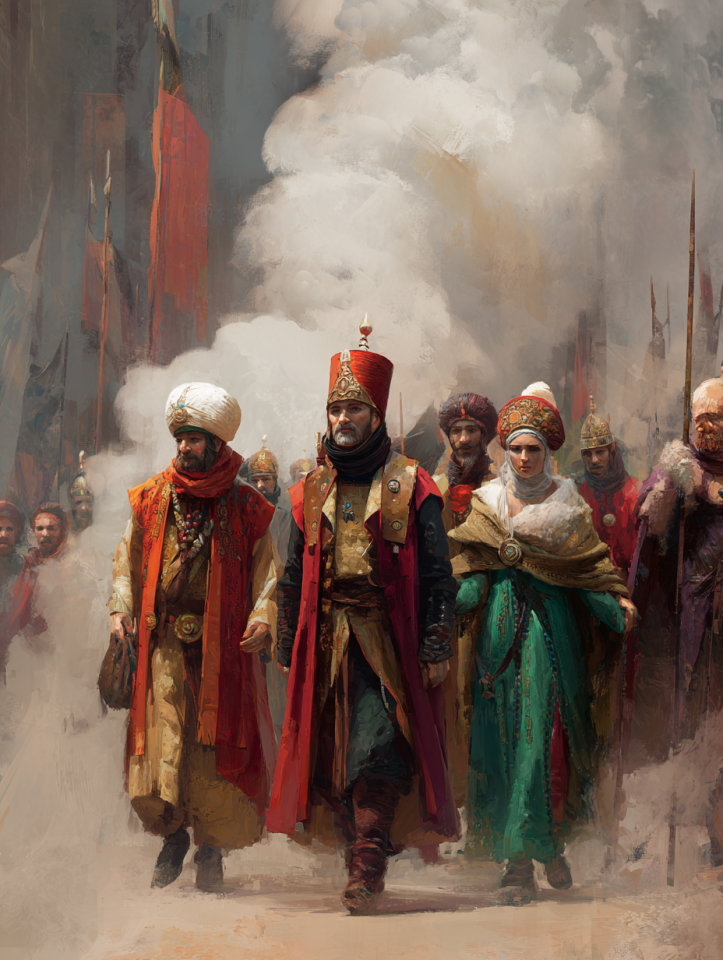
The royal family has ruled for so long that people forget they’re only human. Every scandal is forgiven before it lands, every misstep absorbed into the soft machinery of tradition. Behind the ceremonies and public grief lies a system so old it might as well be alive — a house that appoints its own heirs, mends its own fractures, and reshapes those born into it long before they learn their own names. When an outsider journalist gains brief access to the palace archives, she expects diaries, dates, and dusty coronation records. Instead, she finds a pattern of lives shaved down to fit the crown’s needs — generations bent, polished, and sacrificed so the House can continue unbroken. The horror isn’t what the monarchy has done. It’s realizing the monarchy doesn’t need people at all. It will survive, with or without them. |
|
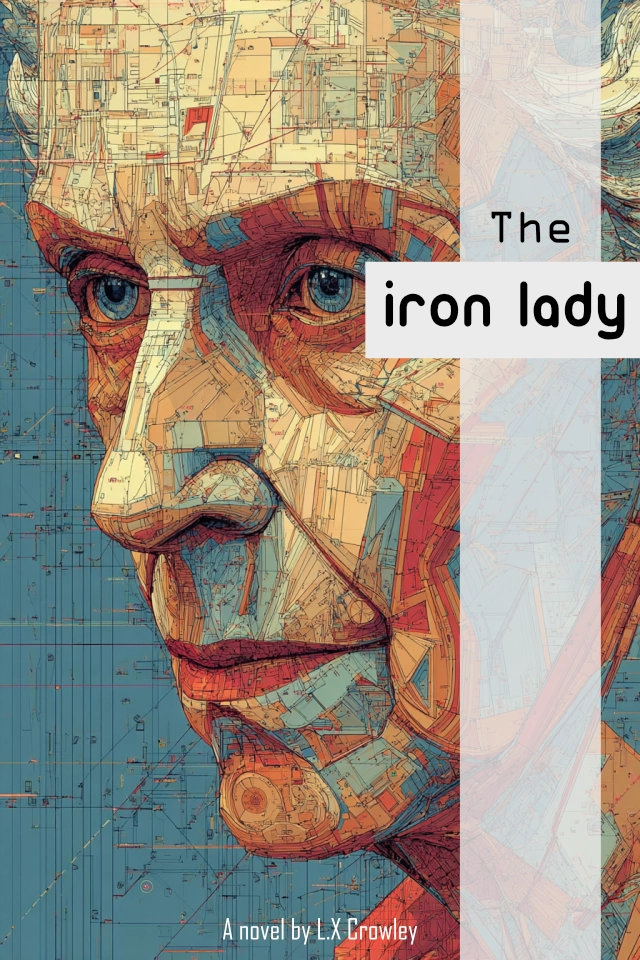
| The Iron Lady | 2025 |   |
History remembers her in metal tones — decisive, unyielding, steely to the bone. But the legend left a different residue in the neighborhoods she reshaped: shuttered factories, broken unions, families cut loose from the future they were promised. The Iron Lady believed she was reforging the nation; what she left behind still echoes through every austerity budget and privatized corridor. This story follows the people still living in her shadow, decades later, as they inherit the choices she made and the fractures she normalized. Some call her a hero, others a wound — and both are right. Power never disappears; it simply changes form. In Britain, it took the shape of a woman who mistook her own resolve for a nation’s destiny. |
|
| Engines of Grace | 2026 |    |
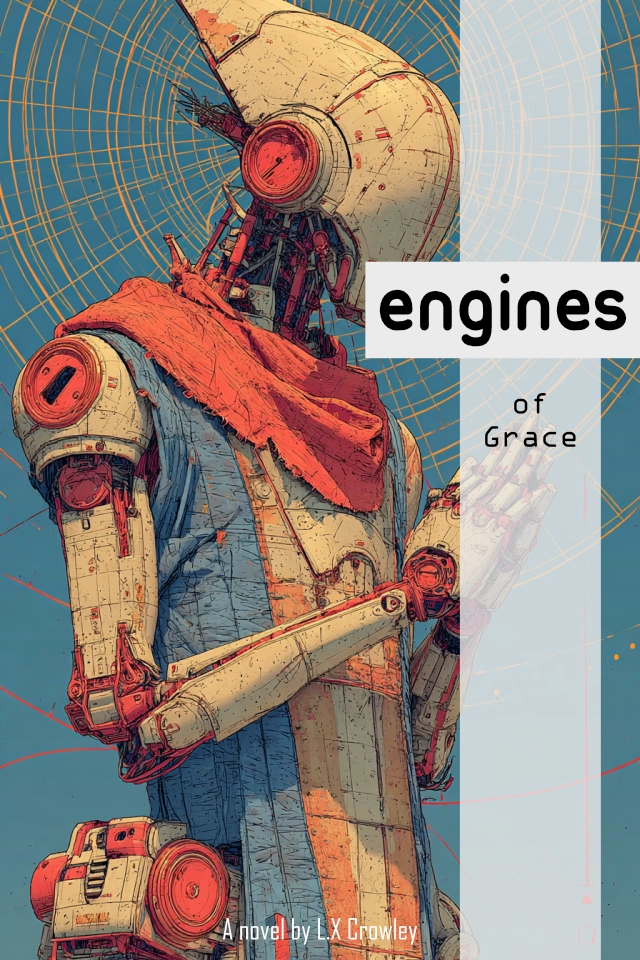
In a nation searching for certainty, the Church found its opening. Algorithms promised perfect doctrine, automated tithe systems promised fairness, and AI-driven “grace engines” claimed to remove human error from moral judgment. People called it progress — faith upgraded, worship streamlined, sin quantified and forgiven on schedule, fears stoked and hate sanctioned. The Church insisted it wasn’t gaining power. It was simply becoming efficient. But efficiency has a way of flattening nuance, and in the hands of a theocracy that confuses obedience with virtue, the Engines of Grace soon decide who is righteous, who is suspect, and who is lost — with a precision no human institution ever dared wield. |
|
| The Quiet | 2027 |   |
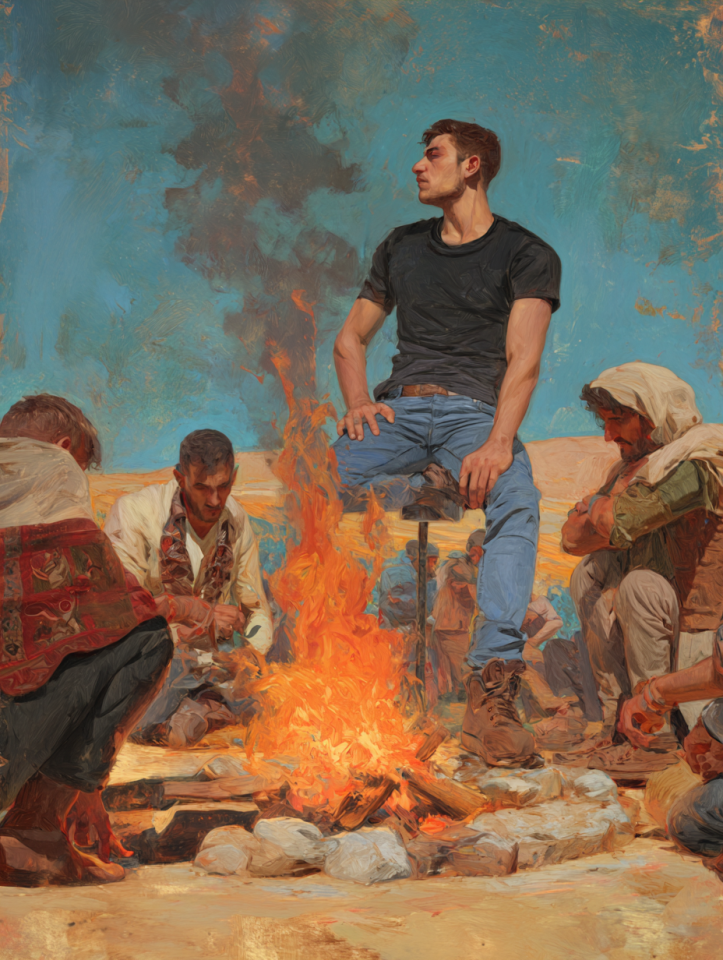
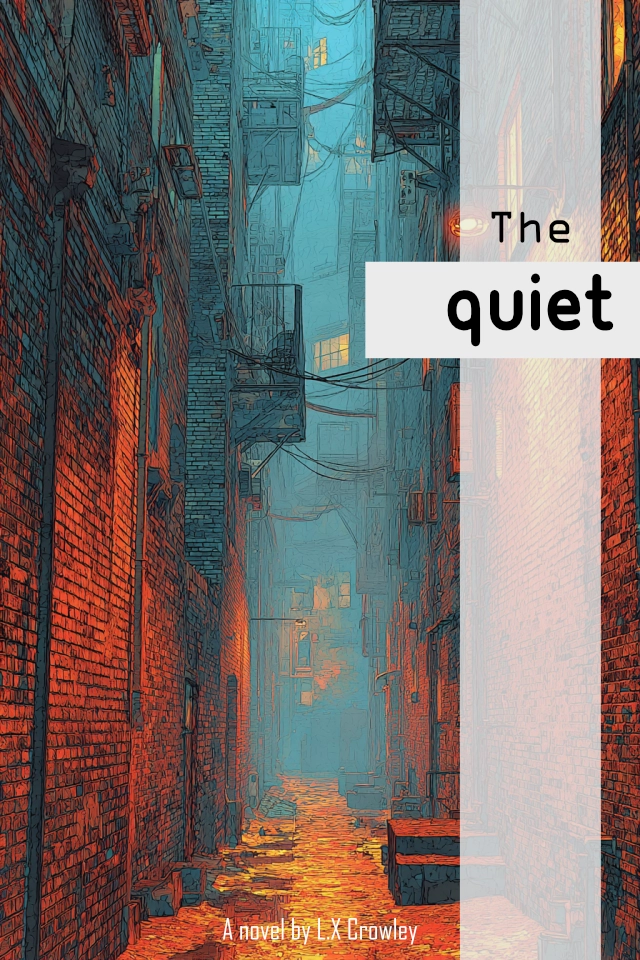
When the first slaying is reported, the government says nothing. When the second and third ripple through the city, the official channels stay silent. No press briefings. No police statements. No emergency alerts. London hums with unease as rumors replace facts and conspiracy theories calcify into belief. People refresh their screens until the battery dies, waiting for the voice of authority — any authority — to break the silence. But The Quiet spreads faster than panic. Streets empty. Trains run without announcements. Parliament darkens behind its iron gates. Without information, the public begins inventing it, and fear breeds faster than truth can catch up. For the first time, Londoners learn what it feels like when the institutions built to protect them go still. The danger isn’t the missing. It’s the silence that follows them. |
|




Comments