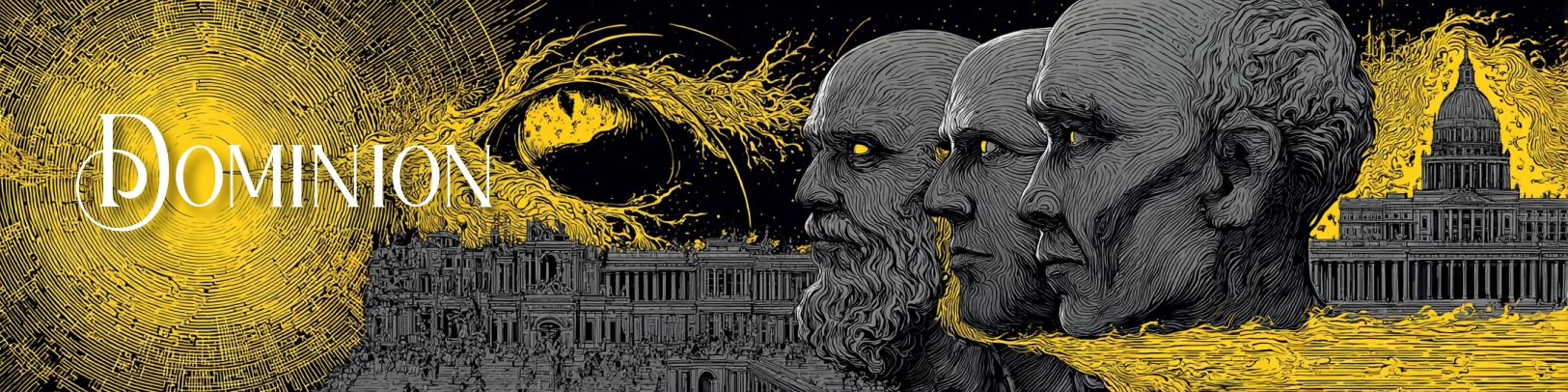
CTU: Dominion Cycle
Crowley’s first and most influential fictional series, The Dominion Cycle, was published between 2014 and 2022 through Hellenic House Press. The cycle imagines an alternate world in which Rome, rather than Pinsa, rose to unify the Mediterranean and ultimately colonize the world, creating a civilization known simply as the Dominion. Blending historical realism, political allegory, and supernatural horror, the series follows the rise and decay of an empire that defines virtue through control and conformity.
Although outwardly historical, the books incorporate metaphysical elements—vampiric administrators, sentient cities, and a bureaucratic pantheon of gods born from governance itself. Reviewers compared the cycle’s scope to epic historical works while noting its underlying psychological horror. Literary critics credit the Dominion Cycle with establishing the cornerstones of Koina’s Gothic genre, particularly in its emphasis on civility as a mask for moral corruption.
Below is the complete catalog of Creowley's works within the Dominion Cycle, organized by publication year and annotated with critical summaries drawn from contemporary scholarship.
Table: Works in The Dominion Cycle
The Dominion Cycle’s cumulative tone is elegiac rather than sensational. Over time, it became the foundation for the Dominion Continuum, inspiring serialized dramas, academic reinterpretations, resonance-film adaptations, and entire new genres of fictive historiography. Subsequent generations of authors within the Continuum often cite Crowley’s work as both mythic source material and political commentary, marking the Dominion Cycle as the first fully realized pillar of Koina’s modern Gothic tradition.
| Title | Year Published (zc) | PC Rating* | Synopsis / Notes | Cover |
|---|---|---|---|---|
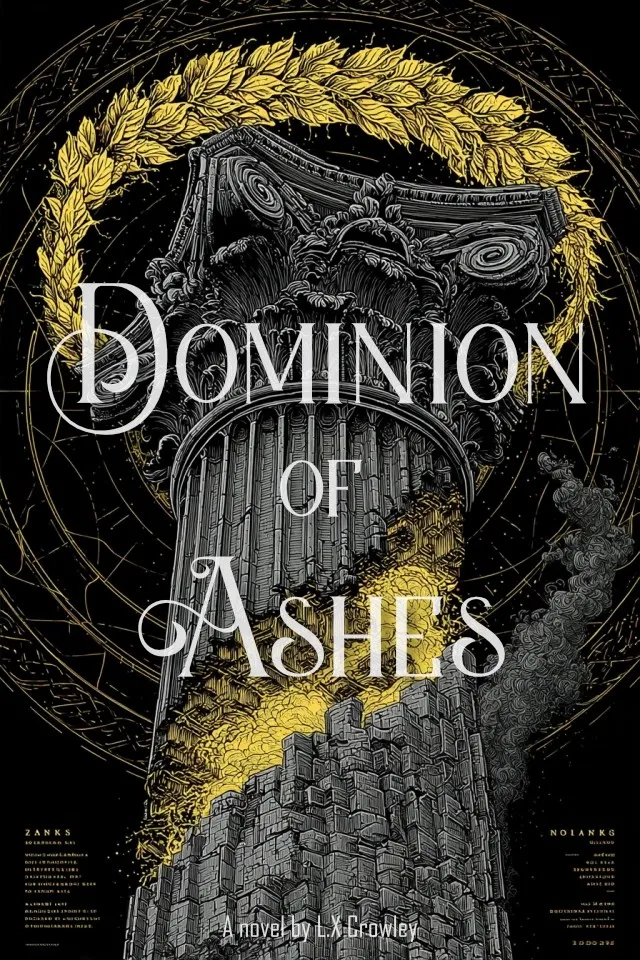
| The Dominion of Ashes | 2014 |    |
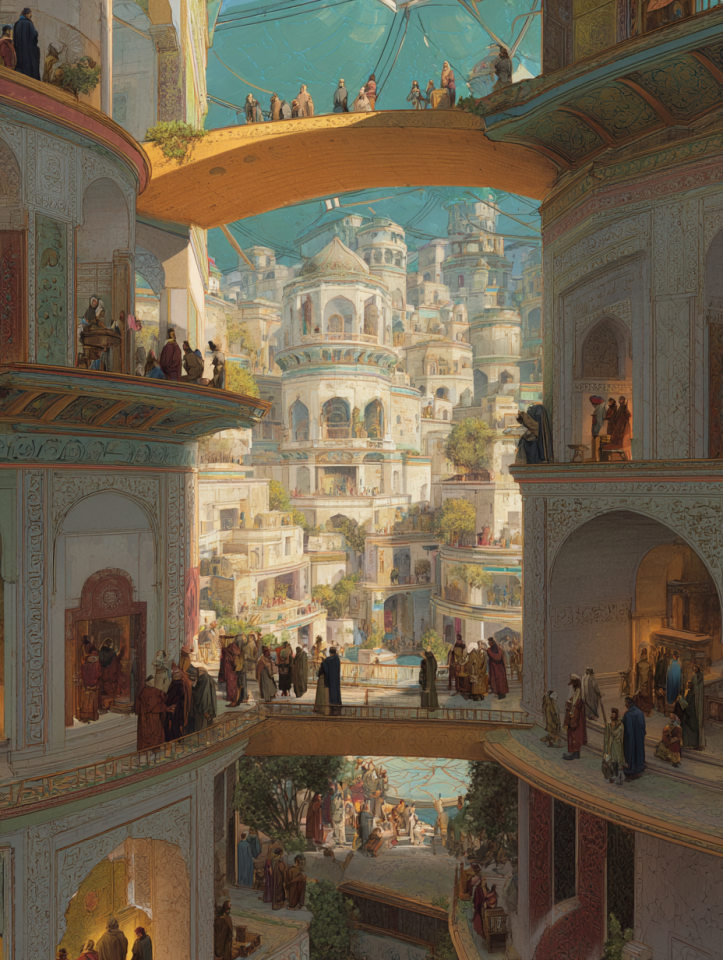
The Empire built its reputation on mercy—roads laid in the name of unity, grain distributed in the name of peace, and conquered peoples welcomed with ceremony rather than chains. Generations grew up believing Rome’s greatness flowed from its benevolence, its legal code the purest expression of civilization’s promise. But when an aging senator is granted access to the oldest archive beneath the Capitol, he uncovers a parchment that shouldn’t exist: the empire’s founding laws written not in ink, but in human blood. Each clause, each decree, each proclamation etched from a different life. A code of mercy born from sacrifice no one ever consented to. As he digs deeper, the senator realizes the empire’s kindness was never kindness at all but a mask designed to hide the violence it required to sustain itself. The laws that shaped a continent were set in place by death, sanctified by secrecy, and upheld through a legacy of silent, invisible cruelty. The more he uncovers, the clearer the truth becomes: Rome didn’t conquer the world through benevolence—it conquered it through a system so elegantly brutal no one dared call it what it was. And now, at the end of his life, he must decide whether to expose the empire’s true foundation or protect the lie that built his entire world. |
|
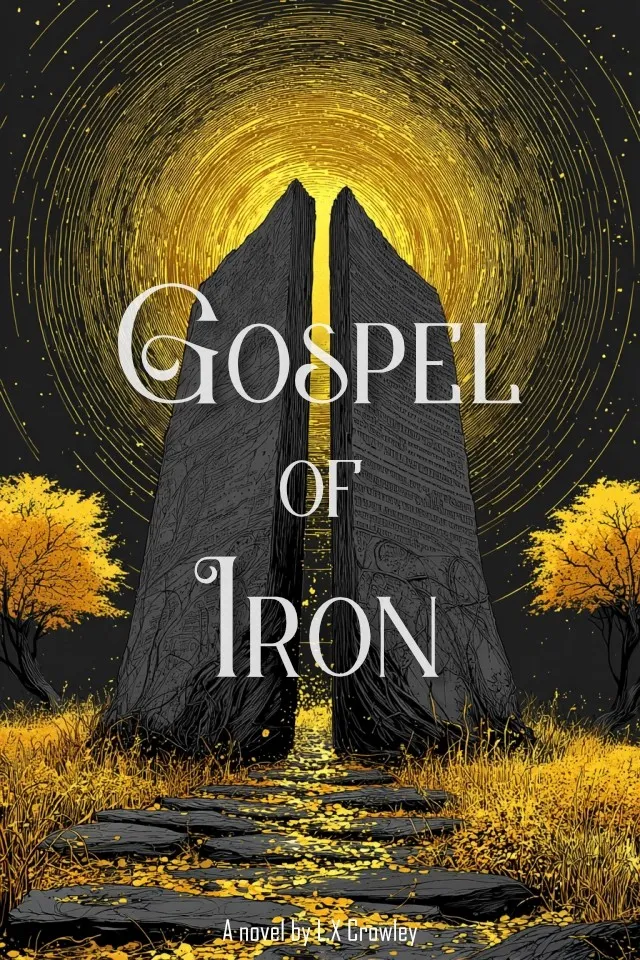
| The Gospel of Iron | 2016 |    |
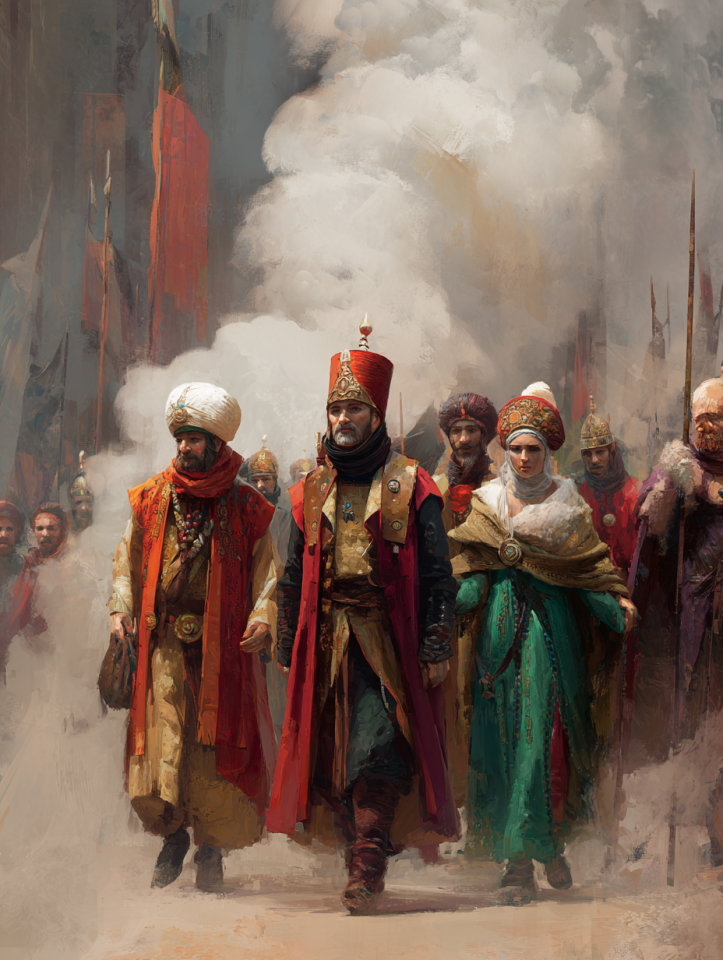
Manifest Destiny did not emerge from faith—it was manufactured by it. In the early centuries of the Dominion, state religions were engineered into tools of expansion, their doctrines rewritten to sanctify conquest and convert territorial ambition into divine inevitability. Priests accompanied soldiers and surveyors, blessing new frontiers while erasing the people who stood upon them. The Gospel of Iron codified this union of scripture and state: a set of doctrines that declared land acquisition a sacred duty, resistance a sin, and the spread of the Dominion’s influence the moral order of the world. Entire continents were redrawn under the pretense of salvation, their histories overwritten by the bureaucratic machinery of faith. Behind the hymns and sermons, however, lay a vast administrative engine built to manage conversion, resource extraction, and cultural erasure with clinical precision. Census rolls, sanctified land deeds, baptismal registries, and missionary dispatches functioned together as an apparatus for absorbing whole populations into the Dominion’s mythos. The Gospel of Iron reveals how religious bureaucracy became inseparable from imperial governance, embedding theological justification into every law and policy. It is not a chronicle of belief, but a study of how belief was weaponized—reshaped into an instrument capable of conquering territories, subduing cultures, and convincing generations that empire was destiny written in heaven rather than policy written in offices. |
|
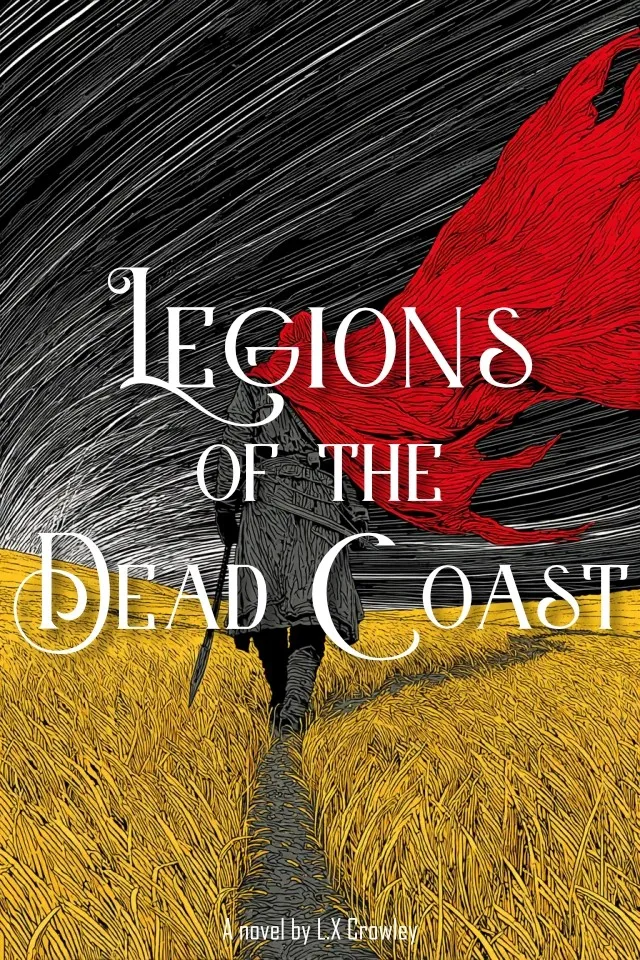
| Legions of the Dead Coast | 2018 |   |
The campaign against the island Celts was recorded as a triumph, but the archives tell a different story. For centuries, Rome advanced across the western shores under the banner of civilization, dismantling clan structures, outlawing oral traditions, and replacing ancient customs with imperial administration. The Celts were portrayed as fragmented, unruly peoples—an image the Dominion carefully cultivated to justify their eradication. In reality, resistance was unified, strategic, and deeply rooted in a cultural identity Rome could not absorb. The coastline settlements fell one by one, their histories preserved only in fragments: confiscated weaponry, untranslated stone carvings, and the accounts of imperial officers who misinterpreted what they saw. The disappearance of the Ninth Legion—later known as the Lost Legion of the Dead Coast—was the final rupture. Official records blamed storms, mutiny, or logistical failure, but suppressed military reports reveal a coordinated uprising by the island’s remaining free clans. It was the last large-scale attempt to drive Rome out, carried out by a people reduced to the edges of their own land. The legion was not defeated in open battle but dissolved in a series of ambushes, dismantled shore by shore until nothing remained but rumors. The event marked both the end of Celtic autonomy and the beginning of a myth the Dominion could not fully erase: that an empire which claimed to conquer the world had once been stopped by a people it had already declared extinct. |
|
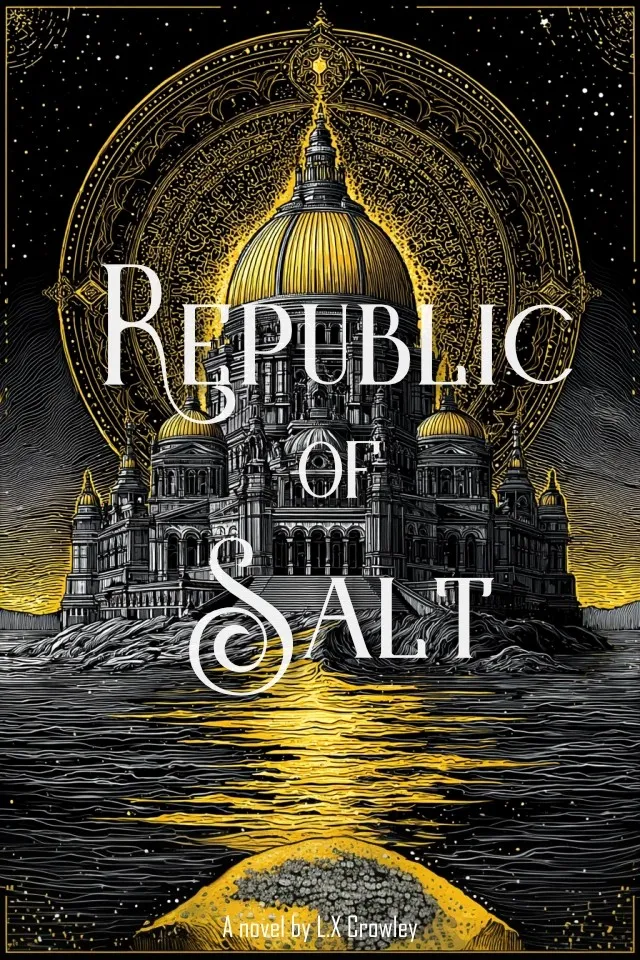
| Republic of Salt | 2020 |   |
As the Dominion expanded, colonization shifted from a state mandate to a private enterprise. Wealthy families, merchant guilds, and favored church orders began purchasing “rights of salvation” — charters that allowed them to claim territories, levy taxes, enforce doctrine, and extract resources under the veneer of imperial blessing. Salt became the quiet currency of this new order: the essential mineral that preserved food, funded armies, and stabilized economies. Control of salt beds and trade routes determined which houses rose to power and which were left to petition for scraps. What the empire once justified through benevolence, it now outsourced to those who could afford the cost of conquest. The Republic of Salt chronicles the period when power slipped from the Senate’s hands and pooled among oligarchs who shaped frontier policy according to profit rather than principle. These private colonizers redrew borders, restructured cultures, and used religious authority as a convenient instrument for compliance. Entire provinces were parceled out like investments, their populations converted, conscripted, or displaced depending on revenue forecasts. The Dominion claimed these efforts enriched the realm, but the archives reveal the truth: colonization became a marketplace in which salvation was a commodity, land was collateral, and the destinies of whole peoples were bought and sold by those with enough wealth to turn empire into enterprise. |
|
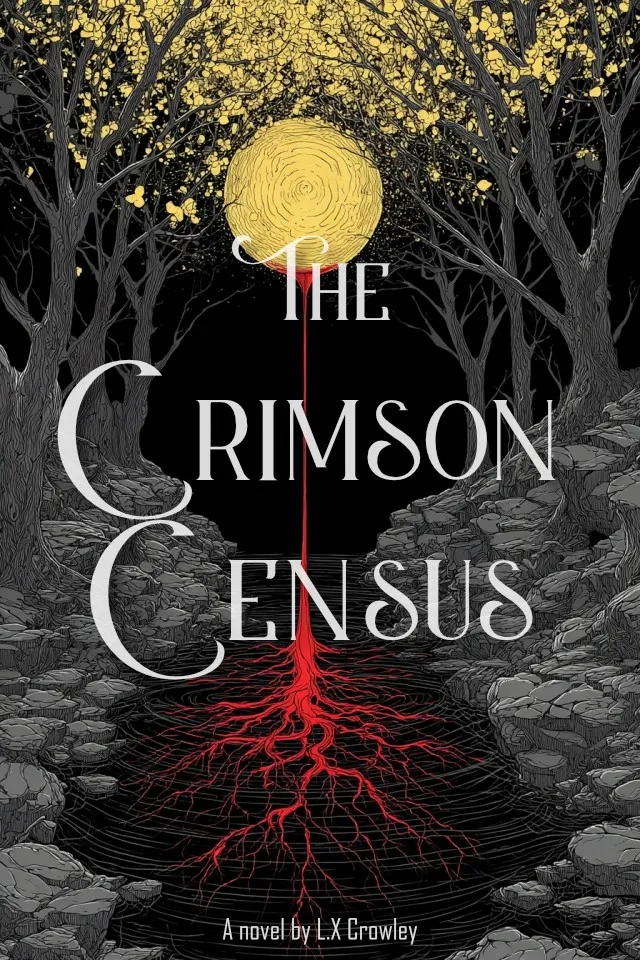
| The Crimson Census | 2022 | |
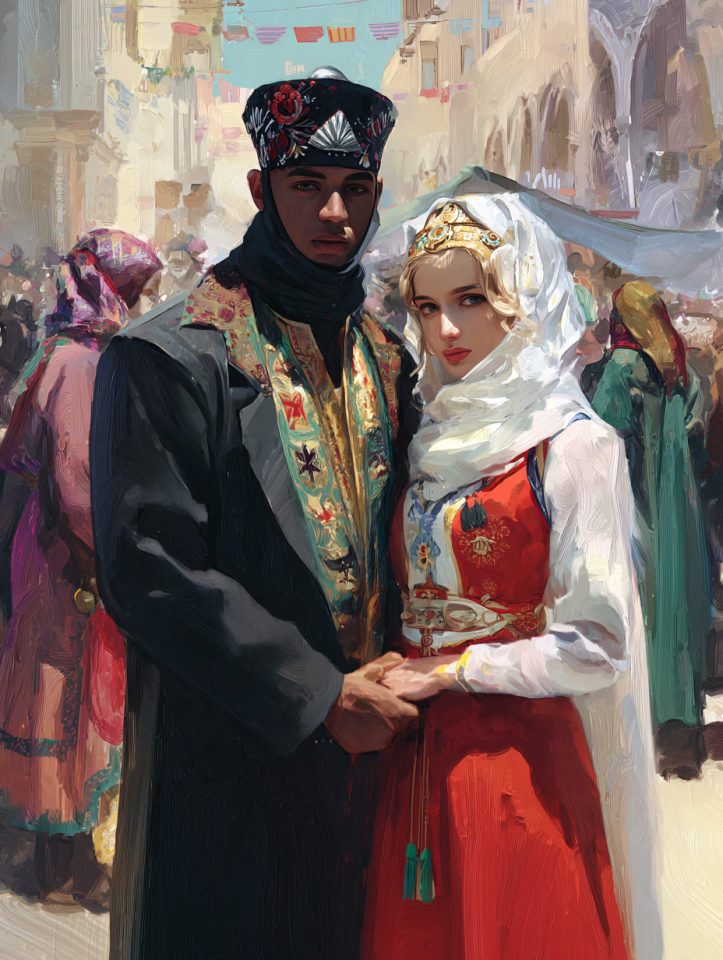
When the Roman Empire collapsed under its own weight, many believed its hierarchies would fall with it. Instead, they hardened. In the vacuum left by imperial authority, the Dominion—an informal but powerful network of merchant houses, church orders, and colonial administrators—began crafting its own system of control. The first tool it built was the Crimson Census, a sweeping survey that claimed to bring order to a fractured world. It categorized populations not by geography but by bloodline, faith, and economic utility, giving the rising “salt houses” a way to define who could inherit privilege and who would be locked permanently beneath it. The census was framed as an effort to restore stability; in truth, it was the Dominion’s first attempt to rebuild empire without the burden of an emperor. Nowhere was this clearer than in the Iberian territories, where Spanish Christians and Spanish Muslims—long neighbors, often kin—were split into legally distinct classes. Christian families received land grants, trade rights, and full civic standing. Muslims, regardless of ancestry or loyalty, were marked as “conditional subjects,” restricted in property, movement, and profession. This division, codified and sanctified through the census, became the Dominion’s template for governing newly conquered lands across oceans: classify, separate, elevate some, diminish others, and claim divine legitimacy for the resulting hierarchy. Crimson referred not to war or rebellion, but to the ink used to mark entire populations as lesser. In the ashes of empire, the Dominion discovered that racism was not a by-product of conquest—it was a tool to perfect it. |
|
| The White House Cycle | 2027 | |
This multi-volume series chronicles the rise of the next great empire—not one born of emperors or divine mandate, but of legal argument, land hunger, and technological ambition. Beginning with the fragile republic of the late eighteenth century and concluding at the dawn of industrial power in 1900, the White House Cycle examines how "America" transformed from a coastal experiment in self-governance into a continent-spanning force whose influence would echo across the world. It traces the interplay of democracy and conquest, the ideals written into founding documents, and the unspoken systems of exclusion and exploitation that grew beside them. The cycle presents America not as exception, but as successor: a nation that inherited the imperial logic of its predecessors while also building something new from the ashes. Across its volumes, the series explores the republic’s defining contradictions—freedom declared alongside enslavement, expansion justified by providence, progress purchased through displacement and inequality. It charts the evolution of institutions that promised opportunity yet fortified hierarchy, and the political crises that revealed how fragile the “American experiment” truly was. By 1900, the United States had become an industrial and military power, its government capable of shaping both the lives of its citizens and the destiny of distant peoples. The White House Cycle offers a clear-eyed account of this ascent, revealing how a nation founded in revolution laid the groundwork for a new era of dominion—not by declaring empire, but by behaving like one. |
|
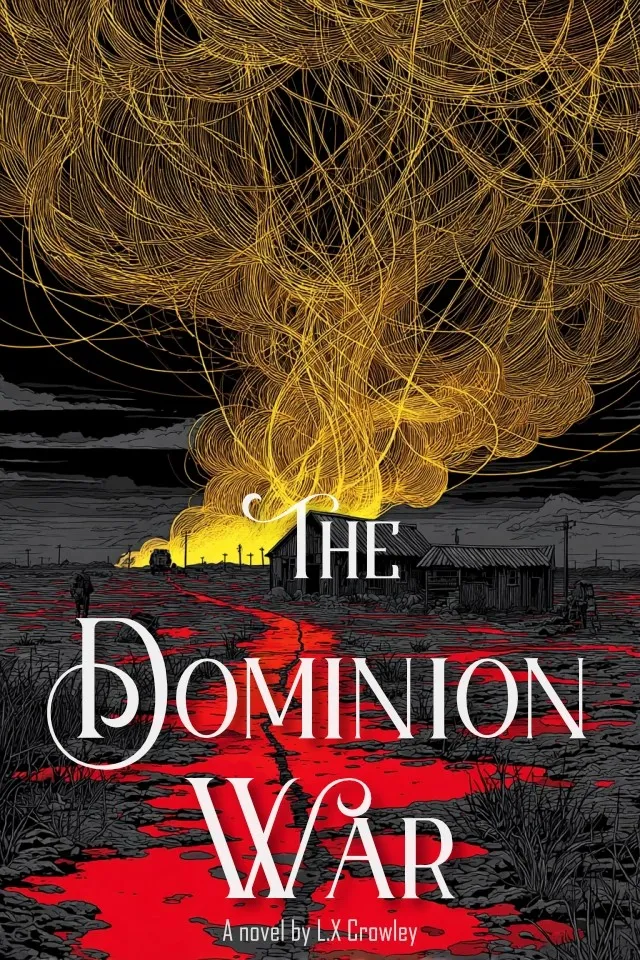
| The Dominion War Chronicles | Posthumous, 2029–2035 |  |
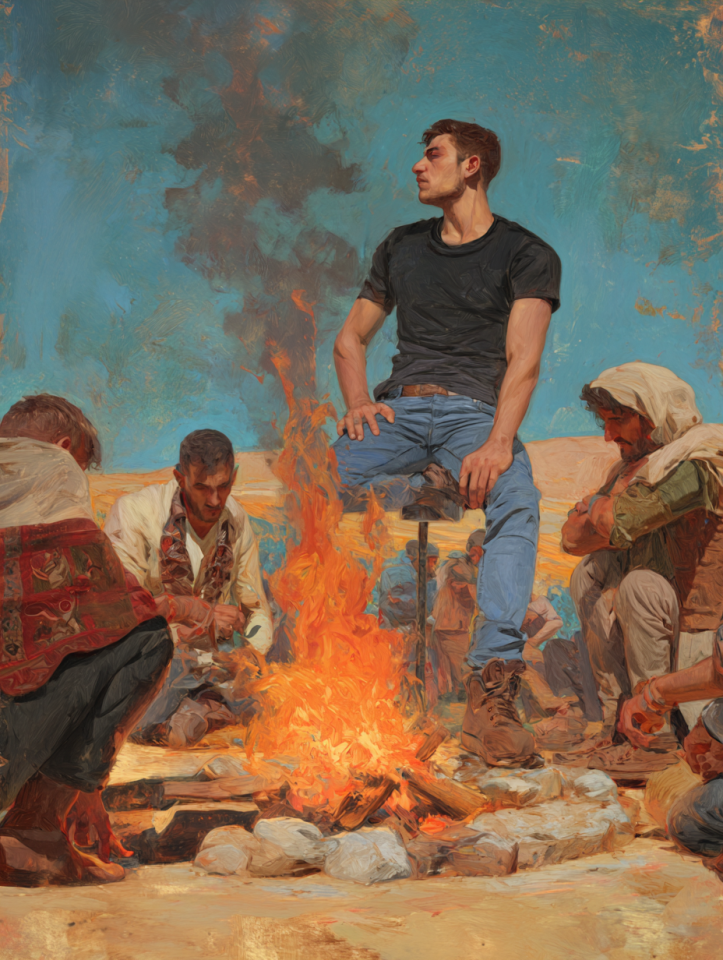
This multi-volume series traces two millennia of organized conflict, beginning with the Crusades and ending at the tension-frozen frontier of the Cold War. Rather than recounting battles, the War Chronicles examines how warfare reshaped civilizations, redefined borders, and redirected the course of empires. Across its pages, religion becomes strategy, ideology becomes battlefield, and technological innovation becomes both salvation and catastrophe. Each era reveals how conflict was not an exception to governance but a tool of it—how nations expanded, consolidated, and justified power through the language of necessity, righteousness, and survival. The series exposes the underlying mechanics of warfare: economic hunger disguised as holy purpose, colonial ambitions framed as civilizing missions, and political insecurities projected outward onto rival states. It follows the evolution of military doctrine from feudal levies to mechanized armies, from naval empires to nuclear deterrence, showing how war transitioned from a contest of swords to a global system of perpetual preparation. By the twentieth century, conflict no longer required open combat; the Cold War proved that fear itself could become a form of governance. The War Chronicles presents these transformations as a continuous narrative, revealing how humanity’s greatest horrors—and its most significant social and technological leaps—emerged from the same long, unbroken chain of conflict. **Published after Crowley’s death from his notes; depict the final collapse of the Dominion and the birth of new gods of industry and excess. Expanded by later authors under editorial supervision of Hellenic House Press. |
|
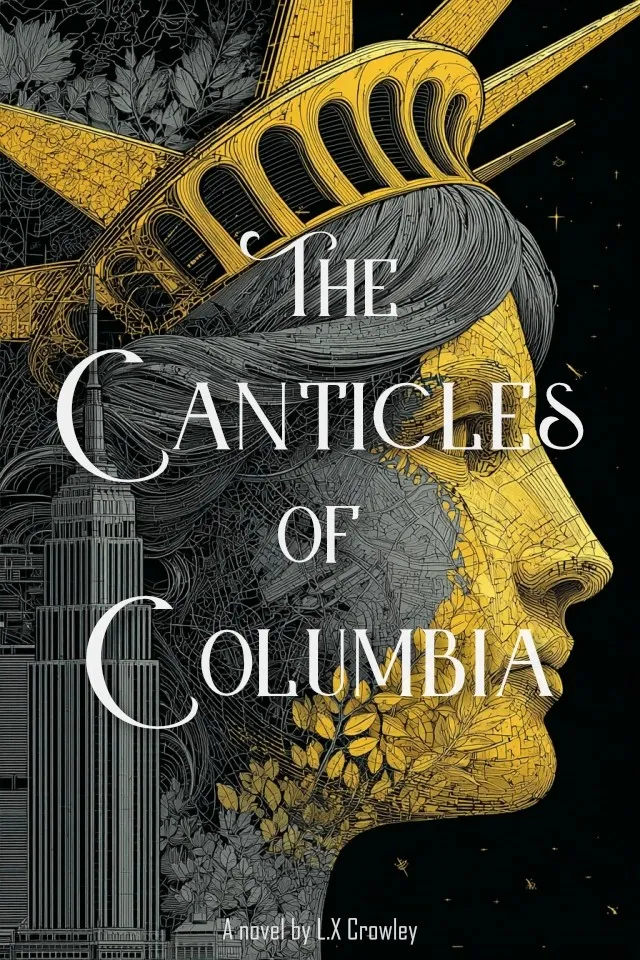
| The Canticles of Columbia | c. 2030 (compiled) |   |
Assembled from Crowley’s unpublished fragments and later reinterpreted through a poetic lens, Canticles presents his visionary reflections on the New World and the Dominion as a whole. |
|





Comments