CTU: Appalachia Cycle
Following the Dominion Cycle, Crowley’s attention turned toward the Dominion’s mountainous frontier—a landscape he called The Spine. Here he composed a series of interlinked Gothic novellas later collected as The Appalachian Stories, works that blended regional folklore, ghost lore, coal-town decay, and the supernatural residue of Dominion-era expansion.
These tales reimagined the Gothic not as urban decadence but as ancestral memory and isolation, set among dying industrial towns, drifting churches, and haunted mines. Together they formed a uniquely “Dominion-American” mythos—one that exposed the spiritual aftermath of empire in places long overlooked by history.
Below is a catalog of Crowley' works that make up the Appalachian Cycle, listed by publication year and accompanied by brief critical summaries.
Table: Works in The Appalachian Stories
Taken together, the Appalachian Stories earned Crowley the informal title “Father of American Gothic” within the Dominion universe, marking his evolution from historian to mythographer. Their influence extends beyond fiction: later writers, documentarians, and folklorists cite the cycle as a defining reimagining of Appalachian supernatural tradition.
| Title | Year Published (zc) | PC Rating* | Synopsis / Notes | Cover |
|---|---|---|---|---|
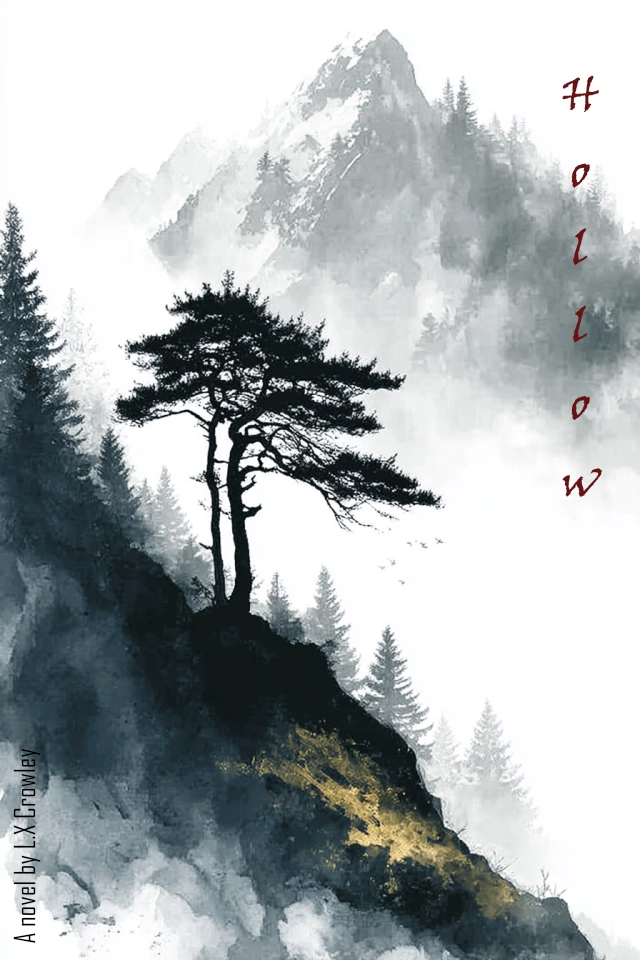
| Hollow | 2023 |    |
In the high country, some things are older than memory. Long before cabins and graveyards, before surveys carved the ridgelines into counties, the hollow had a way of holding on to sound. Folks learned to live with it — the echoes that came back wrong, the uneasy feeling that the land wasn’t just listening but thinking. Generations settled around it anyway, carrying their dread the way mountain people carry weather: as something you respect, not challenge. But when Georgie comes back after years away, the hollow stirs like an animal roused from winter sleep. Old disappearances, half–remembered funerals, stories no one admits to knowing — all of it begins to rise up around him. Voices he thought belonged to childhood grief start returning from the hillsides, repeating words no one alive ever said. The town acts like nothing’s wrong, like nothing’s ever been wrong. But something in the hollow remembers every missing face, every quiet tragedy buried under the years. And whatever it is — whatever has been here since long before the first settler drove a stake into the soil — it hasn’t forgotten. It hasn’t forgiven. And it is hungry. |
|
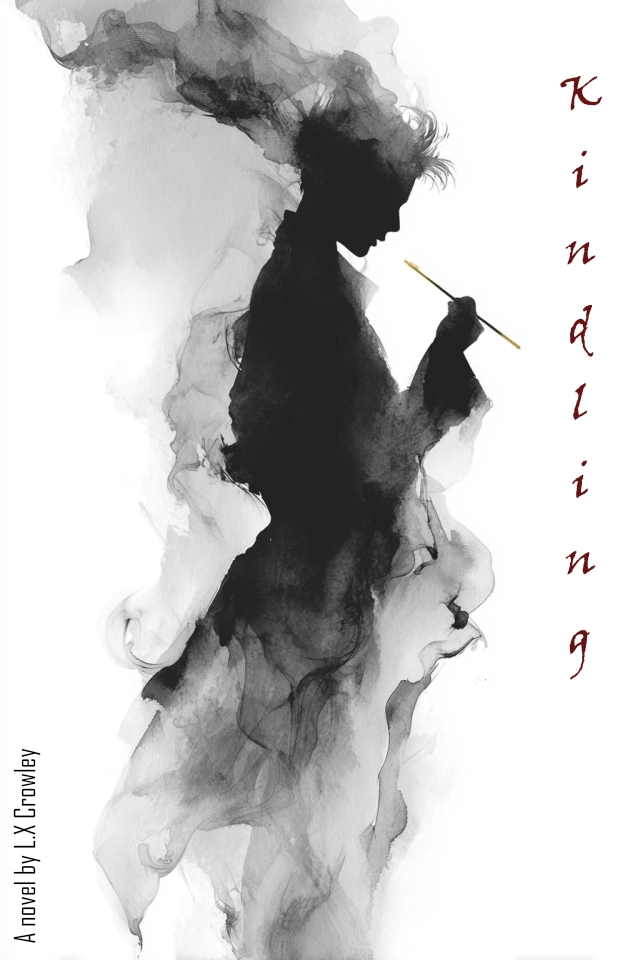
| Kindling | 2024 |   |
For as long as anyone can remember, miners joked that if you dug deep enough in these mountains, you’d hit hell. Nobody thought it was literal. But then a crew opened a seam that had been sealed since the earth was young, and something came out with the coal dust — a living ember, small as a fingernail and bright as a forge. It doesn’t speak, doesn’t think the way people do. It just moves, drifting from host to host like a spark catching dry tinder. When it settles inside a body, it remembers everything that body ever feared, ever hated, ever lost. And then it acts. |
|
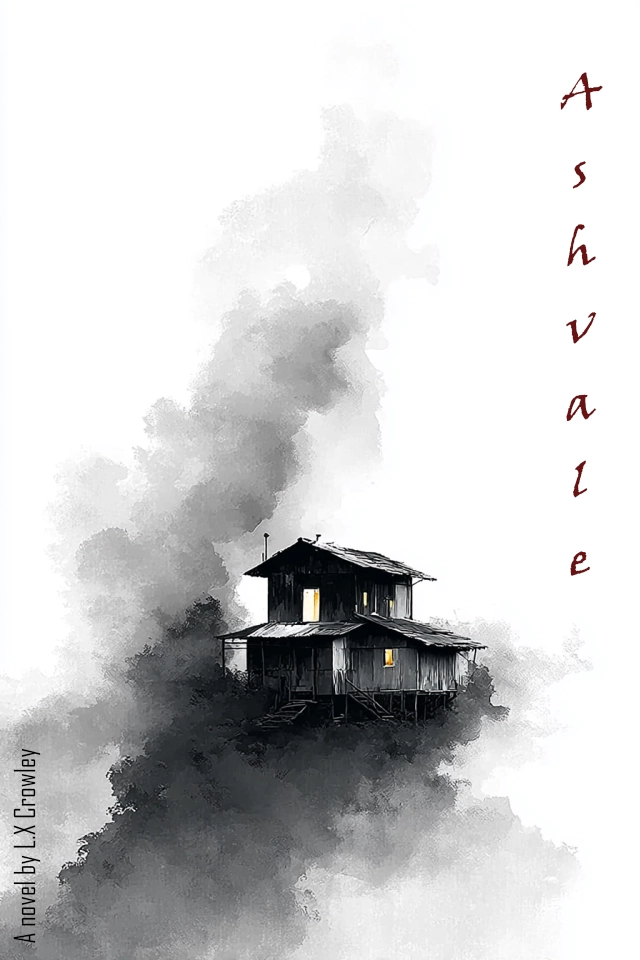
| Ashvale | 2025 |  |
Ashvale was a mining town built on a fire that never went out. Folks used to joke the ground was warmer than the people. But the seam beneath the town caught one summer and never stopped burning. The earth sank, the wells went sour, and the county condemned the place. Everyone left who could… or so people say.
Now the town sits under a constant drift of gray, ash falling like snow even in midsummer. Anyone who gets too close swears they see figures moving through the haze — not ghosts exactly, more like silhouettes trapped between the glow under the soil and the air above it. People who walk past the barricades say they hear voices rising with the smoke, calling names no living person remembers.
No one knows what’s burning down there anymore — coal, roots, old timbers, or something older than all of it. But the town still breathes, slow and hot, and sometimes the ash settles in shapes that look like people standing right behind you.
Some places die when the last person leaves. Ashvale didn’t. |
|
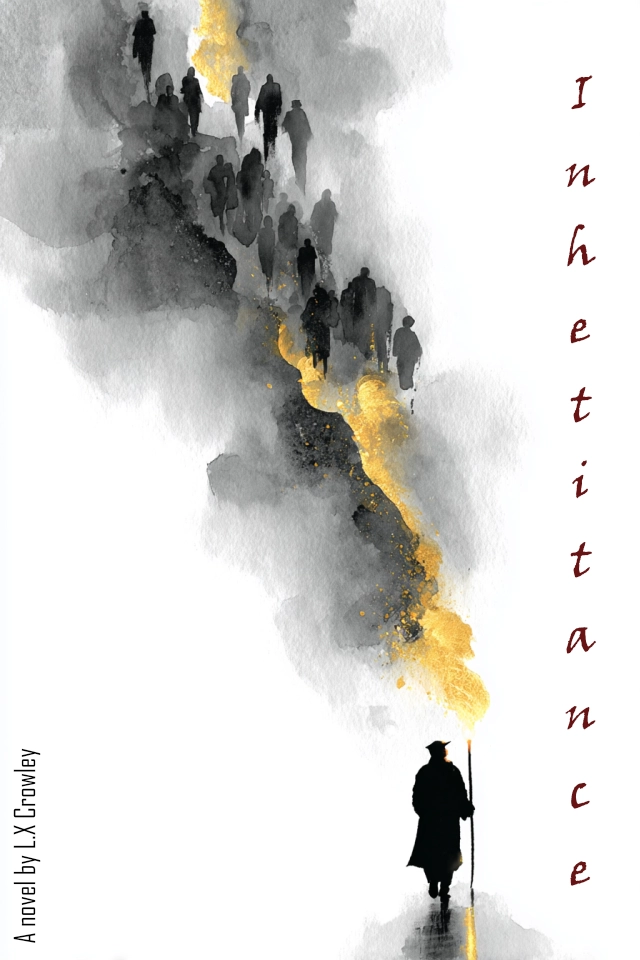
| Inheritance | 2026 |   |
The Caldwell line always said their women were born with a shadow. Folks called it a Black Dog, though it wasn’t a creature you could pet or outrun. It showed itself only to the heir — a silent shape with ember-bright eyes that kept to the edges of fields and porches, waiting. Most years it was nothing but an omen, a reminder of old bargains and older blood.
Then the war came. A band of soldiers passing through the mountains put their hands on Granny Caldwell’s grandson, thinking a widow and her kin were easy pickings. The boy lived, but something in the hills woke angry. The Black Dog slipped its leash, and the men who hurt him began dying miles from one another, each claimed by something that moved without tracks or sound.
Some families inherit land. Some inherit debt. The Caldwells inherit the thing that hunts for them when justice won’t. |
|
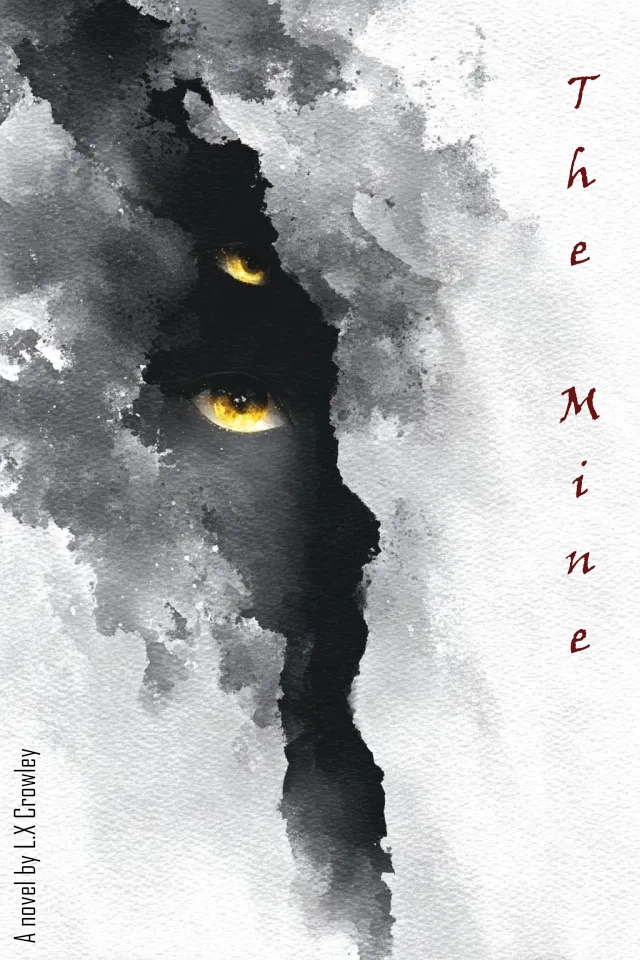
| The Mine | 2026 | |
The Merritt Mine has been abandoned longer than most folks have been alive. Sometimes, on cold nights, people swear they hear tapping deep in the shaft or a voice echoing up like someone calling from a hundred miles below. Everybody ignores it — mines breathe, mountains shift, nothing unusual about that. Then a stranger comes to town. Quiet man, polite enough, renting the old boarding house by the creek. Says he’s doing “local history research,” though no one remembers him asking a single question. He spends his evenings walking the ridge above the mine, standing there long after dark like he’s listening for something only he can hear. No one connects him to the sounds. Not until Bobby goes missing. Betsy swears she saw the stranger talking to someone near the mine entrance — only there was no one else there. People tell her it’s just grief, just fear, just imagination. But the tapping in the shaft has changed. It’s rhythmic now. Purposeful. Like something in the dark is answering back. Whatever moved into town didn’t bring the mine’s hunger. It just woke it up. |
|
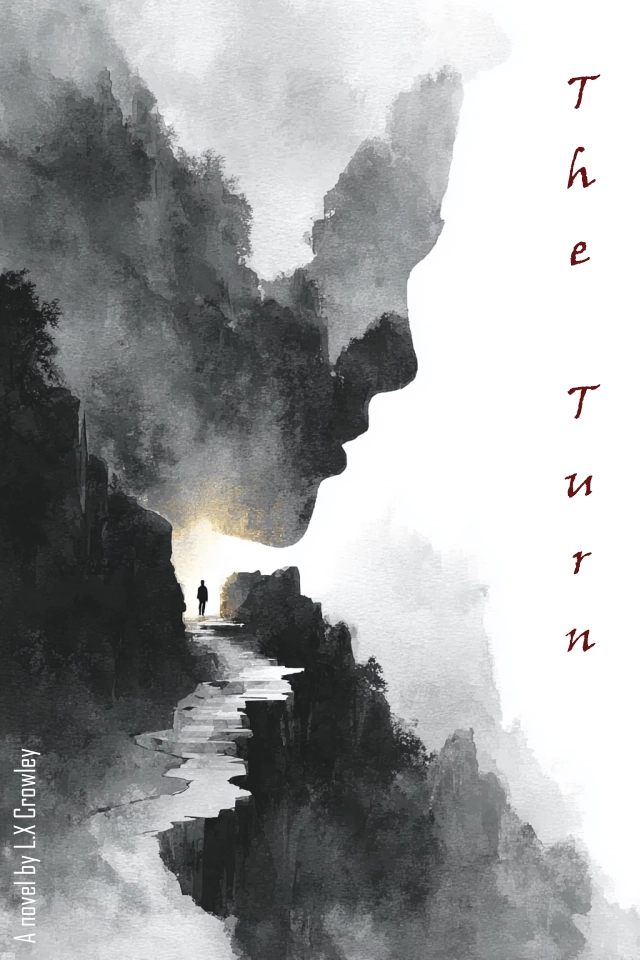
| The Turn | 2027 |   |
An Explorer’s Journal — Entry #46 “Today the fog never lifted. The woods looked close enough to touch even when I knew they were fifty paces off. Sound carries strangely here — my footsteps felt doubled, like someone walked just behind me, matching my rhythm a half beat late. Once, when I stopped, whatever was following stopped too. I’ve been on these ridges long enough to trust my eyes, but the light kept bending around the trees, stretching shadows into shapes I swear leaned toward me when I wasn’t looking. Nothing I can prove. Nothing I can name. Just a feeling that the trail has… turned. Not the path under my feet, but something else. Something in the air, in the fog, in me. If the weather clears tomorrow, I’ll move on. If it doesn’t, I may double back. I don’t like the way the silence listens here.” |
|
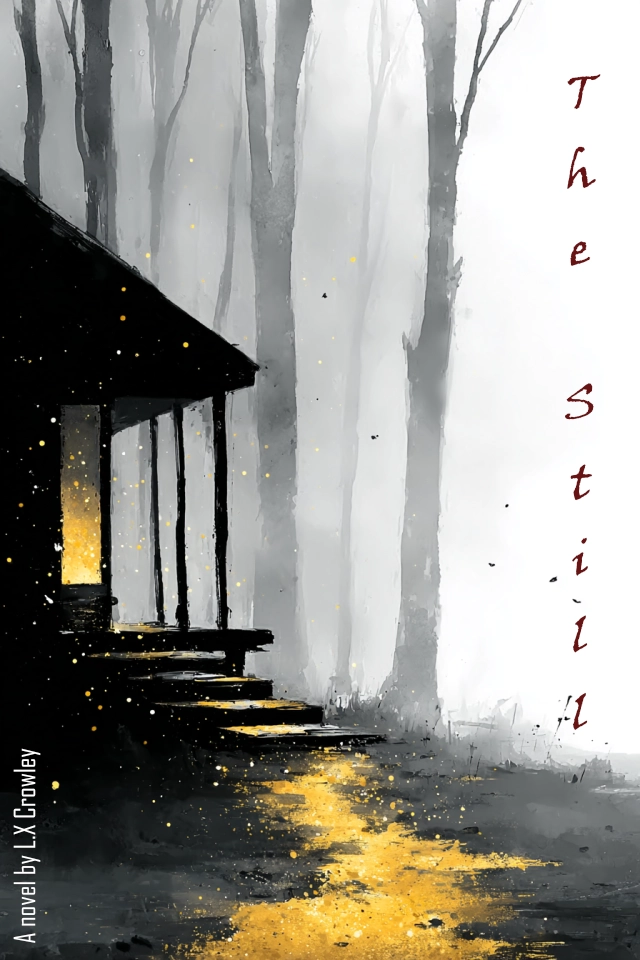
| The Still | 2028 |  |
They were just passing through — four campers cutting across the southern ridge, chasing clear sky and cold river water. Late in the afternoon they found an old cabin tucked between two poplars, half-collapsed but still dry enough to sleep in. Nothing strange about it. Just a place to rest bones and boil noodles. They talked late into the night, laughed too loud, and stretched out on the floorboards. When they stepped outside the next morning, the forest around them had gone silent. Not quiet — silent. No wind, no birds, no creek, not even the crunch of their own boots on the leaf litter. Their voices came out as motion only, mouths shaping words that made no sound. Even their breathing felt wrong, as if the air accepted it but refused to answer back. The trail they’d come up was gone, swallowed by a wall of unmoving trees. Compass needles drifted like they were floating in syrup. Every path led them back to the same clearing, the same dead cabin, the same impossible stillness. Hours passed. Shadows never moved. All they know is that the longer they stay, the heavier the silence feels — like something is waiting for them to listen closely enough to hear it. And once they do, it may not let them leave. |
|
Additional Media & Folk Commentary
Crowley frequently cited real Appalachian oral histories, ghost traditions, and mine-town folklore as inspiration. These contemporary video analyses reflect many of the same regional themes explored in the cycle.




Comments