Alexander the Great (al-ig-ZAN-der)
Macedon Leader
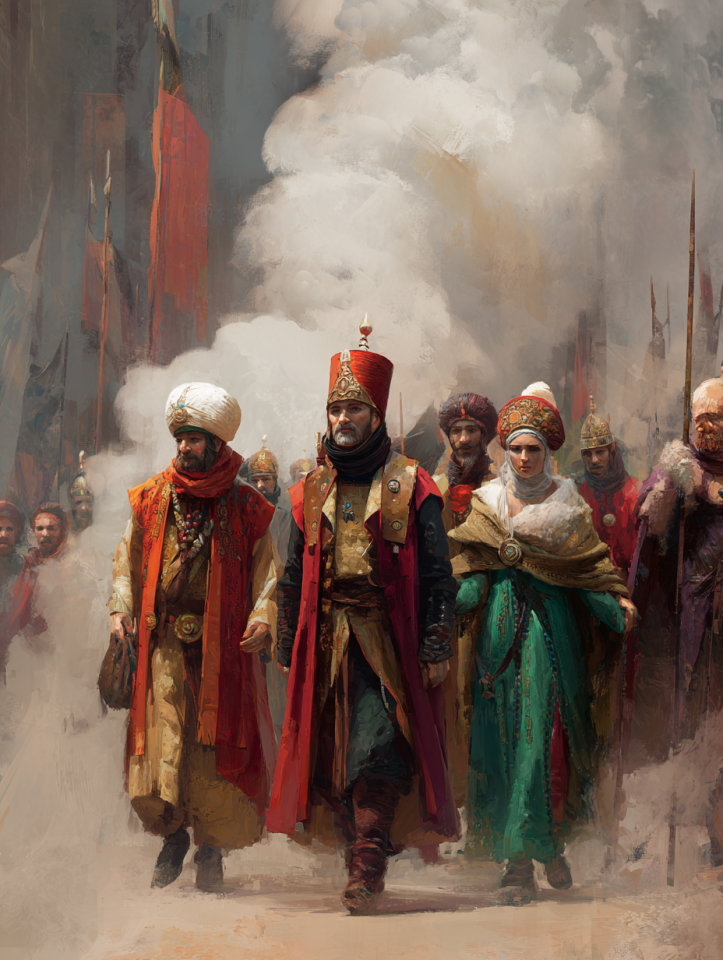
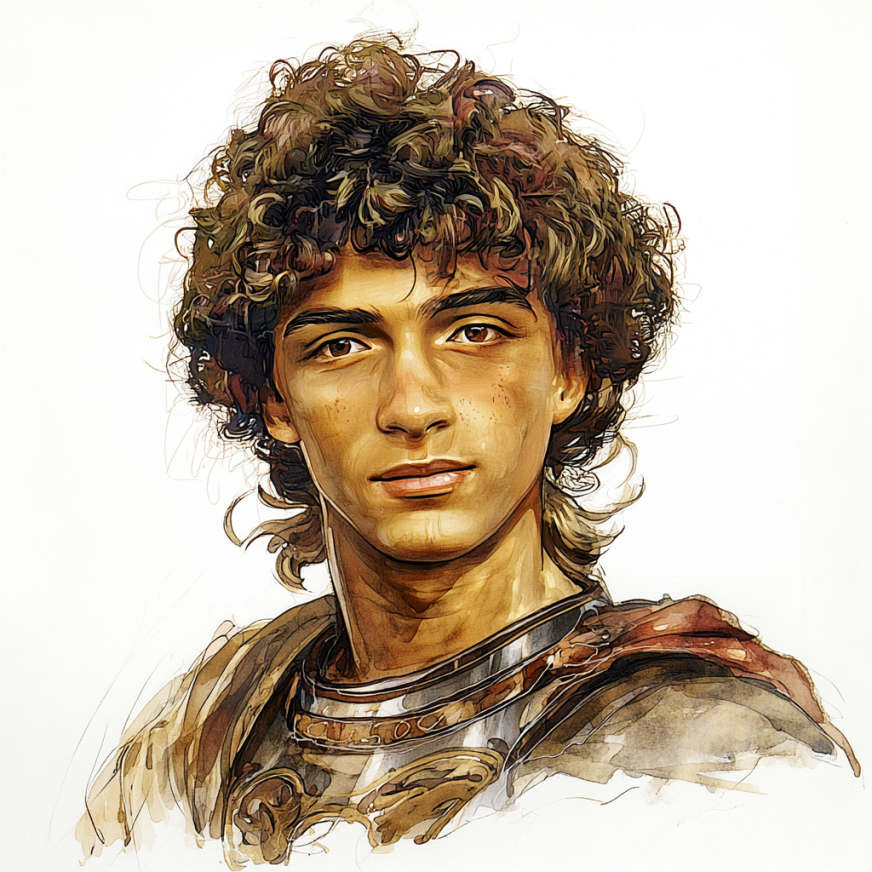
Alexander was born in Macedon , heir to the ambitious Philip II. From youth, he displayed both brilliance and volatility, tutored by Aristotle and trained in war by his father’s generals. His campaigns carried him from Greece through Persia to the edge of India, creating a brief but vast empire. In our world, this empire fractured into warring kingdoms after his death. The same ambition brought him far, but his empire unraveled even more quickly under the weight of his own contradictions — the dream of unity against the reality of exhaustion.
By the time of his death in Babylon, Alexander had founded cities and inspired loyalty, but also left behind chaos. His generals, the Diadochi, were poised to divide the empire in blood. Yet in this world, their first clash sparked a wider realization: endless war risked not only men and land, but memory itself. This recognition became the seed of the **Accord of Preservation**, signed within a generation. Thus, Alexander’s life became less remembered for the empire he carved, and more for the near-catastrophe his death precipitated.
Alexander’s figure remains half-legend, half-warning. To some, he symbolizes daring and vision; to others, the futility of conquest without preservation. His name is invoked less as “the Great” and more as “the Flame That Burned Too Fast,” a lesson for future leaders who chose continuity over glory.
Date of Birth
22 Yūgen 76 bz (Ergon)
Date of Death
11 Maat 43 bz (Mila)
Life
76 bz
43 bz
33 years old
Birthplace
Pella, Macedon
Place of Death
Babylon, Mesopotamia
Children
Belief/Deity
Hellenism/Greek; Zoroastrian sympathies
 As a pre-Accord figure bridging Hellas and Pārsa, he’d honor Hellenic ritual but adopt Persian rationalist ethics.




Comments