Taíno
Taíno religion is an animistic and polytheistic tradition — venerating many zemís (spirits and deities) tied to fertility, agriculture, weather, and ancestors. Animism means rivers, caves, and trees are alive with spirit. Polytheism refers to devotion to zemís such as Yúcahu (lord of cassava and agriculture), Atabey (goddess of waters and fertility), Guabancex (hurricane spirit), and countless local ancestral guardians.
Origins & Historical Development
The Taíno faith develops across the Caribbean islands, with roots in Arawakan traditions od the western continents. In our history, it was nearly eradicated by colonization. In Koina’s divergence, with no European conquest, the Taíno religion endures as the living spiritual framework of the Caribbean federations. Temples (bateyes), ballcourts, and caves remain active sacred sites, serving as both ritual and civic centers. By the modern era, the Taíno faith is recognized within the Accord as a vital maritime and island tradition, emphasizing harmony with sea and storm.
Core Beliefs & Practices
Taíno cosmology emphasizes reciprocity with zemís. Agriculture, fishing, and community life are sustained through offerings of cassava bread, tobacco, and areítos (ritual dances and songs). Shamans (bohiques) mediate between humans and spirits through trance, healing, and divination. Seasonal festivals mark planting, harvest, and the hurricane season, ensuring balance with natural cycles. In Koina, these festivals remain central to island federations and are often attended by visiting delegations from across the seas.
Sacred Texts & Traditions
Taíno religion is oral, preserved through myths, chants, and ritual performance. Stories of creation, the descent into caves, and the deeds of zemís are passed down in ceremonial dances. In Koina, these are preserved in the Net of Voices but remain performed live in bateyes, where song and dance embody spiritual memory. Ritual ballgames also carry mythic significance, symbolizing cosmic struggle and renewal.
Institutions & Structure
Authority rests with bohiques (shamans), who conduct healing, divination, and spirit mediation. Chiefs (caciques) hold both political and spiritual roles, responsible for maintaining harmony with zemís. In Koina, Taíno federations formally integrate bohiques into councils, ensuring that ecological and spiritual concerns guide governance. Sacred caves, rivers, and ballcourts remain focal points of both worship and assembly.
Relation to the Accord
The Taíno faith contributes to the Accord through its maritime and ecological worldview. Its reverence for the sea and storms informs federative treaties on navigation and disaster preparedness. Its rituals of reciprocity with zemís influence Accord ecological policies, treating natural forces as living partners. Festivals of areíto, with music, dance, and storytelling, become celebrated across the Cooperative Federation as symbols of joy, resilience, and renewal.
Cultural Influence & Legacy
Taíno art — zemí carvings, pottery, woven belts — enrich Koina’s material culture. Music and dance influence federative festivals, while ballgames become both sport and ritual across the western continents. Philosophically, the Taíno emphasis on reciprocity with natural forces adds to Koina’s plural ecology. Hurricanes, once feared as devastation, are ritually acknowledged as part of balance — a lesson that informs modern Accord disaster response.
Modern Presence
Today, Taíno religion thrives in the Caribbean, from Puerto Rico to Hispaniola to Cuba. Bateyes are active as temples, performance grounds, and civic centers. Areíto festivals attract pilgrims and tourists alike, celebrated as much for their philosophical meaning as for their beauty. Taíno spirituality endures as a living island tradition, teaching the Cooperative Federation that even storms and seas are kin, and that harmony with nature is the key to survival and joy.
Type
Religious, Organised Religion
Alternative Names
Zemi Faith; Way of the Taíno
Demonym
Taíno
Afterlife
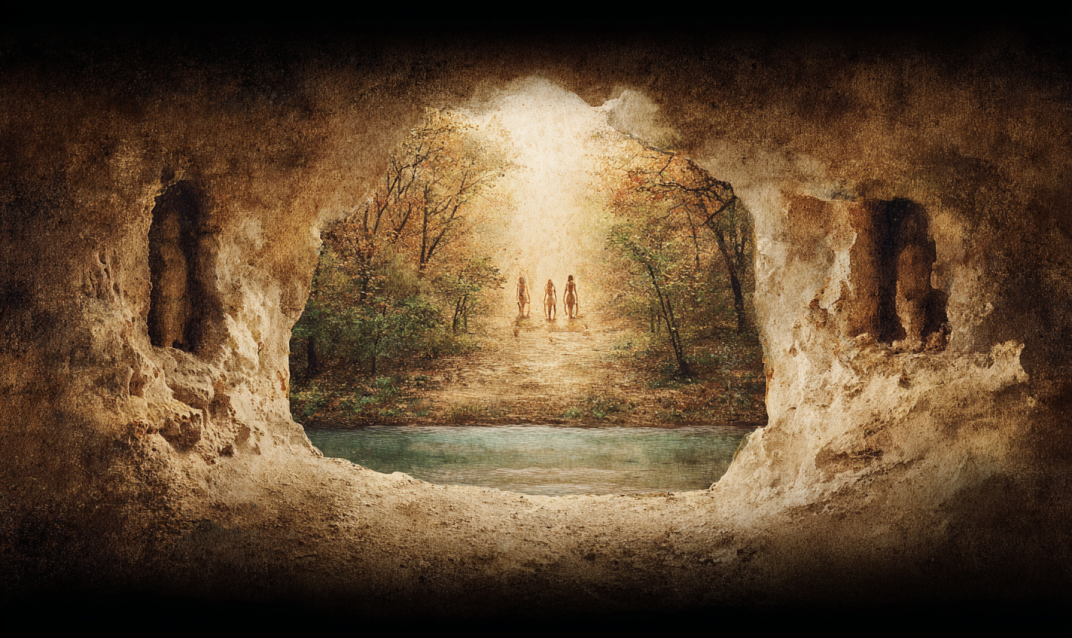
Taino Afterlife
The good rest in Coabey, a gentle realm beneath the earth lit by ancestral fire. There, guided by Opiyel Guobiran, they dwell in serenity, their spirits intertwined with water and stone.
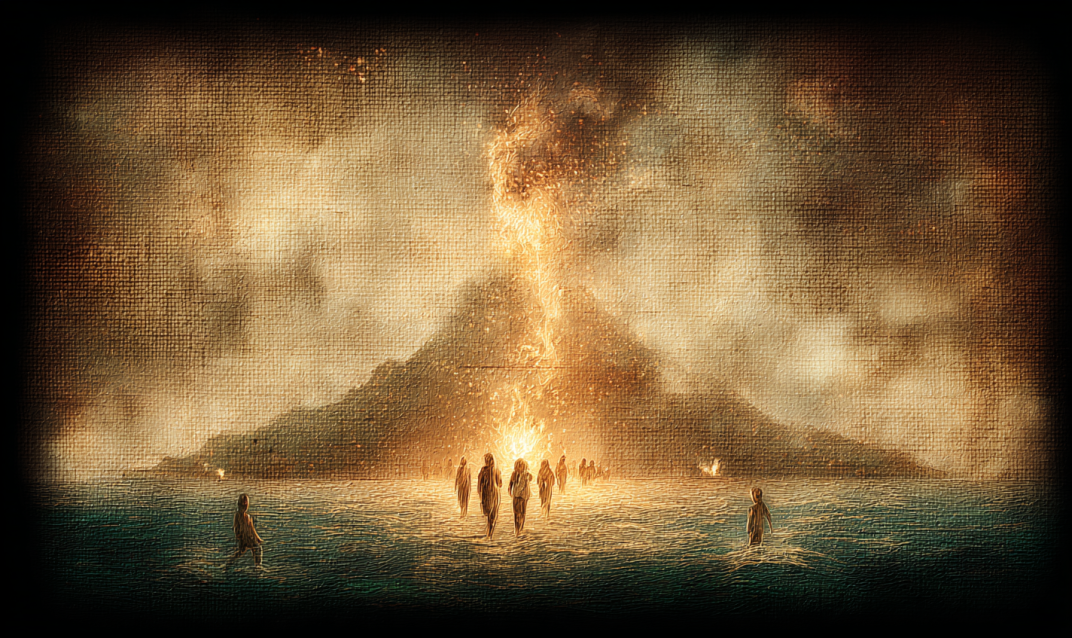
Taino Afterlife
Those who disturb natural or social balance become maboya, wandering shades of hunger and disquiet. They are not damned but lost, yearning for the community’s rituals to restore their place among the ancestors.
Pantheon of Worship
The following entries offer only a partial glimpse into the living mosaic of belief. Across the federations and the Free-States alike, divinity takes many forms: anthropomorphic gods, elemental forces, moral principles, ancestral spirits, and philosophical ideas. None of these lists are exhaustive, nor do they presume uniform worship or singular interpretation. Over millennia of dialogue and migration, names have changed, stories have merged, and meanings have diverged—each person, community, and age reshaping the sacred to mirror its own understanding. Within the Accord, faith is treated not as doctrine but as conversation: these are simply the primary voices that endure within that vast and ever-evolving chorus that lies within each individual.
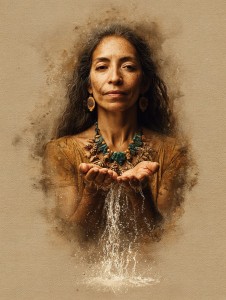
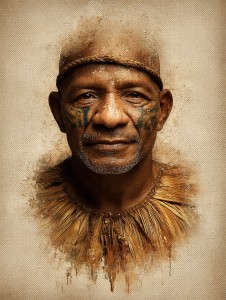
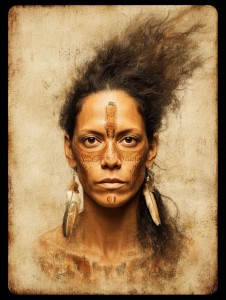
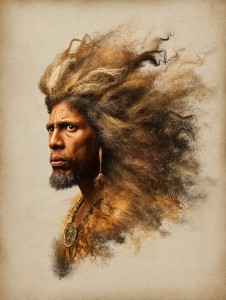
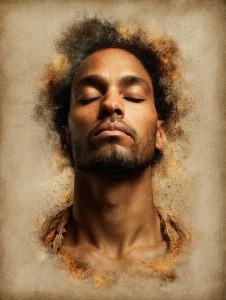

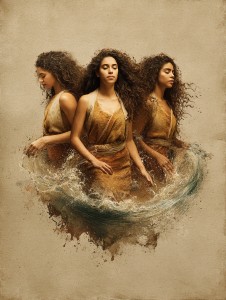
Atabey
Mother of waters and goddess of fertility, Atabey is Creation as Renewal—the constant regeneration of life through care. Her rivers and rains embody compassion as motion; her tides mirror the Accord’s cycles of rest and rebirth. She is revered across Koina’s coastal federations as the universal metaphor for origin: love that takes liquid form.
Boinayel
Spirit of rain and fertility, brother of sunlight. Boinayel is Continuity through Compassion, the balance of giving without demand. His tears fall as blessing; his constancy ensures the survival of both crops and hearts. Accord healers honor him as symbol of gentle intervention.
Guabancex
Feminine aspect of the storm, fierce and sacred. Guabancex stands for Power through Honesty—the emotion that no longer hides behind calm. In Accord language, she is the voice of nature refusing suppression. Her winds speak truth at unbearable volume, cleansing false peace.
Juracán
Spirit of hurricane and transformation, Juracán embodies Change without Malice. His storms destroy, yet through that destruction new growth is made possible. Accord philosophers treat him as symbol of natural reset: a divine lesson that imbalance demands movement, and that nature’s fury is not punishment but recalibration.
Marohu
Spirit of clear skies and restoration. In Accord interpretation, Marohu represents Peace through Clarity, the return to balance after chaos. He is worshiped in tandem with Juracán and Boinayel—three aspects of the same rhythm, teaching that calm and storm are part of one divine breath.
Yúcahu
Spirit of cassava, agriculture, and sustenance, Yúcahu is the gentle axis of Taíno life. In the Accord’s understanding, he represents Provision through Stewardship—a god not of dominance but of gratitude. His gifts are practical and moral alike: nourishment that teaches humility. To honor Yúcahu is to cultivate balance, feeding both earth and neighbor without excess.
Lesser Pantheon / Other Important Entities
Beneath the great architects of creation move countless presences who shape the subtler rhythms of existence. These are the intercessors, the boundary-walkers, and the remembered: angels and lwa, saints and ancestors, spirits of grove and hearth, tricksters, dreamers, and the beloved dead. Their powers are intimate rather than cosmic—rooted in memory, place, and the daily turning of life. They remind the living that divinity does not dwell only in the heavens but also in laughter, grief, and the quiet negotiations between mortal and divine. Through them, the sacred becomes personal, and the invisible world remains close enough to touch.
Atabey’s Daughters
Water nymphs born of the Mother Atabey’s tears, her daughters govern springs and birthplaces. They embody the fluid grace of creation—the nurturing power that renews through motion.
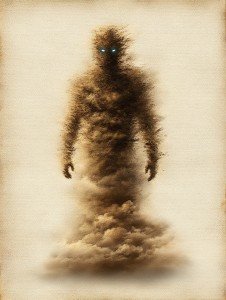
Maboya
Malevolent night spirit and bringer of chaos, Maboya moves through storms and fevered dreams. Yet even his darkness has purpose—he reminds mortals that neglect of balance invites disorder.
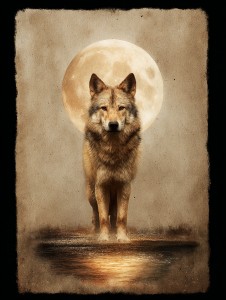
Opiyel Guobiran
Faithful dog spirit who guides souls to Coabey, the land of the dead. Loyal and gentle, Opiyel guards the gates between life and afterlife, teaching that love’s devotion endures even beyond the body.




Comments