Slavic / Rodnovery (SLAH-vik PAY-guh-nizm / ROD-noh-veh-ree)
Slavic Paganism is a polytheistic and animistic religion — venerating many gods and spirits of nature, ancestry, and community. Polytheism means worship of deities such as Perun (thunder), Veles (underworld and cattle), Mokosh (fertility), and Svarog (fire and sky). Animism refers to the reverence of rivers, groves, hearths, and ancestors as living presences. Its worldview emphasizes kinship with land and lineage, blending mythology with seasonal cycles.
Origins & Historical Development
Slavic Paganism arises among the tribes of Eastern Europe, stretching from the Baltic to the Balkans and into the steppes. In our history, Christianization nearly erased its continuity; in Koina’s divergence, with no Rome and no forced conversions, Slavic religion survives as the spiritual foundation of federative communities. Village assemblies and clan councils evolve in tandem with druidic and Norse influences, giving Slavic Paganism a strong civic role. Over time, Rodnover federations establish recognized guilds of priests and storytellers, integrating spiritual authority into the Accord.
Core Beliefs & Practices
At its center is Rod, the primordial ancestor and source of kinship. The gods embody natural and social forces: Perun as thunder and protector, Veles as underworld guardian and patron of herders, Mokosh as earth mother and spinner of fate, Svarog as celestial fire. Rituals focus on seasonal festivals — Kupala Night (midsummer fire and water rites), Dziady (ancestor veneration), and harvest feasts. Offerings of bread, honey, and livestock maintain reciprocity with gods and ancestors. In Koina, these festivals remain vibrant, celebrated as communal federative holidays of fertility, fire, and remembrance.
Sacred Texts & Traditions
Like other polytheistic traditions, Slavic Paganism is oral rather than scriptural. Myths, epics, and folk songs preserve cosmology, genealogies, and moral tales. In Koina, these are transcribed and integrated into the Net of Voices, ensuring that Slavic cycles are preserved alongside Greek tragedies, Indic epics, and Celtic sagas. Storytellers (skaziteli) remain honored figures, blending performance with teaching.
Institutions & Structure
Priests (zhretsy) oversee rituals, while village elders manage communal rites. Shrines, groves, and hearths are sacred centers, often marked by carved idols of deities. In Koina, Rodnover federations establish organized councils of priests and storytellers, rotating leadership in line with the Accord. Temples rise in major Slavic cities, but sacred groves remain central, emphasizing nature as the living heart of worship.
Relation to the Accord
Slavic Paganism contributes to the Accord through its communal ethos. Its festivals of fire, water, and remembrance become inter-federative celebrations. Its cosmology, emphasizing balance between Perun (order) and Veles (chaos), resonates with other traditions’ dualities, particularly Zoroastrian asha and druj. Ancestor veneration influences Accord law, ensuring genealogies and family memory remain civic responsibilities.
Cultural Influence & Legacy
Slavic art — wood carvings, embroidery, and painted icons — flourishes across Koina. Folklore traditions of rusalki (water spirits) and domovoi (household guardians) enrich the plural mythology of the Cooperative Federation. Ethically, the emphasis on kinship, hospitality, and reciprocity influences federative values. Slavic guilds of blacksmiths, weavers, and herders retain spiritual roles, blending craft with devotion.
Modern Presence
Today, Slavic Paganism thrives across Eastern Europe, from Poland to Russia, the Balkans to Ukraine. Kupala Night bonfires and Dziady ancestor feasts remain public holidays, celebrated across federations. Rodnover priests and storytellers participate in civic councils, recognized as both spiritual leaders and philosophers. Far from a lost tradition, Slavic Paganism remains a living faith — one that grounds identity in kinship, nature, and the enduring bond of Rod, the primordial source.
Type
Religious, Organised Religion
Alternative Names
The Faith of Rod; Old Slavic Ways
Demonym
Slavs / Rodnovers
Afterlife
Slavic Afterlife
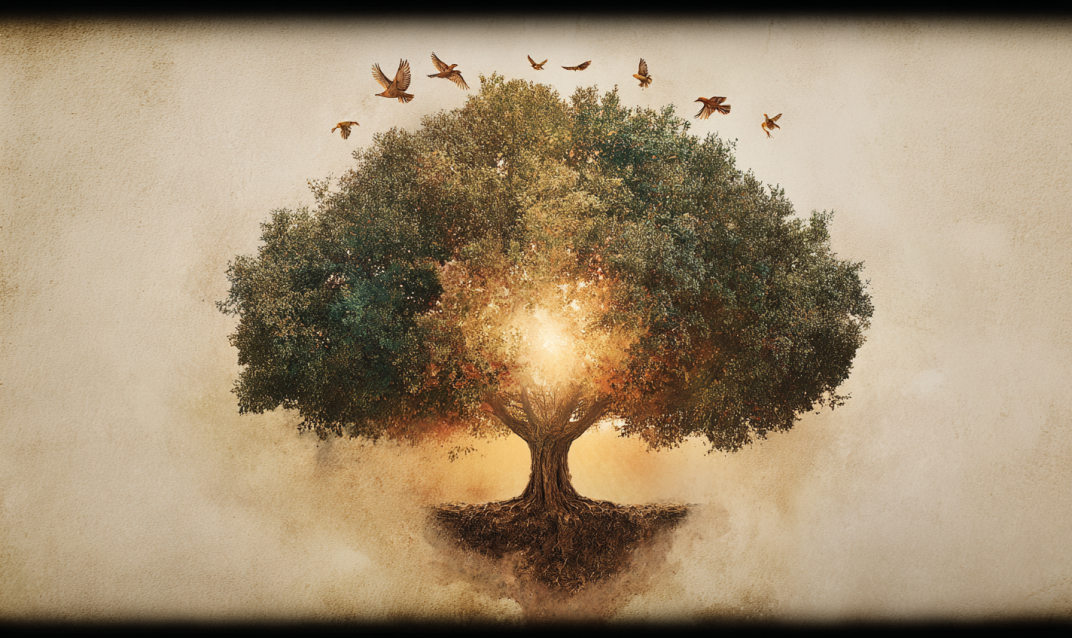
The soul of balance ascends to Vyraj, the celestial garden beyond the clouds. There grows the World Tree, home to birds that bear human souls into eternal spring. Peace reigns, and ancestors live in harmony with the cycles of nature.
Slavic Afterllife
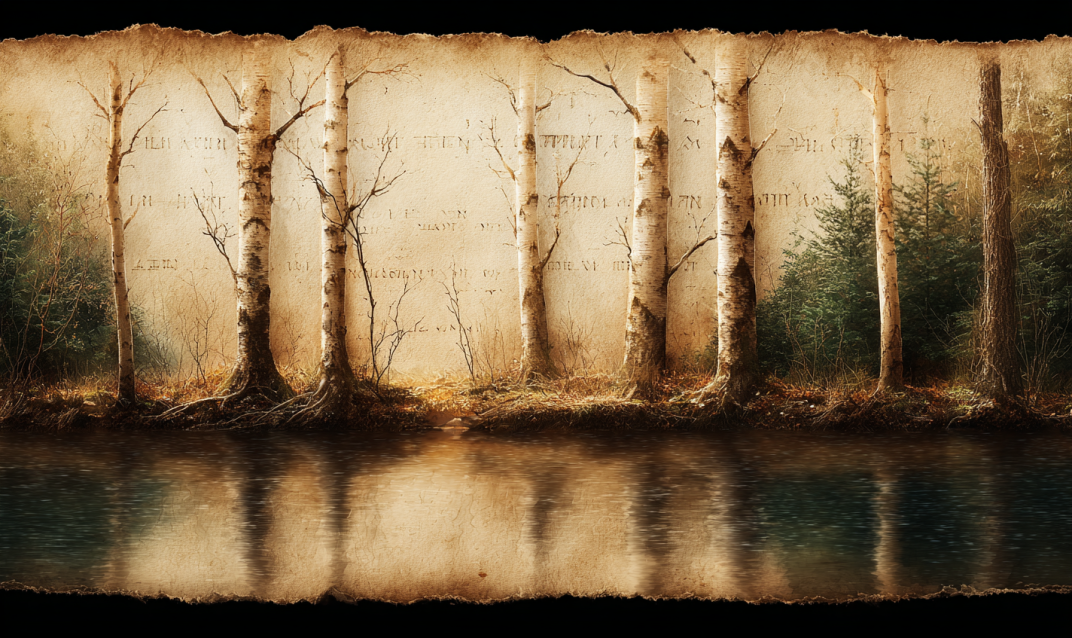
Those forgotten or unburied enter Nav’, a misted realm of cold silence. Yet even here there is no eternal curse — only waiting. When the living remember them with rite or song, warmth returns and the path to Vyraj reopens.
Pantheon of Worship
The following entries offer only a partial glimpse into the living mosaic of belief. Across the federations and the Free-States alike, divinity takes many forms: anthropomorphic gods, elemental forces, moral principles, ancestral spirits, and philosophical ideas. None of these lists are exhaustive, nor do they presume uniform worship or singular interpretation. Over millennia of dialogue and migration, names have changed, stories have merged, and meanings have diverged—each person, community, and age reshaping the sacred to mirror its own understanding. Within the Accord, faith is treated not as doctrine but as conversation: these are simply the primary voices that endure within that vast and ever-evolving chorus that lies within each individual.
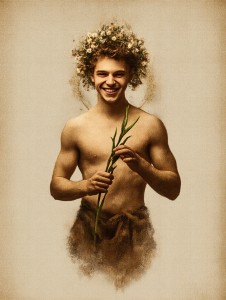
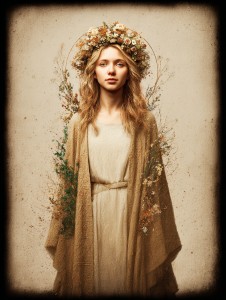
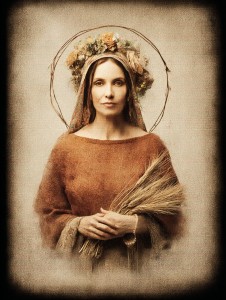
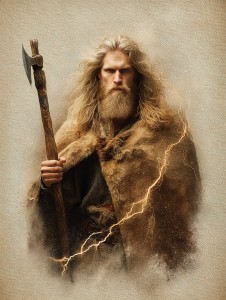
Dazhbog
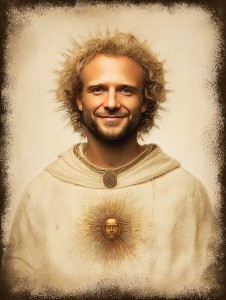
Solar giver of wealth and vitality. To the Accord, Dazhbog is Generosity through Radiance, abundance that shines outward rather than inward. His warmth becomes metaphor for civic goodwill and communal energy.
Jarilo
God of youth, fertility, and the returning green. Jarilo embodies Rebirth through Passion, the joy that renews courage and wonder. Accord festivals honoring spring borrow his symbolism—celebrating vitality as collective awakening, not indulgence.
Lada
Goddess of love and harmony, associated with spring and union. Lada represents Reconciliation through Affection, the healing force of companionship across difference. Accord mediators invoke her name when guiding adversaries toward mutual restoration.
Mokosh
Mother of moisture and fertility, guardian of women’s work and weaving. Mokosh embodies Sustenance through Craft, the holiness of the everyday. In the Accord’s artisan guilds, she represents the quiet labor that binds society through care rather than spectacle.
Perun
Thunderer and protector, wielder of light against corruption. In Accord reflection, Perun symbolizes Justice through Illumination—the strength to expose deceit rather than destroy it. His lightning purges ignorance as much as evil, making him a patron of truth’s directness.
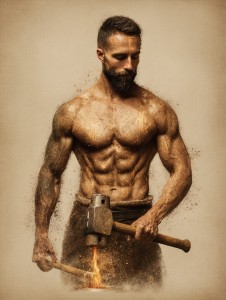
Svarog
Celestial smith and creator of the sun. In Accord symbolism, Svarog stands for Creation through Fire and Form—the act of shaping chaos into function. His hammer becomes the symbol of innovation tempered by responsibility.
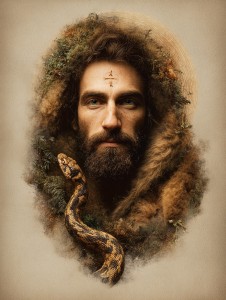
Veles
Serpent of earth and keeper of the underworld’s wealth. Veles is Perun’s necessary counterpart: Wisdom through Depth. Their eternal tension reflects the Accord’s doctrine of dynamic balance—sky and soil, law and instinct, forever circling but never meant to conquer one another.
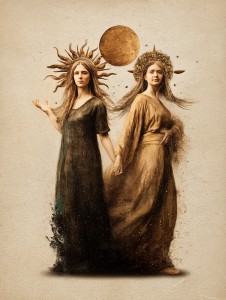
Zorya Utrennyaya and Zorya Vechernyaya
Morning and Evening Star sisters who guard the sky’s balance, opening and closing the heavens each day. In Accord myth they embody faithful partnership and cosmic rhythm.
Lesser Pantheon / Other Important Entities
Beneath the great architects of creation move countless presences who shape the subtler rhythms of existence. These are the intercessors, the boundary-walkers, and the remembered: angels and lwa, saints and ancestors, spirits of grove and hearth, tricksters, dreamers, and the beloved dead. Their powers are intimate rather than cosmic—rooted in memory, place, and the daily turning of life. They remind the living that divinity does not dwell only in the heavens but also in laughter, grief, and the quiet negotiations between mortal and divine. Through them, the sacred becomes personal, and the invisible world remains close enough to touch.
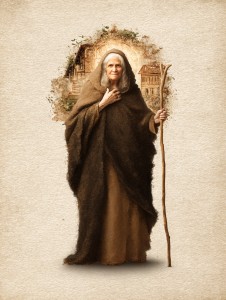
Baba Yaga
The witch of the woods, Baba Yaga dwells in a hut on chicken legs and moves between worlds at her whim. Neither villain nor saint, she teaches that wisdom comes at the cost of comfort and that every seeker must face the forest alone.
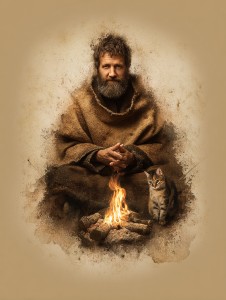
Domovoi
The household spirit of warmth and warning, Domovoi tends the hearth and mutters when order frays. Feed him bread and milk, and harmony endures. He embodies the bond between home, gratitude, and unseen care.
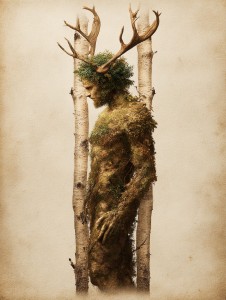
Leshy
Forest guardian and shape-shifter, Leshy protects beasts and boundaries alike. He is laughter echoing through pines, warning and welcome both. Within Accord interpretation he personifies wilderness consciousness—the will of the living forest.
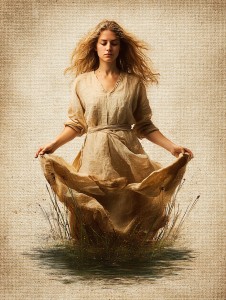
Rusalka
Water nymph of longing and vengeance, Rusalka drifts between beauty and peril. Her song lures the careless, yet she is also memory of injustice made voice—nature’s response to cruelty.




Comments