

Performers’ Circles
Keepers of Story, Song, and Festival
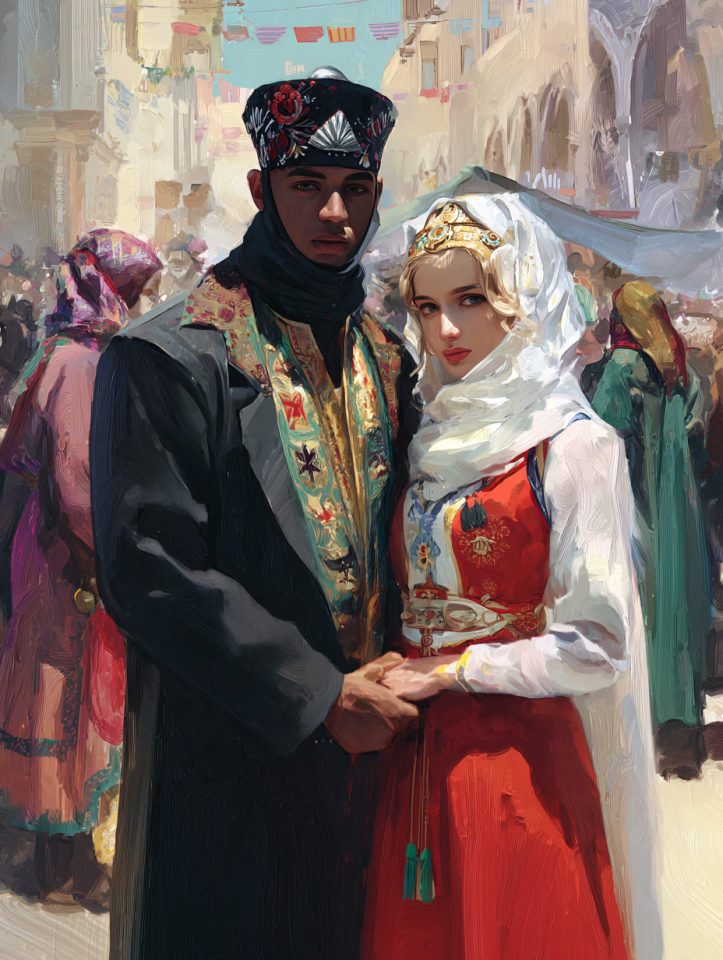
In the glow of torchlight, a circle forms in the square. A dancer steps forward, her movements tracing the myth of a river’s birth, while musicians weave rhythm with drum and lute. The crowd leans in as a storyteller lifts his voice, retelling an ancient parable in words that children echo. Around them, laughter and tears flow freely, for performance in Koina is not entertainment alone but memory given life.
At midsummer, circles swell into great festivals. Troupes from distant federations gather, each bearing costumes, instruments, and scripts that speak of their homeland. Plays are staged in many tongues, dances blend traditions, and audiences learn not only stories but philosophies. Here, civic pride meets plural belonging, for every performance affirms that one’s own tale is strengthened, not diminished, by sharing space with another.
Even in quieter seasons, circles persist. A poem recited at a funeral, a song chanted at harvest, a pantomime enacted by children in the street - all are considered part of the Circle’s keeping. Through them, Koina lives its stories, and through stories, it remembers itself.
Storytellers - Oral keepers of myths, parables, and civic histories.
Actors - Performers of plays, rituals, and civic dramas.
Dancers - Embodiers of rhythm, cycle, and philosophy in movement.
Musicians - Creators of song and harmony across cultures.
Festival Organizers - Coordinators of seasonal rituals and cross-cultural gatherings.
Poets - Weavers of words that transform daily events into shared memory.
Origins & Purpose
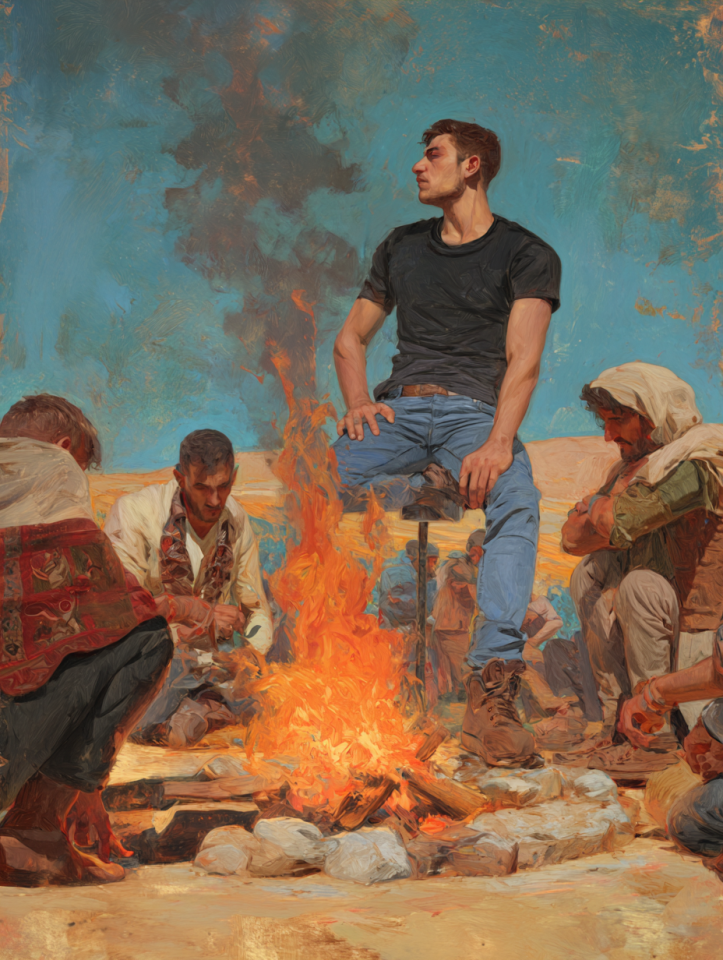
The Circles trace their origins to the earliest gatherings around fires, when myths were shared as guides to survival and meaning. Unlike in other worlds, where empire or church often sought to control performance, here traditions remained plural. Each federation preserved its own stories while contributing to a shared memory.
Their founding purpose was to preserve wisdom in living form. Performance allowed philosophy to become accessible, memory to become communal, and joy to become binding. The Circles ensured that no story was forgotten and no voice excluded, making art the heartbeat of civic life.
Major Specialties
Organization & Practices
Membership in the Circles is open, for every citizen is seen as a potential bearer of story. Yet troupes often form around masters, who guide apprentices in voice, gesture, and rhythm. Performances are communal - audiences participate through call-and-response, clapping, or dance, blurring the line between artist and observer.
Practices include seasonal festivals, traveling troupes, and civic commissions. Councils invite circles to dramatize treaties, philosophical debates, or historical events, ensuring that civic life itself becomes story. Every performance is archived through the Net of Voices, preserving both script and song for future generations.
Contributions & Influence
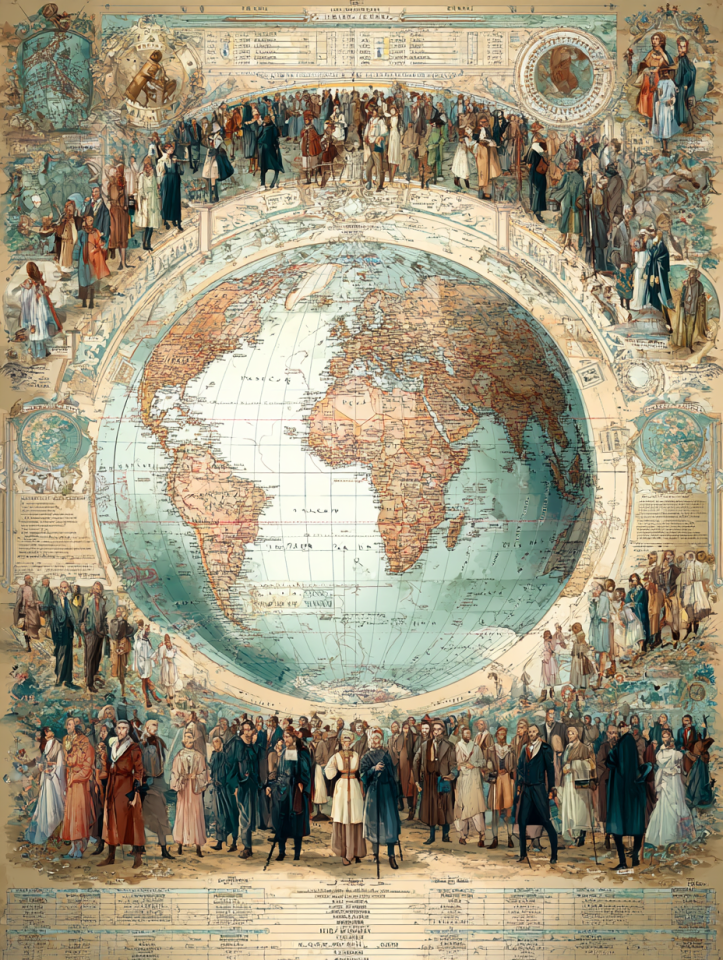
The Circles unify Koina through shared joy. Their plays teach philosophy, their songs preserve memory, and their festivals provide continuity across federations. By blending traditions, they prevent cultural isolation and foster plural belonging.
Their influence extends into politics and education. Children learn civic principles through plays before they can read, while adults debate philosophy through allegory on stage. In Koina, a well-acted drama can sway councils as much as a logical argument, for performance is seen as reasoning made flesh.
Role in the Accord
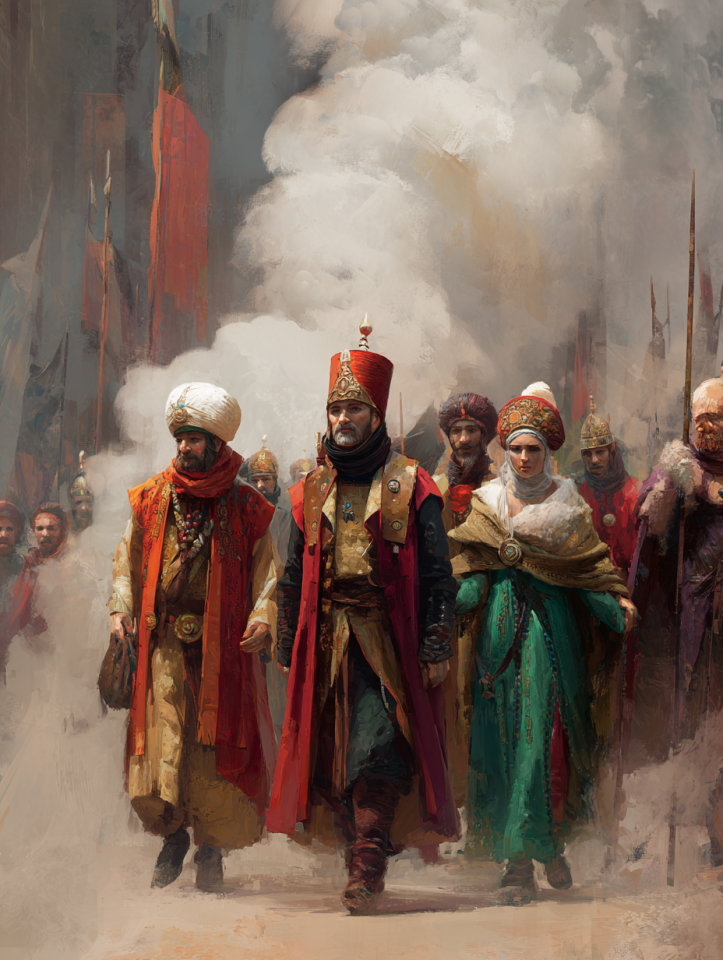
The Circles serve as cultural ambassadors, traveling between federations to perform at assemblies and exchanges. Their presence ensures that treaties are not only signed but celebrated, transforming abstract agreements into shared rituals.
At the Grand Assembly, performances accompany debate, reminding delegates that philosophy without story loses its humanity. Through their art, the Circles sustain the Accord’s memory, joy, and plurality - proving that a shared world is not only reasoned, but also sung and danced into being.

Type
Guild, Professional




Comments