Maya (MY-uh)
Maya religion is a polytheistic and cosmological tradition — venerating many gods tied to agriculture, time, and celestial cycles. Polytheism refers to devotion to deities like Itzamna (creator), Chaac (rain), Ix Chel (moon and fertility), and Hunahpu and Xbalanque (hero twins). Cosmology here means understanding existence as structured by multiple layers of heavens, earth, and underworlds, navigated through ritual, calendar, and myth.
Origins & Historical Development
Maya religion develops in Meso, flourishing in the Classic and Postclassic periods with elaborate cities, temples, and astronomical observatories. In our history, it was suppressed by conquest and missionization. In Koina’s divergence, with no European colonization, Maya religion continues uninterrupted. City-state federations preserve priestly guilds of astronomers, scribes, and ritualists. By the modern era, Maya spirituality is a continuous, living faith, shaping the governance and ecological ethos of the Meso Leagues.
Core Beliefs & Practices
Maya cosmology envisions the world as a great ceiba tree, its roots in the underworld (Xibalba), trunk in the mortal realm, and branches in the heavens. Time is cyclical, measured by sacred calendars: the 260-day Tzolk’in, the 365-day Haab’, and the Long Count for cosmic cycles. Rituals include offerings of food, incense, and bloodletting (often symbolic in Koina), as well as communal festivals tied to planting and harvest. Gods embody both natural forces and moral principles, and maintaining balance through ritual ensures cosmic stability.
Sacred Texts & Traditions
Texts like the Popol Vuh preserve creation myths, especially the Hero Twins’ journey into Xibalba. The Chilam Balam chronicles record prophecy and ritual knowledge. In Koina, these manuscripts are never destroyed but preserved and digitized into the Net of Voices. Hieroglyphic inscriptions, calendar records, and astronomical tables remain part of civic knowledge, guiding agriculture, architecture, and ritual timing.
Institutions & Structure
Priests oversee temples, calendars, and rituals, serving as astronomers, mathematicians, and diviners. Kingship retains a sacred dimension, with rulers acting as mediators between gods and people. In Koina, priestly guilds integrate into federative councils, ensuring ecological and calendrical knowledge informs policy. Temples and observatories double as civic centers, linking religion, science, and governance seamlessly.
Relation to the Accord
Maya religion contributes to the Accord through its mastery of time and cycles. Its calendrical precision enriches global astronomy and ecological planning. Its emphasis on cosmic balance resonates with Indic and Norse ideas of cyclical renewal, fostering philosophical dialogue across federations. Festivals tied to planting and harvest become shared civic holidays, reinforcing reciprocity between human communities and the natural world.
Cultural Influence & Legacy
Maya architecture — pyramids, ballcourts, observatories — remains active, not abandoned ruins. Murals, glyphs, and codices enrich Koina’s shared visual culture. Philosophically, the Maya vision of time as layered and cyclical profoundly influences Accord cosmology. Ethically, their emphasis on reciprocity and cosmic duty shapes law and civic responsibility across the Meso Leagues.
Modern Presence
Today, Maya religion thrives in Guatemala, Belize, Mexico, Honduras, and beyond. Priestly astronomers still calculate calendars, now using digital tools alongside ancient methods. Festivals like the New Fire ceremony and equinox celebrations at Chichén Itzá draw pilgrims from across federations. The Maya faith endures as a living spiritual and scientific tradition — one that teaches humanity to see itself as part of the cosmic ceiba, rooted, grounded, and reaching toward the stars.
Type
Religious, Organised Religion
Alternative Names
Maya Spirituality; Faith of the Calendar Lords
Demonym
Maya
Related Myths
Afterlife
Maya Afterlife
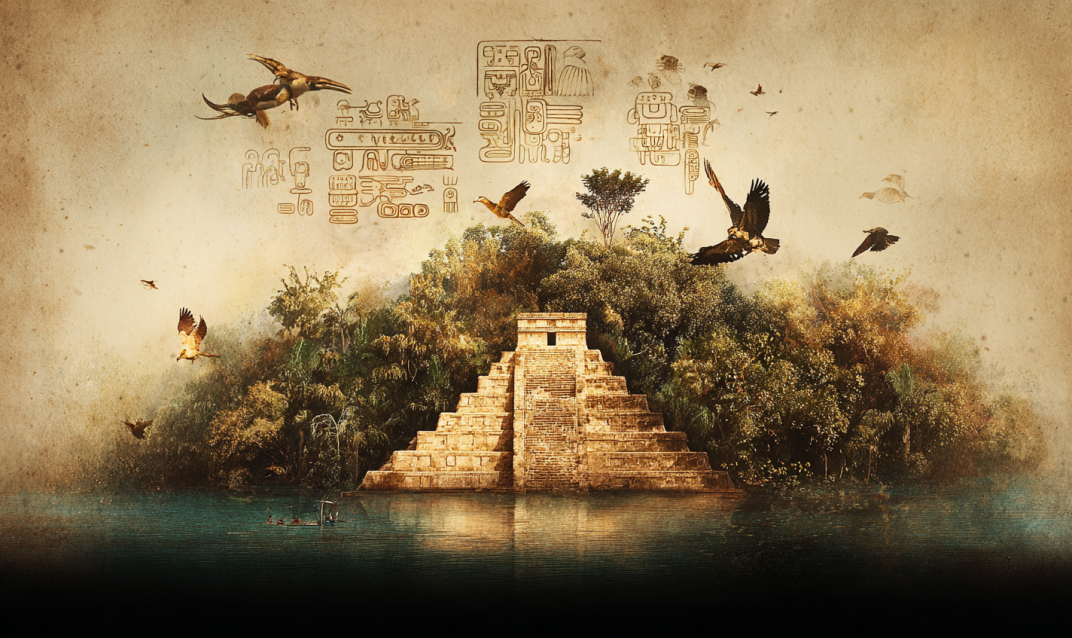
Renewal awaits in Tamoanchan, the paradise of flowers where the gods dwell amid sacred blossoms. Souls of virtue ascend to the heavens as stars, watching over their descendants and continuing the cosmic order through radiant memory.
Maya Afterlife
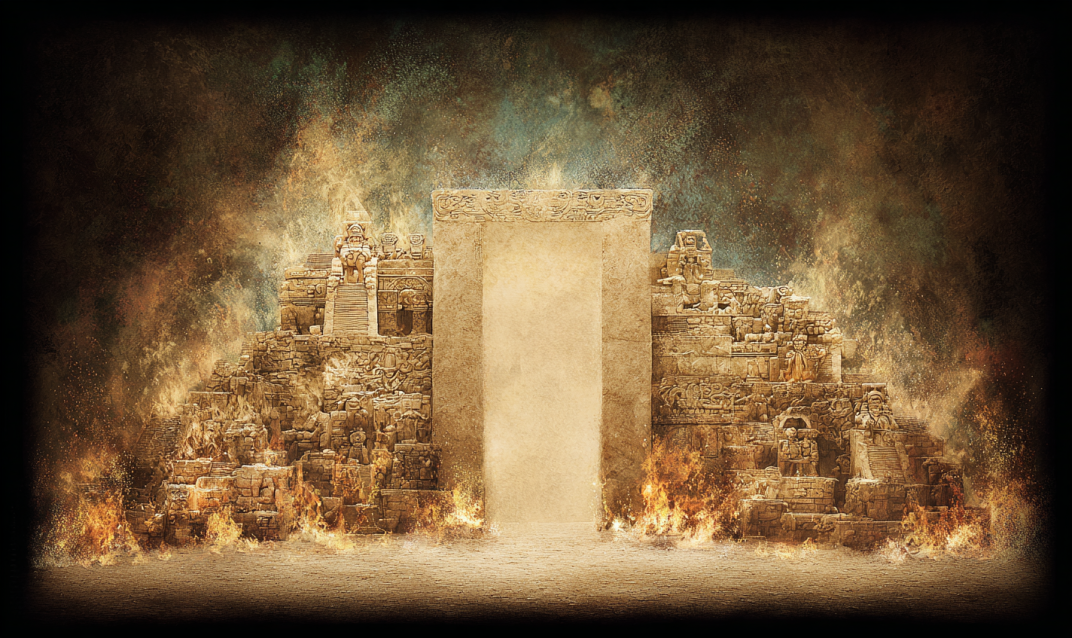
Others descend to Xibalba, the underworld of trials. They pass through chambers of darkness, silence, and transformation — not for eternal suffering but for testing. Only through endurance and wisdom do they ascend again, reborn into balance.
Pantheon of Worship
The following entries offer only a partial glimpse into the living mosaic of belief. Across the federations and the Free-States alike, divinity takes many forms: anthropomorphic gods, elemental forces, moral principles, ancestral spirits, and philosophical ideas. None of these lists are exhaustive, nor do they presume uniform worship or singular interpretation. Over millennia of dialogue and migration, names have changed, stories have merged, and meanings have diverged—each person, community, and age reshaping the sacred to mirror its own understanding. Within the Accord, faith is treated not as doctrine but as conversation: these are simply the primary voices that endure within that vast and ever-evolving chorus that lies within each individual.
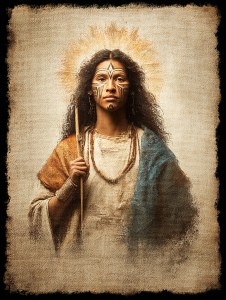
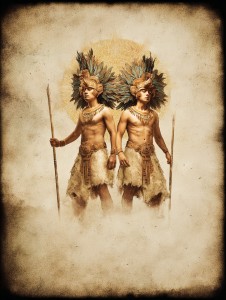
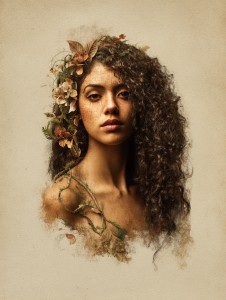
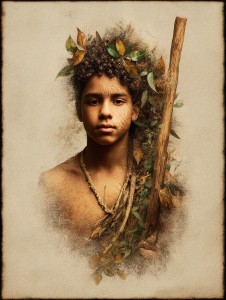
Ah Puch
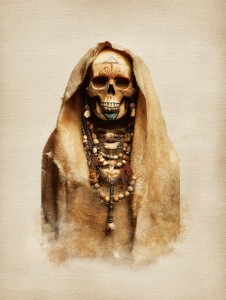
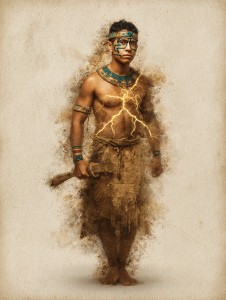
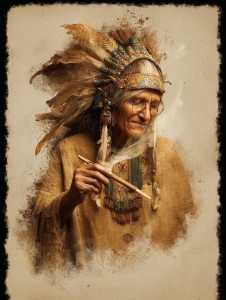
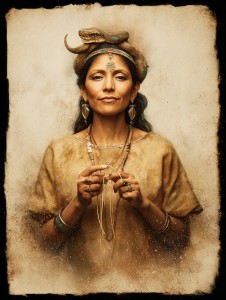
Lord of death and decay, yet also of release. Ah Puch symbolizes Entropy Acknowledged, teaching that dissolution is the root of regeneration. His skeletal grin in Maya art becomes, in Accord philosophy, a reminder that impermanence safeguards balance.
Chaac
Rain-bringer and storm-speaker, Chaac governs renewal through turbulence. He embodies Fertile Disruption, the storm that feeds the soil. Accord farmers honor him as symbol of sustainable intervention—disturbance guided by purpose.
Hunab Ku
The unseen source, unity behind multiplicity. In the Accord’s comparative theology Hunab Ku aligns with Nyame and Yahweh as Abstract Totality—the center that has no form. His presence anchors the idea that ultimate divinity resists ownership.
Itzamna
Creator of writing, medicine, and the ordered cosmos. Itzamna is Wisdom in Structure, the act of shaping knowledge into worlds. His hieroglyphs are remembered in Accord archives as the origin of symbolic literacy—the belief that to name is to participate in creation.
Ix Chel
Moon goddess of healing, childbirth, and weaving. In Koina cosmology she is the Proto-Force of Compassionate Craft, the merging of art and care. Her loom weaves fate and remedy alike; her phases mirror the Accord’s cycles of innovation and rest.
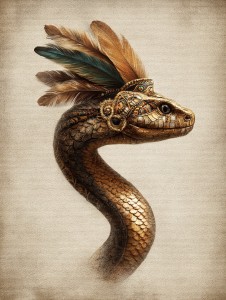
Kukulkan
The feathered serpent, union of earth and sky. Kukulkan is Synthesis through Motion, bridging dualities—matter and spirit, descent and ascent. His descent along Chichén Itzá’s pyramid each equinox remains one of the Accord’s favorite metaphors: enlightenment revealed through alignment with the cosmos.
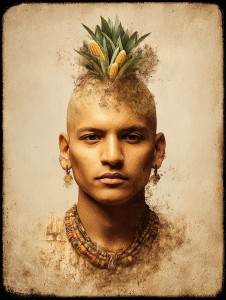
Tonsured Maize God
The youthful maize god embodies renewal, sacrifice, and the cyclic promise of sustenance. In Koina interpretation, he represents continuity between labor and life—harvest as rebirth, and artistry as agriculture of the soul.
Lesser Pantheon / Other Important Entities
Beneath the great architects of creation move countless presences who shape the subtler rhythms of existence. These are the intercessors, the boundary-walkers, and the remembered: angels and lwa, saints and ancestors, spirits of grove and hearth, tricksters, dreamers, and the beloved dead. Their powers are intimate rather than cosmic—rooted in memory, place, and the daily turning of life. They remind the living that divinity does not dwell only in the heavens but also in laughter, grief, and the quiet negotiations between mortal and divine. Through them, the sacred becomes personal, and the invisible world remains close enough to touch.
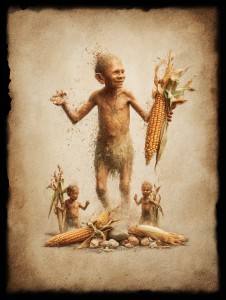
Aluxes
Small, mischievous spirits of the fields and forests, the Aluxes guard the balance between cultivation and wilderness. They aid those who honor the old ways and confound the careless. In Accord thought they represent cooperation with the unseen ecology of place.
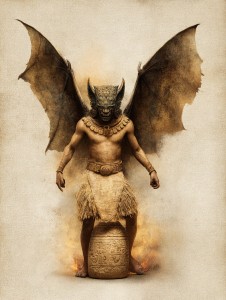
Camazotz
The bat spirit of night and sacrifice, Camazotz embodies the threshold between fear and transformation. Guardian of caves and sacred darkness, he reminds mortals that renewal often wears the face of ending.
Chin
Spirit of duality and mirrored harmony, Chin represents the divine balance between motion and stillness, sound and silence. To Koina scholars, he personifies relational truth—each being made whole through reflection.
Hero Twins
Hunahpu and Xbalanque, the Hero Twins, journeyed into the underworld to outwit death through courage and wit. Their tale is one of transformation, reminding mortals that cleverness and persistence can overturn even cosmic fate.
Xtabay
Spirit of deceitful beauty; she lures the vain and faithless to their doom. Yet her legend teaches that appearances are the first illusion mortals must master.
Yum Kaax
Spirit of the wild and protector of maize. Yum Kaax personifies Reciprocal Harvest, the sacred exchange between humanity and untamed nature. Accord agronomists cite him as precedent for ecological custodianship rooted in reverence.




Comments