



CTU: Cryptids-South & Southeast Asia
Churel / Chudail
Region: South & Southeastern Asia
Location:India, Pakistan, Bangladesh, Nepal (especially rural and northern regions)
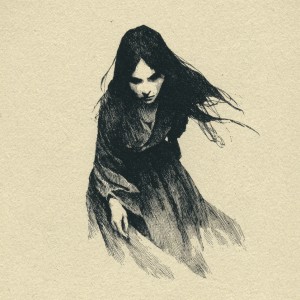
The Churel — also known as Chudail — is a female revenant born from tragic or unjust circumstances. In many versions, she is a woman who died during childbirth, was mistreated by in-laws, or suffered betrayal. Her ghost returns with the appearance of a beautiful woman who lures men away from roads, fields, or villages at night. But her true form is monstrous: backward-facing feet, elongated limbs, twisted features, or a face hidden by long, disheveled hair. The reversal of her feet is one of the most consistent markers, symbolizing her unnatural return from death.
Stories often describe the Churel targeting young or boastful men, draining their vitality slowly over multiple encounters. Victims grow gaunt, exhausted, or prematurely aged. Some tales emphasize seduction — the Churel offering comfort, beauty, or companionship before revealing her horrific form. Other versions portray her as vengeful toward any man, reflecting broader anxieties around gender, patriarchal control, and the dangers women faced historically. In rural folklore, warnings about the Churel often served to discourage men from wandering alone at night or harassing vulnerable women.
Despite her frightening reputation, not all Churel stories paint her as purely evil. In certain regions, she haunts her own family not out of malice but because they neglected rituals or mistreated her in life. In some communities, offerings and rites can pacify her spirit, transforming her from a predator into a guardian for children or women. This duality — tragic victim and terrifying revenant — gives the Churel her emotional depth. She is a reminder of the social injustices women faced and the unresolved grief that lingers in cultural memory.
Location:India, Pakistan, Bangladesh, Nepal (especially rural and northern regions)
The Churel — also known as Chudail — is a female revenant born from tragic or unjust circumstances. In many versions, she is a woman who died during childbirth, was mistreated by in-laws, or suffered betrayal. Her ghost returns with the appearance of a beautiful woman who lures men away from roads, fields, or villages at night. But her true form is monstrous: backward-facing feet, elongated limbs, twisted features, or a face hidden by long, disheveled hair. The reversal of her feet is one of the most consistent markers, symbolizing her unnatural return from death.
Stories often describe the Churel targeting young or boastful men, draining their vitality slowly over multiple encounters. Victims grow gaunt, exhausted, or prematurely aged. Some tales emphasize seduction — the Churel offering comfort, beauty, or companionship before revealing her horrific form. Other versions portray her as vengeful toward any man, reflecting broader anxieties around gender, patriarchal control, and the dangers women faced historically. In rural folklore, warnings about the Churel often served to discourage men from wandering alone at night or harassing vulnerable women.
Despite her frightening reputation, not all Churel stories paint her as purely evil. In certain regions, she haunts her own family not out of malice but because they neglected rituals or mistreated her in life. In some communities, offerings and rites can pacify her spirit, transforming her from a predator into a guardian for children or women. This duality — tragic victim and terrifying revenant — gives the Churel her emotional depth. She is a reminder of the social injustices women faced and the unresolved grief that lingers in cultural memory.

Manananggal
Region: South & Southeastern Asia
Location:Philippines (especially Visayas region)
The Manananggal is one of the Philippines’ most feared *aswang* — a category of supernatural beings known for shapeshifting, predation, and nocturnal hunger. She is typically described as a beautiful woman by day, blending seamlessly into village life. But at night, she undergoes a transformation: her upper torso detaches from her lower body, sprouting enormous bat-like wings. In this half-body form, she flies through the darkness searching for prey. The most chilling detail is how quietly she moves, often described as flapping just loud enough to be mistaken for a distant bird.
Her primary targets in traditional folklore are pregnant women. The Manananggal is said to land silently on a roof, extend a long, thread-thin tongue through cracks or windows, and drink the blood or amniotic fluid of her victim. Other stories say she feeds on sleeping men, the sick, or travelers caught alone. Villagers protect themselves by closing windows tightly, keeping garlic and salt nearby, and spreading ashes or prickly objects on rooftops — barriers said to irritate or expose her. Her separated lower half remains hidden in brush or tall grass; if discovered, sprinkling salt, vinegar, or garlic on the exposed torso prevents her from reattaching, dooming her at sunrise.
The Manananggal’s legend reflects deep cultural anxieties surrounding pregnancy, illness, and the vulnerability of nighttime. She is both a literal monster of the dark and a symbolic embodiment of social fears — strangers who seem kind by day but harbor hidden dangers, or unexplained illnesses interpreted through spiritual lenses. Today, the Manananggal remains one of the Philippines’ most iconic supernatural beings, appearing in oral storytelling, cinema, and regional identity.
Location:Philippines (especially Visayas region)
The Manananggal is one of the Philippines’ most feared *aswang* — a category of supernatural beings known for shapeshifting, predation, and nocturnal hunger. She is typically described as a beautiful woman by day, blending seamlessly into village life. But at night, she undergoes a transformation: her upper torso detaches from her lower body, sprouting enormous bat-like wings. In this half-body form, she flies through the darkness searching for prey. The most chilling detail is how quietly she moves, often described as flapping just loud enough to be mistaken for a distant bird.
Her primary targets in traditional folklore are pregnant women. The Manananggal is said to land silently on a roof, extend a long, thread-thin tongue through cracks or windows, and drink the blood or amniotic fluid of her victim. Other stories say she feeds on sleeping men, the sick, or travelers caught alone. Villagers protect themselves by closing windows tightly, keeping garlic and salt nearby, and spreading ashes or prickly objects on rooftops — barriers said to irritate or expose her. Her separated lower half remains hidden in brush or tall grass; if discovered, sprinkling salt, vinegar, or garlic on the exposed torso prevents her from reattaching, dooming her at sunrise.
The Manananggal’s legend reflects deep cultural anxieties surrounding pregnancy, illness, and the vulnerability of nighttime. She is both a literal monster of the dark and a symbolic embodiment of social fears — strangers who seem kind by day but harbor hidden dangers, or unexplained illnesses interpreted through spiritual lenses. Today, the Manananggal remains one of the Philippines’ most iconic supernatural beings, appearing in oral storytelling, cinema, and regional identity.

Orang Pendek
Region: South & Southeastern Asia
Location:Sumatra (Indonesia), especially Kerinci Seblat National Park
Orang Pendek — “short person” in Indonesian — is a cryptid rooted in both Indigenous Sumatran folklore and modern eyewitness claims. Descriptions portray a small, bipedal primate or humanoid, standing three to five feet tall, with broad shoulders, strong arms, and thick, dark hair. Unlike apes, the Orang Pendek walks upright with a confident gait. Witnesses describe it as muscular, swift, and deliberate in movement, “like a person but not a person.” Its footprints resemble those of humans but with wider toes, and its behavior is consistently cautious and intelligent.
Local tribes such as the Suku Anak Dalam and Kubu people have spoken of the Orang Pendek for generations, often portraying it not as a monster but as another hidden inhabitant of the forest — elusive, shy, and uninterested in human interaction. They describe it as feeding on tubers, fruit, and small animals, and moving quietly through thick jungle where even experienced trackers struggle to follow. The creature is said to avoid open spaces and climb with ease, vanishing into the canopy when threatened. Some elders believe Orang Pendek possesses spiritual qualities or represents an ancient people who retreated into the wilderness.
Western explorers, Dutch colonists, and modern cryptozoologists have all collected accounts from farmers, hunters, and park rangers who swear they’ve seen it. Numerous expeditions in the 20th and 21st centuries attempted to find evidence — footprints, hair samples, or video — with results that remain intriguing but inconclusive. Whether a surviving hominid, an undiscovered primate, or a cultural guardian of the forests, the Orang Pendek stands at the intersection of Indigenous tradition and modern scientific curiosity.
Location:Sumatra (Indonesia), especially Kerinci Seblat National Park
Orang Pendek — “short person” in Indonesian — is a cryptid rooted in both Indigenous Sumatran folklore and modern eyewitness claims. Descriptions portray a small, bipedal primate or humanoid, standing three to five feet tall, with broad shoulders, strong arms, and thick, dark hair. Unlike apes, the Orang Pendek walks upright with a confident gait. Witnesses describe it as muscular, swift, and deliberate in movement, “like a person but not a person.” Its footprints resemble those of humans but with wider toes, and its behavior is consistently cautious and intelligent.
Local tribes such as the Suku Anak Dalam and Kubu people have spoken of the Orang Pendek for generations, often portraying it not as a monster but as another hidden inhabitant of the forest — elusive, shy, and uninterested in human interaction. They describe it as feeding on tubers, fruit, and small animals, and moving quietly through thick jungle where even experienced trackers struggle to follow. The creature is said to avoid open spaces and climb with ease, vanishing into the canopy when threatened. Some elders believe Orang Pendek possesses spiritual qualities or represents an ancient people who retreated into the wilderness.
Western explorers, Dutch colonists, and modern cryptozoologists have all collected accounts from farmers, hunters, and park rangers who swear they’ve seen it. Numerous expeditions in the 20th and 21st centuries attempted to find evidence — footprints, hair samples, or video — with results that remain intriguing but inconclusive. Whether a surviving hominid, an undiscovered primate, or a cultural guardian of the forests, the Orang Pendek stands at the intersection of Indigenous tradition and modern scientific curiosity.
Preta
Region: South & Southeastern Asia
Location:India, Nepal, Sri Lanka, Tibet, Southeast Asia (Hinduism, Buddhism, Jainism)
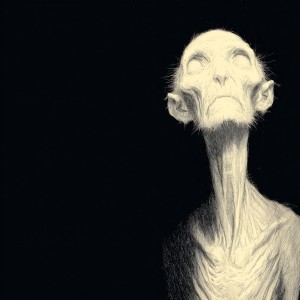
Preta — known as “hungry ghosts” — are beings trapped in a state of insatiable craving. In Hindu and Buddhist cosmology, Pretas are the spirits of individuals who lived lives dominated by greed, addiction, selfishness, or imbalance. After death, they are reborn in the Preta realm: gaunt, hollow figures with distended bellies, tiny mouths, and necks so thin they cannot swallow enough to satisfy their hunger. Their suffering is metaphysical — no matter how much they eat or drink, their desire remains unfulfilled.
Folklore describes Pretas wandering lonely places, old ruins, cremation grounds, or abandoned fields. They attempt to consume offerings, but food turns to fire, filth, or dust in their hands. In some traditions, Pretas approach living family members seeking offerings so that they may find temporary relief. Buddhist texts frame this as a moral lesson: generosity toward Pretas, performed through ritual, helps both the living and the dead cultivate compassion. In Hindu tradition, Pretas appear frequently during *Pitru Paksha*, when families honor ancestors with offerings designed to ease their suffering.
Pretas symbolize the consequences of unrestrained desire and the importance of balance. They are not malicious, but tragic — beings consumed by their own unfinished cravings. In everyday language across South Asia, calling someone “like a Preta” implies bottomless hunger or obsession. Their presence in folklore, ritual, and cosmology reminds communities that emotional and spiritual imbalance have lasting effects beyond death.
Location:India, Nepal, Sri Lanka, Tibet, Southeast Asia (Hinduism, Buddhism, Jainism)
Preta — known as “hungry ghosts” — are beings trapped in a state of insatiable craving. In Hindu and Buddhist cosmology, Pretas are the spirits of individuals who lived lives dominated by greed, addiction, selfishness, or imbalance. After death, they are reborn in the Preta realm: gaunt, hollow figures with distended bellies, tiny mouths, and necks so thin they cannot swallow enough to satisfy their hunger. Their suffering is metaphysical — no matter how much they eat or drink, their desire remains unfulfilled.
Folklore describes Pretas wandering lonely places, old ruins, cremation grounds, or abandoned fields. They attempt to consume offerings, but food turns to fire, filth, or dust in their hands. In some traditions, Pretas approach living family members seeking offerings so that they may find temporary relief. Buddhist texts frame this as a moral lesson: generosity toward Pretas, performed through ritual, helps both the living and the dead cultivate compassion. In Hindu tradition, Pretas appear frequently during *Pitru Paksha*, when families honor ancestors with offerings designed to ease their suffering.
Pretas symbolize the consequences of unrestrained desire and the importance of balance. They are not malicious, but tragic — beings consumed by their own unfinished cravings. In everyday language across South Asia, calling someone “like a Preta” implies bottomless hunger or obsession. Their presence in folklore, ritual, and cosmology reminds communities that emotional and spiritual imbalance have lasting effects beyond death.
Tikbalang
Region: South & Southeastern Asia
Location:Philippines (particularly Luzon highlands, deep forests, and mountain passes)
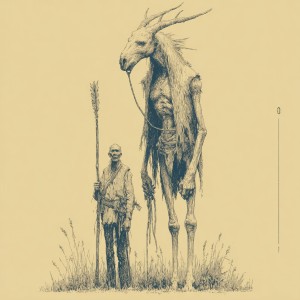
The Tikbalang is a tall, lanky forest spirit known for having the body of a man but the head and hooves of a horse. In some regions, he is described as extremely thin, with limbs so long he appears more shadow than flesh. His eyes glow red or amber in darkness, and he moves with supernatural speed through thick foliage. The Tikbalang is a trickster at heart — he plays with travelers, confusing trails, rearranging landmarks, and leading people in circles. Many stories say if you wander endlessly without knowing why, it means a Tikbalang is laughing nearby.
Despite his imposing appearance, the Tikbalang is not purely malicious. His pranks often target boastful or disrespectful travelers, while humble or cautious people pass unharmed. In certain tales, the Tikbalang becomes a guardian of the forest, protecting sacred groves or ancient trees from harm. Older folklore also claims you can tame a Tikbalang by plucking a single golden hair from his mane; once tamed, he becomes a loyal companion or guide. But this is a dangerous endeavor — angering a Tikbalang can send storms of mischief or days-long misdirection upon a traveler.
Tikbalang lore carries the essence of the Philippine wilderness: unpredictable, vast, and as likely to play with you as to punish. The creature appears where fog hangs low, where forest paths twist unexpectedly, or where the line between human world and spirit realm thins. Through his stories, the landscape becomes alive — watchful, trickster-filled, and spiritually charged.
Location:Philippines (particularly Luzon highlands, deep forests, and mountain passes)
The Tikbalang is a tall, lanky forest spirit known for having the body of a man but the head and hooves of a horse. In some regions, he is described as extremely thin, with limbs so long he appears more shadow than flesh. His eyes glow red or amber in darkness, and he moves with supernatural speed through thick foliage. The Tikbalang is a trickster at heart — he plays with travelers, confusing trails, rearranging landmarks, and leading people in circles. Many stories say if you wander endlessly without knowing why, it means a Tikbalang is laughing nearby.
Despite his imposing appearance, the Tikbalang is not purely malicious. His pranks often target boastful or disrespectful travelers, while humble or cautious people pass unharmed. In certain tales, the Tikbalang becomes a guardian of the forest, protecting sacred groves or ancient trees from harm. Older folklore also claims you can tame a Tikbalang by plucking a single golden hair from his mane; once tamed, he becomes a loyal companion or guide. But this is a dangerous endeavor — angering a Tikbalang can send storms of mischief or days-long misdirection upon a traveler.
Tikbalang lore carries the essence of the Philippine wilderness: unpredictable, vast, and as likely to play with you as to punish. The creature appears where fog hangs low, where forest paths twist unexpectedly, or where the line between human world and spirit realm thins. Through his stories, the landscape becomes alive — watchful, trickster-filled, and spiritually charged.

Vetala
Region: South & Southeastern Asia
Location:India (especially Maharashtra and northern India)
Vetala are spirits or revenants found in Hindu folklore, especially in older Sanskrit and Prakrit traditions. They inhabit corpses — not to animate them in a zombie-like sense, but to use the body as a vessel or perch. In tales, the Vetala’s presence causes a corpse to remain unnaturally preserved and flexible, allowing it to speak, twist, or move in eerie ways. These spirits prefer cremation grounds, banyan groves, and ruins where death and stillness dominate. They are not mindless undead; Vetala are intelligent, cunning, and deeply aware of human behavior.
The most famous Vetala stories appear in the Sanskrit text *Vetala Panchavimshati* (“Twenty-Five Tales of the Vetala”), where King Vikramaditya carries a corpse inhabited by a Vetala. Along the journey, the spirit tells him riddles, parables, and moral tests. These tales gave the Vetala a literary dimension: not merely a frightening spirit, but a storyteller who challenges ethical assumptions. The Vetala in these stories is sharp-witted, sardonic, and morally complex, often exposing human hypocrisy, desire, or ambition.
Folklore beyond the literary tradition portrays Vetala as unpredictable beings. They may protect children from danger, mislead travelers, or punish those who disturb sacred grounds. Some stories warn that possessing a corpse allows the Vetala to mimic the dead person’s voice or mannerisms, creating illusions among the living. Because they exist in the threshold between life and death, Vetala represent the liminality of the cremation ground — a place where ordinary social rules dissolve and spirits speak truths the living avoid.
Location:India (especially Maharashtra and northern India)
Vetala are spirits or revenants found in Hindu folklore, especially in older Sanskrit and Prakrit traditions. They inhabit corpses — not to animate them in a zombie-like sense, but to use the body as a vessel or perch. In tales, the Vetala’s presence causes a corpse to remain unnaturally preserved and flexible, allowing it to speak, twist, or move in eerie ways. These spirits prefer cremation grounds, banyan groves, and ruins where death and stillness dominate. They are not mindless undead; Vetala are intelligent, cunning, and deeply aware of human behavior.
The most famous Vetala stories appear in the Sanskrit text *Vetala Panchavimshati* (“Twenty-Five Tales of the Vetala”), where King Vikramaditya carries a corpse inhabited by a Vetala. Along the journey, the spirit tells him riddles, parables, and moral tests. These tales gave the Vetala a literary dimension: not merely a frightening spirit, but a storyteller who challenges ethical assumptions. The Vetala in these stories is sharp-witted, sardonic, and morally complex, often exposing human hypocrisy, desire, or ambition.
Folklore beyond the literary tradition portrays Vetala as unpredictable beings. They may protect children from danger, mislead travelers, or punish those who disturb sacred grounds. Some stories warn that possessing a corpse allows the Vetala to mimic the dead person’s voice or mannerisms, creating illusions among the living. Because they exist in the threshold between life and death, Vetala represent the liminality of the cremation ground — a place where ordinary social rules dissolve and spirits speak truths the living avoid.

Yaksha / Yakshini
Region: South & Southeastern Asia
Location:India, Nepal, Sri Lanka; pan-Indic traditions (Hinduism, Buddhism, Jainism)
Yakshas and Yakshinis are nature spirits with deep roots in ancient South Asian religion. Yakshas (male) and Yakshinis (female) are associated with forests, mountains, fertility, and hidden treasure. They appear in early Vedic texts as guardians of natural wealth — minerals, water, forests, and earth’s abundance. Artistically, Yakshas are often depicted as powerful, dwarfish figures with wide chests and human faces, while Yakshinis are portrayed as strikingly beautiful women, embodiments of fertility and prosperity. Their roles shift between benevolent guardians and unpredictable wilderness spirits.
In Hindu folklore, Yakshas guard sacred lakes, ancient trees, or treasure troves. Some tales portray them as protectors who guide lost travelers or bless villages with good harvests. Others describe Yakshas as fierce beings capable of illusion, shape-shifting, or punishing those who violate sacred spaces. In the epic *Mahabharata*, the Yaksha who questions Yudhishthira in a famous riddle dialogue is wise, stern, and just — an example of the Yaksha as a moral arbiter. Yakshinis, meanwhile, appear in Buddhist and Tantra traditions as powerful feminine beings, sometimes seductive, sometimes protective, often wielding supernatural abilities.
Buddhist traditions spread Yaksha lore across South and Southeast Asia, where they became temple guardians, mountain spirits, and deities of protection. Statues of Yakshas flank temple gates in Sri Lanka, Thailand, and Myanmar, representing their protective nature. Their widespread presence shows how deeply they resonate as symbols of the liminal — beings who stand between wilderness and civilization, abundance and danger. Yakshas and Yakshinis remain among the most ancient and enduring figures in South Asian mythology.
Location:India, Nepal, Sri Lanka; pan-Indic traditions (Hinduism, Buddhism, Jainism)
Yakshas and Yakshinis are nature spirits with deep roots in ancient South Asian religion. Yakshas (male) and Yakshinis (female) are associated with forests, mountains, fertility, and hidden treasure. They appear in early Vedic texts as guardians of natural wealth — minerals, water, forests, and earth’s abundance. Artistically, Yakshas are often depicted as powerful, dwarfish figures with wide chests and human faces, while Yakshinis are portrayed as strikingly beautiful women, embodiments of fertility and prosperity. Their roles shift between benevolent guardians and unpredictable wilderness spirits.
In Hindu folklore, Yakshas guard sacred lakes, ancient trees, or treasure troves. Some tales portray them as protectors who guide lost travelers or bless villages with good harvests. Others describe Yakshas as fierce beings capable of illusion, shape-shifting, or punishing those who violate sacred spaces. In the epic *Mahabharata*, the Yaksha who questions Yudhishthira in a famous riddle dialogue is wise, stern, and just — an example of the Yaksha as a moral arbiter. Yakshinis, meanwhile, appear in Buddhist and Tantra traditions as powerful feminine beings, sometimes seductive, sometimes protective, often wielding supernatural abilities.
Buddhist traditions spread Yaksha lore across South and Southeast Asia, where they became temple guardians, mountain spirits, and deities of protection. Statues of Yakshas flank temple gates in Sri Lanka, Thailand, and Myanmar, representing their protective nature. Their widespread presence shows how deeply they resonate as symbols of the liminal — beings who stand between wilderness and civilization, abundance and danger. Yakshas and Yakshinis remain among the most ancient and enduring figures in South Asian mythology.




Comments