





CTU: Cryptids-Mexico & Central America

Aluxes
Region: Mexico & Central America
Location:Yucatán Peninsula and broader Maya regions (Mexico, Belize, Guatemala)
Aluxes — pronounced *ah-LOO-shesh* — are small, elf-like beings in Maya folklore, described as child-sized guardians of forests, fields, and sacred places. Often depicted wearing traditional Maya clothing or simple loincloths, they resemble humans but with exaggerated, mischievous features: large eyes, nimble hands, and quick, darting movements. Though usually invisible, Aluxes are said to appear to farmers, travelers, or those who trespass on their territory. Their feet are often described as pointing backward, a detail found in many Indigenous supernatural beings throughout Mesoamerica, symbolizing confusion, mischief, or the ability to move between worlds.
Traditional stories say Aluxes are created from clay figures brought to life through ceremony. Maya farmers, especially in the Yucatán, once made these clay Aluxes and performed a ritual to animate them as protectors of their land. For seven years the Alux would patrol the fields, summon rain, ward off thieves, and watch over crops by night. After their service ended, the farmer was expected to seal the clay figure in a small house or shrine so the Alux would rest peacefully. If this step was forgotten, or the shrine fell into disrepair, the Alux could grow resentful — playing tricks, causing illness, or frightening livestock to remind the family of their neglected duty.
Even outside ritual practice, Aluxes are woven deeply into local belief. People report hearing their laughter in caves or cenotes, seeing small footprints in the dirt after rain, or feeling pebbles thrown at them from hidden places. Travelers swear Aluxes block roads, rearrange tools, or play music from the brush. But they aren’t strictly malicious — they reward respect. People leave offerings of maize, honey, or tobacco at old ruins or sacred trees to keep the little guardians friendly. In modern Maya communities, Aluxes remain cultural protectors of the landscape, reminders that the land is alive, ancient, and always watching.
Location:Yucatán Peninsula and broader Maya regions (Mexico, Belize, Guatemala)
Aluxes — pronounced *ah-LOO-shesh* — are small, elf-like beings in Maya folklore, described as child-sized guardians of forests, fields, and sacred places. Often depicted wearing traditional Maya clothing or simple loincloths, they resemble humans but with exaggerated, mischievous features: large eyes, nimble hands, and quick, darting movements. Though usually invisible, Aluxes are said to appear to farmers, travelers, or those who trespass on their territory. Their feet are often described as pointing backward, a detail found in many Indigenous supernatural beings throughout Mesoamerica, symbolizing confusion, mischief, or the ability to move between worlds.
Traditional stories say Aluxes are created from clay figures brought to life through ceremony. Maya farmers, especially in the Yucatán, once made these clay Aluxes and performed a ritual to animate them as protectors of their land. For seven years the Alux would patrol the fields, summon rain, ward off thieves, and watch over crops by night. After their service ended, the farmer was expected to seal the clay figure in a small house or shrine so the Alux would rest peacefully. If this step was forgotten, or the shrine fell into disrepair, the Alux could grow resentful — playing tricks, causing illness, or frightening livestock to remind the family of their neglected duty.
Even outside ritual practice, Aluxes are woven deeply into local belief. People report hearing their laughter in caves or cenotes, seeing small footprints in the dirt after rain, or feeling pebbles thrown at them from hidden places. Travelers swear Aluxes block roads, rearrange tools, or play music from the brush. But they aren’t strictly malicious — they reward respect. People leave offerings of maize, honey, or tobacco at old ruins or sacred trees to keep the little guardians friendly. In modern Maya communities, Aluxes remain cultural protectors of the landscape, reminders that the land is alive, ancient, and always watching.
El Cadejo
Region: Mexico & Central America
Location:Central America (Guatemala, El Salvador, Honduras, Nicaragua, Costa Rica)
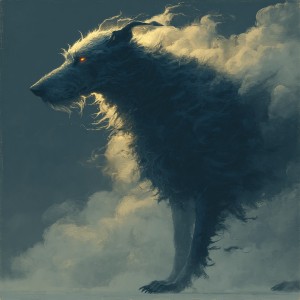
The Cadejo is one of Central America’s most deeply rooted supernatural beings, appearing in two distinct forms: the benevolent White Cadejo and the malevolent Black Cadejo. Both are described as enormous spectral dogs with glowing eyes, cloven hooves, and a smell of sulfur or damp earth. They appear to travelers walking alone at night, especially along rural roads or near village outskirts. The White Cadejo protects the vulnerable — drunkards, wayward youths, women returning late from work — while the Black Cadejo hunts those same people, whispering temptations or driving them toward madness.
Stories of the White Cadejo portray it as a silent guardian, walking beside travelers without attacking or speaking. Some say it stares down thieves, bandits, or the Black Cadejo itself. It is often seen standing at crossroads, waiting for someone who needs protection, then vanishing at dawn. People who encounter the White Cadejo describe feeling calm and strangely safe, even if its appearance is unsettling. In some regions, it is believed to be an ancestral spirit that takes canine form to guide descendants.
The Black Cadejo, however, inspires fear across ages. It is said to follow travelers at a distance, its hoofbeats masked by the sound of footsteps. Some tales describe it whispering to victims, telling them lies or dredging up their worst memories. Others say it can stand on its hind legs or transform into a man with dog-like features. Its presence is often accompanied by nausea, dizziness, and the sense of being watched. Unlike the White Cadejo, the Black Cadejo cannot be killed by ordinary means; some say only prayer or the intervention of holy figures can dispel it. Together, the two Cadejos represent one of the most iconic dualities in Latin American folklore—protection and danger walking the same dark road.
Location:Central America (Guatemala, El Salvador, Honduras, Nicaragua, Costa Rica)
The Cadejo is one of Central America’s most deeply rooted supernatural beings, appearing in two distinct forms: the benevolent White Cadejo and the malevolent Black Cadejo. Both are described as enormous spectral dogs with glowing eyes, cloven hooves, and a smell of sulfur or damp earth. They appear to travelers walking alone at night, especially along rural roads or near village outskirts. The White Cadejo protects the vulnerable — drunkards, wayward youths, women returning late from work — while the Black Cadejo hunts those same people, whispering temptations or driving them toward madness.
Stories of the White Cadejo portray it as a silent guardian, walking beside travelers without attacking or speaking. Some say it stares down thieves, bandits, or the Black Cadejo itself. It is often seen standing at crossroads, waiting for someone who needs protection, then vanishing at dawn. People who encounter the White Cadejo describe feeling calm and strangely safe, even if its appearance is unsettling. In some regions, it is believed to be an ancestral spirit that takes canine form to guide descendants.
The Black Cadejo, however, inspires fear across ages. It is said to follow travelers at a distance, its hoofbeats masked by the sound of footsteps. Some tales describe it whispering to victims, telling them lies or dredging up their worst memories. Others say it can stand on its hind legs or transform into a man with dog-like features. Its presence is often accompanied by nausea, dizziness, and the sense of being watched. Unlike the White Cadejo, the Black Cadejo cannot be killed by ordinary means; some say only prayer or the intervention of holy figures can dispel it. Together, the two Cadejos represent one of the most iconic dualities in Latin American folklore—protection and danger walking the same dark road.
El Chupacabras
Region: Mexico & Central America
Location:Puerto Rico (origin), later Mexico, Texas, Central America
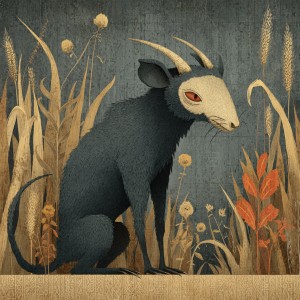
The Chupacabras legend began in Puerto Rico in the mid-1990s, when farmers reported finding livestock—especially goats—dead with small puncture wounds and completely drained of blood. Witnesses described a strange creature unlike anything in local fauna: reptilian or alien-like, with scaly grey or green skin, large eyes, spines along its back, and an ability to leap great distances. These early sightings created an image more like a science-fiction creature than traditional folklore, which helped the legend spread rapidly through newspapers, radio, and later the internet.
As the story moved across Latin America and into the U.S., the Chupacabras’ appearance shifted. In Mexico and Texas, reports began describing a canine-like creature: hairless, thin, with pronounced fangs and glowing eyes. This version was less fantastical and more akin to a mangy coyote or wild dog, but the punctured livestock and “blood-draining” detail persisted, reinforcing its mythic status. Some farmers insisted the creature moved with unnatural speed or intelligence, disappearing before they could get a clear look. The killings were often so clean—no tracks, no struggle—that they fueled ongoing speculation.
What distinguishes the Chupacabras from other cryptids is how quickly it entered modern culture. It is a creature born in the age of tabloids, television interviews, and cross-border rumor. Despite scientific explanations ranging from feral canids to wildlife disease, the legend remains powerful. To many rural communities, the Chupacabras represents both the mystery of the night and the vulnerability of small farms. It stands at the crossroads of fear, imagination, and the rapid exchange of stories in the modern world.
Location:Puerto Rico (origin), later Mexico, Texas, Central America
The Chupacabras legend began in Puerto Rico in the mid-1990s, when farmers reported finding livestock—especially goats—dead with small puncture wounds and completely drained of blood. Witnesses described a strange creature unlike anything in local fauna: reptilian or alien-like, with scaly grey or green skin, large eyes, spines along its back, and an ability to leap great distances. These early sightings created an image more like a science-fiction creature than traditional folklore, which helped the legend spread rapidly through newspapers, radio, and later the internet.
As the story moved across Latin America and into the U.S., the Chupacabras’ appearance shifted. In Mexico and Texas, reports began describing a canine-like creature: hairless, thin, with pronounced fangs and glowing eyes. This version was less fantastical and more akin to a mangy coyote or wild dog, but the punctured livestock and “blood-draining” detail persisted, reinforcing its mythic status. Some farmers insisted the creature moved with unnatural speed or intelligence, disappearing before they could get a clear look. The killings were often so clean—no tracks, no struggle—that they fueled ongoing speculation.
What distinguishes the Chupacabras from other cryptids is how quickly it entered modern culture. It is a creature born in the age of tabloids, television interviews, and cross-border rumor. Despite scientific explanations ranging from feral canids to wildlife disease, the legend remains powerful. To many rural communities, the Chupacabras represents both the mystery of the night and the vulnerability of small farms. It stands at the crossroads of fear, imagination, and the rapid exchange of stories in the modern world.
El Sombrerón
Region: Mexico & Central America
Location:Guatemala (with variants across Central America and southern Mexico)
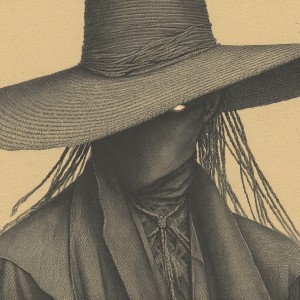
El Sombrerón is a mysterious, mischievous figure known for his iconic appearance: a very short man dressed in black, wearing a massive wide-brimmed hat and riding a small, equally tiny horse. He carries silver tools for grooming hair and braids — his primary obsession. Folklore says he becomes infatuated with women who have long, beautiful, or thick hair. When he chooses a victim, he serenades her with guitar music at night, braids her hair or her horse’s mane, and sometimes slips sand or dirt into her food, preventing her from eating or sleeping.
Victims of El Sombrerón often grow weak, pale, and withdrawn, unable to sleep because of his nightly visits. Parents in rural Guatemala traditionally tied or cut their daughters’ hair short to ward him off, believing long braids or loose hair attracted his attention. Stories describe him sitting at the windowsill, playing softly until dawn, or sneaking into stables to braid horses’ tails into intricate knots. Some curious details recur across generations: the sound of hooves too small to be a normal horse, braids appearing overnight in hair or fabric, and the faint smell of tobacco or dust.
Despite the eerie undertones, El Sombrerón is not portrayed as violent — more like a supernatural nuisance whose affection can become dangerous through obsession. He is a symbol of intrusive suitors, unwanted attention, and the vulnerabilities of young women in isolated communities. His legend blends caution, humor, and dread, making him one of Central America’s most distinctive folkloric characters
Location:Guatemala (with variants across Central America and southern Mexico)
El Sombrerón is a mysterious, mischievous figure known for his iconic appearance: a very short man dressed in black, wearing a massive wide-brimmed hat and riding a small, equally tiny horse. He carries silver tools for grooming hair and braids — his primary obsession. Folklore says he becomes infatuated with women who have long, beautiful, or thick hair. When he chooses a victim, he serenades her with guitar music at night, braids her hair or her horse’s mane, and sometimes slips sand or dirt into her food, preventing her from eating or sleeping.
Victims of El Sombrerón often grow weak, pale, and withdrawn, unable to sleep because of his nightly visits. Parents in rural Guatemala traditionally tied or cut their daughters’ hair short to ward him off, believing long braids or loose hair attracted his attention. Stories describe him sitting at the windowsill, playing softly until dawn, or sneaking into stables to braid horses’ tails into intricate knots. Some curious details recur across generations: the sound of hooves too small to be a normal horse, braids appearing overnight in hair or fabric, and the faint smell of tobacco or dust.
Despite the eerie undertones, El Sombrerón is not portrayed as violent — more like a supernatural nuisance whose affection can become dangerous through obsession. He is a symbol of intrusive suitors, unwanted attention, and the vulnerabilities of young women in isolated communities. His legend blends caution, humor, and dread, making him one of Central America’s most distinctive folkloric characters

La Llorona
Region: Mexico & Central America
Location:Mexico and throughout Latin America (especially near rivers, canals, and lakes)
La Llorona — “The Weeping Woman” — is one of the most iconic and emotionally charged figures in Mexican and Latin American folklore. Her story usually centers on a woman named María, whose beauty was admired across her village. Depending on the region, she either married above her class or bore children with a wealthy man who later abandoned her. In her grief and rage, she drowned her children in a river, immediately regretted it, and then drowned herself. From that moment on, her spirit became trapped between worlds, condemned to wander waterways eternally, searching for the children she lost.
Witnesses describe La Llorona as a tall, spectral woman dressed in a long white gown, often veiled or with long black hair covering her face. Her cries — “¡Ay, mis hijos!” (“Oh, my children!”) — are said to echo through the night, shifting between distant wails and sudden, chilling closeness. Some stories warn that if you hear her cries nearby, she is actually far away… but if the sound seems distant, she may be right behind you. Many claim she appears near bridges, canals, or lonely riverbanks, especially on misty nights. Her presence is often followed by a cold breeze, the smell of river water, or the sound of soft footsteps on wet ground.
La Llorona’s legend is more than a ghost story; it carries layers of moral, cultural, and historical meaning. Parents use her tale to warn children away from dangerous waters at night. Older generations use it to talk about grief, betrayal, and the consequences of passion. The story spans centuries, shifting from region to region, adapting to new landscapes and anxieties. Yet the core image remains hauntingly consistent: a grieving mother forever searching, forever crying, forever too late.
Location:Mexico and throughout Latin America (especially near rivers, canals, and lakes)
La Llorona — “The Weeping Woman” — is one of the most iconic and emotionally charged figures in Mexican and Latin American folklore. Her story usually centers on a woman named María, whose beauty was admired across her village. Depending on the region, she either married above her class or bore children with a wealthy man who later abandoned her. In her grief and rage, she drowned her children in a river, immediately regretted it, and then drowned herself. From that moment on, her spirit became trapped between worlds, condemned to wander waterways eternally, searching for the children she lost.
Witnesses describe La Llorona as a tall, spectral woman dressed in a long white gown, often veiled or with long black hair covering her face. Her cries — “¡Ay, mis hijos!” (“Oh, my children!”) — are said to echo through the night, shifting between distant wails and sudden, chilling closeness. Some stories warn that if you hear her cries nearby, she is actually far away… but if the sound seems distant, she may be right behind you. Many claim she appears near bridges, canals, or lonely riverbanks, especially on misty nights. Her presence is often followed by a cold breeze, the smell of river water, or the sound of soft footsteps on wet ground.
La Llorona’s legend is more than a ghost story; it carries layers of moral, cultural, and historical meaning. Parents use her tale to warn children away from dangerous waters at night. Older generations use it to talk about grief, betrayal, and the consequences of passion. The story spans centuries, shifting from region to region, adapting to new landscapes and anxieties. Yet the core image remains hauntingly consistent: a grieving mother forever searching, forever crying, forever too late.
La Nahuala / Nagual Shapeshifters
Region: Mexico & Central America
Location:Mesoamerica (Mexico, Guatemala, southern Mexico, and parts of Central America)
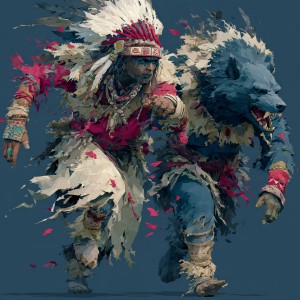
Naguals — or Nahuales — are central figures in Mesoamerican folklore, dating back to pre-Columbian traditions. A nagual is a human who has the ability to transform into an animal, most commonly a coyote, jaguar, owl, or dog. In older Indigenous belief systems, the nagual was linked to a person's *tonal* — a spiritual counterpart animal tied to their birth date. This wasn’t seen as evil by default; many naguals were respected healers, scouts, or protectors who used their animal form to guard their community, travel safely, or gather knowledge.
During and after Spanish colonization, the legend changed dramatically. Missionaries condemned nagual shapeshifting as witchcraft, and the once-complex idea became associated with sorcery, curses, and malevolent magic. Stories emerged of naguales who transformed by wearing animal pelts or using enchanted ointments, slipping into homes at night to torment villagers, steal livestock, or spy on enemies. In many regions, the feared version of the nagual took root: a shapeshifter who used secrecy and illusion to manipulate or intimidate those around them. These colonial retellings often overshadowed the original spiritual significance.
Modern folklore holds both versions in tension. In rural communities of Oaxaca, Chiapas, Guatemala, and Veracruz, naguales are still described with reverence — figures who wield secret knowledge and act as guardians or spiritual intermediaries. But elsewhere, especially in mestizo storytelling, the nagual is a lurking nighttime figure: a witch who leaves footprints that shift from human to animal, or a shadowy shape seen beside barns, always watching. The dual nature of naguales — protector or predator, healer or harm-bringer — makes them one of the most layered beings in Latin American folklore.
Location:Mesoamerica (Mexico, Guatemala, southern Mexico, and parts of Central America)
Naguals — or Nahuales — are central figures in Mesoamerican folklore, dating back to pre-Columbian traditions. A nagual is a human who has the ability to transform into an animal, most commonly a coyote, jaguar, owl, or dog. In older Indigenous belief systems, the nagual was linked to a person's *tonal* — a spiritual counterpart animal tied to their birth date. This wasn’t seen as evil by default; many naguals were respected healers, scouts, or protectors who used their animal form to guard their community, travel safely, or gather knowledge.
During and after Spanish colonization, the legend changed dramatically. Missionaries condemned nagual shapeshifting as witchcraft, and the once-complex idea became associated with sorcery, curses, and malevolent magic. Stories emerged of naguales who transformed by wearing animal pelts or using enchanted ointments, slipping into homes at night to torment villagers, steal livestock, or spy on enemies. In many regions, the feared version of the nagual took root: a shapeshifter who used secrecy and illusion to manipulate or intimidate those around them. These colonial retellings often overshadowed the original spiritual significance.
Modern folklore holds both versions in tension. In rural communities of Oaxaca, Chiapas, Guatemala, and Veracruz, naguales are still described with reverence — figures who wield secret knowledge and act as guardians or spiritual intermediaries. But elsewhere, especially in mestizo storytelling, the nagual is a lurking nighttime figure: a witch who leaves footprints that shift from human to animal, or a shadowy shape seen beside barns, always watching. The dual nature of naguales — protector or predator, healer or harm-bringer — makes them one of the most layered beings in Latin American folklore.

La Siguanaba
Region: Mexico & Central America
Location:Mesoamerica (El Salvador, Guatemala, Honduras, Belize)
La Siguanaba is a shapeshifting spirit who appears to men walking alone at night, especially drunkards, unfaithful husbands, or soldiers returning from battle. She is said to take the form of a stunningly beautiful woman — long hair, flowing dress, perfect silhouette — often seen bathing in rivers or standing beneath moonlit ceiba trees. Men who approach her see only her alluring back or profile until she turns around. At that moment her beauty dissolves into horror: her face appears skeletal, or elongated like a horse’s skull, or hideously distorted with glowing eyes. The transformation drives men into terror or madness.
The legend portrays the Siguanaba as both a warning and a predator. Some versions say she is the cursed spirit of a woman who mistreated her child, condemned to tempt and punish unfaithful men forever. Others say she is a forest spirit that lures travelers off safe paths and into ravines or dense brush. Men who chase her often find themselves hopelessly lost, stumbling through thorns or waking up miles from home with no memory of how they survived the night. Her laughter — described as sharp, echoing, and not entirely human — is said to freeze the blood of anyone who hears it.
The Siguanaba’s strength in folklore lies in her dual nature: beauty masking danger, desire turning to fear. Communities use her story as a cautionary tale about wandering at night, respecting the wilderness, and the consequences of betrayal or impulse. She is not merely a monster but a reflection of human vulnerability, appearing where loneliness, temptation, and danger intersect.
Location:Mesoamerica (El Salvador, Guatemala, Honduras, Belize)
La Siguanaba is a shapeshifting spirit who appears to men walking alone at night, especially drunkards, unfaithful husbands, or soldiers returning from battle. She is said to take the form of a stunningly beautiful woman — long hair, flowing dress, perfect silhouette — often seen bathing in rivers or standing beneath moonlit ceiba trees. Men who approach her see only her alluring back or profile until she turns around. At that moment her beauty dissolves into horror: her face appears skeletal, or elongated like a horse’s skull, or hideously distorted with glowing eyes. The transformation drives men into terror or madness.
The legend portrays the Siguanaba as both a warning and a predator. Some versions say she is the cursed spirit of a woman who mistreated her child, condemned to tempt and punish unfaithful men forever. Others say she is a forest spirit that lures travelers off safe paths and into ravines or dense brush. Men who chase her often find themselves hopelessly lost, stumbling through thorns or waking up miles from home with no memory of how they survived the night. Her laughter — described as sharp, echoing, and not entirely human — is said to freeze the blood of anyone who hears it.
The Siguanaba’s strength in folklore lies in her dual nature: beauty masking danger, desire turning to fear. Communities use her story as a cautionary tale about wandering at night, respecting the wilderness, and the consequences of betrayal or impulse. She is not merely a monster but a reflection of human vulnerability, appearing where loneliness, temptation, and danger intersect.




Comments