CTU: Cryptids-Caribbean

Baká
Region: Caribbean
Location:Dominican Republic (especially rural areas with strong Afro-Dominican traditions)
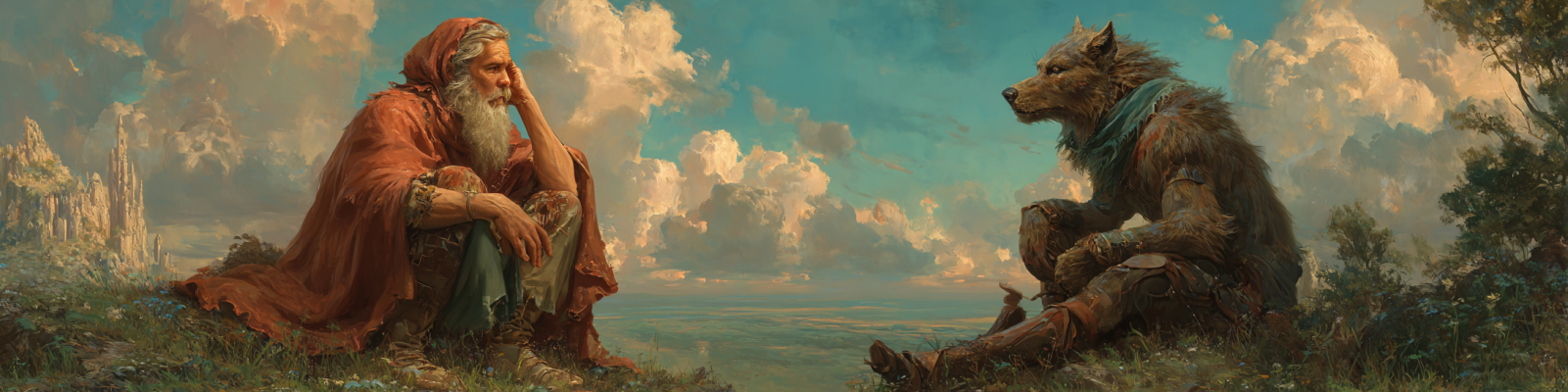
The Baká is a spirit or entity in Dominican folklore created through a pact — usually involving dark magic, sorcery, or a bargain with supernatural forces. Unlike the Galipote, which is a human shapeshifter, the Baká is typically an external being, summoned or crafted to serve its master. It is said to take the form of an animal — a black dog, a goat, a creature with mismatched limbs, or even a swirling shadow. People who claim to have seen a Baká describe it as unsettling and wrong-proportioned, with movements that don’t match its shape. It guards property, protects its owner, or harms rivals and enemies on command.
Bakás are deeply rooted in Afro-Caribbean and African spiritual concepts brought to the Dominican Republic through slavery and blended with Catholicism and local superstition. Some say a Baká must be “fed” through ritual offerings or the misfortune of others, and that it punishes neglect by turning against its creator. In rural communities, unexplained accidents, livestock deaths, or sudden streaks of bad luck were sometimes blamed on someone keeping a Baká. These stories suggest that the being acts as both a weapon and a curse — powerful, but always dangerous to maintain.
Because a Baká is thought to be tied to jealousy, rivalry, and hidden resentment, accusations of someone keeping one were socially charged. They reveal community fears about sabotage, envy, and secret ill-will. Even today, fragments of Baká lore persist in Dominican storytelling, often surfacing when something mysterious or harmful occurs and people whisper about unseen forces at work. Among all Dominican supernatural beings, the Baká remains one of the most ominous — not a random threat, but one deliberately invoked by human hands.
Location:Dominican Republic (especially rural areas with strong Afro-Dominican traditions)
The Baká is a spirit or entity in Dominican folklore created through a pact — usually involving dark magic, sorcery, or a bargain with supernatural forces. Unlike the Galipote, which is a human shapeshifter, the Baká is typically an external being, summoned or crafted to serve its master. It is said to take the form of an animal — a black dog, a goat, a creature with mismatched limbs, or even a swirling shadow. People who claim to have seen a Baká describe it as unsettling and wrong-proportioned, with movements that don’t match its shape. It guards property, protects its owner, or harms rivals and enemies on command.
Bakás are deeply rooted in Afro-Caribbean and African spiritual concepts brought to the Dominican Republic through slavery and blended with Catholicism and local superstition. Some say a Baká must be “fed” through ritual offerings or the misfortune of others, and that it punishes neglect by turning against its creator. In rural communities, unexplained accidents, livestock deaths, or sudden streaks of bad luck were sometimes blamed on someone keeping a Baká. These stories suggest that the being acts as both a weapon and a curse — powerful, but always dangerous to maintain.
Because a Baká is thought to be tied to jealousy, rivalry, and hidden resentment, accusations of someone keeping one were socially charged. They reveal community fears about sabotage, envy, and secret ill-will. Even today, fragments of Baká lore persist in Dominican storytelling, often surfacing when something mysterious or harmful occurs and people whisper about unseen forces at work. Among all Dominican supernatural beings, the Baká remains one of the most ominous — not a random threat, but one deliberately invoked by human hands.
El Galipote
Region: Caribbean
Location:Dominican Republic, Haiti (as "lougarou"), and parts of Central America
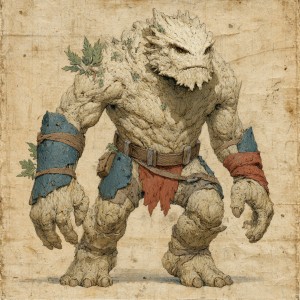
El Galipote is a shapeshifter in Dominican folklore, usually described as a man who can turn into an animal, often a dog, pig, or donkey — but sometimes a grotesque hybrid form with glowing eyes and thick, bristling hair. Unlike naguales, whose origins are spiritual, the Galipote is usually a curse or a chosen path: someone who has made a pact, practiced forbidden magic, or inherited the ability from a family line. Encounters describe the creature blocking roads, chasing travelers, or appearing suddenly along rural paths before vanishing into the brush.
Older rural stories say Galipotes harass lonely travelers at night, especially near crossroads or dense forest trails. They are said to throw stones from hiding, mimic voices, or appear in the form of familiar animals to trick people into following them. Some accounts describe them as nearly impossible to injure with ordinary weapons; others insist they can be recognized because their animal tracks never match the terrain — like pig hooves appearing on hard rock or dog prints with only three toes. The Galipote’s unpredictability makes it a staple of late-night warnings and elder storytelling.
As with many Caribbean shapeshifter myths, El Galipote reveals communal fears about deceit, hidden intentions, and the unpredictability of nighttime travel. Stories often frame the creature as someone known in the village — a neighbor with strange habits, a jealous rival, or a person believed to practice brujería. Whether feared or begrudgingly respected, the Galipote endures as a reminder that danger might come in familiar shapes, walking just ahead on a moonlit road.
Location:Dominican Republic, Haiti (as "lougarou"), and parts of Central America
El Galipote is a shapeshifter in Dominican folklore, usually described as a man who can turn into an animal, often a dog, pig, or donkey — but sometimes a grotesque hybrid form with glowing eyes and thick, bristling hair. Unlike naguales, whose origins are spiritual, the Galipote is usually a curse or a chosen path: someone who has made a pact, practiced forbidden magic, or inherited the ability from a family line. Encounters describe the creature blocking roads, chasing travelers, or appearing suddenly along rural paths before vanishing into the brush.
Older rural stories say Galipotes harass lonely travelers at night, especially near crossroads or dense forest trails. They are said to throw stones from hiding, mimic voices, or appear in the form of familiar animals to trick people into following them. Some accounts describe them as nearly impossible to injure with ordinary weapons; others insist they can be recognized because their animal tracks never match the terrain — like pig hooves appearing on hard rock or dog prints with only three toes. The Galipote’s unpredictability makes it a staple of late-night warnings and elder storytelling.
As with many Caribbean shapeshifter myths, El Galipote reveals communal fears about deceit, hidden intentions, and the unpredictability of nighttime travel. Stories often frame the creature as someone known in the village — a neighbor with strange habits, a jealous rival, or a person believed to practice brujería. Whether feared or begrudgingly respected, the Galipote endures as a reminder that danger might come in familiar shapes, walking just ahead on a moonlit road.
The Jumbee
Region: Caribbean
Location:Caribbean (especially Antigua, Trinidad, Guyana, St. Vincent, Barbados)
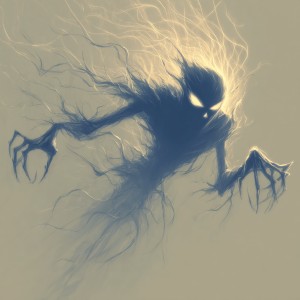
“Jumbee” is a broad Caribbean term for restless spirits — beings that linger after death, often mischievous, sometimes malicious, always unpredictable. Unlike western ghosts, Jumbies are not vague apparitions but full personalities with quirks, tempers, and habits. Some are tricksters who tie horses’ tails at night, hide tools, or mimic voices to confuse travelers. Others are dangerous, luring people into the bush, suffocating sleepers, or draining vitality from anyone who encounters them. In many islands, almost any eerie nighttime event — footsteps on an empty porch, a sudden cold draft, a disembodied laugh — is attributed to a Jumbie.
Many communities have elaborate traditions for avoiding or distracting Jumbies. One belief holds that Jumbies cannot navigate complicated patterns, so people place piles of rice or sand by their doors, hoping the spirit will stop to count every grain until sunrise. Another tradition involves wearing clothes inside-out to confuse them, or hanging a braided rope where they might get tangled. These protective practices reflect the deeply embedded role Jumbies play in Caribbean storytelling — ever-present, unavoidable, and woven into daily life.
Jumbies differ widely across the islands. Some resemble European revenants, others African ancestor spirits, others Indigenous forest beings. This blending of traditions gives the Jumbie its richness: it is not one creature but an entire category of supernatural entities that reflect the diversity, suffering, resilience, and spiritual blending of Caribbean cultures. Whenever something strange happens in the night, islanders joke — or half-joke — that a Jumbie must be nearby.
Location:Caribbean (especially Antigua, Trinidad, Guyana, St. Vincent, Barbados)
“Jumbee” is a broad Caribbean term for restless spirits — beings that linger after death, often mischievous, sometimes malicious, always unpredictable. Unlike western ghosts, Jumbies are not vague apparitions but full personalities with quirks, tempers, and habits. Some are tricksters who tie horses’ tails at night, hide tools, or mimic voices to confuse travelers. Others are dangerous, luring people into the bush, suffocating sleepers, or draining vitality from anyone who encounters them. In many islands, almost any eerie nighttime event — footsteps on an empty porch, a sudden cold draft, a disembodied laugh — is attributed to a Jumbie.
Many communities have elaborate traditions for avoiding or distracting Jumbies. One belief holds that Jumbies cannot navigate complicated patterns, so people place piles of rice or sand by their doors, hoping the spirit will stop to count every grain until sunrise. Another tradition involves wearing clothes inside-out to confuse them, or hanging a braided rope where they might get tangled. These protective practices reflect the deeply embedded role Jumbies play in Caribbean storytelling — ever-present, unavoidable, and woven into daily life.
Jumbies differ widely across the islands. Some resemble European revenants, others African ancestor spirits, others Indigenous forest beings. This blending of traditions gives the Jumbie its richness: it is not one creature but an entire category of supernatural entities that reflect the diversity, suffering, resilience, and spiritual blending of Caribbean cultures. Whenever something strange happens in the night, islanders joke — or half-joke — that a Jumbie must be nearby.

The Soucouyant
Region: Caribbean
Location:Caribbean (especially Trinidad, Grenada, Dominica, and St. Lucia)
The Soucouyant is a feared figure in Caribbean folklore — usually depicted as an old woman who appears harmless during the day but transforms at night by shedding her skin and becoming a ball of fire. In this fiery form, she flies through keyholes and cracks beneath doors to suck the blood of sleeping victims. Her feeding leaves small blue or red bruises, which communities once blamed for unexplained fatigue, illness, or weakness. Because she carries her discarded skin with her, hidden in a clay jar or a hollow tree, she is vulnerable only when separated from it.
The Soucouyant occupies a space between witch, vampire, and shapeshifter, and her stories are soaked in themes of secrecy and fear of the night. Villagers traditionally believed she bargained with dark forces and maintained her powers by offering the souls of those she drained. Her flight is described as glowing streaks of light drifting across the sky — something like a falling star in reverse. Some stories say she chooses lonely houses or victims who are isolated or unprotected, while others warn that her visits follow resentment, jealousy, or community tensions.
The surest way to defeat a Soucouyant, tradition says, is to find her shed skin and rub it with salt or pepper, making it impossible for her to slip back inside before dawn. Without her skin, she shrivels and dies at sunrise. Because of this vulnerability, stories of Soucouyants often revolve around neighbors keeping watch for strange lights, checking under steps for discarded skin, or listening for soft knocking at windows — subtle signs that one of these fiery night-witches may be hunting nearby.
Location:Caribbean (especially Trinidad, Grenada, Dominica, and St. Lucia)
The Soucouyant is a feared figure in Caribbean folklore — usually depicted as an old woman who appears harmless during the day but transforms at night by shedding her skin and becoming a ball of fire. In this fiery form, she flies through keyholes and cracks beneath doors to suck the blood of sleeping victims. Her feeding leaves small blue or red bruises, which communities once blamed for unexplained fatigue, illness, or weakness. Because she carries her discarded skin with her, hidden in a clay jar or a hollow tree, she is vulnerable only when separated from it.
The Soucouyant occupies a space between witch, vampire, and shapeshifter, and her stories are soaked in themes of secrecy and fear of the night. Villagers traditionally believed she bargained with dark forces and maintained her powers by offering the souls of those she drained. Her flight is described as glowing streaks of light drifting across the sky — something like a falling star in reverse. Some stories say she chooses lonely houses or victims who are isolated or unprotected, while others warn that her visits follow resentment, jealousy, or community tensions.
The surest way to defeat a Soucouyant, tradition says, is to find her shed skin and rub it with salt or pepper, making it impossible for her to slip back inside before dawn. Without her skin, she shrivels and dies at sunrise. Because of this vulnerability, stories of Soucouyants often revolve around neighbors keeping watch for strange lights, checking under steps for discarded skin, or listening for soft knocking at windows — subtle signs that one of these fiery night-witches may be hunting nearby.




Comments