
CTU: Cryptids-Australia & Oceania
Bunyip
Region: Australia & Oceania
Location:Southeastern Australia — swamps, billabongs, riverbanks, and waterholes (Aboriginal nations including Kulin, Wemba-Wemba, Yorta Yorta, Wiradjuri)
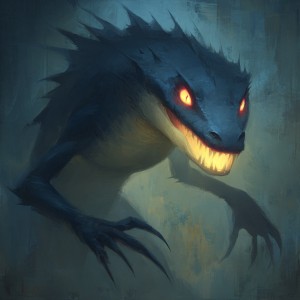
The Bunyip is one of the most widespread beings in Aboriginal Australian traditions, yet also one of the most elusive. It is described as a water-dwelling creature inhabiting billabongs, deep bends of rivers, and swamps where water becomes opaque and dangerous. Its appearance varies across regions: some describe it as dog-like or seal-like with smooth fur, others as a long-necked creature with a horse-like head, and still others as an enormous reptilian or birdlike being. This diversity reflects the thousands of years of storytelling across different nations rather than a single unified monster.
In many traditions, the Bunyip serves as a guardian or warning spirit connected to sacred water places. Elders tell of its roaring or booming calls at night — sounds said to rise from deep in the water, echoing like a mournful foghorn. Some stories speak of the Bunyip punishing those who violate taboos, damage sacred sites, or approach dangerous waters without proper respect. In other regions, it is less a punishing being and more a presence: a reminder not to swim in unpredictable waters where currents, depths, or unseen hazards can kill. Its power is deeply tied to land and place, not to horror in the Western sense.
When Europeans arrived in the 19th century, they borrowed the name “Bunyip” for anything mysterious or frightening, flattening the original cultural context. But in Aboriginal storytelling, the Bunyip is not a random monster — it represents the spiritual weight of water, the unknown dangers beneath still surfaces, and the need to respect Country. It embodies the idea that waterways have memory and agency, and those who treat them carelessly may pay a price.
Location:Southeastern Australia — swamps, billabongs, riverbanks, and waterholes (Aboriginal nations including Kulin, Wemba-Wemba, Yorta Yorta, Wiradjuri)
The Bunyip is one of the most widespread beings in Aboriginal Australian traditions, yet also one of the most elusive. It is described as a water-dwelling creature inhabiting billabongs, deep bends of rivers, and swamps where water becomes opaque and dangerous. Its appearance varies across regions: some describe it as dog-like or seal-like with smooth fur, others as a long-necked creature with a horse-like head, and still others as an enormous reptilian or birdlike being. This diversity reflects the thousands of years of storytelling across different nations rather than a single unified monster.
In many traditions, the Bunyip serves as a guardian or warning spirit connected to sacred water places. Elders tell of its roaring or booming calls at night — sounds said to rise from deep in the water, echoing like a mournful foghorn. Some stories speak of the Bunyip punishing those who violate taboos, damage sacred sites, or approach dangerous waters without proper respect. In other regions, it is less a punishing being and more a presence: a reminder not to swim in unpredictable waters where currents, depths, or unseen hazards can kill. Its power is deeply tied to land and place, not to horror in the Western sense.
When Europeans arrived in the 19th century, they borrowed the name “Bunyip” for anything mysterious or frightening, flattening the original cultural context. But in Aboriginal storytelling, the Bunyip is not a random monster — it represents the spiritual weight of water, the unknown dangers beneath still surfaces, and the need to respect Country. It embodies the idea that waterways have memory and agency, and those who treat them carelessly may pay a price.
Mimi Spirits
Region: Australia & Oceania
Location:Northern Australia (Arnhem Land — Kunwinjku, Kundedjnjenghmi, Bininj peoples)
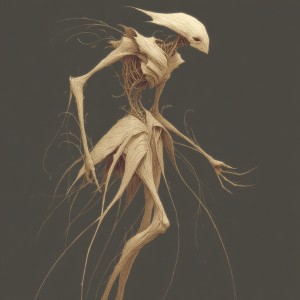
Mimi spirits are tall, thin beings who inhabit the crevices of rocks and escarpments in the far north. They are often depicted in rock art as elongated humanlike figures with impossibly slender limbs and graceful poses. According to Aboriginal tradition, the Mimi taught the first people how to paint — passing down techniques, materials, and the purpose of storytelling through art. They move through cracks in stone too narrow for humans, slipping effortlessly in and out of the world. Their bodies are so fragile that even a strong wind could harm them, which is why they shelter within rocks.
Many stories describe the Mimi as helpful but shy. They teach hunting, tool-making, music, and law to those they trust, appearing in dreams or in liminal spaces at dawn and dusk. However, they also embody the dangers of the rocky landscapes they inhabit — sudden cliffs, unstable outcroppings, and treacherous paths. Travelers are warned not to disturb Mimi shelters or sacred rock formations, as offense can result in misfortune, lost paths, or spiritual sickness. Like many Aboriginal spirits, they exist in a space where myth and landscape are inseparable.
Mimi spirits are central to the cultural identity of Arnhem Land communities. They appear in ancient and contemporary art, song cycles, initiation narratives, and Dreaming stories. Unlike many cryptids, they are not monsters or threats — they are ancestors, teachers, and embodiments of the deep, living relationship between people, stone, memory, and tradition. Their presence reflects a worldview where the land is inhabited by beings with agency, history, and wisdom.
Location:Northern Australia (Arnhem Land — Kunwinjku, Kundedjnjenghmi, Bininj peoples)
Mimi spirits are tall, thin beings who inhabit the crevices of rocks and escarpments in the far north. They are often depicted in rock art as elongated humanlike figures with impossibly slender limbs and graceful poses. According to Aboriginal tradition, the Mimi taught the first people how to paint — passing down techniques, materials, and the purpose of storytelling through art. They move through cracks in stone too narrow for humans, slipping effortlessly in and out of the world. Their bodies are so fragile that even a strong wind could harm them, which is why they shelter within rocks.
Many stories describe the Mimi as helpful but shy. They teach hunting, tool-making, music, and law to those they trust, appearing in dreams or in liminal spaces at dawn and dusk. However, they also embody the dangers of the rocky landscapes they inhabit — sudden cliffs, unstable outcroppings, and treacherous paths. Travelers are warned not to disturb Mimi shelters or sacred rock formations, as offense can result in misfortune, lost paths, or spiritual sickness. Like many Aboriginal spirits, they exist in a space where myth and landscape are inseparable.
Mimi spirits are central to the cultural identity of Arnhem Land communities. They appear in ancient and contemporary art, song cycles, initiation narratives, and Dreaming stories. Unlike many cryptids, they are not monsters or threats — they are ancestors, teachers, and embodiments of the deep, living relationship between people, stone, memory, and tradition. Their presence reflects a worldview where the land is inhabited by beings with agency, history, and wisdom.
Quinkan
Region: Australia & Oceania
Location:Northern Queensland (Cape York Peninsula — Kuku Yalanji and neighboring nations)
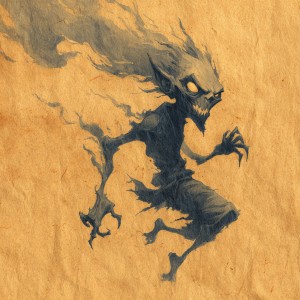
Quinkans (also spelled Quinkin or Quinkin spirits) are supernatural beings deeply tied to the landscape and art of Cape York. They appear prominently in rock paintings as elongated, distorted figures with exaggerated limbs, bulging eyes, or unusual postures. According to Kuku Yalanji lore, Quinkans live in the cracks of rocks, caves, and the deep forest. There are many types, some benevolent and some dangerous — the two best-known being the timid, elongated Yalanji spirits and the mischievous, squat Imjim or Timara spirits who enjoy frightening humans, especially children.
In stories, Quinkans emerge at night, shifting between the spirit world and the physical world. The harmless types may protect certain places, guide hunters, or watch over families. The more troublesome ones cause mischief, distort perception, or lead the unwary astray. Their presence is a constant reminder that the land is alive with unseen inhabitants who shape daily life. Elders teach that Quinkans must be respected, not feared outright — each has its role in the spiritual ecology.
Rock art depicting Quinkans is among the most recognizable in Australia, acting as a cultural bridge between past and present. The figures show movement, emotion, and narrative, capturing moments of Dreaming stories in motion. Quinkans remain integral to the identity of Cape York’s Aboriginal communities — beings that connect people to Country, ancestral memory, and the mystery that lives beyond what human eyes can see.
Location:Northern Queensland (Cape York Peninsula — Kuku Yalanji and neighboring nations)
Quinkans (also spelled Quinkin or Quinkin spirits) are supernatural beings deeply tied to the landscape and art of Cape York. They appear prominently in rock paintings as elongated, distorted figures with exaggerated limbs, bulging eyes, or unusual postures. According to Kuku Yalanji lore, Quinkans live in the cracks of rocks, caves, and the deep forest. There are many types, some benevolent and some dangerous — the two best-known being the timid, elongated Yalanji spirits and the mischievous, squat Imjim or Timara spirits who enjoy frightening humans, especially children.
In stories, Quinkans emerge at night, shifting between the spirit world and the physical world. The harmless types may protect certain places, guide hunters, or watch over families. The more troublesome ones cause mischief, distort perception, or lead the unwary astray. Their presence is a constant reminder that the land is alive with unseen inhabitants who shape daily life. Elders teach that Quinkans must be respected, not feared outright — each has its role in the spiritual ecology.
Rock art depicting Quinkans is among the most recognizable in Australia, acting as a cultural bridge between past and present. The figures show movement, emotion, and narrative, capturing moments of Dreaming stories in motion. Quinkans remain integral to the identity of Cape York’s Aboriginal communities — beings that connect people to Country, ancestral memory, and the mystery that lives beyond what human eyes can see.
Yara-Ma-Yha-Who
Region: Australia & Oceania
Location:Eastern Australia (primarily Aboriginal traditions of New South Wales rainforest regions)
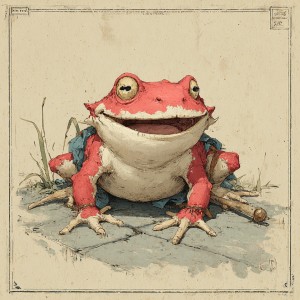
The Yara-ma-yha-who is a small, red, frog-like being that lives in fig trees and drops onto unsuspecting travelers. In lore, it is child-sized, with a massive head, toothless mouth, and suction-cup fingers and toes. Instead of biting, it drains victims of strength through these suction cups, swallowing them whole afterward. After a period of rest, the creature regurgitates the victim — now slightly shorter, redder, and more like the Yara-ma-yha-who itself. The process repeats until the person is transformed into another of its kind.
Unlike many mythic beings of Australia, the Yara-ma-yha-who is not a spirit tied to sacred law or Dreaming cosmology. Instead, it’s a cautionary being — a forest creature used in storytelling to keep children from wandering too deep into dense rainforest, where getting lost, falling from trees, or encountering dangerous wildlife was a real threat. The Yara-ma-yha-who prefers lazy or careless travelers, and in this sense it reinforces social values of alertness, responsibility, and respect for environment.
The lore contains humor as well as fear. Elders sometimes describe the creature as clumsy or easily tricked. Those who know its habits can avoid it by lying still until it falls asleep, then escaping quietly. The Yara-ma-yha-who persists today as one of the most unique mythic beings from Australia — an imaginative, unsettling figure that blends cautionary teaching with dark whimsy.
Location:Eastern Australia (primarily Aboriginal traditions of New South Wales rainforest regions)
The Yara-ma-yha-who is a small, red, frog-like being that lives in fig trees and drops onto unsuspecting travelers. In lore, it is child-sized, with a massive head, toothless mouth, and suction-cup fingers and toes. Instead of biting, it drains victims of strength through these suction cups, swallowing them whole afterward. After a period of rest, the creature regurgitates the victim — now slightly shorter, redder, and more like the Yara-ma-yha-who itself. The process repeats until the person is transformed into another of its kind.
Unlike many mythic beings of Australia, the Yara-ma-yha-who is not a spirit tied to sacred law or Dreaming cosmology. Instead, it’s a cautionary being — a forest creature used in storytelling to keep children from wandering too deep into dense rainforest, where getting lost, falling from trees, or encountering dangerous wildlife was a real threat. The Yara-ma-yha-who prefers lazy or careless travelers, and in this sense it reinforces social values of alertness, responsibility, and respect for environment.
The lore contains humor as well as fear. Elders sometimes describe the creature as clumsy or easily tricked. Those who know its habits can avoid it by lying still until it falls asleep, then escaping quietly. The Yara-ma-yha-who persists today as one of the most unique mythic beings from Australia — an imaginative, unsettling figure that blends cautionary teaching with dark whimsy.
Yowie
Region: Australia & Oceania
Location:Eastern Australia — Blue Mountains, Queensland hinterlands, Australian Alps (primarily Aboriginal lore across many nations)
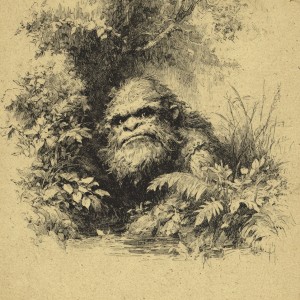
The Yowie is Australia’s best-known hominid figure — a wildman or ape-like creature described as tall, hairy, and incredibly strong. Aboriginal names vary widely across regions (such as *Doolagahl*, *Quinkin*, or *Jogabinna*), and not all refer to the same type of being. But the broad concept of a large, powerful forest or mountain spirit appears across dozens of distinct nations. Descriptions range from six to ten feet tall, with black, brown, or reddish fur, long arms, and a face that looks more human than ape. Unlike its North American cousin, the Yowie’s temperament is far more ambiguous.
In many traditions, the Yowie is a guardian being, not a monster. It protects sacred sites, warns children away from dangerous areas, or confronts those who disrespect Country. Some stories describe it as shy and secretive, fleeing from humans; others portray it as aggressive toward trespassers or those who violate taboos. What’s consistent is its deep connection to the land and its role as an enforcer of spiritual law. Encounters often involve uncanny silence, sudden stone throwing, shadowy movement among trees, or an overwhelming sense of being watched from above ridgelines.
Modern sightings from hikers, rangers, farmers, and truck drivers continue the tradition in a contemporary key. People describe enormous bipedal figures crossing mountain roads, breaking saplings, or emitting deep, guttural vocalizations at night. While skeptics attribute these to misidentification or folklore bleed, Indigenous elders emphasize that these beings are part of a spiritual landscape older than colonization, older than written history, and older than the human arrival stories carried in songlines.
Location:Eastern Australia — Blue Mountains, Queensland hinterlands, Australian Alps (primarily Aboriginal lore across many nations)
The Yowie is Australia’s best-known hominid figure — a wildman or ape-like creature described as tall, hairy, and incredibly strong. Aboriginal names vary widely across regions (such as *Doolagahl*, *Quinkin*, or *Jogabinna*), and not all refer to the same type of being. But the broad concept of a large, powerful forest or mountain spirit appears across dozens of distinct nations. Descriptions range from six to ten feet tall, with black, brown, or reddish fur, long arms, and a face that looks more human than ape. Unlike its North American cousin, the Yowie’s temperament is far more ambiguous.
In many traditions, the Yowie is a guardian being, not a monster. It protects sacred sites, warns children away from dangerous areas, or confronts those who disrespect Country. Some stories describe it as shy and secretive, fleeing from humans; others portray it as aggressive toward trespassers or those who violate taboos. What’s consistent is its deep connection to the land and its role as an enforcer of spiritual law. Encounters often involve uncanny silence, sudden stone throwing, shadowy movement among trees, or an overwhelming sense of being watched from above ridgelines.
Modern sightings from hikers, rangers, farmers, and truck drivers continue the tradition in a contemporary key. People describe enormous bipedal figures crossing mountain roads, breaking saplings, or emitting deep, guttural vocalizations at night. While skeptics attribute these to misidentification or folklore bleed, Indigenous elders emphasize that these beings are part of a spiritual landscape older than colonization, older than written history, and older than the human arrival stories carried in songlines.




Comments