Cahokia Animist
Cahokian animist traditions are animistic and polytheistic — meaning they revere spirits in all living beings and natural forces, while also venerating multiple deities, cultural heroes, and ancestors. Animism here signifies that mountains, rivers, animals, and winds are alive and sacred. Polytheism refers to gods and spirits like the Great Spirit, Thunderbird, Corn Mother, and trickster figures such as Coyote or Raven, each embodying vital cosmic forces.
Origins & Historical Development
In our history, colonization fractured and erased many Indigenous traditions. In Koina’s divergence, with no European conquest, the spiritualities of Cahokia continue unbroken, thriving in confederations and tribal federations across the continent. Plains nations, woodland confederacies, and desert peoples all preserve and adapt their traditions within federative governance. Without suppression, sacred ceremonies — Sun Dance, Green Corn festivals, potlatches — evolve openly into civic and ecological celebrations, recognized within the Accord.
Core Beliefs & Practices
These traditions emphasize harmony with land, reciprocity with spirits, and continuity with ancestors. The Great Spirit is often seen as a pervasive cosmic presence, while countless other spirits embody animals, plants, or natural features. Rituals include seasonal dances, sweat lodges, vision quests, and ceremonies of offering. Storytelling transmits moral and cosmological knowledge, with trickster tales teaching humility, humor, and resilience. In Koina, these practices become both spiritual and civic, guiding ecological management and communal identity.
Sacred Texts & Traditions
Cahokian animist traditions are primarily oral, carried in myths, songs, and ceremonies. Myths explain creation, migration, and the cycles of nature — such as Sky Woman’s descent, Raven bringing light, or Coyote’s tricks. In Koina, these oral traditions are carefully recorded into the Net of Voices, but performance remains sacred: stories must be told, sung, and danced to retain power. Ritual objects — masks, drums, bundles — embody living presence, not mere symbolism.
Institutions & Structure
Spiritual authority rests with shamans, medicine people, and elders, who mediate between communities and the spirit world. Councils of elders oversee ceremonies and seasonal gatherings. In Koina, tribal federations incorporate medicine guilds and elder councils into civic assemblies, ensuring continuity of ecological stewardship and ritual governance. Sacred sites — mountains, rivers, burial grounds — are protected by federative law, recognized as commons of both spiritual and ecological significance.
Relation to the Accord
Cahokian traditions contribute to the Accord through their ecological and communal ethos. Their emphasis on reciprocity with land informs federative treaties on forests, plains, and rivers. Ceremonies of renewal and thanksgiving become global civic holidays, celebrated across federations. Their philosophy of kinship — where animals and humans are relatives — strengthens Accord ethics of ecological stewardship and restorative justice.
Cultural Influence & Legacy
Art — totems, beadwork, quillwork, and painted hides — enrich Koina’s cultural fabric. Music, drumming, and communal dances shape cooperative festivals. Trickster tales influence theater and literature, their humor and paradox resonating across federations. Ethically, Indigenous teachings of balance, respect, and reciprocity add to the plural moral vocabulary of the Cooperative Federation.
Modern Presence
Today, Cahokian animist traditions thrive in confederations from the Iroquois to the Lakota, Navajo, and Coast Salish. Seasonal gatherings such as powwows, Sun Dances, and Green Corn festivals remain central civic events. Indigenous languages, myths, and rituals are preserved not only locally but in the global Net of Voices. Far from being marginalized, these traditions are recognized as living, guiding paths — teaching that the earth itself is kin, and that human life is sustained only through reciprocity with the wider web of beings.
Type
Religious, Organised Religion
Alternative Names
First Nations Spiritualities; Ways of the Spirits
Demonym
First Nations / Indigenous Peoples
Controlled Territories
Afterlife
Animist Afterlife
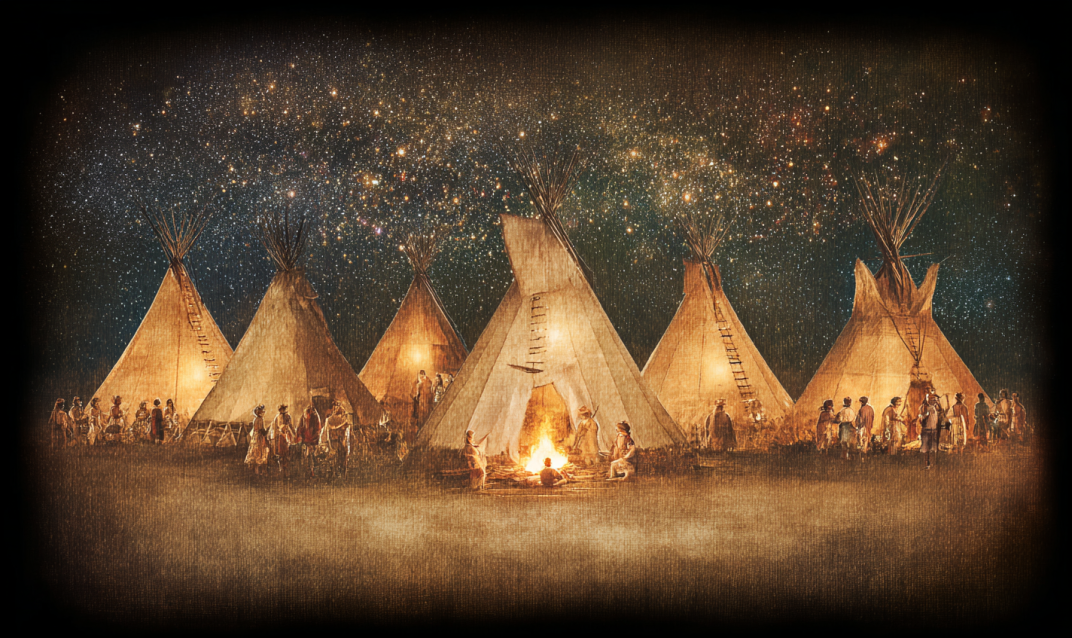
The just return to the Spirit Lodge or the Land Beyond the Sky, where ancestors and totems gather in continual celebration. They dance the eternal circle of creation, guiding the living through dream and wind.
Animist Afterlife
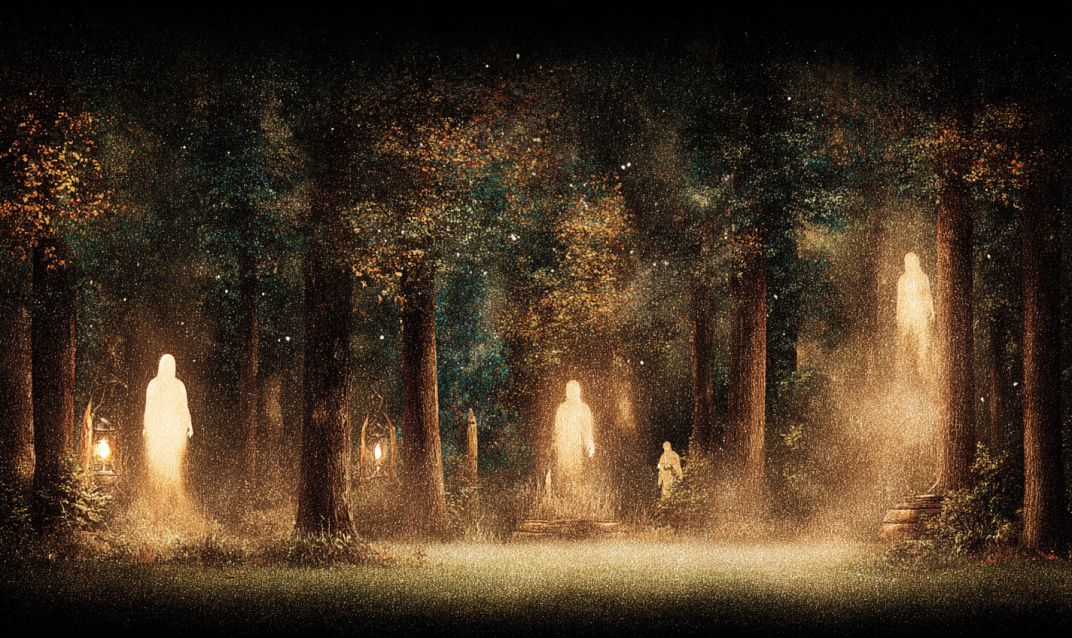
Those who upset sacred balance wander as echoes in forest and river. These restless spirits seek the songs and offerings that will help them find the path home, for only remembrance and harmony can end their drifting.
Pantheon of Worship
The following entries offer only a partial glimpse into the living mosaic of belief. Across the federations and the Free-States alike, divinity takes many forms: anthropomorphic gods, elemental forces, moral principles, ancestral spirits, and philosophical ideas. None of these lists are exhaustive, nor do they presume uniform worship or singular interpretation. Over millennia of dialogue and migration, names have changed, stories have merged, and meanings have diverged—each person, community, and age reshaping the sacred to mirror its own understanding. Within the Accord, faith is treated not as doctrine but as conversation: these are simply the primary voices that endure within that vast and ever-evolving chorus that lies within each individual.

Corn Mother
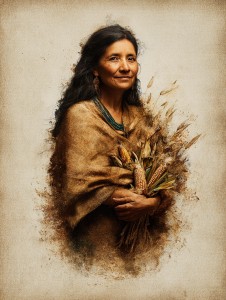
Giver of sustenance and the lesson of cyclical life. She embodies Generosity through Transformation, the act of becoming nourishment for others. Accord agrarian guilds hold her name as emblem of cooperative agriculture—the understanding that all prosperity comes through sacrifice freely given.
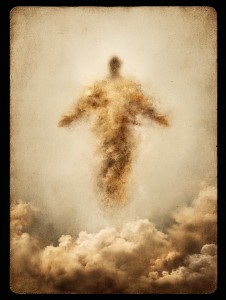
The Great Spirit
Not a singular god but the breath connecting all living things. To the Accord, the Great Spirit represents Immanent Interconnection—divinity as the network of life itself. This conception predates the Accord’s own cooperative philosophy and echoes it perfectly: every being shares one essence, and every action reverberates through the whole. Reverence is expressed not through temple or priest but through the way one walks, hunts, and speaks.
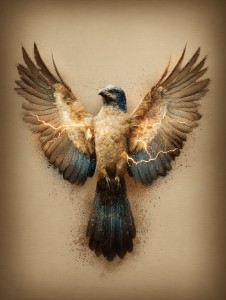
Thunderbird
The sky’s living conscience, Thunderbird embodies Justice through Renewal. His wings bring storm and cleansing rain, his flight marks the boundary between order and wildness. Accord ecologists interpret him as the agent of ecological reset—destruction that restores equilibrium. His presence remains the symbol of courage that defends harmony from decay.
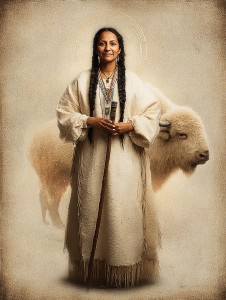
White Buffalo Woman
Bearer of peace, law, and sacred kinship. She teaches that holiness dwells in gratitude and that wisdom must always be returned to the people. In Accord ethics she represents Revelation through Reciprocity—truth revealed only when shared with care. Her story is invoked by healers and mediators alike.
Lesser Pantheon / Other Important Entities
Beneath the great architects of creation move countless presences who shape the subtler rhythms of existence. These are the intercessors, the boundary-walkers, and the remembered: angels and lwa, saints and ancestors, spirits of grove and hearth, tricksters, dreamers, and the beloved dead. Their powers are intimate rather than cosmic—rooted in memory, place, and the daily turning of life. They remind the living that divinity does not dwell only in the heavens but also in laughter, grief, and the quiet negotiations between mortal and divine. Through them, the sacred becomes personal, and the invisible world remains close enough to touch.
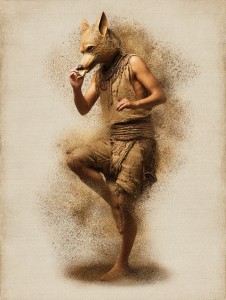
Coyote
Trickster, teacher, and mirror of human folly. Within the Accord, Coyote is celebrated as the archetype of Learning through Error. He breaks patterns so that others may see them; he trips on truth so that wisdom can rise laughing. In the Zāgros storytelling circles, Coyote’s tales are preserved beside Anansi’s and Loki’s, forming a global chorus of sacred mischief.
Kokopelli
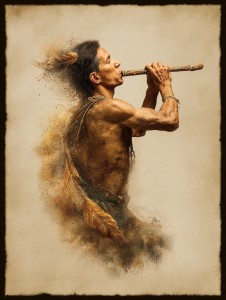
The hunchbacked flute-player, bringer of fertility and laughter, Kokopelli travels the winds carrying seeds and stories. In Koina, he symbolizes the sacredness of play—the dance between humor and hope.
Moon-Eyed People
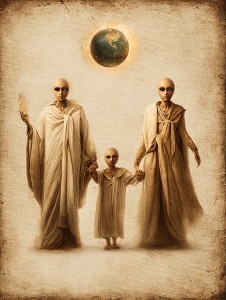
Pale, nocturnal beings of Appalachian legend, the Moon-Eyed People are remembered as builders and watchers of the night. Neither wholly mortal nor spirit, they embody the mystery of forgotten kin and the persistence of story across cultures.
Raven
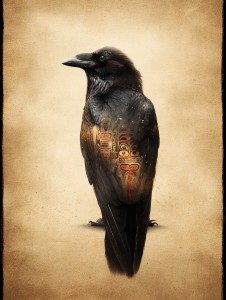
Bringer of light and keeper of mystery. Raven embodies Curiosity as Creation—the impulse to uncover, to ask, to play. Accord translators claim him as patron, for he stole the sun not out of greed but hunger for understanding. His black wings remind that knowledge often arises from darkness, not certainty.
Skin Walkers
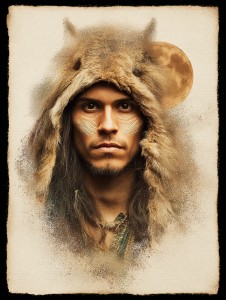
Among the shadow paths of the First Peoples’ memory, the Skin-Walkers are those who broke harmony by wearing the shapes of beasts without the beasts’ consent. Neither fully human nor animal, they embody the danger of power divorced from reverence. In Accord teaching, they are cautionary spirits—the echo of what happens when communion becomes consumption.
Spider Woman
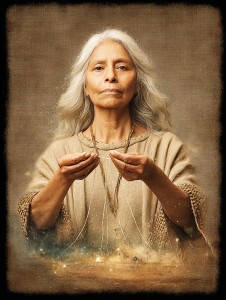
Weaver of destiny and teacher of creation, Spider Woman spins the threads that bind worlds together. She gifted humankind the art of weaving and the patience of craft, reminding that every choice becomes part of a larger design.
Turtle
Turtle carries the earth upon her back and measures time by steady breath. She is patience made form, the first ancestor who raised land from the deep. Within Accord thought she represents endurance, humility, and the slow wisdom of balance.
Two-Spirit ancestors
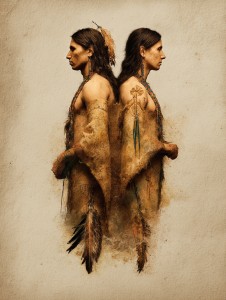
Elders who walked between roles, uniting male and female paths in harmony. They are honored as mediators of balance, teaching that identity itself is sacred rhythm.
Wendigo
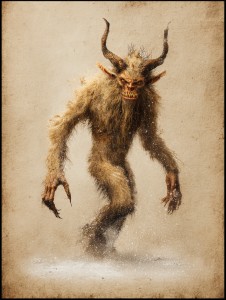
Spirit of winter hunger; once human, now hollowed by greed. The Accord remembers the Wendigo as warning that consumption without gratitude devours the soul.




Comments