



Areeott (/ˈɑːriːɒt/)
"Areeott is a ghost story half told. It is an ancient land of secrets and silence."

Structure
"Areeott's gates are always open, its hospitality legendary. But to enter is to step into a world where every action is part of a grand design, and every kind word hides a potential snare."
The governance of Areeott is a masterful composition of visible authority and unseen influence, an intricate structure designed to maintain balance in a land defined by contrasts. At the foundation of this system lies the Charter of Areeott, a timeless document that binds the nation’s cantons together in an agreement forged through compromise and necessity. The cantons, semi-sovereign in their autonomy, operate under the leadership of Barons who rule with both pride and purpose, their authority rooted in the lands they oversee. Yet, beyond the Barons and their courts lies a deeper framework, one that unites the nation while maintaining the illusion of independence. Central to this framework is the Arin Parliament, the legislative heart of the nation. Answering to the Prime Minister, who is elected from among its ranks, the Parliament is composed of two distinct factions that reflect the duality of Areeott itself. On one side sit the in-house appointees of the Baronial families, representing the interests of the hereditary nobility and aristocracy. Opposing them are the elected representatives of the ley community, who advocate for the concerns of merchants, farmers, artisans, and all others who form the backbone of Areeott’s society. The debates within these chambers are fiery, often reflecting the inherent tension between tradition and progress, but the Prime Minister’s role as mediator ensures that decisions align with the broader vision of unity enshrined in the Charter. The Arin Parliament is the legislative heart of Areeott, a body established to uphold the principles of the Charter while balancing the needs of a diverse and complex nation. Created as part of the Charter’s founding mandate, the Parliament embodies the duality of Areeott itself, where tradition and progress are given equal footing in crafting the laws that govern the land. The Parliament is composed of two distinct factions. The Baronial Appointees represent the hereditary nobility and the interests of the cantons’ ruling Barons. Each Baron nominates a delegate to serve in Parliament, ensuring that the voices of the noble houses carry weight in legislative matters. Opposing them are the elected Representatives of the Ley Community, who advocate for the needs of merchants, farmers, artisans, and other citizens who form the foundation of Areeott’s economy and culture. This dual representation fosters a balance of power, with the Baronial Appointees often championing tradition and regional autonomy, while the Ley Representatives push for innovation, social welfare, and broader inclusivity. At the helm of the Arin Parliament is the Prime Minister, a position elected from within the legislative body. The Prime Minister acts as a mediator and guide, tasked with navigating the often-contentious debates between the factions and ensuring that the laws passed align with the broader vision of unity outlined in the Charter. The role is as much about diplomacy as it is about governance, requiring a delicate touch to manage the competing priorities of the cantons and the ley community. Despite its apparent independence, the Parliament’s decisions are subtly influenced by Corvyn Seinrill, the immortal Baron who oversees Areeott from the shadows. Through a network of trusted operatives and confidants, Corvyn ensures that the legislative process does not stray too far from his vision for the nation. While the Parliament debates and drafts laws, Corvyn’s hand often steers key decisions, preserving the delicate balance of power that has allowed Areeott to endure for centuries. Sessions of the Arin Parliament take place in the Hall of the Charter, a grand chamber in the capital city of Venlin. This space, adorned with intricate carvings and tapestries depicting the founding of Areeott, serves as a constant reminder of the nation’s history and purpose. Debates within the Hall are often heated, reflecting the tensions inherent in Areeott’s dual identity. Yet, despite these conflicts, the Parliament remains a vital force in shaping the nation’s future, crafting laws that reflect both its storied past and its evolving needs. The legislative body of Areeott is more than a mechanism for governance; it is a living reflection of the nation’s values, where the voices of tradition and progress collide and converge. Its structure ensures that no single faction dominates, fostering a dynamic interplay that continues to define the Arin people and their enduring legacy. Above these legislative processes lies the Baronial High Court, the supreme arbiter of law and justice in Areeott. The High Court is tasked with interpreting the Charter and adjudicating cases of the highest importance—matters that transcend cantonal boundaries or threaten the stability of the nation. Composed of a select panel of esteemed judges drawn from both the aristocracy and the nation’s most respected legal scholars, the High Court hears cases involving disputes between cantons, violations of the Charter, and other matters of national significance. Its proceedings are solemn and meticulous, with rulings that carry the weight of finality. In a nation where autonomy is cherished and unity is vital, the Baronial High Court serves as a guardian of fairness, its judgments reinforcing the principles that hold Areeott together. The judicial system of Areeott is overseen by the Baronial High Court, the ultimate authority for interpreting the nation’s laws. Established through the Charter of Areeott, the High Court ensures that legislation crafted by the Arin Parliament aligns with the foundational principles of the Charter. It also adjudicates disputes of national importance, including conflicts between Barons and challenges to laws that impact multiple cantons. The court is a cornerstone of Areeott’s governance, serving as both a legal authority and a safeguard against imbalance within the nation. Judges of the Baronial High Court are drawn from the most esteemed legal scholars and noble families. Appointments are based on their expertise in law, impartiality, and commitment to justice. The court convenes in the Hall of Justice, an imposing structure in Venlin, where its decisions carry both legal and symbolic weight. Cases presented to the High Court often shape Areeott’s future, addressing issues that require careful deliberation and a deep understanding of both the law and the Charter. Each canton also maintains its own judicial system, with cantonal courts handling local disputes and smaller legal matters. Magistrates preside over these courts, chosen for their understanding of both cantonal and national law. The cantonal courts ensure that justice is accessible across the nation, adapting the broader principles of Areeott’s legal framework to the specific needs of each region. The High Court, though ostensibly impartial, does not exist in isolation from the nation’s broader power structures. The Barons wield significant influence over the judicial process, particularly in cases that directly affect their territories. This dynamic reflects the balance of power enshrined in the Charter, with the judicial system acting as both an interpreter of the law and an instrument of governance. Corvyn Seinrill’s influence extends even into the judicial system. While his interventions are rarely visible, his network of confidants ensures that the High Court’s decisions do not destabilize the delicate balance he has maintained for centuries. This hidden hand protects Areeott’s unity and its secrets, shaping the judicial body into a mechanism that serves both justice and the enduring stability of the nation. Unseen by the public but no less integral to Areeott’s governance is the influence of Corvyn Seinrill. For centuries, the immortal Baron has maintained the illusion of a dynastic lineage, his hand guiding the nation through the subtle orchestration of its leadership. Through a network of loyal confidants and operatives, Corvyn ensures that the cantons adhere to the Charter, their autonomy preserved but never at the cost of national unity. His methods are deliberate and often invisible, safeguarding the balance that allows Areeott to thrive. Together, these elements form a system that mirrors the land itself: layered, complex, and enduring. The governance of Areeott thrives on contrasts, with its visible institutions providing order and its hidden influences ensuring stability. From the fiery debates of the Arin Parliament to the deliberations of the Baronial High Court, every facet of this structure serves the greater purpose of preserving a nation defined by its unity in diversity. Areeott’s governance is a living testament to the resilience of its people and the brilliance of its design—a system that, much like the nation it serves, endures through balance.
Culture
"Areeott welcomes the world with open arms, but its embrace is tight, almost suffocating. The veneer of perfection hides a labyrinth of power plays and unseen forces."
Public Agenda
"Areeott's gates are open to all, but entering this land is like stepping onto a stage. Every action is observed, every word analyzed. It is a land of hidden scrutiny."
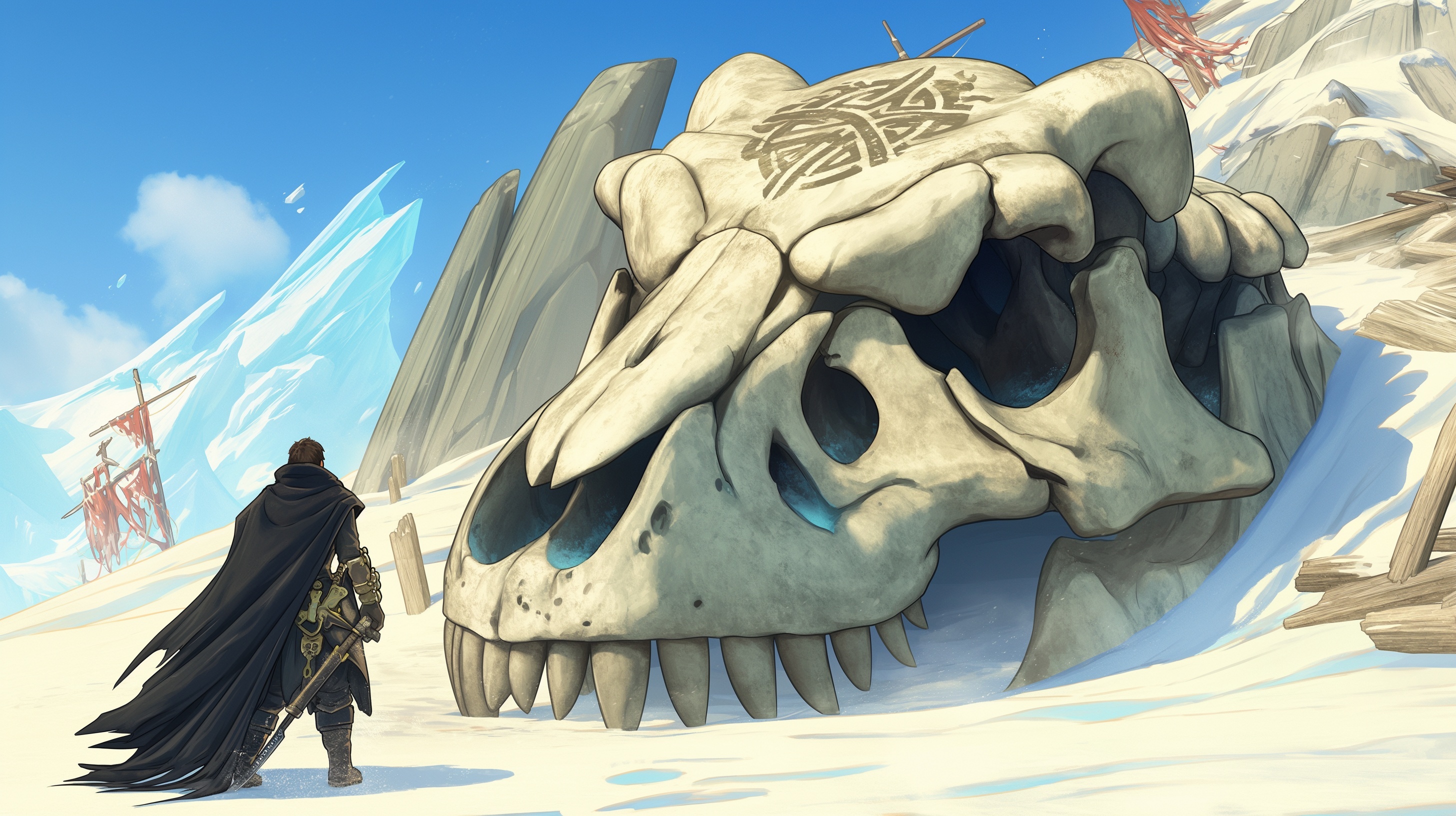
Areeott’s public agenda is rooted in the purpose for which it was created: safeguarding the Western Church Kingdoms from the lingering threat of the Azar Empire and the Prime Dragons. The Charter of Areeott, issued by Hierophant Heddarik III during the War of the Talon, remains the defining document of the nation, outlining its role as both a defensive bastion and a confederation of Barons tasked with maintaining order in the western passes. Though the geopolitical landscape has evolved, the Charter’s principles continue to shape Areeott’s goals and motivations. The defense of Stormwatch Pass, the single navigable route between the Azar Empire and the Western Church Kingdoms, remains a cornerstone of Areeott’s public agenda. While the dragons and their empire no longer pose the threat they once did, the presence of Pendark Keep and the open stone gates of Stormwatch serve as potent symbols of Areeott’s historical vigilance. The Barons publicly affirm their role as stewards of this defense, reminding both their citizens and the world of the sacrifices made to keep the dragons at bay. Economically, Areeott’s vast silver reserves are positioned as a source of mutual benefit. The nation portrays itself as a responsible steward of these resources, emphasizing sustainable mining practices and equitable trade relationships. Public declarations often frame Arin Silver as a gift not just to Areeott but to the wider world, a resource to be shared with care and respect. This approach reinforces Areeott’s image as both a trading partner and a moral guardian of its treasures. The Barons also publicly champion Areeott’s cultural heritage, presenting it as a beacon of unity amidst diversity. By celebrating traditions such as the Hearthwake and Winter’s Call festivals, they project an image of a nation deeply connected to its roots while welcoming of cultural exchange. This duality reinforces Areeott’s identity as a land of contrasts. A place grounded in tradition yet open to new ideas. Areeott’s leaders frequently highlight their commitment to infrastructure and social welfare, particularly in supporting the remote villages scattered throughout the Agriss Mountains. Public works projects are framed as acts of unity, ensuring that even the most isolated communities feel connected to the broader nation. This commitment aligns with the tenets of the Charter, which emphasizes the responsibility of the Barons to protect and uplift their people. Yet behind this polished facade lies an unspoken truth: Areeott’s public agenda is carefully shaped by Corvyn Seinrill, the immortal Baron whose unseen hand directs the nation’s trajectory. While the Barons and the Parliament appear as the architects of policy, it is Corvyn who ensures that Areeott’s narrative remains consistent, its image unblemished, and its unity preserved. Through subtle manipulation, he maintains the balance promised by the Charter, ensuring that the nation remains true to its founding purpose, even as the world around it changes.
Assets
"Areeott isn’t a land. Nope. it’s a gamble. The stakes are life and death, and the house always cheats. But for those bold enough to play, the rewards can be legendary."

History
Demography and Population
"The laughter and joy in Areeott's streets are genuine, but they cannot drown out the sense of something lurking beneath. It's a place where happiness feels almost too perfect, too contrived."
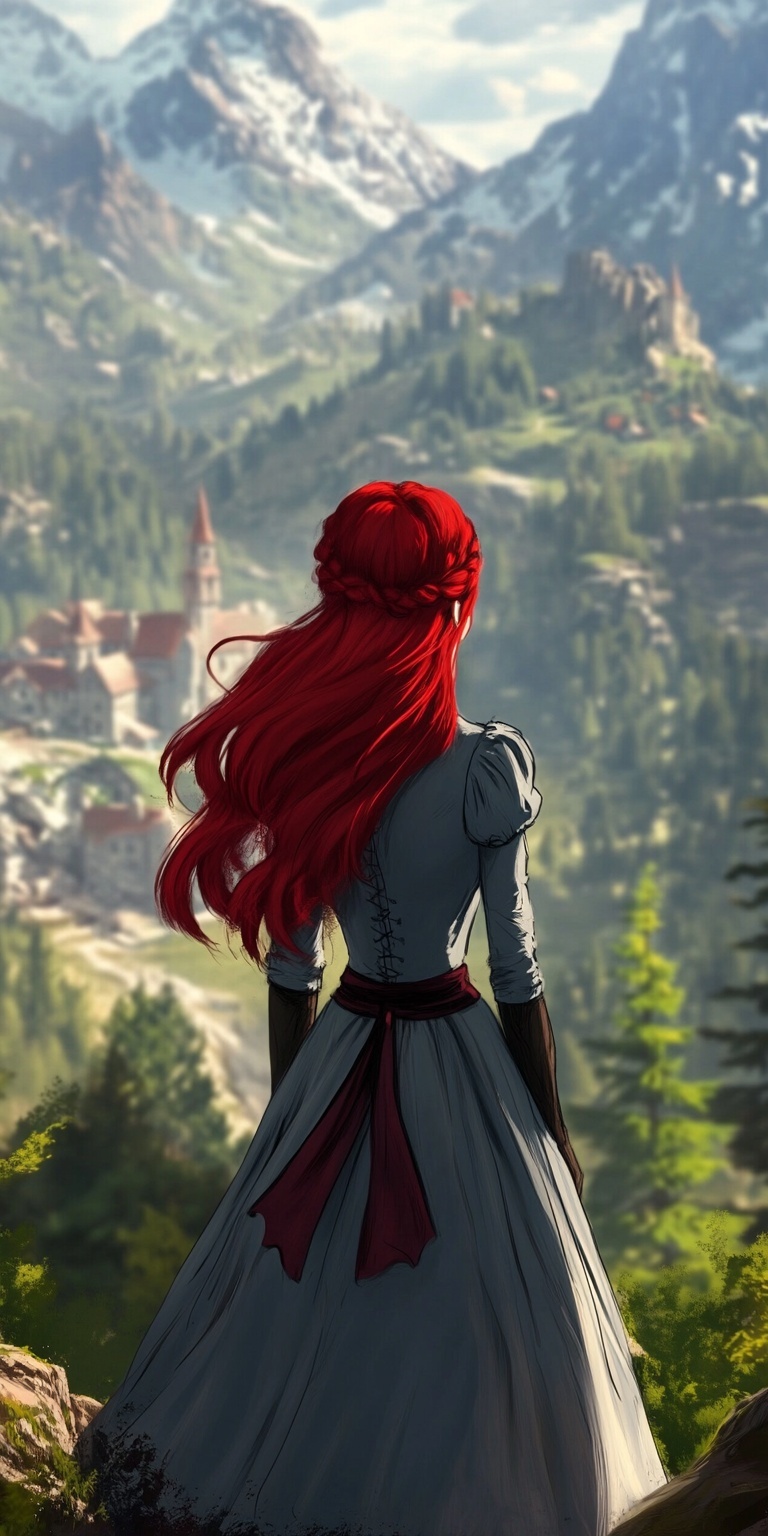
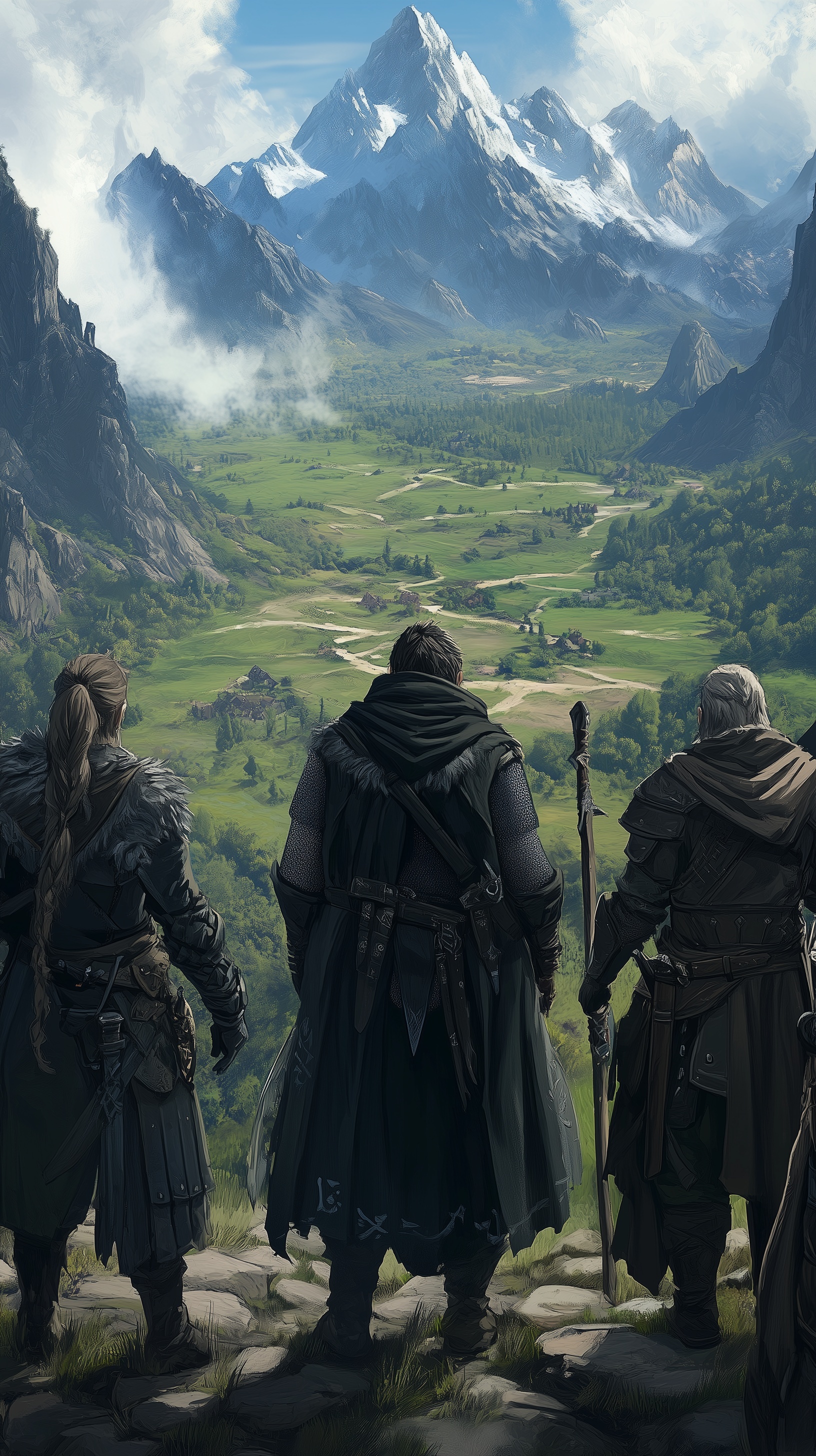
Humans form the majority of Areeott’s population, their resilience and adaptability well-suited to life in the mountains. Tieflings and Changelings, though smaller in number, are highly integrated into society, with Tieflings renowned for their artistry, particularly in silverworking, and Changelings contributing to roles requiring versatility and creativity. Elves and Dwarves, often tied to specific communities or cantons, bring their own strengths—Elves as scholars, herbalists, and arcane practitioners, and Dwarves as masterful engineers and miners. Shifters, whose connection to nature is deeply respected, often inhabit the fringes of society, serving as hunters, scouts, and guides in the wilds. The Warforged, though rare, play specialized roles in security and labor, their resilience making them invaluable in both urban and rural settings. Birth and death rates in Areeott reflect the demands and rewards of alpine life. The birth rate is steady but modest, influenced by the physical and social challenges of mountain living. Death rates are higher than in neighboring lowland nations, due to the risks posed by the terrain and harsh winters. However, Areeott’s advancements in medicine, led by its skilled apothecaries and chirurgeons, mitigate these challenges. The nation’s innovative approaches to healthcare, which blend traditional practices with ingenious non-magical techniques, have earned it renown across the region. Cultural diversity plays a significant role in shaping Areeott’s demography. While humans dominate urban centers and agricultural regions, the other races contribute unique cultural threads that enhance the nation’s identity. Elves often cultivate herb gardens or work in healing professions, while Dwarves bolster the mining and architectural sectors. Tieflings enrich the nation’s artistic and artisan traditions, and Changelings excel in adaptive, community-focused roles. Shifters, with their deep connection to the natural world, play key roles in maintaining the balance between civilization and wilderness. Warforged, whose origins often tie back to ancient conflicts, serve as enduring reminders of Areeott’s storied past and resilience. Migration in and out of Areeott is tightly controlled, reflecting the nation’s historically isolationist policies. This restriction has preserved the cohesion of its diverse population while limiting external influences. Despite this, the interdependence between the cantons fosters unity, with urban and rural communities relying on one another for trade, labor, and shared cultural traditions.
Territories
"The beauty of Areeott is mesmerizing, its hospitality unrivaled. But this ideal society is a double-edged sword, with a sharp edge hidden beneath its silken surface."
Military
The military forces of Areeott are as rugged and unyielding as the mountains they call home, forged by the terrain and shaped by the fierce independence of the Arin people. The saying, "No army that has ever marched into Areeott has ever marched out," reflects both the natural defenses of the Agriss Mountains and the unparalleled determination of the nation’s defenders. For much of Areeott’s history, the land has relied not on standing armies but on the collective will of its people. From the very young to the elderly, every Arin is prepared to defend their homeland, driven by a deep connection to their way of life and a reputation for ferocity in battle. During the Dragon Insurrection, when the Risen Scourge unleashed a new breed of dragonkind upon the world, Areeott broke from its traditional reliance on a decentralized militia to field a unified standing army. This force was composed of both native Arin fighters and volunteers from across the Western Church Kingdoms, drawn by the shared purpose of defending against the dragons’ onslaught. Elements of this military structure persist today, though Areeott’s defense still rests heavily on its decentralized model and the martial spirit of its people. At the forefront of Areeott’s defense is House Takana, whose forces are permanently stationed at Stormwatch Pass. Since the nation’s founding, the Takana family has stood as the first line of defense against the horrors of the Azar Empire. Their warriors are renowned for their discipline, bravery, and relentless determination, embodying the uncompromising spirit of the Arin people. The Takana forces are the elite among Areeott’s defenders, trained to withstand the terrors of Stormwatch Pass and respond swiftly to threats that emerge from the east. Each canton contributes to Areeott’s defense with its own unique military units, reflecting the diverse strategies and traditions of the land. These forces are designed to be highly adaptive, leveraging their intimate knowledge of the terrain and local tactics. Cantonal forces often specialize based on their region’s environment; for example, mountain cantons may field light infantry skilled in ambushes and hit-and-run tactics, while lowland cantons might focus on cavalry or ranged units. Though these units operate independently in times of peace, they can be mobilized collectively to form a formidable national defense. In addition to these formalized forces, each canton maintains a local militia, commonly referred to as the Gendarme Reserve. These militia members are drawn from the general population and are typically called upon for ceremonial duties, minor security tasks, or dealing with local nuisances, such as feral rock griffons or young Emperor Rocs. While the militia is not a primary fighting force, the inherent martial culture of the Arin people ensures that even these part-time defenders are capable in times of need. The infrastructure supporting Areeott’s military is deeply embedded in its terrain. Fortifications such as Pendark Keep, guard towers, and hidden supply caches provide strategic advantages, while the interconnected network of subterranean vaults allows for rapid movement of troops and supplies. These features, combined with the natural defenses of the Agriss Mountains, create a military ecosystem that is both resilient and difficult to penetrate. Areeott’s military strength lies not only in its elite forces, such as those of House Takana, but in the collective resolve of its people. Every Arin is a potential defender of the land, and this cultural commitment to defense has created a nation that is as impenetrable as the mountains it occupies.
Foreign Relations
Areeott’s foreign relations are as enigmatic as its history, carefully managed to balance isolationism with strategic interactions. The nation, shaped by its role as a bastion against the Azar Empire, has cultivated an air of mystery that both deters and fascinates its neighbors. Corvyn Seinrill, the immortal Baron, wields his influence from the shadows, ensuring that Areeott’s connections to the outside world remain deliberate and tightly controlled. Areeott’s position as the sole producer of Arin Silver grants it significant leverage on the global stage. This rare and highly coveted material is strictly regulated, with exports limited to pre-approved quantities for select diplomatic agreements or trade partnerships. Foreign rulers, merchants, and guilds often spend years negotiating access to even modest shipments, knowing that possession of Arin Silver symbolizes prestige and influence. This exclusivity reinforces Areeott’s reputation as a nation of unparalleled craftsmanship and economic power, despite its relatively small size. Relations with the Western Church Kingdoms are complicated by Areeott’s partial withdrawal from their influence. While the Charter of Areeott was issued by the Hierophant to establish the nation as a protective buffer, Corvyn’s governance has gradually distanced Areeott from direct Church control. This separation, while subtle, has allowed Areeott to maintain autonomy in its policies and trade, though it has strained religious ties. The Church Kingdoms regard Areeott with a mixture of respect and wariness, acknowledging its historical significance while questioning its current trajectory. The fractured remnants of the Azar Empire maintain a tenuous and adversarial relationship with Areeott. Though the empire’s former power has long since crumbled, its legacy lingers in the regions bordering Areeott. Occasional skirmishes and border disputes reflect unresolved tensions, while rumors of artifacts and knowledge tied to the Prime Dragons continue to draw the interest of adventurers and scholars from both sides. Areeott’s relations with other neighboring nations are defined by its isolationist policies. Entry and exit are heavily regulated, with visitors subjected to strict scrutiny and surveillance. While this deters many would-be travelers, it also enhances the nation’s mystique, making Areeott a coveted but forbidding destination for traders, scholars, and diplomats. The rare individuals permitted to cross its borders often carry tales of a land both wondrous and oppressive, reinforcing its dual reputation as a place of beauty and shadow. Internally, Corvyn’s strategic use of misinformation and secrecy plays a crucial role in shaping Areeott’s external image. Contradictory rumors about the nation’s history, culture, and inhabitants are deliberately spread, creating uncertainty and intrigue among outsiders. This manipulation ensures that Areeott remains enigmatic, with its true nature concealed even from those who believe they understand it Through a combination of isolation, strategic trade, and controlled diplomacy, Areeott has positioned itself as a nation apart. One both feared and respected on the global stage. Its relationships are carefully cultivated to maintain its autonomy, its economic power, and the shadowed legacy of its immortal ruler.
Foreign Opinions of Areeott
Laws
The laws of Areeott reflect a complex history that transitioned from a centralized monarchy under the Charter of Areeott to a modern parliamentary system crafted during the Arin Civil War by Andrielle Seinrill and Aelissa Akkara. This transformation fundamentally reshaped the nation’s governance and legal structure, creating a balance between the autonomy of the cantons and the unity of the nation. Under the monarchy established by the Charter, laws were issued by the king, with enforcement carried out through appointed royal officials. However, the abuses and instability of King Roland Amraz’s reign, coupled with the devastation of the Dragon Insurrection, revealed the need for a more equitable and representative system. This led to the creation of the Arin Parliament, a legislative body designed to prevent the centralization of power and ensure that laws reflected the diverse needs of Areeott’s cantons. The Arin Parliament is now responsible for drafting and passing laws. Comprised of Baronial Appointees and elected Ley Representatives, it functions as a bicameral system that balances the interests of the nobility with those of the broader population. Laws passed by the Parliament are recorded in the Hall of the Charter in Venlin, where they are preserved and made accessible to scholars and magistrates. Law enforcement is carried out at multiple levels. The Gendarme, a cantonal police force overseen by the Lord Marshal, handles local law enforcement, ensuring the day to day maintenance of order and the resolution of disputes. The Lord Marshal, a respected commoner nominated by regional leaders and appointed by the Baron or Baroness, embodies the principle of fairness and impartiality. At the national level, the Akkara House Guard addresses crimes that cross cantonal boundaries or threaten the stability of Areeott as a whole. Punishments for crimes in Areeott are carefully calibrated to reflect the severity of the offense. Minor infractions, such as theft or public disturbances, are typically resolved through fines, community service, or temporary imprisonment. More serious offenses, including treason and murder, carry harsher penalties such as exile, life imprisonment, or execution. The justice system emphasizes restitution and community harmony, seeking to resolve disputes in ways that restore balance rather than perpetuate conflict. While the legal system is ostensibly impartial, Corvyn Seinrill’s unseen influence ensures that critical cases align with his broader vision for Areeott. Through trusted intermediaries, he subtly steers outcomes that preserve the nation’s stability and unity, often at the expense of transparency. This hidden hand reinforces the nation’s carefully maintained equilibrium, blending the ideals of the Charter with the realities of Corvyn’s enduring rule.
Agriculture & Industry
Trade & Transport
Education
Education in Areeott is universally accessible, a testament to the nation’s commitment to cultivating an educated and capable populace. From the smallest rural villages to the grand cities of the cantons, every Arin child receives an education that begins with foundational skills and extends into advanced studies, ensuring a high standard of learning throughout the nation. This system, funded entirely by the Seinrill family, is publicly presented as a benevolent act of "the lord's grace." The full funding of education is one of many carefully constructed illusions crafted by Corvyn Seinrill to project the image of a just and generous ruler, masking the darker truths of his long and secretive rule. In rural areas, the early stages of education emphasize practical skills necessary for daily life in the Agriss Mountains. Parents, elders, and local teachers guide children through lessons in farming, craftsmanship, and survival, alongside basic literacy and numeracy. These communities ensure that even the youngest members have the tools to thrive in Areeott’s challenging terrain. Storytelling and traditional songs serve as an informal but deeply effective method of imparting historical knowledge and moral values, preserving the shared identity of the Arin people. As children grow, they gain access to more structured and advanced educational opportunities. Schools in towns and cities provide rigorous instruction in subjects such as mathematics, literature, natural philosophy, and the arts. Specialized academies train future artisans, healers, and engineers, fostering skills that directly contribute to the prosperity of Areeott. The education system’s accessibility is made possible by the Seinrill family’s direct patronage, ensuring that no student is denied learning due to financial barriers. This act of "grace" reinforces Corvyn’s narrative of benevolence and distracts from the machinations behind his control. Higher education extends into adulthood, with guilds and professional associations serving as centers for continued learning and specialization. Silverworking, masonry, and textiles are among the trades that benefit from mentorship programs, ensuring the perpetuation of Areeott’s renowned craftsmanship. Scholars and artists are also encouraged to flourish, with their work often funded by the Barons or cantonal leaders. This emphasis on education serves multiple purposes: it elevates the nation’s capabilities, unites its people through shared knowledge, and strengthens the illusion of fairness and generosity that Corvyn has cultivated over centuries. While the education system genuinely enriches the lives of Areeott’s citizens, it is also a calculated instrument of control, securing loyalty to the Seinrill name and ensuring the populace remains unaware of the deeper truths that lie beneath the surface of their nation. hr]
Infrastructure
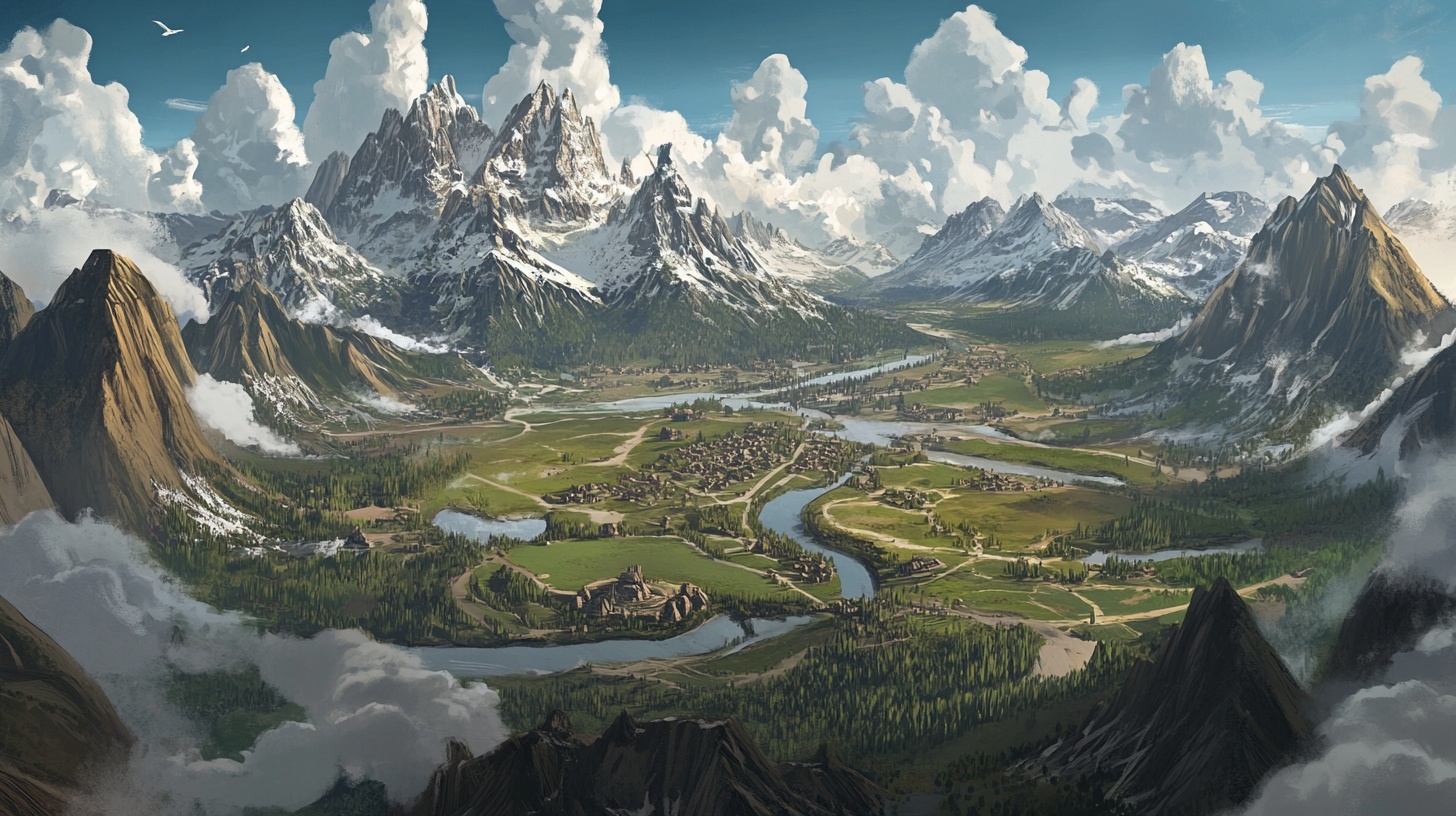
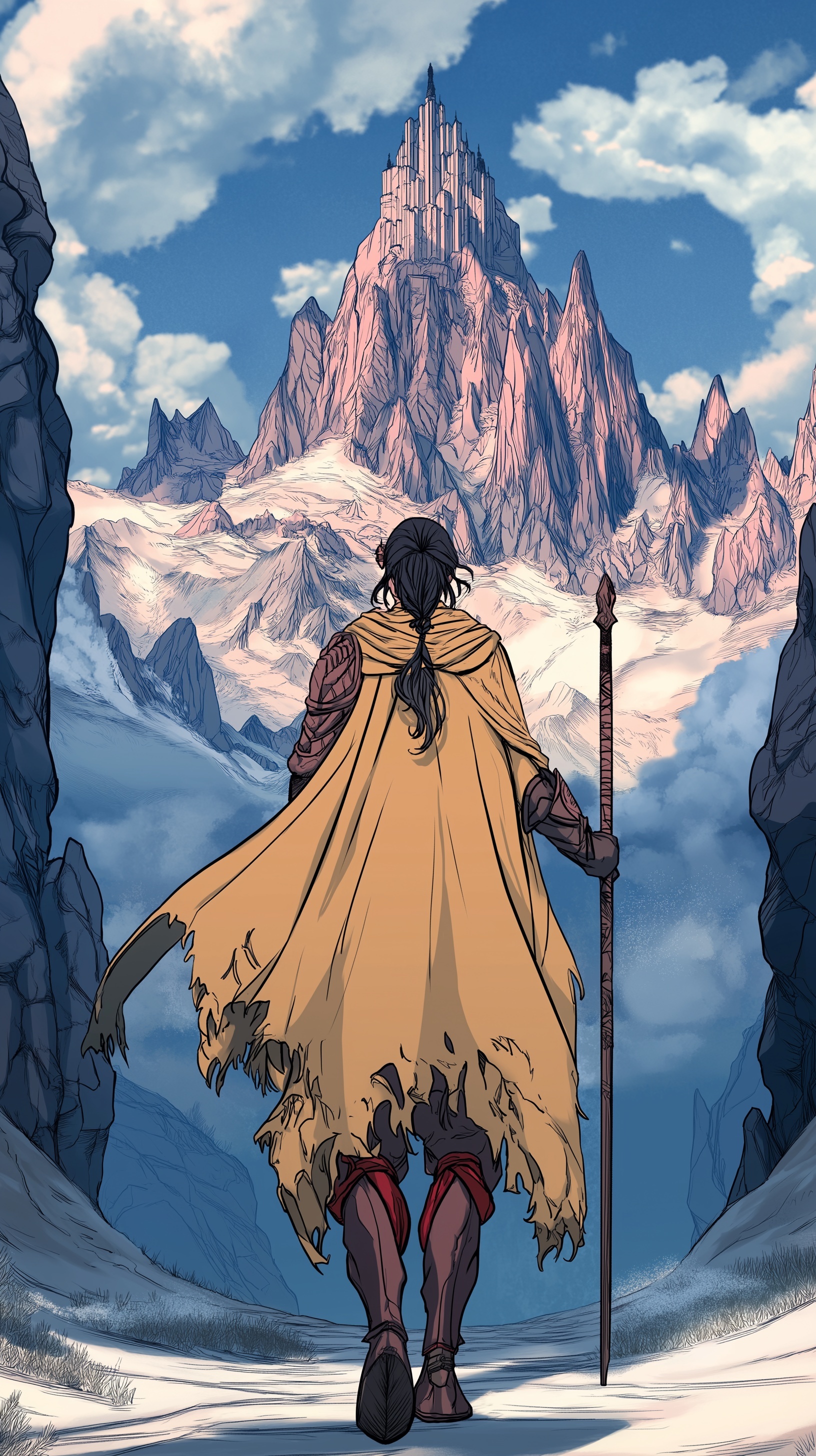
Areeott’s infrastructure is a testament to its ingenuity, resilience, and the necessity of thriving in one of the most challenging environments in the world. Nestled within the Agriss Mountains, the nation’s physical assets are designed not only to sustain its people but also to serve as symbols of its history and strategic importance. Every aqueduct, road, fortress, and vault reflects Areeott’s identity as a land that bridges light and shadow, tradition and innovation.
Roadways and Passes
The lifeblood of Areeott’s connectivity lies in its extensive network of mountain roads and passes. These routes, carved into cliffsides and spanning deep ravines, are feats of engineering excellence. The nation’s flagship thoroughfare, Stormwatch Pass, is heavily fortified and remains a vital link between the Western Church Kingdoms and the remnants of the Azar Empire. Beyond Stormwatch, an intricate system of trade roads connects the capital city of Venlin with cantonal centers, rural villages, and mining operations. Bridges and tunnels, often reinforced with Arin Silver alloys, ensure the roads withstand harsh winters, avalanches, and heavy trade traffic. Waystations and hostels dot the routes, providing rest and supplies for travelers braving the rugged terrain.Fortifications and Defenses
Areeott’s defensive infrastructure is unparalleled, a legacy of its founding as a bulwark against the Azar Empire. Pendark Keep, perched atop Stormwatch Pass, remains the most iconic fortification, its massive walls and arcane wards designed to withstand any siege. Beyond Pendark, smaller bastions and watchtowers line the mountain ranges, creating overlapping fields of surveillance and defense. The borders are secured by a series of concealed fortifications, including underground bunkers and hidden caches, ready to be activated in times of war. These defenses, combined with Areeott’s natural topography, make it nearly impervious to large-scale invasions.Urban and Village Planning
The cities and towns of Areeott are masterpieces of alpine urban design. Venlin, the capital, is a shining example of planned urban development, with cobblestone streets radiating outward from the Hall of the Charter, the seat of governance. Its aqueduct system channels glacial runoff into fountains, reservoirs, and public baths, providing clean water year-round. The city’s neighborhoods are connected by elevated walkways and tunnels, ensuring accessibility even during heavy snowfall. Smaller towns and villages, though simpler in design, follow similar principles, with central markets, communal meeting halls, and well-maintained roads ensuring functionality and cohesion.Subterranean Vaults
Beneath Areeott’s cities lies a labyrinthine network of vaults and tunnels. Originally constructed as wartime shelters and storage facilities, these subterranean spaces have evolved into bustling centers of commerce and industry. Markets in the vaults offer everything from local crafts to exotic imports, while workshops produce tools, textiles, and Arin Silver goods. In times of crisis, these vaults transform into refuges, capable of housing entire populations with access to food, water, and emergency supplies. The vaults also play a role in defense, providing hidden escape routes and supply depots.Water and Resource Management
Areeott’s water infrastructure is vital to its survival. An intricate system of aqueducts and reservoirs channels glacial meltwater to urban and rural areas, supporting agriculture, sanitation, and drinking supplies. Advanced irrigation systems enable farming on terraced hillsides, maximizing arable land in the mountainous terrain. Mines and quarries, meticulously regulated, extract Arin Silver, granite, and timber, with strict safety protocols ensuring sustainability and worker welfare.Communication and Trade Hubs
Given its strategic position and economic clout, Areeott boasts a network of trade hubs and communication relay stations. Merchant guilds operate warehouses and trade houses in Venlin and other major cities, facilitating the flow of goods between Areeott and its trading partners. Signal towers equipped with mirrored panels or arcane beacons ensure rapid communication across the cantons, a necessity in the nation’s steep and rugged landscape.Medical and Emergency Facilities
Public health is a priority in Areeott, supported by an infrastructure of apothecaries and clinics. Venlin houses the Sanctuary of Saints, a renowned medical academy and hospital that blends traditional healing with innovative non-magical techniques. Smaller clinics and healers are stationed throughout the cantons, ensuring that even remote communities have access to care during emergencies.
Stalwart Before The Fury

Founding Date
16.07.776
Type
Geopolitical, Kingdom
Capital
Predecessor Organization
Demonym
Arin
Leader
Ruling Organization
Leader Title
Head of State
Head of Government
Government System
Dictatorship
Power Structure
Confederation
Economic System
Traditional
Legislative Body
Arin Parliament
Judicial Body
Baronial High Court
Parent Organization
Location
Official Languages
Related Traditions
Related Ranks & Titles
Related Professions
Controlled Territories
Neighboring Nations
Manufactured Items
Related Items
Notable Members
Related Species
Related Ethnicities
Related Myths
- Glim
- Mister Whispers
- Pale Lise & The Thing In The Trees
- The Barn
- The Basement
- The Beast of the Hollow Needle
- The Candleman
- The Cobbler's Gift
- The Curse of Areeott
- The Good Doctor
- The Gray Watcher
- The Hungry Little Kitty
- The Kind Stranger
- The Needlewitch
- The New Moon Bard
- The Reflection of Julian Marnier
- The Weeping House
- The Widow of Summer Wind
- The Wish Thief





Comments