


Dwarvish
Dwarvish is the native language of the dwarven people. It is one of the oldest mortal tongues still in use and has remained relatively unchanged over time. The language reflects the culture of its speakers. It is structured, deliberate, and built for clarity. It values precision over speed and permanence over style. Dwarvish is not a language shaped for beauty. It is shaped for endurance.
The spoken form of Dwarvish is rough, deep, and resonant. Its sounds are formed in the throat and chest, with strong consonants and compact syllables. The rhythm of speech is steady and grounded. It does not move quickly. It moves with weight. Even casual conversation in Dwarvish has a certain force behind it. This makes the language difficult for those unused to its sounds. Speakers must learn to control their breath and give proper emphasis to each word. Mispronunciation is not just frowned upon. It can change meaning.
Dwarvish grammar is straightforward but strict. Sentences follow a consistent structure, and word order rarely changes. Articles, prefixes, and suffixes are used to mark tense, number, and possession. The rules are not flexible. They are followed exactly. Mistakes are corrected without delay. Among native speakers, precision is a sign of respect. Sloppiness in speech reflects poorly on both the speaker and the person being addressed.
The vocabulary of Dwarvish is practical. It includes a vast array of terms related to stonework, metalcraft, engineering, and mining. There are many specific words for types of rock, tools, and materials. The language also contains numerous technical terms for construction methods and mechanical principles. Abstract ideas tend to be described in terms of craftsmanship or durability. A concept like loyalty might be expressed as “stone that does not crack,” while deception might be called “flaw in the forge.”
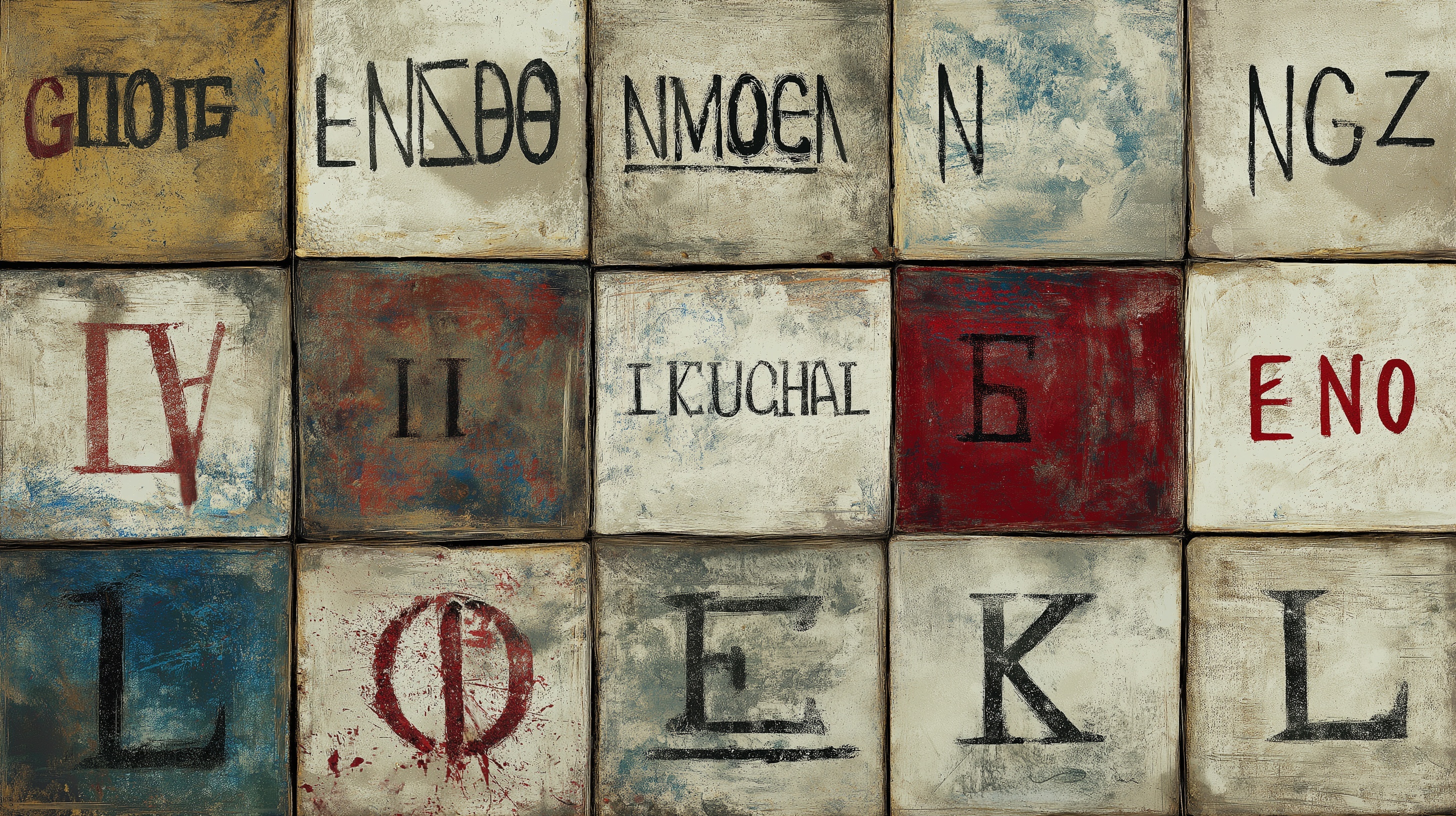
Dwarvish has a well-established written form known for its blocky, angular script. The characters are carved or inscribed more often than written with ink. Each symbol is compact and designed to be easily chiseled into stone or stamped into metal. The writing system is phonetic, with one symbol per sound, making it relatively easy to read once learned. It is arranged in horizontal lines and is read from left to right. Dwarvish inscriptions can be found on walls, weapons, coins, and monuments throughout dwarven settlements.
The language is used not only in daily life but also in records, contracts, and ceremonial texts. Dwarves place great value on written agreements, and these are often recorded in Dwarvish even when other languages are spoken during negotiation. Historical records are maintained with care, and many family lines keep archives of writings that stretch back generations.
Non-dwarves may learn Dwarvish for trade, diplomacy, or scholarship, especially those who work closely with dwarven communities. However, fluency is uncommon outside those circles. The language is not considered easy to learn, and few have the patience to master its discipline.
Dwarvish is a language of substance. It is not meant to flatter or amuse. It is meant to last. Like the stone halls of its people, it is built to endure the weight of time.



Comments