

Elvish
Elvish is the ancestral language of the elven peoples. It is spoken across many regions of the world and in various elven subcultures, including high elves, wood elves, and others descended from ancient fey lines. The language is old, refined, and carefully preserved. Though dialects exist, the core of the language remains consistent across communities. It is used in formal communication, cultural expression, and ritual practice. Elves take great pride in the precision, beauty, and history of their language.
The spoken form of Elvish is graceful and melodic. Words are shaped with soft consonants, long vowels, and careful pacing. Each syllable flows into the next with minimal interruption. The sound of the language is often described as musical, but the comparison is shallow. Its tone is not playful or whimsical. It is deliberate, measured, and always controlled. Native speakers maintain a calm, even rhythm regardless of emotion. Anger, joy, sorrow, and reverence are expressed through word choice and tone, not volume or speed.
Elvish grammar is complex. It contains multiple verb tenses, noun cases, and formal structures that are tied to social context. Sentence construction follows consistent rules, but those rules require time to learn. There are distinct forms for addressing elders, equals, and outsiders. Failure to observe these distinctions is not merely impolite. It marks the speaker as careless or untrained. The language also places strong emphasis on clarity of thought. Vague or imprecise statements are corrected, often without apology.
The vocabulary of Elvish is broad and expressive. There are multiple words for concepts that other languages treat as singular. For example, there are several different words for forest, each describing a different type of woodland by age, density, or spiritual significance. Words for time, memory, and beauty are similarly nuanced. Elvish favors metaphor, but not for the sake of poetry. It uses metaphor to convey emotional or philosophical truth. A statement like “the leaf returns to the branch” may carry meanings related to reconciliation, rebirth, or ancestral memory depending on context.
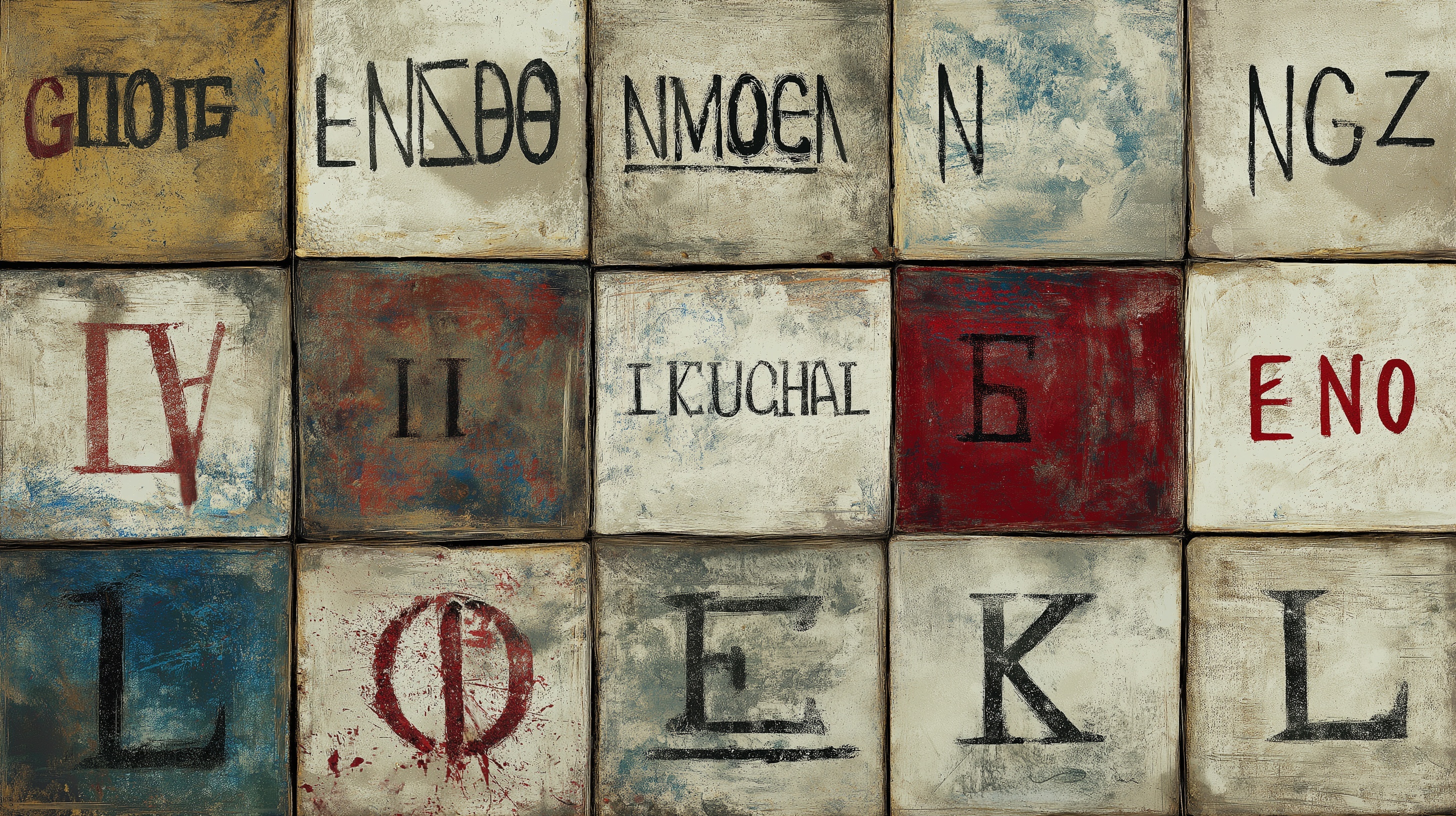
Elvish has a formal written script that is elegant and complex. The letters are thin and curved, often connected by flowing lines that form a continuous motion across the page. Traditional Elvish texts are written by hand with care, often illuminated or adorned with natural imagery. The script is phonetic but includes symbols to mark emphasis, rhythm, and tone. These markers help preserve the cadence and structure of the spoken word in written form. Some modern communities use simplified versions, but formal documents retain the full system.
The language is still in active use among elven communities. It is taught from an early age and spoken in the home, in ceremony, and in written correspondence. Many elves also learn Common, but they do not replace Elvish with it. The language is tied to cultural identity and continuity. To lose the language would be to sever a connection to their past.
Elvish is not a language of haste. It is a language of memory, refinement, and understanding. Those who speak it are expected to mean what they say and to say it well.



Comments