

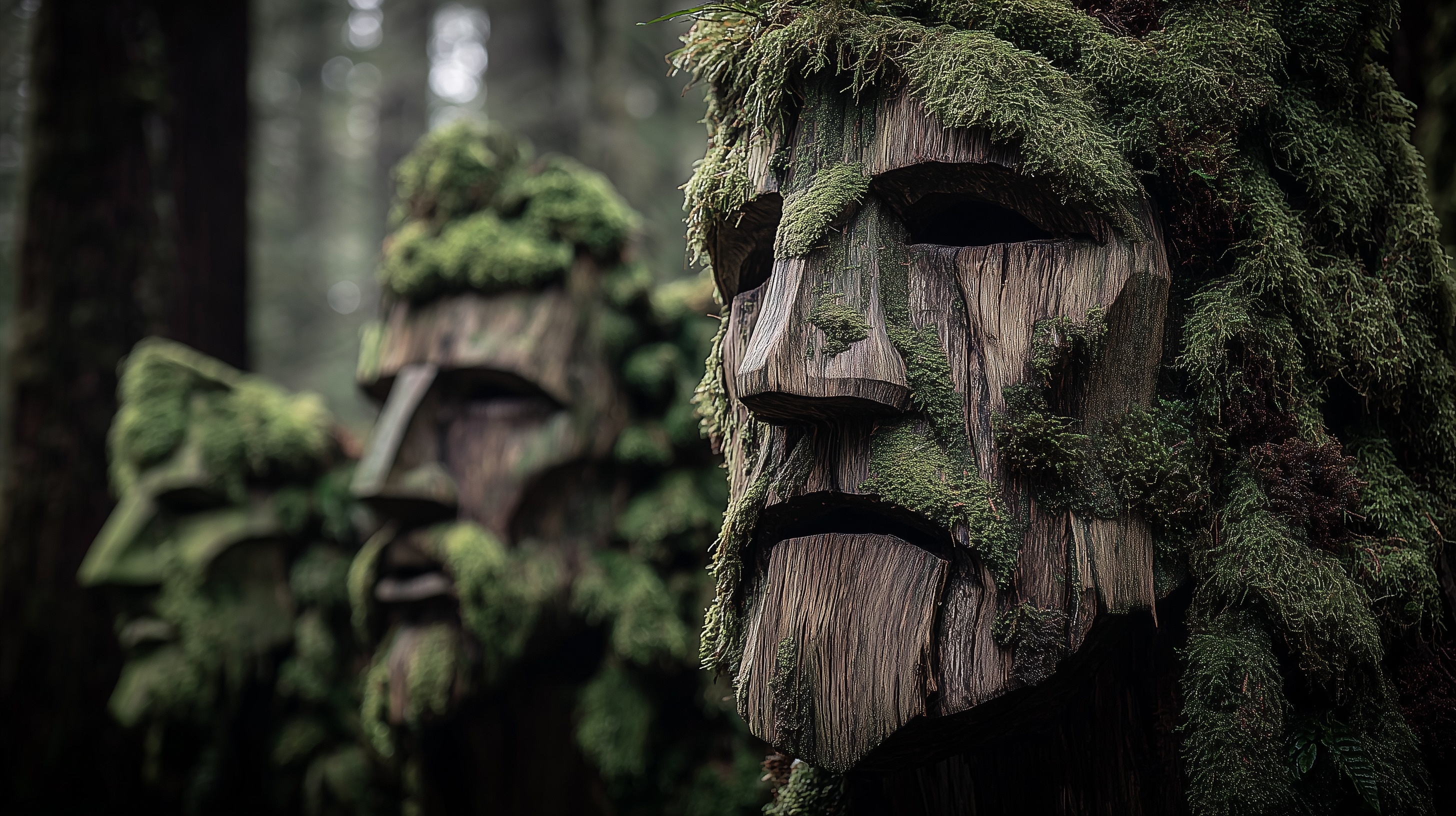
Arin Dwarf

“They say the mountain taught them to listen. When the stone began to break, it was the dwarves who heard it first. Maybe that is why they never stop talking now. They think if they keep speaking, the world will stay standing.”
— Mara Snow, wandering archivist

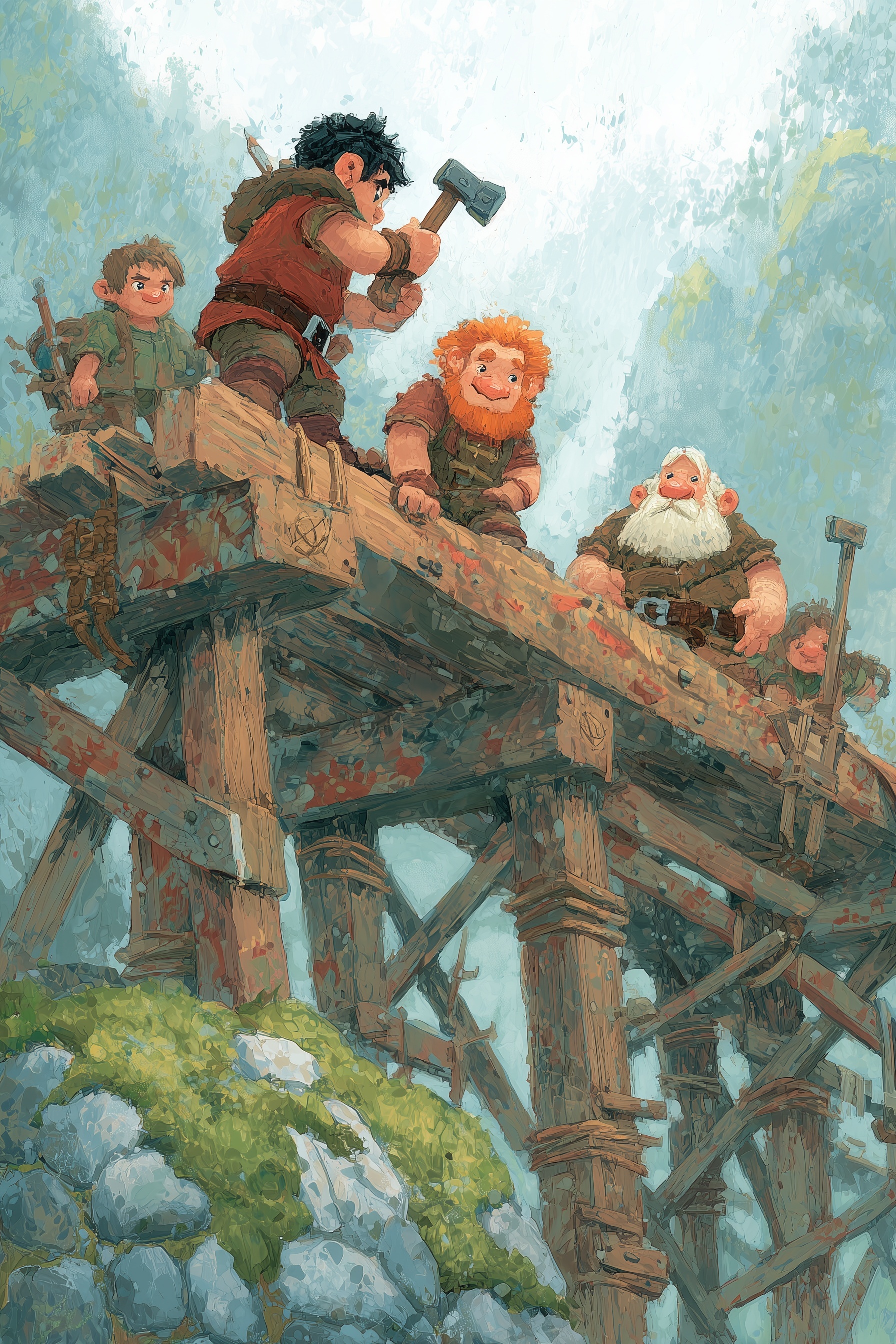
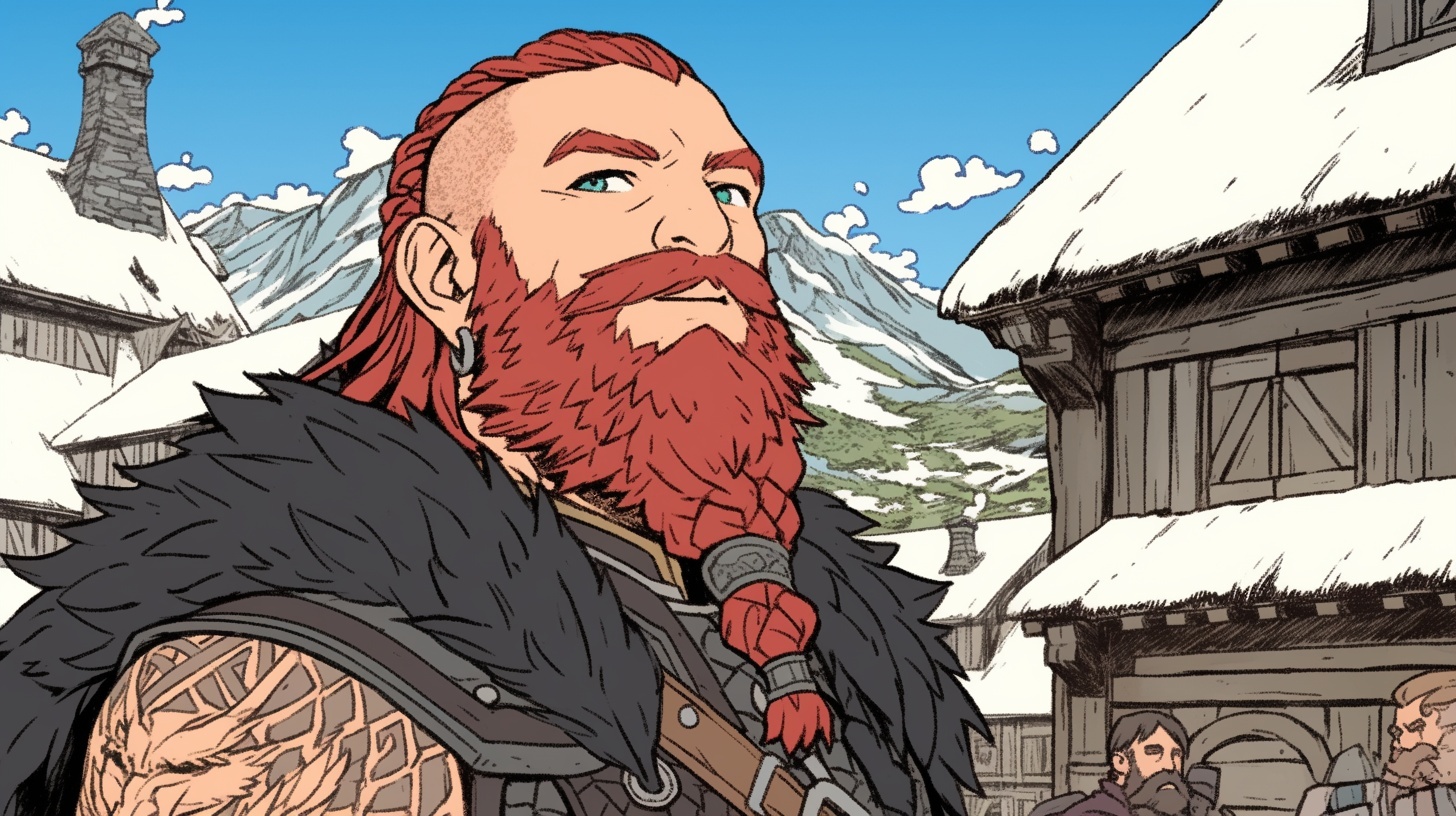
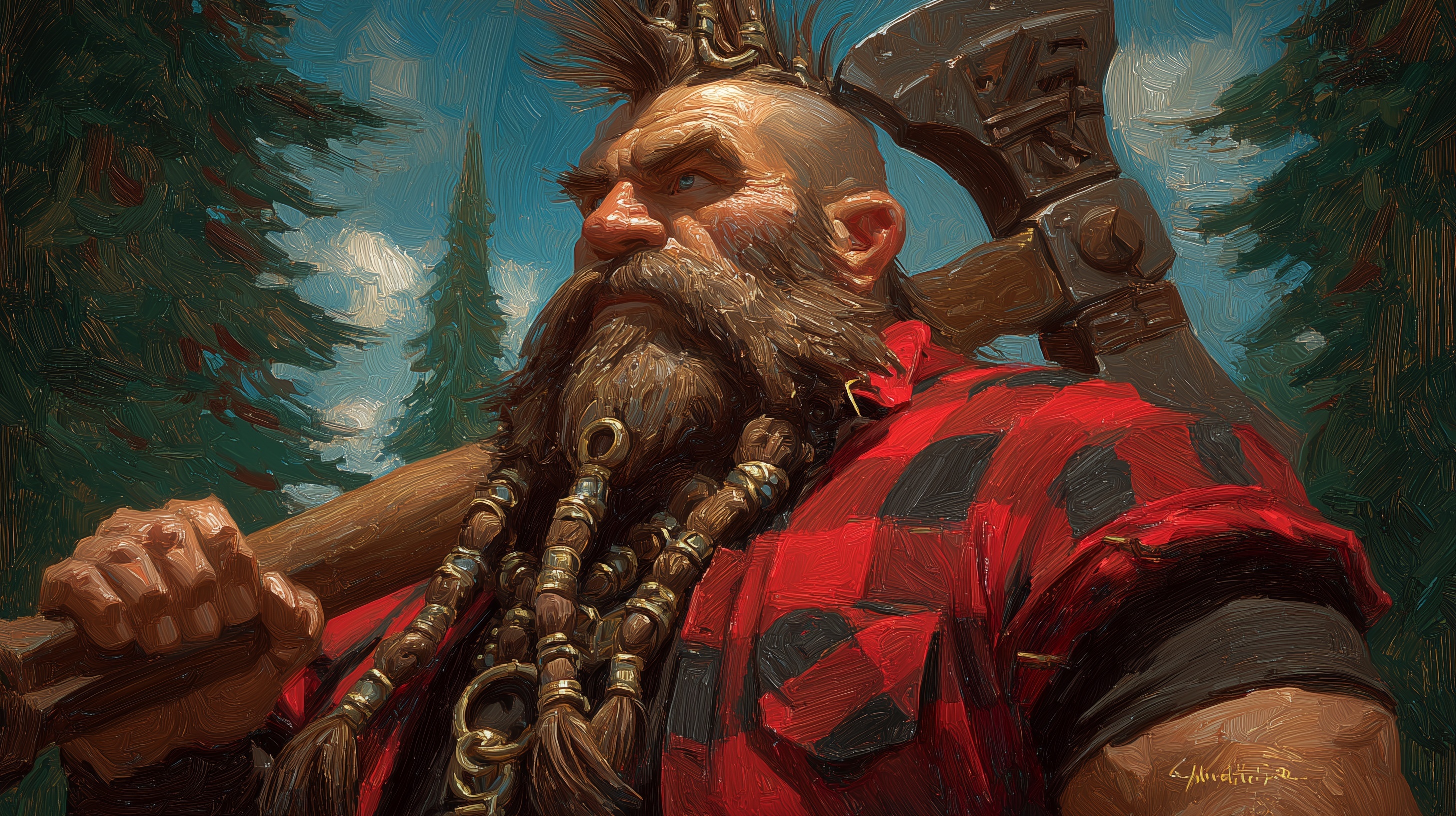
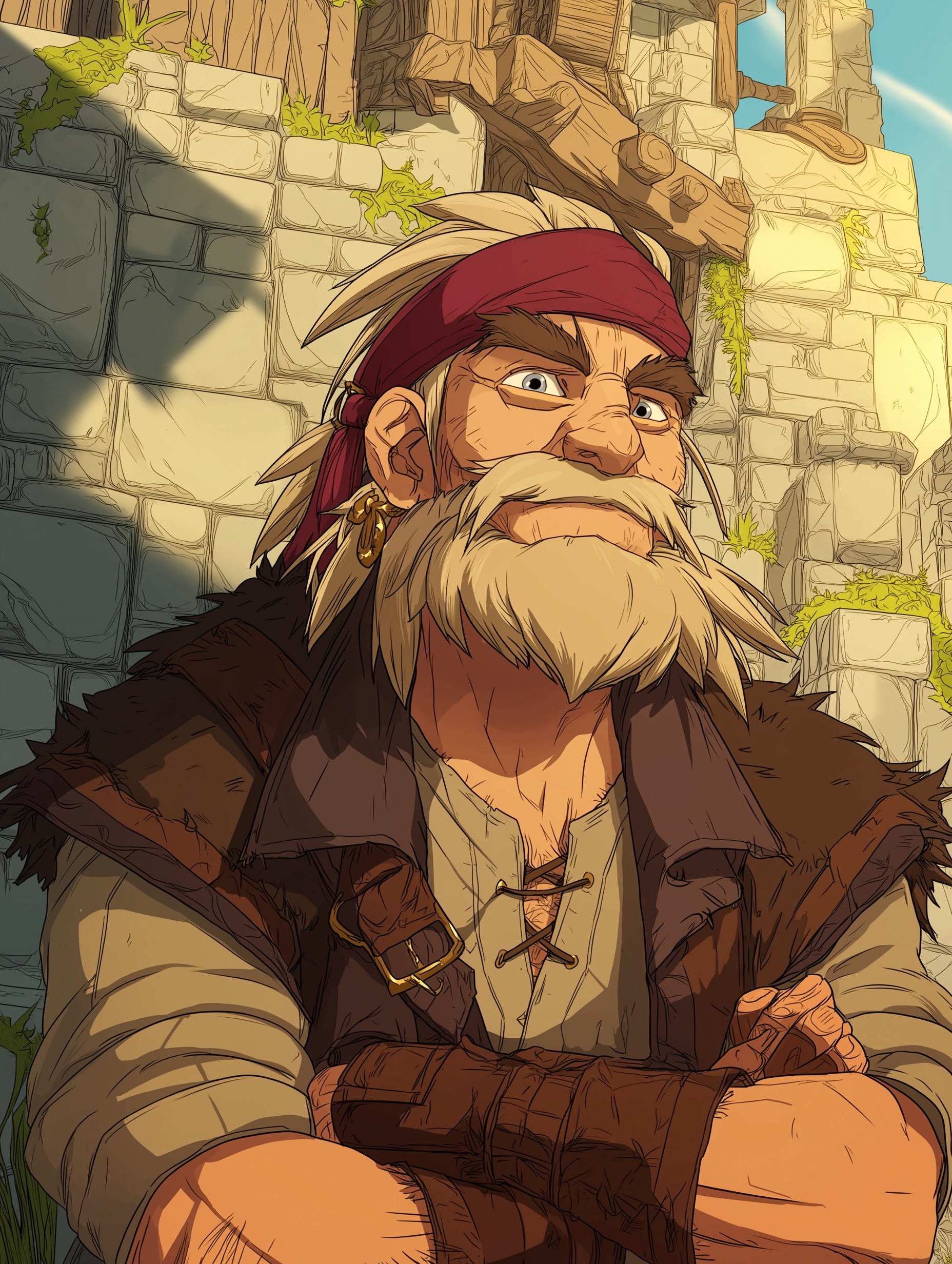
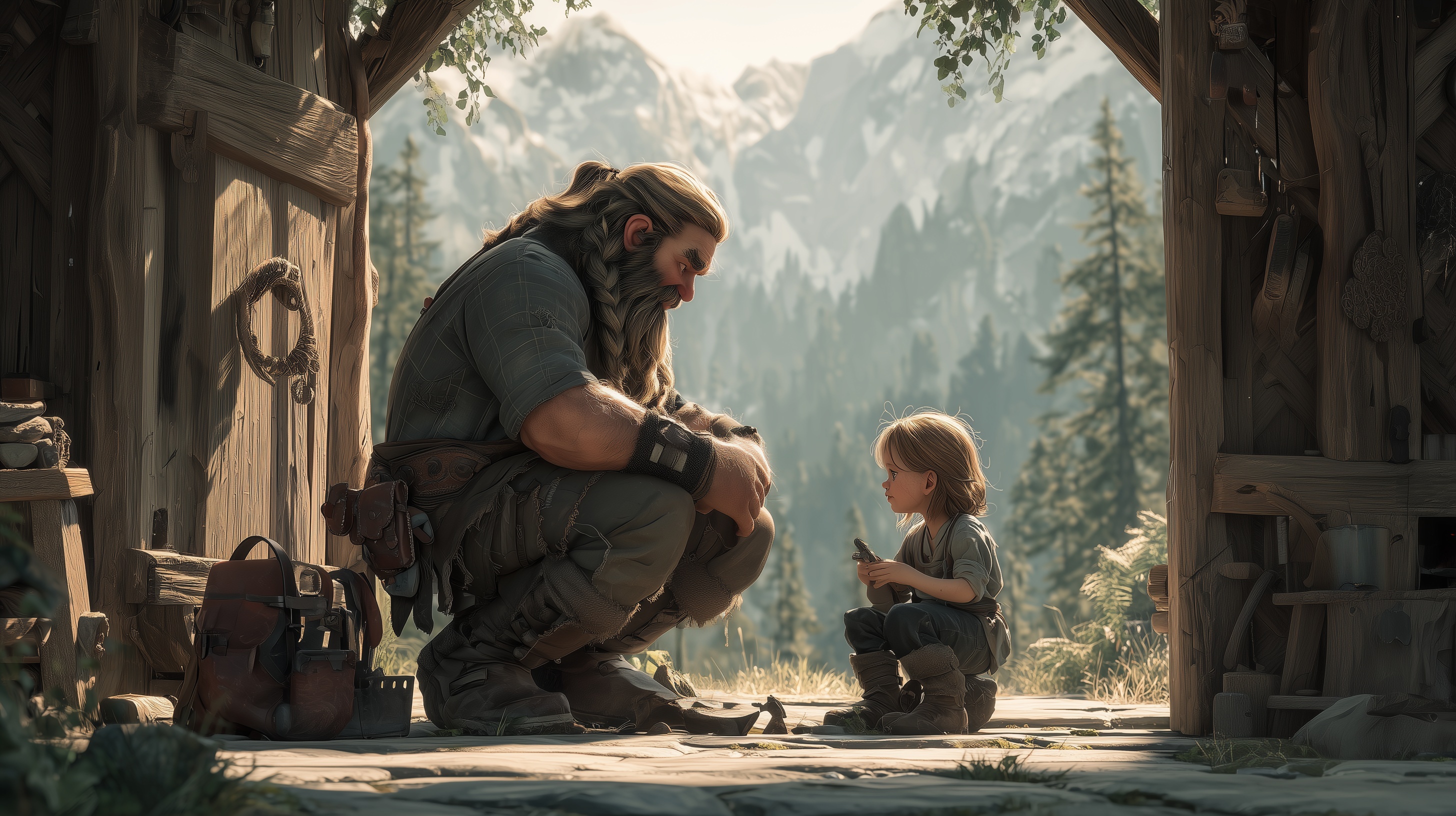
The collapse of Deep Forge ended an age. Once a sprawling city of light and stone, it fell in a single violent heartbeat when the Shattering tore through the world. Caverns that had stood for millennia cracked open and swallowed their makers. Entire bloodlines vanished before they could draw a final breath. The dwarves who survived remember the sound of it more than anything. A grinding roar that never truly stopped. They call it the Fall, and its echo follows them still.   When the dust settled, the survivors faced a silence so complete it seemed to mock them. In that quiet ruin, there were no gods, no kings, no miracles waiting in the dark. Only work. So they began again. Some fled south toward the coasts of Itora, others west into the glacial valleys of Iron Gate, but many followed the promise of refuge to Areeott. They knew the land was torn by civil war. They also knew its people had a reputation for mercy. The gamble saved them.   Their first meeting with Andrielle Seinrill and her Loyalists shaped everything that followed. The dwarves who arrived from Deep Forge came not as beggars but as builders. They repaired walls, reforged broken weapons, and turned chaos into structure. When Castle Seinrill withstood its second siege, the survivors of Deep Forge had already earned their place. From that point on, no Arin army or canton would stand without dwarven stone and steel beneath it.   Centuries later, the dwarves of Areeott no longer speak of exile. They are part of the nation’s foundation in every sense. Their skills in design, carpentry, and architecture define much of Areeott’s landscape. A visitor may not always notice their work, but it is everywhere, quiet and deliberate, keeping the world from falling apart again.   Though they remember the dark, they do not seek it. They live beneath the open sky now, building homes that breathe with wind and light. The old desire to dig ever deeper has been replaced with a respect for balance. They still mine and forge, but sparingly. Their craft is focused outward instead of down. To them, every beam or bridge is a lesson learned from the ruins below.   Within Areeott, dwarves are known as the keepers of structure, both physical and moral. They are trusted with the kingdom’s great projects, its fortifications, and its archives. They are also known for their directness. A dwarf will tell you what they think, usually while helping you fix what you broke. Their plain speech can sound like insult, but it rarely is. Beneath the bark lies the intention to hold things together, whether it is a wall or a friendship.   They see the world in terms of weight and support. Every life, every decision, adds pressure somewhere, and balance must be kept. This sense of structure guides everything they do. The memory of the Fall has made them wary of excess, pride, and silence. They speak their minds because they remember what happens when warnings go unheard.   Even now, they remain a people rebuilding the world piece by piece. In every settlement they raise, the work never truly ends. Each strike of the hammer is a promise to the dead that what was lost will not stay buried. They measure their strength not in conquest or wealth, but in how long what they build can stand.
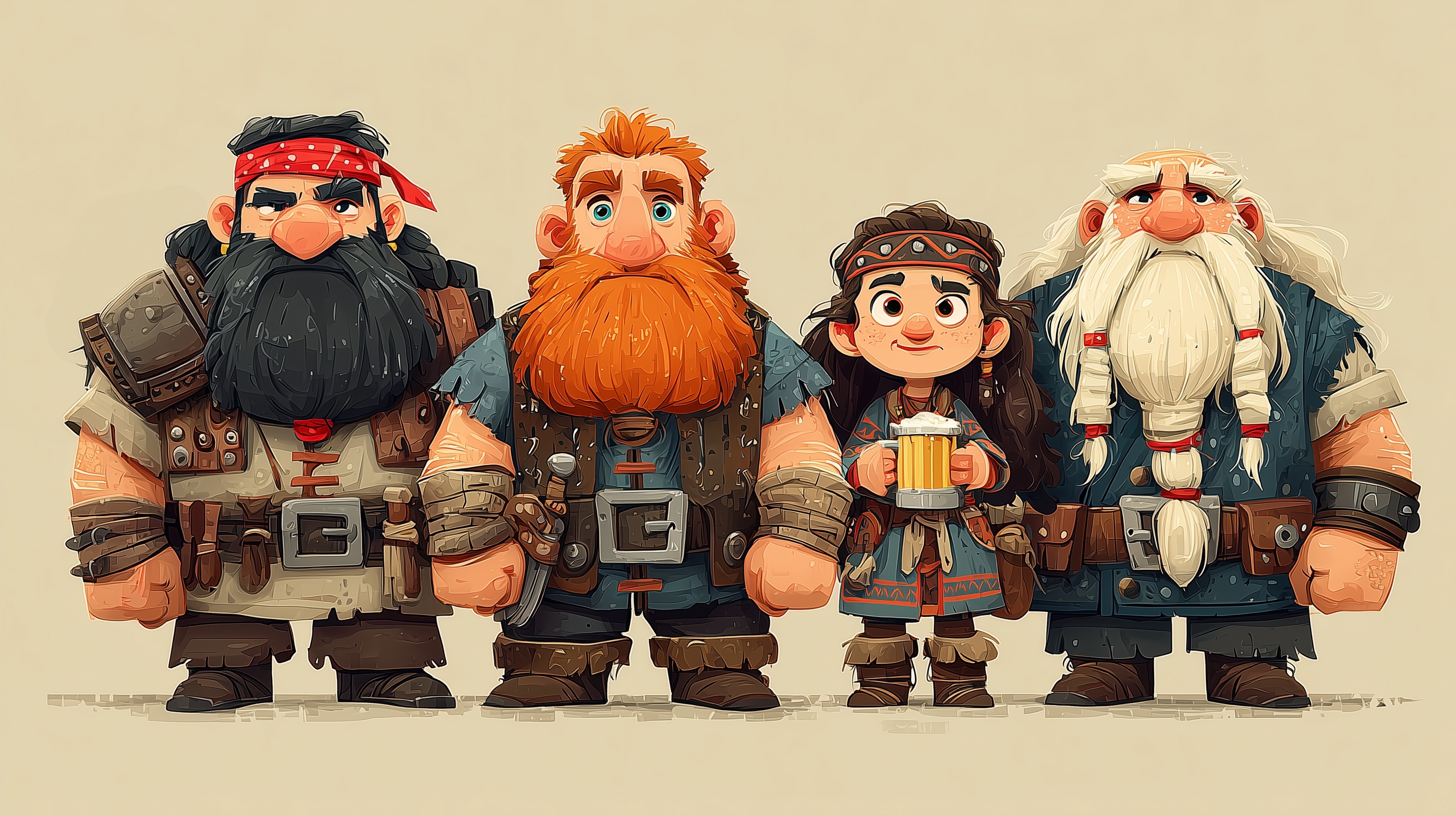

Culture

Culture and cultural heritage

“I watched them raise a hall once. By sunset it was done, and every hand that lifted a beam shared the same grin. Among dwarves, work itself is the holiday.”
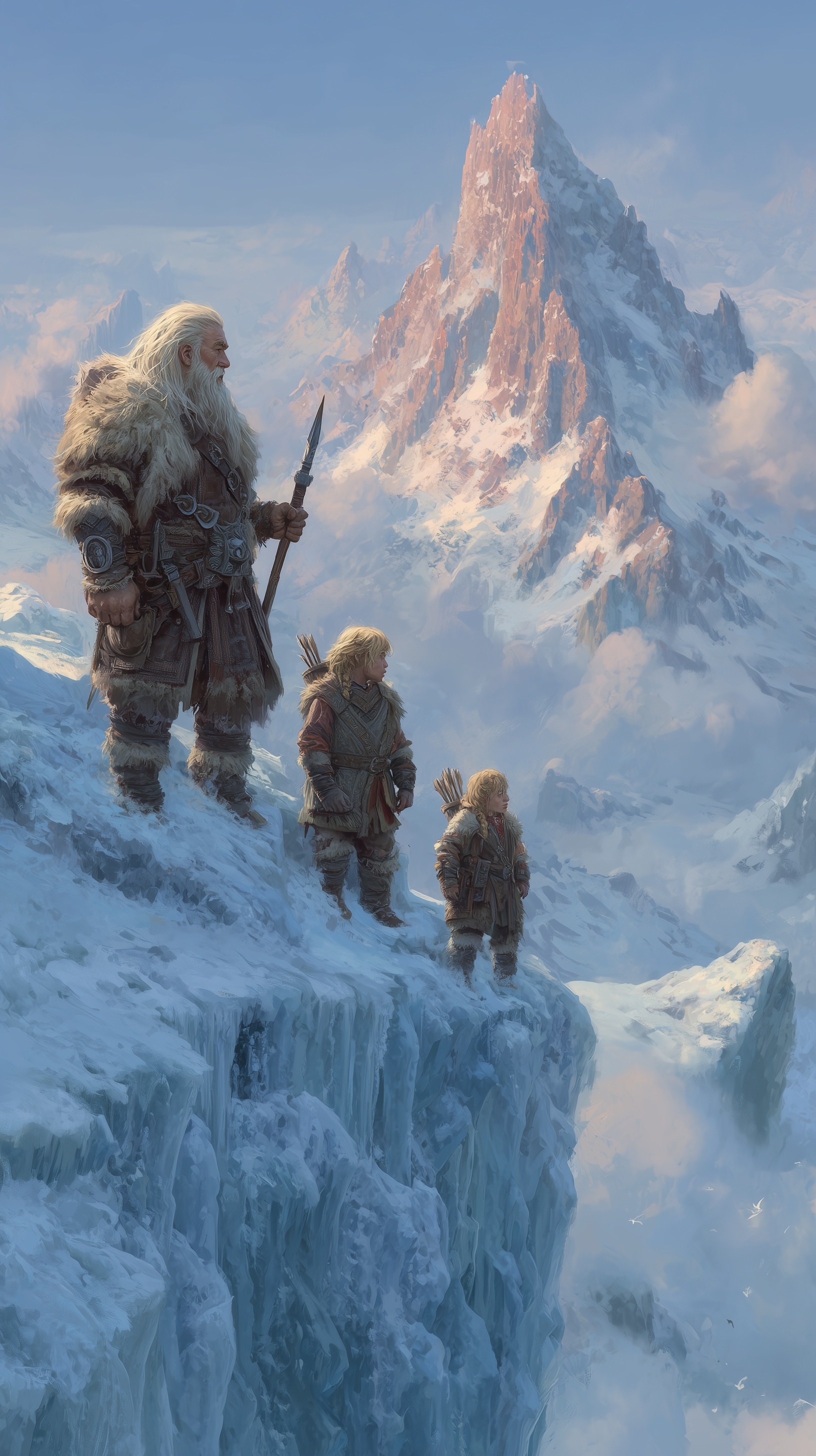
— Emilla Boone, bounty hunter

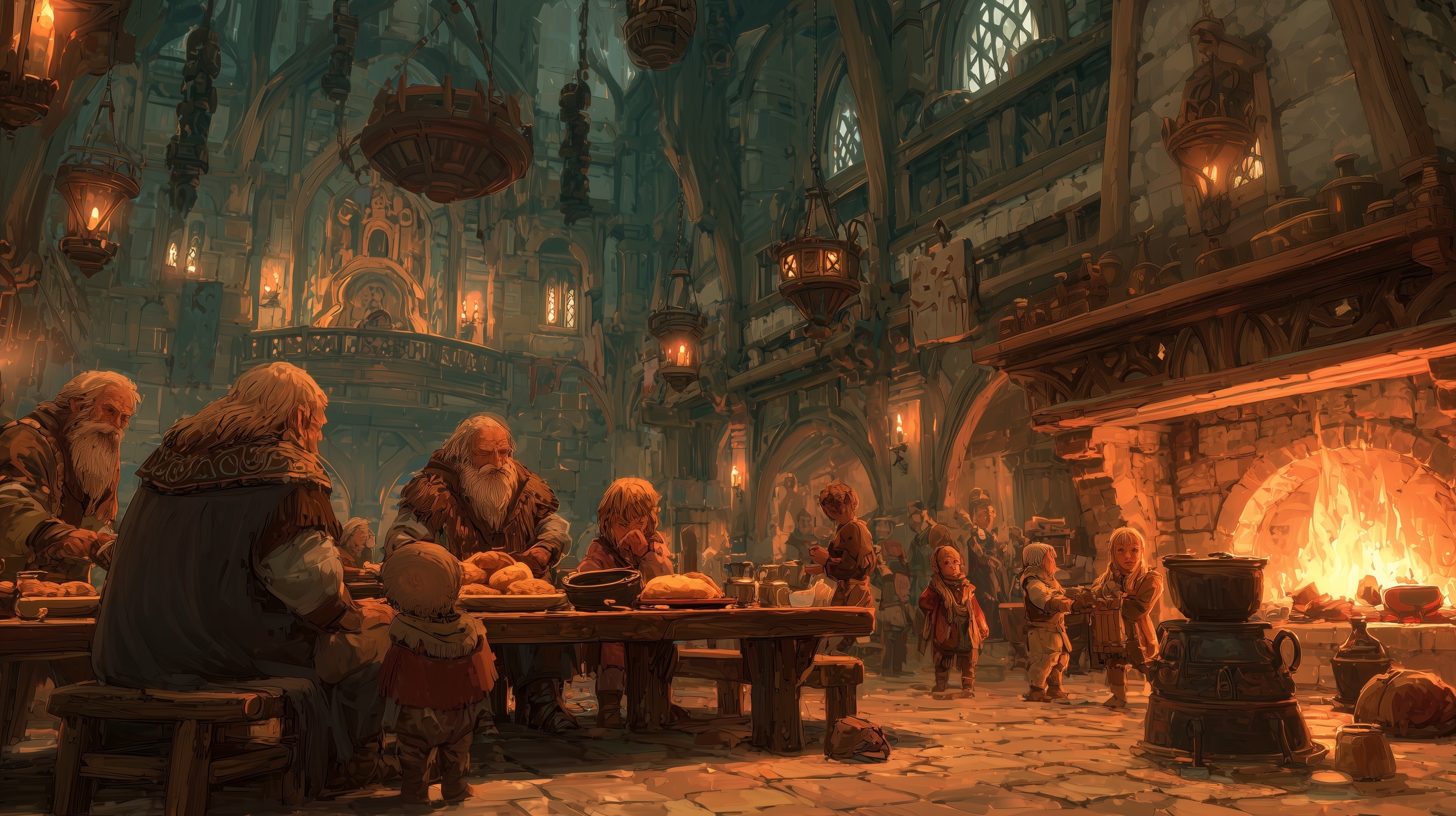
The culture of the Arin dwarves is a structure built from memory. Every gesture, phrase, and craft descends from the moment the mountain broke beneath them. They survived by rebuilding not only walls but meaning itself. What others call custom, they call reinforcement, each act a measure taken against the weight of forgetting. They see culture as an architecture of behavior. It must be maintained, repaired, and allowed to flex when time demands it. Nothing is sacred unless it can stand under pressure.   Their lives are paced by the rhythm of work and rest that defines their character. Morning begins with motion, often wordless, as each person takes up a task already waiting. No signal is required. The sound of tools and voices blending is enough. Evenings are communal and slow. Meals stretch into storytelling, songs thread between the sentences, and laughter grows from exhaustion rather than mirth. The cadence of the day is a form of faith. To repeat the cycle without fail is to remind the world that collapse is not the final word.   Education is woven into this rhythm. Every child learns through observation and imitation. A dwarf’s first lessons are practical ones. They learn to balance a beam before they learn to write their name. Skill and literacy grow together until both are treated as forms of craftsmanship. Elders are not teachers in the formal sense but custodians of continuity. Knowledge is handed down through participation. A story or method is shared when it is needed, not when it is convenient. To withhold a lesson is considered an act of selfishness that weakens the entire community.   Language among them reflects the same structure. Dwarves prefer words that do work. Their speech is short, sturdy, and meant to fit together like joined timber. Phrases often double as proverbs, their meaning determined by tone rather than syntax. Silence, however, carries equal weight. To a dwarf, silence is not politeness but tension, the pause between cracks. When they speak, they do so with conviction, filling the air as if holding the world steady with sound. Even insult has purpose, for to argue is to remain engaged, and engagement is life.   Community life functions like a living framework. Every household supports the next, and the measure of wealth lies in what one contributes, not what one owns. Cooperation is instinctive. When a roof needs repair, no one summons help. Neighbors arrive with tools already in hand. Feasts and work gatherings are indistinguishable. Labor and celebration are understood as the same act viewed from different sides. Food is shared until it runs out, and gratitude is expressed through participation rather than praise. To refuse help is an insult. To accept it is a form of honor.
 
Hospitality has the force of law. Guests are welcomed before being questioned, their boots cleaned and their hunger answered before any talk of business. This practice is not mere civility but inheritance. When Deep Forge fell, survival depended on strangers opening their doors. That memory became custom. Every act of welcome reinforces the promise that no one will face ruin alone again. Even travelers of other nations speak of dwarven generosity as instinct rather than ritual, the reflex of a people who once knew cold silence too well.   Celebration itself is never solemn. The dwarves rejoice through work and noise, through food and argument and the satisfaction of a task well completed. Their festivals mark seasons of labor rather than religious events. Spring repairs, summer building, autumn harvest, and winter carving all hold their own form of revelry. Each gathering ends the same way, with the last of the drink shared until the cups stand empty. They claim that even the gods, if they still exist, prefer the sound of a well built table over prayer.   Music and humor serve as their safeguards against despair. The songs they sing are rough and unpolished, yet the harmony of many voices is its own kind of strength. Their humor is direct and often dark, laughter pulled from the same place as sorrow. They say a good joke is like a brace beam. It carries what might otherwise collapse. Among themselves, the boundary between affection and insult is thin. A sharp tongue is proof of trust. Strangers may mistake it for hostility, but those who stay long enough to listen understand that this roughness is warmth shaped into words.   Artistic expression flows through every household, not as luxury but as maintenance of the soul. Carving, metalwork, music, and storytelling are all viewed as the same essential craft. Each keeps the mind busy and the heart steady. Children learn to carve before they learn to write poetry, and both are treated as ways of making meaning visible. Even mistakes are preserved as lessons. A flawed carving is never discarded, only repaired. The mark of correction becomes part of the story. To erase imperfection would be to lie about endurance.   At its core, dwarven culture is a living response to collapse. It values continuity over perfection, honesty over ceremony, and shared strength over solitary achievement. Every gathering, every argument, every repair is part of the same slow rebuilding that began the day Deep Forge fell. They measure success not by beauty or wealth but by stability, by how long what they build can hold. Their culture endures because it is built on the same principles as their craft. It bends, it bears weight, and it never stops being made.


Shared customary codes and values

“They forgive with their hands, not their mouths. You wrong a dwarf, you fix what you broke. They will not say they forgive you, but one day you will find them beside you, helping.”
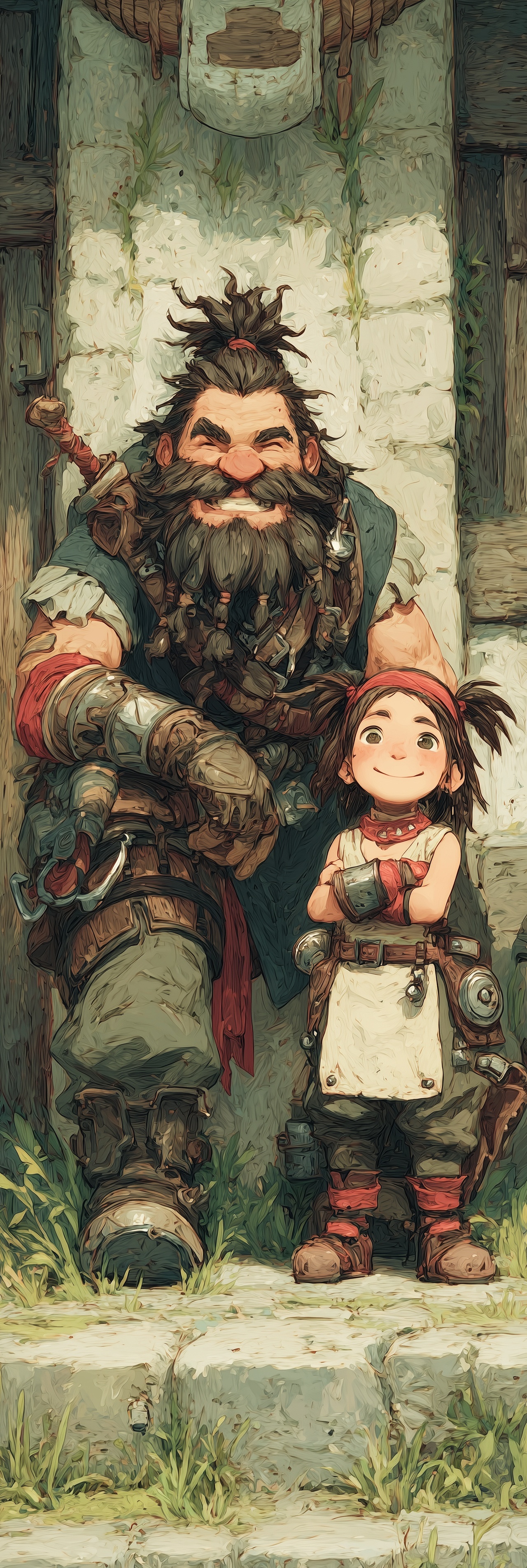
— Notes of a traveling mason from Lyanmar

The customs and shared values of the Arin dwarves form the framework of their character. They are not dictated by creed or scripture but by memory and habit. Each rule of conduct is a beam in a larger structure built from necessity. The collapse of Deep Forge taught them that survival depends on discipline, cooperation, and honesty. In the centuries since, those lessons have hardened into instinct. They do not speak of morality in abstract terms. To them, virtue is the difference between what stands and what breaks.   Trust is the cornerstone of every exchange. A dwarf’s word is not decoration. It is a contract as binding as steel, and to break it is to invite collapse. Oaths are given sparingly, and when spoken they are honored with relentless precision. The dwarves believe that a lie is not a flaw in character but a crack in the wall that supports everyone else. Once a person is found deceitful, their repair must come through action, not apology. Work is the only language that restores faith. Until a wrong is made right through labor, words carry no weight.   Work itself is the highest expression of faith and the purest form of communication. A dwarf trusts another who works beside them, regardless of class or lineage. Laziness is viewed not as weakness but as betrayal. Every hand must carry part of the weight, and every effort, no matter how small, is sacred. The most honored among them are not leaders or warriors but those who mend what others neglect. They see labor as proof of belonging. To refuse work when work is needed is to step outside the living circle of the community.   Honesty and labor are joined by respect, which the dwarves define as motion rather than deference. A dwarf shows esteem by showing up, by lending effort or attention where it is needed. Praise given without help is hollow. The loud debates that fill their homes are signs of involvement, not dissent. To argue is to care enough to stay. Silence, by contrast, feels like abandonment. It echoes the stillness that followed the Fall, a quiet they still fear more than death. Among them, to speak one’s mind is not rude but necessary maintenance.   Generosity sustains their way of life. Hospitality is neither performance nor duty but an unspoken reflex. Doors remain open, meals are shared, and travelers are treated as kin until proven otherwise. This tradition is both gratitude and defiance. Gratitude for the mercy that saved their ancestors, and defiance against the isolation that once buried them. The dwarves believe that to close oneself off is to repeat the same mistake that doomed Deep Forge. Every shared loaf and mended boot is an act of resistance against that silence.   Forgiveness is not granted by word or prayer but by restoration. To atone for harm is to rebuild what was damaged with one’s own hands. The process may take a day or a lifetime. When the work is complete, the wound is considered closed and no further mention is made of it. They see no virtue in carrying grudges, only wasted energy. To forgive through labor is to prove that even broken things can serve again. To forgive through talk alone is to pretend that nothing cracked.   Pride exists among them but in a quiet and disciplined form. They take satisfaction in mastery, in the precision of a joint that fits without force, in the steadiness of a task finished well. They admire cleverness that saves time and strength, but they despise vanity. To take more credit than one has earned is to shift weight unfairly onto others. True pride, they say, should be invisible, residing in the durability of one’s work and the steadiness of one’s word. Every achievement is measured by how long it holds after the maker is gone.   Their etiquette follows the same logic. Courtesy is direct and unadorned. Greetings are brief, often accompanied by the clasping of a forearm or the tap of a hand against a doorway beam to honor the structure itself. Prolonged pleasantries are dismissed as wasteful. What matters is acknowledgment, not ornament. In conversation they interrupt freely, voices overlapping in a pattern outsiders mistake for chaos. To a dwarf, interruption is not disrespect but proof of listening. The only true insult is neglect.   Waste, whether of time, material, or feeling, is the closest thing they have to sin. Every resource is viewed as part of a continuous chain that stretches backward to the dead and forward to those not yet born. To misuse that gift is to break the link. A dull tool is sharpened, a splintered beam reshaped into something new, a moment of grief turned into song. They are not ascetics. They enjoy food, drink, and craft with abundance, but excess without purpose is seen as foolishness. What cannot serve should feed what can.   Above all, the dwarves share one guiding conviction. The world endures only through participation. Words must be lived, structures maintained, bonds reinforced by use. To them, culture is not a code to recite but a pattern to repeat with care. Every value they hold returns to that same principle. The world will fall again if left unattended, but as long as there are hands to lift and voices to answer, it can be kept standing. In this belief, they find both purpose and peace.


Common Etiquette rules

“Their courtesy is made of wood, not silk. Rough to the touch, but it never snaps.”
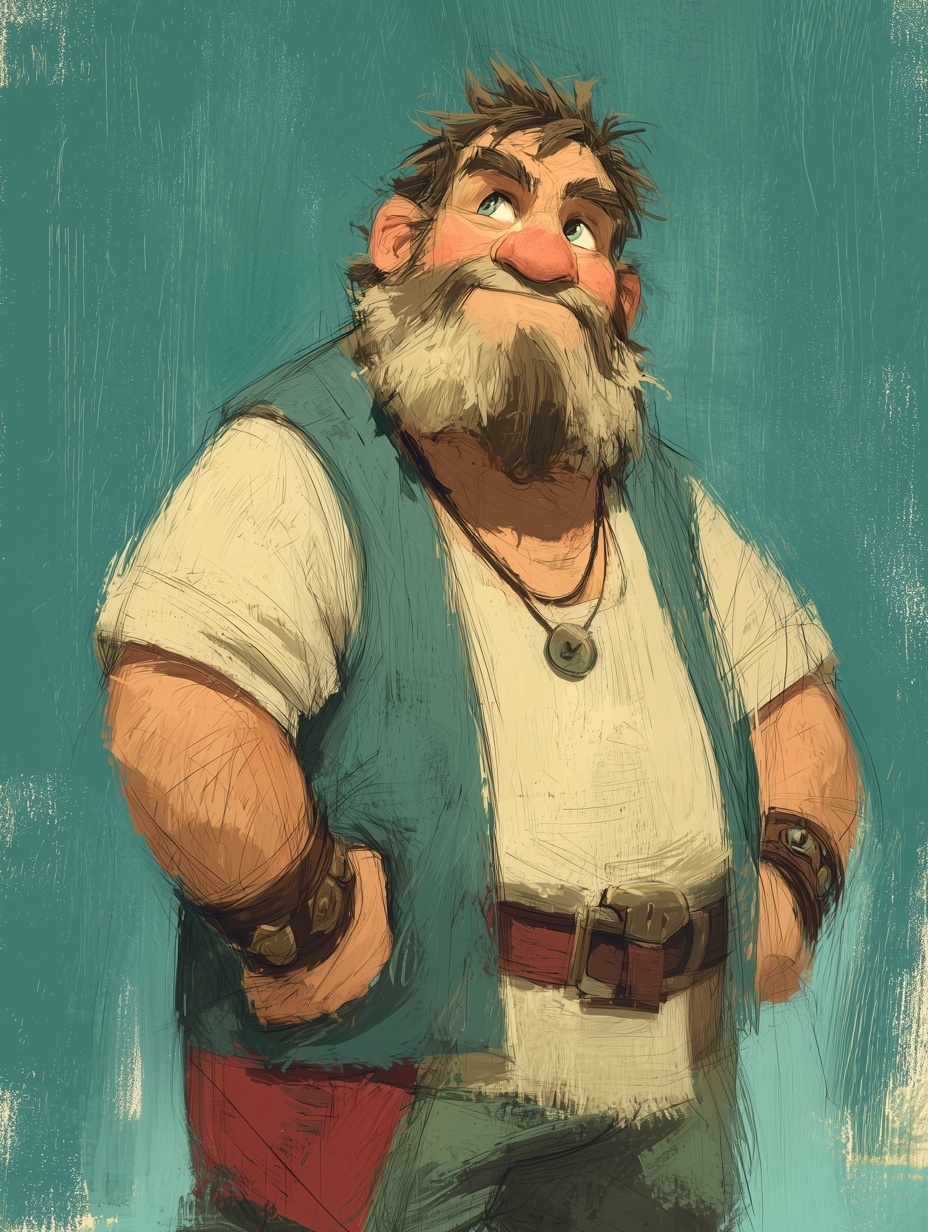
— Professor Alric Hest, Itoran Anthropological Society

Etiquette among the Arin dwarves is not a matter of refinement but of reliability. Their manners are shaped by the belief that honesty holds more value than elegance. They do not treat civility as a mask to hide behind. Instead, they see it as a form of structural integrity. Words and gestures must carry weight or they risk weakening the bond between people. A dwarf will speak plainly even when it offends because clarity prevents collapse. The highest courtesy they can offer is truth spoken without malice.   Greetings are brief and practical. A nod, a handshake, or a clasp of the forearm suffices. Some will touch the nearest beam or doorway post upon entering a home as a sign of respect for both the shelter and the builder. There are no flowery welcomes or drawn out exchanges. Acknowledgment is enough. What matters is recognition. To ignore someone entirely is the deepest discourtesy a dwarf can show. To be unseen or unheard is to be forgotten, and that to them is worse than insult.   Hospitality is considered the natural response to any visitor. Guests are fed before being questioned and are offered drink before conversation turns to business. The host eats last and serves first, a tradition rooted in the hunger that followed the Fall. Food and warmth are signs of trust, and refusal of either is viewed with confusion unless illness or fasting requires it. A guest is expected to repay kindness with small acts of help such as cleaning, repairing, or tending fire before leaving.   Public gatherings are filled with noise and debate. A quiet room unsettles them. They interpret silence as unease or mistrust. Voices overlap, laughter cuts through argument, and disagreement is treated as participation. Even insults are allowed within reason, provided they serve a point. To shout is not to lose temper but to reinforce conviction. When tempers fade, reconciliation is marked by shared drink or a returned tool, a silent signal that the argument has done its work and balance has been restored.
 
At the table, order follows the pattern of community. Food is shared rather than portioned. Bowls and plates pass continuously until all are satisfied. It is rude to begin eating before everyone has been served. Compliments are expected but must take the form of story or comparison rather than flattery. Silence during a meal is rare and considered ominous. To leave food uneaten is wasteful and disrespectful to the labor that produced it. Every bite is a small act of gratitude to those who endured hunger before them.   Within conversation, eye contact is essential. Avoiding it suggests dishonesty or shame. A dwarf who looks away while speaking risks being mistrusted. Gestures reinforce speech. A moving hand signals conviction while stillness signals indifference. Pointing is acceptable if it clarifies thought but never when directed at a person. Touch is common among friends and family, used to affirm rather than dominate. A hand on the shoulder means comfort or agreement. A grasped wrist means urgency or truth.   Deference to rank or age is expressed through attention, not formality. Younger dwarves listen before speaking and may show respect by echoing the phrasing of an elder’s words. Superiors in trade or governance are addressed by title once and by name thereafter. Excessive humility is unwelcome. The dwarves consider it dishonest to deny one’s worth. True respect lies in mutual competence, not submission. Everyone, from apprentice to master, contributes a different kind of strength to the same foundation.   Appearance and presentation are guided by utility. Clean hands, mended clothes, and well kept tools signify respect for oneself and others. Ornament is minimal, though craftsmanship is everywhere visible. Jewelry is worn only if it tells a story of work or memory. A ring might honor a project completed, a clasp might mark a family alliance. To display wealth without meaning is distasteful. It implies pride without substance and weight without support.   During mourning or celebration the same customs apply. Emotion is meant to be shared openly, never hidden behind decorum. Tears and laughter belong side by side. The dwarves believe that sincerity maintains balance in the structure of the heart. To hide grief or joy would be to leave a space unfilled, and empty spaces are dangerous. Every gathering, whether for a birth, a wedding, or a death, carries the same rule. Speak freely, feel deeply, and remember that silence is the only offense.   In every gesture, dwarven etiquette serves the same purpose as their craft. It keeps the lines between people strong. Manners are not performance but maintenance, the daily repair of trust through small, deliberate acts. To live among them is to learn that courtesy is not a costume but a tool. Used correctly, it holds communities together as surely as mortar holds stone. Used poorly, it leaves cracks that no apology can mend.


Art & Architecture

“They do not worship the gods of perfection. They worship the act of doing things right.”
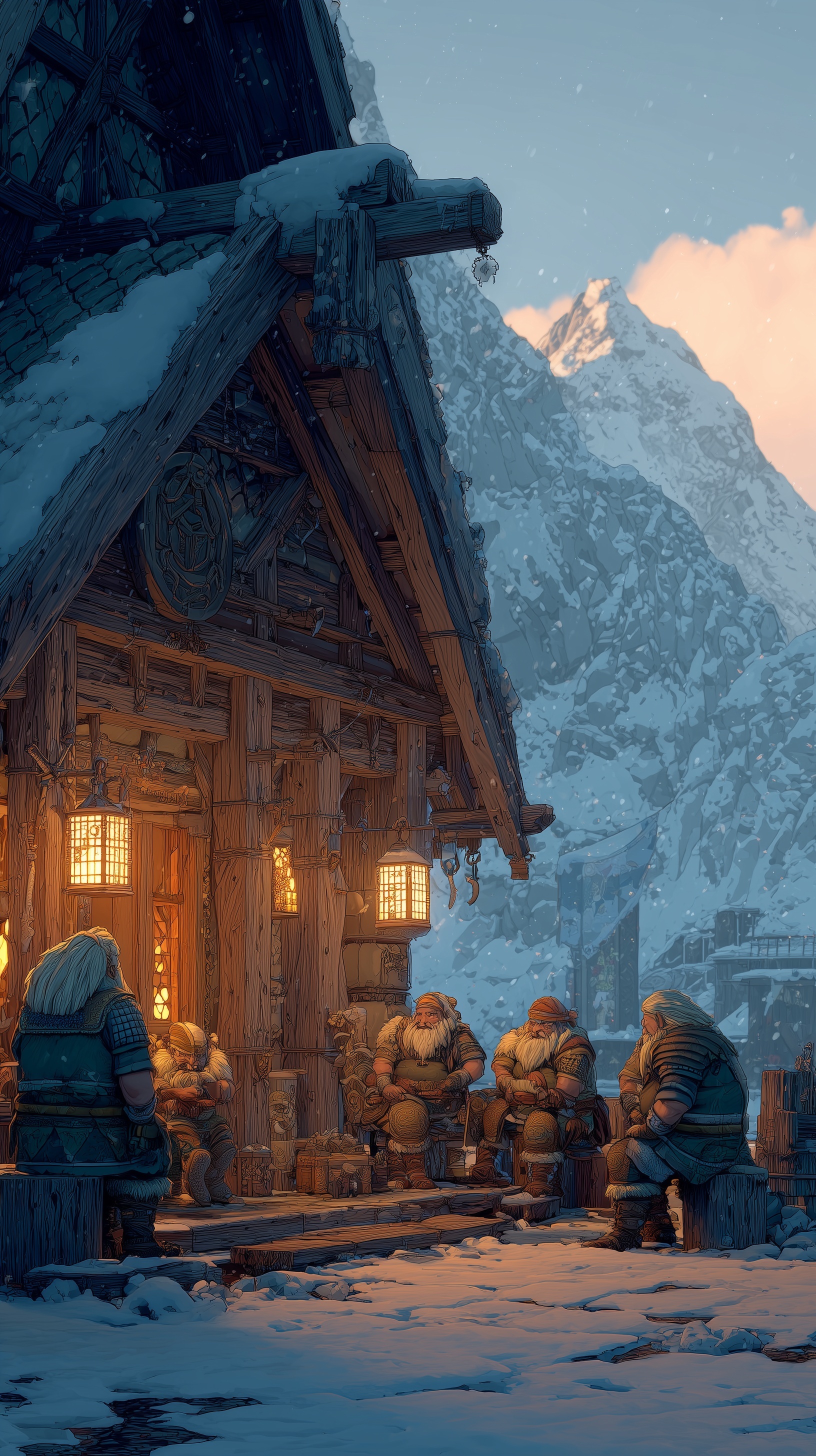
— Jasta Navar, Cleric's Guard of the Church of Derenthen

The art and architecture of the Arin dwarves are acts of remembrance disguised as labor. They no longer carve their homes from the belly of the mountain but raise them in conversation with the sky. Each beam and joint is measured with an eye toward endurance, yet every line breathes with an understanding that the world must bend to remain whole. Wood has become their truest medium. They shape it with reverence, trusting its ability to flex and live where stone once betrayed them. Buildings are designed to expand and contract with the seasons. The walls creak softly in winter and settle again when the thaw comes, the sound reminding them that even a home is a living thing that endures by movement.   Within every settlement, there are structures that serve both as dwelling and expression. Long halls stretch between groves where roofs are curved to guide wind rather than resist it. Windows are cut wide to welcome light and the scent of rain. Pillars are carved with shallow grooves that echo the grain of the trees from which they were taken, as if the builders sought to return them to memory. No two halls are ever the same, for no two trees grow alike. To walk through a dwarven town is to see a forest reborn in deliberate order.   Gardens form the heart of these places. Every household cultivates one, whether a narrow strip between walls or an open courtyard filled with moss and fruit. These gardens are not luxury but devotion. They are tended as proof that life can take root even after collapse. Many are enclosed in glass and resin domes that glimmer like captured dawn. Inside, vines climb carved trellises and flowers bloom in patterns chosen to mirror the flow of old forge fires. The air smells of cedar and soil rather than ash, and the warmth within is considered sacred. To a dwarf, tending a garden is an act of rebuilding the world in miniature.   Among their most intricate arts is the shaping of small trees, a practice known simply as the Keeping. It began as therapy for those who survived the Fall, a way to quiet trembling hands. Over time it became a meditation shared by all. A dwarf shapes a young tree not to control it but to guide its strength, coaxing it to twist and reach in graceful defiance of the wind. Each bend is planned years in advance. The trees are never cut for display. When they grow beyond the vessel that first held them, they are planted in communal soil to live as testament to patience. In these living sculptures, the dwarves see endurance without rigidity and beauty without fragility.
 
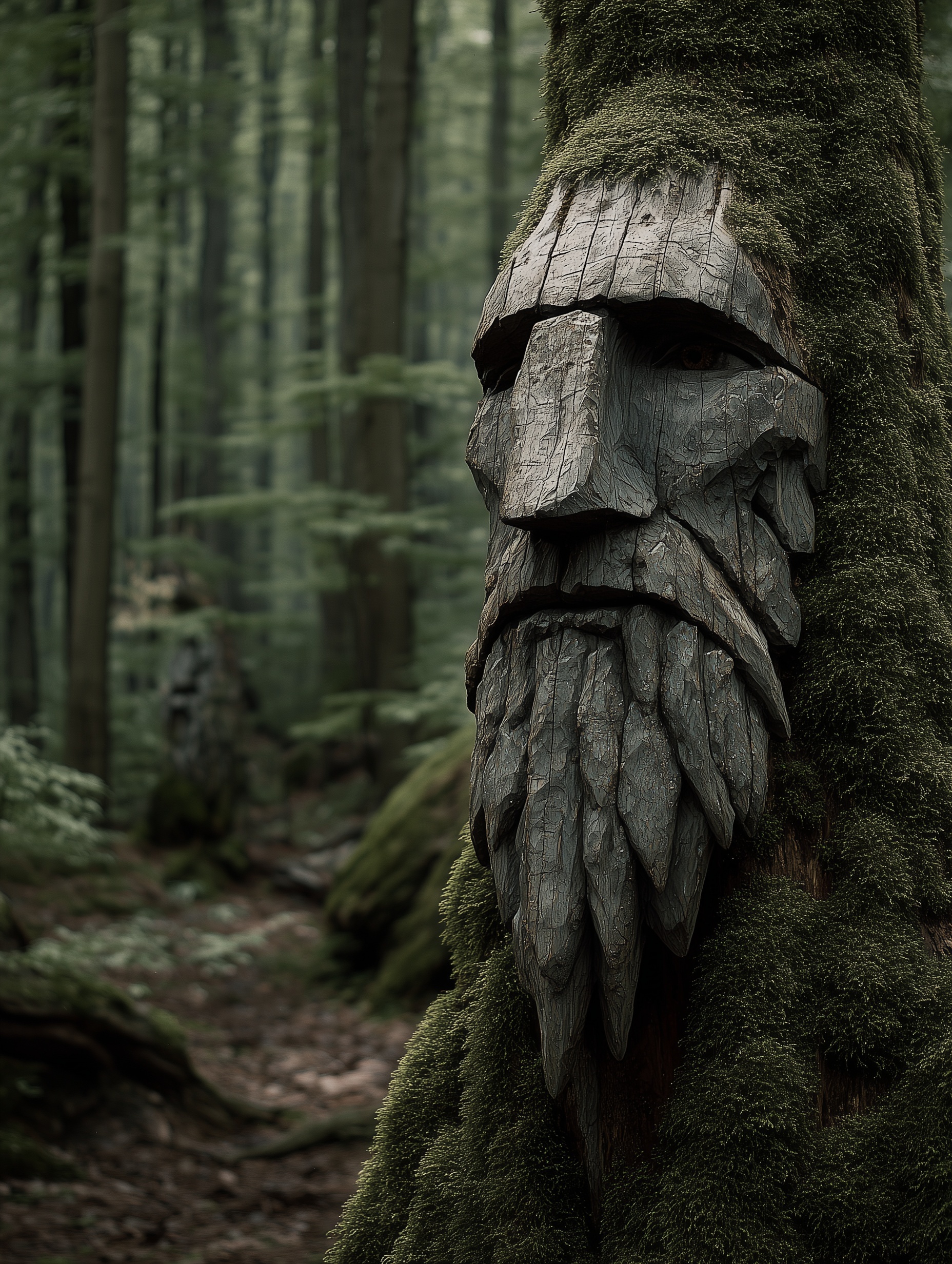
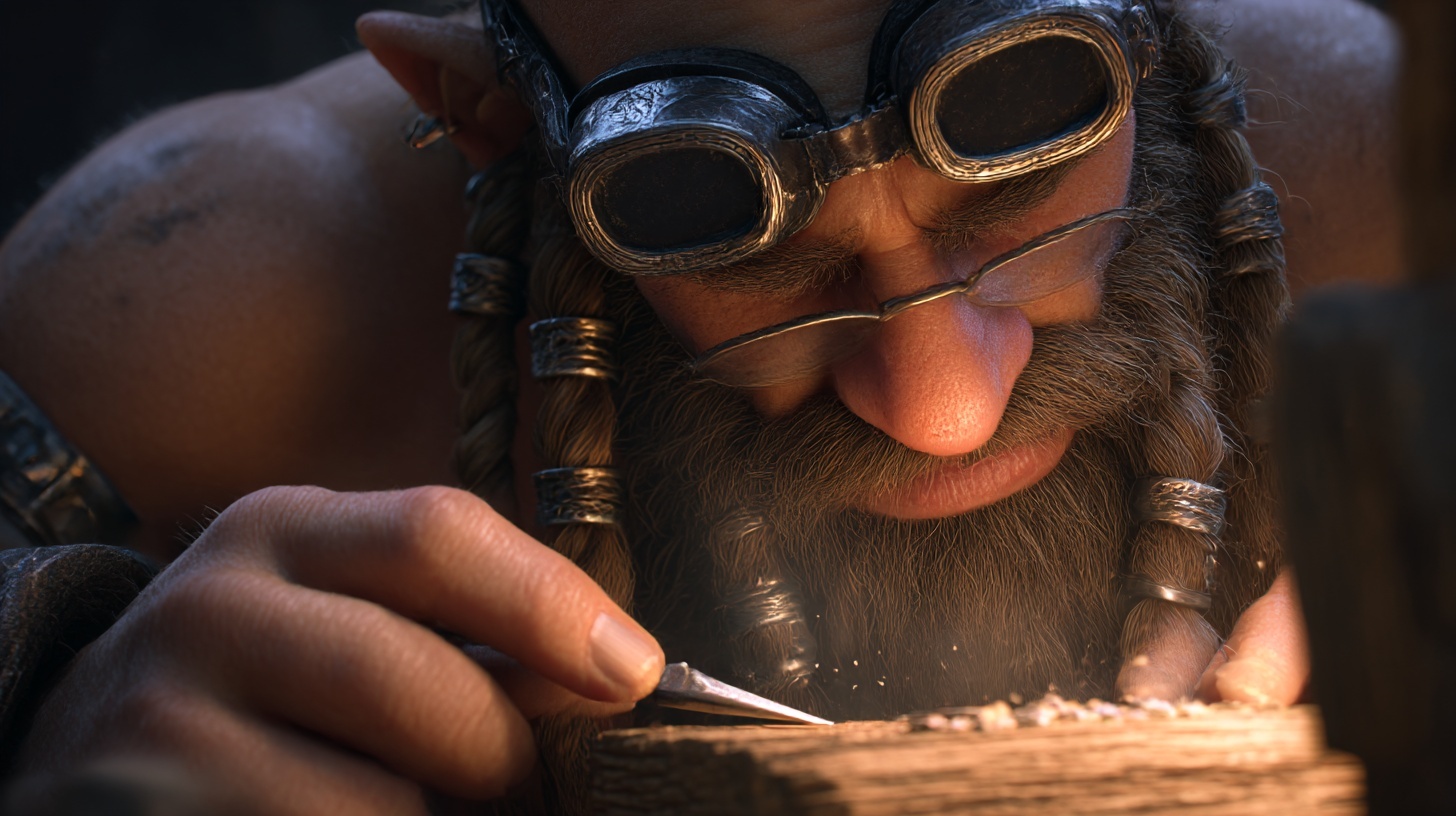
Wood carving remains the most widespread expression of dwarven artistry. Tools, bridges, toys, and walls all bear the trace of a carver’s hand. The patterns are often geometric, yet they follow the natural curve of the grain as if continuing a story that the tree began. Carvings serve practical purposes, directing water, strengthening joints, or diffusing light across surfaces. Even the smallest ornament carries intention. A carved beam above a doorway may hold the likeness of an ancestor. A fencepost might hide a blessing against weather and loss. These works are not decoration but dialogue between maker and material.   Metalcraft holds a quieter but equal place in their art. The dwarves still forge blades and tools, yet the old hunger for mastery over metal has softened into partnership. They work bronze and silver into fittings that move with the wood they join. Hinges breathe, locks hum with balance, and chains flex with near organic grace. Every piece is meant to be opened, repaired, and reused. The act of shaping metal is no longer conquest but conversation. The metal answers with sound, and the smith listens until it sings true.   Their greatest works combine both trades. Doors are built with lattices of copper veins running beneath panels of polished oak. As air shifts through them, faint tones hum in harmony with footsteps. Bridges curve in quiet arcs where beams of pine meet rivets of silvered steel. Even tools become objects of grace. A chisel or hammer is shaped to rest perfectly in the hand, its weight balanced not for force but for rhythm. The dwarves believe that the measure of a tool’s worth lies in how many lives it can serve before it must be replaced.   Public spaces often mirror the old forge halls but without their darkness. Sunlight is guided through high openings to fall on communal tables where wood and metal meet in lines of deliberate proportion. Walls are marked with murals carved in shallow relief, each panel a story of work or memory. Beneath the carvings stand wooden statues known as the Watchers. Their faces are solemn, their eyes fixed toward the direction of Deep Forge. The dwarves say they are not idols but witnesses, reminders that even ruin can be rebuilt if one keeps watch long enough.   Music and motion are woven into their building practices. When a hall is raised, workers sing to keep the rhythm of the lifting and to honor those who carved the timber. These songs are old and without author, their verses worn smooth by repetition. The finished structure holds the echo of the melody in its beams. Visitors often claim that when the wind moves through the rafters, it hums softly like a remembered tune. To the dwarves, this is not superstition. It is proof that sound, like labor, leaves a mark that endures.   In all these creations, art and architecture share the same purpose. They are not built for grandeur or spectacle but for continuation. Each carving, each joint, and each growing thing is a promise that the world will not fall silent again. The dwarves of Areeott build so that their children will have something to add to rather than something to mourn. Their homes are not monuments to survival but evidence of living hands that refuse to let the world collapse a second time.


Foods & Cuisine

“I spent three months among the dwarves of Areeott and never once saw the bottom of a bowl. Everything they cook could feed a village or drown a man trying. Their bread could stop an arrow, their liquor could melt it, and their stews taste like they threw the whole pantry into a pot just to see what survived. They call it hearty. I call it punishment with seasoning.”
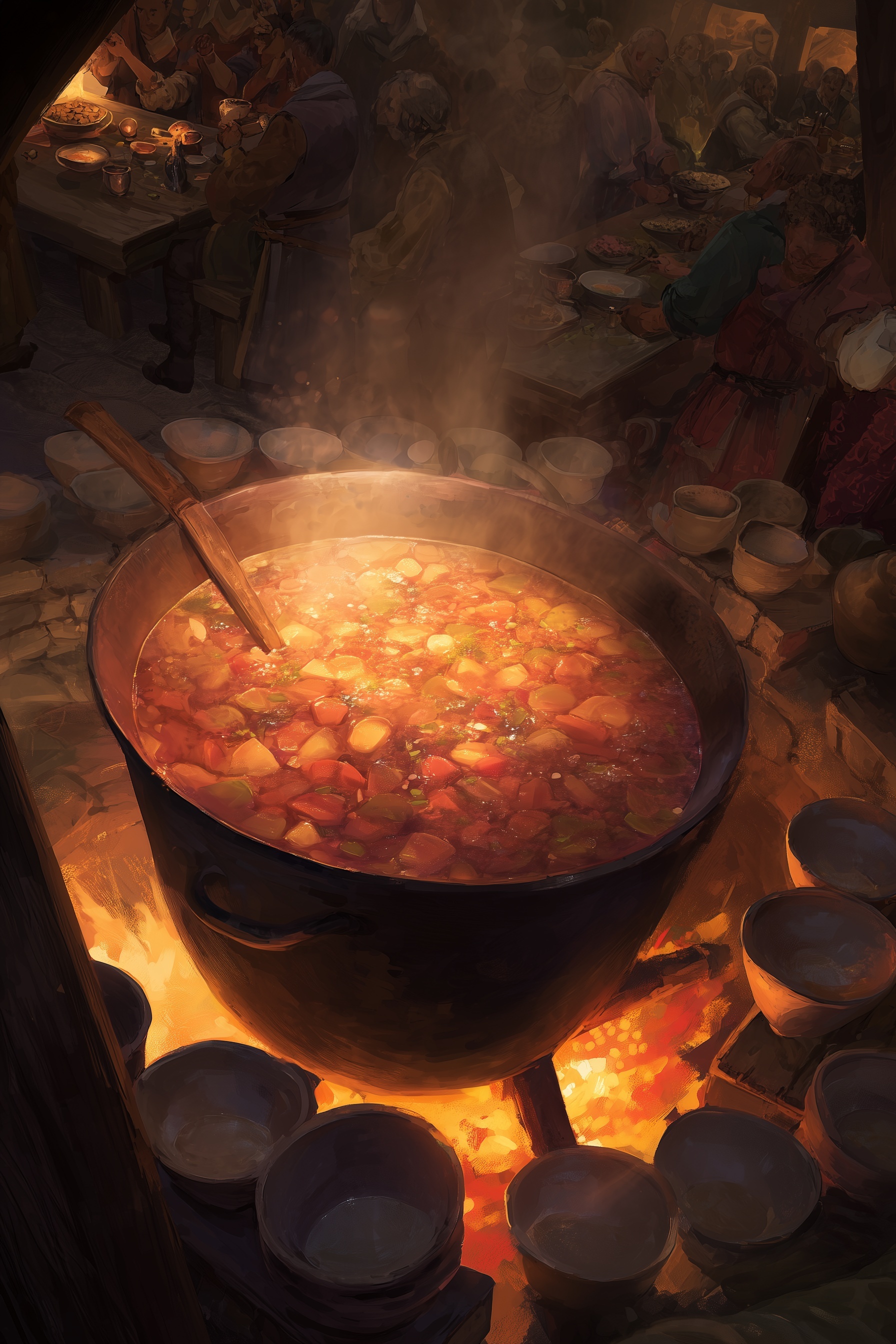
— Captain Rhal Tenver, Air Harbormaster, Crossroads at the Vale

Dwarven cuisine is built to sustain more than bodies. It keeps hearths alive, tempers steady, and conversation flowing deep into the night. Food among the Arin dwarves is never quiet or refined. It is meant to be shared, loud, and heavy enough to remind everyone that survival once depended on how much could be carried in a single pot. The meals of their ancestors began in desperation during the years after Deep Forge collapsed. They cooked what they had, whatever would keep through the night or stretch to feed another mouth. Over centuries, those rough stews became the foundation of a cuisine that still values abundance over delicacy.   The centerpiece of most gatherings is the kettle stew. It simmers all day and welcomes anything that the season or the hunt provides. Root vegetables, mountain herbs, salted meat, and beans thicken into a rich broth that is never quite the same twice. Every family guards a preferred mix of spices, though most include wild garlic, mustard seed, and crushed juniper. The dwarves joke that a good stew should hold a spoon upright without help. Guests eat straight from the pot, ladling their own portions, and it is tradition that the cook serves themself last. The bottom of the kettle is reserved for whoever worked hardest that day.   Bread follows every meal like a promise. Dwarves are unmatched bakers, their loaves dense enough to feed a crowd or to stop a knife. Bakeries line the markets of Areeott, their ovens burning from dawn to dusk. Each village has its signature style. Some loaves are dark and sweet with malt and honey, others pale and crisp with a shell that cracks like frost under a boot. Bread is never sliced before the meal begins. It is torn and passed by hand, each piece still warm enough to steam in the cold air. Butter, rendered fat, or spiced honey are common accompaniments, and any visitor who refuses a second helping will be met with gentle disbelief.   Soup is a daily staple, served in small bowls at every table regardless of wealth. It begins as broth from the previous night’s stew, stretched with fresh vegetables or barley. On harsh days it might be fortified with bits of sausage, smoked fish, or strips of cured ham. The dwarves consider it a duty to make something from what remains. Waste is a sin, and every pot of soup carries the memory of another meal within it. When a guest arrives unexpectedly, soup is the first thing they are offered, even before a seat by the fire.
 
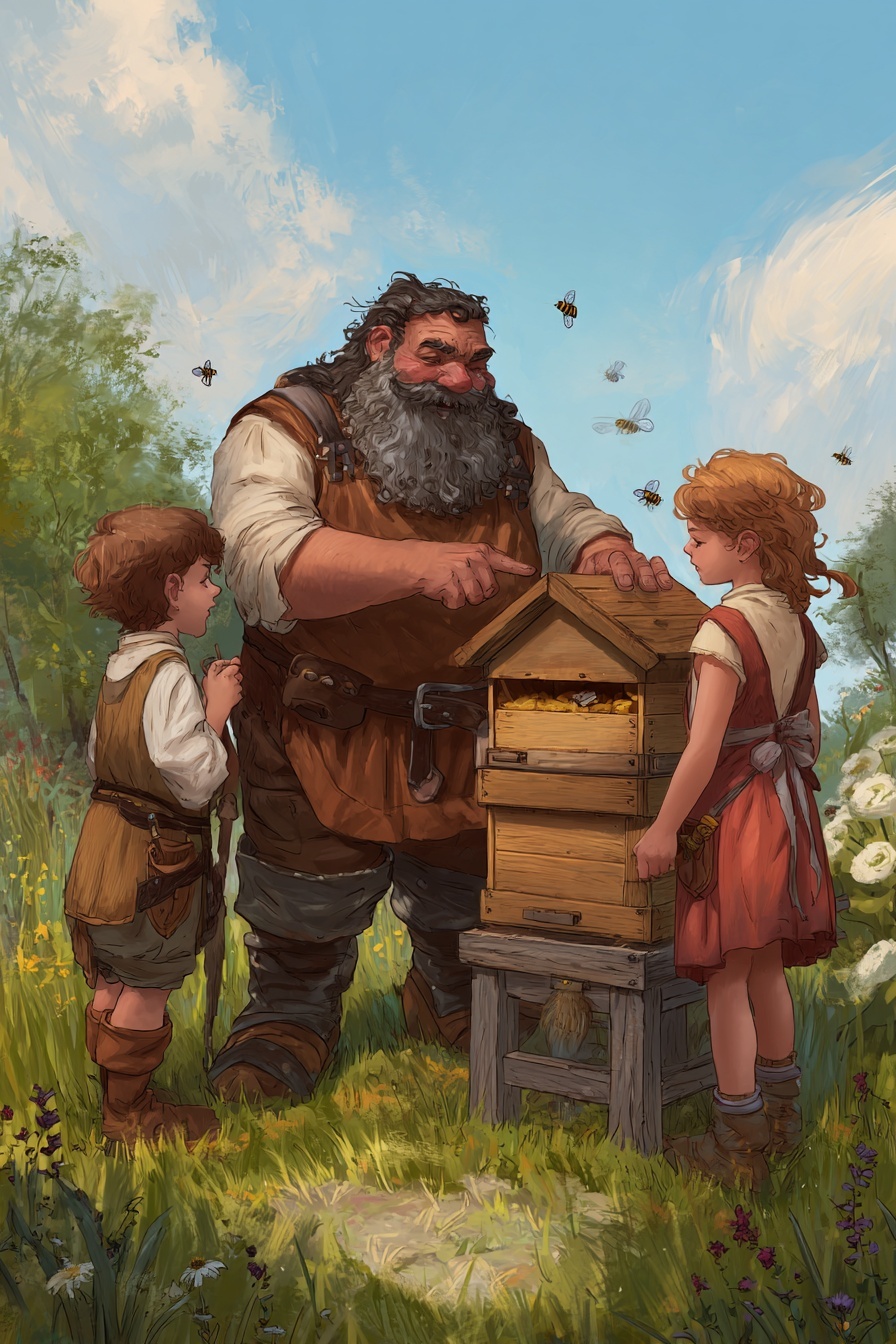
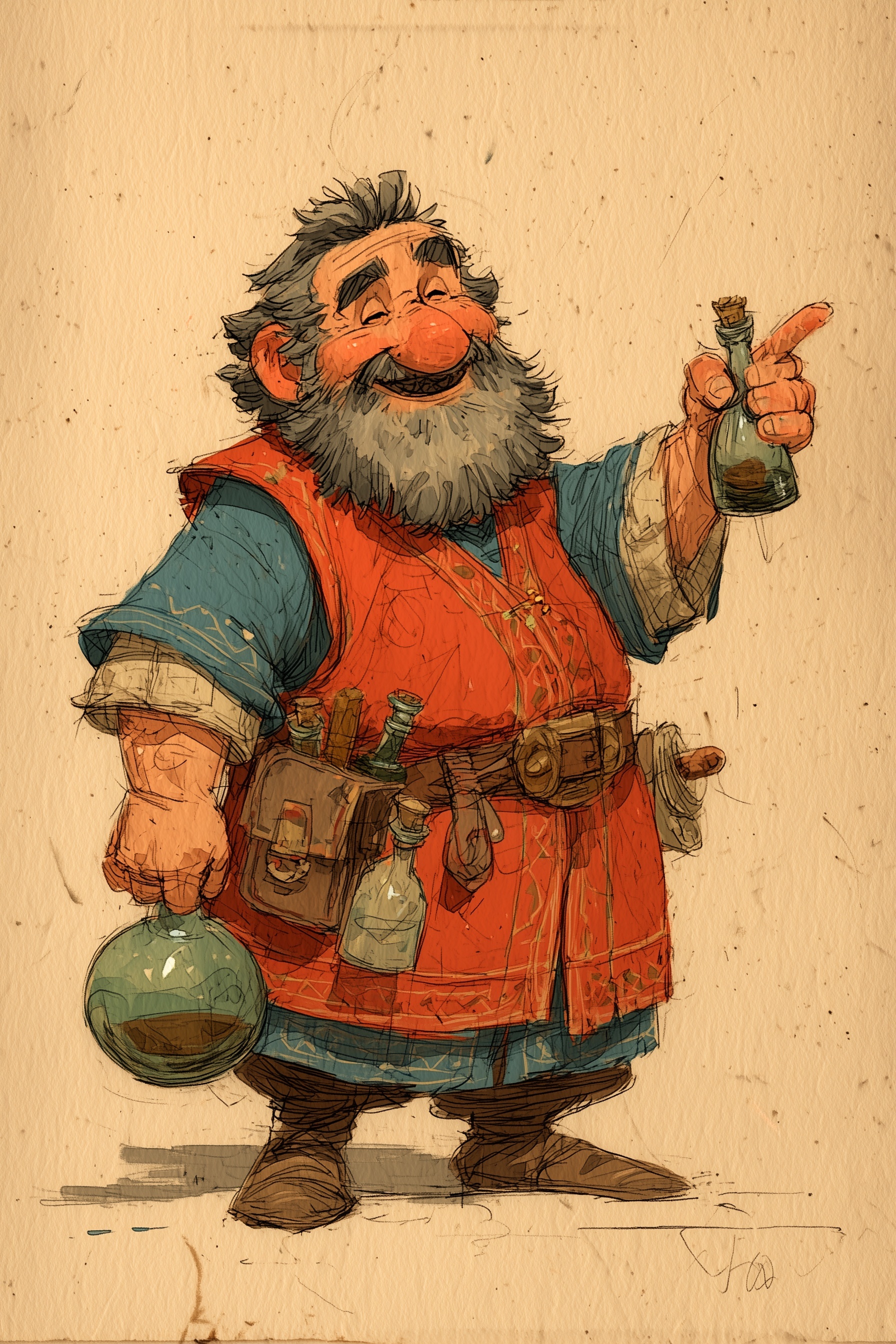
Meat is prepared in ways that match the landscape. Smokehouses and mountain air produce cured ham, salted beef, and link sausages packed in thick casings. Hunting is common among rural dwarves, and game such as hare, boar, and wild turkey fills the winter cellars. Nothing goes to waste. The fat becomes tallow for lamps, the bones become stock, and the hides are traded or used for tools. Meals are often served family style, a table crowded with bowls and platters, the air thick with the scent of herbs and roast. For dwarves, to eat alone is to eat poorly.   Pickling is both preservation and art. Jars of onions, roots, and mushrooms line every pantry, their brine bright with vinegar and mountain honey. These pickles cut through the richness of stews and meat, balancing warmth with sharpness. In lean months they serve as reminders that life can still taste alive. The oldest families maintain cellars that glow with rows of colored glass, each jar marked with initials of the maker. When a child comes of age, they are given their first jar to seal. It is opened the following year and shared with the neighbors to mark another season endured.   The true pride of Arin cuisine, however, flows rather than stews. Their liquor is called grennach, a clear honey spirit distilled from mountain mead. The beekeepers of the high valleys tend hives built into carved wooden walls that hum through the summer. Their honey is dark and strong, flavored by alpine flowers and evergreen resin. When fermented and double distilled, it becomes a drink as potent as fire. A swallow burns the throat and settles into a deep warmth that spreads through the chest. Travelers claim that a flask of grennach can pull frostbite back from the edge if poured quick enough. It is tradition to keep a bottle in every hall, more medicine than vice.   The making of grennach is itself a ritual. Each distiller guards a private blend of herbs, usually including thyme, clover, and pine bud. The brewing process takes weeks, and when the first drop falls, it is caught in a wooden cup and poured onto the earth in offering. Every village hosts an annual tasting where casks are exchanged, arguments break out over flavor, and the night ends in song too loud for sleep. Despite the strength of the liquor, drunkenness carries no shame among them. They believe warmth shared is warmth earned.   Outside the cities, rural dwarves still keep bees as a mark of good character. A home with hives is considered blessed because bees demand care and patience. Many homes place small carved hives near their gardens, shaped like old forge chimneys. The honey gathered from them is used not only for drink but for glaze, preserved fruit, and the thick syrup poured over bread during winter feasts. Children grow up with honey on their fingers and the soft hum of bees in the walls.   If dwarven food has a single fault, it is excess born of affection. To dine in a dwarf home is to risk overindulgence. Elders insist that comfort is measured in full stomachs, not words. Visitors are urged to eat until they cannot, then told to have a little more for luck. The joke among travelers is that a dwarf can feed twelve people with what they call a light supper. To cook for two is an idea they still find impossible. A table that is not crowded feels wrong to them. In their eyes, food means nothing unless there is enough to share.   Their cuisine remains a monument to what they survived. It is built on warmth, weight, and generosity. Every meal is a memory of hunger answered, every drink a spark in the cold. The dwarves of Areeott do not cook to impress. They cook to endure, and in doing so, they have turned necessity into comfort, and comfort into art.


Common Customs, traditions and rituals

“The Watchers face the ruins for a reason. They are not praying to the past. They are making sure it never happens again.”
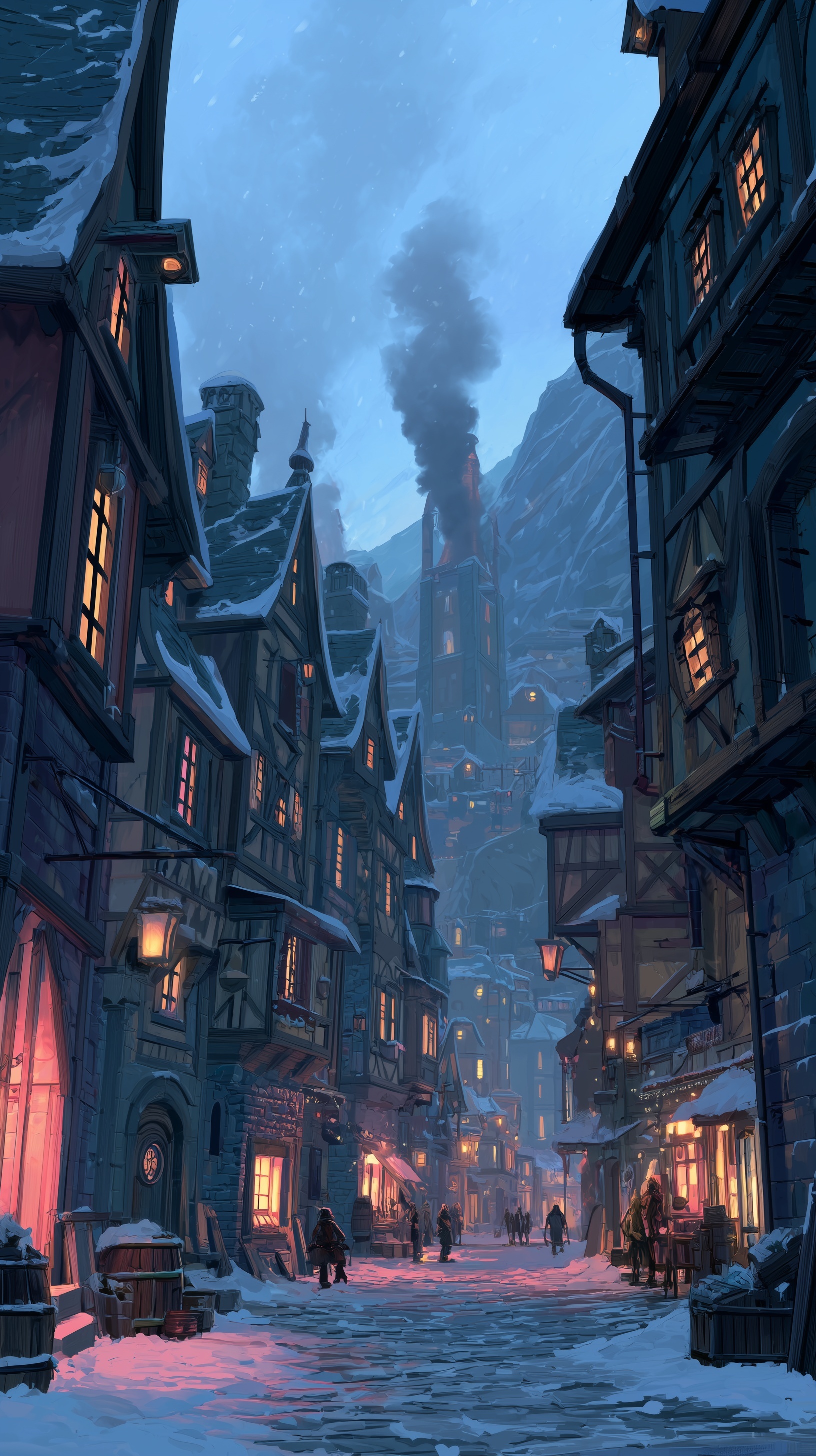
— Elder Brannoch of the High Pastures

The common customs of the Arin dwarves are quiet affirmations of endurance. They do not draw lines between work and ritual. Every action that preserves life or strengthens community carries the same sacred weight. These are not ceremonies born from belief but from necessity. Over generations they have become the rhythm of life, the repeated gestures that remind a people who lost their home that stability is not a gift but a practice.   Each day begins with the Lighting. At dawn a lamp or hearth is kindled in every home before a word is spoken. The act honors warmth and the return of motion. The first flame of the day is never struck for light alone. It is a promise that the house still stands, that hands still labor, and that no one within has surrendered to stillness. Even in summer, when daylight floods the windows, the lamps are lit in quiet remembrance of the darkness that once buried them.   Communal meals are the spine of dwarven life. Food is never eaten alone when companionship can be found. Families and neighbors gather in turns, each home hosting in a long rotation that can last an entire season. These meals are loud, crowded, and without formality. Songs rise between courses, stories blend with argument, and every dish carries the taste of someone’s effort. Guests are expected to help with serving, cleaning, or mending as part of the feast. The meal is less about nourishment than about the visible weaving of community.   The practice of the Handshare follows every major task or trade agreement. Two workers join hands, palms scarred or clean, and hold them until both nod in silent acknowledgment. No words are spoken. The gesture seals the understanding that each will uphold their part of the work. The same custom appears at the end of disputes, turning argument into contract. Even in grief, mourners will clasp hands across a grave as proof that the bond between the living has not cracked.
 
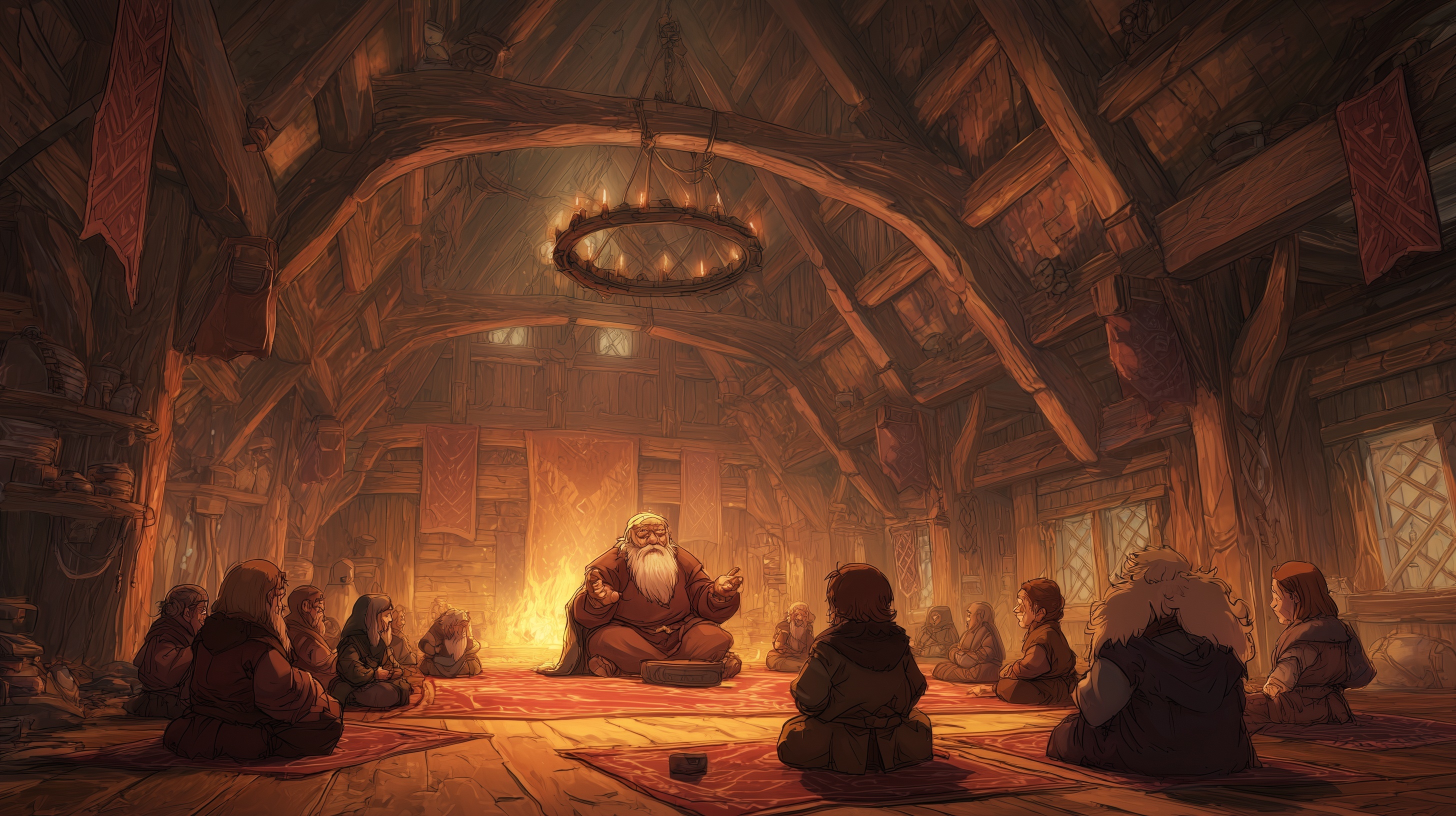
Seasonal rituals remain tied to the cycles of labor. In early spring comes the Day of Repairs, when tools are sharpened, beams are inspected, and roofs reinforced. The entire community participates, young and old alike. At sunset the first hammer blow is offered in memory of the dead whose work still holds. Summer ends with the Sharing, when trade goods and harvests are redistributed to ensure no household enters winter lacking. The act is not charity but balance, and the giver is thanked with labor rather than praise.   Winter belongs to the telling of stories. Families gather around the hearth to recite the sagas of the Fall, the founding of Areeott, or the small triumphs of daily life. Each telling changes slightly, shaped by the voice of the speaker, but the heart remains the same. Children are encouraged to interrupt, to ask questions, to argue over details. These interruptions are cherished because they keep the stories alive. To let a tale pass unchallenged is to risk letting it grow brittle and false.   The crafting of memory extends to objects. Every family keeps a Maker’s Shelf, a small space lined with tools and tokens representing past generations. Some hold a chisel, others a fragment of beam or carving. Once a year, each item is cleaned, repaired, or used to create something new. This ritual is called the Renewal and it symbolizes the joining of old labor with new. Even families who own nothing of their ancestors carve a simple piece of wood to represent the promise of what they will someday leave behind.   The giving of gifts follows the same principle. Store bought goods are rare. Gifts must be made or mended by the giver’s own hands. A repaired tool is worth more than a gem. A carving carries more meaning than gold. When a child comes of age or a friend departs for distant lands, they are given a token bearing the marks of shared labor, something that connects them to the hands of those who remain. To give something that cannot be used or repaired is considered thoughtless.   At dusk, many villages observe the Quiet Lamp. A single light is left burning in every window until the last resident falls asleep. The glow across the valley is said to resemble stars scattered on the ground. The custom began in the first years after the collapse, when survivors feared to sleep without proof that others were alive nearby. Now it is a gesture of comfort and vigilance. Travelers seeing the lights from afar know they are among people who remember what it means to be lost in the dark.   All these customs serve one purpose. They are the braces that keep life upright. The dwarves do not treat tradition as burden but as framework. Each small act, from lighting a lamp to carving a toy, reinforces the same lesson. Survival is a structure that must be built every day. What once began as coping has become culture, and through it the dwarves of Areeott continue to hold the world together, piece by patient piece.


Birth & Baptismal Rites

“A dwarf child learns two things before speech. How to hold a tool and how to share it.”
— Durgen Whitesteel, Takana House Guard

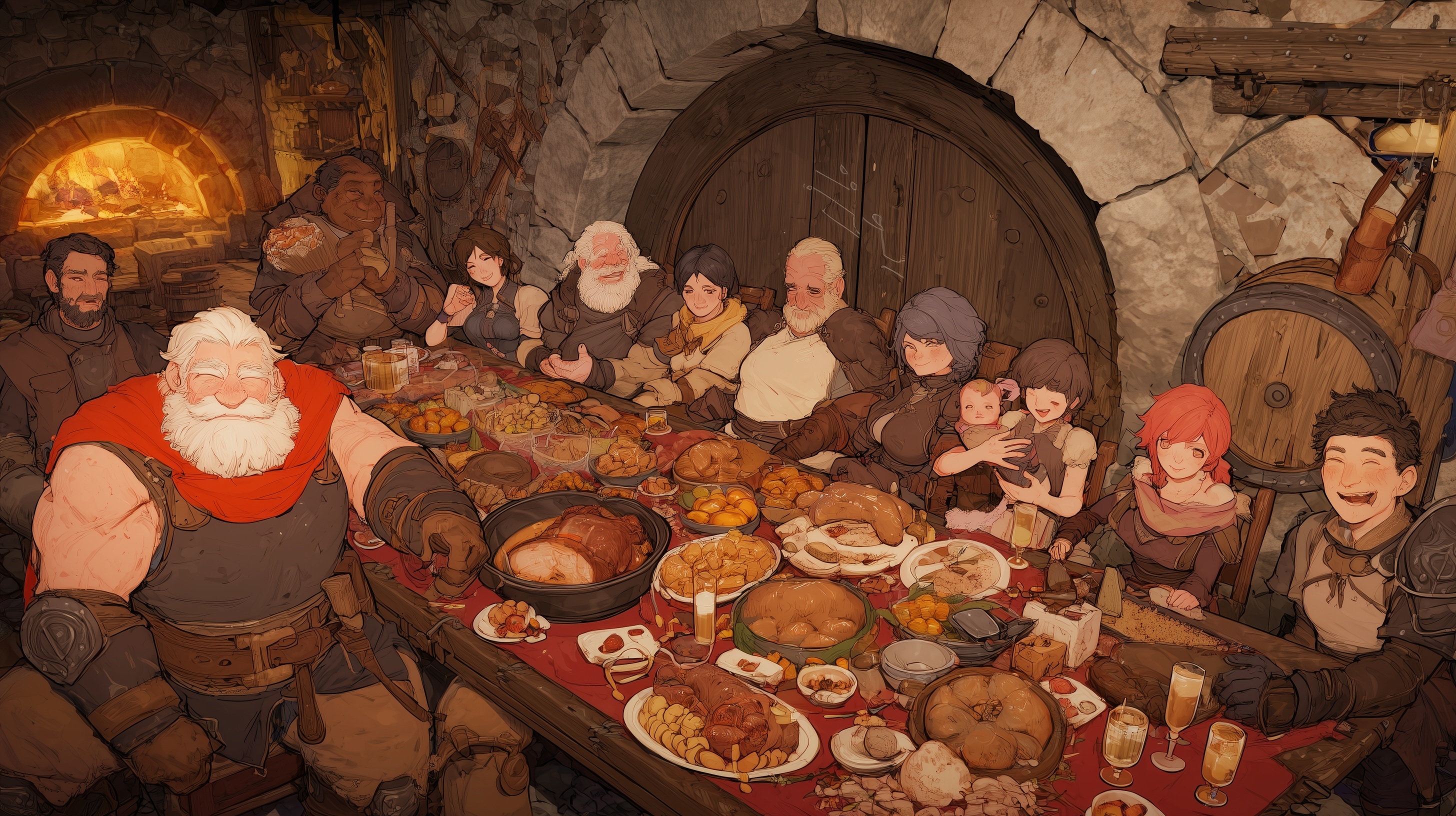
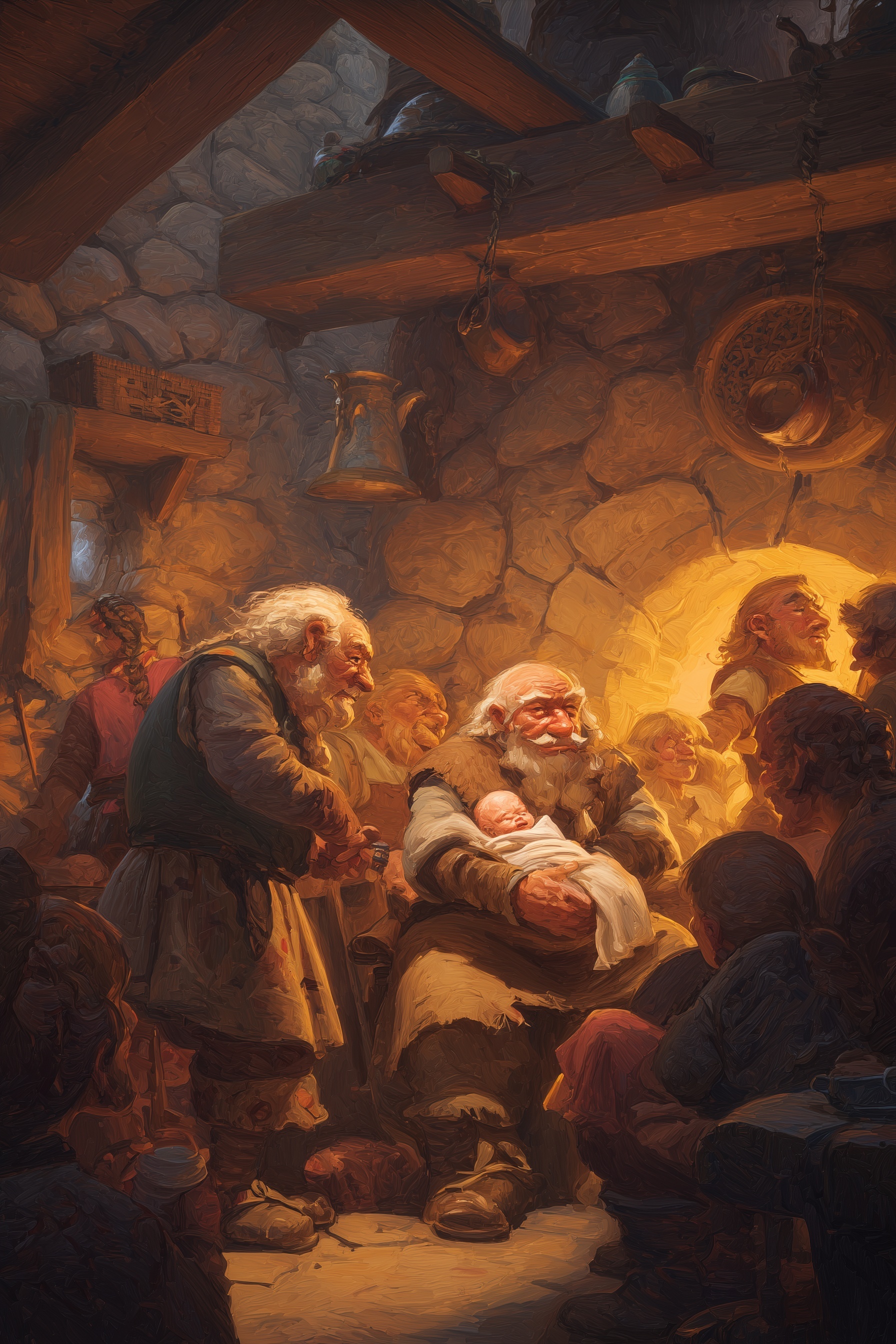
Birth among the Arin dwarves is never quiet. It is a house full of noise, food, and motion from the moment the child arrives. To them, a birth is not a private affair. It is a sign that the world continues to recover and that their people have not lost the strength to begin again. The first sound a newborn hears, other than its parents, is usually laughter from another room. Within hours, neighbors arrive with food, blankets, and bottles. No invitation is needed.   The celebration lasts five days. Each morning begins with quiet hours for family and close friends. They sit near the hearth while the new parents rest, speaking softly about patience, sleepless nights, and the stubbornness of children. By midday the house fills again with guests. There is always more food than anyone can finish. Visitors bring small gifts such as carved toys, woven shawls, or a basket of fresh bread. No one enters empty handed, and no one leaves without helping in some way.   Evenings belong to song and company. Stew simmers on the stove, and cups are passed around the room until the air smells of broth and honey liquor. The baby is shown to everyone who will have a hand in raising them. The older dwarves tell stories about their own childhoods or the children they raised. Jokes and laughter mix with quiet tears, and all of it feels natural. To a dwarf, love is shown through noise and effort, not ceremony.   The naming takes place on the fifth day. The family gathers before dawn while the house is still calm. A bowl of water sits on the table, taken from a nearby spring or melted snow. The parents dip their hands into it, touch the child’s forehead, and speak the chosen name aloud for the first time. There is no priest and no written record. The moment belongs to the family alone. The water ties the child to the land, the name ties them to the living, and both together mark their place in the world.   After the naming, everyone eats. Bread is torn and shared, and a small toast is raised to the future. The parents thank those who came to help, and the guests respond by promising their support in the years ahead. Dwarves do not believe in raising a child without the hands of many. From that day on, anyone present at the naming is bound by custom to watch over the child as kin.   When the last guests leave, they place small tokens on the hearth. Some are carvings, some are coins, others are simple scraps of wood marked with a name. These remain until morning, when they are gathered into a cloth pouch that will stay near the child’s bed. Each year, on the child’s birthday, one token is returned to its giver as a sign that the bond endures.   In the weeks that follow, neighbors continue to visit. They bring food, clean clothes, and advice that no one asked for but everyone appreciates. It is considered unlucky for a house with a newborn to fall silent. Someone always stops by to fill it with sound, even if only for a few minutes. A quiet home is a cold one, and cold homes do not belong in Areeott.   There is no formal baptism among the dwarves. Faith in gods does not guide their traditions. What matters is that the child’s first days are filled with warmth, company, and laughter. That is their blessing, and it is enough.   Births in dwarven communities are remembered not by dates but by the people who were there. When someone asks when a child was born, the answer is often a list of names rather than a season. To them, that is what a beginning should be. Not a moment marked on a calendar, but the memory of many hands holding one life steady.


Coming of Age Rites

“When your family tells you you’re grown, it’s not because they’re done with you. It’s because they believe you can carry part of what keeps them standing. That’s the proudest kind of weight you’ll ever lift.”
— Harnic Whitesteel, River District carpenter, Venlin

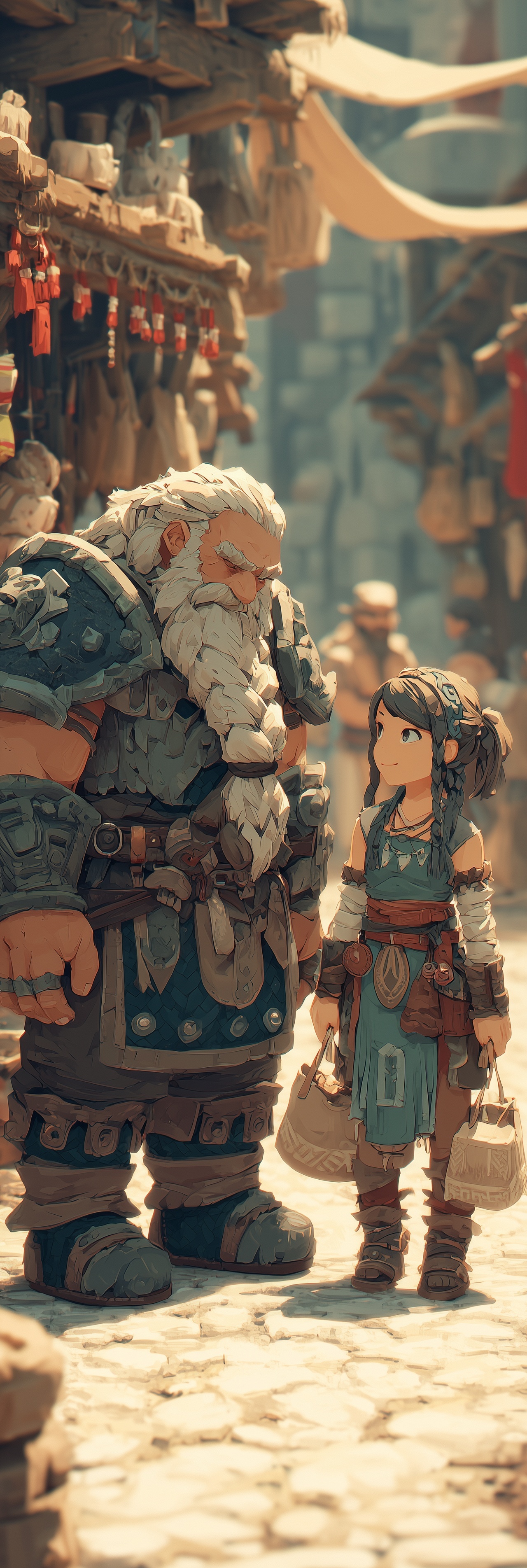
Among the Arin dwarves, adulthood has nothing to do with age or ceremony. It is measured in steadiness, in the way a person can be relied on when things start to break. You are grown when others can lean on what you know and not fall. There is no calendar for that, and no single sign that marks the change. The decision belongs to the family. When parents believe their duty in raising a child is done, they acknowledge it plainly and without spectacle.   It begins with a conversation at the family table. No warning, no gathered crowd, just an evening that feels like any other until the subject is brought up. The talk is honest and unhurried. Parents speak of what they have seen, of work done well and lessons learned, of moments when the child stood their ground. The child listens and answers in kind. When everyone agrees the time has come, a small fire is lit. Each person carves their name into a sliver of wood and sets it into the flame. When the burning ends, the ashes are scattered outside. It is a quiet gesture that says the family’s knowledge no longer belongs to the house alone.   Afterward, the new adult chooses a task that benefits the community. It can be anything that repairs, improves, or restores. A broken bridge, a weathered statue, a garden in need of tending. The point is not the scale of the work but the intent behind it. The act must serve others. No one directs the process, yet everyone watches. When the work is finished, the village gathers to see it and share a meal. There are no speeches or awards. Completion is its own proof.   No gifts are exchanged. The only tokens left behind are small carvings or bits of crafted wood placed near the finished work by those who care for the new adult. These marks are not offerings but reminders that strength exists within a network of hands. The finished piece is left untouched from that day forward. It stands as a visible record of a life beginning to carry its own weight.   The months that follow are the hardest. The new adult is expected to live with restraint, managing money, work, and home without help. Mistakes are expected and even welcomed. Elders watch from a distance, ready to guide but not to interfere. It is a test of steadiness rather than skill, meant to teach that independence does not mean separation. The dwarves believe that self-reliance only matters when it still leaves room for others.
 
Failure is not punished. Falling short and beginning again is part of the lesson. What matters is persistence, not perfection. The person learns how to measure effort, how to listen to advice, and how to ask for help without shame. These lessons are the true mark of maturity. The dwarves value someone who can admit uncertainty more than someone who pretends to have never failed.   When the year feels settled, the family calls for a meal. It is small, private, and familiar. There are no gifts or speeches, only food, laughter, and the comfort of those who know one another well. Toward the end, a final toast is raised. Parents drink to the child who is no longer a child. The moment is simple and absolute. The table quiets, the glasses are emptied, and the matter is never spoken of again.   From that night forward, the person stands as a full member of their community. They can take apprentices, vote in councils, and speak in decisions that shape their home. They are also expected to shoulder their share of labor and responsibility without being asked. Freedom and duty arrive together. The dwarves see no reason to separate the two.   For them, adulthood is not a goal to reach but a structure to maintain. It is built through effort, trust, and patience, the same way every wall or bridge is built. A life that can support others is a life that has found its strength. That is what it means to be grown among the dwarves of Areeott.

Funerary and Memorial customs

“Every dwarf I met could point to something and tell you who built it, even if that person had been gone for years. Memory to them is not a story. It is structure.”
— Martin Deliss, Bard of the Lowlands

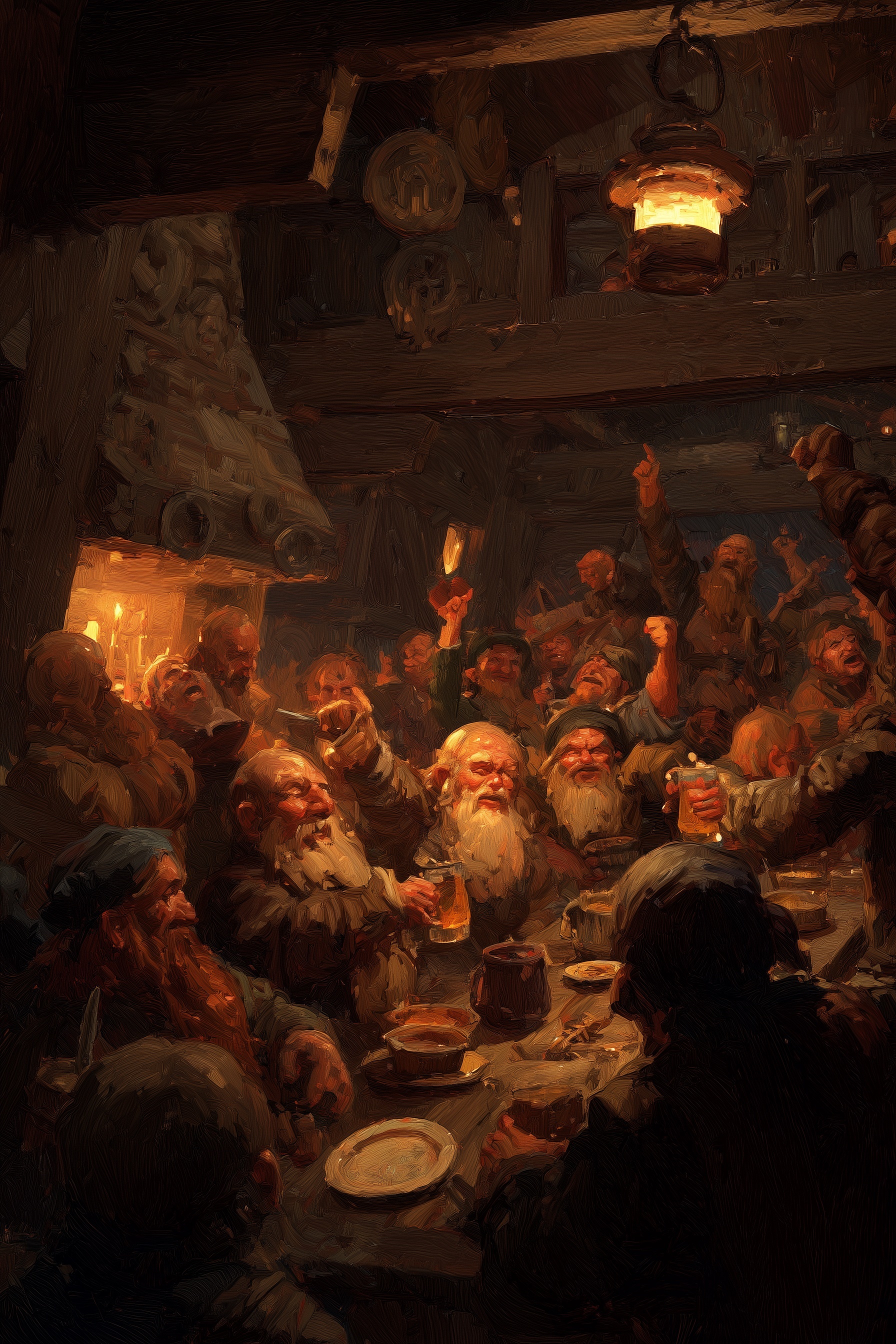
Death among the Arin dwarves is not an ending but a change in responsibility. When someone dies, the living gather to make certain that the world keeps its balance. Grief is not hidden and it is not refined. It is loud, crowded, and practical. The dead are remembered through comfort, warmth, and shared labor, not ceremony or faith. Death is treated the same way as every other hardship. It is met together.   When a dwarf dies, the body is washed and dressed by family and close friends. They do not wear burial clothes or armor but the garments most familiar to them, often the ones already worn thin by use. Personal objects are left behind, not buried. The dead take nothing with them except the memory carried by those who remain. By sunrise the following morning, cremation begins. The pyre burns in silence except for the sound of kindling catching flame. Fire to them is not symbolic. It is warmth, motion, and proof that something still works. The ashes are divided between the family and the community, each taking a share of what once lived among them.   What follows is five days of gathering. Food fills every table, liquor flows, and stories chase the silence out of every corner. The dwarves treat mourning as another form of hospitality. Visitors are fed before they speak. They tell stories, sing old songs, and bring laughter to blunt the ache. Tears are expected, laughter is required, and anyone who sits too quietly will be pulled into conversation until they remember that life has to move.   Each night has its own tone. The first is for family, the second for neighbors, the third for workmates, the fourth for anyone who ever shared a meal or a drink. The final night is for everyone. By then the grief has turned to noise and warmth, the house full of people remembering the dead in all their imperfection. It is considered disrespectful to speak too gently about a life. To pretend someone was better than they were is to forget who they really were. Truth is how dwarves honor the dead.
 
The last day ends with a simple procession. Family and friends walk the streets together, visiting the places most connected to the one who has died. They leave behind small tokens. A carving, a coin, a sprig of pine. These are not decorations or prayers. They are reminders that absence still has weight. Once the walk is done, the family sweeps the home clean and shares a final meal in quiet. By sunset, the mourning is over.   In the months that follow, reminders of the lost are folded into daily life. A repaired stool, a garden stone, a line added to a song. The point is not to preserve the past untouched but to let it keep working. The dwarves say that memory must earn its keep like anyone else. Forgetting someone is seen as the only true kind of death. So long as their name is spoken, the person is still part of the household.   Each winter, when the first snow comes, the dwarves hold the Still Hour. Tools are set down, songs stop, and every fire burns low for one hour before dawn. The world goes quiet enough to hear the wind through the eaves. When the hour passes, they stoke the fires again and pour a round of liquor for the living and the dead alike. It is the only time the dwarves ever drink in silence.   Graves and monuments are rare. Some families carve a small marker near their home, but most prefer that remembrance live where people gather. Taverns and workshops often hang small plaques with names etched by hand. When strangers ask who they were, the answer is simple. They were here, and they mattered. That is enough.   The dwarves do not fear death. They fear being forgotten, or worse, being remembered wrongly. Their funerary customs are not about the afterlife but about keeping life steady. They grieve as they live, with noise, food, and company. The dead do not rest in isolation. They rest in the warmth of those who refuse to leave them behind.

Common Taboos

“A dwarf once told me that evil begins with neglect. Not murder, not greed. Just someone deciding the work can wait until tomorrow.”
— Sana Sing, Temple Observatory anthropologist

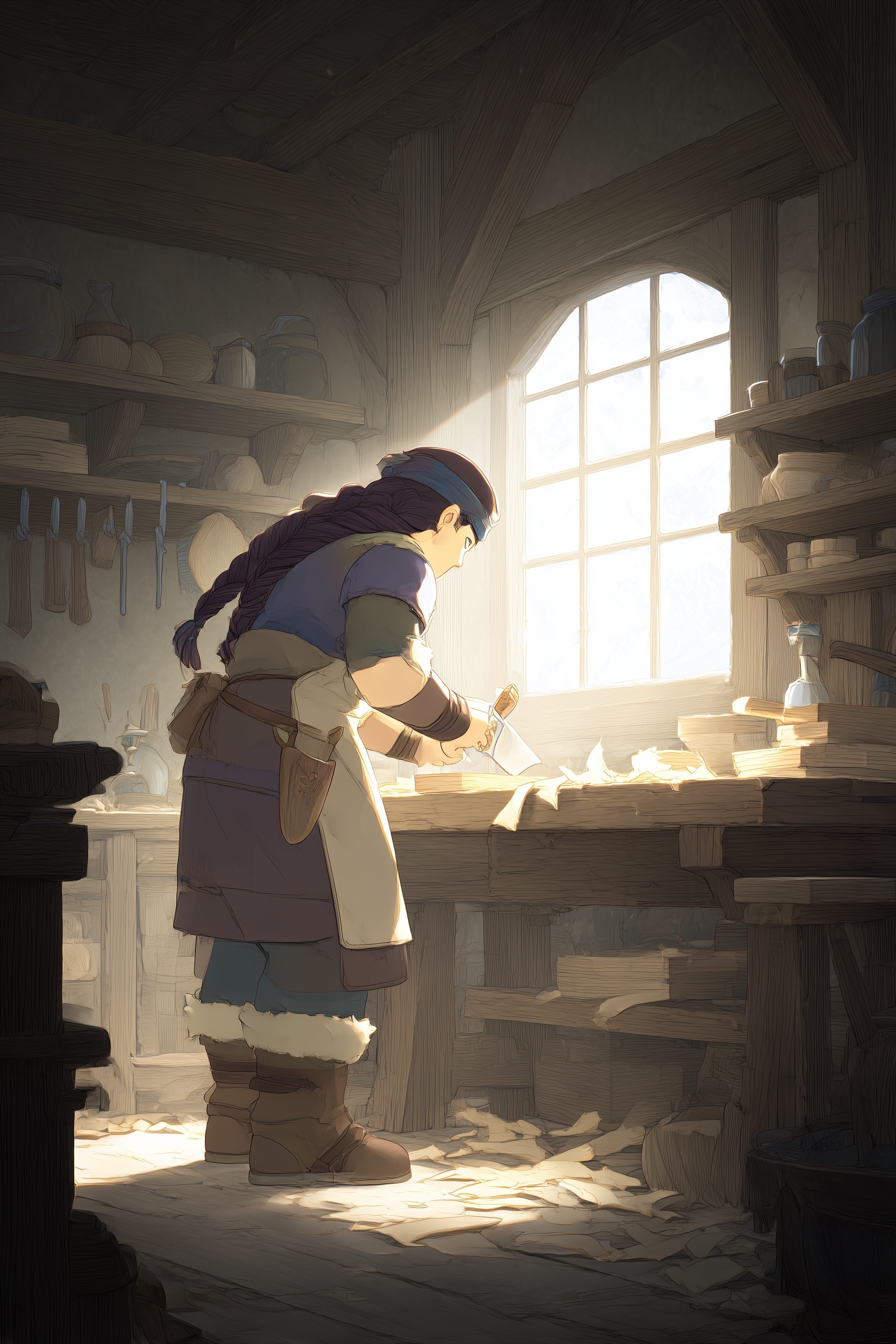
The taboos of the Arin dwarves are few but absolute. Each one is born from the memory of Deep Forge and the lessons carved into their survival. They do not regard these prohibitions as superstition or divine command. They are practical rules meant to keep the world from falling again. To a dwarf, every law of conduct is an architectural truth. Violate the foundation and the structure will fail. The line between sin and foolishness does not exist. What endangers stability is forbidden, and what protects it is sacred.   Idleness is the first and most despised offense. To do nothing when work is needed is to abandon the structure that holds everyone else up. Dwarves do not condemn rest, for rest prepares the hands to labor again. What they forbid is neglect. A task left unfinished or a duty ignored invites decay. A person who avoids effort earns quiet scorn. Help is still given, but trust fades. Redemption comes through work, and until that work is done, the idler remains outside the circle of belonging.   Deceit follows closely behind. A lie is not a simple moral failure but a fracture that spreads unseen until the whole wall collapses. Dwarves treat dishonesty as an act of sabotage against the community. The only way to repair it is through visible, measured deeds. Confession alone is not enough. A liar must rebuild the damage they caused, often through years of reliable labor. Once the repair is complete, the matter is dropped forever. The dwarves see no value in punishment beyond correction. Truth, once restored, needs no further defense.   Disrespect toward the dead stands as another absolute boundary. To mock a fallen ancestor or disturb a memorial is to weaken the protection of the past. The dwarves believe that the memory of those who built before them is a living structure that shelters the present. When that memory is defiled, the living must act to rebuild it. Those guilty of such offense spend a year in service to the affected families, restoring what was damaged and adding new work in the name of those dishonored. The intent is repair, not revenge, for vengeance does not strengthen what was broken.   Waste is treated as a slow and dangerous form of destruction. Every resource is the result of another’s labor, and to squander it is to sever the link between effort and survival. Food left to spoil, tools discarded, or materials used without purpose are signs of arrogance. The dwarves believe that extravagance invites collapse because it teaches people to forget the cost of creation. They answer waste with instruction rather than anger. The offender is made to repurpose what they have neglected until the habit of thrift becomes instinct again.   Isolation is frowned upon, though not forbidden outright. To withdraw from others for too long is considered unhealthy, even perilous. Solitude was the companion of those who died in the depths, and the dwarves mistrust its silence. A person who cuts themselves off from community will soon find knocks at their door, meals left unasked, and company that refuses to leave. They believe that distance breeds weakness and that no one survives alone for long. Companionship is not intrusion. It is maintenance.
 
The deliberate breaking of a tool or crafted object without reason is another grave offense. Creation is sacred labor, and destruction without purpose is an insult to both maker and material. Tools are buried, burned, or reforged only when they have truly reached the end of use. To break something out of anger is to disrespect the discipline that gave it shape. Those who do are expected to remake it with their own hands and present it to the one they wronged as proof of renewed steadiness.   Silence when speech is needed stands at the heart of all their prohibitions. They fear it more than deceit or waste. Deep Forge did not fall only from cracking stone but from voices that went unheard. To withhold warning, comfort, or truth out of pride is the one act they believe cannot be forgiven. A dwarf who refuses to speak when they should becomes a danger to everyone near them. They will be confronted until they find their voice again. Only then is the structure considered whole.   Cruelty for its own sake is despised but rarely named as law. The dwarves assume that anyone who harms without cause will face the natural punishment of isolation. The community will still feed them, still offer aid in emergencies, but warmth and conversation will vanish. This quiet exile is not revenge. It is a message that cruelty serves no function in the design of life. When the offender begins to mend what they destroyed, the doors open again as if nothing had happened.   At the heart of every taboo lies the same truth. The world survives through motion, honesty, and shared labor. Anything that stops that movement is forbidden because stillness is what killed the mountain. These rules are not recited in temples or written in stone. They are lived each day through habit and vigilance. To follow them is not to obey authority but to keep the structure upright. The dwarves do not fear punishment. They fear collapse, and they know how quickly it begins.

Ideals

Relationship Ideals

“They say dwarves marry the way they build. Slowly, carefully, and with no thought of tearing it down later. You can tell when it’s real because their fights sound like carpenters arguing about how to make something stronger.”
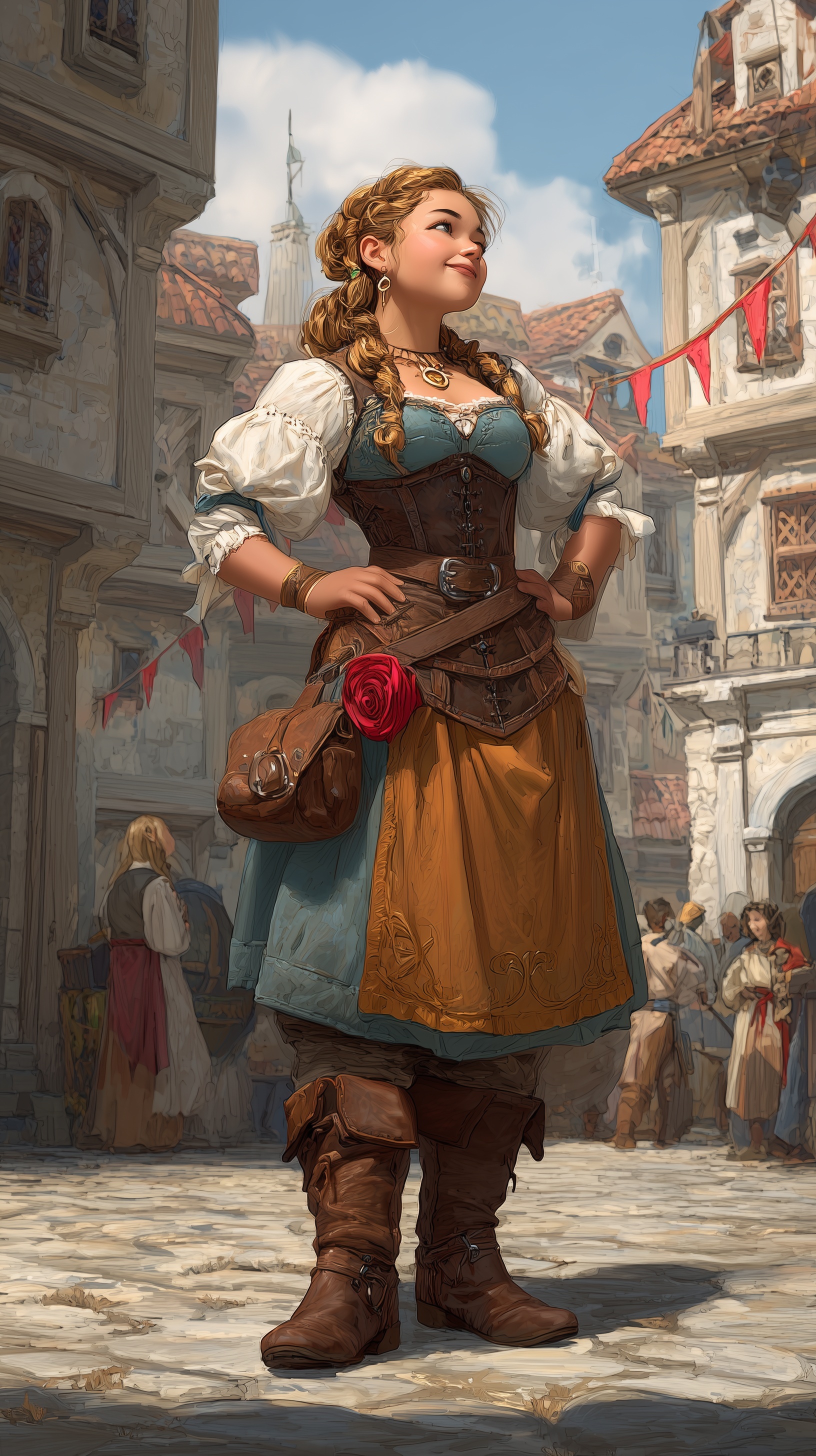
— Elmyra Renza, Baroness of Ilrilan

Among the Arin dwarves, relationships are treated as shared work. Love is not measured in promises or gestures of passion but in how well two people can carry weight together. To them, affection without effort is unfinished labor. A partnership begins when both decide to build something that will last, and it survives only as long as both keep maintaining it.   Courtship is slow and practical. It grows from familiarity rather than infatuation. Most couples start as friends or coworkers who learn that silence between them feels easy. There are no declarations, only steady acts of attention. A carved clasp, a well baked loaf, or a repaired tool are all subtle signs that interest has taken root. When a pair begins sharing meals or working the same project by choice, everyone else understands what it means.   Marriage is a joining of households, not a performance. Families gather for a single meal where the couple forges or trades their first shared band of metal. The ring begins as something humble, often copper or brass. Each year on the same day, they melt it down and remake it using a more valuable metal or a small stone that holds meaning for that time in their lives. Some add carvings that record personal jokes or shared events. The stones are reused and the old metal folded into the new. The ritual is simple, but it charts the slow accumulation of shared life.   Homes are often built or restored at the beginning of a marriage. Family and friends join the work, lending hands, food, and advice that is sometimes useful and sometimes not. The finished home bears their marks in small hidden carvings within beams or thresholds. Couples see these as proof that love should be lived in, not polished. A wall with a dent or a tool mark is a reminder that the house was made by people who knew how to laugh while they worked.   No roles are fixed within a dwarven household. Whoever reaches the work first does it. Whoever has the strength or skill for a task takes it on. They see gender as irrelevant beside competence and willingness. Raising children follows the same thinking. A child belongs to the community as much as to the parents, and every neighbor or elder has a hand in their growing. A house that raises children alone is seen as unstable.   Arguments are ordinary and sometimes loud. The dwarves think of fighting as maintenance, not danger. They shout to clear the air and settle matters before resentment can take root. Once tempers ease, reconciliation is handled through effort. One cooks a meal, the other repairs what was neglected. They mend the world around them until they can share it again. Words come after the work is done.   When love ends, it is not treated as failure. The couple divides their goods, calls for family and friends, and shares one final meal together. There are tears, but also gratitude. The dwarves respect anything that stood for a time and carried its load. What matters is parting without bitterness and leaving the structure sound enough for others to walk through it later.   Unions with outsiders are welcomed. The dwarves admire steadiness wherever they find it. They do not ask others to change but expect honesty and presence. To be loved by a dwarf is to be seen without disguise and supported without hesitation. They are patient with difference but merciless with deceit.   Affection shows itself in use, not in display. A warm drink waiting after work, a favorite coat mended without being asked, a hand placed quietly on a shoulder. They believe love is something made fresh each day, like bread or fire, tended so it does not go out.   For the dwarves of Areeott, relationships are a lifelong craft. They are shaped, refined, and sometimes reforged, each year gaining weight and texture. Love is not found or fallen into. It is made, kept in motion, and built to hold through every season that follows.

“They have turned survival into culture. What began as rebuilding has become their way of living.”
— Theren Lask, Avindor Poet
Arin Elf
Ethnicity | Dec 17, 2025

Children of Two Lands

Arin Tiefling
Ethnicity | Oct 9, 2025

Fire & Shadow

Arin Shifter
Ethnicity | Dec 17, 2025

Tooth & Claw

Arin Changeling
Ethnicity | Sep 23, 2025

All The World's A Stage


This ethnicity has multiple parents, only the first is displayed below.
All parents:

Comments

Please Login in order to comment!
Powered by World Anvil