


Stone Castle Glacier
"The glacier is not a wall of ice. It is a throne carved for no king, and the sea kneels whether it wills or not."
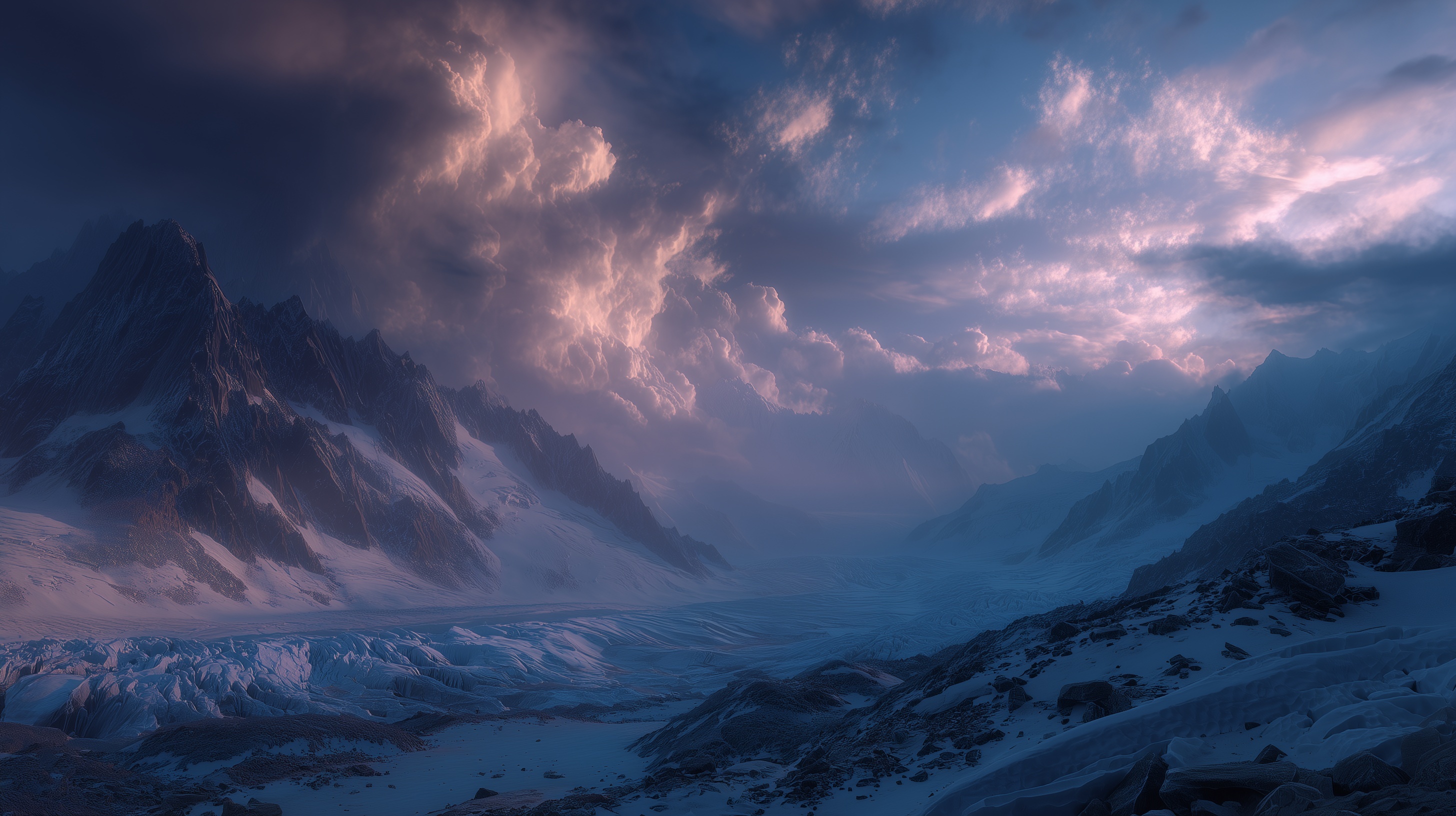
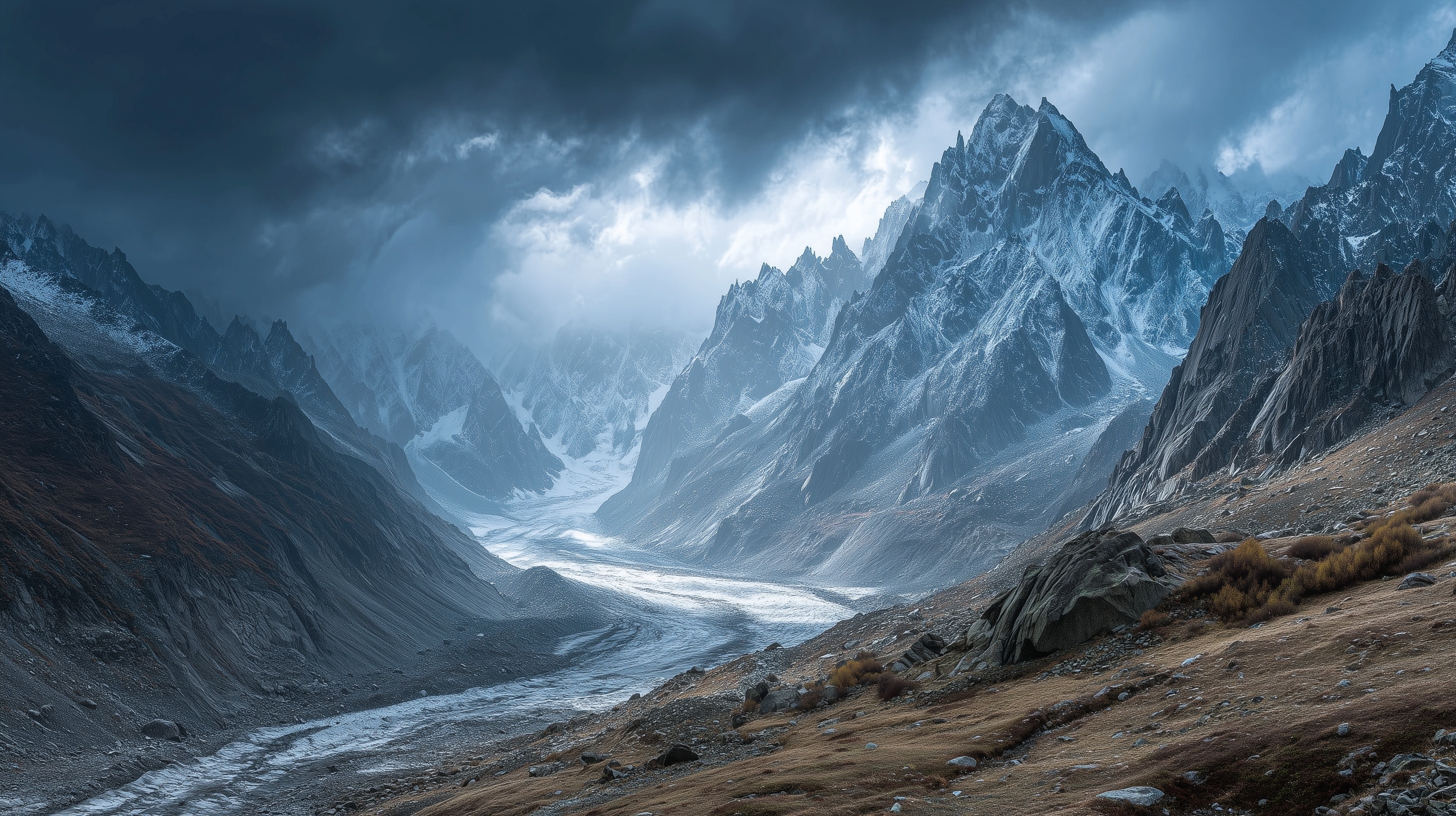
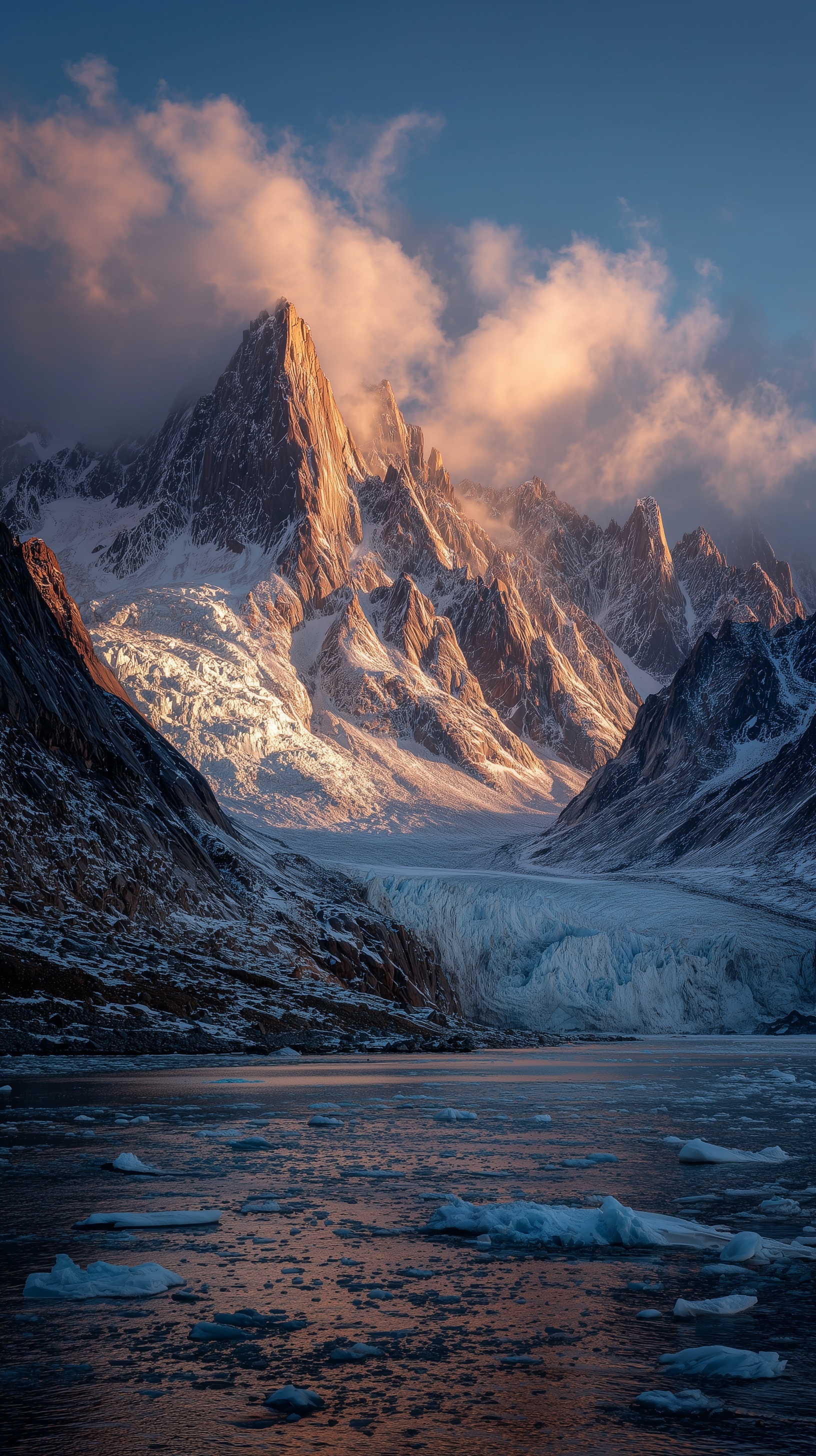
Stone Castle Glacier is a landmass that seems to defy motion yet is never still. It begins high in the southern Agriss Mountains where centuries of snow have pressed into a body of ice that stretches outward for miles. The surface is a jagged wilderness of ridges and crevasses, broken by hidden valleys where avalanches sweep without warning. To cross it is to walk upon a shifting maze that remakes itself with each season. Trails vanish beneath new walls of ice, familiar markers collapse overnight, and the land is never the same twice.
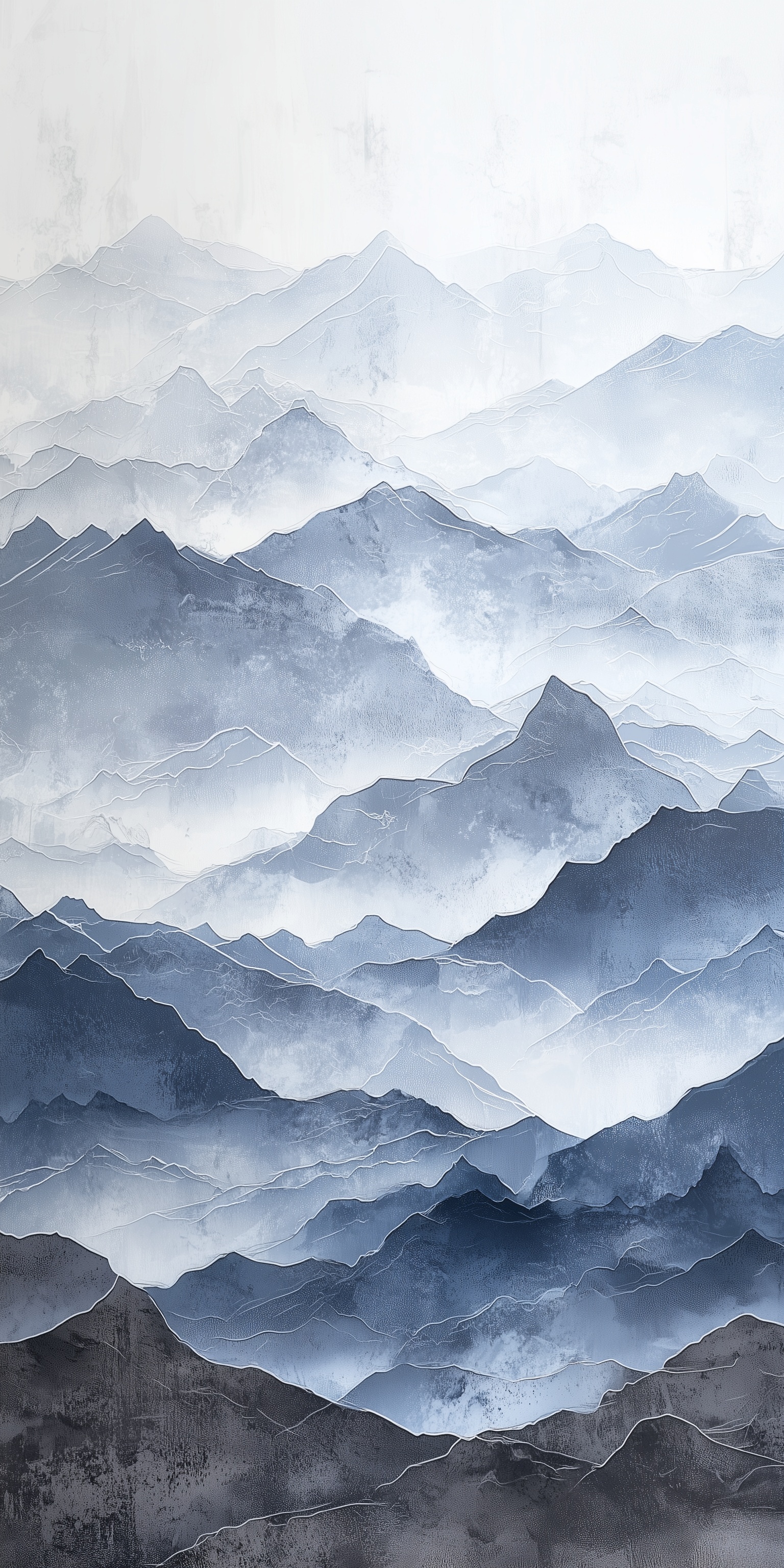
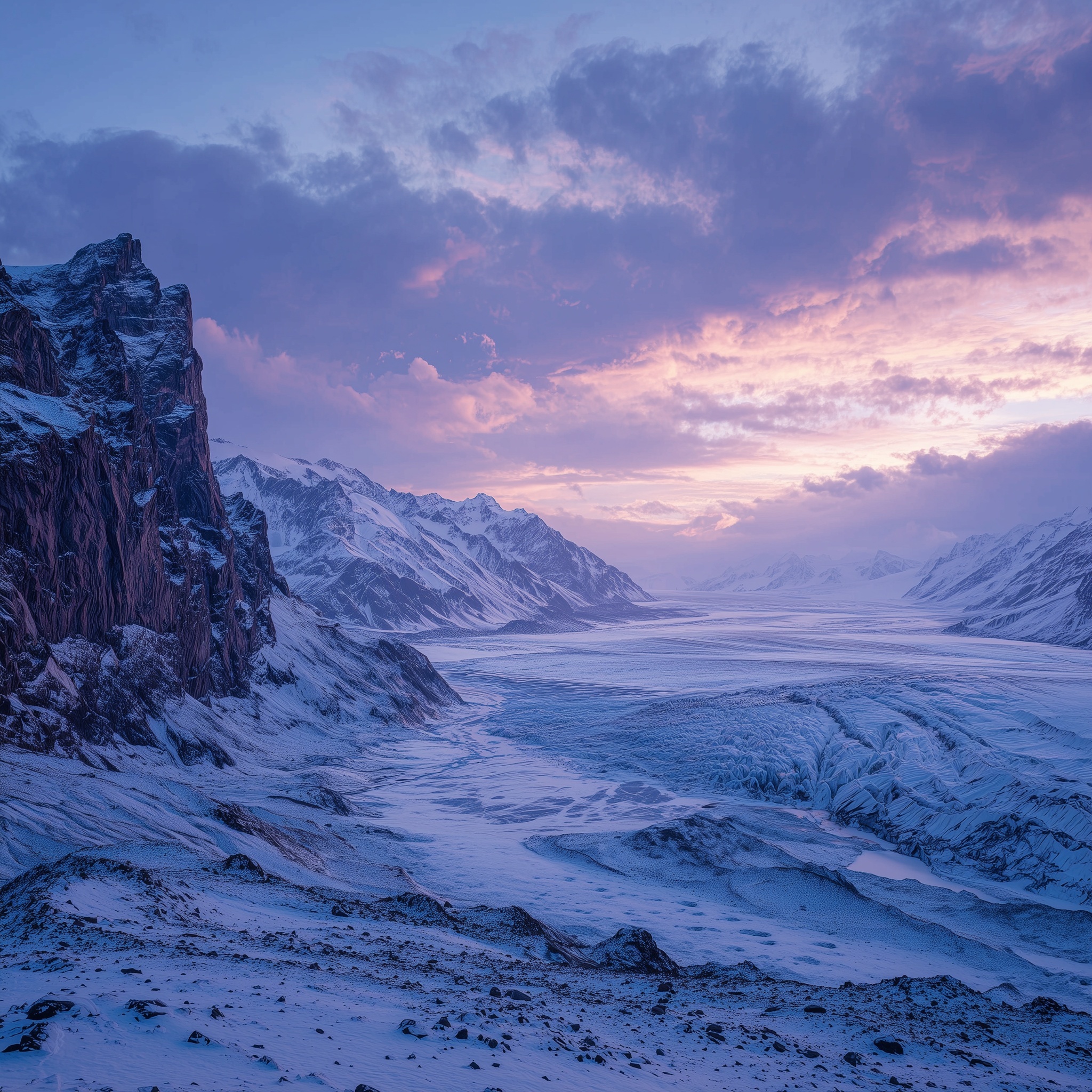
The glacier’s inland face is marked by features both immense and treacherous. Pressure ridges rise like frozen waves, sharp and towering, while crevasses open as black scars that plunge into unseen depths. Subglacial rivers thunder in silence beneath the surface, hollowing caverns that echo with sounds like drums in the night. Travelers tell of entire camps swallowed by sudden collapse, their remains later discovered buried far from where they first stood. Here the land is not a backdrop but an active force, indifferent to survival and hostile to permanence. The winds carve the surface into shapes that shift and vanish as quickly as they are seen. When they race through narrow cuts in the ice they call out with eerie voices, long notes that rise and fall as though words were hidden in their tones. Shimmers of light sweep across valleys where the ice bends and refracts, and in some seasons auroras hang so low they seem to touch the ground. The inland expanse carries with it a constant reminder that the glacier is not a silent land but one alive with sound and change. Plants and animals cling to this environment in pockets of resilience. Mosses and lichens mark exposed stone where avalanches clear the snow. Caribou and musk oxen migrate across the high passes in the brief summers, shadowed by wolves that range far across the ridges. Rumors tell of frost trolls and yeti that claim the hidden valleys, and of wyrms sleeping beneath the ice whose bodies are mistaken for hills until they stir. Each creature is as much a part of the glacier’s rhythm as the storms and avalanches themselves. The coastal front is where this vast body meets The Illusion Sea. For hundreds of miles the glacier falls in sheer cliffs, a continuous wall of blue and white that plunges directly into black water. Calving sends thunder across the horizon as massive slabs break away and crash into the sea. Fog gathers thick around the base of these cliffs, forming and vanishing without warning. Fjords cut deep into the face in only a few rare places, narrow channels that provide temporary shelter and passage during the brief summer calm. To sailors the cliffs are both boundary and hazard. Waves break endlessly against their base, currents twist without pattern, and storms drive ships toward the ice with little chance of escape. Yet the southern passage remains the safer route across the continent, and so each year vessels crowd into fjords while the season allows. Above them the glacier looms, unchanged and unmoved, a citadel of ice that rises from the mountains and commands the sea. Stone Castle Glacier stands as both land and wall. Inland it sprawls in ridges and valleys that shift like a living maze, swallowing those who dare to linger. At the coast it falls in cliffs that tower above the waves, casting their shadow across the sea. It is more than ice and stone. It is an entire realm, vast and merciless, a place that resists both conquest and memory.
Geography
"Maps end where the Stone Castle begins, for ink cannot capture the shape of a cliff that grows and falls with every season."
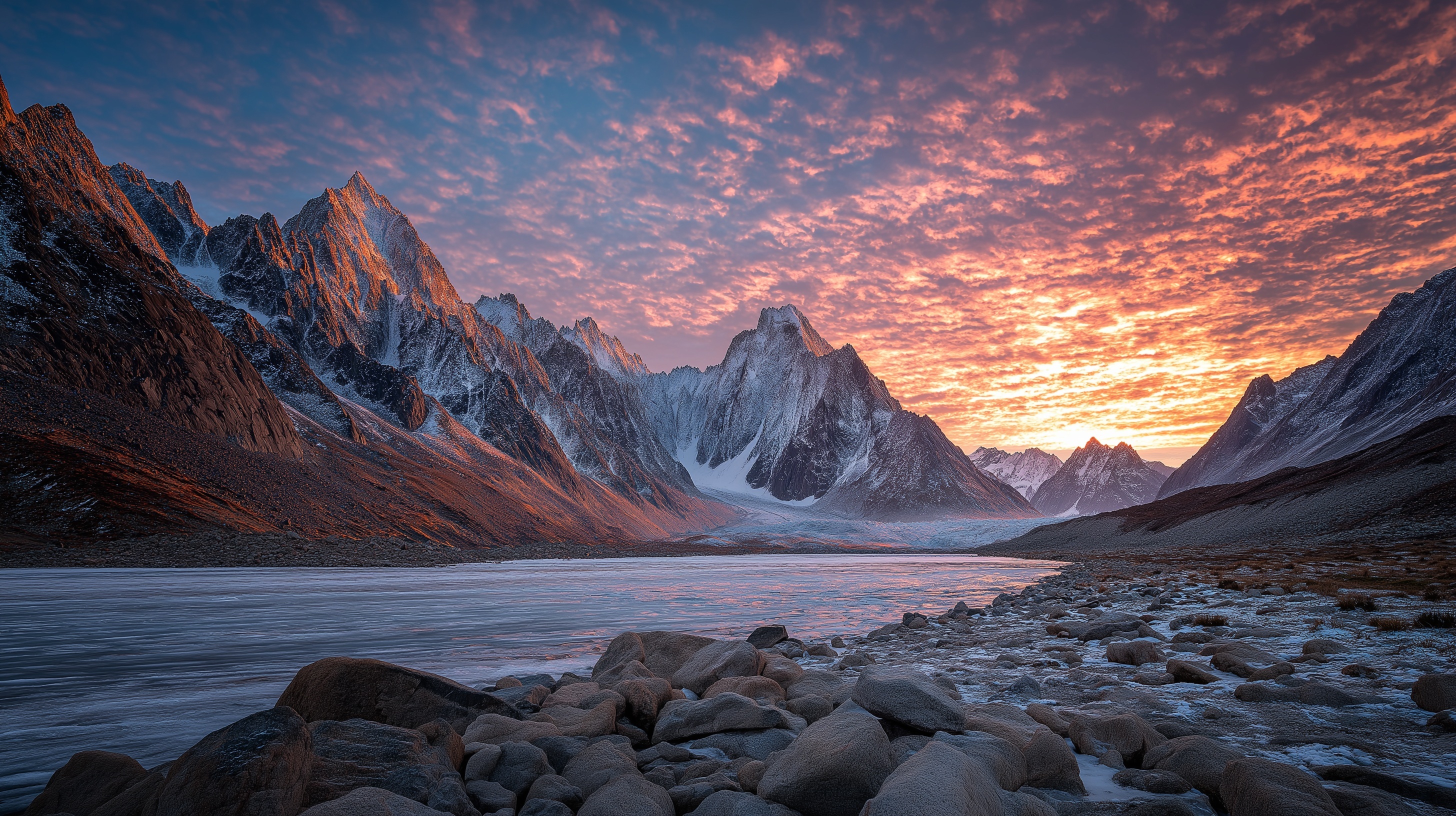
Stone Castle Glacier dominates the southern rim of Itora where The Agriss Mountains crash into The Illusion Sea. The mountains do not taper gently toward the coast. They rise steep and violent, only to be caught and consumed by the ice that presses outward in a slow but unstoppable advance. The glacier fills every gap and every valley, turning the southern coast into a continuous barricade. From the sea it seems as though the continent itself has built a fortress wall to keep the world at bay.
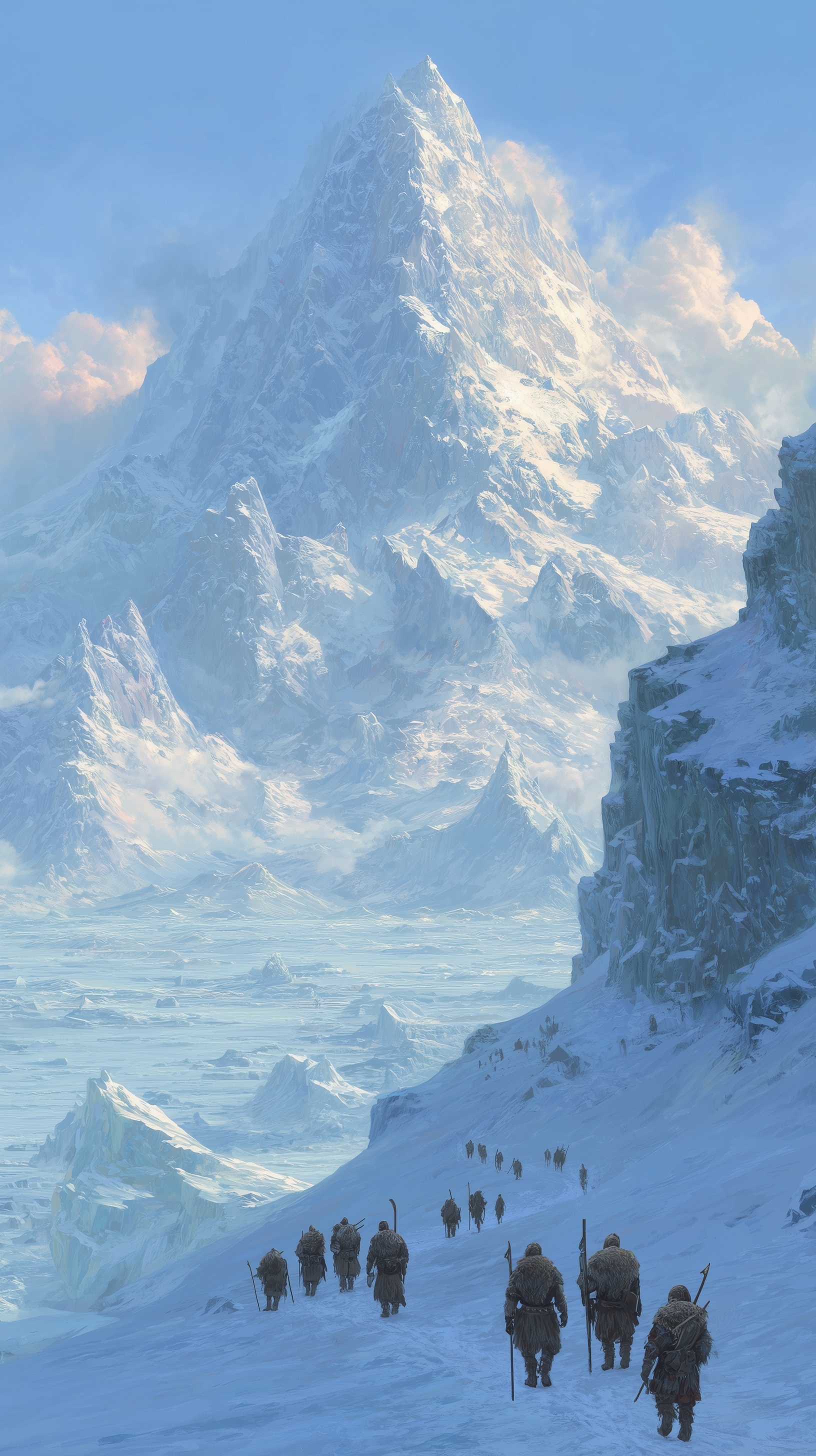
The cliff face is unbroken for long stretches. It drops sheer from frozen height to black water, with no strand of beach or stretch of plain to soften the descent. Only here and there do deep fjords bite into the wall, narrow channels carved by ancient rivers and the sea’s persistent hand. These fjords form the only natural harbors in hundreds of miles, and even they are dangerous, subject to sudden storms and the glacier’s endless shedding of ice. Behind the wall lies a plateau of broken white. The glacier rolls back for miles in an uneven expanse of ridges, valleys, and crevasses. Its surface is fractured by pressure, bent into vast arcs where the ice flows against hidden stone. In places it rises like frozen waves, in others it falls away into blue chasms whose depths cannot be measured by rope or torch. The land beneath is all but inaccessible, buried under centuries of accumulation. The glacier moves with slow certainty. Its mass creeps down from the Agriss peaks, grinding stone to dust as it goes. Rocks and soil torn free by that movement ride trapped within the ice. Over time they are carried to the front and spilled into the sea, staining the water with silt and scattering erratic boulders across the fjord mouths. In this way the glacier remakes the coast continually, destroying old landmarks and creating new ones without pause.
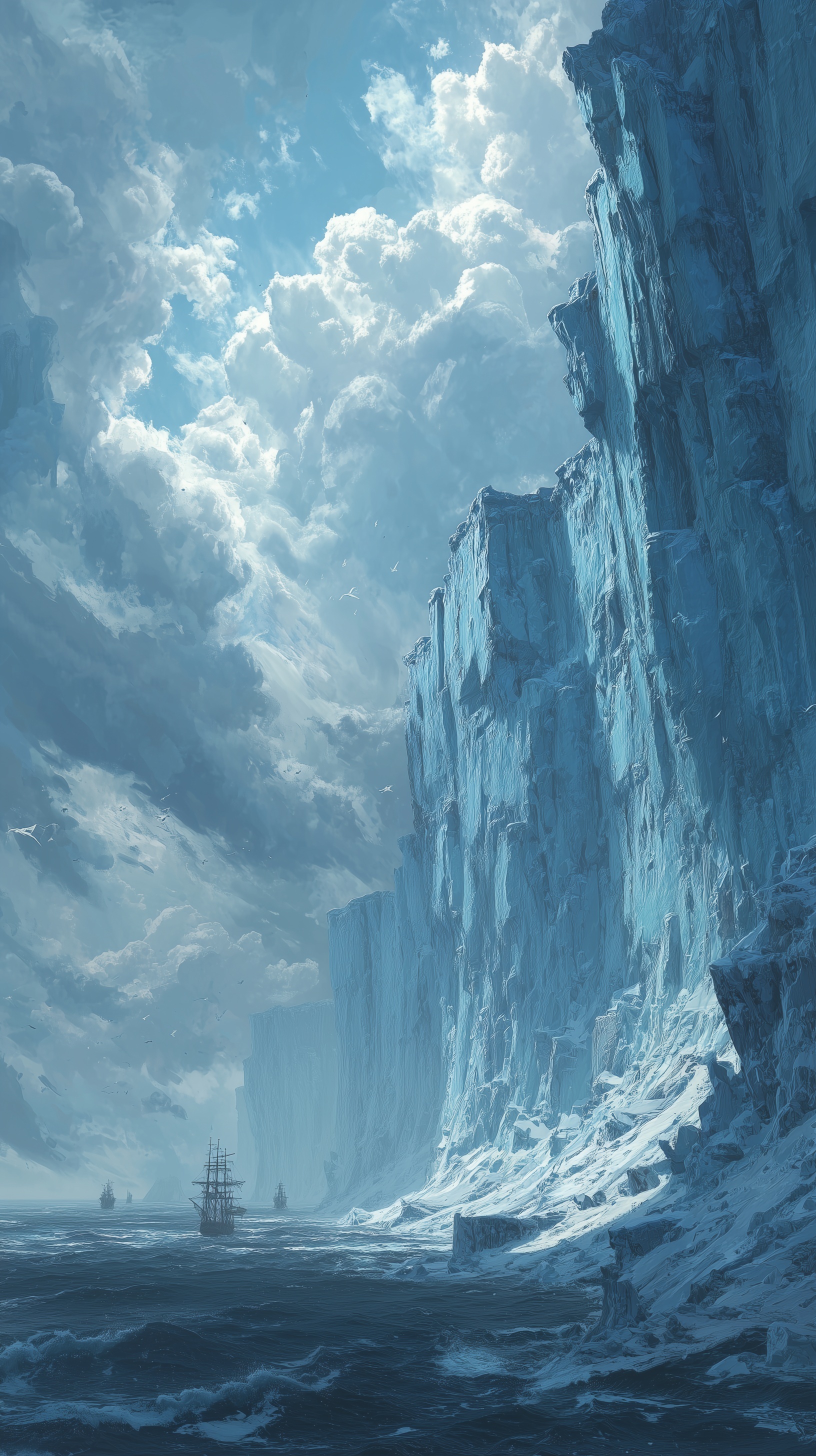
The sea that meets the glacier is just as merciless. Strong currents push east and west along the shelf, colliding at the headlands and rebounding against the cliffs. Waves strike the wall endlessly, shattering themselves on the frozen face. When the ice calves, the sea grows worse, throwing broken floes and sudden swells into the path of any ship that dares approach. Even the calmest day carries the risk of collapse and upheaval. Further inland, The Agriss Mountains thrust high above the ice. Their peaks are sharp and jagged, young by the measure of stone. Avalanches are common, their rumble echoing across the frozen plain. Rivers cut through the foothills only to vanish beneath the glacier, swallowed whole. Where the mountains end, the ice begins, and the two cannot be separated. At the western edge the wall begins to fragment, breaking into long fjords and irregular coastlines that mark the transition into the greater Illusion Sea. To the east and south the barrier holds fast, closing the land with a finality that seems absolute. Here the map of the world feels simple. Land ends, ice stands, and the sea begins. It is as stark and immovable as any boundary in existence.
Ecosystem
"The birds come back every spring because they know no other cliff will hold them. Even the beasts of the sea bow to the Castle’s edge."
Stone Castle Glacier holds an ecosystem that endures through extremes. Life here is shaped by ice and wind and by the relentless sea that batters the base of the cliffs. At first glance it seems barren, a frozen wall where nothing can survive, yet closer study reveals pockets of persistence. Hardy species cling to narrow ridges, sheltered caves, and the edges of fjords where the ice meets the water. Along the sea cliffs birds gather in great numbers. They nest on ledges carved by centuries of erosion, filling the air with constant cries. Puffins and gulls wheel above the waves, while larger raptors ride the winds that tumble from the glacier. Their presence marks the coastline as one of the richest feeding grounds in the region, for the churning waters bring schools of fish close to the surface. Seals and other marine creatures follow the same bounty, hauling themselves onto floating ice to rest before vanishing beneath the waves again.
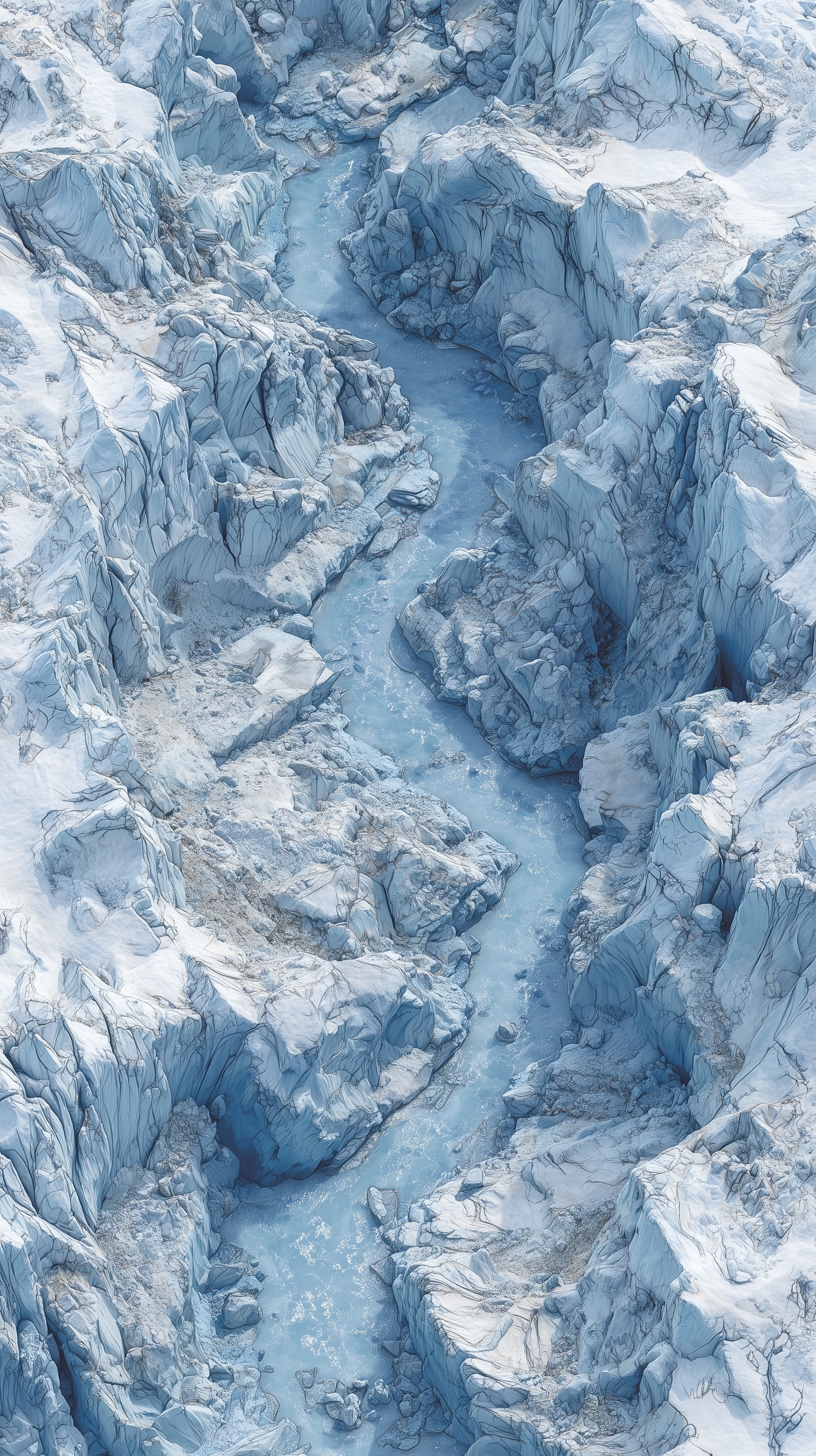
On the ice itself the ecosystem grows sparse but never empty. Polar foxes and hardy hares cross the ridges, their tracks winding between crevasses. They feed on lichen that scratches out life on exposed stone and on the carcasses of seabirds swept inland by storms. Predators follow, their survival tied to the rhythm of smaller prey. Every living thing here relies on patience and the will to endure long seasons when food vanishes almost completely. The fjords create deeper shelters. Meltwater carves valleys that break the monotony of the surface and allow tough shrubs and moss to root. These narrow corridors become refuges for larger animals migrating from the mountains. Caribou herds descend in certain seasons, skirting the glacier’s edge in search of grazing grounds. Wolves shadow them, lean and restless, their howls echoing against the frozen cliffs. Such moments of movement and sound are fleeting, gone as soon as the storms return. Beneath the ice other forms of life exist, hidden from sight. Subglacial rivers run in darkness, carrying minerals and warmth from the mountains. Strange fish and blind crustaceans have adapted to these black waters, untouched by the light of the sun. Few have seen them, for to descend into those caverns is to risk never returning. Still their presence is known, revealed when meltwater carries their remains into the fjords. The ecosystem is never stable. It shifts with each calving of the ice and each change of season. Some years bring greater flocks of birds, others see them vanish almost entirely. The seals may favor one fjord for a decade and abandon it the next. Life here bends to the rhythm of the glacier itself, rising and falling with its endless advance. What survives is not abundance but persistence. Every creature is adapted to scarcity and sudden change. Their presence proves that even in a place ruled by ice and stone, life finds a way to endure. Yet it endures on the glacier’s terms, never its own.

Ecosystem Cycles
"One year the foxes starve, the next the wolves thrive. The glacier does not keep balance. It takes, and it takes again, until only the stubborn remain."
The cycles of life upon Stone Castle Glacier follow the rhythm of ice and sea. Each year begins and ends with storms, and between those storms the land breathes only in brief moments of reprieve. The creatures that endure here have learned to measure their lives against that pattern. They rise when the winds calm, feed when the ice loosens, and retreat when the storms return.
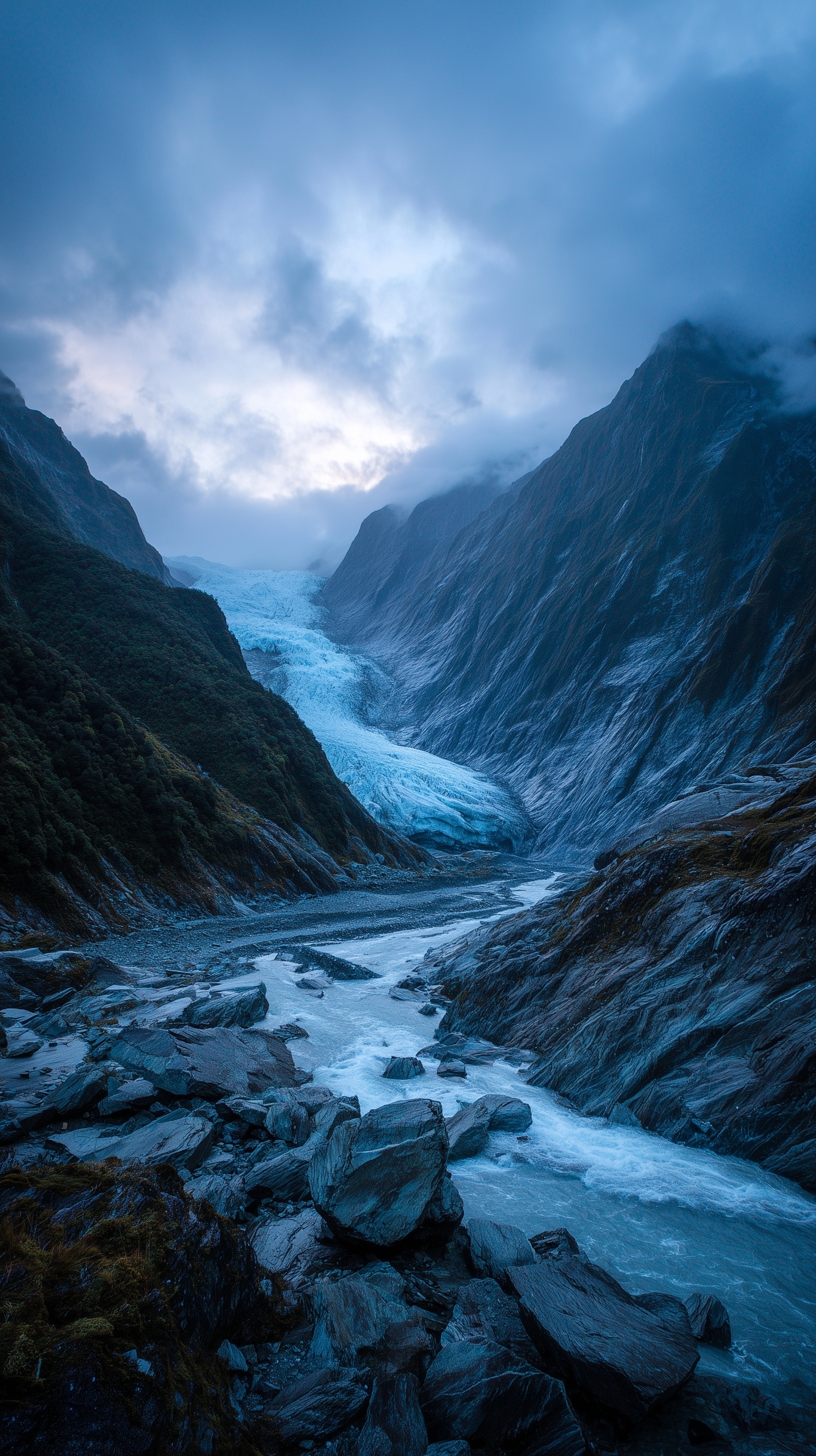
Winter holds longest. The sea lashes the cliffs with constant fury, and the surface of the glacier hardens into ridges that cut like knives. Food grows scarce, and most creatures vanish into shelter. Foxes burrow deep into snow drifts, their bodies curled tight against the endless howl. Birds flee far to the west, chasing open waters, while seals follow the fish that abandon the frozen coast. Only the most patient remain, scratching out what they can from the little that endures. Spring arrives with the first cracks in the ice. Meltwater carves small streams that twist and vanish into hidden depths. These rivulets awaken mosses and lichens along the rocky edges, painting narrow bands of green against the white. Birds return in vast flocks, filling the fjords with sound and motion. Their nests cling to every ledge, and their droppings feed the growth that keeps the cliffs alive for another season. Predators stir with them, lean from hunger but ready to hunt. Summer is the brief season of abundance. The sea warms and teems with life. Fish crowd the currents, drawing seals and whales close to the cliffs. Caribou herds descend from the northern highlands to graze the valleys, trailed by wolves that move with the same surety as the tide. On the glacier surface, meltpools shimmer in the sun, and strange insects hatch in swarms before vanishing as quickly as they appeared. For a few months the land feels alive in every direction. Autumn closes the window again. Storms gather strength, and the first ice returns to seal the streams. Birds take flight in long black ribbons that stretch across the sky. Herds move inland, leaving only tracks that vanish beneath falling snow. Seals slip back into the deeper ocean, and the fjords fall silent save for the wind. By the time the sun lowers for good, the land has emptied. Only the most tenacious linger, waiting for the cycle to begin again. These cycles are fragile, bound to the rhythm of the glacier’s movement. A single massive calving can scatter nests and drown feeding grounds. A season of heavy snow can bury valleys for years. Yet the pattern endures, repeating across centuries. The glacier gives and takes in turn, and the creatures that call it home bend themselves to its will.
Localized Phenomena
"I heard the ice speak my name in a tongue I did not know. When I turned, there was no one but the wind, and yet the sound lingered in my bones."
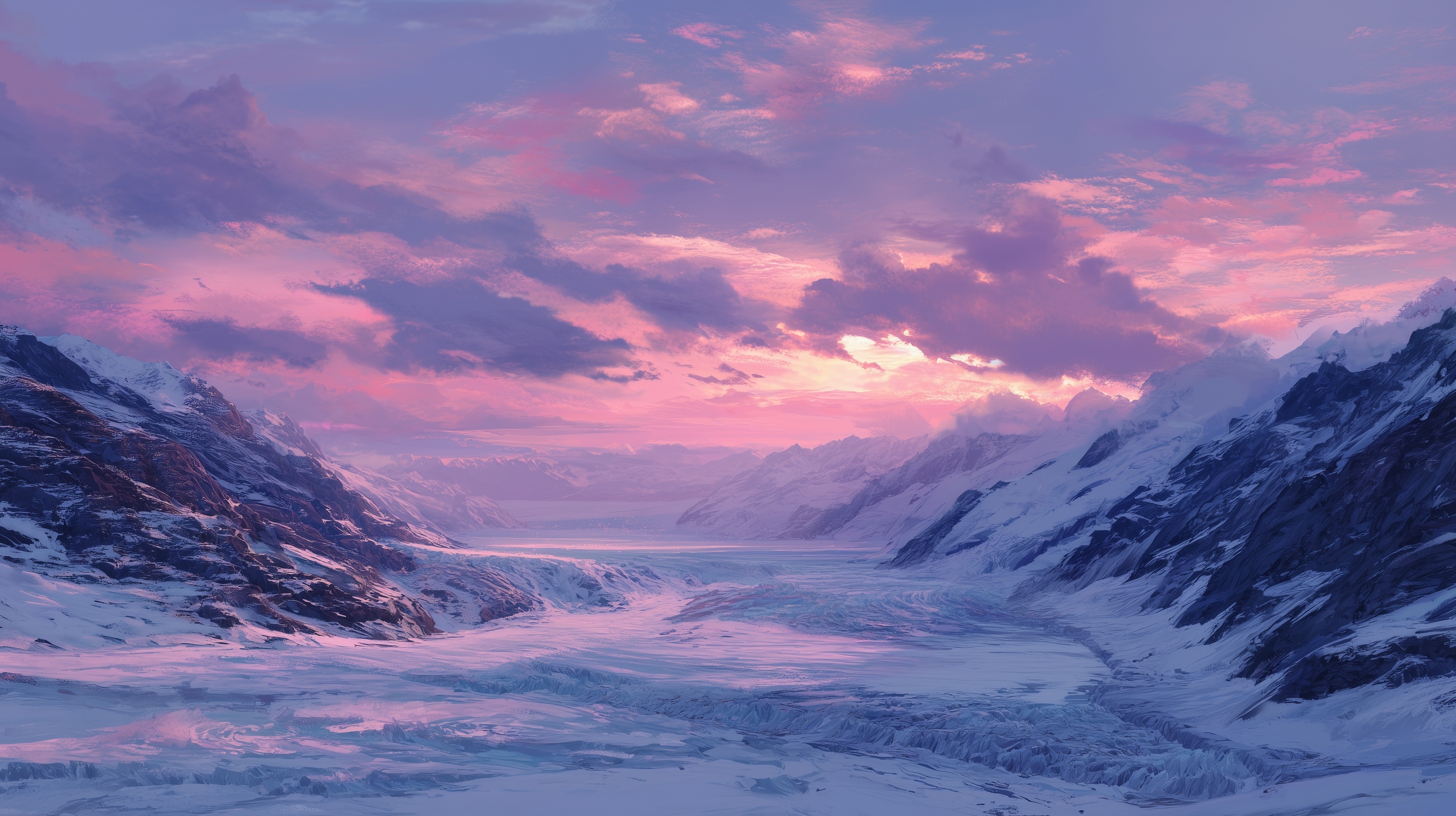
Stone Castle Glacier is alive with movement and sound that never truly ceases. Inland across its vast surface, the ice shifts with sudden violence. Ridges rise where none stood the day before, whole valleys close overnight, and crevasses split open beneath the weight of a single step. Prospectors tell of trails they marked with care that were gone within a week, replaced by walls of jagged ice as if the glacier had remade itself in defiance of memory. The winds carve their own signs. When they rush through pressure cracks, they echo with tones that rise and fall like voices. Some are low and droning, others sharp and shrill, but always they seem deliberate. Travelers who linger too long in these places often speak of hearing their own names carried back to them, though no other soul is present. Few remain long enough to listen twice. Shimmers of light appear inland where the ice bends and refracts. At times entire valleys glow with pale blue radiance, as if the glacier were lit from within. Some explorers have watched auroras sink so low that their colors seem to drip across the ridges like liquid fire. In caverns beneath the surface, phosphorescent fungi gleam with a steady glow that throws twisted reflections across frozen walls, making shadows move in ways that unsettle even hardened wanderers.
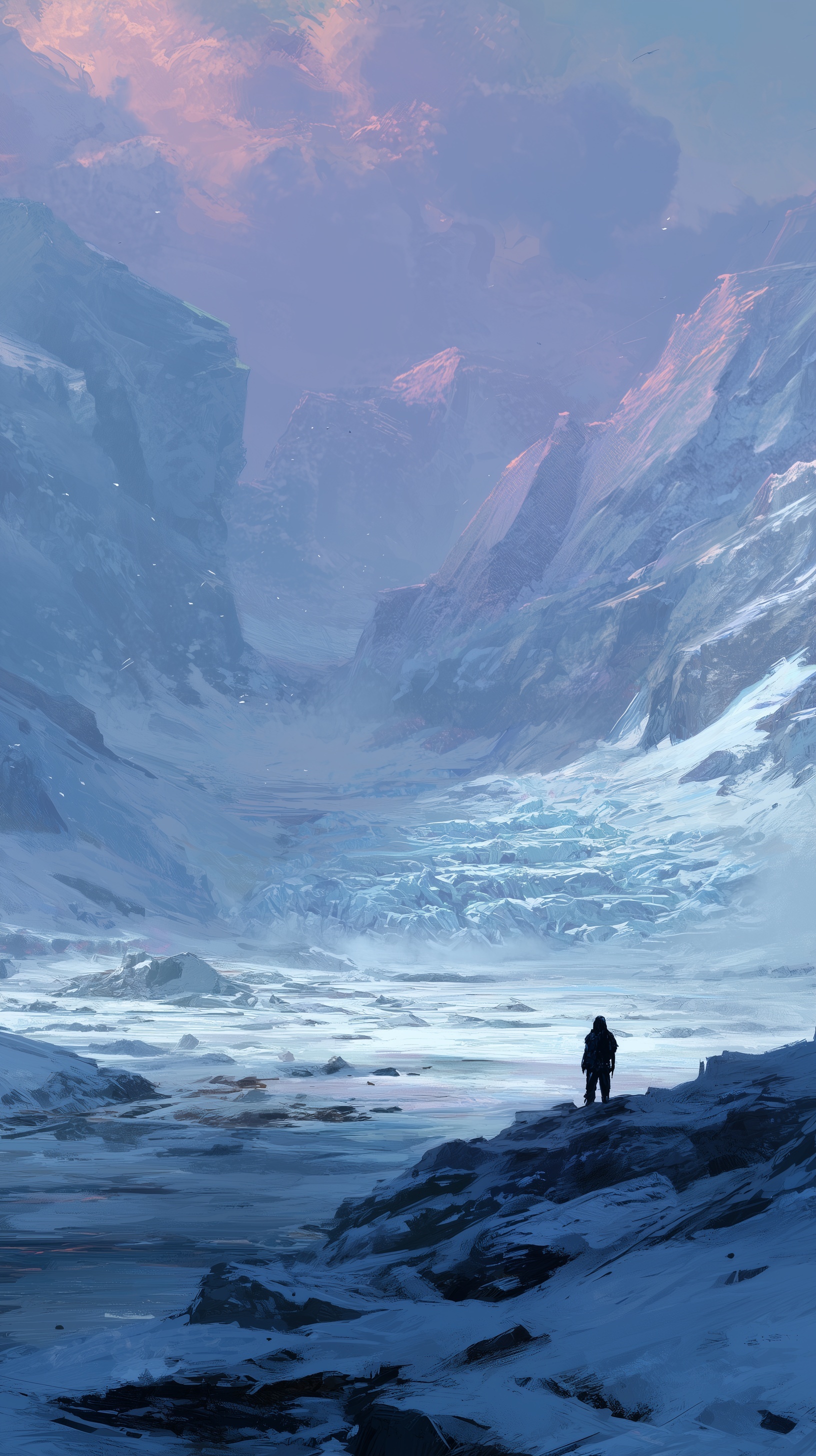
Stranger still are the sounds beneath the ice. Subglacial rivers thunder in darkness, their echoes carrying far above. At night they can sound like distant drums, steady and slow, as though something vast and unseen were walking beneath the glacier. Others swear they hear music or voices carried upward, faint as memory, calling through the ice in languages no one can place. Avalanches are common along the inland slopes, but some fall without any trigger at all. Clear skies and still air offer no warning before tons of snow and ice cascade into the valleys. Entire camps have been buried in silence, their wreckage uncovered years later when the glacier receded. Such sudden collapses have given rise to the belief that the land itself chooses when and where to purge what lingers on its surface. Even the ground cannot be trusted. Pools of meltwater form in hidden basins, their surfaces frozen smooth and solid by night but thin and treacherous by day. Whole expeditions have vanished into these hidden wells, swallowed in seconds by black water beneath the ice. The glacier offers no sign of their passing save for the ripples that close as if nothing disturbed them. Though the sea at the glacier’s edge is fierce, it is inland where Stone Castle shows its true nature. Its shifting face, its unnatural lights, and its hollow voices mark it as more than a wall of ice. It is a land always in motion, unpredictable and relentless, a place where even silence hides change waiting to strike.
Climate
"Summer is only winter in disguise. Do not trust the sun, for it shines only long enough to remind you what it cannot warm."
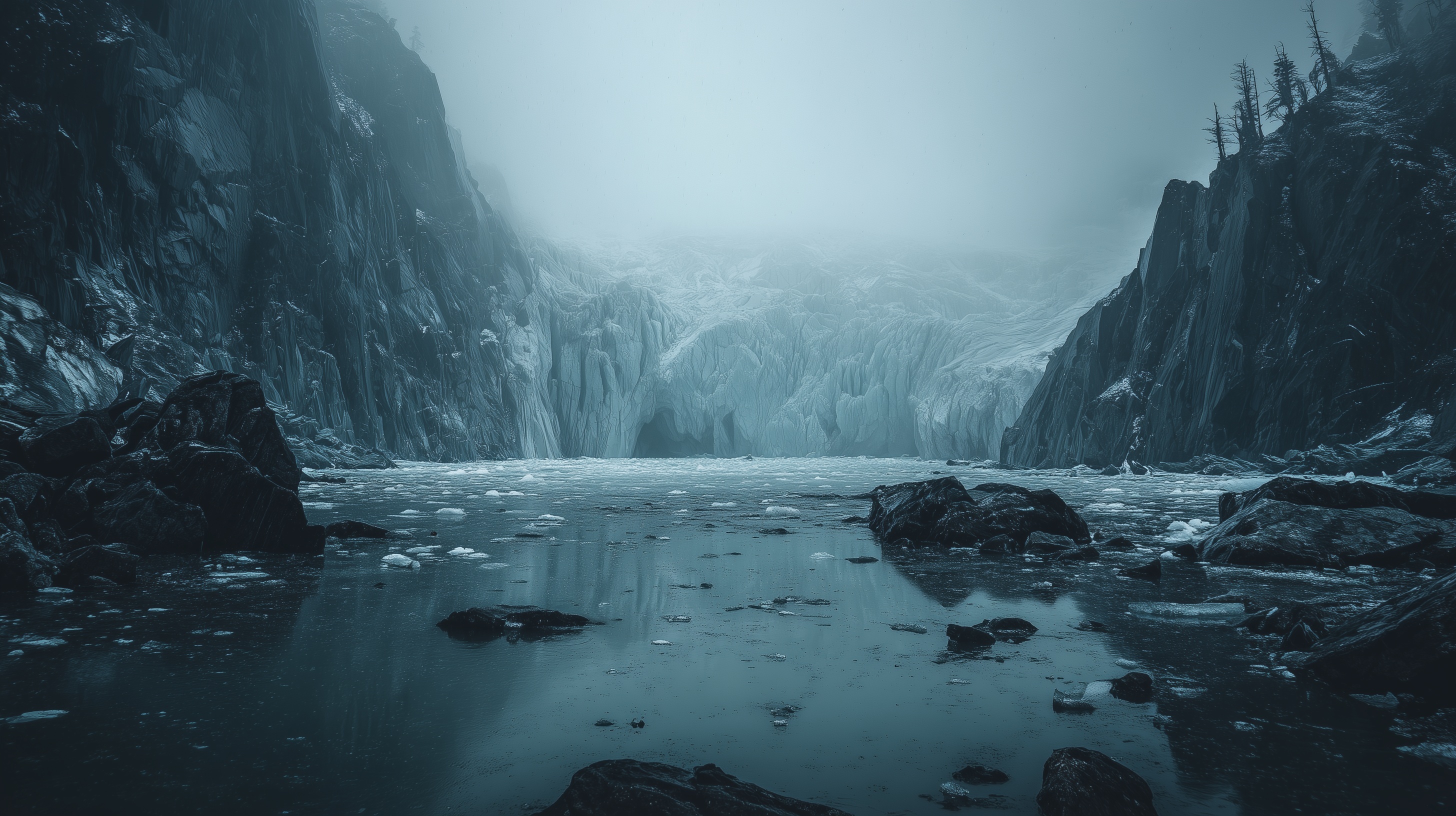
The climate of Stone Castle Glacier is ruled first by its inland expanse. Most of the year the air is dry and razor sharp, cutting across the ridges and crevasses in endless wind. Winter grips the surface for months at a time, piling snow until valleys vanish and the land seems to rise with every storm. Avalanches roar without warning, collapsing slopes that were calm only moments before. To stand inland in these months is to be wrapped in silence broken only by the crack of splitting ice or the howl of gales that scrape the surface clean.
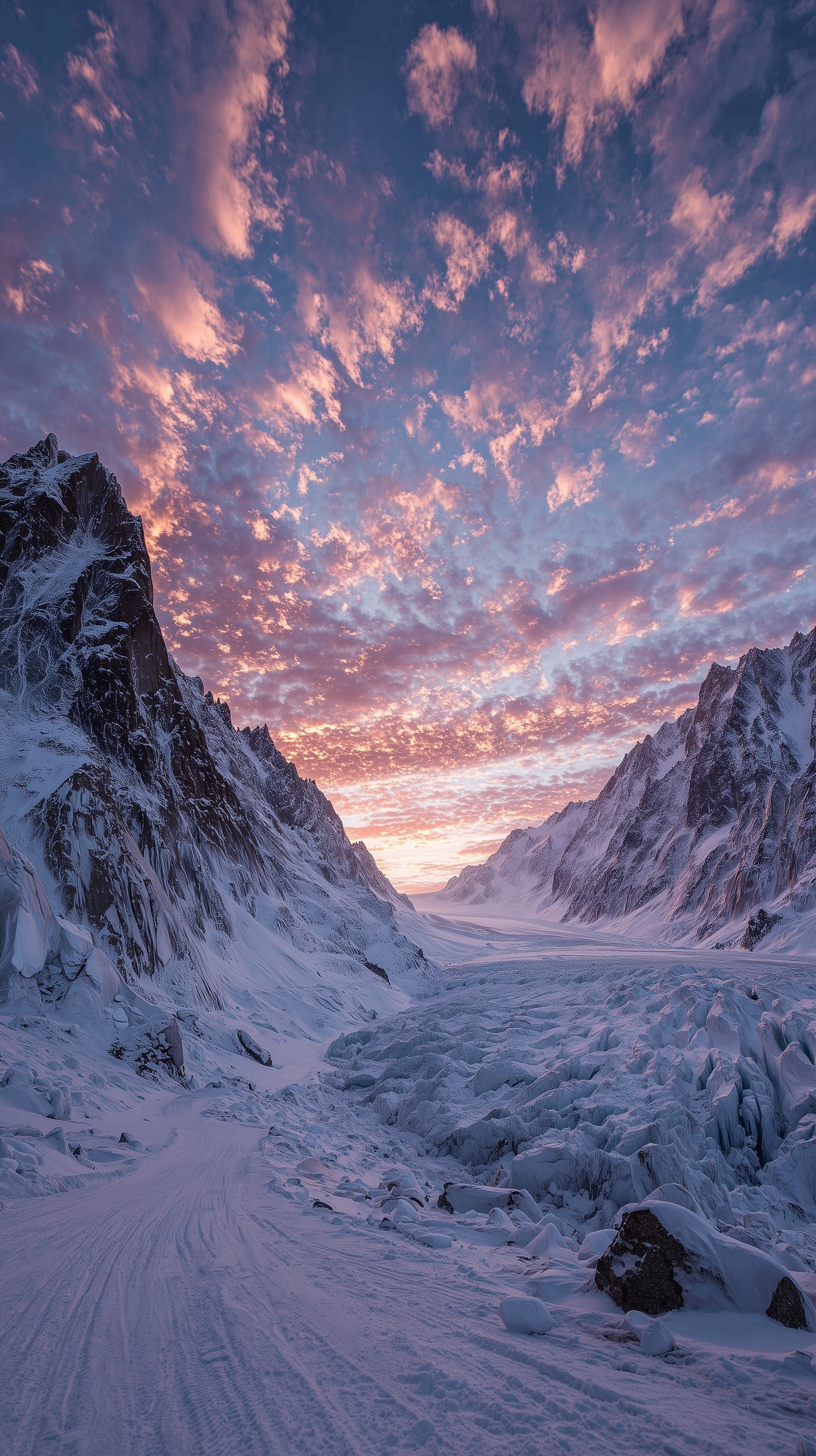
Summer does not bring warmth so much as change. The sun lingers longer, melting the edges of ridges and filling hidden channels with rushing water. Meltpools appear on the glacier’s crown, gleaming blue in the thin light, before freezing again at night. These shifts create new dangers, as rivers carve hollows beneath the surface and leave it fragile above. Even in the height of summer, nights bite with cold strong enough to freeze water in a cup left unwatched. Spring and autumn are little more than transitions, quick and fleeting. In spring cracks spread across the surface as snowmelt begins, echoing like distant thunder through the valleys. Mosses and lichens emerge for a few weeks on exposed stone, bringing color before the snow returns to bury them. In autumn the streams and rivulets harden, the winds sharpen, and the sky fills with the promise of the storms to come. Both seasons last only long enough to remind travelers how short-lived any reprieve is. The inland air is heavy with frost year round. Even when skies are clear, crystals drift in the wind, glittering until they sting against the skin. Visibility shifts in minutes, and whole valleys can vanish into white haze without warning. Travelers may walk within arm’s reach and lose sight of one another. It is a place where direction and distance become unreliable, undone by the constant churn of storm and light. At the coastal front the climate shifts again. Here The Illusion Sea lashes the cliffs with waves that pound against the ice day and night. Storms roll in without pattern, and fog rises thick at the base of the wall. In summer the waters ease, offering brief windows when ships can navigate the fjords, but the cold never releases its grip. In winter the sea becomes as hostile as the glacier itself, hurling broken ice into the paths of vessels until the ports fall silent. The seasons on Stone Castle are not measured by warmth or growth, but by which form of cold commands the land. Inland it is snow and avalanche, storm and wind. At the coast it is waves, fog, and the crash of calving ice. Together they form a cycle that grants only the briefest windows of mercy before closing again. Every life here bends to this rhythm, shaped not by the presence of seasons but by their relentlessness.
Fauna & Flora
"The griffons here are not the guardians of men. They are the heirs of the storm, feather and frost made one. Look at them too long, and you will see hunger stare back."
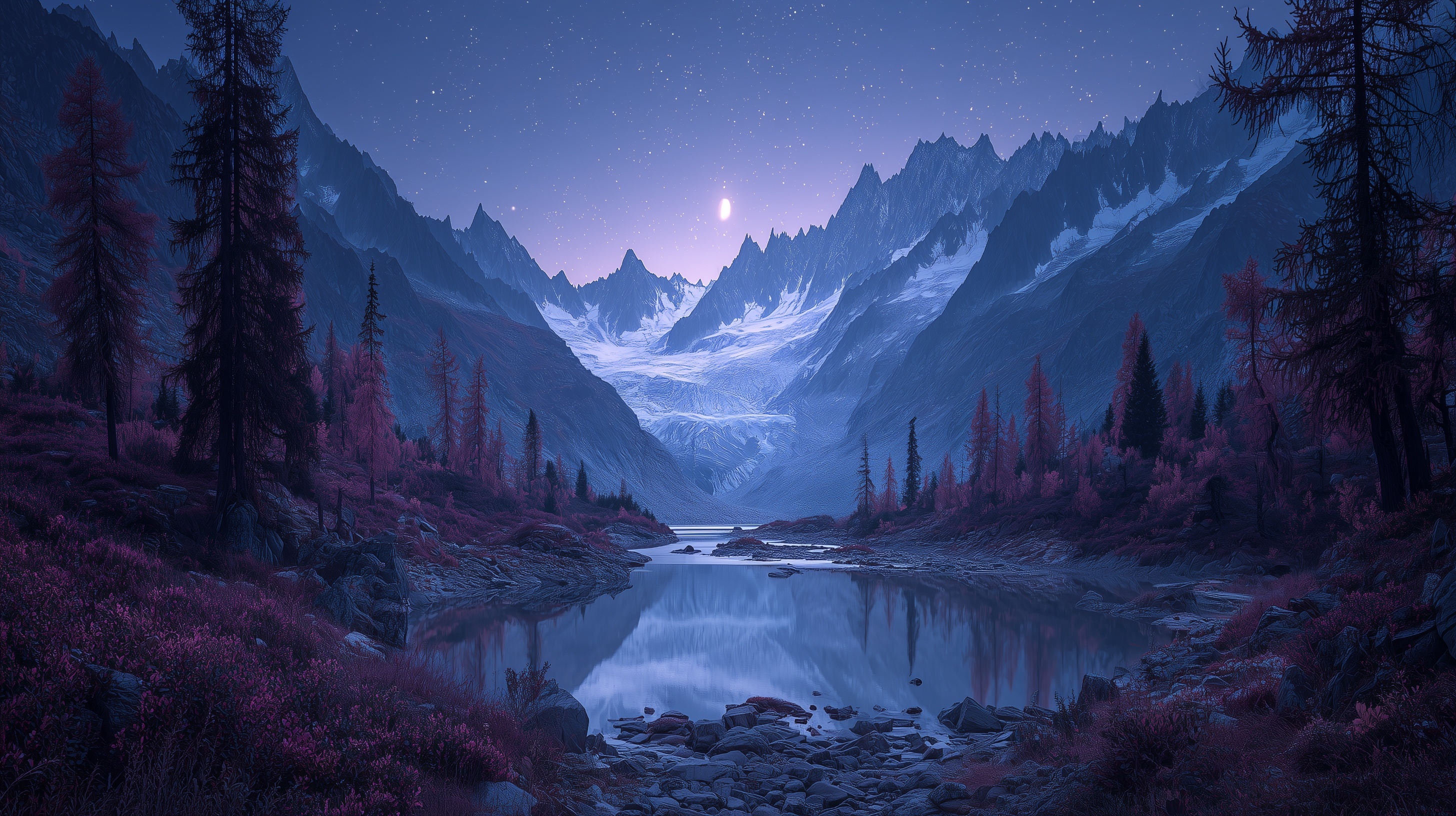
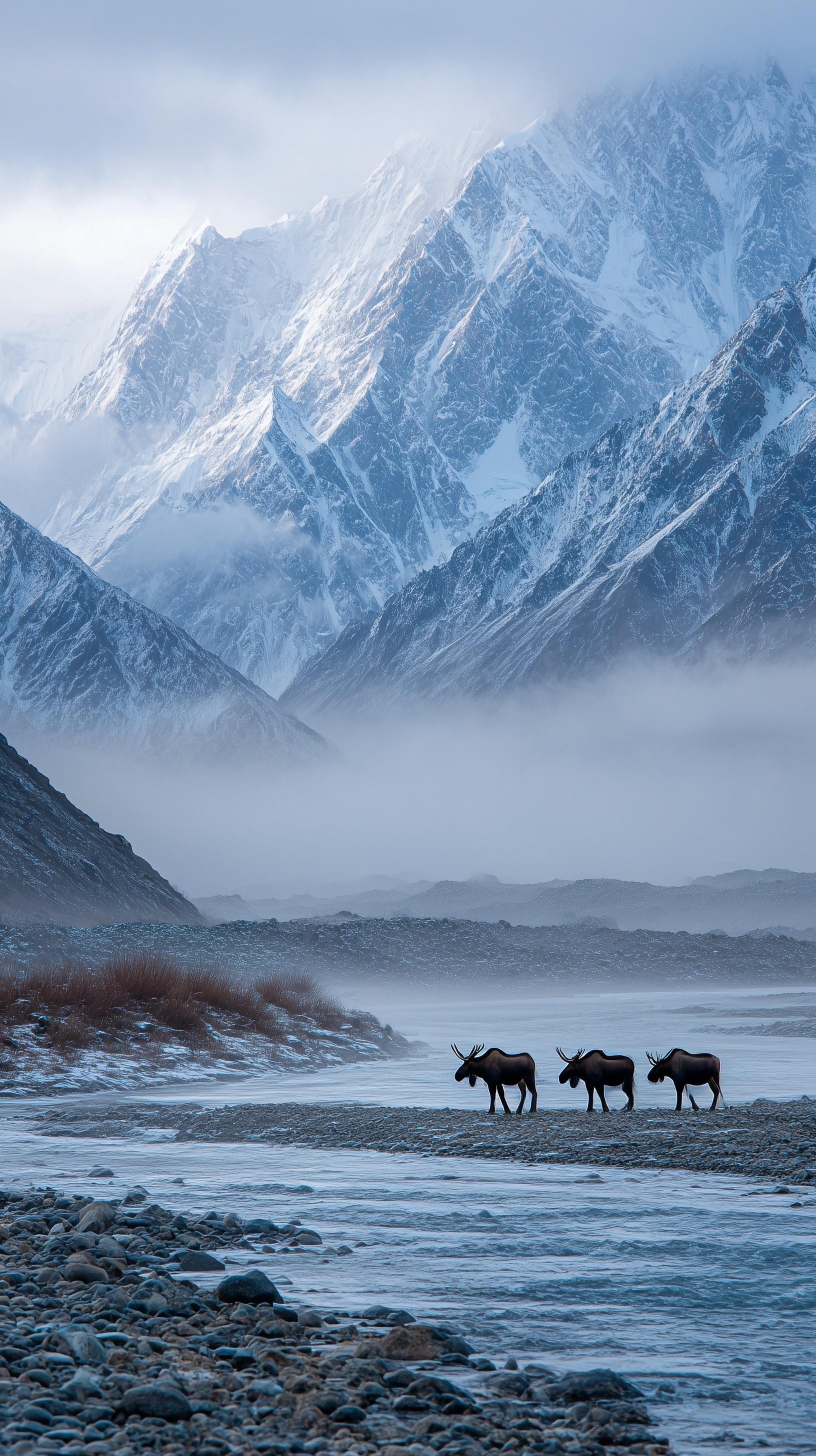
Life on Stone Castle Glacier is divided between the restless coast and the frozen heart inland. Along the cliffs the sea teems with movement. Birds fill the air in flocks so thick they seem to darken the sky. Puffins, gulls, and raptors nest on the sheer faces, their cries carrying over the roar of the surf. Seals and whales rise among the floes, feeding on the endless schools of fish that churn in the currents. Hunters follow them, from frost griffons wheeling high above to sea drakes that lurk beneath the waves, their bodies camouflaged in ice and shadow. Inland the glacier hosts a harsher kind of life. Packs of wolves prowl the ridges, lean and pale, their eyes gleaming in the cold light. They shadow the herds of caribou and musk oxen that cross the high passes during summer, moving from valley to valley in search of thin grazing. In the short window when the land thaws, polar bears emerge from dens carved into snow caves, stalking meltwater pools for seals that wander too far from the coast.
Farther into the ice the line between beast and legend blurs. Frost trolls rise from caverns that lie hidden beneath the glacier, their bodies half fused with ice, their movements slow but relentless. Yeti stalk the shadowed valleys, leaving gouges in stone where no natural creature could climb. Prospectors tell of blind ice bats that swarm in caverns below, their wings whispering like the crack of breaking frost when disturbed. Each tale, whether proven or not, adds weight to the sense that the glacier holds more than nature alone. Plant life survives only in sheltered places. Mosses and lichens cling to exposed stone, spreading in muted shades of green and gray. In the brief summer, small alpine flowers bloom in hidden hollows, their colors striking against the white expanse. These blossoms fade as quickly as they appear, but healers and alchemists prize them for their strange potency, shaped by centuries of frost. In deeper crevasses, glowing fungi cling to damp walls, illuminating the dark with a faint, eerie light. The inland ridges are also said to harbor creatures touched by The Shattering. Wanderers speak of shapes that look like men at a distance, but fall to all fours and vanish into the snow with unnatural speed. Others whisper of wyrms beneath the ice, their coils mistaken for ridges until they stir. Whether these stories are truth or fear made flesh, the glacier itself provides no answers. Together the coast and the inland form two halves of a single ecosystem. One thrives on the abundance of the sea, the other endures on the scarcity of the land. Both are bound to the rhythm of ice and storm, adapting not to seasons alone but to the glacier’s endless advance and collapse. On Stone Castle every life is sharpened by hunger and by cold, whether it swims in black water or walks in the silence above.
Natural Resources
"Gold is the true curse of Stone Castle. It shines bright enough to lead men into the cracks, and dull enough to be buried with their bones."
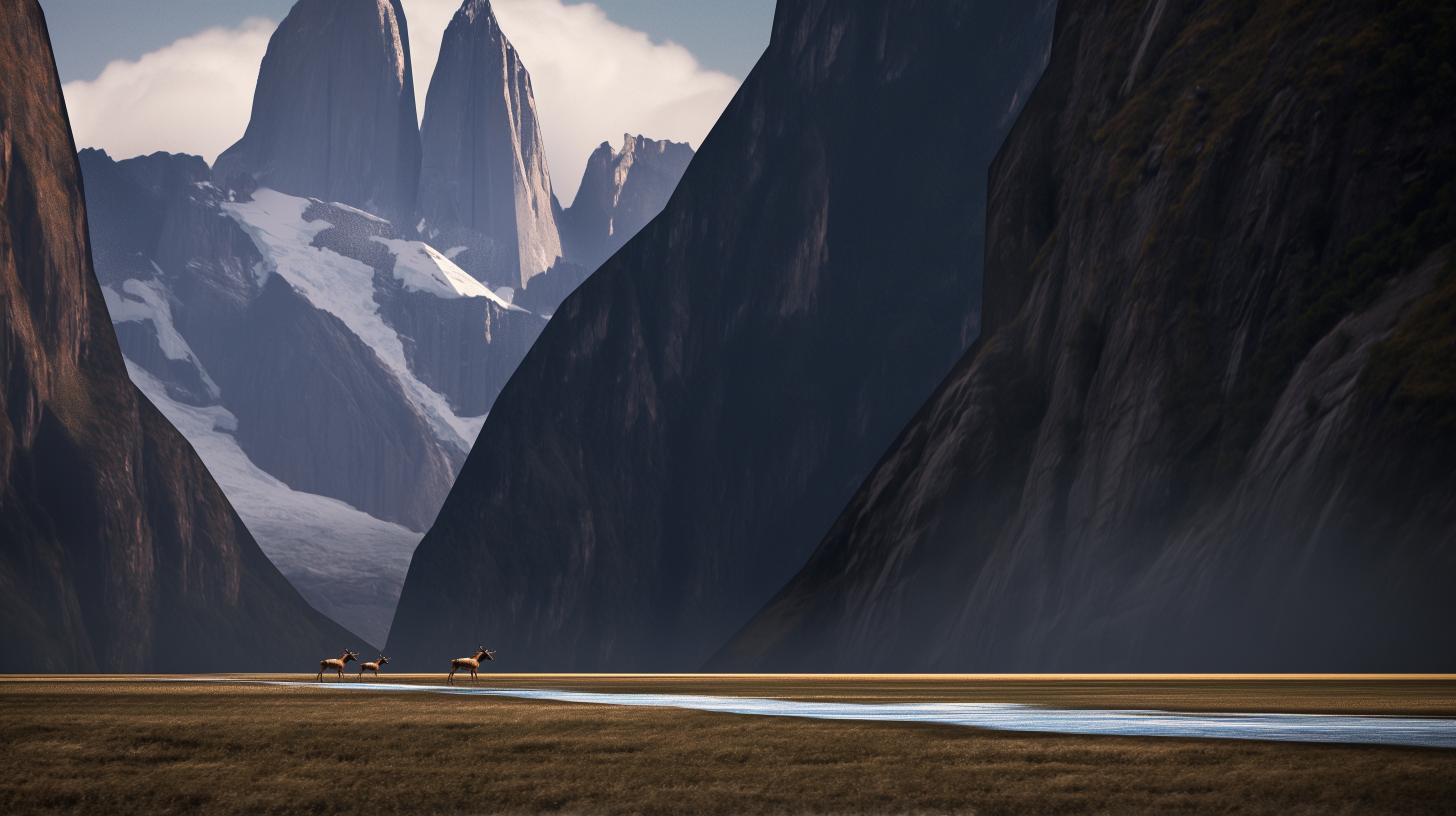
Stone Castle Glacier holds wealth that tempts those willing to risk its dangers. The ice itself is a resource, clear and untainted, harvested in blocks by ships that dare the seasonal ports. In distant lands this ice becomes a luxury, a trade good worth more than silver in the height of summer. The demand for it fuels expeditions that push into the fjords each year, knowing full well that storms or calving might claim their cargo before they return. Beneath the glacier the mountains hold veins of precious ore. Gold is the most sought after, found in narrow seams that gleam when the ice shifts or when prospectors cut too deep. Other metals lie hidden as well, from common Iron to rarer alloys that bear strange hues when smelted. The richest deposits are almost always the hardest to reach, buried in valleys where avalanches sweep down without warning or in caverns that collapse at the faintest touch. Many who go in search of fortune are never seen again, leaving behind only stories of the riches that lured them on.
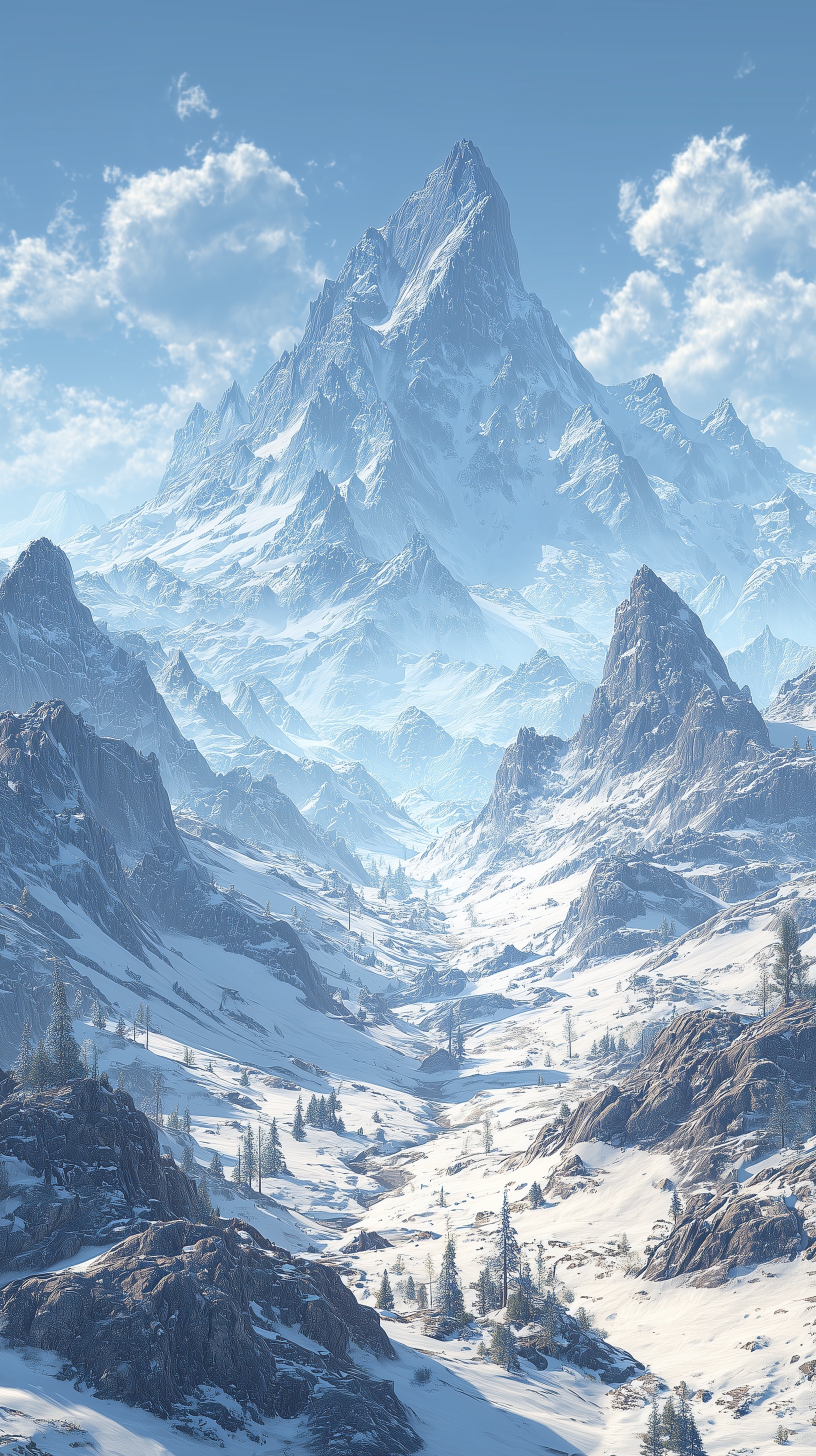
Stone itself is quarried in places where the glacier loosens its grip. Granite and slate break free in slabs large enough to build walls or pave streets. These are hauled at great cost through the fjords to the seasonal ports. Builders in far cities prize them, for the stone carries a durability hardened by centuries of pressure. Some claim walls built from such blocks hold cold even in summer, as though the glacier refuses to release what it has kept. The sea offers its own bounty. Fish swarm in currents driven by the meeting of warm and cold waters, and their numbers attract hunters from across the continent. Whales rise along the shelf in summer, their oil and bone harvested by daring crews. Seals provide meat, hides, and sinew, though hunting them among the floes carries mortal risk. Even the seabirds, countless in their multitudes, are taken for eggs and feathers during the brief months when the cliffs can be scaled. Not all resources are safe to touch. The glacier itself holds remnants of what came before, artifacts and treasures buried when the land collapsed. Prospectors whisper of dwarven forges cracked open by shifting ice, their work still gleaming in the dark. Others speak of veins that shine with more than Gold, stones that glow faintly in moonlight and resist the bite of any chisel. Such finds draw adventurers as surely as they draw ruin, for the glacier guards its secrets with the same patience it shows in every other cycle. Even the hazards are counted as resource by some. Hunters sell tales of strange creatures found only here, their hides or bones fetched at great value by collectors and scholars. Sailors harvest ice floes that drift into safer waters, claiming them as prizes of luck rather than skill. Each fragment of the glacier seems to offer something to those willing to reach for it. Yet the true resource of Stone Castle Glacier may be its very remoteness. It creates a frontier where fortunes can rise and vanish in the span of a season. Every port, every expedition, and every claim is temporary, undone as soon as the storms return. Wealth here is never secure. It is a prize stolen from a land that does not give willingly.
History
"Deep Forge burned like a star beneath the ice, and when the Shattering came, that star fell. The glacier has carried its ashes ever since."
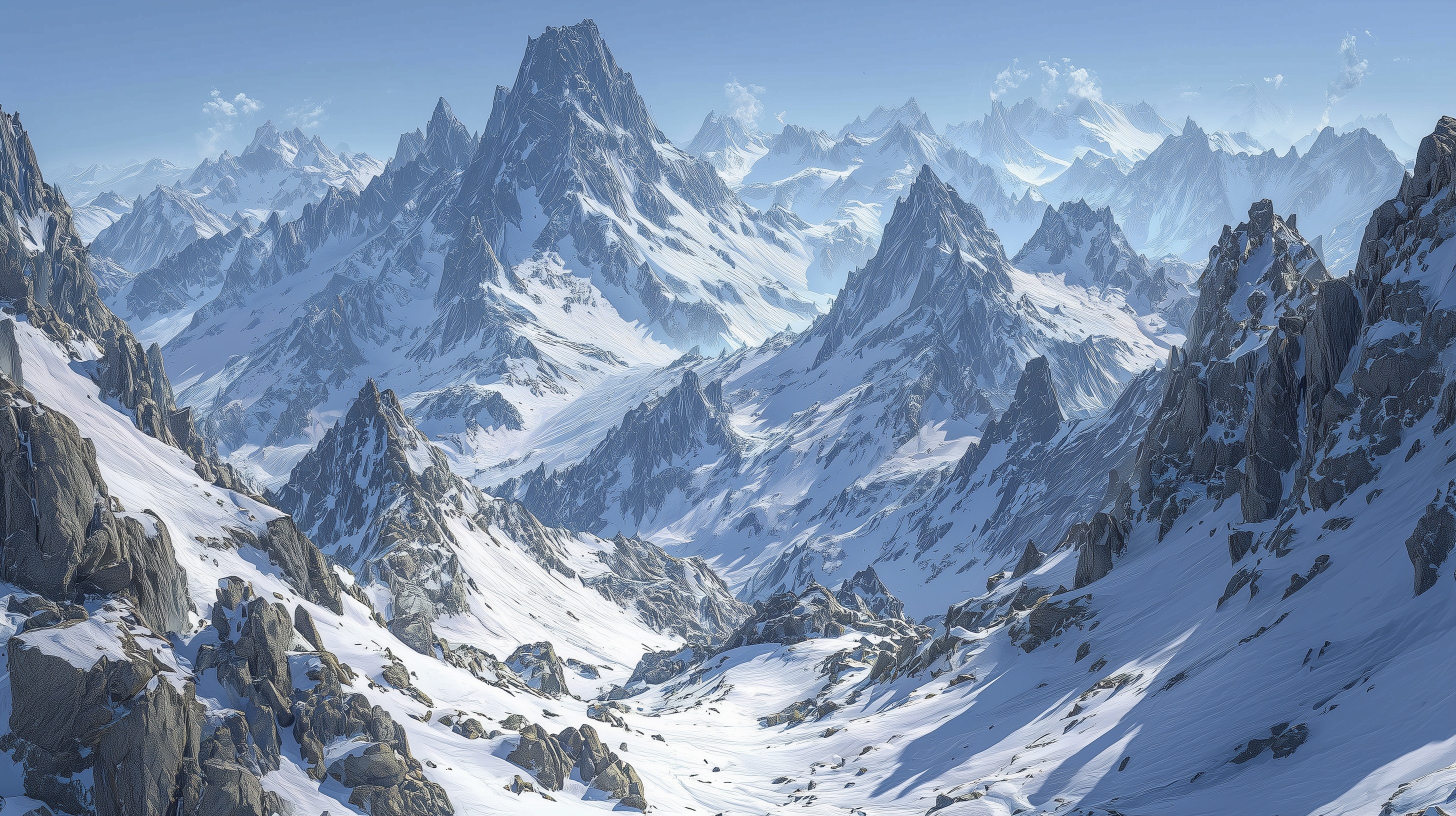
The story of Stone Castle Glacier is bound to the mountains that birthed it. When two continents collided and neither bent beneath the other, the Agriss range rose like a scar across the land. Ice gathered upon those newborn heights, fed by storms from The Illusion Sea and snowfalls that never ceased. Over ages the ice pressed outward, grinding the stone beneath and carving valleys that vanished under its weight. By the time the first peoples came to its shadow the glacier already stood as an unbroken wall at the edge of the world.
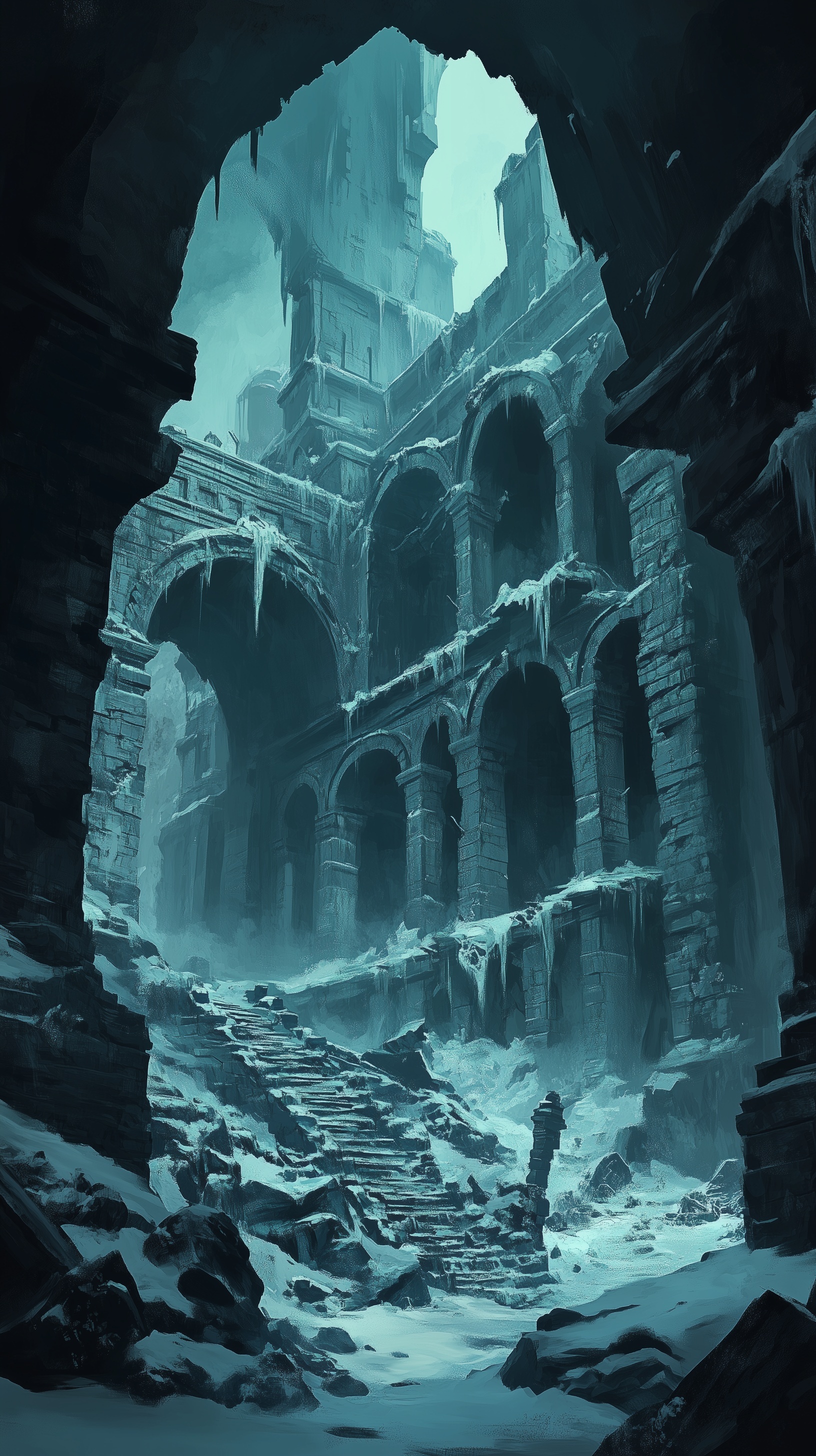
Legends say the earliest mariners saw it as the end of the map. They told of a frozen fortress taller than any mast, its cliffs shining in the light of dawn like walls of glass. Some believed it was a barrier raised by gods to mark the limits of mortal reach. Others saw it as a prison, a place meant to seal away things too dangerous to walk free. Whatever their belief, all agreed it was a place to fear, and for centuries few dared sail its waters. In time the dwarves carved their kingdom beneath it. They dug halls and forges into the stone under the glacier, building a city whose light burned against the cold. Deep Forge rose as the heart of Iron Gate, a marvel of craft and will. For generations it endured, shaping the land above and below, until The Shattering struck and the city fell. The glacier bore silent witness as caverns collapsed and halls filled with ice, leaving behind ruins entombed beneath the weight of centuries.
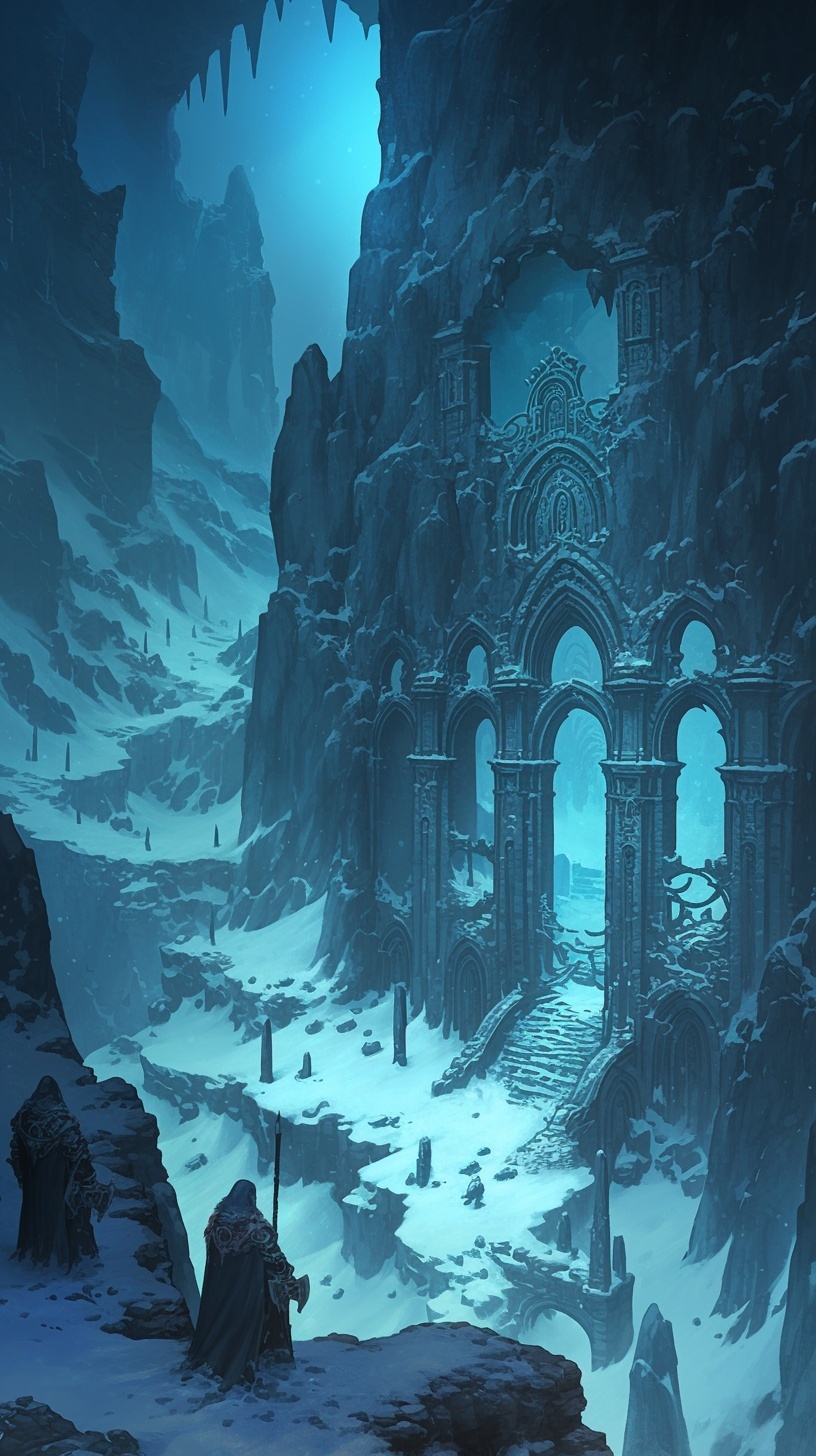
The fall of Deep Forge scattered its people across the south. Some fled inland to safer ground, others took to the sea, but many lingered in the shadow of the glacier itself. They built camps on its ridges and villages along its fjords, unwilling to leave the bones of their homeland behind. To outsiders Stone Castle was a tomb. To them it remained a fortress of memory, both shield and burden, impossible to abandon. Explorers and adventurers followed in later years, drawn by rumor of treasure buried beneath the ice. They told of collapsed forges filled with Gold, of halls still echoing with the ring of unseen hammers, and of artifacts preserved in frozen vaults. Many of these stories ended in silence, but enough returned with proof to keep the hunger alive. Prospectors soon joined them, chasing seams of ore and shards of stone that glittered with strange light. The glacier consumed as many as it rewarded, and still they came. Trade routes shifted with time, and the southern passage became the safer way across the continent. Seasonal ports grew where fjords offered a foothold, thriving for a few months each year before the storms reclaimed them. These ports carried wealth and danger alike, for every ship that sailed carried not just goods but the risk of ruin. The glacier loomed above them, unchanged and indifferent, a constant reminder of the cost of living in its shadow. Even now Stone Castle Glacier is seen as more than a feature of the land. To some it is a monument to loss, to others a promise of fortune. Its history is written in collapse and renewal, in the rise of kingdoms and the fall of cities, in the lives of those who come seeking and the silence that takes them. The glacier does not remember, yet it holds the past in ice and stone, preserving it for those who dare to look too closely.
Tourism
"They say the ports bloom like summer flowers, but I tell you they are graves that have not yet chosen their dead."
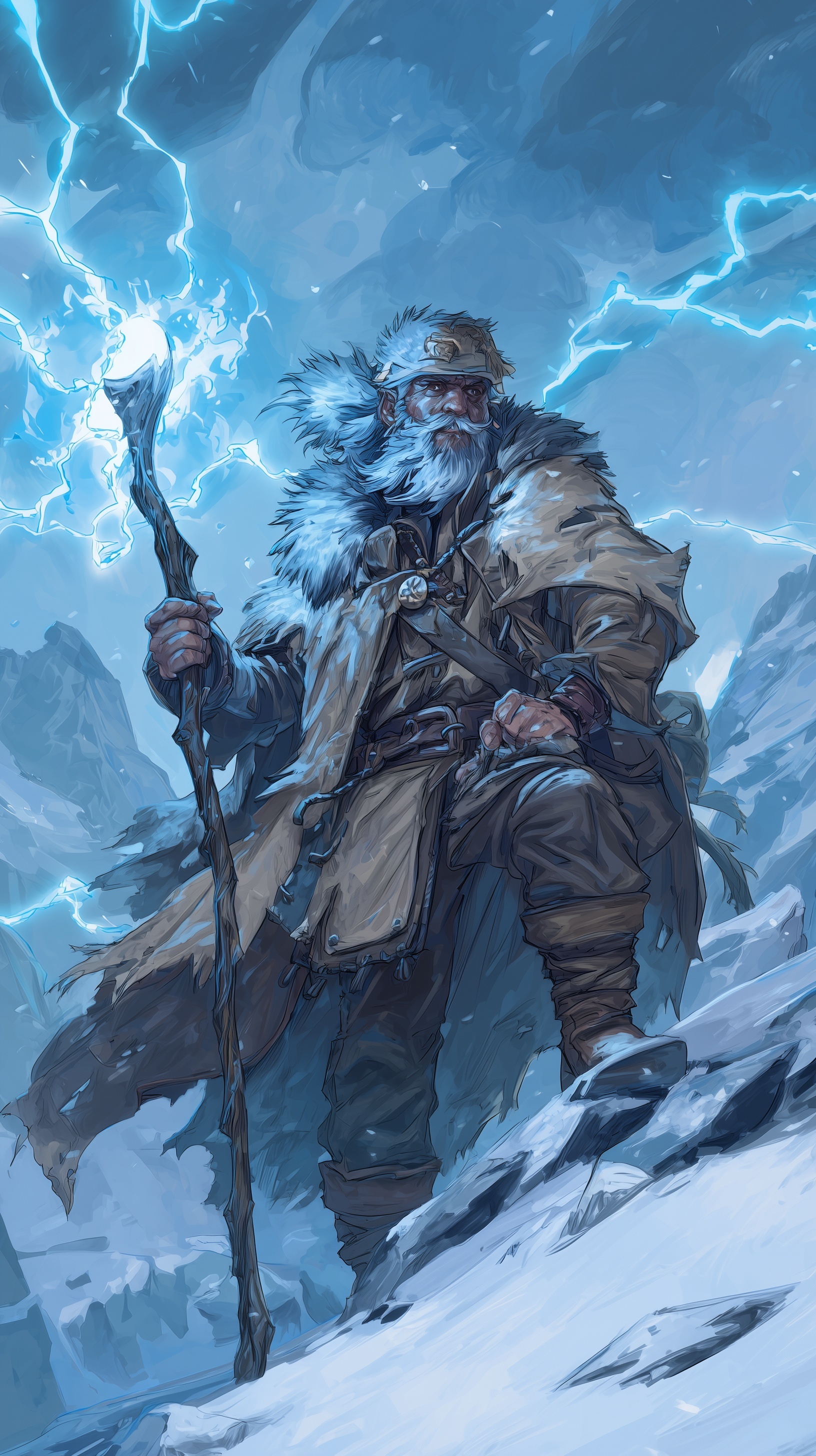
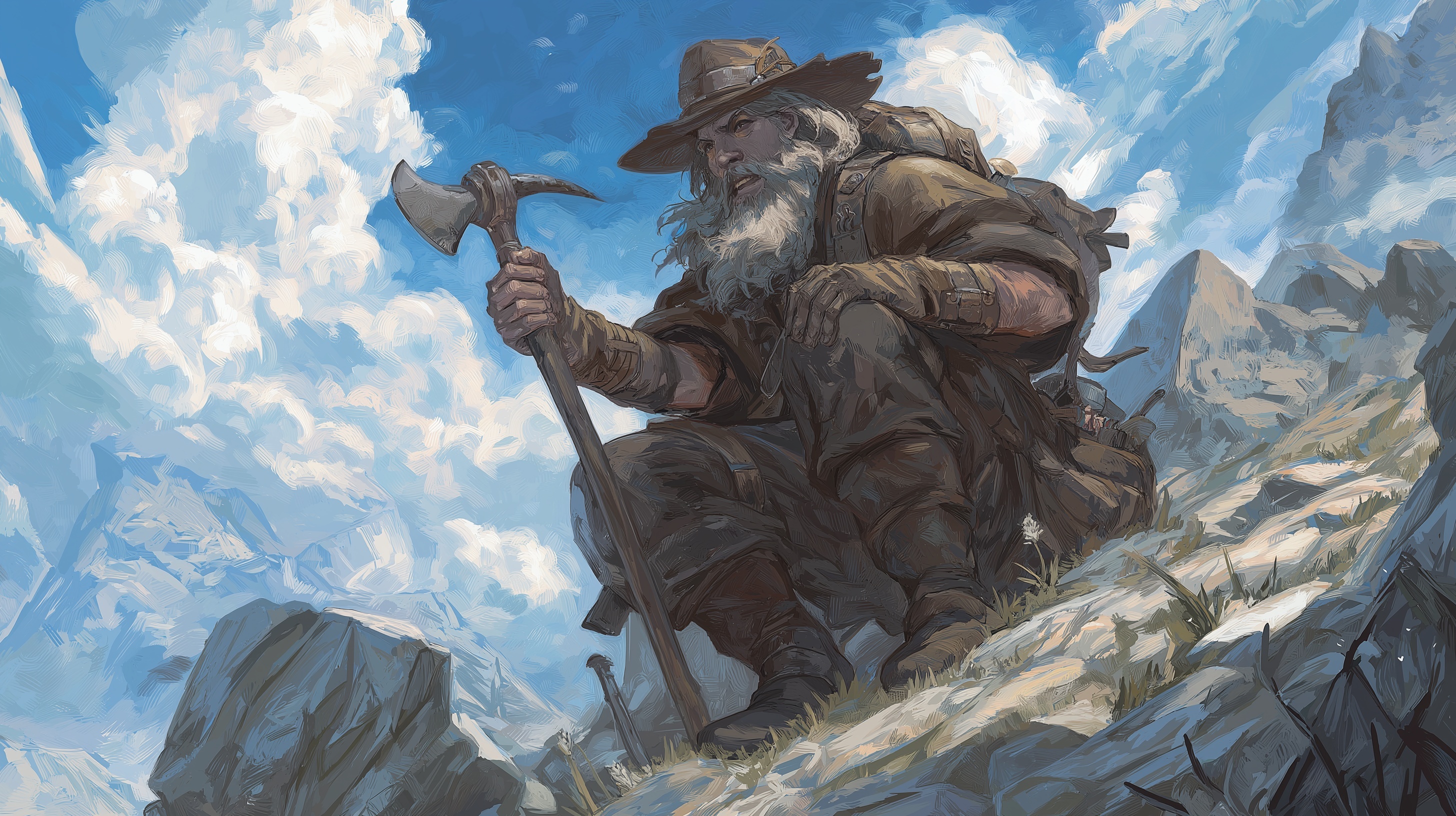
Stone Castle Glacier is a frontier that draws those willing to test themselves against ice and stone. When the seas ease and the fjords open, ships crowd into the seasonal ports. Taverns roar with noise, markets fill with scavenged goods, and guides barter their knowledge of trails that may not last the season. For a few months life surges along the coast, every soul preparing to push inland where the true dangers and fortunes wait. Prospecting is the heartbeat of these ventures. The glacier’s mountains hold gold and iron in seams that tempt any who can reach them. Claims are staked hastily, disputes flare into violence, and makeshift camps rise along the ridges. Most do not survive long. Avalanches bury them, crevasses split beneath them, or storms scatter them to the wind. Yet each new vein discovered ensures more seekers arrive the next year, eager to risk what others lost.
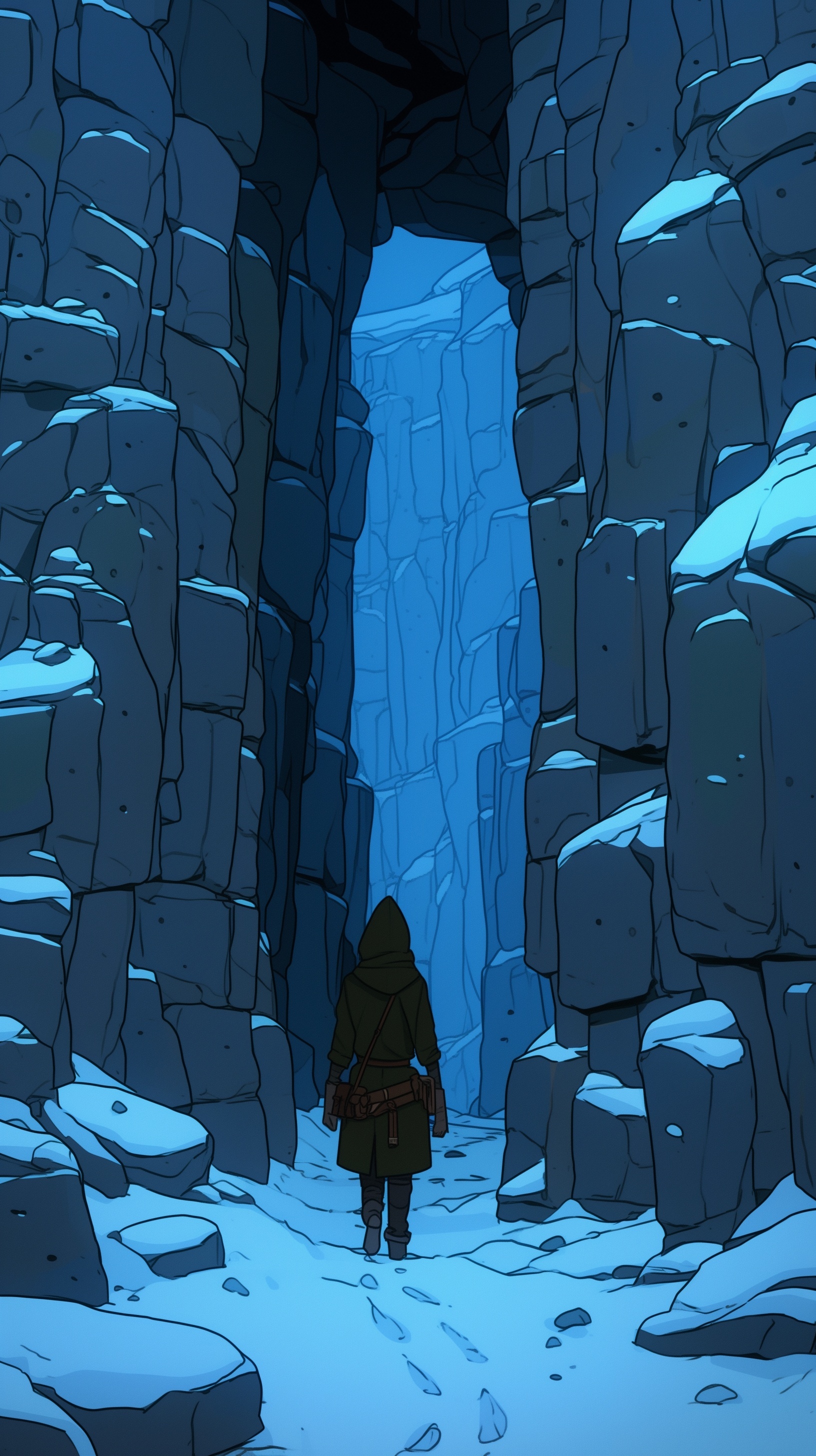
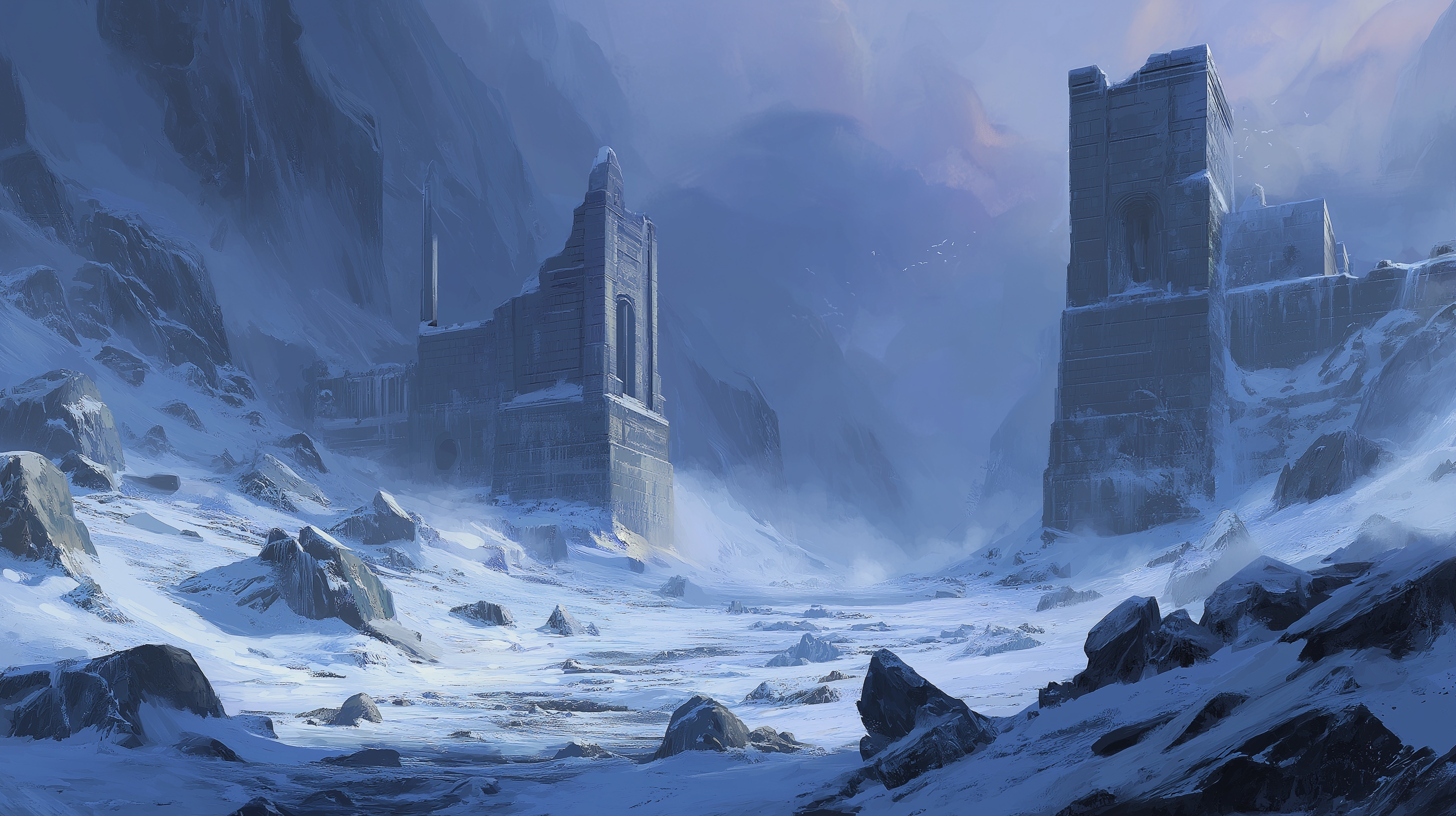
The ruins of Deep Forge remain the greatest lure. Adventurers form bands to seek its collapsed halls, hoping to uncover relics or treasure preserved in the ice. Every tale of recovered arms, half-buried forges, or lost vaults sparks another expedition. Few return with more than scars or fragments of stone, yet each fragment is enough to prove the ruins are real, and that greater prizes still lie hidden. Hunters come as well, chasing the creatures that prowl the ridges and valleys. Wolves range far across the inland ice, lean and relentless, their pelts prized by merchants. Caribou herds cross the high passes in summer, feeding both men and beasts, while polar bears stalk meltwater pools with a patience that makes them as dangerous as any predator. Stranger stories tell of yeti, trolls, or shapes that move like men until they vanish into the snow, and these tales only draw more daring hunters to test their skill.
Others come to disappear. The glacier offers exile without judgment and shelter without law. Debtors, deserters, and wanderers vanish into the surface, some never to return, others reemerging as hardened guides who sell their experience to the next wave of fortune-seekers. On the glacier’s face survival itself becomes a trade, and those who master it quickly find their knowledge worth more than any weapon. The ports themselves are fleeting places. They roar with life for a season, crowded with ships and strangers, then fall silent when storms return. Docks stand empty, taverns collapse under snow, and only the glacier remains unchanged. Each year the cycle begins again, as if the land dares mortals to challenge it once more. Stone Castle Glacier is no place of comfort. It is a crucible where wealth, ruin, and legend are all won or lost within a single season. Those who step into its shadow do so knowing the ice will test them, and that the glacier will remember nothing of their passing.
"The Castle rises not from stone alone but from silence. Stand before it long enough, and even your heartbeat will seem too loud."
Type
Glacier
Location under
Owning Organization
Related Ethnicities
Related Materials
"They built their halls where no sun could touch, and for a while it seemed they had mastered the dark. But the dark keeps its own dominion, and it took back what was stolen."



Really an amazing article. Your writing is really descriptive - I felt cold as I read it!
Thanks! I was geting tired of summer. ;)