“I have faced things in the Agriss that freeze the blood. Nothing prepared me for that song. It was like someone whispering every mistake I ever made back into my ear.”
— Dannis Muree, Kesten Border Scout
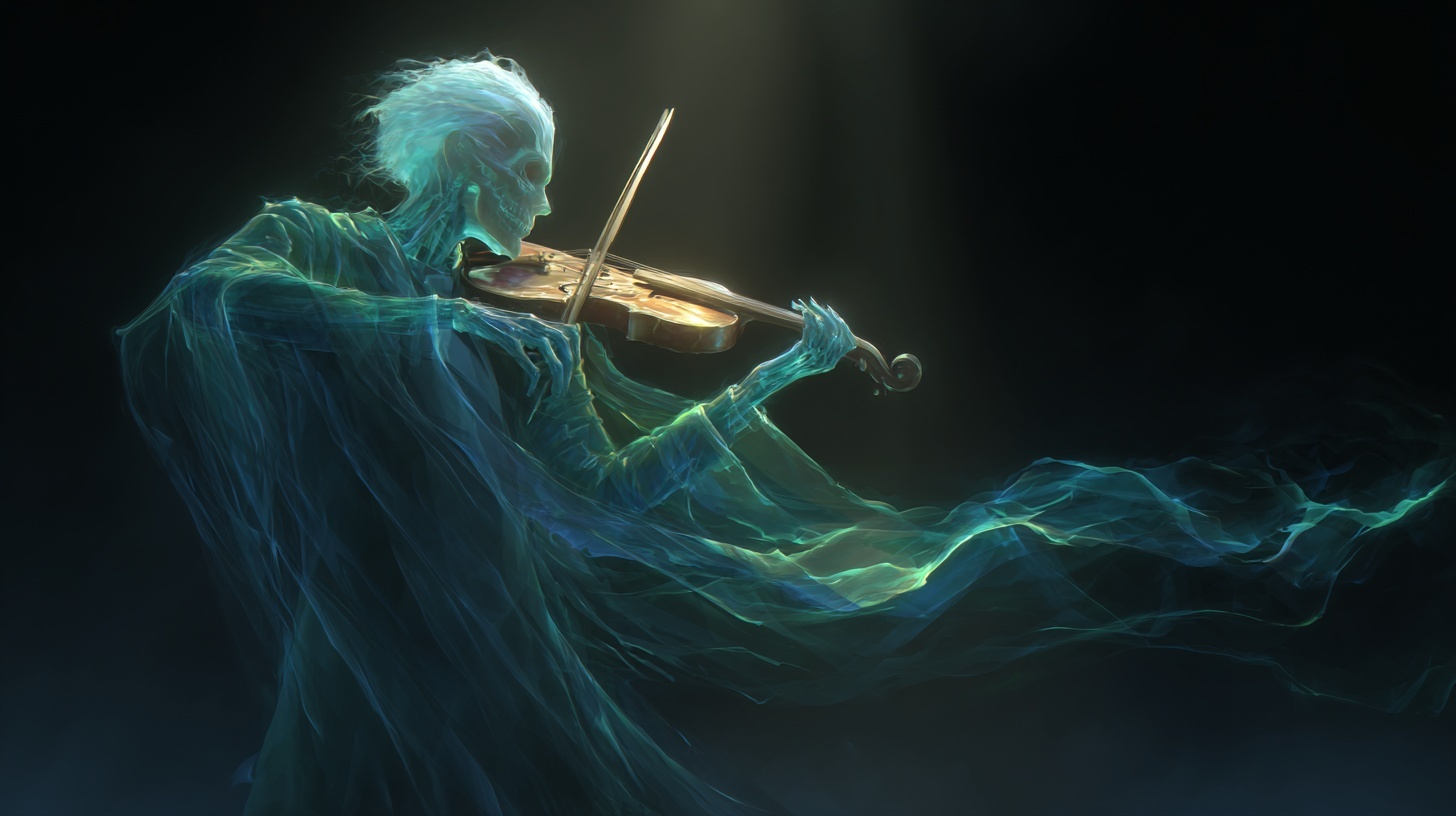
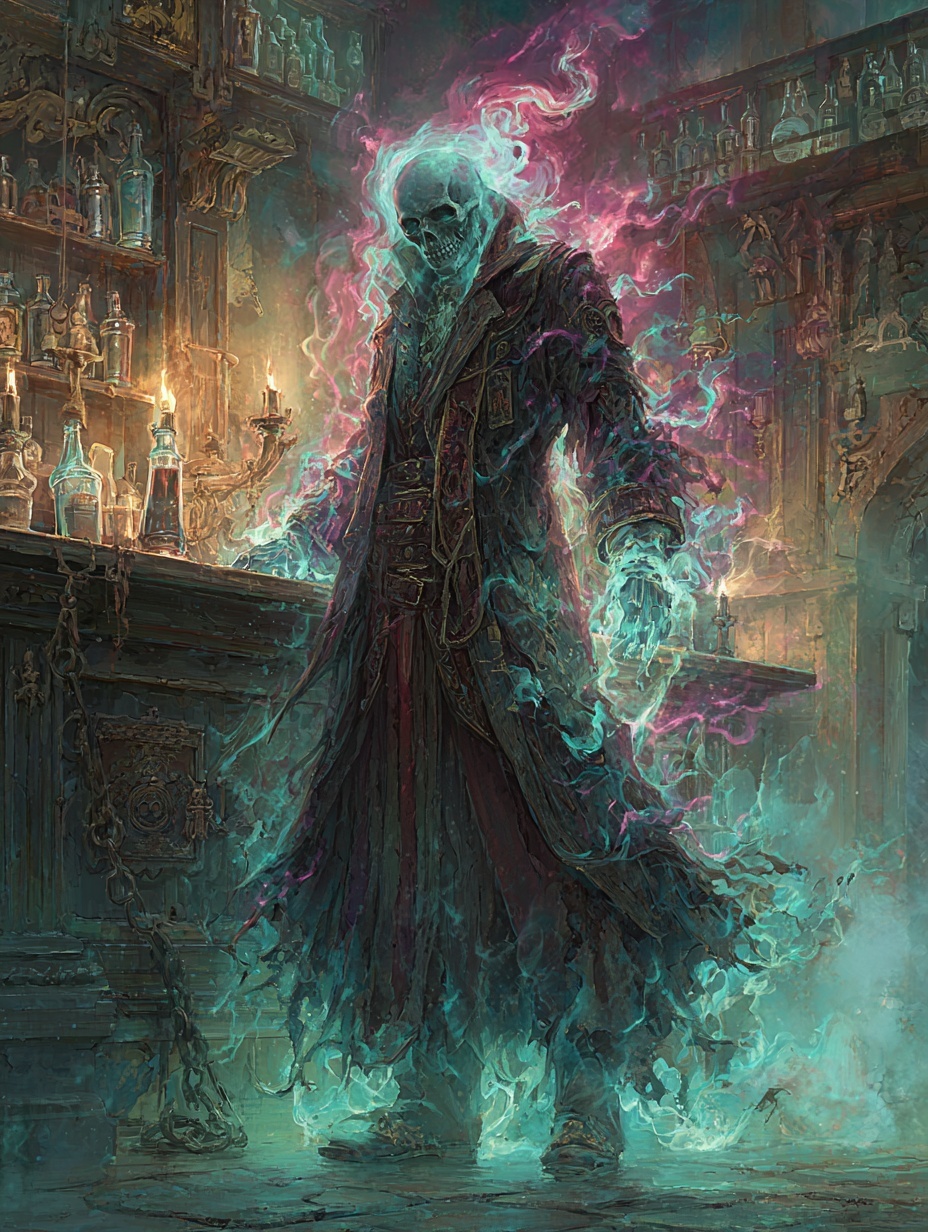
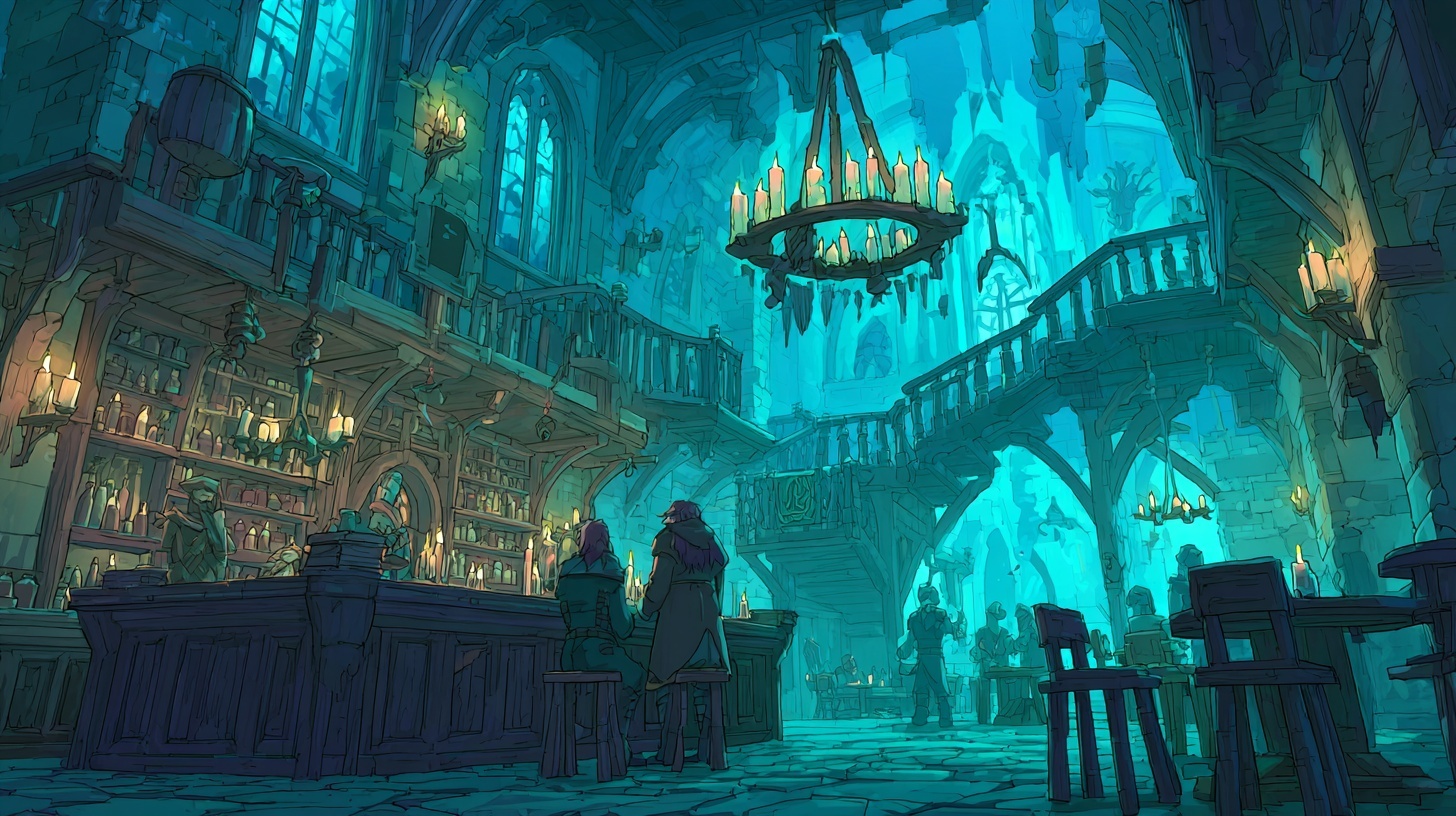
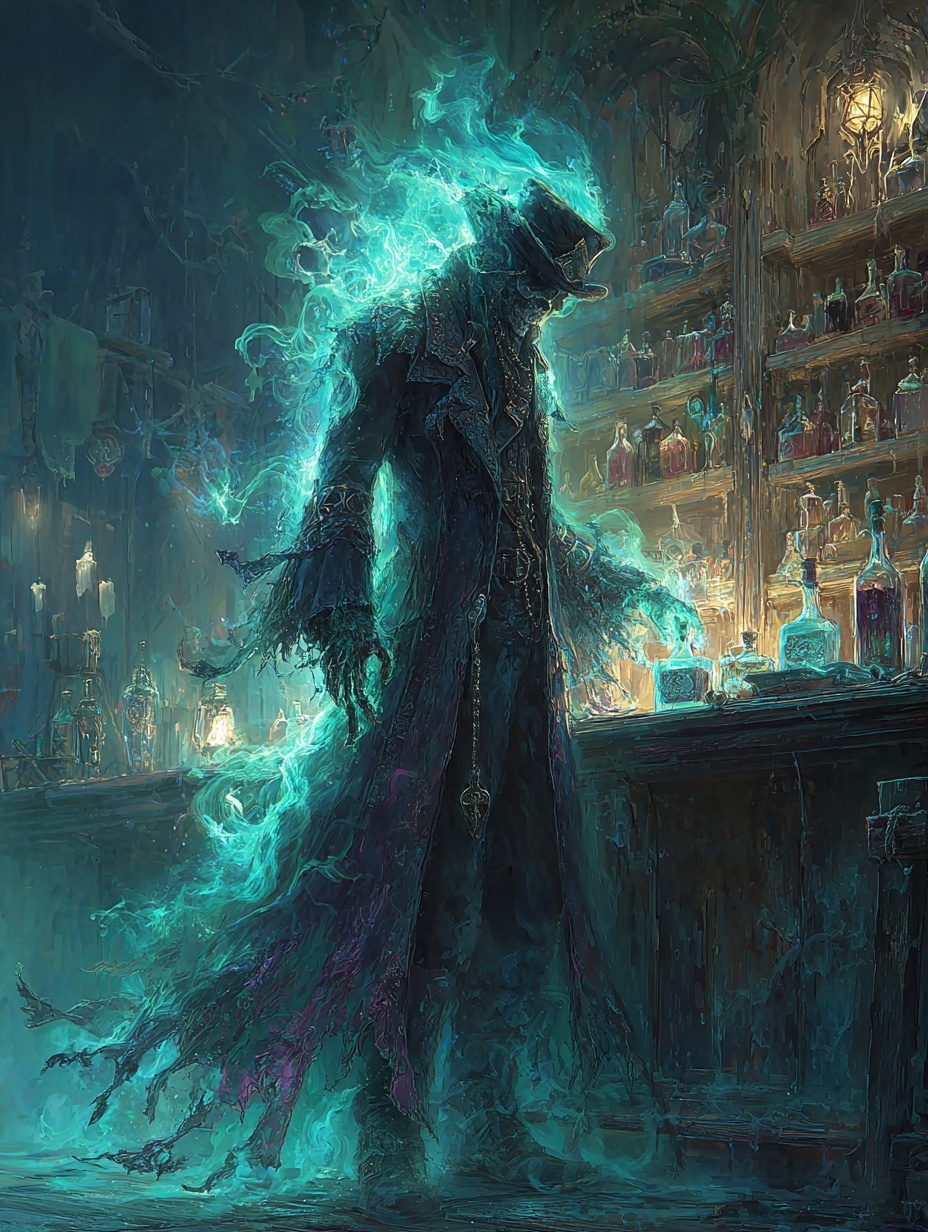
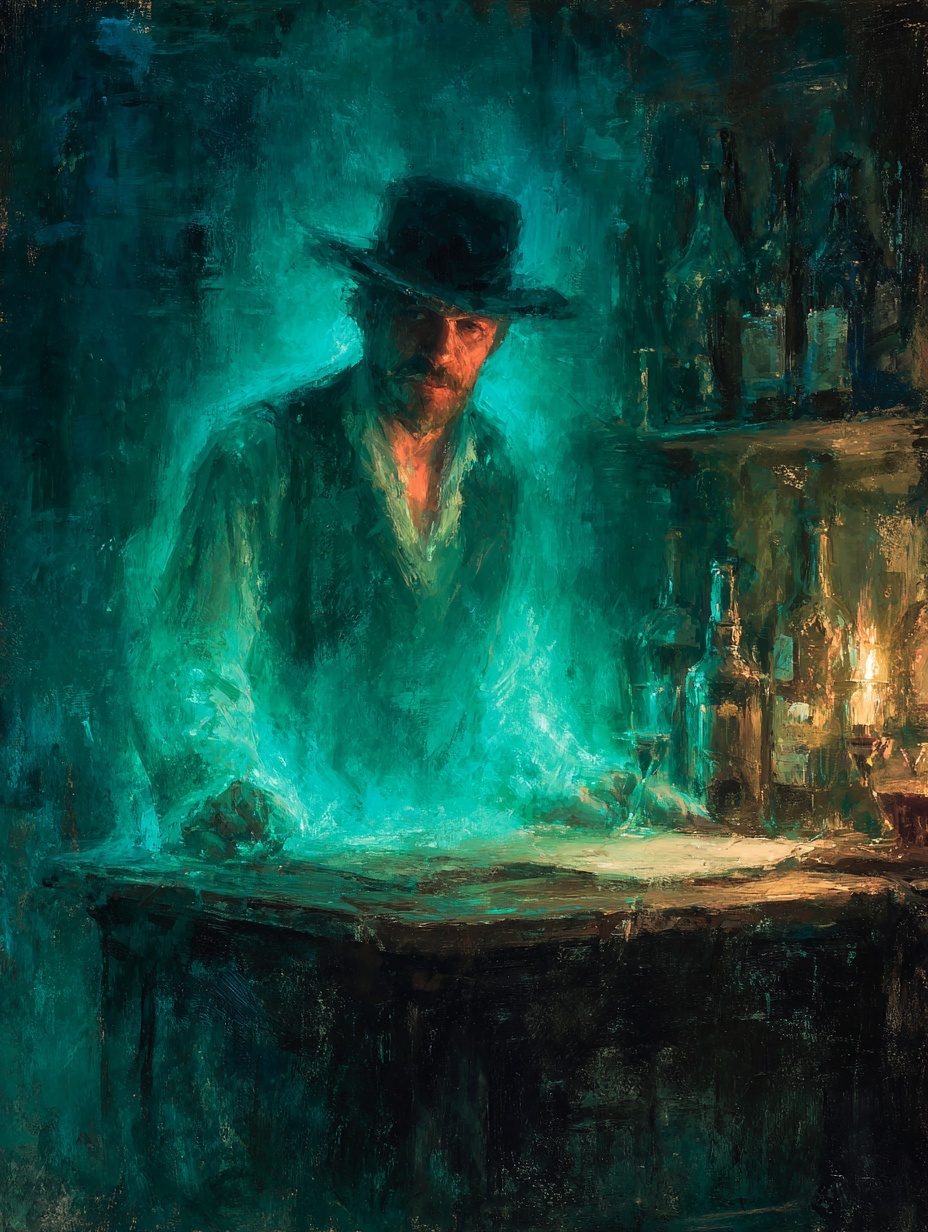
There are old stories in Areeott that speak of silence with more fear than any scream. They are whispered in the far corners of taverns when the lamps burn low and the wind outside has gone strangely still. Among them one tale has never faded. The Arin call it the story of the New Moon Bard. They say he arrives only when the sky has no light at all. He steps through a tavern door as if he has simply wandered in from the cold and the room does not notice him until he is already standing at the bar.
No one remembers his face. No one remembers the details of his clothes. No one agrees on the instrument he carries. It seems to change each time someone tries to describe it later. Some swear it has strings. Others claim it breathes like a wood wind. A few insist it has neither form nor weight. The Arin do not argue about this. They know the mind discards details that do not matter when something else demands attention.
He plays a single tune. It drifts through the tavern like a memory half remembered. It is soft enough to calm a restless room yet heavy enough to make the strongest drinkers stare into their glasses. Some Arin feel it like a hand on the shoulder. Others feel it like a voice they once loved calling from very far away. A few refuse to speak of the experience at all. The melody pulls up old thoughts that have no business returning. Regrets. Names. The weight of unfinished conversations. It is not a pretty tune and not an ugly one. It is something older and deeper that makes the heart twist because it reaches a part of a person they work hard to keep quiet.
This is why Arin taverns fear him. Not because he threatens them. Not because he seeks anything from the living. His presence reminds every listener that there are wounds time does not stitch shut. A night meant for laughter becomes a night spent staring into the dark corners of the mind. The Arin respect him, but they do not welcome him.
When the final note dies he lifts the drink left for him at the end of the bar. Every tavern in Areeott places that single glass of brown liquor near the door on the new moon. No one touches it. No one sits near it. If he arrives the glass is missing the next moment. If he finds the drink he leaves without a word and the tavern exhales as if a storm has passed. This is the only courtesy the Arin know to offer. A kindness carried over from a girl who once saved that drink for him before the night the world turned wrong.
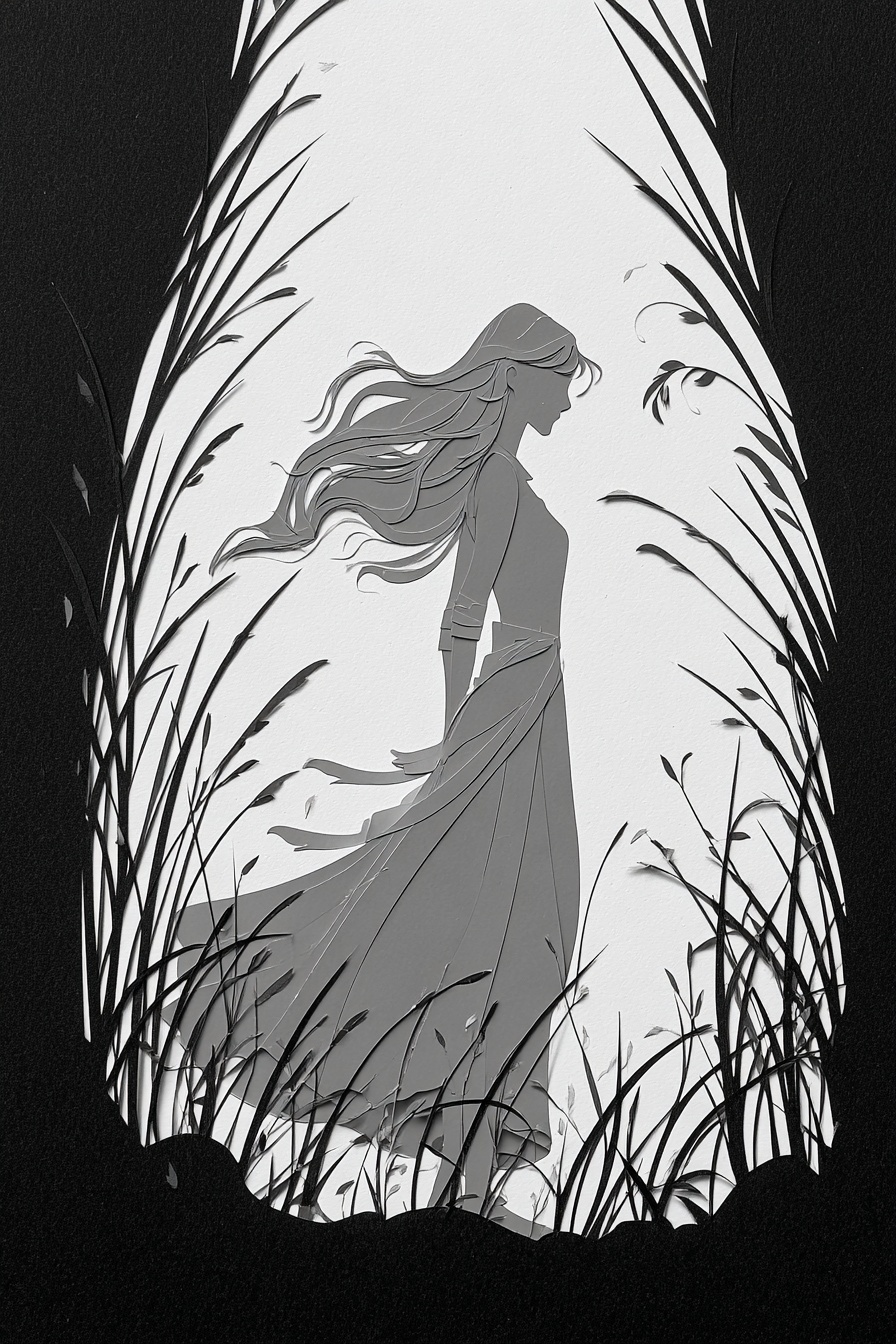
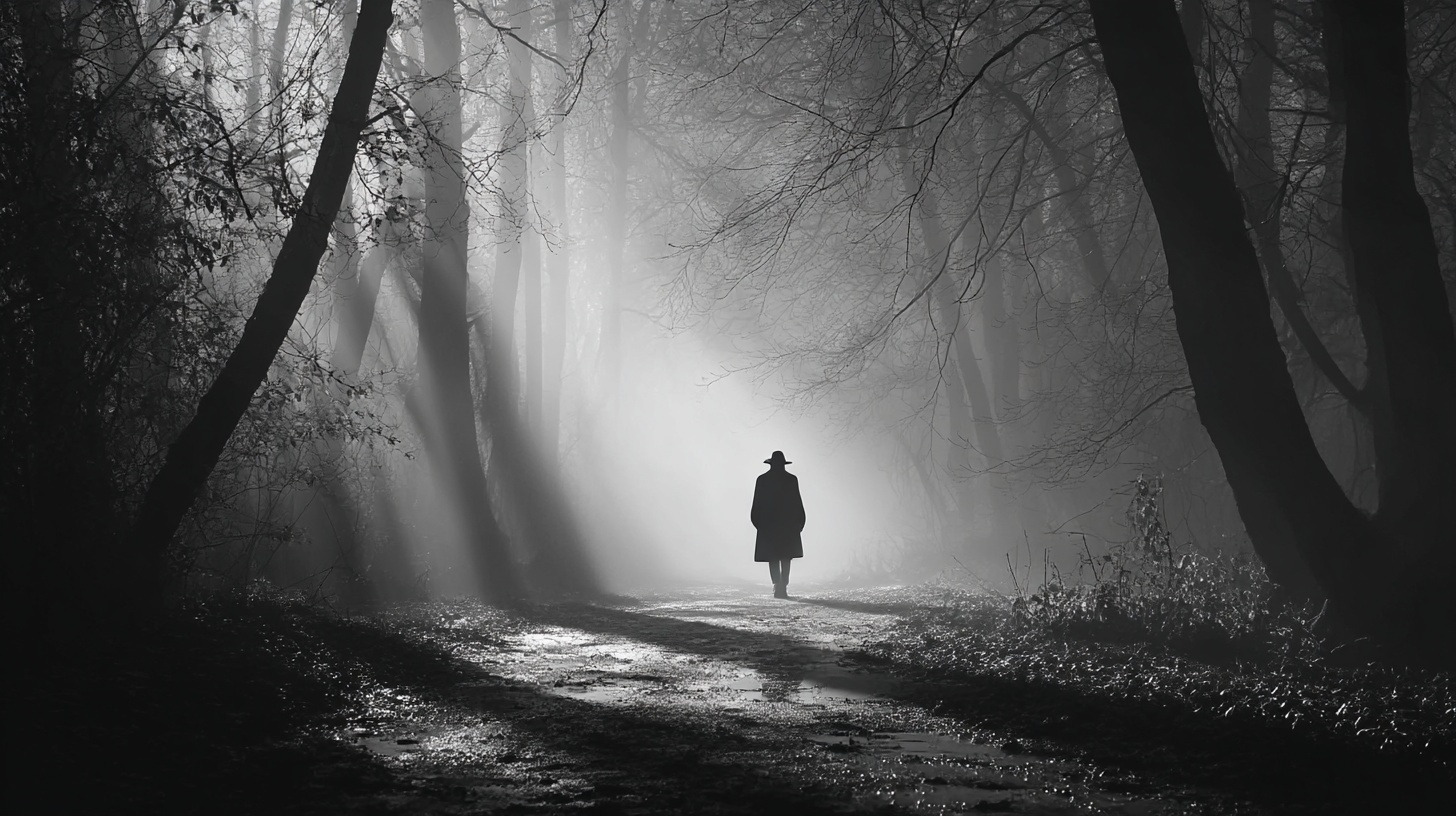
Travelers say that once he steps outside he fades like breath on glass. Those who know the deeper tale whisper that he walks toward a crossroads where a girl waits for him. She appears on the same nights near places where the roads divide. Always distant. Always pale. Always watching the way he was meant to come. She does not speak. She does not reach out. She only waits in the posture of someone trying not to feel the cold. The air around her grows thin and sharp. The Arin say this is the shape her hope took at the moment it broke.
The Arin do not present this story as a lesson. They present it as a truth of their land. Some ghosts rage and some wander. Others repeat the moment that shattered them. The New Moon Bard does not rage. He returns to his song. The Crossroads Bride does not wander. She stands where she was told to meet him. Each haunting belongs to the same night and neither can find the other. The Arin accept this with the quiet patience of a people who have seen stranger things in the mountains.
On the new moon no Arin tavern is ever truly at ease. They keep the glass ready. They keep their voices low when the air shifts. They listen for a single note that turns a warm room cold. They hope the night will pass without a visit. They hope the song will remain unheard. They hope the glass will still be sitting untouched at dawn. Yet they never delay in placing it on the bar. Some courtesies are older than comfort. Some stories have earned their place.
“The tune is not haunting. Haunting would be a mercy. This was remembering something I had no strength to face in daylight.”
— Waltis Kalind
The tale behind the New Moon Bard begins with two young people whose affection grew quietly in the corners of a busy tavern. She was the daughter of the owner, known for her bright voice and easy smile. He was a wandering musician whose songs softened even the roughest evenings. Their bond formed without effort. It was warm and hopeful. It was the kind of gentle closeness the older Arin still speak of with a wistful shake of the head because they remember how the story turns.
Her father discovered the truth. He is never given a name in the retellings. The Arin refuse to grant him that dignity. They describe him as a brisk and watchful man who believed that every corner of his tavern belonged to him alone. When he learned that his daughter planned to run away with the bard he decided to end the matter in the fastest and harshest way he could.
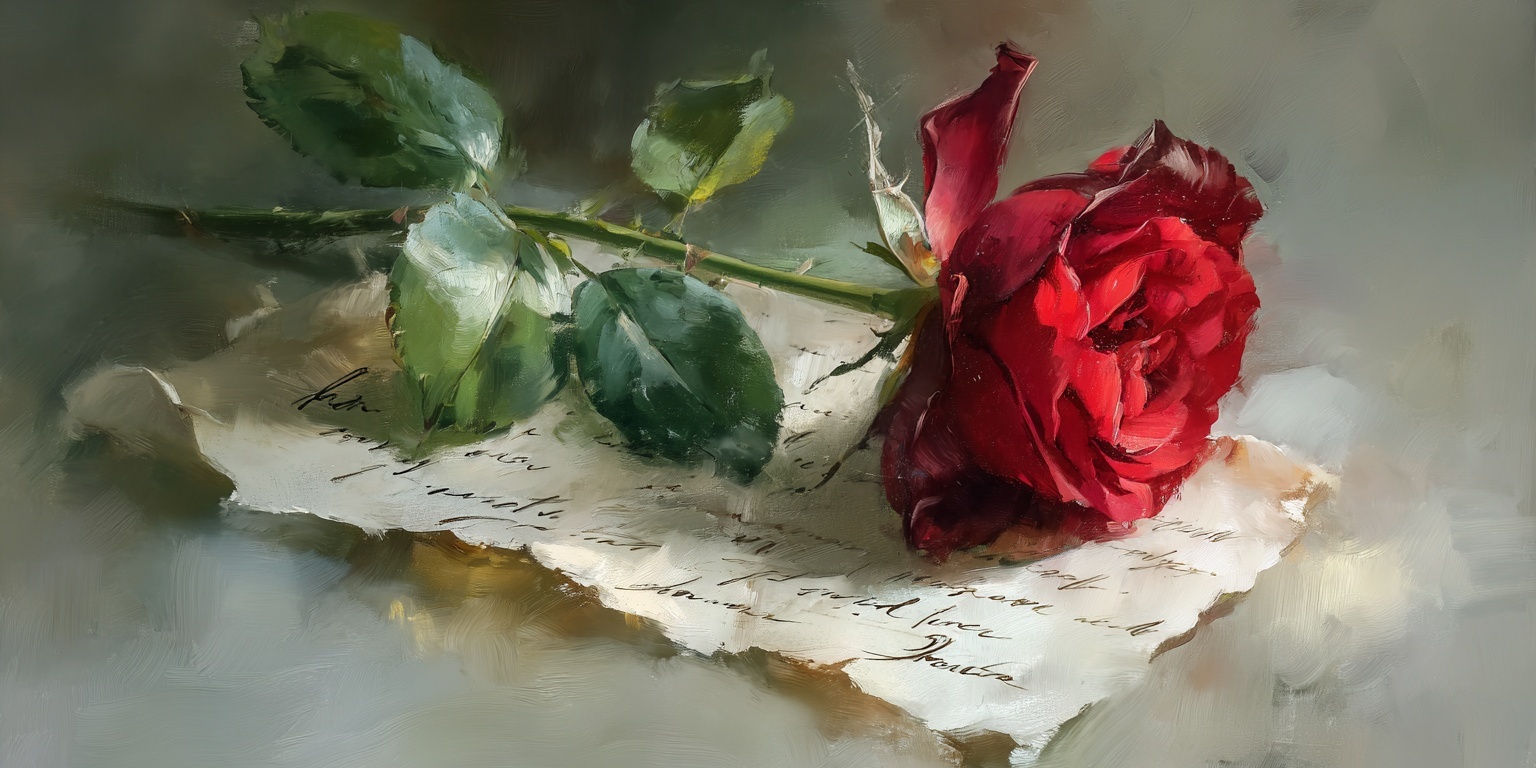
He forged a note in the bard’s hand and sent his daughter to a crossroads not far from the tavern. She went eagerly, carrying only her cloak and the certainty that he would be waiting. The crossroads was an ordinary place in the eyes of any traveler, nothing more than two dirt paths meeting beneath an old bent tree that leaned toward the road as if listening. She stood there in the dark, watching every shadow with a flutter of hope in her chest. She thought she heard his step more than once. She whispered his name when the night grew too quiet. Time stretched around her with the uneasy stillness that settles over the Agriss after sunset. Bit by bit the cold crept in. Bit by bit the hope inside her frayed. By dawn she understood the truth that sent her home with a weight no heart should carry.
While she waited the father had lured the bard elsewhere. A quiet spot. A simple trap. Hired men stepped forward from the dark and ended him before he could understand the betrayal. His body never returned to the path of the living. The Arin say the land took him because the land does not keep what is too painful to leave lying on the surface.
The daughter returned home at last. Whatever passed between her and her father inside those walls is left unspoken in every version of the myth. The only detail the Arin repeat is that she poured a drink. He took it. She drank her own soon after. Dawn found them both still on the tavern floor. The shutters remained closed for days. The story says the lantern inside that tavern burned until its wick collapsed into ash.
What followed belongs to the realm of the Hush. On every new moon the bard appears in a tavern somewhere in Areeott as if he has stepped out for a breath of cold air and forgotten to return. At the same time the girl is seen at the crossroads where she believed he would meet her. She watches the road with the same anxious hope she held in life. She stands as if bracing for the moment he will arrive. They haunt Areeott in parallel. Each caught in the final breath of a life divided by cruelty. Each reaching for the other without ever meeting.
“I saw her once at that crossroads. She didn’t look at me. She just kept staring down the road like she was waiting on bad news. I don’t walk that way anymore. The place has smelled like roses on a grave ever since.”
— Therrin Holt, woodcutter on the western spur
As the tale travels across Areeott, countless small variations cling to it like burrs on a traveler’s cloak. These shifts do not alter the core of the story but they shape the way each tavern speaks of it once the lamps burn low. Some claim their elders heard the Bard play before the Shattering. Others insist he appeared only recently in their valley. Such contradictions never bother the Arin. They understand that a legend which refuses to settle is a legend that still has work to do in the world.
Among the most persistent rumors is the claim that the Bard has returned to certain taverns more than once. These stories are never presented proudly. They are whispered with the caution usually reserved for naming the dead. A tavernkeeper will swear they saw him twice in a season, then insist that the matter should not be repeated. Another will mention hearing the same melody twice in one winter, only to deny ever saying it when pressed. Even those who swear the song came back to their door refuse to speak of it openly.
The Arin do not treat these claims as harmless anecdotes. A second appearance is seen as a sign that something in the room unsettled the memory that drives the Bard. It suggests the song found an unfinished echo, a feeling or regret that pulled it back. The idea that a tavern might draw the attention of a sorrow that old is enough to make any barkeep go pale. The glass at the end of the bar is meant to keep the Bard moving. If he returns, it means the ritual faltered in some way that no one understands.
Because of this, no tavern ever admits to being the site of a recurrence. Each one points toward another house or valley. A barkeep near the foothills claims the high road tavern saw him twice. The high road tavern swears the riverside inn suffered the same fate. The riverside inn shrugs and gestures toward a place burned down years ago. Each rumor sends the story drifting farther from home, and every tavern breathes easier as long as the blame does not settle on their threshold. This quiet, constant deflection is as much a part of the myth as the song itself.
Whether any of these repeated visitations ever happened remains uncertain. The Temple Observatory has never managed to confirm a single instance, though several field researchers admit in private that the idea keeps them awake on new moon nights. What is clear is that the fear of such a return has shaped how the story spreads. It grows in pauses, in sidelong glances, in the space between certainty and doubt. The Arin accept that not all of the myth can be verified. They also accept that some stories should remain unproven. This one carries the weight of a song that chooses its own path and returns only when it finds a reason.
“The song did not sound sad at first. It was quiet. Gentle. Then it found the one memory I never talk about and pressed on it until I could not see the room anymore.”
— Chanti Du'kar, Night watchman of Kinnor Road
Every Arin tavern knows the tale of the New Moon Bard. Yet not a single one claims to be the place where it all began. Ask any barkeep where the tragedy happened and they will answer with the same calm certainty. It was not here. It was that other tavern down the road. Or the one across the valley. Or the one up near the ridge. Or the one that burned down. Or the one that was rebuilt. The exact location moves as easily as a shadow cast across a floor when the fire flickers.
This denial is not born from embarrassment. It is born from self preservation. No tavern in Areeott wants to be remembered as the place where a love story ended in blood and betrayal. More importantly, no tavern wants to be named as the one that first drew the attention of the Hush. To claim the origin would be to claim the responsibility. It would be to admit that the bard might come back there first. No sensible barkeep invites that possibility.
The result is a gentle warfare of suggestion. A tavern near the foothills will swear the event occurred at a riverside inn that has since changed ownership three times. The riverside inn will insist that the truth belongs to a high road tavern a full day’s ride away. The high road tavern will gesture toward a lowland alehouse with a shrug and a knowing smile. The alehouse will send the rumor right back uphill without hesitation. The story makes its rounds with no fixed point of origin and every tavern breathes easier because of it.
Travelers who press for specifics find themselves in a polite maze. Each barkeep offers a detail that pushes the story one village farther. The girl belonged to a different family. The father worked in another town. The bard was last seen at a different bar. The crossroads itself shifts from one retelling to the next. Those who know the myth well understand that this movement is intentional. A story that cannot be pinned down is a story that cannot be tied to any single doorstep.
Despite this evasiveness, all taverns share one behavior. On the night of the new moon they set out the glass. Whether they believe the bard will come or not, whether the tavern is full or empty, whether their own version of the tale points elsewhere, the drink waits at the end of the bar. This is the one part of the story no Arin disputes. Deny the origin all you like. Honor the ritual anyway. The land remembers what people refuse to say out loud.
Because if the bard ever chooses a tavern to return to more than once, that tavern becomes the anchor of the myth. And no barkeep in Areeott wants their establishment to be the place the song remembers by name.









I wonder if he ever fiddles on the roof of any tavern
Only against the devil. ;)