
Draconic
Draconic is one of the oldest surviving languages in existence. It is spoken natively by dragons and often used by other reptilian or draconic-descended creatures such as kobolds, dragonborn, and certain planar species. The language is known for its strength, structure, and its direct connection to ancient magic. Many arcane scholars believe that Draconic was one of the first languages used to shape magical theory in written form.
The spoken form of Draconic is powerful and resonant. It uses deep, throaty consonants and sharp-edged syllables that often carry a weight beyond their meaning. Its phonetics are designed for creatures with large vocal chambers and strong breath control. When spoken by dragons, the language carries a presence that can silence a room or echo across a valley. Mortals can learn to speak it, but many find the sounds physically demanding. It is not a quiet language. Even its softer phrases strike with clarity and force.
Draconic has a rigid grammatical structure. Sentences follow consistent rules of construction, with emphasis placed on clarity, hierarchy, and authority. Verbs are precise. Modifiers are kept close to the words they describe. Ambiguity is discouraged. The language does not lend itself to metaphor or poetic phrasing. It was designed to convey intent and meaning without room for misinterpretation. In its native use, it is a language of dominance, knowledge, and control.
The vocabulary of Draconic is dense. A single word may carry layered meaning depending on context, especially in matters related to territory, ancestry, power, and oath-binding. There are many specific terms for rank, status, and lineage. There are also extensive sets of words used to describe types of magic, forms of energy, and ancient knowledge. Where Common might use one word for “magic,” Draconic has many, each tied to its source, its purpose, and its behavior.
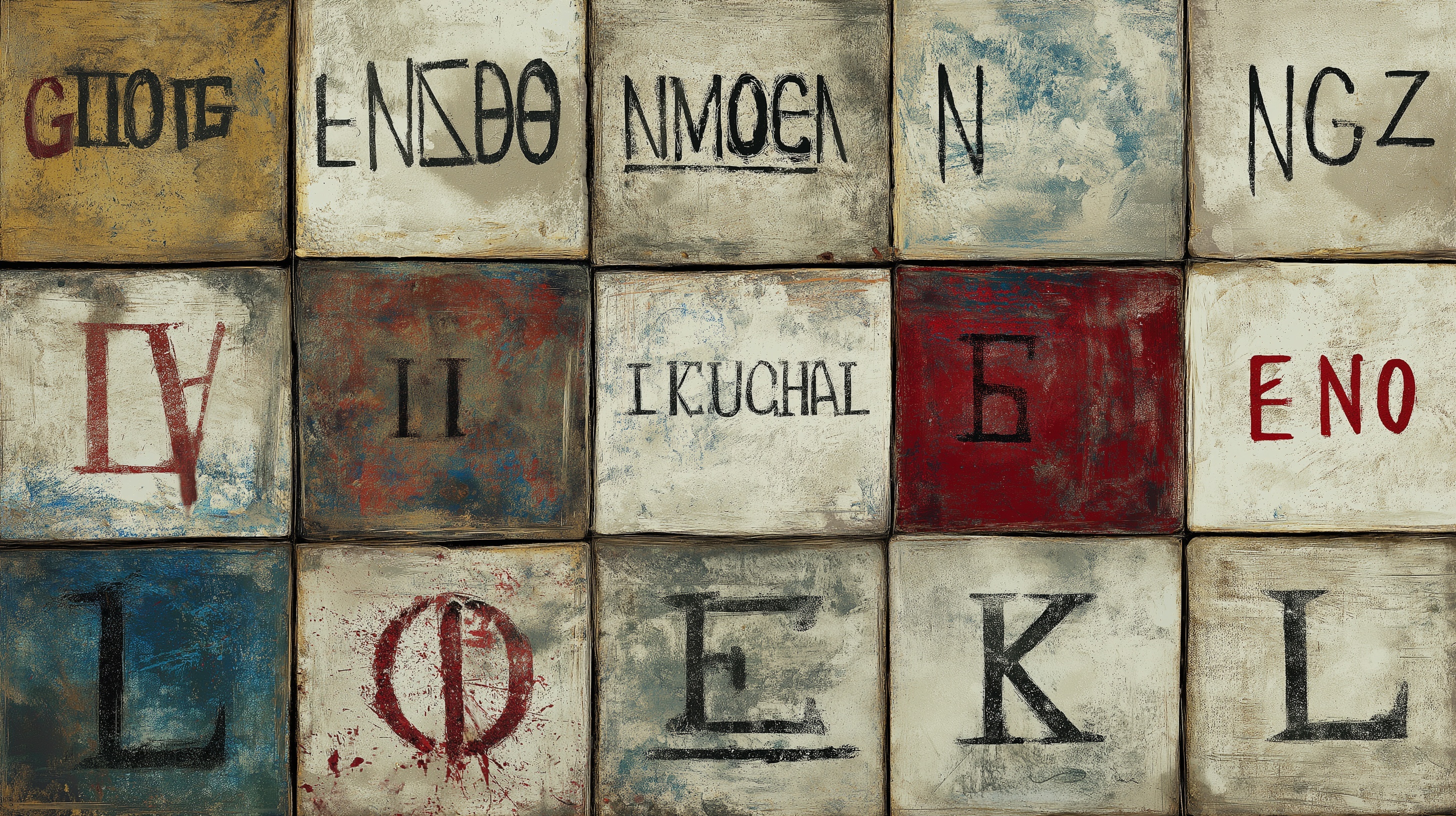
Draconic has a fully developed written script. The alphabet consists of angular runes, each with a distinct shape that reflects the tone and meaning of the sound it represents. The writing is usually arranged in horizontal lines from left to right, though some ancient inscriptions are written in spirals or vertical columns. The script is durable, often carved into stone, metal, or bone. Draconic texts are meant to last. Many ruins and tombs contain warnings or histories written in this language, still legible after centuries.
The language is frequently studied by arcanists and scholars of ancient history. Many magical scrolls, rituals, and incantations are preserved in Draconic, especially those tied to early schools of arcane thought. Though not required to perform magic, understanding the language offers insight into the logic and structure of spells, particularly in traditions that value power and discipline.
Draconic is not spoken casually. It is used to command, to record, and to assert. It is not a language of community or comfort. It is a language of memory, strength, and legacy. To speak Draconic is to draw on a tradition that predates most mortal civilizations. To read it is to touch the words of creatures who have seen the rise and fall of entire empires.



Comments