
Realm of Aethel
The Realm of Aethel is a hereditary theocracy governed by a royal bloodline believed to be directly descended from the Dawnfather, Lathander. The monarch rules as both sovereign and high priest, a divine intermediary empowered to wield spiritual and temporal authority. The nation is a bastion of order, discipline, and devotion, where law and religion are entwined, and justice flows from scripture as much as civil statute.
The Codex Illumina: the central holy text of Lathander's faith in Aethel, which outlines moral law, justice, and governance.
The Royal Mandate: a growing collection of secular laws issued by the Sovereign. These are seen as valid so long as they do not contradict the Codex.
Amendments to the Codex can only come from a sitting Sovereign, and even then, only after formal ritual ratification in the Grand Cathedral of Light in Mecklenberg.
An advisory body of high-ranking officials and church elders, including generals, magistrates, archpriests, and economic advisors, make up the Royal Council of the Dawn. The council holds no formal power to overrule the Sovereign but may influence decision-making.
Pralats: Regional rulers and governors appointed by the Sovereign. Each Pralat is trained in both civic administration and divine doctrine (typically having studied at Klosterdorf for a number of years).
Legislative Body
There is no independent law-making organization. Law is derived from:Judicial Body
Justice in Aethel is handled by the Adjudicators of Light, a group of traveling (and permanent) judges trained in both theology and law. They preside over everything from theft trials to disputes between noble houses to cases of heresy. Minor cases are handled by local Adjudictors, while major cases (such as heresy, treason, or crimes against nobles) are tried by Dawn Tribunals — panels of two Adjudicators and one Archpriest of the nearest cathedral.Executive Body
The Sovereign holds absolute authority, functioning as both political leader and supreme priest of the Church of Lathander. They issue royal edicts, command the military, preside over religious ceremonies, and appoint senior clergy and civil officials.An advisory body of high-ranking officials and church elders, including generals, magistrates, archpriests, and economic advisors, make up the Royal Council of the Dawn. The council holds no formal power to overrule the Sovereign but may influence decision-making.
Pralats: Regional rulers and governors appointed by the Sovereign. Each Pralat is trained in both civic administration and divine doctrine (typically having studied at Klosterdorf for a number of years).
Military
Aethel’s military is large, well-trained, and deeply intertwined with the state church Soldiers swear oaths not only to the crown but to Lathander. Commanders are taught to invoke divine blessings in battle, and some units include trained battle-clerics.
The Sovereign Guard: Elite bodyguard and shock troops; trained in Kohram; fanatically loyal to the Sovereign.
The Dawnwatch: The primary standing army, stationed across Aethel’s borders and in key fortress-cities like Aurilon and Karlstadt.
The Eastern Fleet: Naval arm headquartered in Enselt, patrolling the eastern shores of Aethel.
The Flameguard: Honor guard of the capital and the Grand Cathedral of Light. They also protect sacred relics and major temples and cathedrals throughout Aethel.
The Lightwardens – A semi-secretive division of battle-priests and divine inquisitors trained in the more obscure monastery of Klosterdorf.
Branches
Religion
Lathander, the Dawnfather, is the source of divine power in Aethel. His ideals of rebirth, hope, and righteous action guide both civil and religious life. The people of Aethel are raised from childhood to revere him and his descendants in the royal family, and no distinction is made between civic obedience and spiritual virtue.
The monarch is Lathander’s anointed hand on Iroth.
Suffering endured in service to the Light is sanctified.
Magic must be divine in origin or sanctioned by the Church — unlicensed arcane practice is illegal or heavily restricted.
Key Beliefs:
Laws
Local enforcement in towns and cities is handled mostly by town watches, commanded by officials appointed by the Pralat. In larger cities it is common for enforcement to be handled by a special division of the Dawnwatch, overseen directly by the Pralat of the region.
Temple Marshals serve dual roles as both church protectors and inquisitors. They are granted broad authority when investigating matters of heresy or divine law.
Adjudicators of Light are circuit judges who travel between settlements to oversee disputes, hold trials, and ensure compliance with the Codex. They are protected by another special division of the Dawnwatch, and are almost always accompanied by battle-clerics.
Punishment often includes penitence (public confession and prayer), hard labor, branding, or in severe cases, excommunication from the church of Lathander, enforced shunning, and expulsion from the realm. Since the last amendment to the Codex in 1134 by Sovereign Umber Koster, execution has not been allowed in Aethel.
Temple Marshals serve dual roles as both church protectors and inquisitors. They are granted broad authority when investigating matters of heresy or divine law.
Adjudicators of Light are circuit judges who travel between settlements to oversee disputes, hold trials, and ensure compliance with the Codex. They are protected by another special division of the Dawnwatch, and are almost always accompanied by battle-clerics.
Punishment often includes penitence (public confession and prayer), hard labor, branding, or in severe cases, excommunication from the church of Lathander, enforced shunning, and expulsion from the realm. Since the last amendment to the Codex in 1134 by Sovereign Umber Koster, execution has not been allowed in Aethel.
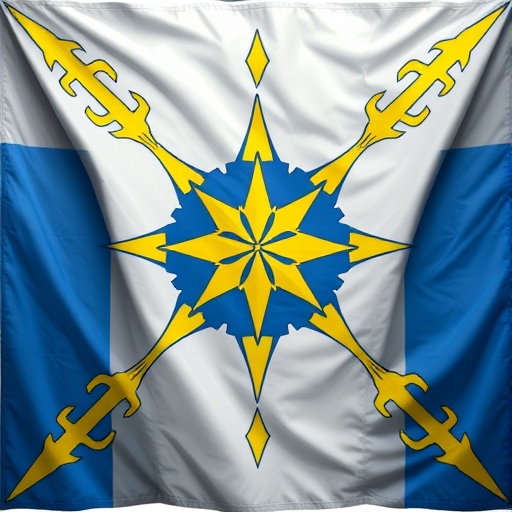
Type
Geopolitical, Theocracy
Capital
Leader
Leader Title
Family Leader
Government System
Monarchy, Theocratic
Power Structure
Unitary state
Economic System
Mixed economy
Official State Religion
Location
Related Ranks & Titles
Controlled Territories
Neighboring Nations

Comments