Chancellor of America

The Chancellor of America is the co-Executive of the Federal government along with the King of America. The selection of Chancellor is done via a national vote, with the candidate receiving the majority of votes being the winner. The official appointment by the King to the post is considered ceremonial.

History

Having originally a separate cabinet to the monarch, beginning in 1820 with the Thirteenth Amendment, it was reorganized into the Executive Cabinet to encompass all offices. Following the Thirteenth Constitutional Amendment, the Chancellor acts as the Chairman of the Executive Cabinet. As such, they hold power to appoint most members of the Cabinet. One notable exception is the Secretary of the Monarch, which is exclusively appointed by the Monarch and often represents the Crown during Cabinet meetings.

Cultural Significance

As stated by King Augustus II, the role of Chancellor has been seen as "embodying the ever changing will of the American people".

Notable Holders

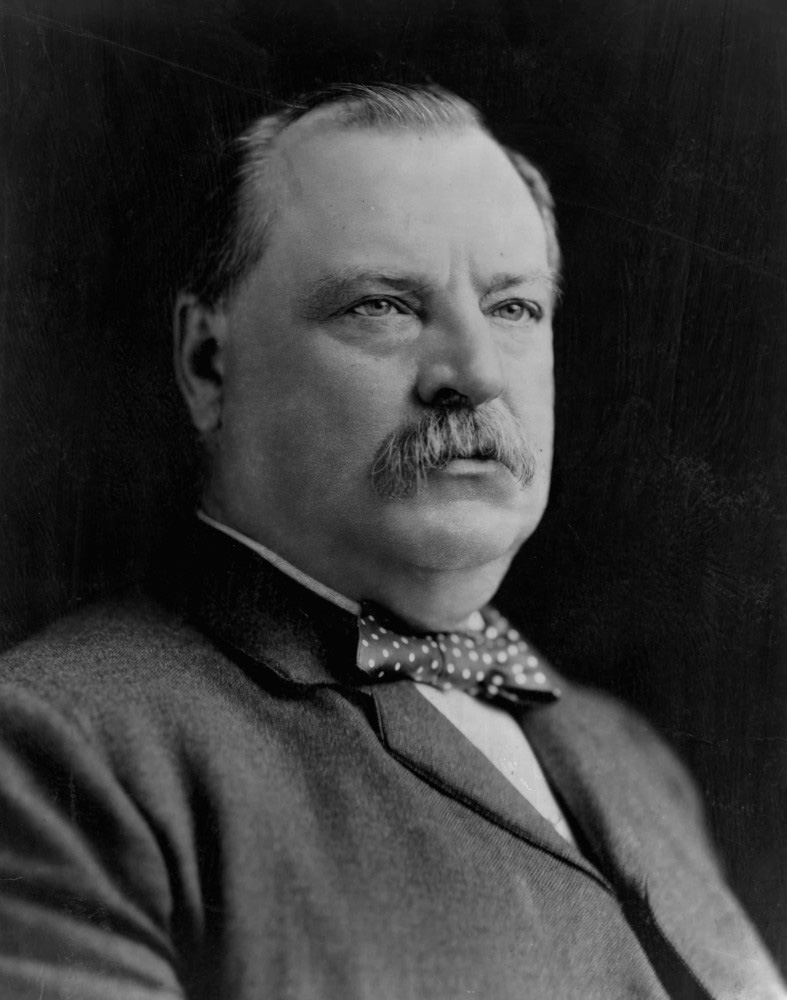
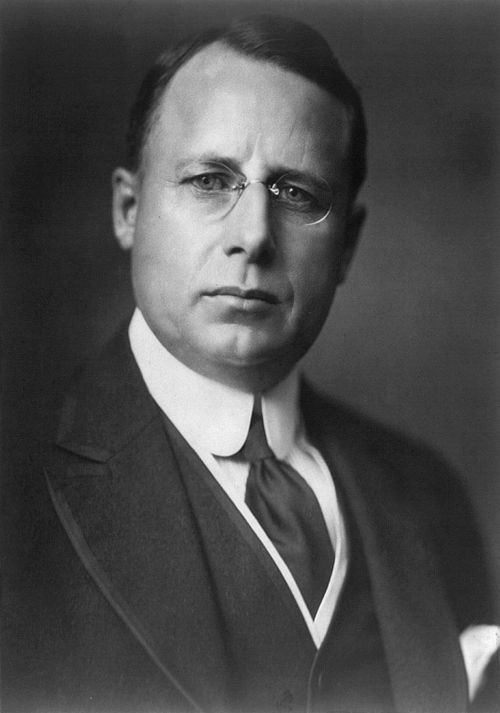
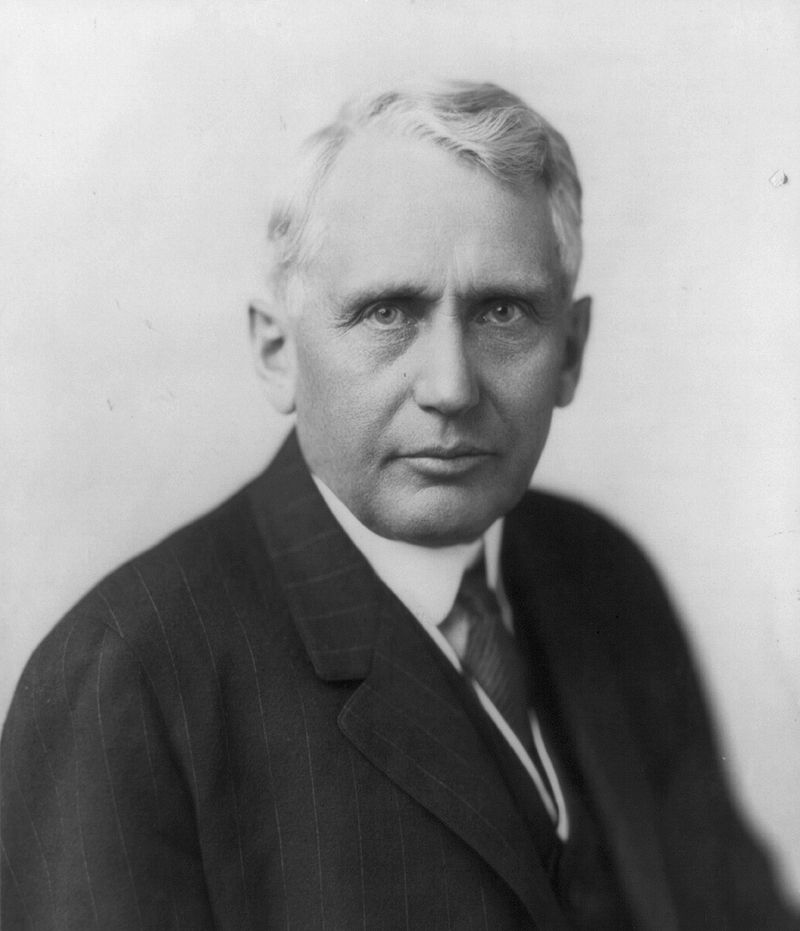
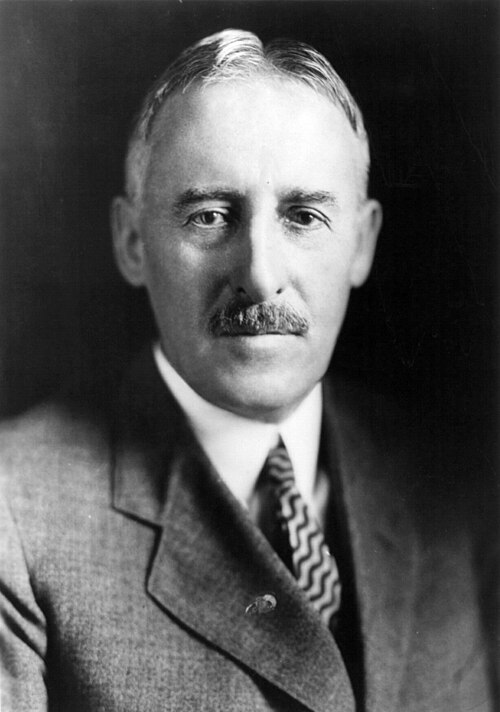
No. Name Portrait Years Party
1 George Washington
1790 - 1798 Unaffiliated
2 John Adams
1798 - 1802 Federalist
3 John Marshall
1802 - 1806 Federalist
Unionist
4 Elbridge Gerry
1806 - 1813 Libertarian
5 William Short
1813 - 1814 Libertarian
6 William H. Crawford
1814 - 1818 Republican
7 Rufus King
1818 - 1826 Unionist
8 John Quincy Adams
1826 - 1834 Unionist
9 Henry Clay
1834 - 1842 Libertarian
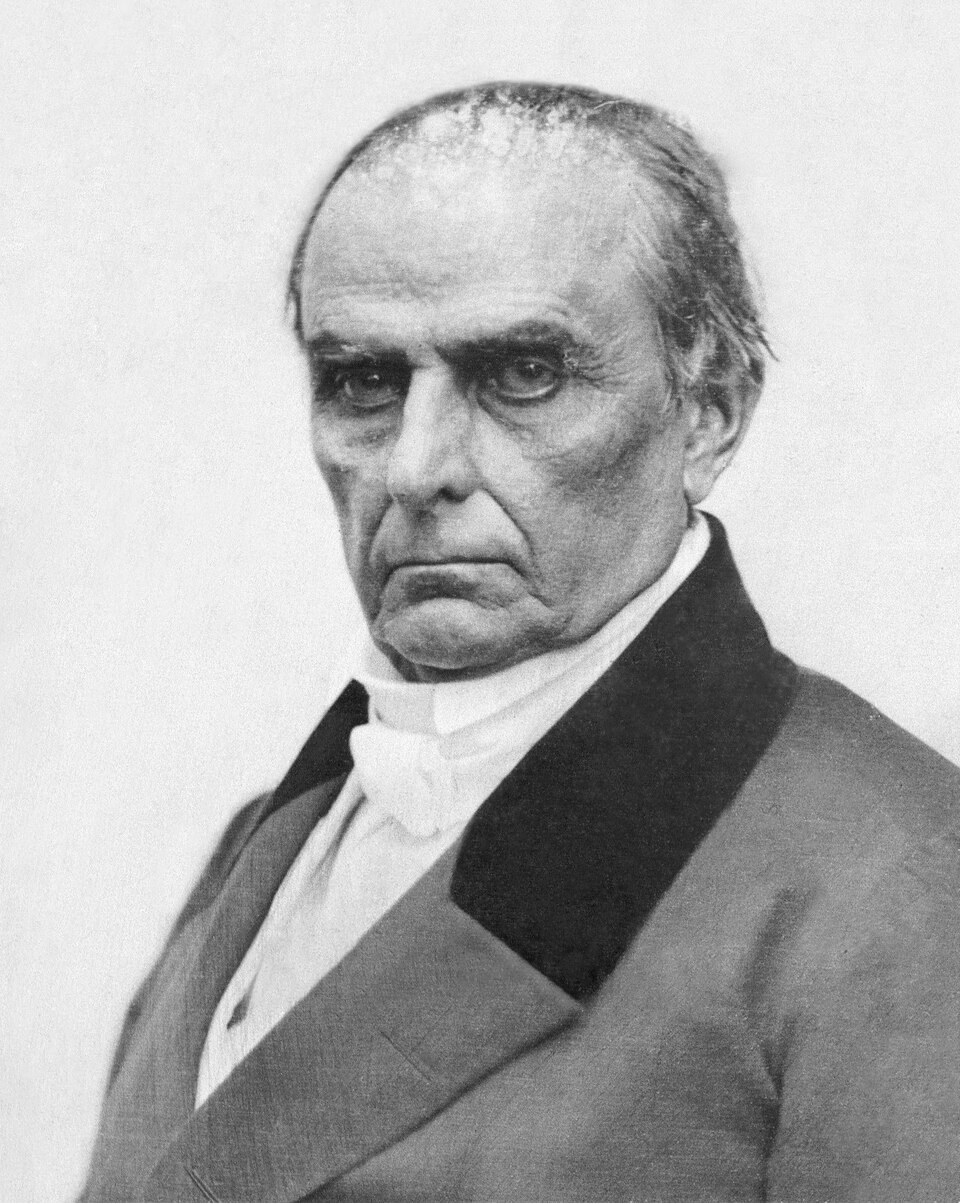
10 Daniel Webster
1842 - 1846 Unionist
11 John P. Hale
1846 - 1850 Libertarian
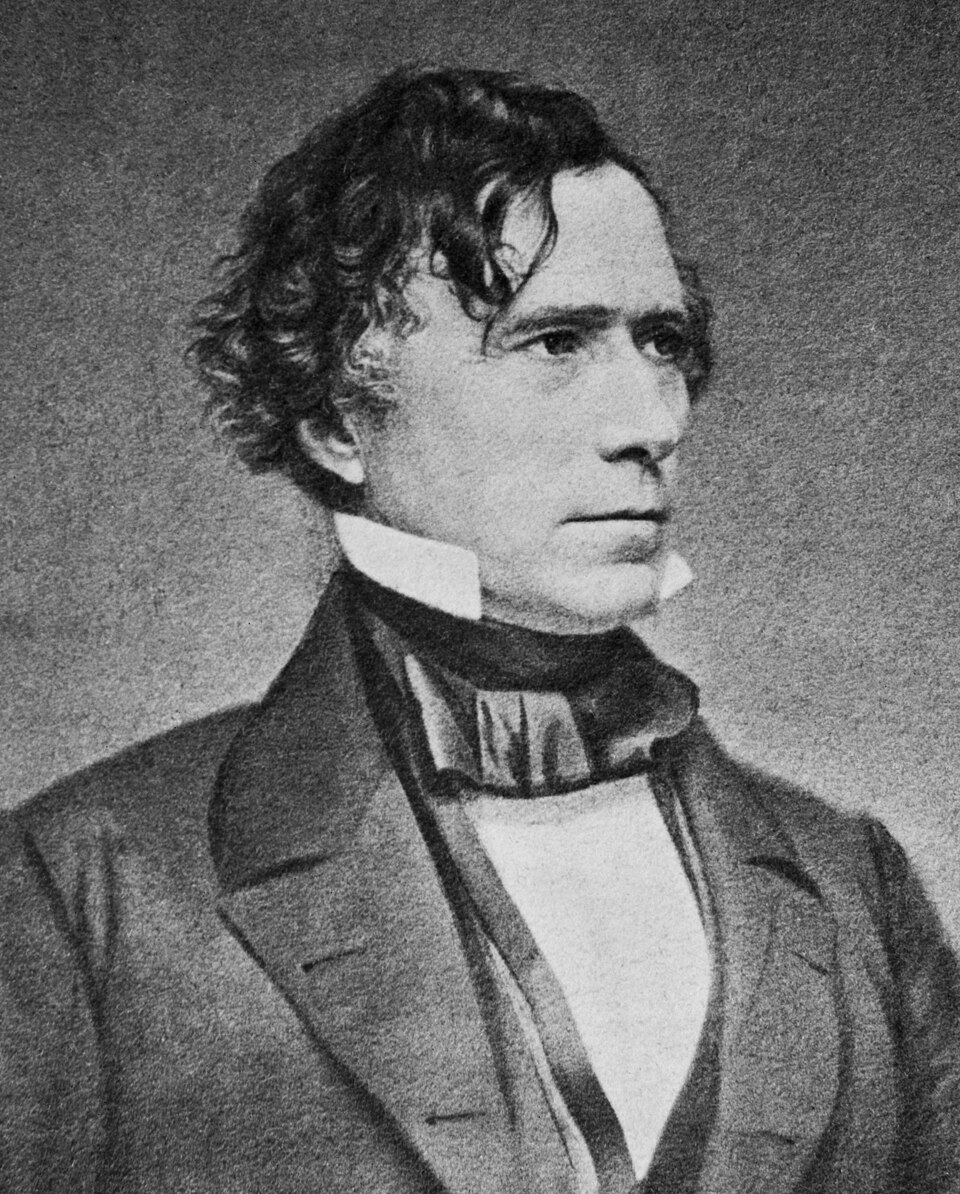
12 Franklin Pierce
1850 - 1854 Whig
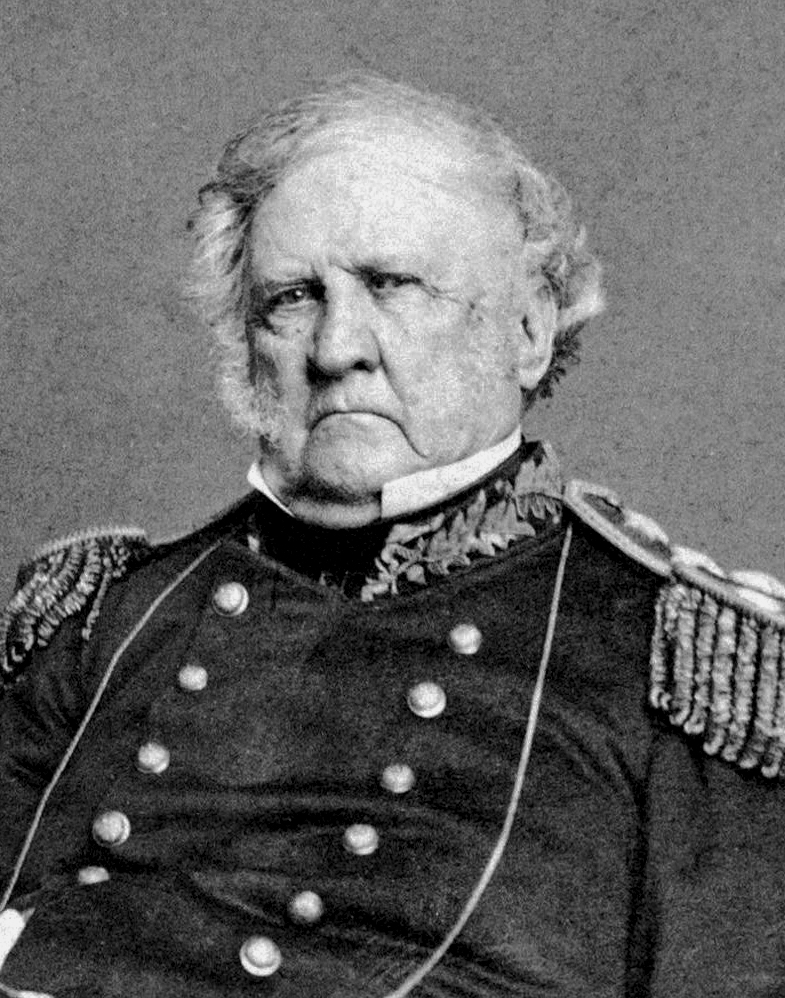
13 Winfield Scott
1854 - 1858 Unionist
14 John C. Fremont
1858 - 1862 Libertarian
15 Robert E. Lee
1862 - 1870 Unionist
16 Salmon P. Chase
1870 - 1873 Unionist
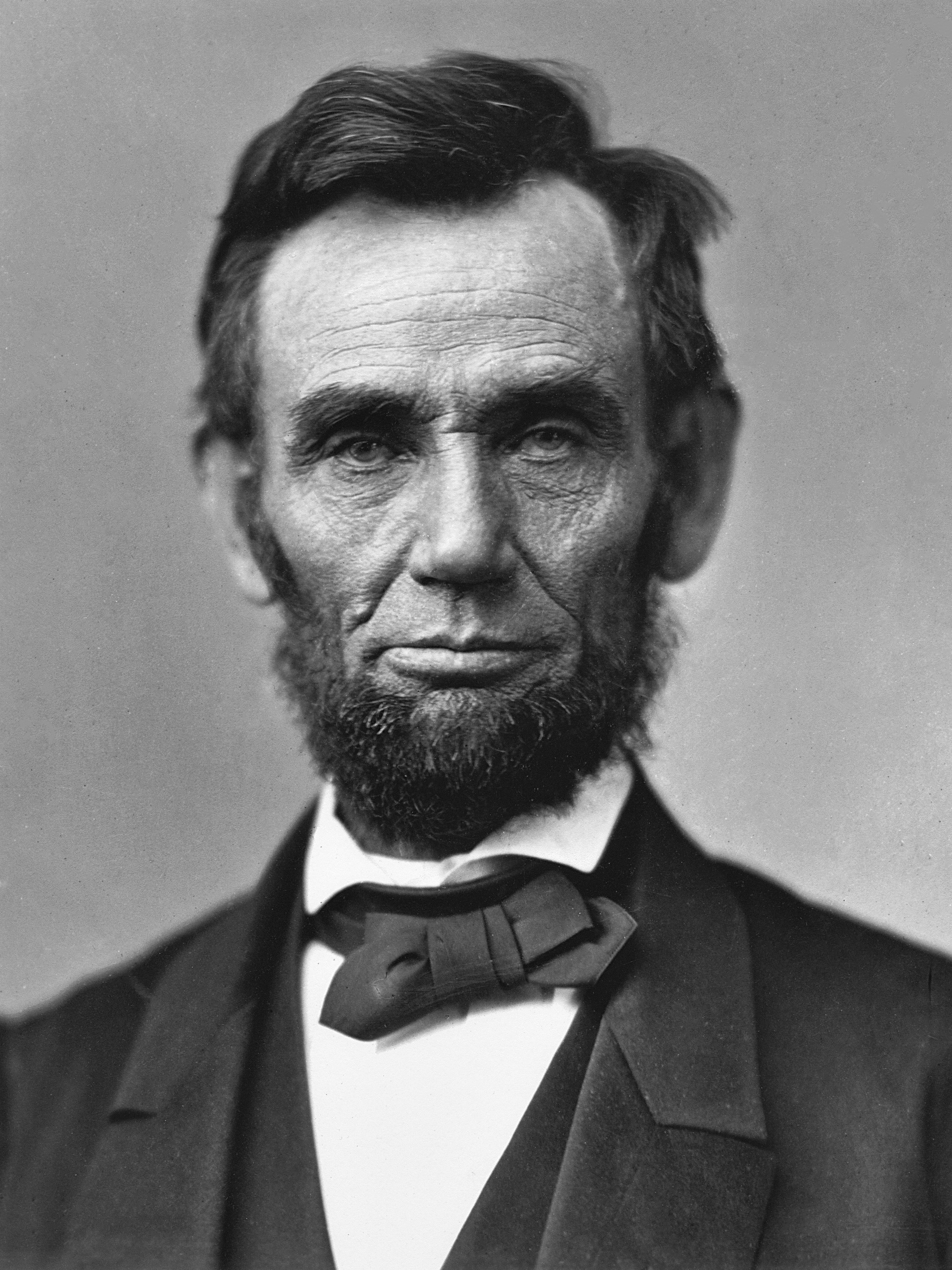
17 Abraham Lincoln
1874 - 1878 Libertarian
18 Joel Parker
1878 - 1882 Whig
19 James A. Garfield
1882 - 1886 Unionist
20 Thomas F. Bayard
1886 - 1894 Whig
21 Grover Cleveland
1894 - 1898 Unionist
22 William McKinley
1898 - 1901 Unionist
23 Charles W. Fairbanks
1901 - 1906 Unionist
24 James S. Sherman
1906 - 1912 Unionist
25 Theodore Roosevelt
1912 - 1918 Libertarian
26 Charles Evans Hughes
1918 - 1926 Unionist
27 James M. Cox
1926 - 1930 Whig
28 Frank B. Kellogg
1930 - 1934 Whig
29 Henry L. Stimson
1934 - 1942 Whig
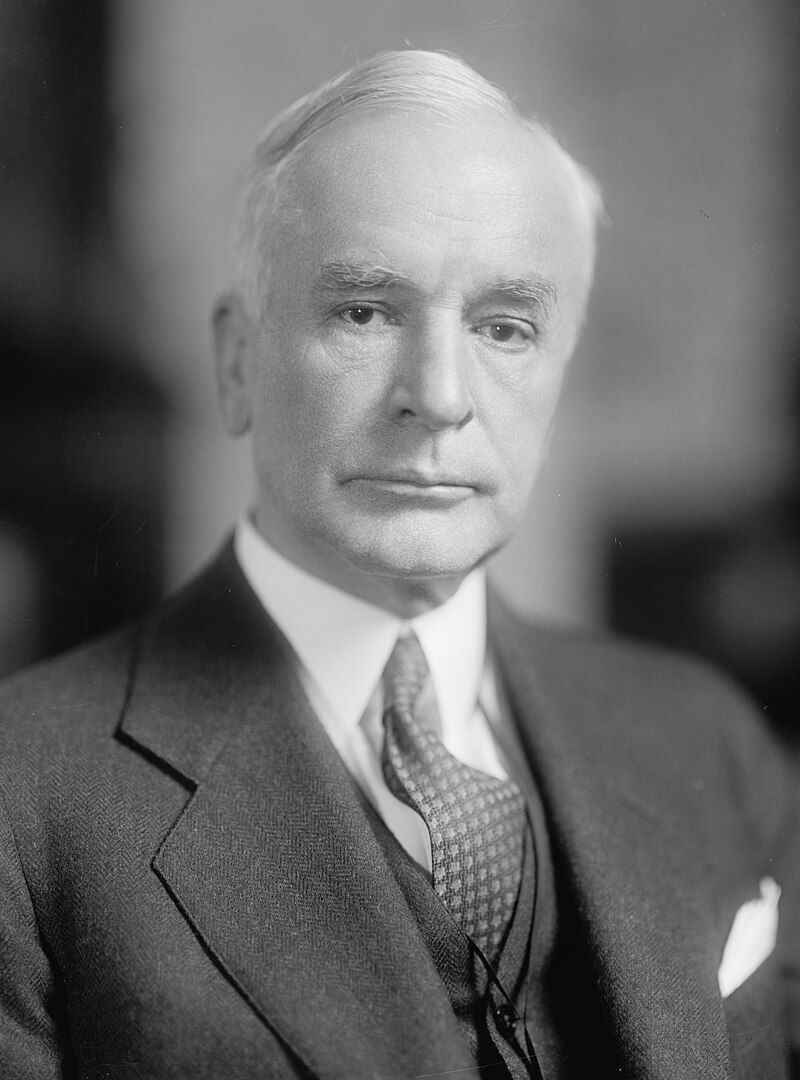
30 Cordell Hull
1942 - 1954 Unionist
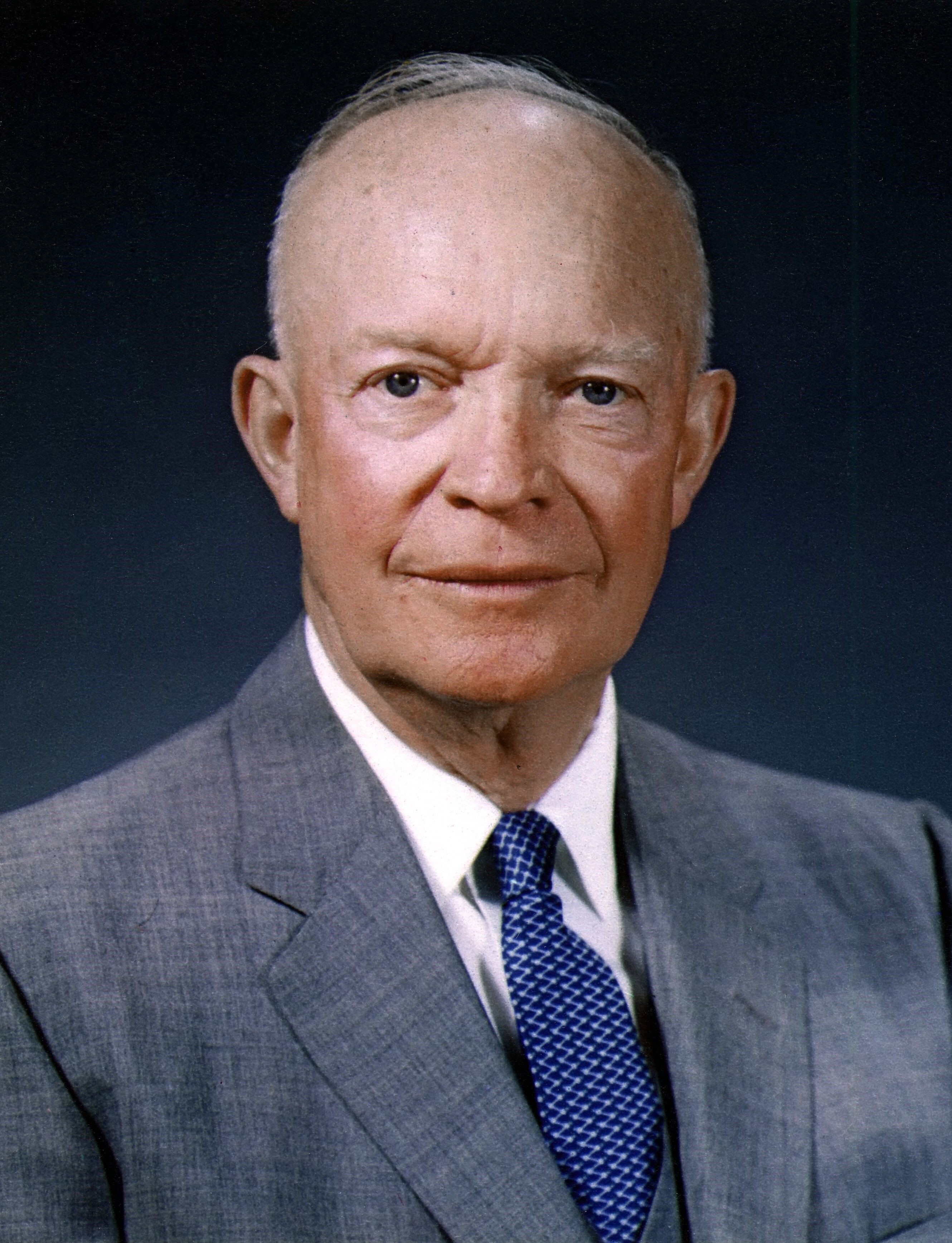
31 Dwight D. Eisenhower
1954 - 1962 Unionist
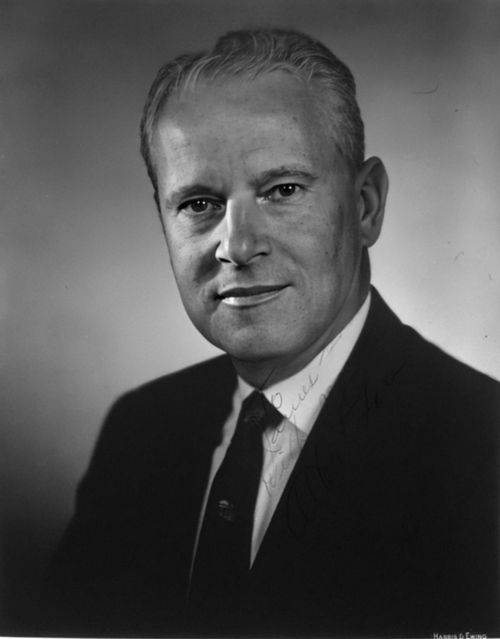
32 Albert Gore
1962 - 1966 Unionist
Type
Civic, Political
Form of Address
His excellency
Source of Authority
Constitution
Length of Term
4 years
First Holder

Explore

Table of Contents

Article Index
Generic article | Sep 12, 2025

Random Article

Recommendations?

Recommend Here

Questions?

Ask Here


Comments

Author's Notes

Rewritten for May-be 2025 (Copper attempt)

May-be Better 2025 - Copper
May-be This Could Be Done Better
Generic article | Apr 26, 2025

Unofficial May Challenge: Time to rewrite your old articles.


Please Login in order to comment!