
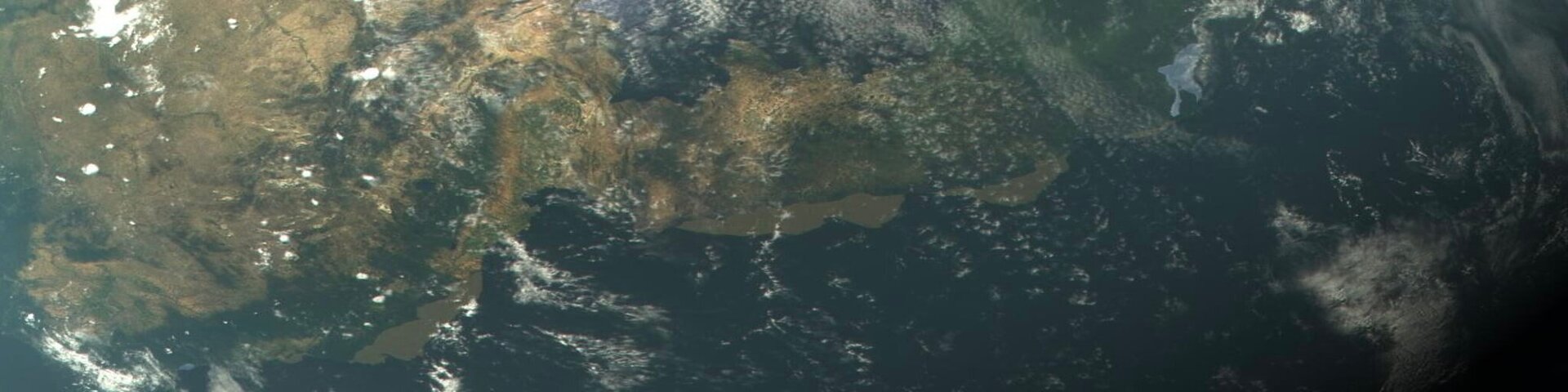
Aemaphia
"Far out in the uncharted backwaters of the unfashionable end of the central spiral of the Sigillum Magna lies a small unregarded yellow sol, Solaris Primae. Orbiting this sol, at a distance of roughly one fortieth of a parsec, is an utterly insignificant little blue green sphere whose beast-descended life forms are so amazingly primitive that they still think pointless genocide and uninhibited magical exploitation are pretty neat ideas."-The Novelyte's Guide to Cosmological Understanding
"That's all a bit much, isn't it? I pity academics... When one is oh-so focused on being critical, they often miss how awe-inspiring the simplest of things can be."-Seusz, the Gold Dragon
In response to the previous quote
Aemaphia, also known as the "Terra Spherum" is a subtly significant and existentially precious, albeit oft-overlooked, orb of gravity-gathered stone and alloy, covered in earth, water, and air, as well as innumerable varieties of unique flora and fauna, drifting in the vast void of the Cosmic Sea. It is a world teeming with all manner of mortal intrigue. In cosmological terms, Aemaphia is the third terrestrial sphere of the solar disc, Primum Sigilios, near the western edge of the planar core of Theta Sigilaera, which itself rests within some insignificant corner of the vastness of the expanse of Sigillum Magna in the infinitely expanding explosion of materia that is The Cosmos. While it is literally but one of a near-infinite number of worlds within the Temporal Realm, Aemaphia is nonetheless one of the main subjects of this archive.
Geography
"Upon Aemaphia's boundless face, rivers carve songs into the land, and oceans weave endless tapestries of blue. Her mountains rise like the spires of dreams, while her forests whisper secrets older than the stars. Here, the world unfolds as a hymn of wonder—each horizon vast enough to hold the sky's yearning."-The Novelyte's Guide to Cosmological Understanding
Aemaphia is a Planetary Sphere, specifically a Water Garden as it is a cultivated planetoid that has a surface that is predominantly covered in water.
Almost all of Aemaphia's water is contained in its global ocean, Aecornaus, which covers roughly 64% of Aemaphia's crust. The remaining 36% of the sphere's crust is land, most of which is located in the form of continental landmasses within Aemaphia's land hemisphere. The majority of Aemaphia's landmass is at least somewhat humid and covered by vegetation, while large sheets of ice cover Aemaphia's polar deserts.
Like other garden spheres, the crust of Aemaphia consists of slowly moving tectonic plates floating atop a more viscous but still solid mantle. As these tectonic plates interact with one another, they produce mountain ranges, volcanic zones, and geological phenomena such as earthquakes.
Aemaphia possesses nine major tectonic plates, as well as eight additional minor tectonic plates. Beneath the semi-solid mantle, Aemaphia has an outer core of magma. This magma layer generates a magnetosphere capable of deflecting most of the destructive cosmic radiation common to the void. Like other observed garden spheres, Aemaphia has a core of an unidentified alloy infused with intense Mageia.
Aemaphia has a dynamic atmosphere, which sustains the sphere's surface conditions and protects it from most meteoroids and harsh cosmic radiations. It has a composition of primarily basic quintessential elements infused again with potent primal mageia.
Water vapor is widely present in the atmosphere, forming clouds that cover most of the sphere. The water vapor acts as an arboretum and, together with other materia in the atmosphere, creates a complex water system that persists by capturing the radiant energy from Aemaphia's solar star or Sol, known as Solaris Primae. This vital process maintains the current average surface temperature of 56°, which enables water to maintain liquid form under normal atmospheric pressure, thus ensuring the development of life.
Differences in the amount of captured quintessential energy between geographic regions; such as with the equatorial region receiving more sunlight than the polar regions, drive both atmospheric and oceanic currents, producing a global climate system with different climate regions. In addition, these currents create a range of weather phenomena such as precipitation, allowing essential elements to cycle throughout the sphere.
Aemaphia, like all other garden spheres, is rounded into an ellipsoid with a circumference of about 64,000 km. This size is consistent with all Garden Spheres and makes Aemaphia the densest terrestrial sphere in the Primum Sigilios.
Aemaphia is about eight light-minutes away from its sol, Solaris Primae and orbits it, taking a single Concordant Year to complete one revolution around the star. In addition, the sphere rotates around its own axis in exactly one Concordant Day. Aemaphia's axis of rotation is tilted with respect to the perpendicular to its orbital plane around its sol, producing distinct seasons.
Aemaphia is orbited by one permanent natural planetary moon or Lune, known as Aepedi which rotates around the sphere at 380,000 km; or one light second. Aepedi is roughly a quarter as wide as Aemaphia. The lune's gravity helps stabilize Aemaphia's axis, and causes tidal effect within Aecornaus. Tidal locking has also made the Aepedi always face Aemaphia with the same side.
Aemaphia, like most other bodies in the solar disc, formed 4.5 billion years ago from the protoclasmic Materia of the nascent plane. Over the course of the first billion years of Aemaphia's history, the ocean slowly formed and, after another billion years, life developed within its churning primordial seas. Life spread globally and has almost immediately began altering Aemaphia's atmosphere and surface, leading to what cosmological scholars refer to as a Genesis Event roughly two billion years ago.
Like other garden spheres throughout the array, Aemaphia has proven to be a hospitable home for a variety of lifeforms not indigenous to the sphere. Evidence of alien migrations to Aemaphia date back to the formation of the primordial ocean. Now, Aemaphia is teeming with a variety of life both native and foreign to the cosmos.
Aemaphia is also suffused with all three of the major mageia and, as a consequence, is littered with numerous supernatural geographic features; such as forever erupting volcanoes, floating islands in the atmosphere, habitable biomes deep underground, geographical regions draped in perpetual twilight regardless of the solar rotation, and randomly manifesting portals to distant dimensions far outside the boundaries of our realm.
Landmasses of Aemaphia
Aemaphia currently has four super-continental landmasses, each of which is divided into smaller subcontinents that have formed a top the tectonic plates of the sphere's crust.
Acarcia and Faselicia are the two landmasses that constitute Aemaphia's "surface", while the twin Polarei are frozen at the geographic and magnetic poles of the sphere. The two landmasses of Acarcia and Faselicia are the remnants of a former singular supercontinental landmass known to scholars as Assomia, based on the ancient Glossa word Aesoma or Body of the World. The supercontinent was shattered as the result of a single cataclysmic ritual, forcibly rearranging the tectonic plates that triggered earthquakes, flooding, volcanic activities, and centuries of pyroclastic eclipse induced glacial epoch that nearly cause the extinction of all lifeforms on Aemaphia. Even the imprisoned Polarei shuttered from the chaotic upheaval, causing the magnetic poles to shift and forever tilting the sphere.
Following a long geological recovery and accompanying ice ages, Aemaphia had been reshaped. The western landmass of Arcaria is formed from five tectonic plates and is currently composed of six continents; Aesersia, home of the Union; Aegesia, the once-glorious wilderness; Aestidesia, ancient realm of the Giantkin and Kinder; Arcesia, the dominion of the Orcs; Arthesia, cradle of Terran civilization; and the isolated peninsula of Aquilesia. Acarcia's eastern sibling of Faselicia is geographically smaller, being composed of three continental regions; the mysterious Tectusia; the diverse home of the Elves, Tenebrusia; and the shattered Duergar archipelago of Trunsia.
Beneath the surface of Aemaphia lie the strange realm known as Infragercia. The Infragercia, better known to adventurers as the Underlands, sprawl under Aemaphia as a vast labyrinth of glowing caverns, underground seas, and forgotten ruins. The uppermost layer, the Infragercian Shallows is a cold, desolate realm of shadowed tunnels and sparse life, where silence reigns, the air is often stagnant, and only the hardiest creatures and fungi cling to existence. Far below, the Infragercian Expanse is filled with bioluminescent forests, ancient antediluvian relics, and creatures both wondrous and terrifying. Deeper still are the Infragercian Depths. Here tunnels formed from powerful coils of mageia leylines crisscross the lightless stone mantle and only the strange survive the intense exposure of such raw energy. Farther still into the depths of Aemaphia is the Infragercian Abyss, a place of unimaginable danger and incomprehensible mystery, where reality itself seems to shift the deeper one ventures. Here, legends hold, the Tarrasque slumbers between rampages and diamonds the size of mountains glistening from some fire even deeper below.
The Supragercia, also known as the Overlands, is a vast supernatural realm high above Aemaphia, where floating islands drift through immense oceans of clouds, teeming with skyborne life and civilizations. Divided into three layers—the lush Tropovelum, the stormy Stratevelum, and the frigid Apicevelum—it is home to towering cloud castles, fleets of airships, and ancient gateways to the Cosmos beyond. Creatures both wondrous and monstrous swim through the sky, while magical flora thrive on levitating landmasses. Rich in arcane resources, Supragercia is a place of endless wonder and peril, where both explorers and empires seek to conquer the skies.
Continents of Acarcia
The majestic Aeseria is characterized by its temperate climate and diverse landscapes. Frigid fjords and dense forest crown the northernmost regions of the continent. Here, towering mountain ranges capped with snow form a natural barrier against colder climates. Further south rolling plains and fertile river valleys dominate the continental heartland, making it ideal for agriculture and settlement. Aeseria's major river, known as the Roslaine, is fed by northern glacial melt and seasonal rainfall. The Roslaine has been central to the development of ancient trade that defines Aesersian culture. In the heart of Aesersia rests the majestic Aemasedis Falls, also known as the Throne of the World. This enormous series of waterfalls, fed by the Roslaine itself, are home to the city of Reignhold, capital of Union and ancient seat of power for terrans throughout Acarcia for the past two thousand years.
Aesersia's eastern coastline features rugged cliffs and sandy beaches shaped by centuries of oceanic erosion, while the southern regions transition into a milder mediterranean terrain with olive groves and sunlit vineyards before ending in a large area of swamps and marshy deltas. The central foreland of Aeseria is an desiccated badland of rocky hills and chaparrals, while the southeastern coastal peninsula is defined by its expansive shoreline of sandy beaches, barrier islands, and tidal marshes, with its interior characterized by low-lying plains, subtropical forests, and a network of estuaries that contribute to its rich biodiversity and humid climate. Aeseria's westernmost region is an arid desert of eroded mesas, wide basins, and deep canyons hinting at once being part of the riverlands to its east. Seasonal rainstorms and flash flooding make this region particularly hostile to the unprepared.
The southern continent of Acarcia is known as Arthesia and is defined by a vast northern desert of ever-shifting sand dunes, expansive savannahs teeming with unique life that make up the center of the continent, and series of dense tropical rainforests to the south. The northern deserts of Arthesia are characterized by sweeping dunes, rocky plateaus, and a near intractable sea of loose sand spotted with the rare oasis. Arthesia's central savannahs are defined by their gigantic gradual plains of prairie-grass which is home to a diverse biosphere of flora and fauna supported by intense seasonal rains. To the south, lush rainforests of densewood, threaded by mighty mountain-fed rivers, host an unparalleled range of biodiversity. The eastern coastline is lined with thriving coral reefs and mangroves, while volcanic highlands in the west give rise to fertile soils that sustain agricultural communities. Arthesia's Great Spine, a massive geological volcanic formation, runs through the continent, creating dramatic valleys and rivers which support unique ecosystems throughout Arthesia.
Central Acarcia is dominated by the continent of Arcesia. The harsh lands of Arcesia are considerably more rugged than their siblings, featuring a mix of arid deserts, miasmic marshlands, fertile oases, sweltering jungles, and dramatic craggy mountain ranges. Its central deserts are interspersed with ancient trade routes and caravanserai, while river-fed plains to the west would sustain lush agricultural regions if not for near-constant conflict over such precious land. To the southeast, a mediterranean coastline harbors ancient cities and fertile vineyards, while the southwest is defined by towering mountain ranges and high-altitude plateaus that foster unique cultural and ecological diversity. Arcesia's geography has long made it a crossroads for trade and conquest, connecting distant civilizations and blending cultures.
The northwest of Acarcia is known as Aestidesia. This rugged continent is vast, ranging from expansive forests to frozen tundras. The eastern lowland regions are defined by rolling plains and rich black soil, ideal for grain farming, while the central steppe zones are wind-swept and open, hosting migratory communities of Kinder. In the northwest, coniferous forests stretch endlessly, giving way to icy tundra and frozen seas. The western territories are dominated by rugged mountain chains and volcanic landscapes. Rivers like the Asten and Vylka carve through the land, serving as lifelines for trade and transportation in this sprawling continent. This region is home to degenerate Ogre tribes, the fridges of the larger Ogre hordes that infest northern Arcesia. In Northeastern Aestidesia, the landscape is dominated by the unyielding Ostyak Mountains. This region is known for its narrow fertile valleys, frigid plateaus, and spirelike mountain peaks that tower over the rest of Aemaphia home to the few remaining remnants of the ancient Gigantepolei. Beyond the sheer cliffs of the Ostyak Mountains is the tempestuous Gasenausian Sea and the distant shores of Hunend and Gornend of Aesersia.
Western Aegesia is marked by vast steppes, dramatic mountain ranges, and riverine lowlands. The northern plains stretch endlessly, serving as grazing grounds for nomadic peoples. In the central regions, rugged mountains form natural boundaries, with alpine meadows nestled in their valleys. To the west, fertile deltas and densely forested hills give way to rugged coastlines dotted with fishing villages and bustling ports. Aegesia's great rivers, including some of the world's longest, irrigate extensive swamplands which have been converted into rice paddies and support vibrant civilizations. Seasonal monsoons play a vital role in shaping its agricultural cycles.
Lastly, the peninsula of Aquilesia is a vibrant mix of tropical rainforests, fertile river deltas, and towering mountain ranges. Its northern regions are framed by the Tzacualli Mountains, high-altitude peaks that feed vast river systems flowing into the lowlands, where rice paddies and dense jungle dominate the landscape. The southern coastal areas feature mangrove forests, coral reefs, and golden beaches that host diverse marine life. The region is prone to monsoonal rains, which nourish the land but also bring seasonal flooding. The volcanic islands of the Pugnausian Archipelago in the southeast add to Aquilesia’s geographical diversity, shaping its dynamic cultural and ecological character.
Continents of Faselicia
To begin, Tenebrusia, the dominant landmass of Faselicia, features a wide diversity of geographical regions. Its northern expanse, known as Fryllyen, is a cold, forested wilderness of boreal forests and tundra, dotted with glacial lakes and vast river systems that flow into icy seas. Moving south to central Faellyen, the landscape transitions into fertile plains and sprawling prairies interspersed with lush tropical valleys and vibrant coastal ecosystems, ideal for both agriculture and lumber. The western regions are dominated by towering mountain ranges formed from volcanic formations and surrounded by rugged forested highlands, while the southernmost territories of Foellyen feature brutal deserts, terraced mesas, and arid plateaus. The continent’s extensive river networks and varied climates have made it a hub of cultural and ecological richness.
Trunsia, the fragmented remnants of a former region once connected to Tenebrusia, now comprises a scattering of islands. These islands vary greatly in size and geography, from volcanic atolls and coral reefs to larger, mountainous landmasses covered in dense rainforests. The tropical climate fosters rich biodiversity, with vibrant marine ecosystems surrounding the islands. Trunsia's geological history is marked by tectonic upheaval and volcanic activity, which have shaped its unique landscapes. The region's remoteness and isolation have also preserved diverse and distinct cultures that thrive across its scattered archipelagos.
Finally, mysterious Tectusia is defined by its ancient landscapes and unique biodiversity. Its central regions feature vast deserts and arid plains, punctuated by rugged mountain ranges and ancient rock formations. Coastal areas are characterized by sprawling eucalyptus forests, sandy beaches, and vibrant coral reefs. The southern regions of Tectusia are cooler and greener, with rolling hills and temperate rainforests. Its isolation has resulted in an ecosystem dominated by endemic flora and fauna, many of which are found nowhere else in the world. Tectusia's indigenous cultures have deep connections to the land, shaped by its challenging yet awe-inspiring environment.
The Polarei
The glacial continents of Polareus Bores and Polareus Notos rest atop the geographic axes as well as the magnetic nadirs. Academic exploration of the Polarei has been extremely limited, with no formal efforts at topographic mapping having ever been made. What is known about each is that the coastal regions of the Polarei are fraught with crushing icebergs and turbulent sleet storms that makes landfall almost impossible.
The Ocean and Seas of Aemaphia
Aemaphia, like most water garden spheres, possess a single massive global ocean. This enormous body of saltwater is known as Aecornaus, but seafaring societies and various scholars of navigation have further divided it into smaller, regional seas; the Aecornautic Seas, the Acarcian Seas, and the Faselician Seas. The first Aecornautic Sea is the Divenaus, which separates the landmasses of Acarcia and Faselicia, and was created when the supercontinent of Assomia was torn asunder. Divenaus means Divided Sea in Imperial. Separating the frozen Polareus Boros and the rest of Aemaphia is the turbulent Arctenaus. Due to its treacherous glacial flows, the Arctenaus is regarded as one of the most dangerous seas on the sphere. Next is the chaotic Turbenaus, also known as the Sea of Storms. It separates Polareus Noto and the rest of Aemaphia. Prone to violent storms, the tempestuous Turbenaus rivals its northern sibling as the deadliest sea on Aemaphia. The last major sea is the Pallinaus, from the ancient Glossa term Aepalin or the Cloak of the World. This sea is the largest of the Aecornautic Seas, stretching from the eastern shore of Faselicia to the western coasts of Acarcia. As the Pallinaus is so large, little in the way of charting the sea has been done. Perhaps there are whole undiscovered landmasses hidden within the enormous body of water?
The first Acarcian Sea of significance is known as the Gasenaus, which separates Aesesia from Aestidesia. Gasenuas is based on the Giantkin name for the sea, Aegase or Eye of the World. The second Acarcian sea is the Pugnaus, better known throughout Aemaphia as the Sea of Strife. The Pugnaus gained its name by virtue of bordering both Arcesia and Aeseria as well as separating the continents of Arthesia and Aquilesia. Many naval battles have been fought upon this sea. The third most prominent Acarcian sea is the Sacremenaus or the Sea of Oaths. The Sacremenaus separates the continents of Aesersia and Arthesia.
There are only two Faselician Seas, but both are vital for maintaining the climate of the sphere by sustaining the vital oceanic currents. The first is the Frangenaus, meaning Splintered Sea in Imperial. The Frangenaus was formed from the sinking of Antetrunsia by the Fey inhabitants of Tenebrucia. This noticeably shallow sea produces all manner of tropical cyclonic storms that torment both southern Acarcia and western Faselicia. The other Faselicia sea is the mysterious Tectunaus. Like the continent which shares its name, little is known about the waters of Tectunaus following the sinking of Antetruncia.
The Infragercia
The monstrous Infragercia, also known as the Underlands, is an immense subterranean system beneath Aemaphia, a vast and otherworldly network of caverns, tunnels, and underground oceans stretching for untold distances. The walls and ceilings of these chasms are embedded with luminescent stones, casting an eerie yet breathtaking glow, while bioluminescent fungi thrive in clusters, creating an ecosystem independent of the surface sun. This underground realm houses entire biomes akin to those above ground—towering fungal forests, crystalline plains, and vast underworld rivers teeming with creatures uniquely adapted to eternal darkness. Despite its subterranean nature, Infragercia is not devoid of weather-like phenomena; deep geothermal currents generate mist, underground storms, and even hidden geysers that feed into its sprawling lakes and seas.
The cavernous depths of Infragercia are home to creatures both wondrous and terrifying, ranging from sightless leviathans that navigate its abyssal waters to insectoid civilizations dwelling within colossal stalactites. Among these inhabitants are remnants of lost races, some reduced to spectral echoes haunting their former cities, while others persist in the depths, their existence unknown to those above. Ruins of ancient civilizations dot the underground expanse—titanic remnants of forgotten empires, their purpose obscured by time and decay. Towering monoliths inscribed with indecipherable glyphs, crumbling citadels swallowed by fungal overgrowth, and sunken temples lost in subterranean seas hint at a history far older than any recorded by surface dwellers.
Legends speak of Infragercia as both a prison and a sanctuary, a place where primordial forces still slumber and forgotten gods remain entombed. Some believe it is the source of magic itself, its luminous crystals and relics radiating an energy beyond mortal comprehension. Others claim it is a labyrinth designed to test the worth of those who dare to enter, its shifting tunnels leading either to enlightenment or eternal doom. Whether viewed as a land of opportunity or a cursed abyss, one truth remains undeniable: those who descend into Infragercia seldom return unchanged—if they return at all.
The Supragercia
The Supragercia is a vast, supernatural realm suspended high above the surface of Aemaphia, an endless skyscape of floating islands, drifting cloud oceans, and airborne civilizations. Here, colossal landmasses of enchanted stone and soil defy gravity, teeming with verdant forests, cascading waterfalls, and towering spires that seem to reach for the heavens. Strange and wondrous creatures, adapted to life in the open sky, soar through the boundless expanse, while fleets of airships glide along well-worn trade winds, connecting skyborne cities, cloud-built castles, and celestial gateways to realms beyond. Magic saturates the very air, shaping the landscape and allowing life to thrive in the most impossible of places, from islands wrapped in perpetual storms to crystalline plateaus basking in the cosmic glow of distant stars.
The geography and climate of Supragercia are defined by three distinct atmospheric layers. The Tropovelum, the lowest layer, is closest to the surface world, where floating islands are most abundant, their ecosystems lush and diverse. Here, waterfalls spill into the clouds below, and vast aerial rivers weave between skybound landmasses, nourishing strange hybrid forests. Above it lies the Stratevelum, an endless sea of clouds where massive airborne creatures glide effortlessly, and islands are more isolated, buffeted by powerful winds. This is the domain of great skyships and ancient cloud-built citadels, where storms and lightning are as common as tranquil, golden sunlit voids. At the highest reaches is the Apicevelum, an ethereal, frigid expanse where islands grow rare and thin, suspended on nothing but sheer magic. Here, the air is laced with shimmering auroras, and the fabric of reality begins to blur, with celestial gateways opening into unknown dimensions. Few venture this high, for the cold is unrelenting, the winds razor-sharp, and the beings that dwell here are unlike anything found in the lower realms.
The flora and fauna of Supragercia are as diverse as its landscapes, with many species evolving to thrive in an environment where gravity is less a rule and more a suggestion. Gigantic sky-serpents and manta-like leviathans drift lazily through the cloud seas, while flocks of feathered, finned, and even crystalline creatures weave through unseen currents. Some floating islands are covered in vast forests of aetherbloom, a plant that absorbs magic from the air, while others boast towering skywood trees, their roots grasping at nothing but mist. Magical resources are abundant, from stormglass, a translucent crystal formed within the heart of lightning storms, to aerostone, a mineral that defies gravity and is essential for the construction of airships. Perhaps most mysterious are the Celestine Gates, ancient, shimmering portals scattered throughout the highest reaches of the Apicevelum, rumored to lead to distant stars, forgotten worlds, or realms beyond mortal comprehension.
Ecosystem
"Every component of this marvelous world acts in harmony with one another. It is an enormous and complex system that breaks down and redistributes the essential elements of reality, enabling life in its many forms."-The Novelyte's Guide to Cosmological Understanding
Aemaphia's life has been shaping and inhabiting many particular ecosystems on Aemaphia and has eventually expanded globally forming an overarching biosphere.
Therefore, life has impacted Aemaphia, significantly altering Aemaphia's atmosphere and surface over long periods of time. Aemaphia's life has also over time greatly diversified, allowing the biosphere to have different biomes, which are inhabited by comparatively similar plants and animals. The different biomes developed at distinct elevations or water depths, planetary temperature latitudes and on land also with different humidity. Aemaphia's species diversity and biomass reaches a peak in shallow waters and with forests, particularly in equatorial, warm and humid conditions. While freezing polar regions and high altitudes, or extremely arid areas are relatively barren of plant and animal life.
Aemaphia provides liquid water—an environment where complex organic molecules can assemble and interact, and sufficient energy to sustain a metabolism. Plants and other organisms take up nutrients from water, soils and the atmosphere. These nutrients are constantly recycled between different species.
Extreme weather, such as tropical cyclones (including hurricanes and typhoons), occurs over most of Aemaphia's surface and has a large impact on life in those areas. Many places are subject to earthquakes, landslides, tsunamis, volcanic eruptions, tornadoes, blizzards, floods, droughts, wildfires, and other calamities and disasters. Sapient impact is felt in many areas due to pollution of the air and water, acid rain, loss of vegetation (overgrazing, deforestation, desertification), loss of wildlife, species extinction, soil degradation, soil depletion and erosion. Sapient activities release "arboretic gases" into the atmosphere which cause global warming. This is driving changes such as the melting of glaciers and ice sheets, a global rise in average sea levels, increased risk of drought and wildfires, and migration of species to colder areas.
Acarcian Ecosystems
Eastern Acarcia’s ecosystems are diverse, shaped by its temperate climate and varied geography. The north is dominated by boreal forests, and is home to many hardy species such as arctic moose, timberland wolves, and migratory birds such as geese and ducks. Central regions feature mixed forests and fertile plains, which sustain rich agricultural landscapes alongside diverse fauna, including deer, foxes, and small subterranean mammals. Coastal areas are characterized by marine ecosystems, with kelp forests, rocky shores, and sandy beaches teeming with countless species of fish, crustaceans, and seabirds. The mediterranean zones in the south are characterized by scrublands, olive groves, and evergreen woodlands, hosting species like wild boars, mustangs, mountain lions, and an array of non-migratory birdlife adapted to dry summers and mild winters. Western Acarcia’s river systems and wetlands support thriving aquatic ecosystems, vital for large freshwater fish, riverborn amphibians, and migratory birds.
Central Acarcia encompasses ecosystems ranging from vast steppes to arid deserts with rare fertile oases, and mountainous plateaus of dense forests. The expansive grasslands of the steppe support herds of grazing animals, such as wild horses and saiga antelope, alongside apex predators like barren wolves and blood eagles.
Further south, deserts and arid plateaus feature resilient plants like hardy shrubs, date palms, and animals, including gazelles and camels, sand foxes, and armored reptiles. In the east, temperate forest plains and river valleys provide habitats for wild shaggy cattle, mighty oliphants, and colorful migratory birds, while coastal wetlands and estuaries teem with all manners of aquatic life. High-altitude mountain ranges harbor alpine ecosystems with snow leopards, ibex goats, and meadows of hardy vegetation adapted to extreme climates.
Western Acarcia is a hotspot of biodiversity, with ecosystems ranging from northern steppes to tropical rainforests to fertile lowlands to temperate coastal woodlands. The northern steppes are dominated by hardy grasses and shrubs, supporting grazing animals such as wild horses and antelope, as well as apex predators like wolves and raptors. The central regions, made up of river valleys and deltas, are fertile soil sustains wetlands, rice paddies, and diverse with aquatic life. Forested hills in the central and western regions host species ranging from deer and bears to songbirds and pheasants. Further south, tropical rainforests are home to tigers, primates, and countless bird and insect species. Coastal mangroves and coral reefs support vibrant marine ecosystems, vital for fish, crustaceans, and migratory species. High-altitude zones feature bamboo forests and unique wildlife such as pandas and red pandas, adding to the ecological richness of the region.
Southwestern peninsula of Acarcia is known for its tropical rainforests, fertile floodplains, and complex ecosystems. The northern highlands are home to dense forests of teak and bamboo, harboring naked oliphants, tigers, giant constrictor snakes, and numerous tropical bird species. The central river deltas and wetlands teem with aquatic life, from fish and amphibians to crocodiles, river dolphins, and waterfowl. Coastal mangroves provide critical habitats for crabs, shrimp, and migratory birds, while coral reefs off the southeastern islands host vibrant marine ecosystems. In the south, tropical rainforests are a haven for primates, snakes, and countless insect species, reflecting Aquilesia’s status as one of the most biologically diverse regions in Acarcia.
The southern subcontinent of Acarcia hosts some of the most diverse ecosystems on the entire supercontinent. Its northern deserts feature hardy flora and fauna, such as resilient plants like cacti, succulents, and acacia trees, as well as resourceful desert-adapted beasts such as camels, desert foxes, and all manner of insects. The central savannahs are home to iconic megafauna, including armored oliphants, packs of lions, herds of zebras and giraffes, flocks of vultures, axebeak ostriches, quillboars, stalking cheetahs, and territorial mandrills. Lush tropical rainforests in the south boast unparalleled biodiversity, with species such as a variety of primates such as gorillas and chimps, leopards, enormous pythons, countless insects, colorful and deadly amphibians, and the exotic sharkbirds thriving beneath dense canopies of bronzewood and banyan trees. Wetlands and river systems sustain unique aquatic life and attract migratory birds, while volcanic highlands support cooler, unique ecosystems rich in endemic plants and animals, including the fierce dinosaurs of Arthesia. This ecological diversity makes Southern Acarcia a critical hub for global biodiversity.
On the other side of the continent, the ecosystems of northern Acarcia are shaped by its harsh climates, ranging from tundra to taiga and vast grasslands. The tundra supports mosses, lichens, and animals like reindeer, arctic foxes, and snowy owls. The taiga, dominated by coniferous forests, is home to large bears, parks of grey wolves, and lynxes, along with a variety of migratory birds. The central steppes are vast grasslands, hosting herds of grazing animals such as antelope and burrowing marmots, while the wetlands and rivers support waterfowl and freshwater fish, in addition to any sustainable civilizations. The eastern mountains feature alpine ecosystems with hardy vegetation and unique species like snow leopards, frost hares, and cliff-dwelling goats, making northern Acarcia an ecologically diverse region despite its extreme conditions.
Faselician Ecosystems
The ecosystems of northern Faselicia, also known as Tenebrusia, range from frozen tundra to lush tropical forests, reflecting the vast geographic diversity of this gargantuan subcontinent. The northern regions are dominated by boreal forests and tundra ecosystems, characterized by hardy coniferous trees, mosses, and lichens, supporting species like caribou and arctic foxes. The central plains feature prairie and grassland ecosystems, which sustain bison, pronghorns, and a variety of both migratory and non-migratory bird species such as turkeys and ducks. In the southern areas, desert and semi-arid ecosystems are home to cacti, succulents, and desert-adapted wildlife like coyotes and rattlesnakes. Tropical rainforests and wetlands in the far south host diverse flora and fauna, including jaguars, macaw parrots, and an array of beautiful but deadly amphibians. The coastal regions provide estuarine and marine ecosystems of coral reefs and kelp forests, rich in saltwater fish, mollusks, whales, sea turtles, and aquatic birds.
Once the massive central subcontinent of Faselicia, the scattered islands of Truncia support diverse ecosystems shaped by their isolation and oceanic environment. Coastal ecosystems include mangroves, coral reefs, and seagrass beds, teeming with marine life such as sea turtles, reef fish, and a variety of sharks. Inland, tropical rainforests and volcanic landscapes dominate, featuring palm trees, ferns, and unique species like fruit bats, flightless birds, boars, mountain goats, smaller tailed simians such as monkeys, lemurs, and howlers, in addition to a menagerie of vibrant parrots. Many islands have fragile ecosystems highly sensitive to environmental changes and invasive species. Coral reefs, a hallmark of the region, form one of the world’s most biodiverse marine habitats, crucial for fisheries and coastal protection.
The final region of Faselicia, the ecosystems of Tectusia are distinct and often unique due to its isolation. In central Tectusia, arid and semi-arid ecosystems dominate the interior, with hardy plants like acacias and spinifex grass providing habitat for savannah kangaroos, wild jackals, and monitor lizards. Northern tropical savannas support termite mounds and a variety of birdlife, while eastern coastal rainforests are biodiversity hotspots with tree kangaroos, cassowaries, and ancient plant species. Coastal Tectusia features temperate rainforests, alpine ecosystems, and coastal habitats, home to unique species such as kiwis, tuataras, and giant snails. Surrounding marine ecosystems are rich in fish, dolphins, and seals, reflecting the region’s reliance on oceanic biodiversity.
Ecosystems of the Polarei
The ecosystem of Polareus Bores thrives along its frozen coasts and expansive tundras, where life has adapted to the extremes of cold and the rhythm of shifting seasons. The coastal waters, locked in ice for much of the year, burst with activity during brief thaws, as immense schools of cold-water fish attract agile predators and massive marine mammals. Seabirds flock to the cliffs, their calls echoing across the icy landscape as they nest and feed on the abundant marine life. On land, vast herds of hardy herbivores roam the tundra, grazing on mosses and lichens that cling to the frost-laden ground. Stealthy predators, cloaked in white fur, stalk these herds, blending seamlessly into the snowy terrain. The seasonal transition to summer brings fleeting blooms of wildflowers and an explosion of insect life, creating a short-lived but vibrant tapestry of activity beneath the endless sun.
In contrast, the twin ecosystem of Polareus Notos is a realm of stark isolation and icy grandeur, shaped by its unrelenting cold and towering glaciers. Beneath the thick sea ice, intricate underwater ecosystems thrive, where glowing plankton and hardy fish sustain an array of predators, including sleek marine mammals and immense leviathans of the deep. On the surface, vast colonies of resilient birds and sturdy creatures gather during rare periods of calm, their survival dependent on the rich bounty of the surrounding seas. Inland, the ice sheets stretch unbroken for miles, a frozen desert where only the hardiest of life forms can endure. Microbial communities exist within pockets of liquid water hidden beneath the glaciers, while the edges of the continent, battered by relentless winds, provide refuge for seals and other marine life. Polareus Notos remains largely unexplored, its icy expanses holding secrets and ecosystems as yet unknown to the wider world.
Ecosystem of Aecornaus and its Seas
The Aecornaus Ocean, a sprawling expanse of saltwater encircling much of the sphere of Aemaphia, supports an intricate web of ecosystems teeming with life. Its vast, interconnected seas create a dynamic and ever-changing environment, influenced by the planet’s varied climates and geography. From polar regions to tropical expanses, each sea within Aecornaus hosts unique habitats and species adapted to its conditions, showcasing the planet’s extraordinary biodiversity.
The tempestuous Divenaus Sea, lying between the supercontinents of Acarcia and Faselicia, acts as a vital bridge between the ecosystems of the two landmasses. Warm currents originating near the equator mix with colder waters from the poles, creating fertile grounds for marine biodiversity. Coral reefs thrive along the continental shelves, supporting myriad fish species, while deeper waters harbor schools of migratory fish, whales, and bioluminescent creatures. Coastal estuaries on both shores are nurseries for young marine life, enriched by the outflow of nutrients from the continents’ rivers.
To the north, the Arctenaus Sea borders the icy expanse of Polareus Bores, where sub-zero temperatures and seasonal sea ice shape life in this frigid realm. Hardy species, such as thick-skinned fish and massive krill swarms, thrive beneath the ice, forming the basis of a unique food web. Glacial outflows feed nutrients into the sea, encouraging bursts of phytoplankton blooms in summer, which attract migratory seabirds and marine mammals. Polar bears and other apex predators rely on the rich bounty of these icy waters to survive.
In the southern reaches of Aemaphia, the Turbenaus Sea encircles the frozen continent of Polareus Noto, separating it from the rest of the planet. The relentless cold and strong currents create harsh conditions, yet life persists in the form of vast kelp forests along the marginal zones and hardy invertebrates in its depths. Migratory species such as orcas and humpback whales traverse these waters, taking advantage of the seasonal abundance of prey. The sea’s remoteness ensures that much of its ecosystem remains pristine and untouched by sapient activity.
The Pallinaus Sea, the largest and most mysterious of Aecornaus’s seas, stretches between the western shores of Acarcia and the eastern coast of Faselicia. Vast and largely uncharted, it is a realm of towering underwater mountains, deep trenches, and open-water expanses. Its size and isolation have allowed ancient leviathan species and elusive deep-sea organisms to flourish. The sea is known for its unpredictable weather and immense currents, making it a challenge for exploration. Despite this, myths and legends surround its depths, inspiring curiosity and reverence among Aemaphia’s inhabitants.
The seas of Acarcia, a specific segment of the massive Aecornaus Ocean, are vital to the ecosystems and cultures of the surrounding regions. Each sea holds distinct characteristics shaped by the geography and climate of its borders, supporting unique biodiversity and playing critical roles in the lives of the inhabitants of Acarcia’s subcontinents.
In the cold embrace of the crown of the world lies the Gasenaus Sea, between the northern regions of west Aesesia and eastern Aestidesia. Its frigid waters are influenced by Arctic currents descending from the nearby Polareus Bores, resulting in a habitat well-suited to cold-water marine life. Thick forests of macroalgae flourish along the rocky coastlines, sheltering numerous species of crustaceans, fish, and sea otters. During spring and summer, migratory species like seals and arctic terns gather here to take advantage of the seasonal abundance of fish and plankton. Icebergs occasionally drift through the sea, adding an element of danger to navigation but also introducing freshwater nutrients that invigorate the ecosystem.
Far south, at the base of Acarcia is the Pugnaus Sea, also known as the "Sea of Strife". It is a tumultuous body of water that borders southern Arcesia and the Gulf of Aeseria, while separating the subcontinents of western Arthesia and the eastern coast of Aquilesia. Its name comes from its fierce storms and the long history of naval conflict over its strategic waters. The sea’s ecosystem is equally dynamic, shaped by the confluence of warm equatorial currents and colder currents from the far south. Coral reefs fringe its shallows, but the deeper zones are home to vast schools of fish and predators like sharks and barracudas. The volatile climate of the Pugnaus Sea fosters rapid cycles of life, creating a rich but fragile biodiversity. Mangrove forests along the coasts provide vital breeding grounds for marine species while buffering coastal areas from the sea’s harsh weather.
The Sacremenaus Sea lies between the southern shores of Aesersia and northern Arthesia, serving as a critical connector for trade and migration between these subcontinents. Its relatively warm and calm waters are home to lush seagrass meadows, which provide habitat for sea turtles, dugongs, and a myriad of fish species. The nutrient-rich waters, fed by rivers flowing from both Aesersia and Arthesia, sustain vibrant plankton blooms that attract large schools of fish and migratory birds. The Sacremenaus Sea also supports a significant population of squid and other cephalopods, making it an important hunting ground for apex predators like dolphins and orcas. Terran activity has long been interwoven with this sea, from ancient fishing practices to bustling ports that line its shores, though care is taken to preserve its ecological integrity. Each of these Acarcian seas plays a crucial role in shaping the environment and livelihoods of the surrounding regions. Their diverse ecosystems, influenced by geography and climate, highlight the interconnectedness of life within the Aecornaus Ocean.
The seas surrounding the continent of Faselicia are as diverse and enigmatic as the land itself, each shaped by dramatic geological and climatic forces. Among these, the Frangenaus Sea and the Tectunaus Sea stand out for their unique ecosystems and their connection to the mysterious events of the Fey Schism. These bodies of water hold both ecological importance and cultural significance, shrouded in natural wonder and myth.
The Frangenaus Sea owes its existence to the cataclysmic sinking of the subcontinent Antetrunsia during the Fey Schism, a geologic event that reshaped Faselicia, if not all of Aemaphia. As a noticeably shallow sea, the Frangenaus is a fertile region teeming with marine life, from sprawling coral reefs to vast seagrass meadows. These ecosystems provide essential habitats for tropical fish, sea turtles, and rays. However, the warm, shallow waters also create ideal conditions for the formation of tropical cyclonic storms. These powerful weather systems frequently surge out of the Frangenaus Sea, bringing both life-giving rain and destructive winds to the coastal regions of southern Acarcia and western Faselicia. Despite the storms, local communities rely heavily on the sea for its abundant fisheries and have adapted their lives to its volatile temperament.
In stark contrast, the Tectunaus Sea remains a realm of mystery and superstition. Like the continent of Tectusia itself, little is known about the waters that bear its name. Following the sinking of Antetrunsia, the Tectunaus Sea became a deep and largely uncharted expanse, filled with towering underwater ridges and chasms that evoke awe and trepidation. Reports from early explorers describe strange phenomena in these waters, from eerie lights to unidentifiable sounds emanating from the depths. Legends abound of sea monsters or spirits tied to the sunken land, with tales of ships disappearing without a trace fueling its haunted reputation. Scientifically, the lack of exploration means the sea could harbor undiscovered ecosystems, potentially home to species adapted to its unique underwater landscapes.
Together, the Frangenaus and Tectunaus Seas highlight the contrasting nature of Faselicia’s waters—one vibrant but tempestuous, the other dark and enigmatic. Both seas contribute to the region's ecological richness and cultural lore, embodying the duality of creation and destruction that defines the legacy of the Fey Schism.
In all, the many seas of Aemaphia form an interconnected aquatic world, each contributing to the balance and vitality of the Aecornaus Ocean. From its bustling shallows to its enigmatic abyssal zones, this global ocean represents a thriving and dynamic planetary ecosystem.
Infragercian Ecosystems
The ecosystems of Infragercia vary dramatically depending on depth and proximity to the surface, creating distinct ecological zones. Closest to the surface lie the Infragercian Shallows, a realm of sparse life where the weight of the earth above stifles most growth. These caverns, though vast, are eerily silent, populated only by hardy, slow-growing lichens and mineral-feeding fungi that cling to the cavern walls. Sparse colonies of blind, pale insects scuttle through the darkness, scavenging what little organic material drifts down from the world above. Occasional pockets of water host ghostly fish, their evolutionary lineage stretching back eons. Though relatively lifeless compared to the deeper reaches, the Shallows are still perilous; sudden collapses, suffocating gases, and ancient traps left behind by long-dead civilizations make even these uppermost tunnels a dangerous place to tread. Of the few sapient creatures that would dare dwell in the Infragercian Shallows, the Duergar have successful carved a viable, even thriving, ecosystem for themselves from the rugged unforgiving stone.
Deeper below, the Infragercian Expanse bursts with strange and abundant life, a subterranean world as diverse as the surface biomes above. Here, entire ecosystems flourish under the glow of phosphorescent fungi and radiant mineral formations. Towering mushroom forests stretch into the gloom, their caps forming dense canopies where flying creatures—some resembling bat-like predators, others with delicate, jellyfish-like bioluminescence—flutter between fungal spires. Vast underground lakes and oceans support entire aquatic food chains, from luminescent plankton to massive, eel-like leviathans known as Aboleth. Civilization exists here as well, with subterranean societies dwelling in the ruins of past empires or in self-carved strongholds within colossal stalagmites. Further into the unforgiving earth, in the Infragercian Depths, life is sustained by the flowing surges of raw mageia known as leylines. Where in the shallower realms of the Underlands blend the natural and unreal, here the supernatural reigns. The Forsaken Elves, long exiled from Faselicia, have adapted to this strange domain, becoming one with the otherworldly dark. But even deeper still, beyond where most dare to venture, lies the Infragercian Abyss, an unfathomable darkness where reality itself seems to twist. Here, the air is thick with eldritch energy, and the creatures that dwell in these depths defy reason—formless, shifting horrors that whisper in the minds of intruders, their bodies composed of chitin, shadow, and something far older than time. It is said that within the Abyss, the oldest relics of forgotten gods and primordial forces lie entombed, waiting for the day when the surface world will once again hear their call.
Supragercian Ecosystems
The ecosystems of Supragercia vary dramatically across its three atmospheric layers, each supporting unique forms of life adapted to their extreme environments. The Tropovelum, closest to the surface world, is the most hospitable, with floating islands blanketed in lush forests, rolling meadows, and cascading waterfalls that feed into aerial rivers. Towering skywood trees anchor themselves to drifting landmasses, their expansive root systems extracting moisture from the clouds. Creatures here resemble surface species but are adapted to the open air—the notorious Sharkbirds, gliding predators with feathered fins, colossal sky-dwelling whales known as Golae, great winged grazers called Yun Yeniu, or Cloud Bison, that drift between islands, and swarms of bee-like High Formicae that ride the warm currents. Many floating isles form symbiotic ecosystems, with plant life depending on creatures to spread their seeds across the sky, and some flora even evolving to levitate using natural pockets of Aerostone. This layer, while abundant and vibrant, is not without danger—sudden skyquakes can shift entire islands, and predatory rainbow-pummed sky-serpents known as Couatl prowl the edges of the cloud sea, hunting anything that strays too far from safety.
The Stratevelum, the middle and most turbulent layer, is a realm of constant motion, dominated by colossal cloud formations, violent storm systems, and powerful winds that shape the floating archipelagos. Many creatures here have evolved to harness or resist the ever-shifting air currents—massive winged Mantle Reys swim through the sky using specialized gas bladders, while flocks of Thunderbirds ride lightning storms, absorbing their energy. The islands in this layer are fewer but more extreme, featuring landscapes of crystalline spires, floating lakes held aloft by gravity-defying forces, and entire skyward reefs of bioluminescent coral that feed on electrical energy. Some regions are locked in perpetual twilight due to the density of the clouds, while others bask in golden sunlight above the storms, creating isolated pockets of paradise home to palatial mansions of the Storm Giants. Above all of this looms the Apicevelum, the highest and most enigmatic layer, where reality begins to unravel. This icy, ethereal realm is home to few known life forms, but strange, cosmic beings have been glimpsed moving through the auroras—serpentine wraiths of shimmering stardust, winged titans with translucent bodies, and floating monoliths that pulse with unknown energy. Whether these are living creatures, sentient entities, or something beyond mortal comprehension remains an open question, as few who ascend to the Apicevelum ever return to tell the tale.
Climate
"Aemaphia’s climate flows in a delicate rhythm, where temperate breezes sweep across verdant plains, tropical warmth cradles the vibrant coastlines, and gentle, golden rains nourish the land, creating an ever-renewing cycle of vitality and abundance."-The Novelyte's Guide to Cosmological Understanding
Aemaphia’s climate is shaped by its immense size and the vast expanse of its oceans, which dominate much of its surface. The sphere experiences a dynamic range of weather patterns, from the temperate zones where mild seasons transition seamlessly, to expansive equatorial regions bathed in consistent warmth and abundant rainfall. Its larger water coverage moderates temperature extremes, fostering stable coastal climates and lush, rain-fed ecosystems that stretch for thousands of miles. In the polar regions of Aemaphia, the interplay of cold currents and swirling winds creates icy landscapes interspersed with pockets of surprising vitality. Aemaphia’s expansive oceans drive global weather systems, sustaining an intricate balance of life across its diverse environments.
Acarcian Climates
The climate of Acarcia is as vast as the landmass itself, ranging from arctic to tropical and back again. Unlike Faselicia to the east, Acarcia is a wide supercontinent resting squarely in an ideal latitude for stable climates and thriving biomes. Tendrils of Acarcia stretch both north and south into the more extreme biomes, providing even more diversity.
Aeseria features a predominantly temperate climate, with distinct seasons and moderate rainfall. The northern regions experience cool summers and cold winters, influenced by proximity to polar air masses. Central Aeseria enjoys a milder, oceanic climate, characterized by consistent precipitation and mild winters that foster lush vegetation. The southern regions transition to a Mediterranean climate, with hot, dry summers and mild, wet winters. Coastal areas benefit from maritime influences, moderating temperatures year-round, while the mountainous regions in the north experience colder, alpine conditions and heavy snowfall during winter months.
Arthesia encompasses a wide range of climates, from arid deserts to humid rainforests. The northern regions are dominated by hot desert climates, with scorching days and cool nights, while occasional oases create pockets of livable conditions. Central Arthesia transitions to tropical savannah, marked by distinct wet and dry seasons. Rainfall during the monsoon season sustains the grasslands and wildlife. The southern regions feature humid equatorial climates, with high temperatures and abundant rainfall year-round, fostering dense tropical rainforests. The elevated highlands experience cooler temperatures and occasional frost, offering a reprieve from the heat of the lowlands.Aegesia's climate ranges from semi-arid in the north to humid subtropical in the southwest. The northern steppes and plateaus experience harsh, dry conditions, with cold winters and short, hot summers. Central regions transition to a more temperate climate, with moderate rainfall and four distinct seasons, supporting agriculture and forested landscapes. In the southwestern lowlands and coastal areas, the humid subtropical climate brings warm, wet summers and mild winters, heavily influenced by monsoonal patterns. Seasonal typhoons also impact the western coasts, shaping the region’s climate and ecosystem dynamics.
Arcesia’s climate is diverse, shaped by its geography and proximity to large deserts and mountain ranges. The central and western regions are characterized by arid and semi-arid climates, with extremely hot summers, mild winters, and minimal rainfall. River-fed plains and oases provide microclimates that support agriculture and habitation. The eastern highlands experience a continental climate, with hot summers and cold winters, while higher altitudes see cooler, alpine conditions. The western mediterranean coastal regions feature hot, dry summers and mild, wet winters, creating a favorable climate for farming and settlement.
Astedesia spans a vast range of climates, from subarctic to continental and steppe. The northernmost regions are dominated by subarctic conditions, with long, frigid winters and short, cool summers. Further south, the taiga experiences slightly milder temperatures, though winters remain cold and snow-covered. Central steppe regions have a continental climate, marked by hot summers, cold winters, and low precipitation. In the eastern mountain ranges, the climate varies by altitude, ranging from temperate in the foothills to alpine in the higher elevations. The western plains experience slightly milder conditions due to maritime influences from nearby seas.
Aquilesia’s climate is heavily influenced by its tropical location and monsoonal patterns. The northern highlands experience a subtropical climate, with warm summers and cooler winters. The central and southern regions are characterized by a tropical monsoon climate, with heavy rainfall during the wet season and hot, humid conditions throughout the year. Coastal areas see tropical rainforest climates, with consistently high temperatures and precipitation, while the southeastern islands and archipelagos are prone to typhoons and seasonal cyclones. The high-altitude zones in the northern mountain ranges experience a cooler, temperate climate, with occasional frost.
Faselician Climates
Climate ranges wildly in Faselicia, as it is a long and narrow landmass when compared to its sibling Acarcia. These basic geographic distinctions have tremendous climatory effects on the three subcontinents of Faselicia.
Tenebrusia experiences a wide range of climates due to its vast size and varied geography. The northern regions are dominated by Arctic and subarctic climates, characterized by long, harsh winters and short, cool summers. In the central plains, a continental climate prevails, with hot summers, cold winters, and moderate precipitation that supports grasslands and agriculture. The southern and tropical zones feature desert and semi-arid climates with hot, dry conditions, transitioning to tropical climates in the jungles, where heavy rainfall and consistent warmth create lush environments. Coastal regions experience maritime climates, with milder temperatures and higher humidity.
The remnants of Trunsia, scattered across vast oceanic expanses, experience predominantly tropical and subtropical climates. The islands enjoy warm temperatures year-round, with distinct wet and dry seasons. Rainfall is often abundant, especially during monsoon seasons or in areas influenced by trade winds. Humidity levels are generally high, supporting lush vegetation and vibrant ecosystems. Some islands with volcanic origins have microclimates, including cooler, wetter conditions in elevated regions. Hurricanes, cyclones, and typhoons are seasonal threats, shaping the climate and ecosystems of the region.
Tectusia encompasses diverse climates influenced by its location and topography. Its central region features arid and semi-arid climates across its interior, characterized by hot temperatures and minimal rainfall. The northern tropical regions experience monsoonal climates, with wet and dry seasons, while the eastern coasts enjoy a humid subtropical climate. In contrast, coastal Tectusia's climate is temperate, with mild, wet conditions influenced by maritime weather patterns. Its western regions receive heavy rainfall, supporting rainforests, while eastern areas are drier. Both regions experience significant climatic variability, with central Tectusia prone to droughts and heatwaves and its coast influenced by frequent storms and fluctuating weather systems.
Climate of the Polarei
The Polarei regions, encompassing the frozen expanses of northern Polareus Bores and the uncharted wilderness of Polareus Notos, are defined by their stark, frigid climates. In Polareus Bores, long winters cloak the frozen coasts in endless darkness, while brief, brilliant summers bring daylight that illuminates vast tundras and glacial shores. Cold, biting winds sweep across the icy terrain, shaped by the surrounding seas and drifting ice floes. In Polareus Notos, the climate grows even more severe, with colossal ice shelves and towering glaciers dominating the landscape, and fierce katabatic winds descending from the polar plateau. The temperature fluctuations are minimal, with much of the region remaining locked in unyielding cold, yet seasonal changes bring subtle shifts, such as thinning ice and occasional glimpses of open water. Together, the Polarei embody the extremes of cold-weather climates, each fostering unique and resilient life amid their frozen domains.
Climate of Aecornaus and its Seas
The climate of Aecornaus and its major seas is shaped by the interplay of planetary-scale currents, atmospheric systems, and the unique geography of Aemaphia. As a massive ocean, Aecornaus spans tropical, temperate, and polar zones, generating diverse climates across its interconnected waters. Warm equatorial currents fuel tropical cyclones that impact coastal regions near the Frangenaus Sea, while cold polar currents from the Arctenaus Sea and Turbenaus Sea influence the glacial climates of Polareus Bores and Polareus Noto. The vast Pallinaus Sea, with its uncharted expanse, generates unpredictable weather patterns, including massive storms fueled by the mixing of warm and cold currents. Together, these seas create a dynamic climate system that impacts the entire planet, driving both life and challenges for those living near its shores.
The Acarcian Seas reflect the diversity of climates found on the supercontinent of Acarcia. The Gasenaus Sea in the north is dominated by cold, arctic-like conditions, with sub-zero waters and seasonal sea ice driven by the proximity of Polareus Bores. By contrast, the Pugnaus Sea features a highly dynamic climate, with warm equatorial currents clashing against cooler southern waters, giving rise to volatile weather patterns, including severe storms and frequent gales. The relatively calm and temperate Sacremenaus Sea benefits from nutrient-rich river outflows, creating a more stable marine climate with predictable seasonal changes. These climatic variations make the Acarcian Seas crucial to the planet's biodiversity and to the survival of local communities, who must adapt to these changing conditions.
The Faselician Seas are defined by extreme and mysterious climates, shaped by the aftermath of the Fey Schism. The Frangenaus Sea, a shallow tropical body of water, experiences warm temperatures year-round, fostering conditions for tropical cyclonic storms that batter southern Acarcia and western Faselicia. These storms, driven by the interplay of warm waters and atmospheric instability, define the region’s volatile weather patterns. In contrast, the Tectunaus Sea is marked by an aura of mystery, with little known about its climatic conditions due to its largely unexplored depths. However, the myths of eerie phenomena and sudden weather shifts suggest that it may host highly localized, unpredictable climates influenced by its deep trenches and ridges. Together, the Faselician Seas represent the duality of vibrant life and haunting unknowns that characterize this region of Aemaphia.
Infragercian Climates
The Infragercian Shallows possess a cold, stagnant climate, with air thick from millennia of stillness. Without the influence of sunlight or significant geothermal activity, temperatures hover just above freezing in many areas, and dampness seeps into every crevice. Some tunnels experience periodic flooding from underground rivers that carry frigid, mineral-rich water, while others are choked with toxic fumes from deep fissures, creating suffocating dead zones. In the most stable caverns, a faint, near-unnoticeable breeze carries the scent of the surface, a fleeting reminder of the world above. However, sudden rockfalls, unstable air pockets, and unpredictable collapses make this uppermost layer as treacherous as it is desolate.
In contrast, the Infragercian Expanse is a realm of extraordinary and varied climates, shaped by geothermal vents, underground seas, and the bioluminescent flora that thrive in its depths. Vast fungal forests generate humid, mist-laden air, where condensation drips like rainfall from towering mushroom canopies. Some regions are warm and almost temperate, their ecosystem sustained by rivers of molten crystal that radiate heat without flame. Others are frigid and lined with frost, their air thick with glowing spores that drift like slow-falling snow. In deeper chasms, subterranean storms erupt unpredictably, with sudden, violent updrafts and eerie flashes of electrostatic energy illuminating vast hollow spaces. Some explorers have reported entire caverns blanketed in fog so dense it distorts sound and light, while others tell of lakes where the water is not water at all, but something heavier, something watching.
In the strange zone known as the Infragercian Depths, the climate is consistently cold and inhospitable. The intense energies of the leylines produce little lights and even less heat, not nearly enough to combat the oppressive darkness. Extreme heat can be found from geothermic vents of gas, smoke, and magma that periodically form. Those capable of harnessing or wielding raw mageia can use the leylines to create biome sanctuaries for themselves. Some of these "demiplanes" are permanent and serve as bastions against the countless hostilities of the Depths. Beyond this, the Infragercian Abyss remains largely unknown, a void where the very air is said to sap warmth from the soul and where time itself seems to slow, swallowed by an unknowable, oppressive force. Those who venture too deep rarely return, and those who do speak only in hushed tones—if they speak at all.
Supragercian Climates
The climate of Supragercia is as diverse and unpredictable as its floating landscapes, shifting dramatically across its three layers. The Tropovelum, the lowest and most temperate region, enjoys a mild and stable climate, with warm sunlight filtering through drifting cloud cover. The floating islands here experience regular, gentle rainfalls as moisture condenses and cycles through the ecosystem, feeding aerial rivers and waterfalls that spill into the mist below. Winds are steady but manageable, creating favorable conditions for airship travel and allowing life to flourish. However, storms from the Stratevelum above can occasionally disrupt this balance, bringing sudden gusts and volatile weather that temporarily turn the peaceful skies into a turbulent battleground between calm and chaos.
The Stratevelum, the middle and most volatile layer, is dominated by powerful winds, shifting cloud seas, and violent storm systems that shape the very geography of the sky. Here, massive cyclones drift unpredictably, superheated lightning storms crackle across the horizon, and dense, roiling mist can swallow entire islands for weeks at a time. The air pressure fluctuates wildly, making navigation treacherous, and sudden updrafts can send both airships and creatures spiraling into the unknown. In contrast, the Apicevelum, the highest layer, is a realm of extreme cold and eerie stillness, where the air grows thin, and the sky glows with an endless aurora. Temperatures plummet far below freezing, and pockets of complete vacuum exist where the winds are stripped away entirely. Strange, celestial forces seem to govern this uppermost realm, where time and space feel distorted, and reality itself bends beneath the weight of the cosmos. Those who venture too high risk not only the cold and lack of oxygen but the unknown forces that watch from beyond the veil of the stars.
Fauna & Flora
"The ecosystem of Aemaphia thrives in harmonious balance, where crystal-clear rivers hum with ancient energy, towering bioluminescent forests pulse with life, and every creature—from the smallest shimmer-wing to the great starlit leviathan—plays a role in the intricate dance of nature’s magic."-The Novelyte's Guide to Cosmological Understanding
The flora and fauna of Aemaphia reflect the planet’s vast size and abundant water, creating ecosystems of unparalleled richness and scale. Towering forests stretch across continents, with trees so large their canopies form entire habitats, hosting vibrant epiphytes, fluttering aerial creatures, and agile climbers. Coastal regions teem with diverse life, from sprawling mangrove forests sheltering aquatic nurseries to cliffs alive with nesting seabirds. The expansive oceans are home to leviathan-like marine mammals, intricate coral reefs, and schools of bioluminescent fish that light up the depths. Inland, fertile plains support herds of immense herbivores, alongside swift predators and small, burrowing creatures that thrive in the shelter of dense grasses. Even the highlands and tundra brim with life, where hardy plants and resilient animals carve out their existence in challenging conditions, embodying the adaptability and interconnectedness of Aemaphia’s thriving biosphere.
Acarcian Biodiversity
Acarcia boasts an astonishing variety of flora and fauna shaped by its vast and contrasting landscapes. In its northern reaches, ancient coniferous forests shelter resilient mammals with thick fur and migratory birds that follow the seasons. To the south, sprawling savannas burst with life, where towering grasses sway alongside herds of powerful grazers and the stealthy predators that hunt them. Along its expansive coasts and fertile river valleys, rich soils give rise to dense woodlands and sprawling wetlands, home to wading birds, amphibians, and vibrant plant life. The arid deserts of Acarcia feature hardy succulents, deep-rooted shrubs, and agile creatures adapted to thrive in the harsh sun. Across its highlands and rolling plains, endemic species flourish, each uniquely adapted to the rhythms of this diverse and dynamic region.
Aeseria's flora and fauna are diverse, reflecting its wide temperate climates. Forests in the northern and central regions are dominated by deciduous trees such as oak, beech, and maple, which provide habitats for grazing deer, burrowing foxes, and colonies of squirrels. Wolves are the apex predators of the forests, hunting in packs to take down elk and other ungulates. The mountainous lynx, a solitary and stealthy hunter, preys on small mammals and birds. Birds of prey, including golden eagles, hawks, and snow owls, thrive across the region, targeting rodents and smaller animals. The southern Mediterranean zones feature evergreen shrubs, olive trees, and aromatic herbs like thyme and rosemary, supporting species like wild boars, pumas, and a variety of songbirds. In the mediterranean zones of Aesersia, large wildcats like pumas and cheetahs, as well as snakes such as vipers are notable predators in the steppes and shrublands. The riverlands host aquatic species such as river and sea otters, frogs of all sizes, and migratory birds like herons and storks. The wastelands of western Aesersia is a land of striking contrasts, where its flora and fauna have adapted to thrive in arid deserts, rugged mountains, and fertile oases. Towering cacti and hardy succulents dominate the dry expanses, storing water and blooming with vibrant flowers after rare rains. In the craggy canyons and mesas, agile predators like sleek, sand-colored felines hunt among shrubs and twisted junipers, while resilient herbivores graze on sparse vegetation. Beneath the starry skies of Acarcia, nocturnal creatures emerge, from burrowing mammals to delicate insects that dance in the cool desert winds, embodying the resilience and diversity of life in this breathtakingly austere landscape. Coastal regions are rich in marine life, including fish, crabs, and gulls or other seabirds that survive on the dense kelp forests.
Arthesia boasts some of the most iconic and diverse flora and fauna on Acarcia. Northern deserts are dotted with hardy plants such as acacias and cacti, providing sustenance for camels, hoary goats, and herds of gazelles. Desert regions feature smaller predators like jackals, caracals, and sand foxes, as well as birds of prey like falcons and vultures. The central savannahs are home to sprawling grasslands and scattered baobabs, supporting megafauna like herds oliphants, giraffes, and zebras. Arthesia is also home to some of the most iconic predators in the world, adapted to its diverse ecosystems. The savannahs are ruled by prides of lions, which hunt in prides to take down large herbivores such as wildebeest, while solitary leopards use stealth to ambush prey. Cheetahs, one of the fastest land animals, specialize in chasing down smaller antelope. Striped hyenas are formidable pack hunters, as well as scavengers. Southern tropical rainforests feature dense vegetation, including mahogany trees, ferns, and orchids, which provide habitats for gorillas, leopards, and countless bird and insect species. Leopards and large pythons dominate the lower canopies, preying on primates and small ground-dwelling mammals, while crowned eagles hunt monkeys from the treetops. The rivers and wetlands of southern Arthesia are teeming with freshwater crocodiles, aquatic snakes, hippopotami, water buffalo, and a myriad of carnivorous fish species from piranha to river barracuda.
Aegesia's flora and fauna range from the hardy species of the steppes to the lush diversity of temperate and subtropical zones. The northern steppes are characterized by grasses and drought-resistant shrubs, supporting herds of wild horses, antelope, and predators like jackals and blood eagles. Central regions feature mixed forests of pine, oak, and bamboo, inhabited by wild sheep, wholly yaks, small black bears, and pheasants. The southeastern subtropical zones, including coastal areas, host lush vegetation such as rice paddies, tea plants, and flowering trees like cherry blossoms, which provide habitats for long-necked cranes, predatory kites, six-tailed foxes, mongeese, venomous vipers and cobras, and countless species of marsh-dwelling amphibians. Rivers and wetlands are rich with large freshwater fish, swarming insects, and migratory seafowl species.
Arcesia’s flora and fauna adapt to its arid, temperate, and mountainous landscapes. Desert regions are sparsely vegetated with hardy shrubs, succulents, and tamarisks, providing habitat for camels, sand cats, and armored reptiles. Arcesia’s predators are adapted to its arid and mountainous environments. The deserts and semi-arid regions host predators like desert foxes, striped hyenas, and raptors such as falcons and kestrels, which prey on small mammals and reptiles. The fertile river valleys support date palms, willows, and crops, along with species like jackals and caracals, ibises, and kingfishers. The eastern highlands are rich in alpine flora, including conifers and wildflowers, and fauna such as snow leopards, ibex, and marmots. Semi-arid plains and steppe zones support grasses and shrubs, along with wild sheep, falcons, and various rodents. The fertile valleys and river systems are home to jackals and caracals, while the highlands and mountains support snow leopards, wolves, and golden eagles, which hunt wild goats, sheep, and marmots. Cobras and vipers are notable reptilian predators in the region, preying on rodents and birds in both arid and temperate zones.
Aestidesia features a wide array of flora and fauna, shaped by its cold subarctic, temperate tundra and taiga, and steppe environments. Northern tundra regions are dominated by mosses, lichens, and hardy shrubs, supporting animals like reindeer, arctic foxes, and snowy owls. The expansive boreal forests of the taiga consist of conifers like spruce and pine, providing shelter for small bears, wolverines, and lynxes, who utilize their stealth and strength to take down prey. Central steppes are rich in grasses and wildflowers, home to grazing animals like saiga antelope and marmots, along with raptors like steppe eagles and stoats, which prey on rodents and small mammals. In the mountainous regions, snow leopards and golden eagles are skilled hunters of mountain goats and other high-altitude fauna.
Aquilesia’s flora and fauna thrive in its tropical and subtropical climates. Dense rainforests in the southern regions are rich in teak, bamboo, and tropical fruit trees, providing habitats for tigers, dhole packs, naked oliphants, quillbacked boars, and a vast array of strange primates and iridescent non-migratory birds. Coastal mangroves and wetlands teem with dire saltwater crocodiles, poisonous amphibians, and migratory waterfowl. The northern highlands support subtropical forests of oak, rhododendron, and evergreen species, which are home to spotted shadow-leopards, bovine-horned deer, timid tapirs, and colorful pheasants. River rapids and marsh-like deltas are thriving biodiverse, hosting a plethora of freshwater fish, turtles, and pink river dolphins. Large snakes, such as pythons and cobras, thrive in the forests and wetlands, preying on rodents, birds, and smaller reptiles. Birds of prey like eagles and hornbills dominate the skies, while aquatic predators, including river otters and fishing cats, hunt in rivers and wetlands. In the southeastern islands, coral reefs sustain vibrant marine ecosystems with tropical fish, countless crustaceans, and gentle sea turtles.
Faselician Biodiversity
Faselicia is home to an extraordinary diversity of flora and fauna, ranging from towering canopies of iridescent hardwoods in its lush rainforests to sprawling grasslands teeming with swift grazers and their watchful predators. Along its mountain ranges, resilient alpine plants cling to rocky slopes, while vibrant wildflowers carpet the valleys below. The rivers and lakes of Faselicia brim with life, hosting shimmering fish and graceful aquatic mammals. In its arid regions, hardy shrubs and succulents thrive alongside agile reptiles and burrowing mammals. From the majestic winged creatures soaring in the skies to the industrious pollinators weaving through vibrant meadows, Faselicia’s ecosystems are a testament to the interconnected web of life that flourishes across its vast and varied landscapes.
The flora and fauna of Tenebrusia are as diverse as its climates, spanning from arctic tundra to tropical jungles. Northern regions are dominated by boreal forests of coniferous trees such as spruce, pine, and fir. It is also home to animals like moose, bears, wolves, and migratory birds. The central plains feature expansive grasslands with species such as bison, prairie dogs, and coyotes. In the southern and tropical areas, deserts host cacti, succulents, and species like rattlesnakes and roadrunners, while jungles and wetlands are inhabited by jaguars, howler monkeys, and exotic birds like toucans. Coastal regions are rich with marine life, including seals, sea turtles, and an array of tropical fish.
The fragmented remnants of Trunsia exhibit rich biodiversity, shaped by their cataclysmic forced isolation. Island flora includes coconut palms, breadfruit trees, and lush tropical rainforests filled with orchids and ferns. Native fauna often includes unique and endemic species, such as flightless birds, large rodents, fruit bats, and colorful reptiles. The high mountains of each island are also home to a variety of cliff-dwelling goats, plumed serpents, raptors, alpine baboons, and small bears. Rapid adaptation forced a number of burrowing species to thrive throughout Trunsia, including giant badgers, hares, moles, and six-tailed foxes supported by roots and fungi. Marine ecosystems surrounding the islands are teeming with life, including vibrant coral reefs and kelp jungles that support schools of clownfish, sea-snails, jellies, and sea turtles, as well as larger predators like barrier sharks, coral eels, and barracudas. The region’s biodiversity is also influenced by traditional practices, with many plants and animals integral to local cultures and subsistence lifestyles.
Tectusia is known for its distinctive and endemic flora and fauna. In the center of the subcontinent, arid regions are characterized by hardy eucalyptus trees and acacias, while uniquely dangerous animals like desert kangaroos, rhinoceroses, striped possum-dogs, giganta-slouths, and hyper agressive emus roam the landscape. To say nothing of the numerous venomous giant spiders, striges, and four-clawed scorpions. Coastal mangroves and rainforests are rich with biodiversity, including cassowaries, tree kangaroos, and all manner of apes and simians. This region is also renowned for its abundance of saltwater crocodiles and large carnivorous toads. The southern forested region features temperate rainforests with towering kauri trees, ferns, and mosses, alongside flightless birds like the wily kiwi and the majestic moa. The surrounding waters are home to diverse marine life, including freshwater dolphins, river seals, and the great lake sharks. Of Tectusia's many strange inhabitants, none are more deadly than the savage dinosaurs. Both regions have unique ecosystems that evolved in isolation, making them hotspots for conservation.
Biodiversity of the Polarei
The twin Polarei, Polareus Bores and Polareus Notos, are both harsh yet astonishingly vibrant biomes, where life has adapted to the icy extremes of perpetual cold and dramatically shifting seasons. The tundra bursts into fleeting blooms during brief summers, with hardy mosses, lichens, and low shrubs carpeting the frost-laden ground. Towering glaciers and frozen seas are inhabited by resilient marine mammals, such as sleek dire walruses with dense fur and layers of insulating fat, alongside enormous painted whales that carve through icy waters in search of sustenance. The skies are ruled by enormous migratory birds, some traveling immense distances to breed on the barren cliffs and windswept plains. Beneath the ice, hidden worlds flourish, with intricate ecosystems of ancient fish, monstrous crustaceans, and glowing plankton that feed larger predators. On land, nimble hunters with thick coats such as snow foxes, polar bears, and winter wolves, prowl the snowfields, while burrowing creatures and camouflaged herbivores navigate the relentless conditions, embodying the tenacity of life in these frozen frontiers.
Biodiversity of Aecornaus and its Seas
The vast Aecornaus Ocean and its major seas host an incredible array of flora and fauna adapted to diverse climates and habitats. Across its tropical, temperate, and polar zones, life thrives in both shallow coastal waters and deep ocean trenches. The warm equatorial regions, such as those near the Frangenaus Sea, are home to sprawling coral reefs, vibrant seagrass meadows, and schools of tropical fish, rays, and sea turtles. In the polar seas like the Arctenaus and Turbenaus, hardy species such as krill, thick-skinned fish, and bioluminescent plankton dominate, supporting migratory predators like humpback whales and dog-seals. The vast, uncharted Pallinaus Sea shelters ancient leviathans and elusive deep-sea organisms, while towering kelp forests along some coasts provide vital shelter for marine species. Aecornaus’s ecosystems are shaped by the interplay of its rich biodiversity, ocean currents, and seasonal nutrient flows.
The Acarcian Seas are equally rich in life, with species uniquely suited to their specific climates and geography. The Gasenaus Sea, with its cold, nutrient-rich waters, supports dense macroalgae forests and populations of giant crustaceans, sea otters, and migratory dog-seals. In the more temperate Sacremenaus Sea, lush seagrass meadows are home to dugongs, sea turtles, and vibrant schools of fish. Meanwhile, the Pugnaus Sea teems with life shaped by its volatile climate. Coral reefs in the warmer shallows provide habitats for tropical fish, while the deeper waters house predators such as black sharks and barracudas. Mangrove forests along the Pugnaus coasts serve as critical nurseries for many species. Across these seas, the abundance of plankton and smaller marine organisms sustains larger food webs, from squid and cephalopods to apex predators like orcas and dolphins.
The Faselician Seas feature flora and fauna that reflect their contrasting and dramatic environments. The Frangenaus Sea, with its shallow warm waters, is a hotspot for biodiversity, including vibrant coral reefs, seagrass beds, and schools of tropical fish. Sea turtles, manta rays, and colorful reef-dwelling species thrive here, while the volatile cyclonic storms periodically reshape coastal habitats. The enigmatic Tectunaus Sea, on the other hand, remains largely a mystery. Stories of strange, unearthly sea creatures—possibly massive deep-sea predators or unknown bioluminescent species—add to its mystique. With its uncharted underwater ridges and trenches, the Tectunaus Sea may harbor ecosystems adapted to extreme pressures and darkness, including species yet to be discovered. Together, the Faselician Seas showcase both the exuberant life of tropical waters and the haunting allure of the unknown depths.
Infragercian Biodiversity
The Infragercian Shallows are home to a sparse but resilient array of lifeforms, each adapted to the unforgiving conditions of this near-lifeless realm. Pale, eyeless arthropods scuttle across the rocky floors, feeding on fungal scraps and mineral deposits. Slow-moving, gelatinous creatures cling to cavern walls, absorbing moisture and microscopic nutrients from the damp stone. Certain fungi have developed predatory traits, luring insects and small animals with faint bioluminescence before ensnaring them in sticky tendrils. The Hooked Horror is a towering, vulture-faced monstrosity covered in chitinous plating, using its wickedly curved claws to scale cavern walls and rend prey with terrifying precision. The Roper lurks motionless among stalagmites, its singular glaring eye scanning for victims before lashing out with tentacle-like appendages, while its larval form, the Piercer, clings to cavern ceilings disguised as a stalactite, dropping onto unsuspecting prey with lethal force. The Umber Hulk, a stalking, beetle-like behemoth with the build of a gorilla, burrows effortlessly through stone and disorients its prey with the hypnotic shimmer of its massive, multifaceted eyes before crushing them in its immense, clawed grip. The rare vertebrates that do inhabit the Shallows are small, reclusive, and highly efficient, such as cave-dwelling serpents with heat-sensitive pits or amphibious fish capable of surviving in near-frozen pools.
The Duergar, an industrious and resilient subterranean people, have carved a harsh but enduring existence within the Infragercian Shallows, adapting to its cold, near-lifeless expanse with unyielding determination. Masters of stonecraft and metallurgy, they have built vast underground fortresses into the cavern walls, their cities illuminated by carefully cultivated bioluminescent fungi and glowing mineral veins. Lacking the abundant resources of deeper Infragercian layers, the Duergar rely on geothermal vents for warmth and power, while extracting rare ores and crafting weapons, armor, and intricate machinery that rival even the finest surface craftsmanship. Their society is disciplined and self-sufficient, with a culture that reveres endurance and ingenuity, seeing hardship as a forge that tempers the spirit. Though isolationist by nature, the Duergar maintain trade with surface dwellers and deep-dwelling Infragercian denizens alike, bartering their masterwork metal goods and fungal brews for supplies otherwise unattainable in the Shallows. Yet, despite their formidable fortifications, they remain ever-vigilant—Infragercia is a realm of lurking horrors, and the Duergar know well that survival is not guaranteed, only earned through grit, steel, and an unshakable will.
The Shallows are also home to savage and primal denizens who have adapted to the near-total darkness in unsettling ways. The Grimlocks, blind and brutish, are degenerate orcs who have lost all trace of their former civilization, now surviving as ruthless cannibals that stalk the tunnels, guided by heightened senses of smell and hearing. Equally feared are the Troglodytes, pale, wretched lizardfolk whose rancid stench can overwhelm even the hardiest warriors. Dwelling in sprawling, filth-ridden warrens, they are territorial scavengers, ambushing the unwary with crude weapons and venomous bites. Both creatures are a constant threat to travelers and even the fortified Duergar strongholds, proving that in the Shallows, the line between predator and prey is ever shifting. Yet, deeper into the Expanse, life flourishes in strange and breathtaking ways, evolving into something far more complex, alien, and in some cases, intelligent.
The Infragercian Expanse is an ecosystem teeming with extraordinary biodiversity, where entire food chains exist independent of the surface world. Towering fungal trees form vast, interconnected canopies, their roots twisting through cavern walls to draw nutrients from unseen depths. Gigantic arthropods, some as large as surface-dwelling horses, traverse these fungal forests, preying upon smaller creatures that flit between glowing spore clouds. The expanse is home to many sapient species, each vying for control of this strange realm. The Myconid colonies of the Infragercian Expanse are primordial fungal beings, existing in symbiotic unity within vast underground groves, their spore-based communication and communal rituals shaping their society. The Derro, once Duergar, are now degenerate and mentally fractured, driven to madness by the eldritch horrors lurking deeper in the Infragercia, their bodies warped into grotesque shapes by their exposure to the unknown. The Deep Formicae are an industrious species of ant-folk, living in highly structured colonies with a rigid caste system, their warriors and workers tirelessly carving out their subterranean empire. The Aranea are ancient, eight-limbed spiderfolk who once ruled the entirety of the Underlands with cunning and cruelty, their webbed fortresses now decaying remnants of their former dominion. Lastly, the Fomorians, cursed descendants of the Moon Giants, are twisted shadows of their once-great kind, disfigured by a cruel fate and doomed to dwell in the darkest reaches of the Expanse, with their pitiful Cave Giant slaves, deformed but loyal, bound to serve them in their miserable exile. But these only represent half the wonders of this bizarre world. Beneath the surface of underground oceans, bioluminescent leviathans glide through the darkness, their eerie lights a warning to both prey and rivals. Some civilizations within the Expanse have even domesticated certain creatures, utilizing bioluminescent jellyfish for light, or training massive, six-legged burrowers to carve new tunnels. Once such civilization has saw fit to dominate all lifeforms within the expanse, the dreaded Aboleth. Thought their empire, known as the Ascendancy, is located far below in the Infragercian Abyss, degraded Aboleth Exiles have established petty fiefdoms for themselves populated by fleshwarped Skum and enthralled servitors, mere mockeries of the submerged cities of their truekin. Though considered the least of their kind, nothing more than degenerate remnants and ashamed outcasts left behind by the Ascendancy, these lamprey-like antediluvian horrors are godlike threats to all else who dwell in the Expanse. Finally, vicious packs of blind hairless Fey creatures known as Broken Elves hunt for their Buerie masters dwelling down in the Depths. Also known as the Geharie, loosely based on the elven term "Gehaerenagei" which roughly translates to "the Stolen", these tragic creatures were once Jhanei and Shauei Elves stolen and warped by the cruel fleshwarping of the Forsaken Elves. Some Geharie have escaped their servitude and live harsh tribal lives in the edges of the Expanses.
Beyond the relatively safe boundaries of the Expanse, in the choking blackness of the Infragercian Depths, there is little to sustain any native flora or fauna. The Depths are naturally to barren to support life, and the leylines are too potent to generate stable magical life. That said, a few sapient societies have made a home for themselves in the dark tunnels. The Forsaken Elves or Buerienagei, long-exiled by their Fey kin for some ancient crime, have adapted to the Depths. Through profane ritual, these elves have bound their very essence to the ambient energies of the leylines, granting them vitality and power while also forever trapping them in the Infragercia. In addition to the spiteful Buerie, the Depths are infested with cabals of Stonesworn, a group of mageia-warped cultists devoted to eldritch elemental entities of entropy. Lastly, in the Abyss, life takes on a different far more disturbing form. The few who have glimpsed its denizens describe shifting horrors, creatures without recognizable anatomy, their forms writhing in ways that defy natural law. Here lies the heart of the Ascendancy, a malicious tendril of the infinite empire of the true Aboleth of the darkest depths of the Elemental Plane of Water where the inky corruption of the Far Realm bleeds into our existence. These elder evils do clandestine battle against their immortal enemies, the Dragons, from their impossible drowned cities within the Underseas. However, they are not alone. Challenging the Aboleth are the equally horrid Psurlon, massive worm-like monstrosities. It is said that stranger life lurks deep still. Whether these beings are ancient remnants of a forgotten world or something far worse remains unknown, for those who encounter them rarely live to provide more than a whispered warning.
Supragercian Biodiversity
The flora and fauna of Supragercia have evolved to thrive in an environment where the skies stretch endlessly and gravity is fickle. In the Tropovelum, floating islands support vast forests of skywood trees, their branches extending wide to capture moisture from drifting clouds, while aetherbloom flowers glow faintly in the twilight, feeding on ambient magic. Towering over these landscapes are the Cloud Giants, immense and capricious beings who craft homes from sculpted mist and live in a mercurial harmony with their skybound domain. Among the more curious inhabitants are the Thunder Gnomes, eccentric aeronauts who navigate the skies in ramshackle fleets, harvesting stormglass, aerostone, and bottled lightning for trade or invention. The Mantle Rays, colossal manta-like leviathans, glide effortlessly through the sky, filtering energy from the winds and often carrying entire airborne ecosystems on their backs.
In the Stratevelum, the ecosystem grows more volatile, shaped by constant storms and extreme winds. Here, stormbramble cling to floating reefs of bioluminescent coral, their tendrils conducting electricity from the ever-present lightning, while cyclone blooms erupt into explosive bursts of pollen when struck by thunder. Predators lurk as well—skywyrms coil through the clouds, striking unseen from the mist, while flocks of stormcrows ride air currents in search of prey, their wings crackling with static energy. The fearsome Storm Giants make their home in this chaotic expanse, residing within great storm-forged citadels that drift along the edges of eternal tempests. Far above, in the near-mythic Apicevelum, the air is thin, and life is scarce, but ancient wonders remain. The last of the Sun Giants, luminous beings of golden radiance, dwell within their ancient floating palaces, their numbers dwindled to near extinction. Some say they hold the secrets to Supragercia’s oldest mysteries, guarding celestial artifacts beyond mortal comprehension. In these highest reaches, even the flora seems almost sentient—vines of starweave ivy drift aimlessly, glowing with cosmic energy, while crystalline astral lilies bloom only in the vacuum-like pockets where time itself seems to still. Few beings can endure this realm, but those who do are often touched by something beyond the known world, forever changed by the light of the stars.
Natural Resources
"Aemaphia is a land of boundless abundance, where shimmering minerals lie beneath the mountains, lush forests yield endless bounty, and pristine waters teem with life, offering its inhabitants a wealth of resources to sustain and inspire."-The Novelyte's Guide to Cosmological Understanding
As a Water Garden world, Aemaphia, with its vast landmasses and expansive oceans, is rich in diverse natural resources that sustain its inhabitants and foster trade across its regions. The fertile lowlands and river deltas yield abundant harvests of grains, fruits, and vegetables, while the sprawling grasslands and forests support game animals, timber, and a wealth of medicinal plants. Beneath the rolling hills and rugged mountains lie extensive deposits of metals, gemstones, and other valuable minerals essential for crafting, construction, and trade. The oceans, which dominate the planet’s surface, provide a bounty of fish, shellfish, and sea plants, while the coral reefs and coastal waters are a source of pearls and other treasures. Volcanic regions, both inland and on scattered islands, offer rich soils for agriculture and deposits of unique minerals. Even the remote polar regions contribute with their vast reserves of freshwater ice and hidden mineral wealth, making Aemaphia a land of extraordinary abundance.
Acarcian Natural Resources
Massive Acarcia is endowed with a wealth of natural resources shaped by its diverse climates and landscapes. The fertile river valleys and sprawling plains provide an abundance of grains, fruits, and other crops, while the savannas and woodlands support extensive herds of grazing animals. Dense forests, both temperate and tropical, offer timber, medicinal plants, and resins that are vital to local crafts and traditions. The mountain ranges of Acarcia are rich in precious stones, iron, copper, and other metals that are essential for tools, construction, and trade. Coastal waters teem with fish and shellfish, sustaining vibrant fishing communities. Additionally, the arid regions harbor deposits of salt, obsidian, and other valuable minerals, while hidden springs and oases provide vital sources of freshwater in these harsh environments.
Aeseria is rich in a variety of natural resources that support its diverse economies. The region boasts significant deposits of coal, iron, and other metals, particularly in its northern and central areas, fueling industrial development. Fertile soils and a temperate climate make agriculture a major resource, with wheat, barley, and other grains being dominant crops. The enormous forests of Aeseria provide timber and other forest products, while rivers and coastlines offer abundant fish and support freshwater and marine industries. Additionally, Aeseria's landscape contains reserves of limestone, clay, and other minerals essential for construction and manufacturing.
Arthesia is abundant in natural resources, many of which have global economic importance. The continent is renowned for its vast mineral wealth, including gold, diamonds, and other precious gemstones, particularly in its southern and central regions. The savannas and rainforests yield rich agricultural resources such as coffee, cocoa, and palm oil. Timber from the rainforests is another critical resource, though it is often extracted unsustainably. Arthesia's rivers and lakes offer significant potential for the newly discovered hydroelectric power, and its biodiversity provides resources for holistic medicines.
Aegesia's natural resources are diverse, reflecting its varied geography. The northern steppes and mountains are rich in mineral deposits, including copper, coal, and rare earth metals, which are crucial for engineering. Fertile lowlands support intensive agriculture, with rice, wheat, and soybeans being key crops. Forested areas supply timber, and the region's rivers are vital for irrigation, hydropower, and aquaculture. Coastal zones and seas contribute to a robust fishing industry. Additionally, Aegesia's bamboo forests are an important renewable resource, utilized in construction, furniture-making, and traditional crafts.
Vast Arcesia is renowned for its wealth of energy and mineral resources. The deserts and arid regions hold vast reserves of natural oil and coals, making the region a newly-emergent global energy hub. Mineral resources such as copper, gold, and salt are abundant in its mountainous areas. Fertile river valleys sustain agriculture, producing crops like dates, wheat, and cotton. The highlands and plateaus contain deposits of common and precious metals, supporting mining industries. Arcesia’s limited but valuable water resources, including oases and underground aquifers, are essential for irrigation and sustaining life in its arid zones.
The northern wastes of Aestidesia are somewhat misnamed, as it is actually rich in natural resources, particularly those tied to its vast landmass and diverse climates. The taiga forests are among the largest sources of lumber and timber products in the world. The region's mineral wealth includes significant deposits of oil, coal, obsidian, and iron, particularly in its northern and central areas. Fertile steppes support large-scale grain production, making the region a global breadbasket. Rivers support transportation and trade. Additionally, the region contains valuable deposits of precious metals, including gold and platinum, as well as resources like diamonds and uranium, courtesy of its volcanic deposits.
The magically created peninsula of Aquilesia’s natural resources have been shaped by its tropical and subtropical environments. Fertile plains and river deltas produce rice, tea, spices, and rubber, essential to both regional and global markets. Dense rainforests yield timber, rare plants, and biodiversity that supports alchemy and holistic medicines. Aquilesia is also rich in mineral resources, including iron, bauxite, and gemstones. Offshore and coastal areas provide oil, and marine resources such as fish and crustaceans. Rivers and monsoon rains enable extensive hydropower potential, while the region’s diverse ecosystems offer opportunities for sustainable resource management.
Faselician Natural Resources
Faselicia’s vast landscapes yield a broad array of natural resources that sustain and enrich its peoples. The dense rainforests are a source of exotic hardwoods, aromatic spices, and medicinal plants, while the open grasslands support abundant wildlife and serve as fertile grounds for cultivation. The mighty rivers and sprawling lakes provide fish, fresh water, and fertile silt that nourishes the surrounding lands. Its rugged mountains contain deposits of gold, silver, and gemstones, which are highly sought after in trade and craftsmanship. The coasts and offshore islands are rich in marine life, offering bountiful fish, crustaceans, and edible sea plants. In the colder northern reaches, vast coniferous forests yield sturdy timber and animal pelts, while the southern regions, with their rich volcanic soils, produce a variety of fruits, vegetables, and spices unique to the region.
Tenebrusia is rich in natural resources, reflecting its diverse geography and climates. The northern regions are abundant in timber from vast boreal forests, as well as deposits of oil and minerals such as nickel, gold, and lead. The central plains are known for fertile soils that support large-scale agriculture, producing wheat, corn, and soybeans. In the southern areas, mountain ranges and deserts yield significant reserves of copper, silver, and other precious metals, while coastal zones support robust fisheries and aquaculture. The continent's rivers and lakes also provide abundant freshwater.
The remnants of shattered Trunsia are scattered across the vast oceanic expanse, with natural resources that are highly localized and tied to island ecosystems. Many islands are rich in marine resources, including fish, crustaceans, and coral reefs that sustain robust fishing industries. Tropical climates support agriculture, particularly the cultivation of coconuts, bananas, and sugarcane. Some islands have deposits of phosphate, used as a key agricultural fertilizer. The dense forests of certain islands provide timber and medicinal plants, while volcanic soils contribute to fertile land for sustained farming. Beneath the mountainous slopes and crashing waves, the Duergar have discovered unimaginable deposits of minerals and rare metals, from mithral to adamantine, as well as gold, silver, copper, gemstones, diamonds, and obsidian. In addition, the subterranean caverns serve as ideal environments to grow harmless fungi, rutelage and gourds, lichen, and edible moss that feed the duergar holds.
Tectusia is characterized by its unique and plentiful natural resources. The vast interior of Tectusia contains extensive deposits of coal, iron ore, gold, and bauxite, making it a leading supplier of these minerals globally. Its arid regions also house reserves of lead and opals. Fertile lands along the coasts and river systems support agriculture, with key products including wheat, cattle, and sheep. Tectusia's exterior, with its temperate climate, is rich in timber, dairy, and horticultural resources. Both regions benefit from rich fishing grounds. The ever-industrial Gnomes native to Tectusia have plundered the vast majority of the continent's resources over the last two centuries as part of their plans of global "entrepreneurial" conquest.
Natural Resources of the Polarei
Polareus Bores is a region rich in natural resources, both on land and beneath its frozen seas. The coastal waters, teeming with marine life, offer an abundance of fish and other aquatic species that sustain not only the local ecosystems but hold potential for resourceful harvesting. Beneath the icy tundra, vast deposits of precious minerals and rare metals lie buried, waiting to be uncovered. The permafrost harbors reservoirs of ancient organic material, hinting at untapped energy sources. Additionally, the dense ice itself, preserved for millennia, serves as a reservoir of pure, untainted water. The seasonal meltwaters that flow from its glaciers bring nutrients to the coastal regions, creating fertile grounds for future exploration and resource development.
The uncharted expanses of Polareus Notos are believed to hold untold natural resources, veiled by the continent’s unyielding ice. Beneath its vast ice sheets, scientists speculate the presence of colossal freshwater reserves, locked away in subglacial lakes. The surrounding seas, largely inaccessible due to year-round ice cover, are thought to harbor thriving fish populations and possibly rare marine minerals deposited over countless eons. Within the ice itself, atmospheric records are trapped in ancient layers, offering a wealth of scientific data and the potential for unique chemical compounds. The rocky outcrops that pierce the ice hint at the existence of untapped mineral veins, while the extreme environment may harbor microbial life forms with unprecedented biotechnological applications. Polareus Notos remains a frontier of discovery, its natural resources as mysterious as the icy world they inhabit.
Natural Resources of Aecornaus and its Seas
The Aecornaus Ocean and its many seas are rich in natural resources highly prized throughout Aemaphia. Its shallows and coastal regions, particularly near the Frangenaus Sea and Sacremenaus Sea, are abundant with fish, shellfish, and sea turtles, providing essential sustenance and trade goods. The warm waters of tropical seas yield pearls from oysters and vibrant coral, which were highly sought after for ornamentation and wealth. The dense kelp forests of the Turbenaus Sea and Gasenaus Sea offer materials for rope-making and fuel, while whale migration routes in the Pallinaus Sea provide oil, baleen, and ambergris, coveted for their utility and luxury. Exotic dyes derived from marine life, such as mollusks in the Pugnaus Sea, were highly prized for textiles. The mysterious depths of the Tectunaus Sea may hide rare treasures like amber and undiscovered materials. These seas served as vital sources of sustenance, wealth, and exploration, driving seafarers to navigate their challenges in pursuit of prosperity and discovery.
Infragercian Natural Resources
The Infragercia is a treasure trove of rare and exotic natural resources, many of which are unknown to the surface world. The luminescent stones embedded within its cavern walls, known as glowcrysts, provide a perpetual, heatless light and are highly sought after by alchemists and artificers. Enormous fungal forests yield timber-like stalks, spongy and resilient, ideal for underground construction. Some species of fungi exude medicinal spores, capable of curing ailments or inducing visions, while others produce venomous clouds that can be harvested for poisons. The underground rivers and lakes hold blackwater pearls, said to be infused with latent magical energies, as well as quicksilver kelp, a metallic, flexible plant used for crafting lightweight armor. Strange, liquid-like minerals seep from the cavern walls, solidifying into everice, a substance colder than frost yet never melting, and emberstone, which smolders endlessly without consuming itself.
Deeper within the Expanse, the resources grow stranger and more potent. Solvinite ore, a shimmering, silver-black metal, is rumored to enhance enchantments, and weapons forged from it are said to hum with an eerie resonance. Mithral, an alloy harder than steel yet lighter than bronze, is mined from colossal geodes formed by ancient volcanic activity. The remains of long-dead leviathans provide boneglass, a translucent, nearly indestructible material fashioned into tools and armor. Among the most coveted materials are the Whispering Relics, artifacts of unknown origin found within the ruins of forgotten civilizations, some of which still hum with dormant magic. However, venturing too deep in search of these resources carries a great risk, for the closer one gets to the Infragercian Depths, the more volatile and unnatural these materials become—twisted metals that shift on their own, gemstones that pulsate like living organs, and substances so utterly alien that even touching them can drive a person mad. The only major resource of note within the Infragercian Depths are the leylines themselves. Only the most daring attempt to harvest this raw energy.
Supragercian Natural Resources
The Supragercia is rich in natural resources, many of which are infused with magical properties due to the unique atmospheric forces at play. In the Tropovelum, the lowest and most stable layer, aerostone is the most valuable mineral, a naturally buoyant rock that enables the construction of floating structures and airships. Skywood, harvested from the massive trees growing on floating isles, is both lightweight and nearly unbreakable, making it a prized material for shipbuilding. The Stratevelum, however, is the true heart of Supragercia’s magical wealth. Here, stormglass forms from the heart of thunderclouds, a translucent crystal that can store and discharge lightning. The reefs of airborne coral produce wind pearls, shimmering gems that harness kinetic energy and are used in propulsion technologies. In the highest reaches of the Apicevelum, rare and almost mythic resources exist, such as sunmetal, a glowing ore that radiates warmth even in the freezing void, and celestite shards, fragments of celestial bodies believed to hold the essence of the stars themselves. However, acquiring these resources is an endeavor fraught with peril.
The extreme conditions of Supragercia make resource extraction a dangerous pursuit, requiring both ingenuity and fearlessness. The Thunder Gnomes, in their mad pursuit of magical wealth, sail rickety airships into violent storms, using enchanted harpoons to reel in bolts of lightning or shattering stormglass from within raging tempests. Sky miners in the Tropovelum risk their lives to harvest aerostone from unstable islands prone to sudden collapse, while daring divers in the Stratevelum descend into cloud reefs teeming with territorial creatures. The Apicevelum, however, remains the least exploited due to its near-uninhabitable conditions; only the most advanced skyfaring vessels, often outfitted with sunmetal plating and reinforced hulls, can survive the void-like cold. Over centuries, terrestrial civilizations have developed levitational harnesses, wind-galleons, and even storm-powered engines to conquer the skies, but Supragercia is never fully tamed—one miscalculated wind current, one unchecked surge of energy, and even the mightiest skyfarers can vanish into the endless, merciless expanse.
History
"The natural history of Aemaphia is a living chronicle, etched into the ancient stone of its mountains, whispered by its eternal forests, and carried on the winds of its ever-changing seas, revealing a world shaped by time and teeming with wonder."-The Novelyte's Guide to Cosmological Understanding
The history of Aemaphia is an ancient and boundless saga, stretching across eons that transcend human comprehension. It is a tale that spans billions of years, marked by the continuous ebb and flow of life, from its earliest, humble origins to the rise of complex organisms and the eventual establishment of advanced civilizations. Aemaphia’s journey began in the primordial seas, where the first simple forms of life emerged in the warmth of its ancient oceans. These lifeforms were microscopic and simple, but they laid the groundwork for a vast array of ever-evolving species.
Over countless millennia, life on Aemaphia underwent a steady progression of complexity, as organisms adapted to their environments and diversified into new forms. Each epoch in the planet’s history saw the rise of new, unique life forms—some of which became dominant for long periods, while others, as quickly as they arose, collapsed and faded into extinction. These cycles of creation and destruction are woven into the planet's history like the shifting of tides. With each extinction event—whether caused by catastrophic climate changes, cosmic impacts, or other catastrophic forces—the planet's ecosystems were reshaped, allowing for the rebirth of life in new, often surprising ways. From these cataclysmic moments of upheaval, new forms of life would rise, driven by evolution’s relentless march forward.
The emergence of complex life was not an isolated event, but a continuous process of adaptation, survival, and extinction, playing out across vast stretches of time. This slow, incremental development of life reached its zenith with the appearance of vertebrates, plants, and eventually sapient beings. With the evolution of intelligence, culture, and society, Aemaphia’s history became not just a record of biological changes but also one of societal advancement. Yet, even as civilizations arose, the memory of past lifeforms—their rise and collapse—was preserved in the very bones and fossils of the land, etched into the geological record for those who came after.
Aemaphia's history, then, is not a single linear narrative but a rich, multidimensional tapestry of life in all its forms. Each age holds its own chapters of growth, conflict, and eventual decay. The rise and fall of countless species across the eons have created a planet teeming with a diversity of life, marked by resilience and fragility in equal measure. The numberless generations of life that once existed, many of which left no trace but their influence on the evolutionary tree, are gone, yet their impact lingers in the genetic heritage of those species that remain. This long and winding history, ever-changing and incomprehensibly vast, is a testament to the relentless creativity of life on Aemaphia, and the ever-turning wheel of time that has shaped and continues to shape its future.
Earliest Aemaphian History
In the Sarudean Epoch of Aemaphia's primordial history, the planet emerged from a cosmic tempest of collisions and chaos, its vast mass forged from the remnants of ancient stellar cataclysms. Violent impacts and relentless tectonic upheavals shaped its surface, a seething ocean of magma punctuated by towering volcanoes. From these volcanic breaths arose the first traces of an atmosphere, a dense veil of carbon dioxide, nitrogen, methane, and water vapor that swirled above the molten expanse. Amid this volatile genesis, a cataclysmic collision with a rogue celestial body tore a fragment from Aemaphia's side, casting it into orbit to become Aepedi, its steadfast moon. Aepedi's gravitational embrace steadied the young planet’s tumultuous rotations, birthing the rhythm of tides and seasons that would guide the unfolding epochs and herald the possibilities of life.
In the Tordean Epoch, Aemaphia began to cool and solidify, paving the way for the dawn of life and the emergence of its first stable landmasses. From the primordial seas of the vast Aecornaus, microscopic prokaryotic life arose, simple and resilient, drawing energy from the chemical bounty of its environment. These ancient life forms sparked the long transformation of the atmosphere, contributing trace amounts of oxygen as volcanic and greenhouse gases continued to dominate the air. During this epoch, the first proto-continents—Aeosto, Aekrani, and Aethoraka—broke the surface of the restless oceans. These landmasses, shaped by tectonic forces and sculpted by volcanic eruptions, stood as the foundation for Aemaphia’s future landscapes, cradling the seeds of a world still in its infancy.
The Amerean Epoch marked a turning point in Aemaphia’s evolution, as life grew more complex and the planet underwent profound transformations. Eukaryotes—organisms with intricate cellular structures—emerged, paving the way for the development of multicellular life forms. Among these pioneers were the earliest fungi, plants, and simple animals, which began to populate the oceans and nascent landmasses. Meanwhile, bacteria played a pivotal role in altering the planet's atmosphere by producing oxygen, initiating a cascade of chemical reactions that gradually reshaped the skies into a breathable expanse. This epoch was not without its hardships, as Aemaphia endured periodic Doninean periods—global ice ages during which its surface was blanketed in glacial frost, stalling and reshaping the growth of life. Amidst these cycles of ice and thaw, the proto-continents Aentera, Aemyes, and Aederma emerged in succession, their tectonic movements sculpting the planet’s surface and setting the stage for future biodiversity and geological wonders.
The fourth epoch of Aemaphia, known as the Digilean Epoch, marks a transformative period in the planet’s history, as life flourishes and undergoes radical evolution. This epoch begins with the rise of complex life forms in the vast oceans of Aemaphia. The seas become dominated by early vertebrates, which evolve in response to the shifting environments and increasing biodiversity. Among these, the first notable life forms are large, sophisticated creatures that establish the foundational ecological structures of marine ecosystems. During this period, the Aesoma supercontinent begins to form, uniting vast stretches of land across the planet. However, tectonic forces and volcanic activity gradually tear it apart, giving rise to the ancient continents of Acarcia and Faselicia. Over time, these landmasses continue to drift, eventually leading to the configuration that resembles Aemaphia's modern continents.
As the oceans teemed with increasingly complex organisms, life eventually ventures out of the water, driven by a combination of evolutionary pressures and environmental changes. The first plants begin to colonize the land, followed by simple fungi, as the ecosystem expands onto the emerging continents. This marks a significant turning point in the Digilean Epoch, as familiar forms of terrestrial life begin to evolve. Annelids crawl across the land, followed by insects which dominate the early phases of life on Earth’s surface. The seas, however, remain rich with diverse marine species, and early fish evolve into more specialized forms, leading to the eventual appearance of the first amphibians, reptiles, and larger vertebrates.
As life diversifies and adapts to new niches, the planet suffers several mass extinctions throughout the epoch. These extinction events, driven by shifts in climate, volcanic activity, and asteroid impacts, reshape the course of life. However, each extinction also creates opportunities for new forms of life to flourish. Among the survivors, the first birds and mammals emerge, marking a pivotal moment in Aemaphia’s evolutionary history. Birds take to the skies while mammals evolve complex behaviors, setting the stage for the eventual rise of sapience. As the epoch draws toward its latter stages, intelligence begins to evolve, with early cultures starting to take shape. The Digilean Epoch, with its dynamic interplay of geological, climatic, and biological forces, paves the way for the eventual emergence of advanced civilizations and the eventual dominance of sapient species, culminating in a world of complex ecosystems, diverse life forms, and growing cultural richness.
The current period is known as the Aeliusean Epoch.
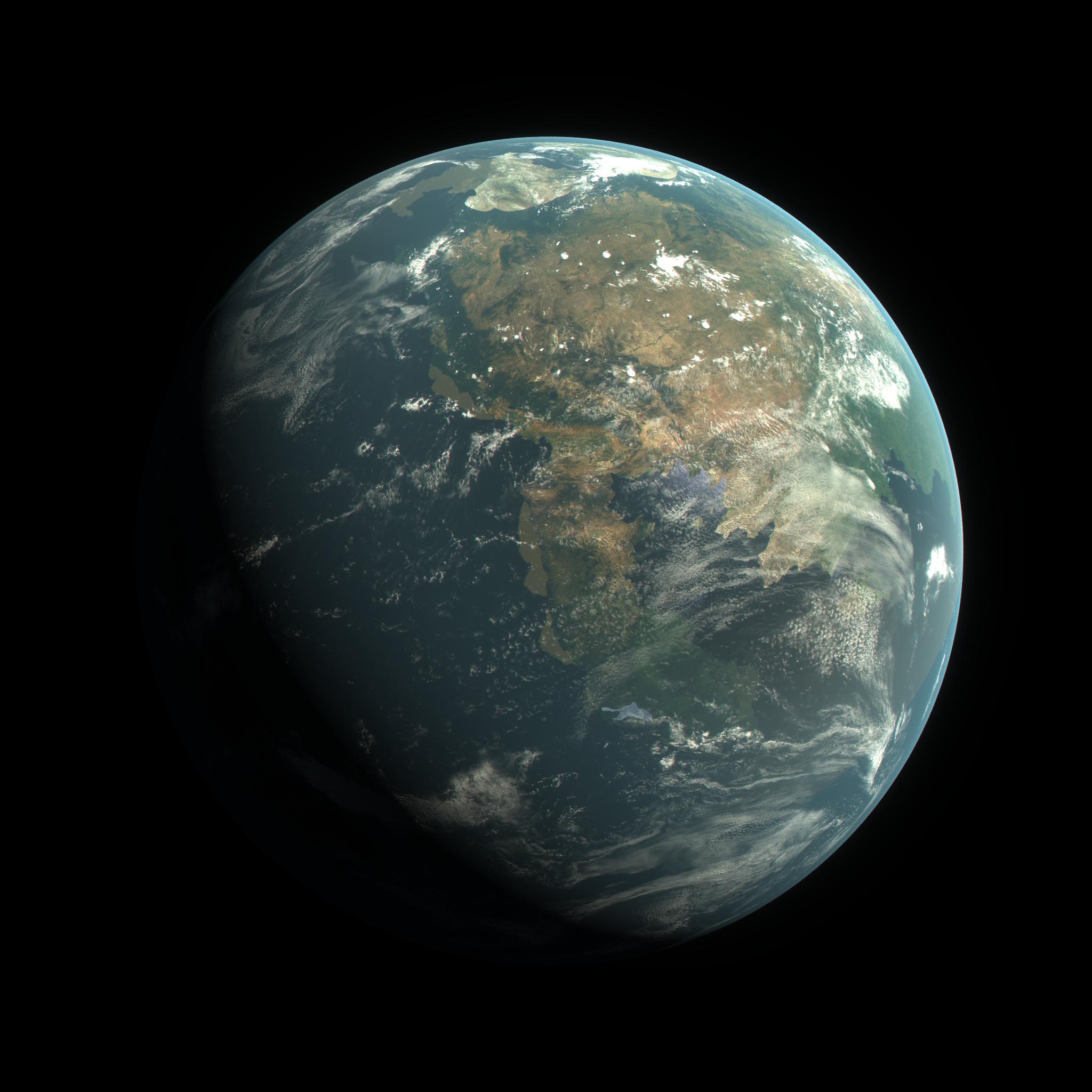

Comments