
Duergar
"Far below mountains cold. To dungeons deep, and caverns old. By hammers might, and strength untold. We built an empire of gems and gold."-Ancient Duergar Poem (Translated into Vulgar)Duergar are Mortal Fey who inhabit Aemaphia. Descendants of the fiery Azerisha, Bright Fey with a strong connection to the Essential Realms, the Duergar refer to themselves as Duroroga meaning "Forgeborn" in the Duergar language of Imitsu. As distant descendants of Azerisha, all Duergar possess features that harken back to their elemental origins. Their skin is toned a vague metallic hue and their hair possesses a fiery hue. However, while the Duergar are creatures of flesh and bone, they are well known for their burning passions and their steely determination.
The Duergar are a people of unyielding discipline, mastery, and endurance, forged in the crucible of tragedy and tempered by an unshakable commitment to duty, honor, and craftsmanship. Descended from the survivors of Trunsia’s destruction, they have built a society that values pragmatism over sentiment, structure over chaos, and skill over lineage, where every individual is judged by their contributions to their guild, clan, and hold. Their culture is defined by rigid hierarchy, relentless toil, and an unforgiving code of honor, shaping them into fearsome warriors, master artisans, and formidable rulers of the Infragercia. Though they are bound to the Seelie Court, they neither love nor trust it, forging alliances only when necessity demands and contracts ensure. Their presence in Aemaphia is felt through their unparalleled craftsmanship, unbreakable fortresses, and the quiet but ever-present weight of their grudges, for a Duergar does not forget, does not forgive, and does not falter—only endures.Basic Information
Anatomy
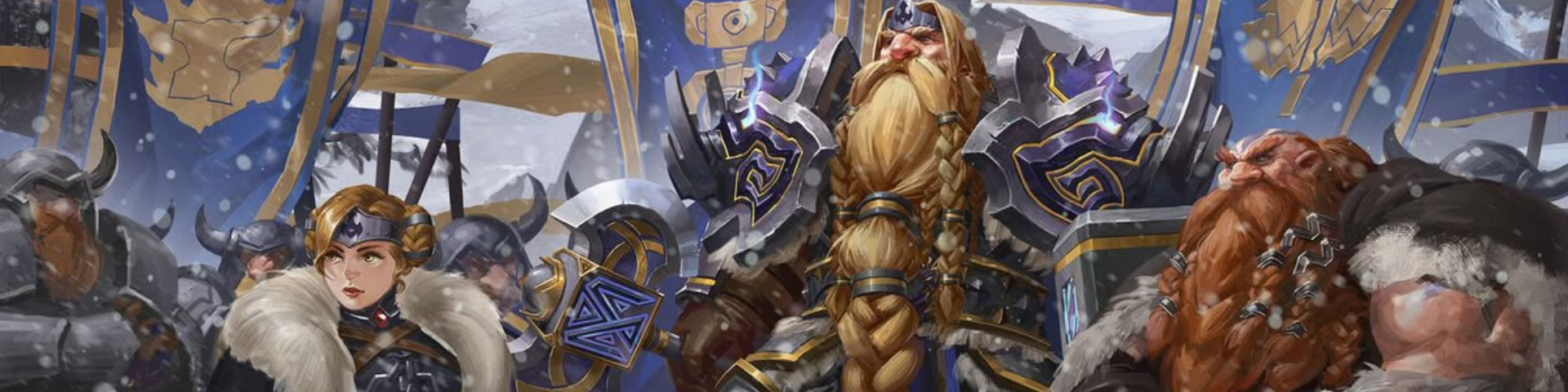
The Duergar are stocky, broad-shouldered humanoid Fey, standing an average of four to four-and-a-half feet tall, with bodies that seem carved from stone and tempered by fire. Their frames are dense and muscular, with a low center of gravity that grants them remarkable stability, making them exceptionally resilient in both combat and labor. Unlike Terrans or Elves, who prioritize grace or agility, Duergar are built for endurance and sheer physical durability, capable of working tirelessly for days without rest, their bodies slow to tire and even slower to break. Their hands and feet are large and calloused, their fingers thick but preternaturally dexterous, allowing them to wield both warhammers and delicate engraving tools with equal precision.
Their faces are angular and stern, with deep-set, piercing eyes that glow faintly in low light—an adaptation to the dim depths of their mountain strongholds and submerged forges of Trunsia. Their skin ranges from ash-gray to deep slate, often appearing rough or weathered, as if permanently marked by the stone and metal they shape. Their hair, which grows thick and coarse, comes in shades of iron, bronze, and coal-black, sometimes streaked with metallic hues that shimmer faintly in the right light. Facial hair is universal among Duergar, with both men and women cultivating long beards, which are woven with rings, clasps, and clan insignias that signify rank, lineage, and personal achievement. Unlike the ever-shifting psychoactive features of the Gnomes or Elves, Duergar forms are solid, unchanging, and seemingly untouched by the passage of time—a reflection of their unyielding nature, their devotion to endurance, and their belief that true beauty is found in permanence, not fleeting perfection.Genetics and Reproduction
Duergar reproduction follows the same fundamental biological structure as their Fey cousins, with pregnancies lasting one Gaanzhie Cycle (sixty-four years) before birth. However, unlike the slow and deliberate reproductive habits of the Elves, the Duergar underwent a profound shift following the Drowning of Trunsia, a catastrophic event that nearly drove them to extinction. In response to this population and genetic bottleneck, Duergar spontaneously began birthing litters of two to five offspring per pregnancy, a phenomenon unseen among other Fey. This strange, seemingly adaptive quirk appears to be psychoactive in nature, as clans that recover from low numbers instinctively return to producing only one child at a time, as if their very biology recognizes when their people are at risk. This process is not fully understood, but many Duergar scholars believe it to be an innate survival mechanism—a silent command woven into their ancestral magic, ensuring their people will never again face the brink of extinction without the means to restore their numbers. However, even with this adaptation, Duergar do not reproduce frivolously; every birth is seen as a solemn commitment to their lineage, their clan, and the enduring strength of their people.
Minarai-do
The Duergar practice a harsh and laborious system of focused childrearing, known as Minarai-do, or the "Apprenticeship", is an intensive and lifelong commitment to mastery, duty, and clan responsibility, ensuring that every Duergar becomes a skilled and indispensable member of their hold. Unlike other societies that emphasize broad education, Duergar do not waste time on general schooling—from the moment a child can hold a tool, they are trained in the craft, trade, or discipline of their lineage. It is the duty of the child’s clan to shape them into a worthy heir to their traditions, instilling discipline, technical skill, and an unyielding work ethic. This rigorous, focused upbringing ensures that by adolescence, each Duergar is prepared to enter the next stage of their training: the Apprenticeship.
At this point, the young Duergar is assigned a Kateikyoshi, or "Mentor", a master of their craft who will personally oversee their development, refining their skills to the highest possible standard. More often than not, this Kateikyoshi is their own parent, but if the parent is deemed unfit to teach or lacking in skill, the clan will reassign the youth to a superior Mentor, ensuring that no Duergar is shortchanged by familial sentimentality. This period of intensive training lasts decades, with the apprentice expected to learn, perfect, and embody the ideals of their trade before facing the ultimate test: the Sotsugyo, or "Graduation". This trial is a grueling, often public test of skill, intellect, and resolve, designed to push the apprentice to their limits and determine if they are truly worthy of their guild and their name. Those who succeed are celebrated as a Tabibito, or "Journeymen", fully accepted into their guild and granted the independence to work, trade, and serve their people as masters of their craft.
However, those who fail the Sotsugyo suffer a far graver fate. To be deemed incompetent is the greatest shame imaginable, a stain not only upon the individual but upon their entire clan. Failure is not tolerated, and those who prove unworthy of their craft are stripped of their clan name, their guild affiliation, and their place in society. These outcasts—branded a Ronin—are exiled from their holds, sent to wander the world as disgraced vagrants, never to return home. Some seek redemption through great deeds, hoping to one day reclaim their honor, while others descend into despair, mercenary work, or outright villainy, their skills now wielded without the discipline and purpose that once guided them. To the Duergar, there is no greater tragedy than wasted potential, no greater crime than failure, and no harsher sentence than exile from the only life one was meant to live.Growth Rate & Stages
The study of Duergar physical development, known in scholarly circles as Morphologea Pumilian, is a complex and multifaceted field, bridging the disciplines of natural philosophy, astral biology, and Fey metaphysics. Like many other Fey, whose bodies remain largely unchanging past adulthood, the Duergar experience a lifelong process of refinement, their forms subtly shaped by duty, craftsmanship, and the unseen weight of their oaths. Their dense musculature, iron-like skin, and preternatural endurance are not merely the results of biology but are deeply interwoven with their psyche and spiritual fortitude—a Duergar who thrives in their purpose grows stronger, while one who falters may weaken, wither, or succumb to the creeping decay of Forlorning. This unique interplay of physical and metaphysical forces makes Morphologea Pumilian a challenging but revered discipline, one that seeks to understand not only how Duergar bodies function, but how they endure, change, and—at times—unravel under the weight of their burdens. Through careful observation, scholars have unraveled the intricate stages of Duergar development, from the rigorous conditioning of their youth to the revered metamorphosis of Kessaku, where the greatest among them are immortalized in gemstone—a testament to the unyielding nature of their kind.
Forging a Mature Duergar
Duergar develop at a steady, disciplined pace, their growth mirroring the structured nature of their society. Infancy to childhood, roughly sixty years or a single Gaanzhie, is marked by rigorous conditioning, as young Duergar are shaped by their clan’s trade and values from the moment they can walk. By adolescence, their second Gaanzhie Cycles, the young Duergar are placed under the Minarai-do system, undergoing intensive mentorship under a Kateikyoshi to refine their skills and discipline. Young adulthood, roughly their third Gaanzhie Cycles, is the most critical phase, as Duergar undergo their Sotsugyo, determining whether they ascend as Tabibito or are cast out as Ronin, forever severed from their clan. Full physical and mental maturity is achieved after their third Gaanzhie Cycles and is defined not by age but by mastery—only once a Duergar has proven their worth, honed their craft, and endured their trials are they considered truly whole in the eyes of their people. However, those who falter, who lack purpose or discipline, risk falling prey to Forlorning, the slow, creeping unraveling of the soul that claims those who fail to uphold their duty. While their bodies may resist aging, their spirits are not immune to cracks, corrosion, and collapse, and a Duergar who loses their purpose risks becoming something far worse than forgotten—they risk becoming Draug.
The Kessaku
A Duergar who reaches the natural limits of their lifespan does not wither, nor do they fade into mist like the Elves; instead, they undergo the Kessaku, or the "Masterpiece"—a final, sublime transformation that immortalizes their existence through creation. Unlike those who succumb to Forlorning, these Duergar do not hollow out, but instead grow more radiant, more refined, as if their very being is distilling itself into something greater than flesh. Their skin takes on a polished sheen, their hair solidifies into fine quartz-like strands, and the fiery essence within their eyes compresses, condensing into something gem-like, brilliant, and untarnished by time. Once a Duergar recognizes these changes, they retreat to their workshops, their forges, or their studios, embarking on their final creation—their Kessaku, the greatest work of their lifetime. This last masterpiece is more than an object; it is a manifestation of their soul, a reflection of all they have built, endured, and perfected.
Upon its completion, the Duergar undergoes their final metamorphosis, their body turning to solid gemstone, flawlessly carved in their own likeness, their lifeless yet eternal hands cradling their ultimate creation. These statues, known as Hoseki-za, or the "Jewel Thrones", are treasured relics of Duergar culture, placed in great halls, ancestral vaults, or guild sanctuaries as both testaments to mastery and sacred guardians of knowledge. It is said that, in the presence of a Hoseki-za, the spirit of these Duergar grandmasters still lingers, whispering guidance to those who seek perfection in their craft. To achieve Kessaku is the highest honor, a fate reserved only for those who have lived with purpose, created with mastery, and left behind something worthy of eternity.The Forlorn
The telltale signs of Forlorning in a Duergar are unmistakable, a slow and merciless unraveling that begins subtly before consuming them entirely. The first warning is the Dimming, where the once vibrant metallic sheen of their hair begins to fade into lifeless dullness, its texture losing the luster of well-tempered steel. At this stage, intervention is still possible, and a Duergar can be brought back from the edge through purpose, discipline, and the reforging of their will. However, if they remain adrift in their despair, the Smoldering begins—coarse black streaks creep into their beard or braids, a permanent stain of weakening spirit and encroaching emptiness. No amount of guidance or support can undo this mark; the Forlorning has taken root. If they continue to spiral, their hair will blacken entirely, becoming brittle and dull, a physical testament to a soul losing its fire. Their once resilient faces grow haggard, heavy-lidded and deeply lined with exhaustion, as if weighed down by burdens only they can see.
As the Forlorning progresses, their entire being deteriorates—the iron-like sheen of their skin dulls, once-strong features grow gaunt and worn, and their very presence feels diminished, as though they are fading from existence before death can claim them. In the final stage, known in hushed reverence as the Cindering, a Forlorn Duergar takes on an ashen hue, their body reflecting the cold ruin of a long-abandoned forge. This is the point of no return, the final descent into hollowness, madness, or soulless existence—a fate that many Duergar believe to be worse than death itself. Imperial scholars, in their arrogance, once mistook such Duergar for ancient elders, broken by time—only to realize, in horror, that these were not aged beings at all, but the heartbroken, the hopeless, and the lost. Among the Duergar, an old proverb speaks solemnly of this fate: "A cold forge, long unused, produces only ash". Those tragic Duergar that do not act in time are cursed to become a Draug, and those who act too late can only hope to become Ashenmane. Those who dim, smolder, and cinder are not forgotten—they are mourned like the fallen, honored like the dead, yet pitied like no other.
When a Duergar fully succumbs to the Forlorning, they do not simply fade into despair—they physically endure, but in a form that is twisted, hollow, and irrevocably broken. These wretched husks, known as Draug, lose all sense of purpose, yet their bodies refuse to die, their very willpower trapping them in a half-existence of mindless labor, obsessive rituals, or endless wandering through the Infragercia’s blackened depths. Most toil as mute, ceaseless workers, laboring away in forgotten forges, shaping objects without meaning, their hands moving long after their minds have shattered. yet, when near the heat of a living being, Draug become hateful berserkers, consumed by a malice they can no longer name, striking down friend and foe alike in a blind, joyless rage. The worst among them, however, sink into something far darker, becoming hollowed husks of their former selves, eyes burning with a dull, soulless light, their voices speaking only in broken echoes of their past lives. To the Duergar, these cursed beings are neither living nor dead, existing as a fate worse than oblivion—a walking undead reminder of what happens when duty is abandoned, honor is lost, and the soul is left untempered against the cold, creeping rot of the Forlorning.Avoiding the Curse
The Duergar stave off the Forlorning through unyielding discipline, relentless purpose, and an unbreakable commitment to duty and craftsmanship. Unlike the Elves, who rely on stoic detachment, or the Gnomes, who drown themselves in constant innovation, the Duergar treat the soul like steel—something to be tempered through hardship, shaped by toil, and strengthened by unshakable will. Routine, structure, and mastery keep their minds from unraveling, as every Duergar is expected to perfect their craft, uphold their oaths, and contribute to their guild, clan, or stronghold without fail. However, when a Duergar begins to waver, they do not suffer alone—their kin, their guild, and their elders intervene, imposing ritual labor, reforging ceremonies, or sacred meditation in the deepest forges of Trunsia to purge weakness from the soul. Those who refuse to fight against their own creeping despair are given one final choice: to take up arms in a glorious last stand, to seek redemption through duty, or to embrace exile and be forgotten. To succumb to Forlorning is not merely to lose oneself—it is to fail in one’s purpose, to dishonor all who came before, and to render one’s legacy unworthy of remembrance.
Enduring the Curse
The rare Duergar who survive the worst of the Forlorn Curse emerge as something both alive and irrevocably changed—cursed beings known as Ashenmane. No longer fully whole, yet not truly lost, they exist in a state of haunting permanence, their bodies ashen and cold, their once-glowing eyes now dim embers, and their voices carrying the weight of centuries of sorrow and rage. Though they retain their skills, strength, and purpose, they are emotionally hollow, incapable of joy, and detached from all bonds of kinship and honor. Despite this, they are not without function—their once burning soul is now compelled by a cold hunger that cannot be articulated. Some become silent sentinels or master-smiths, dedicating themselves to eternal service, futilely seeking redemption through endless toil or battle. Others wander the Infragercia, hunting Void Elves and Druchadei, their icy hatred giving them a terrible focus that keeps them from collapsing into oblivion. Yet, no matter how long they endure, they are never truly welcomed back—for the Ashenmane is a reminder of what all Duergar fear most: a soul that was broken but refused to die.
Behaviour
"We will need eighteen more barrels of ale and nine more wheels of cheddar. I want six bottles of whiskey on each table. I want twice as many sausage links on each platter and no sharp utensils in sight. And tell the band I wont pay them a copper if they don't play all night. I want our guests dancing until they collapse."- Shinji Stoutbelly, Proving Even Party-Planning is a Serious MatterThe Duergar are a people of discipline, resilience, and unwavering resolve, their behavior shaped by a culture that values duty, craftsmanship, and endurance above all else. Unlike the more expressive and whimsical Fey, Duergar are stoic and deliberate, speaking only when necessary and preferring actions over words. Every task they undertake—whether forging a blade, negotiating a contract, participating in a drinking contest, or engaging in battle—is approached with precise intention and meticulous care, as they believe that anything worth doing must be done with absolute mastery. They do not rush, waste, or indulge in excess, viewing efficiency, practicality, and perseverance as the true marks of wisdom and strength.
Despite their gruff and often severe demeanor, Duergar are not joyless—they simply express themselves differently. Their humor is dry and cutting, their laughter rare but genuine when earned. Though their preferences differ, Duergar argue they appreciate beauty as greatly as the Elves. Some scholars even consider Duergar epic poetry, theatrical dramas, and stonework sculptures to be of a higher artistic quality than anything another Fey could hope to produce. Furthermore, no species on Aemaphia takes relaxation or celebration more seriously than the Duergar. Duergar spas are renowned for their luxuary, and the sheer spectacles expected at Duergar celebrations are downright bacchanal in nature.
Duergar form deep, unshakable bonds with those they deem worthy, though friendship and trust must be earned through time, hardship, and proven loyalty. They do not forgive betrayal easily, nor do they tolerate deception, frivolity, or those who fail to uphold their commitments. Above all, a Duergar is measured by their actions, and those who show weakness, dishonor, or inconsistency will find themselves met with cold indifference or, worse, silent disdain. To the Duergar, life is a forge, and only those who endure its trials emerge worthy of remembrance.Honorbound Hyperaffect
For the Duergar, honor is not just a virtue—it is the foundation of existence, the unyielding steel upon which all of society is built. Unlike the more romanticized notions of honor held by Terrans or Elves, which may be rooted in idealism or chivalry, Duergar honor is practical, rigid, and absolute, tied to duty, craftsmanship, and the fulfillment of one's obligations. A Duergar’s word is their bond, and to break an oath, fail in a sworn duty, or dishonor one’s guild or clan is to bring shame not just upon oneself, but upon one’s entire lineage. Every contract, every alliance, every grudge, and every debt—be it one of coin, blood, or labor—is to be upheld with the same level of unwavering commitment.
This deep-seated sense of honor shapes every aspect of Duergar behavior, from their interactions with others to their unyielding work ethic. A Duergar does not offer false flattery, nor do they engage in empty promises or casual friendships—if a bond is formed, it is meant to last a lifetime and beyond. If a Duergar is insulted, challenged, or slighted, it is not merely a personal offense but a stain upon their very existence, one that must be answered in kind, whether through cold retribution or ritual combat. Reputation is everything, and those who prove themselves dishonest, dishonorable, or unworthy are treated with utter contempt, their names stricken from memory as if they never existed. Among the Duergar, a life of wealth or prestige means nothing if it is not built upon an unbreakable foundation of duty, loyalty, and unshakable honor.Among the Fey
The Duergar approach their interactions with other Fey with measured restraint, unwavering pragmatism, and an unspoken air of guarded skepticism. To them, words are less important than actions, and trust is something earned through consistency, reliability, and demonstrated competence rather than flattery or lineage. They are neither openly hostile nor needlessly warm, instead maintaining an attitude of professional courtesy and quiet observation, assessing others not by their beauty, charm, or status, but by their usefulness, discipline, and adherence to their commitments. This reserved demeanor is not born of arrogance, but of a deep-seated wariness, shaped by centuries of betrayal, lost kin, and the weight of unfulfilled oaths. While they respect the industriousness of Gnomes, tolerate the bureaucratic dominance of Elves, and begrudgingly coexist with Seelie allies, they hold a special contempt for those who lack purpose, break their word, or indulge in reckless whimsy. To a Duergar, life is a forge, relationships are tempered like steel, and only those strong enough to endure hardship without wavering are worth standing beside.
Among the Mortals
The Duergar approach the Mortal species with a blend of stoic patience, cautious pragmatism, and deeply ingrained skepticism, assessing them not by their words or aspirations, but by their actions, discipline, and adherence to duty. Among them, they hold the Terrans in grudging regard, acknowledging their craftsmanship and industry, though they see them as ungrateful apprentices who have forgotten the teachers that once guided them. The Orcs, with their rigid honor and warrior’s pride, earn the Duergar’s respect, as they at least understand the weight of oaths and the necessity of enduring hardship. In contrast, the Kinder, though peaceful and free-spirited, are viewed as well-meaning but frivolous, their nomadic existence making them ill-suited for long-term commitments or structured society—though even Duergar admit that their kindness is, at times, disarming. Ogres, in all their bullying indulgence, are seen as loud, wasteful, and undisciplined, creatures who take without earning and revel in excess, and thus the Duergar treat them with cold disdain, offering neither respect nor sympathy. As for the Giantkin, the decaying remnants of once-great tyrants, the Duergar view them with a mix of caution and quiet satisfaction, seeing in their slow decline a lesson in the dangers of arrogance and unchecked power. To the Duergar, Mortals are transient and flawed, but those who uphold duty, honor, and resilience may yet prove themselves worthy of steel and stone.
Among the Derro
To the Duergar, the Derro are not kin—they are a shameful, wretched mockery of what their people were meant to be, a horrifying reminder of what happens when purpose is lost and desperation leads to madness. The Duergar do not mourn them, nor do they seek to reclaim them, for the Derro have forsaken all that is sacred—their minds shattered, their bodies twisted, and their very souls tainted by the abominable horrors of the Abyss. Where the Duergar endured the Drowning of Trunsia with discipline and resilience, the Derro devolved into madness, cannibalism, and dark pacts, becoming deranged, bloodthirsty things that exist only to destroy, corrupt, and spread their sickness further. In the endless black tunnels of the Infragerican Depths, Duergar warriors and scouts hunt them without mercy, purging their filth wherever it festers, not out of vengeance, but out of necessity—for to allow the Derro to spread is to risk contaminating the world above with their horrors. To the Duergar, the Derro are not just lost—they are already dead, lingering only as a curse to be erased from existence before their madness can claim anything more.
Additional Information
Social Structure
Duergar society is built upon a rigid yet deeply interwoven hierarchy, where every individual’s worth, duty, and honor are measured by their contributions to their clan, guild, and hold. Unlike the Elves, who favor pure aristocratic rule, or the Gnomes, who embrace corporate governance, the Duergar structure their civilizations, or Yochi in Imitsu, around a system of ancestral clans, professional guilds, and an unshakable code of hierarchy that dictates one’s place from birth to death. Each clan functions as an extended family unit, bound not just by blood but by oath and shared responsibility, while guilds serve as the backbone of a given Yochi, determining one's craft, trade, or martial discipline. Guild leadership is not inherited but earned through unwavering discipline, mastery of one's craft, and unbroken service, ensuring that only the most capable and steadfast individuals rise to positions of power. However, with such strict social order comes an unyielding expectation—to fail in one’s duties, to bring shame upon one’s name, or to betray the trust of one’s people is a grievous dishonor, often leading to exile or worse. In the eyes of the Duergar, a society thrives not through fleeting ambition, but through unwavering discipline, where every person, from the lowest apprentice to the highest guildmaster, is but one cog in the great, unbreakable machine of their people.
The Yochido
The art of statecraft, also known as Yochido, is the precise and disciplined practice of governance, diplomacy, and territorial management, shaping the very foundation of Duergar society. Yochido is dictated by merit, duty, and unyielding pragmatism, ensuring that power is wielded only by those who have proven themselves worthy. Rooted in the philosophy that a nation is like a forge, Yochido demands that a ruler tempers their decisions with wisdom, shapes policy with precision, and hammers out inefficiency before it weakens the whole. While the remnants of Duergar nobility remains a symbolic figurehead, the various guilds hold the true power, with their influence stretching across trade, law, warfare, and resource management. Each Yochi in the Trunsian archipelago is governed as an extension of its ruling guilds, with major decisions made through councils, negotiations, and rigid contracts rather than individual decree. To the Duergar, a nation does not stand upon the will of a single ruler, but upon the unyielding foundation of discipline, industry, and the unwavering oaths of those who shape its future.
The Tenno and the Daijin
Though the Duergar still maintain noble lineages, their Tenno ri Yochi, or "Territorial Sovereign", serves as little more than a ceremonial figurehead, a vestigial remnant from the days of the Vaernar Caelei. Every Duergar clan honors their specific Tenno ri Yochi, treating them with great reverence and respect, but few hold any illusion that they possess real authority. The true power of Duergar society rests in the hands of the Daijin, the guildmasters who control every aspect of commerce, warfare, or industry; and govern their Yochi with pragmatic efficiency. It is the guilds, not the throne, that decide the fate of the Duergar, ensuring that leadership is earned through skill, labor, and unwavering discipline, rather than through birthright alone. Yet, despite their powerlessness, the Tenno endure, serving as symbols of unity and tradition, a living reminder of the Duergar’s noble past, even as the world around them is now ruled by iron, trade, and the unrelenting weight of duty.
The Shogunate
The Shogunate serves as the supreme military authority within Duergar society, forming the third pillar of governance alongside the Tennonate, the collective Duergar nobility, and the Daijinate, the Duergar Guild leadership. Unlike the ceremonial Tennonate or the mercantile Daijinate, the Shogunate is an active, structured hierarchy of military command, ensuring that every Yochi is defended with precision, discipline, and unyielding force. At its head stands the Daishogun, the highest-ranking military commander, who oversees all warfare, defense, and military logistics for the Yochi as a whole. Beneath the Daishogun, each Hold is protected by a Shogun, a formidable general responsible for leading the Hold’s standing army, enforcing martial law when necessary, and ensuring that their forces remain ready for war at all times.
While the Daijinate dictates policy and the Tennonate preserves tradition, the Shogunate ensures survival, wielding absolute authority in times of war and maintaining a constant state of readiness in the face of threats, whether from Derro incursions, Void Elf corruption, Rattae revolt, or the ever-present dangers of the Infragercia. However, the Shogunate does not exist merely for battle—it also plays a vital role in civil order, overseeing the warrior caste, the enforcement of law, and the training of new generations in both combat and discipline. Though the Daijinate and Tennonate may shape the fate of the Duergar through politics and commerce, it is the Shogunate that ensures there is still a nation left to rule, its steel unbroken and its warriors ever vigilant.The Keisatsu
The Keisatsu is a position within the Shogunate that serves as the sheriff of a given Hold. They are charged with the eternal protection of the clans and guilds within a hold, as well as enforcement of the ironclad laws of the Yochi. To accomplish these tasks, the Keisatsu operate independently from the authority of that hold's Shogun.
The Daisaishi and the Dowa-no Soki
Within each Yochi of the Duergar, the Daisaishi, the High Priest of the Harmonious Way, stands as the spiritual and moral authority, guiding both rulers and common folk alike in the principles of balance, duty, and enlightenment. As the head of the Saishinate, the Duergar priesthood of the Harmonious Way, the Daisaishi serves the Tennonate as an advisor on matters of ethics, philosophy, and divine law, ensuring that governance aligns with the sacred tenets of the Harmonious Way. Unlike the Daijinate, who rule through trade and policy, or the Shogunate, who command through steel and discipline, the Saishinate wields power through wisdom, acting as the keepers of tradition, interpreters of sacred texts, and arbiters of karmic justice. The Daisaishi oversees monasteries, sacred forges, and places of meditation, ensuring that the Duergar do not stray from the righteous path, for a kingdom without spiritual balance is as doomed as a blade without tempering.
Among the ranks of the Saishinate, the most feared and revered figure is the Dowa-no Soki, also known as the Grudge Scribe—a divine warrior-bard whose duty is to settle grievances, restore honor, and ensure that no oath is broken without consequence. Unlike a mere scholar of lore, the Grudge Scribe inscribes the weight of sworn oaths, betrayals, and debts into the sacred record, ensuring that no grievance is forgotten. When a Duergar citizen seeks retribution or justice but cannot claim it themselves—whether due to rank, politics, or personal limitation—it is the Dowa-no Soki who steps forward as their champion. Through the sacred martial art of Batto-kei, the Grudge Scribe fights on behalf of the wronged, wielding both steel and scripture as instruments of karmic balance. More than just warriors, they are living embodiments of the Duergar ethos, ensuring that in all things—be it governance, war, or personal honor—justice is neither forgotten nor denied, and no Duergar carries their grudge alone.The Kuran, the Duergar Clans
The relationship between Duergar, their clans, guilds, and holds is one of deep interdependence and structured hierarchy. Each Duergar clan, known as a Kuran in Imitsu, is dedicated to a specific guild, which specializes in a particular craft or trade essential to society, such as mining, brewing, or smithing. These guilds, operate within a hold, a self-sufficient community that serves as the core social and economic unit. While some clans span multiple guilds, most remain tied to one, contributing to the hold’s prosperity and maintaining the values of their craft. Ultimately, the honor and reputation of a clan are closely linked to their guild’s success, and by extension, to the wellbeing of the hold as a whole.
The relationship between Holds, Guilds, and Clans is one of interdependence and balance. While Holds are the primary governing units, the guilds within them are the lifeblood of Duergar society, ensuring that each hold thrives by mastering specific trades and creating vital resources. Clans, the familial groups at the heart of Duergar culture, provide the human element necessary for these guilds to function. The clan’s honor, reputation, and commitment to their craft often determine their standing within the hold and their relationship with other clans. As a result, Duergar society is built on a complex network of mutual obligation, respect, and competition, with the various guilds and clans working together to ensure the prosperity of their hold and the continued survival of their people.Okoku, the Duergar Holds
Holds, also known as Okoku in Imitsu, are distinct, self-sufficient nations that serve as the primary social and economic units within Duergar society. Each hold is composed of many connected Yochi, structured around several guilds, which are specialized groups of craftsfolk skilled in a specific discipline essential to their civilization. These disciplines range from architecture and mining to farming, brewing, and banking. Guilds not only foster expertise but also help ensure the smooth operation of Duergar society by providing the necessary goods and services for everyday life. Holds are often located within the vast, labyrinthine Infragercian caverns beneath the isolated mountainous islands of the Trunsian archipelago, with each hold having its own distinct function and importance within the greater Duergar Underlands network.
Kinko-shitsu, the Capital Vaults
Each Okoku is ruled by a triumvirate of authority, the roayl Tenno ri Yochi, the council of Daijin, and the Shogunate. These Duergar authorities inhabit a centralized subterranean Yochin-ka known as Kinko-shitsu, or a Capital Vault in Vulgar. Each Kinko-shitsu is the heart of their respective Yochi.
The Soko, the Duergar Guilds
Duergar Guilds, also known as Soko in Imitsu, are tightly organized, and many clans dedicate themselves to a particular guild. These guilds function as both trade organizations and sources of cultural identity, with each member clan maintaining a deep commitment to mastering the skills of their respective craft. Some clans, particularly those with wide-reaching interests or specialized needs, may have members across several guilds, contributing to a more interconnected but complex structure. Despite this flexibility, clans rarely spread beyond a single hold, as the sense of community and honor tied to a particular hold is a powerful force in Duergar life. Clans are responsible for maintaining the traditions and values of their guilds, and their prestige is directly tied to their craftsmanship and contributions to the wider community.
Facial characteristics
"Nenryuo ga Kyuokyuu sa Renai Rowahonuo ga Yowamarimasu."-Ancient Duergar ProverbAll Duergar possess brightly colored natural hair. Their hair ranges from deep red, golden blonde, fiery orange and even bluish white! Duergar hair, given their Fey nature, is psychoactive and is thus directly connected to emotional stability. While this doesn't mean their hair can change colors like a mood ring, the vibrancy and hue if their color can shift. Duergar hair does fade, darken and gray only if they become Forlorn. If a Duergar remains happy, stable, busy and part of a community, they avoid the soul-eroding effects of forlorning. But as an old Duergar saying goes “A furnace not fed will have its flame diminished”. Depressed, listless, isolated, or unstable Duergar can fall victim to forlorning.
Geographic Origin and Distribution
Derro of the Infragercian Depths
The Derro were born from desperation, ruin, and madness, a cursed legacy of the Drowning of Trunsia, when the proud Duergar fell from the heights of their empire into the abyss of oblivion. As the seas rose and Trunsia crumbled, most Duergar perished—some drowned in the flood, others were buried in collapsing mountain halls, and only a scattered few survived to rebuild in exile. But there was another fate, one far darker, more wretched—the fate of those trapped deep beneath the earth, sealed within the pre-flood mines and vaults of Trunsia, their world buried beneath leagues of stone and crushing water. Most of these unlucky souls were crushed or starved in the blackness, but a handful endured, sustained by sheer will, cannibalistic desperation, and the twisting influence of the foul magics that seeped into their earthen prisons far below.
In their agony and madness, these survivors called out to anything that would listen, and something listened—eldritch horrors from the Infragercian Abyss, answering their cries with whispers of power, salvation, and an escape from suffering. Those who accepted these vile pacts were reshaped, their minds shattered, their bodies twisted, until they became something unrecognizable—neither Duergar nor wholly mortal. They emerged from the darkness as the Derro, deranged, inbred, and violently unpredictable, their culture built upon insanity, cruelty, and the worship of unspeakable masters. To the surviving Duergar, the Derro are a shameful reminder of what could have been, an abomination to be purged, for they are not just fallen kin—they are the embodiment of what happens when the soul is left untethered, consumed by despair, and swallowed whole by the abyss.Perception and Sensory Capabilities
Duergar have dense, highly refined senses honed for survival in the unforgiving depths of the Infragercia. Their deep-set, glowing eyes are specialized for low-light vision, allowing them to see clearly in near-total darkness while still retaining sharp focus in brighter conditions—though sudden, intense light can temporarily disorient them. Their hearing is precise but selective, attuned to the rhythmic echoes of stone, the shifting of tunnels, and the reverberations of distant machinery, making them natural miners, architects, and warriors in enclosed spaces. Their sense of touch is unparalleled in craftsmanship, able to feel minute imperfections in metal, stone, and gemwork with an instinctive precision that borders on supernatural. Unlike the Gnomes, Duergar possess a keen sense of smell, particularly for earthly materials, allowing them to detect traces of minerals, poisonous fumes, or even the scent of intruders long before they are seen. To a Duergar, sensory mastery is not a luxury—it is a necessity, ensuring their survival in the dark, treacherous depths where sight alone is never enough.
Extrasensory Abilities
Duergar possess an unparalleled connection to the stone, metal, and earth that surrounds them, their very sense of touch acting as a secondary form of sight. Through their hands and feet, they can "see" through stone, detecting the presence of tunnels, weak points in structures, and even hidden chambers buried deep beneath the surface. This tactile tremorsense allows them to perceive movement through the rock, sensing footsteps, cave-ins, or burrowing creatures long before they would be detected by conventional means. When forging or shaping materials, a Duergar’s hands do not merely feel the surface—they sense the entire composition, allowing them to identify imperfections, stresses, and potential fractures as if they could see through the material itself. In the depths of the Infragercia, where darkness is absolute and the unseen dangers are many, this ability is more than a gift—it is the only thing standing between survival and oblivion.
Civilization and Culture
Beauty Ideals
"Utsukushisa wa Saikutsu Sareru Subete no Hoeseki no Nakade Mottomo Chinchoe Sareru."
(Beauty is the Most Precious of All Gems One Can Mine)-Ancient Duergar ProverbAs children of the Glimmer, the Duergar have an intrinsic devotion to beauty. Where their Elven cousins appreciate aesthetics, the Duergar dedicate their lives to the functionality of form. Beauty is not a mere superficial aestheticism, true beauty requires practicality. This philosophy of utilitarian aesthetics have led the Duergar to become some of the best craftsmen in the Cosmos. Duergar's innate devotion to practical beauty is also their greatest weakness, as it makes them pathologically incapable of ignoring anything they deem ugly or wrong. Duergar cannot help but dwell on faults and flaws. They meticulously plan, plot, design, draft, edit, alter, polish and painstakingly construct each work of artifice with absolute intention. At best, this makes the Duergar obsessively committed to their craft. At worst, it makes them inwardly melancholic and cantankerous about realities’ countless imperfections.
Gender Ideals
"Hito Oshiru Niwa, Kare no Higeo mi Nasai."
(To Know Someone, Inspect Their Beard)-Ancient Duergar ProverbGender presentation in Duergar culture is typically very binary with specific norms designated to each sex. Beards and short top-knots are worn by male Duergar, while female Duergar wear their long hair braided. Furthermore, it is customary for married heterosexual male Duergar to shave their heads or will themselves bald as a sign of fidelity and respect to their wives.
Aesthetic utilitarians, the Duergar put great social value in the length, styling, adornment, and quality of grooming of their braids and beards. They are often used by Duergar as a signal to potential partners of sexual viability and social status.
It should be noted that female Duergar can grow beards if they wish. As Mortal Fey, their biology is a bit more psychoactive than other creatures and as a result, they can will themselves into growing facial hair should they desire to do so. However, the act of a female Duergar wearing a beard is considered a very bold and somewhat taboo act. Likewise, it is considered, by some, to be deeply obscene for a male Duergar to wear braided hair. Some Duergar that wear beards or braids against gender type do so as a means to subvert the gender conventions and sex expectations within traditional Duergar society. However, often only Duergar ronin openly defies the strict codes of social presentation for long.Courtship Ideals
Duergar courtship begins with subtle and simple displays of interest, often revolving around shared interests in craftsmanship or trade. Given their highly practical nature, Duergar courtship is rarely flamboyant or overtly romantic. Instead, potential partners will often exchange tokens of their skill—such as carefully crafted tools, intricate metalwork, or even intricately braided hair as a gesture of admiration. The Duergar value utility in all things, so acts of service or offering practical assistance in another’s craft or work are common ways of showing affection. Flirtation, though present, tends to be discreet, with individuals testing compatibility through shared labor or projects rather than open declarations of love. A Duergar might also gauge a potential partner’s status and reputation within their clan, as honor and respect are fundamental to their society. The ritualistic and symbolic nature of Duergar relationships often extends to the display of personal grooming—beard and hair care are indicative of both an individual’s social standing and their commitment to presenting themselves as a worthy partner.
Formal Duergar courtship is a more structured and ceremonious affair, involving clan approval and a series of public and private rituals that demonstrate commitment and respect for the union. The couple’s families will often play a significant role, with the prospective groom’s clan seeking approval for the match. One of the most prominent rituals is the exchange of crafted gifts, each symbolizing different facets of the union: a tool representing strength, a decorative item for beauty, and a practical item for shared labor. This exchange is followed by a period of courtship where the couple engages in various tasks together, testing their compatibility and mutual dedication. The wedding itself is a formal event steeped in honor, with intricate vows exchanged in a ceremony where both families witness the couple's pledge to uphold each other’s honor. A key ritual is the shaving of the groom’s head, signifying his loyalty and respect for his bride, while the bride may braid her hair as a sign of devotion. Following the ceremony, the couple’s new union is celebrated with a feast, where the community and their families affirm the bond, ensuring that both personal and clan honor are preserved in the new partnership.
Unconventional Duergar couplings—those that deviate from traditional gender roles or societal expectations—are rare but not unheard of in Duergar society. These relationships, often characterized by a female Duergar wearing a beard or a male Duergar sporting braided hair, are seen as acts of rebellion against the rigid norms of honor and gender presentation. While some view these unions as bold and empowering, they are generally regarded with skepticism or even disdain by the larger society, particularly among more traditionalists. However, ronin Duergar, individuals who have cast aside the conventions of their clans, may embrace such pairings as a way to subvert social norms or to challenge the very structure of Duergar culture. Despite the societal pressure to conform, these relationships can still thrive, albeit under the watchful eye of a culture that values order, tradition, and honor above all else.Relationship Ideals
For the Duergar, relationships are not forged lightly—they are commitments, bound by honor, duty, and purpose, each one carrying a weight of expectation and responsibility. Whether in friendship, companionship, guild membership, or family, the core of all Duergar bonds is loyalty and mutual obligation; to form a connection with another is to take on a burden as well as a blessing. The Duergar do not pursue shallow, fleeting relationships, for every bond is expected to endure, strengthen both parties, and withstand the test of time. Betrayal, neglect, or the breaking of an oath is an unforgivable sin, one that permanently severs the connection and may even result in a blood feud that lasts for generations.
To the Duergar, a relationship is as strong as the effort put into maintaining it—bonds are not whimsical, convenient, or disposable, but eternal, tested, and forged through shared burdens and triumphs. Whether friend, guildmate, sibling, or lover, those who stand beside a Duergar must prove themselves worthy—but once accepted, they will find no fiercer, more steadfast companion in all of Aemaphia.Guild Membership & Fraternal Bonds
Guild membership among the Duergar is the highest form of camaraderie outside of blood relations, binding individuals into lifelong partnerships based on skill, trust, and shared purpose. A guild is more than a workplace—it is a second family, where every member is expected to contribute, protect, and uphold the honor of the collective. These bonds are often stronger than traditional friendships, as guildmates endure the same hardships, bear the same burdens, and stake their lives and reputations on each other's competence.
Fraternal relationships, especially those formed through military service or sworn warrior bonds, are equally sacred—one does not simply call another "oath sibling" unless they are prepared to bleed for them.Familial & Platonic Relationships
Duergar families operate as strict, disciplined units, valuing ancestral legacy and generational duty over personal affection. Elders are revered, and children are expected to uphold the honor of their name, guild, and people, knowing that their actions reflect on their entire lineage. However, this does not mean coldness or cruelty—while open displays of emotion are rare, a Duergar’s devotion to their kin is unwavering, expressed through protection, guidance, and ensuring their family’s prosperity. Platonic relationships, though less formal than guild or familial ties, are still deeply valued, and true friendship is considered a lifelong bond, not a passing amusement.
Courtship & Marriage
Romantic relationships among the Duergar are not impulsive affairs, nor are they based on fleeting attraction—love, like all things, must be forged, tempered, and made to endure. Duergar courtship is often a long, deliberate process, filled with tests of patience, loyalty, and commitment, ensuring that both partners are worthy of each other. Marriage is seen as a sacred contract, and divorces are almost unheard of—to break a marriage bond is to bring shame upon oneself and one's lineage. However, love among the Duergar is not devoid of passion, merely disciplined and built for permanence; those who find a partner do so with the intent of standing together, unwavering, through centuries of hardship and triumph alike.
Major Language Groups and Dialects
"Anata no Itoga Zen'inni Wakaruyuo ni Hakkiri to Hanashite Kudasai"
(Speak Plainly So All Can Know What You Mean)-Ancient Duergar ProverbThe native language of the Duergar is known as Imitsu or "Secret" in their own language. Imitsu is a relatively new language, developed during the Schism. Prior to the Schism, Duergar spoke Vauyeas, specifically the Vaese dialect of the ancient language of the Fey.
Imitsu is loosely based on Japanese.Common Etiquette Rules
"Tekisetsu ni Haikisa Rereba, Sekitan Waeikyuu ni Moe Tsudzukeru Kanouseiga Aru"
(A Coal can Ember Forever if Properly Vented)-Ancient Duergar ProverbHonor is a cornerstone of Duergar culture, deeply ingrained in their personal, clan, and hold identities. For the Duergar, honor is not merely a social construct but an existential value that defines their very purpose and place in their spiritual journey of Nirvanya. Personal honor reflects an individual's commitment to their own integrity, discipline, and adherence to the ideals of craftsmanship, self-control, and resilience. Clan honor, on the other hand, ties each Duergar to their familial lineage, ensuring that the actions of one reflect on the entire bloodline. Finally, the honor of the hold—whether a small community or a grand empire—binds the Duergar to a collective responsibility for their shared prosperity and safety. To dishonor oneself or one's family is to dishonor the entire hold, a transgression that can lead to shame, exclusion, or worse, the breaking of sacred bonds. In this way, honor is both a personal pursuit and a communal duty, shaping Duergar's actions, relationships, and legacy for generations.
Dowa, Duergar Grudges
The Duergar's neurotic compulsion to correct an imperfection is the cultural origin of their infamous Duergar Grudges also known as Dowa in Imitsu. Well known throughout Aemaphia, few things are more troublesome or dangerous than earning a Dowa. It is surprisingly easy to gain a duergar grudge, as the Duergar can be persnickety if offended. However, a Dowa is almost impossible to resolve if not done so immediately, as the offended party will often times dwell obsessively on their perceived transgression, discovering new misdemeanors within the original offense. Left unresolved, a single Dowa can quickly become a litany of wrongs that are impossible to correct. “A Coal can Ember Forever if Properly Vented” is one of the oldest and most common Duergar idioms for a reason, and few who have endured a Dowa question its wisdom.
Common Dress Code
Duergar clothing is a seamless fusion of practicality, craftsmanship, and status, each garment designed to reflect the wearer’s skill, station, and dedication to their craft. Casual attire consists of heavy, woven tunics and layered robes, reinforced with embroidered linings of metallic thread to provide durability without restricting movement. These garments are crafted from sturdy textiles such as felted wool, treated hemp, and enchanted silk spun from subterranean worms, ensuring both warmth and resilience in the deep, unforgiving caverns of the Infragercia. Work attire, worn by artisans and laborers, is more utilitarian—thick, flame-resistant aprons, fitted wraps, and reinforced gloves designed to withstand the heat of the forge and the sharp edges of uncut stone. These garments often bear subtle clan insignias or guild markings, embroidered in silver or platinum thread, signifying both personal and professional identity.
Luxury wear among the Duergar is a testament to their artistry, reserved for formal occasions, rituals, or high-ranking individuals. These robes are heavily layered and intricately woven, featuring subtle geometric patterns, embossed metallic accents, and meticulously placed inlays of polished gemstones—not as gaudy displays of wealth, but as a mark of mastery and refinement. Gold, silver, and mithril-thread embroidery subtly shimmer beneath the folds, catching the dim cavern light like veins of ore within stone. Battle armor, however, is the pinnacle of Duergar craftsmanship, combining layered metal plating with reinforced textiles, striking a perfect balance between mobility and protection. Each suit is forged to fit its wearer precisely, often adorned with engravings of ancestral lineages, clan mottos, and carefully inlaid gemstones, not for vanity, but as a spiritual conduit, strengthening the warrior’s resolve in combat. Whether in the workshop, the council hall, or the battlefield, every thread, plate, and gemstone serves a purpose, a function, and a legacy, ensuring that even in dress, the Duergar remain a people defined by discipline, mastery, and enduring beauty.Common Customs, Traditions and Rituals
"Compete for the honor of your clans. Compete for the glory of your holds. Compete for the chance to live forever."-The Creed of the Tokugi KonpeCustoms, rituals, and traditions are deeply ingrained in Duergar culture, shaping their daily lives and social interactions. These practices reflect their values of honor, discipline, and devotion to craftsmanship. Every aspect of Duergar life, from their elaborate courtship rituals to the solemnity of their grudges, is guided by time-honored traditions that emphasize respect for others and the importance of maintaining social order. Rituals like the Batto-kei, the symbolic shaving of a ronin’s beard, and the careful grooming of beards and braids are not just acts of personal significance but also reflect broader cultural expectations. Traditions help to maintain a sense of community, as they bind individuals to their clans, holds, and ancestral legacies. For the Duergar, upholding customs is not merely a matter of respect—it is a means of preserving their identity and ensuring the continuity of their culture across generations.
Roninhood
A ronin is a duergar in exile, a process typically triggered by personal dishonor or failure to uphold the strict codes of conduct that govern Duergar society. Ronin are individuals who have broken their sacred ties, whether through a personal transgression, political failure, or falling out with their clan’s values. Before being cast out, the disgraced Duergar is forced to shave their beard or braid, a symbolic act that marks them as dishonorable in the eyes of their people. This ritual of shaving signifies their separation from their clan and hold, branding them as unworthy of their former community. Exiled and stripped of their social identity, a ronin is often left to wander alone, facing both physical and emotional isolation, as they are no longer considered part of the Duergar world they once belonged to. Many ronin fall victim to forlorning.
Batto-kei
The Batto-kei is a sacred and intense ritual combat among the Duergar, used to settle unresolved grudges between two parties. In this solemn and physically demanding contest, both combatants strip naked and engage in a bare-handed fight, with no weapons or magic allowed. The battle continues until one of the participants either yields, is satisfied with the resolution, or is slain. This form of conflict resolution is a last resort, as it is considered extremely dangerous, and clans make every effort to resolve disputes before they escalate to such a deadly level. The Batto-kei reflects the Duergar’s deep commitment to their codes of honor, where the only way to truly settle a grudge is through direct, personal confrontation.
The Tokugi Konpe
The Tokugi Konpe, or Feats of Glory in Imitsu, often referred to as the Duergar Olympics, is the premier international sporting event in Aemaphia, held every four years with alternating summer and winter competitions. This grand event features thousands of athletes from across Aemaphia, with nearly every nation participating in a variety of games, ranging from traditional athletic events to culturally specific challenges. The Tokugi Konpe stands as a symbol of unity and competition, bringing together diverse peoples and cultures in a shared celebration of physical prowess and honor. The Aestas and Heimus Games occur in alternating years, with the former showcasing a range of outdoor and warm-weather sports, while the latter features winter sports that challenge athletes in colder, harsher environments.
For the Duergar, the Tokugi Konpe holds particular significance as it embodies their core values of honor, strength, and endurance. The Duergar, known for their shrewdness and disciplined nature, view the games as more than just athletic contests—they are a means to demonstrate personal and clan honor on the international stage. Success in the Tokugi Konpe is highly revered, as victories reflect both personal ability and the prosperity of one’s clan or hold. Duergar athletes are expected to approach the competition with the same meticulous care and dedication they apply to their crafts, treating each event with the gravitas of a sacred ritual. The games also offer Duergar society a chance to forge alliances, prove their superiority, and solidify their status among other nations, reinforcing their longstanding reputation for excellence in both craftsmanship and competitive spirit.History
Ancient Duergar History
The Azerisha and the Rakshasa Rajhan
The Fey Exodus
The Draconic War
Distant Duergar History
The Vaernar Caelei
A period of simmering resentment between the haughty elves of Tenebrusia and the rigid Duergar of Trunsia, enflamed by the machinations of the Gnomes of Tectusia and disgruntled Rakshasa from the shadows.The Dowafutsu
Also known as the "Grudge Bearers", these Duergar began invading Acarcia in hopes of locating the slumbering Dragonflights and exacting revenge on their ancient adversaries.The Fey Schism
A civil war between the Elves and the Duergar, ending in the shattering of Trunsia.The Drowning of the Duergar
In the immediate aftermath of the Fey Schism, Trunsia was left in ruin, its once-proud land sinking beneath the waves as the cataclysmic forces of the event reshaped the entire region. The collapse of the continent marked the end of the unified Duergar Empire, flooding the vast majority of Duergar settlements and erasing centuries of history and culture. The survivors, once prosperous and secure in their capital cities, were now scattered, desperate, and vulnerable, with their entire way of life in jeopardy. As the waters rose, many Duergar turned to the deep, dark mines that had long been a source of wealth and industry for their people. The rich veins of precious metals, gemstones, and rare resources buried within the Trunsia islands' volcanic regions became the only sanctuary for the devastated Duergar.
In the aftermath, the Duergar retreated into these subterranean havens, forming the first Holds—vast, fortified mining communities carved deep into the island's rock. These holds, while far removed from the open world they had once known, became lifelines for the surviving Duergar, who had to adapt quickly to their new reality. The guilds of craftsmen, miners, and engineers who had once flourished above ground now became the heart of these holds, their skills crucial in rebuilding the Duergar’s devastated society. Each hold grew into a self-sustaining enclave, with its own unique culture and identity, united by the common goal of survival and the unshakable need to preserve the Duergar way of life. In these dark, isolated bastions, the Duergar clung to their traditions, adapting to their new environment with the same determination that had once made them masters of their expansive empire. Though the loss of their land was a blow from which they would never fully recover, the Duergar found hope in the forge of their resilience and the shared strength of their holds.The Derro
When Trunsia was destroyed, most Duergar perished alongside their homeland, swallowed by the raging seas and the crumbling ruins of their once-great empire. Only the mountain-dwelling clans survived, forging a new existence from the remnants of their shattered world, becoming the Duergar known today. However, those who had delved too deep, laboring in the vast, pre-flood mines beneath Trunsia, met a fate far worse than death. Most were crushed beneath the collapsing continent, their tunnels becoming graveyards of stone and silence—but a cursed few survived. Trapped in the lightless bowels of the Infragerican Depths, these lost souls were warped by the roiling, unearthly magics that seeped into their prison, their minds unraveling as hunger, madness, and desperation consumed them. In their darkest hour, they reached out, and something reached back—terrible entities from the Infragercian Abyss further below, whispering secrets not meant for mortal ears. In their depravity and despair, they embraced the horrors, making unspeakable pacts that stripped them of their sanity, their honor, and their very identity. They became the Derro, a twisted, wretched mockery of their former kin, doomed to stalk the depths as raving, inbred horrors, spreading madness wherever their cursed kind takes root.
The Duergar Reforged
After settling into the safety of their subterranean holds, the Duergar found themselves facing the harsh reality of an altered world. The once grand empire they had known, stretching across the continent of Trunsia, had been swallowed by the sea, leaving behind only scattered islands that formed a vast archipelago. As the years passed, the Duergar, with their unyielding drive to survive and thrive, began to look beyond their mines and tunnels, realizing that the surface world—though now dramatically different—still held opportunities for them to rebuild and reclaim their place in the world.
The Duergar's return to the surface was not one of unthinking recklessness but of careful and methodical planning, rooted in their deep understanding of geography and resource management. Faced with limited land and a vast expanse of ocean between the islands, the Duergar turned their attention to the seas that now surrounded them. They drew upon their traditional skills in mining and craftsmanship to construct ships that were both durable and capable of navigating the treacherous waters. Their shipbuilders, known for their meticulous craftsmanship, soon created a fleet capable of long-distance travel, enabling them to fish the bountiful waters and assert nautical supremacy over the archipelago.
Seafaring became not only a necessity for survival but also a way to establish dominance in a world that had been reshaped. The Duergar, with their strategic minds and finely honed skills, found that the seas offered both resources and a platform for asserting their influence. Their fishing fleets thrived, and their merchant vessels established vital trade routes across the islands, securing their survival. As their nautical prowess grew, so too did their reputation, making the Duergar a formidable force in the new world that had emerged from the wreckage of the Fey Schism. The sea, once an obstacle, became a means of expansion, a symbol of the Duergar's indomitable spirit and ability to adapt. The once land-bound empire was reborn on the water, and the Duergar's connection to the seas became as fundamental to their identity as their mining roots had once been.The Five Ryuno Yochi
The re-establishment of Esson, Hisen, Mushin, Ryusan, and Saimun as the last bastions of Duergar civilization in Faselicia.The Enslavement of the Rattae
To supplement their devastated numbers, the Duergar enslaved the subterranean Beastfolk known as the Rattae, violating a core tenet of the Harmonious Way.Recent Duergar History
The Pirate Princes of Esson
The occupation of Esson by hordes of Pirates, leading to a tense apartheid state between the two factions.The Rise of the Empire
How the consolidation of Terran power abroad changed Duergar society.The Long War
The role that the five Ryuno Yochi and the Dowafutsu Yochi played in the Long War.The Rattae Revolt
A mass revolt among the enslaved Rattae populations forced the Duergar to change how they interact with the species, with each Ryuno Yochi developing a distinct response to the problem.Esson, already in a weak position, was practically overrun by them as the Pirate Princes see the Rattae as dharmic justice for the Duergar cruelty. Esson Rattae are now recognized as another faction within the chaotic island of pirates. Hisen, in an attempt to atone for their crimes, granted the Rattae citizenship within their holds. Each faction now exists in a tense peace. Mushin capitulated to the Rattae demands but also exiled them to rid themselves of their shame, with most Mushin Rattae finding refuge in Esson or being re-enslaved by Ryusan. Ryusan successfully quelled the Rattae revolts due to their summoning of Devils to aid them. They continue to enslave and brutalize the Rattae to this day. Saimun were the first to free the Rattae, after a few brief skirmishes between the Rattae and Saimun-hired mercenaries. Recognizing the costly nature of the revolt, the Saimun generously agreed to the Rattae demand, only to "shackle" the Rattae once more under convoluted conflict reparations and predatory debt schemes all while the Rattae attempt to build a new life for themselves. Current Duergar History
Duergar Today
Duergar life in Trunsia blends their seafaring traditions with a deep commitment to mining and craftsmanship. The Duergar, known for their resilience and determination, have long thrived on the islands, using the abundant resources of the seas and the rich veins of precious metals within the volcanic landscapes. As skilled sailors, they navigate the tumultuous waters of the surrounding seas, engaging in trade and exploration while relying on the fertile marine ecosystems for sustenance. On land, the Duergar have carved out extensive mining operations, extracting valuable ores from Trunsia’s rugged terrain. Their communities, often built around these mines, are centers of industry and innovation, where their fiery passions fuel both the forging of metal and the preservation of their ancient cultural traditions. Despite the dangers of the sea and the volatile island environment, the Duergar continue to thrive, drawing strength from both the earth and the water.
Common Myths and Legends
Duergar and the Harmonious Way
The Duergar approach the Harmonious Way, known to them as Nagoiyaka Keiro, with a mindset rooted in duty and mastery, seeing it not as a path of personal enlightenment, but as a forging process—one that tempers the soul just as fire tempers steel. To them, harmony is found not in detachment or philosophical pondering, as the Elves practice, nor in constant reinvention, like the Gnomes, but in unwavering discipline and the perfection of one’s craft. Every action, every strike of the hammer, every stone laid in its proper place is a step toward Nirvanya, not as a dissolution of the self, but as the ultimate refinement of one’s essence into something unbreakable. To a Duergar, balance is not passivity—it is stability, and perfection is not found in endless change, but in the unyielding pursuit of mastery over the imperfections of existence.
The Taoki Chowa, the sacred text of the Harmonious Way, is studied among the Duergar not as poetry, but as doctrine, with its teachings applied to labor, war, and governance as practical laws rather than abstract philosophy. The Seishin-o Mugengami ni Chowa are seen as the greatest masters of their respective crafts, having refined their skills and wisdom across countless lifetimes until they became eternal embodiments of their disciplines. Among the Duergar, monks of the Harmonious Way are not ascetics, but keepers of tradition, artisans of perfection, and mentors who guide others in shaping their souls as they would shape steel. Those who stray from their path—who falter in duty, give in to despair, or break their oaths—risk succumbing to the Forlorning, the great spiritual corrosion that all Duergar fear, an unraveling of the self into purposeless oblivion. For the Duergar, the Harmonious Way is not merely a faith—it is the blueprint of existence, a forge through which they temper themselves into something that will endure beyond death, beyond time, beyond even the fall of empires.Unintentional Missionaries
The Duergar have deeply conflicted feelings about the spread of the Harmonious Way among the Terrans, torn between their pride as its keepers and their resentment toward those who now claim it as their own. On one hand, they acknowledge their role in introducing the faith to mortals, having once guided ancient Terran civilizations in the ways of stone, steel, and balance. They see the nomadic Arcesian tribes as worthy practitioners, as their harsh lifestyle demands discipline, resilience, and a deep understanding of how to endure without excess or waste, much like the Duergar themselves. However, the widespread Terran adoption of the faith in Aesersia, especially within the Union, unsettles them—Duergar struggle to accept that a people so short-lived, impulsive, and careless with tradition could ever truly grasp the depth of its teachings. To them, Terrans do not live long enough to master the perfection of self, and they fear that the true meaning of the Taoki Chowa is being reduced to slogans, half-measures, and shallow interpretations by those who do not fully understand its weight.
Despite this, the Duergar do not condemn the spread of the Harmonious Way outright, nor do they attempt to forcibly reclaim ownership of it. Instead, they watch silently and critically, seeing it as a test of worth—those who truly understand the faith will prove themselves through discipline, craftsmanship, and the mastery of their own existence, while those who merely parrot its words will fade into obscurity, unworthy of remembrance. Some Duergar even see an opportunity in this shift, believing that, if properly guided, Terrans could serve as useful stewards of the faith, spreading its influence further while the Duergar remain its true masters. But until the day comes when the Terrans prove themselves capable of upholding the faith without diluting its wisdom, the Duergar will remain skeptical, watchful, and ever ready to correct those who would dare to reshape their sacred teachings into something lesser.Interspecies Relations and Assumptions
Contrary to popular notions, Duergar are quite sociable creatures. Not to the same degree as the overly gregarious Gnomes, but also not the xenophobic isolationists the Bards tell tales of. In fact, their shrewd nature makes Duergar astute bankers and discerning merchants.
Duergar place a high value on manners and etiquette in interactions with other species of Aemaphia, seeing them as reflections of respect and discipline. Their obsession with perfection and functionality extends beyond their craft to social interactions, where proper conduct is seen as a sign of control and understanding of one’s place in the world. Manners are a form of order, and to the Duergar, order is a way of imposing harmony on the chaos they perceive in life. They believe that through careful attention to social rules, they can avoid the imperfections that might otherwise disrupt peace or cause discord. This philosophy makes the Duergar highly attuned to the nuances of etiquette, and they often view breaches of these norms as major offenses. Their refined approach to social conduct sets them apart from other species, who may view such attention to form as excessive or overly rigid.
Fey Diplomacy
The Duergar view the other Fey with a cold, measured pragmatism, assessing each race not by their beauty, charm, or ancient claims to nobility, but by what they contribute and how well they uphold their obligations. Unlike the Elves, who see themselves as the natural rulers of the Seelie Court, or the Gnomes, who treat it as a business arrangement, the Duergar see their place in the Court as a debt repaid in blood, toil, and iron—a necessary burden rather than a privilege. They do not love the Seelie Court, nor do they trust it, but they recognize that it offers structure, trade, and protection, and so they endure it, much as they endure the weight of their lost homeland.
Among the Seelie Fey, they begrudgingly respect the Gnomes, if only for their industry and technical brilliance, though they find their restless innovation reckless and undisciplined. They resent the Elves deeply—seeing them as arrogant, vain, and responsible for the drowning of Trunsia—and though they tolerate them for the sake of the Court, they will never forget or forgive their crimes. The more whimsical Fey, such as Sprites, Trolls, and Hags, they see as unreliable and frivolous, barely worth acknowledging except when necessity demands it. As for the Unseelie, they view them as wild, lawless, and dangerous, but not inherently dishonorable—at least they do not pretend to be something they are not, unlike the Seelie nobility who hide behind graceful words and veiled threats. In the end, the Duergar remain in the Seelie Court not because they desire prestige or favor, but because, until they reclaim what was lost, it is simply the best option available—and the Duergar always honor their commitments, even if they hate every second of it.Elven Relations
The relationship between the Duergar and the Elves is complex and steeped in ancient history, filled with both shared origins and bitter enmity. As Mortal Fey, both species trace their roots back to the Glimmer—the primordial force that birthed the Fey. The Duergar and the Elves, though cousins in this astral origin, diverged long ago in both culture and temperament, their paths leading to vastly different philosophies and ways of life. The Elves, with their grace and pursuit of esoteric beauty, sought to preserve mastery over the abstract and the ineffable, while the Duergar, driven by their devotion to practicality and functional beauty, honed their craft in the forges of creation and the depths of the earth. Despite these differences, the two were once closely linked by their shared desire for fey supremacy.
However, this once shared heritage fractured dramatically during the Fey Schism, a cataclysmic event that reshaped the very fabric of Aemaphia. The elves, in their pursuit of higher eldritch ideals and perhaps blinded by their own immeasurable arrogance, were responsible for the horrific ritual which collapsed Trunsia into the Undersea beneath it. This cataclysmic act, which violently flooded the ancient Duergar Empire, has forever embittered the Duergar towards the Elves. The destruction of Trunsia was seen, by the Duergar, as an unforgivable betrayal, as the Elves' actions not only ruined their civilization, erasing much of their culture and history, but massacred the vast majority of their people.
In the aftermath of the Fey Schism, the Duergar's relationship with the Elves has been one of intense mistrust and outspoken disdain. The Duergar harbor a deep resentment for the Elves, blaming them for the loss of their homeland and the scattering of their people. To the Duergar, the Elves are seen as self-righteous and profoundly disconnected, living in their abstract reveries while the Duergar have been forced to rebuild from the ruins of their once-great empire. Any remaining ties between the two species are strained, with the Duergar viewing the Elves' graceful poise and beautiful wisdom as less-than-meaningless in the face of the utter destruction and carnage they flippantly caused. While both are children of the Glimmer, the Duergar see themselves as the more practical, temperate, virtuous, and enduring of the two, capable of surviving the harshest trials while the Elves, in their eyes, have always been concerned only with vapid aesthetics and impractical ideals.
Despite this animosity, there remains a begrudging respect between the two species, especially as both are Fey and carry with them the legacy of the Glimmer. This respect is fragile, however, and is often overshadowed by the bitter memories of the Fey Schism. For the Duergar, any interaction with the Elves is often charged with an undercurrent of anger, grief, and unresolved conflict—a constant reminder of a past that can never be undone.The Other Elves
The Duergar’s relationship with the exiled Elves of the Infragercia—both the broken Deep Elves and the corrupted Void Elves—can be summarized in a single word: contempt. To the Duergar, the Deep Elves are nothing more than pitiful remnants of a fallen people, reduced to blind, degenerate wretches, their minds shattered by self-imposed isolation and their obsession with lost grandeur. While the Duergar do not view them as an immediate threat, they treat them with cold indifference or outright scorn, seeing them as a wretched mockery of what Elves once were. However, the Deep Elves still possess knowledge of forgotten ruins, lost magic, and ancient tunnels, making them useful pawns or reluctant informants when properly coerced. Duergar traders and scouts will sometimes deal with them, though never with respect, and always with the knowledge that they are not allies, only desperate outcasts to be used when convenient.
The Void Elves and their Druchadei masters, however, are another matter entirely—enemies in the truest sense. If the Caelei Elves are to be despised for their arrogance, then the Druchadei and their Buerei kin are to be eradicated for their corruption. The Druchadei Empress, Droae Haulthe Araushniei, is seen as the bringer of ruin, the one who shattered the world and ensured Trunsia’s destruction, and the Void Elves who follow her are irredeemable abominations, willing slaves to oblivion, madness, and eldritch horrors beyond comprehension. Unlike the Deep Elves, who are merely wretched and lost, the Void Elves are a living blight, a stain upon the Infragercia and the very soul of existence. The Duergar do not merely resent them—they actively hunt them, clashing with them in the blackened tunnels of the deep, seeking to purge their foul presence whenever possible. In the darkness of the Infragercia, an eternal shadow war rages, where the Duergar, though embattled and outnumbered, fight to hold the line against a fate worse than death.Gnomish Relations
The Duergar recognize Gnomes as skilled craftsmen and cunning negotiators, but also as reckless innovators and dangerously untrustworthy merchants. To the Duergar, Gnomes are undeniably brilliant, their mastery of Punk Magic and engineering marvels pushing the boundaries of what is possible, but their constant need for reinvention is seen as wasteful and undisciplined—why build something that needs to be replaced when you could forge something to last an age? Unlike the Elves, who Duergar loathe for their arrogance, Gnomes at least earn their place in the Seelie Court through tangible contributions, even if their motives are driven purely by profit rather than honor or duty.
However, for all their technical genius, the Gnomes' obsession with commerce makes them inherently untrustworthy in Duergar eyes. Duergar value unbreakable oaths, ancestral debts, and duty-bound contracts, while Gnomes view every agreement as negotiable, reversible, or subject to fine print—a mindset the Duergar see as cowardly and dishonorable. Their deal-making, loophole-exploiting ways make them dangerous partners in Duergar trade, leading to constant battles of wit in contract negotiations where neither side is willing to be outmaneuvered. Yet despite their differences, the two races rely on each other, with Duergar offering stable, masterful craftsmanship, and Gnomes providing magical enhancements and economic reach. It is an uneasy alliance, built on mutual benefit rather than trust, with the Duergar always watching carefully, ensuring they are never on the losing end of a Gnomish bargain.Mortal Diplomacy
Duergar diplomacy with Mortals is defined by an unyielding demand for respect, as they do not waste time with sentiment or empty alliances. With the Terrans, they engage in measured trade, supplying masterwork tools and arms but ensuring that their ancient teachings are never freely given again, a quiet reminder of past ingratitude. The Beastfolk, though untamed, are acknowledged as worthy allies in war and trade, for they possess a primal wisdom and honor that the Duergar respect, though they find their lack of permanence frustrating. The Orcs, bound by pride and strength, are seen as equal counterparts in endurance and battle, making them natural, if begrudging, partners in war and metallurgy. Their shared sense of oath and reputation forming a foundation for hard-earned trust. The Kinder, though gentle and unthreatening, are regarded with curious detachment, their nomadic ways too fleeting for proper diplomacy, yet their honesty and kindness make them strangely tolerable trading partners. In contrast, the Ogres are dismissed outright—seen as hedonistic brutes with no discipline, no honor, and no craft worth respect, unworthy of Duergar steel or serious negotiation. As for the Giantkin, their crumbling empires and fading grandeur are viewed with a grim satisfaction, a living cautionary tale of what happens when arrogance overtakes duty. This prejudice ensures that Duergar only deal with them when necessity demands, and never without careful leverage. In all dealings, the Duergar set the terms, demand fairness, and tolerate no foolishness—for they are a people who negotiate with steel as readily as with words, and they do not abide debts unpaid.
Terran Relations
The Duergar view Terrans as ungrateful apprentices turned reckless imitators, a people who were once taught the art of mining, smithing, and stonework by ancient Duergar colonies, only to later claim these crafts as their own without proper acknowledgment. To the Duergar, this is not merely an oversight—it is an affront to honor and tradition, a sign of mortal impatience and short-sighted ambition. Some even believe that the Terran god Sarudin, often revered as the patron of industry and craftsmanship, is a misremembered bastardization of an ancient Duergar mentor, an insult made worse by the fact that Terrans now call upon his name instead of offering proper tribute to their true teachers.
Despite this resentment, Duergar do not outright despise Terrans in the way they do the Elves; they recognize them as capable artisans and tenacious builders, if crude and unrefined. Terrans at least work with their hands, and while their creations lack the artistry and permanence of Duergar craftsmanship, they at least show a diligence that is worthy of respect. However, Duergar are highly wary of Terran ambition, seeing them as too quick to expand, too eager to claim what they do not fully understand, and too willing to discard tradition in favor of temporary gain. Trade between the two races is tense but profitable, with Duergar selling masterwork tools and weapons to Terrans while watching carefully to ensure their secrets are not stolen once again.Beastfolk Relations
The Rattae
The Duergar’s relationship with the Rattae is one of bitter history. Forced into reluctant coexistence, despite unimaginable unresolved animosity, the fates of these two peoples are forged in the depths of the Infragercia through centuries of oppression and bloodshed. In the aftermath of Trunsia’s destruction, the surviving Duergar, desperate to rebuild their shattered civilization, enslaved the Rattae, seeing them as vermin fit only for labor, servitude, and expendable toil. For generations, the Rattae were forced to dig, build, and struggle in the great underground forges and citadels of the Duergar, treated as an inferior underclass, unworthy of honor or legacy. However, the chaos of the Long War changed everything—through relentless insurgency, cunning guerilla tactics, and sheer force of numbers, the Rattae rose up, throwing off their shackles and reclaiming much of their autonomy. Now, the two peoples exist in a state of uneasy detente, neither allies nor open enemies, but forever suspicious of one another. Though some Rattae still serve as laborers or mercenaries within Duergar Holds, their positions are no longer enforced through chains, but dictated by precarious agreements and the ever-looming threat of renewed hostilities. The Duergar, though begrudgingly acknowledging the Rattae’s hardwon freedom, still regard them as lesser, unworthy of trust, and many bitterly wish for the days when the ratfolk knew their place beneath Duergar rule. Meanwhile, the Rattae remain wary and resentful, ever watchful for the day when their former masters might try to reassert dominion over them. In the deep halls of the Infragercia, their story is far from over, and neither side has truly forgotten the blood that was spilled between them.
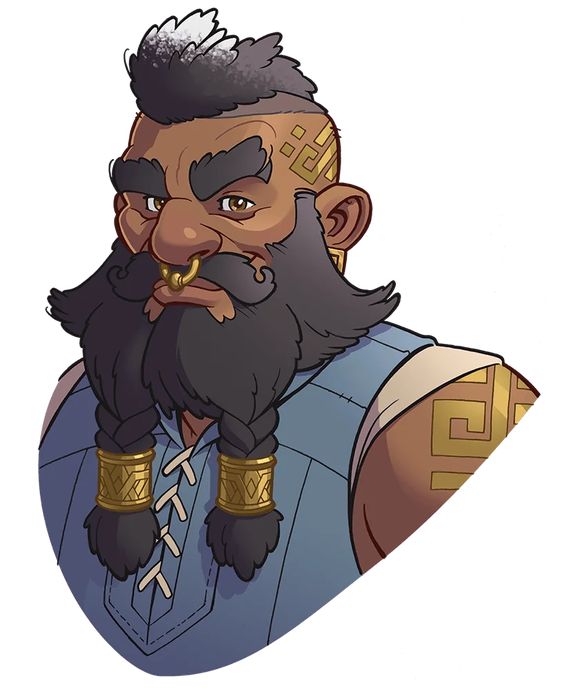
Duroroga, the Duergar
All Duergar possess features that defy their subterranean habitat. Duergar have skin tones that border on metallic hue, ranging from polished bronzed brown to a dull iron-like black, however these tones do not possess a shine. Unlike their Azerisha ancestors, Duergar are creatures of flesh and bone.

Comments