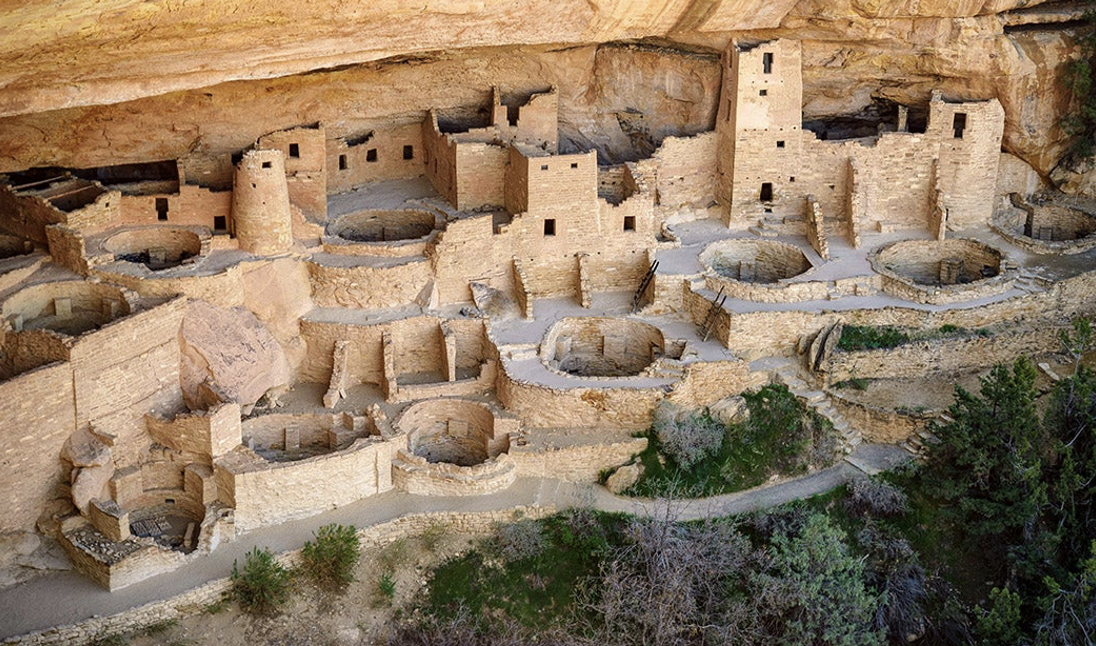
Settlements in the True Pridelands tended to be modest in size and semi-nomadic with the population shifting based upon the season. The Pride Halls was the largest of such settlements and was located on the fertile ground near the Lake Honorable. According to most records, The Pride Halls were originally constructed upon the ruins of an ancient winged Leonin village and, fittingly, were then primarily ruled by the winged sons and daughters of Pyrus Fairmane. Although it featured various residential abodes, the Pride Halls were primarily a ceremonial and political gathering place. The settlement itself was composed of multiple “inverted stepped pyramids” (Targiz) dug into the relatively soft ground. Each Targiz featured a communal space and connections to both the parts of the settlement on the surface and to other Targiz.
Lake Honorable and its many tributaries created a fertile swath of land that the people of the Pride Halls (and surrounding areas) capitalized on. Locals tended to groves of date trees, extracted and produced myrrh, and watched over various livestock left to graze in vast open fields. The Pride Halls’ position along waterways permitted it to develop into a small trade hub. The local Kereselló in the Lake would bring goods from the
The Blood-Soaked Plains, Ethicos,
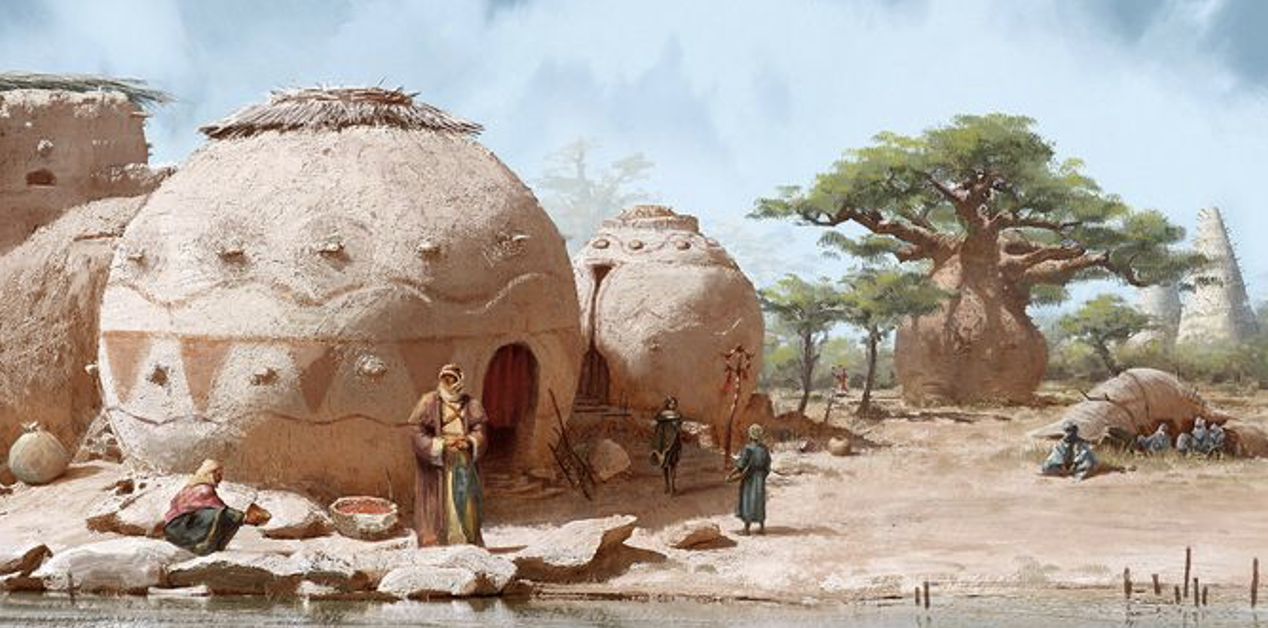
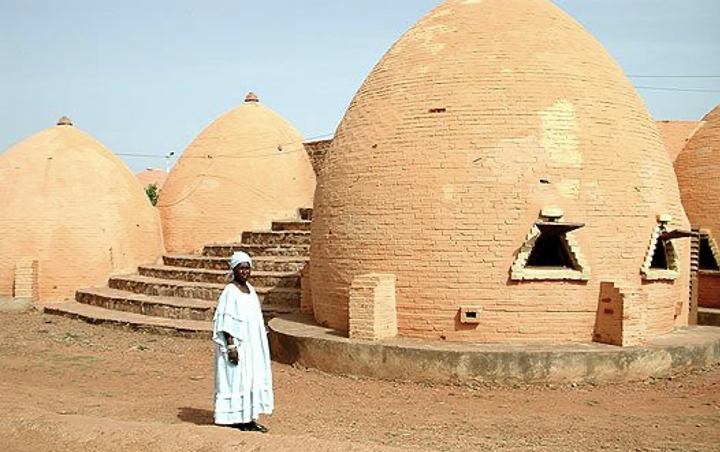
Moralis, and various other locations. Farmers, fisherman, and hunters preferred to live “top side” near the Targiz in pod-like houses. Pod homes located near the water’s edge were elevated on stilts to ensure they survived the flooding common during the wet season. A set of gaming grounds were well-maintained and used to display feats of strength and speed or for various sporting events.
The Pride Halls were composed of 5 wards: Tops Side and 4 larger Targiz. The Top Side ward was relatively sprawling, featuring waterways, fields, pastures, sporting fields, and residential clusters. Each of the Targiz wards were composed of 3-5 layers with a large amphitheater, pool, or other communal space located at the base. Each layer (or ring) featured homes, storefronts, and various other establishments with the mixture varying by each Ward. Buildings near the walls of the Targiz were often built into the walls, with only the front of the building visible. Free-standing structures, on the interior of the ring, were often pod-shaped like the buildings Top Side. The steeper Targiz’ provided extra shade, save for the hours when the sun was at its zenith. Fittingly, most residents and visitors of the Pride Halls spend the hottest part of the day indoors… napping.
The Pride Halls were the domain of neither Tabaxi nor Leonin Clan. Rather, it was considered neutral territory for trials and disagreements to be presented and resolved. As a pinnacle of Law, Honor, and Order and as an extension of Moralis, both Geryon and Pyrus were honored in the Pride Halls. However, the Menseya were viewed as the local goddesses, the Consorts of Pyrus Fairmane respected as divine-adjacent leaders, and the sons of Pyrus Fairmane conduits of wisdom through divination and the interpretation of omens. While those with the closest association with Pyrus held the most apparent power, it was willingly shared with the leaders of other Leonin and Tabaxi clans, whose input was sought, weighed, and considered in most affairs. Of course, like many other settlements, the Pride Halls were slightly matriarchical, though this only became apparent in stalemates, when a woman’s opinion – primarily Consorts and Menseya – was the tiebreaker.
History of the Pride Halls
Long before the Pride Halls, the Winged Leonin were the most feared group in the Pridelands, yet they were eradicated for centuries until the return of Pyrus Fairmane. While the reason for their fall is unknown, multiple myths to explain the fall of the Winged Leonin have gained varying degrees of popularity. Multiple Tabaxi and Leonin Coalitions prefer myths that claim the Winged Leonin, blinded by their arrogance, were defeated (decimated even) by a Tabaxi or Leonin hero of old. If there once was a nugget of truth in these myths, it has long since been buried under millennia of oral tradition and story alteration to better align with the cultural change brought by the rise of the Menseya. Alternatively, others believe that a conflict with an ancient Colossus – one of the few capable of and willing to fight back – brought disaster and death to the Winged Leonin. The discovery of some very large bones near the Pride Halls has given some credence to the myth, but no Colossite has been found, which would provide the most definitive proof.
Although very few formal records of the Pride Halls’ early history survived, the settlement was formally founded after Geryon’s Law was created and after the Pridelands were formally united under Moralis. The Pride Halls were founded by one of Pyrus’ first Consorts and the mother of the original generation of Menseya. The settlement was originally intended to be a place for training and raising the Menseya, beginning as a single Targiz built specifically to accommodate the needs of Consorts and their children.
The Pride Halls optimal location near the waterways and upon fertile ground attracted visitors from both within and beyond the Pridelands. For the first few centuries of its construction, the Consorts maintained a firm “isolation” policy. This was eventually opposed by one of Pyrus’s sons (Zmarak, the Peacekeeper). According to religious records, Zmarak saw signs of ill omen should the Pride Halls remain isolated and thus convinced the leading Consorts to open the Pride Halls to all of the Pridelands. Many scholars believed that he made up the omens in order to persuade the Consorts, thus avoiding conflict with the nearby Kereselló who had been partially displaced by the Consorts and Menseya’s arrival.
Community-Focused Architecture
The beating heart of the Pridelands was community. Authorities at Moralis encouraged towns and villages to invest in community spaces that encouraged discussion, debate, and general unity among the populace. The leaders of the Pride Halls shared this vision and worked closely with Moralis as the community grew and developed. Thus, the Wards and Targiz of the Pride Halls were built to nourish a sense of community, to encourage transparency in official affairs, and to bolster the integration of various cultural groups. The Forum was the most notable feature in a Targiz. Its location at the base of the Targiz meant that sound carried well and anyone, even those on the highest levels of the Targiz, could listen to matters being addressed in the Forum. For some Targiz, the Forum was a more general community gathering space, such as a park, pool, or open market. In others, it was a public courtroom, a theater, and a space for open debate.
Further, the concept of shared space was integral to the function of each Targiz. Most homes, businesses, and public amenities were connected to one another via common spaces, hallways, shared garden, or other junction with the only exception being some holy and political spaces. Residential spaces within the Targiz were constructed similar to higher-end dormitories with multiple families’ homes clustered around an easily accessible common space. This architectural style facilitated the sharing of responsibilities across family units and further promoted the Pride Halls’ general “it takes a village” mentality. This architectural unity also facilitated a sense of comradery and loyalty within the Menseya as well as towards the people the Valkyries served.
Almost all buildings in the Pride Halls were made of a sandstone-colored stone sealed with a mud-like mixture. However, buildings were rarely left as their base coloration. Most buildings were treated as community-canvases, painted and re-painted with neat and organized patterns in vibrant colors. A few key places within a Targiz were designated as official art spaces and often depicted murals of hunting and the natural harmony, law and order, important courts and debates, and portraits of divine figures. Official art pieces were often interspersed with elegant scripts of text excerpts and other symbolism of law, higher thought, and philosophy.
Consorts and Children of Pyrus Fairmane
The Pride Halls were, at its peak, a melting pot of various cultures from across the Pridelands, but its leadership remained primarily in the hands of the Kin of Pyrus Fairmane:
- The Consorts – Political Leaders – The qualities Pyrus preferred were synonymous with the qualities of a good leader in the Pridelands. While not all fell into leadership roles, many did. In the Pride Halls, a Consort or a collective of Consorts managed day-to-day political affairs, such as reaching trade agreements, hearing civilian petitions, and arranging trials as needed.
- The Menseya (Daughters) – Judicial Leaders – Beyond being worshipped as local goddesses, the Menseya were often looked to as leaders in all matters of the Law. When summoned to the Pride Halls, Menseya were often looked to be the final judge or, in some cases, compose the entirety of a jury.
- The Sons – Religious Leaders – The sons of Pyrus Fairmane were said to have been either afflicted with greatness or madness (or perhaps a bit of both). Many of them fell traditionally within shamanistic rolls, consulting divination magic, signs, and omens to provide guidance to all who sought their wisdom. A few of Pyrus’ more militaristic sons often served as guards or oversaw the extraction of Colossite.
Coalition Leaders. The Pridelands was home to a vast array of Tabaxi and Leonin tribes, referred to as Coalitions. The leadership of every Coalition held a “seat” in the Pride Halls and were often called to serve as advisors, jurors, judges, or fulfill other ceremonial roles. Many Coalitions leaders were honored to hold the positions of authority granted to them in the Pride Halls, but others disliked being placed in the shadows of the Winged Leonin.



Comments