Dolce Vita (dole-seh vee-tah)
Inspired by the concepts of good food, good company, and good times, the humble borough of Dolce Vita has a carefree and oftentimes joyous air to it. With (mostly) friendly folk, wonderful food, and a tight-knit community that looks after one another, Dolce Vita is often the place to rest one’s weary head and find some time to breathe.
Magic
Magic here often manifests via food and drinks with restorative properties or buffs. Physical effects are likely a sky blue or blue like the ocean for the local magic users.
Culture
The community is only as strong as the unity of its people. If someone is hungry, feed them. If someone is tired, give them somewhere to rest their head. If someone needs shelter, open your door to them. We share this life; it is frowned upon to, literally or metaphorically, take so much from the table that the next cannot eat. How one treats the people around them, even strangers, is often believed to be a reflection of their character. Most importantly, find joy wherever you can, but do not cause harm to others in that pursuit.
Founding Documents
An old album of photos, architecture sketches, a few pages of handwritten recipes, and even a couple of journal entries describing one’s time spent on vacation.
Demographics
Well Mixed, though the highest population percentage is claimed by humans at 30%.
Defences
The Bátíciotte (Bah-tea-see-oh-teh), also known as “Batters,” are the local authoritie. Respected by the community, they’re not so much law enforcement as they are more protectors. If one responds to a disturbance, someone might just get a stern talking to or an attempt to de-escalate something/someone will be made. If multiple respond, force is being considered. Similar to a Neighborhood Watch. From all walks of life, The Bátíciotte are run on volunteers who have dedicated themselves to protecting their community and will do so fiercely if needed.
Industry & Trade
Focused on hospitality for visitors, Dolce Vita is most known for inns and hostels, known as locheío (low-he-oh), but there are a fair amount of local restaurants. There is not much in the way of trade or exports, with the exception of locally grown smoking goods.
Infrastructure
For a small borough, it’s not a poor one. Thanks to its reputation as a place to take a vacation, the revenue brought by travellers keeps the borough’s economy stable and the roads/buildings in good condition. With electricity and indoor plumbing, the technology is humble but there’s no need for much else. The average locheío (low-hee-oh) can host 10-20 people.
Guilds and Factions
The Bátíciotte
See above.
Rosa Nonna
A collective of the local elders who gather for cafecito y pan in the mornings, work on crafts together, and of course, gossip. What they are most known for, however, is adopting young and inexperienced travelers to make sure they’re taken care of while they stay in the borough. It is not uncommon for a Nonna to give a handmade necklace called a rosary ( A necklace with beads made out of rose petals. Every Nonna wears one as a display of their part of the collective, hence the name Rosa Nonna) to their adoptee as a reminder that someone cares about them, and to let others know they are under the care of that Nonna. All members of this collective are given the title of Nonna, regardless of age or gender. On occasion, some members of the Rosa Nonna will be in contact with members of Lud’s August Foxglove Society. This has resulted in a type of borough exchange program where people who want to (or have to) leave Lud are fetched by a member of the Rosa Nonna, and those who want to completely unplug from technology are taken in by a member of the August Foxglove Society to slowly become introduced to the more reclusive borough.
History
Dolce Vita was developed in the early days of Octant Dionysus as a way to accommodate travellers and workers throughout Dionysus and adjacent communities who needed a break. Dipló Cruz, the borough’s first locheío, was at the center of it. Over time, Dolce Vita expanded but kept things simple as a way to give themselves and others a place to get away from the hustle and bustle, but also to unplug from the rapidly growing use of tech. Shortly after the expansion started, the borough started a small tobacco farm which became Fýlloja (fee-low-ha). Over time, Dolce Vita became a place for people trying to separate from technology after cybernetic abuse (usually adopted by a member of the Rosa Nonna). This movement slowly increased Dolce Vita’s population from under 2,000 to about 2,300.
Points of interest
Other Landmarks
Ol Mercagorá (Mur-cah-gore-ah)
The local market, bustling with a wide variety of goods.
Fýlloja (Fee-low-ha)
The tobacco farm that is the sole source of Dolce Vita’s tobacco supply with a shop attached to it. It’s not big, but makes up for it in quality as its crop is harvested and prepared with care. Aside from pipe tobacco, cigars, and cigarillos, the shop sells an herbal smoking blend free of tobacco for those who can’t smoke it. Some of this product is exported. Seluna, beloved pet of the owners of the farm also guards the grounds. Referred by her proper name when she’s working, but lovingly called by the name “Luna-Luna” when it’s time to play.
Tourism
Events & Celebrations
Dolce Semana (Seh-mah-nah): Every weekend there is a casual night of festivity to celebrate the passing of another week, business the next day is delayed so people can sleep in after.
Dolce Notte (No-teh): Every New Moon is a community party, using the merriment and joy as a reminder of the good things in life, even on the darkest of nights.
Architecture
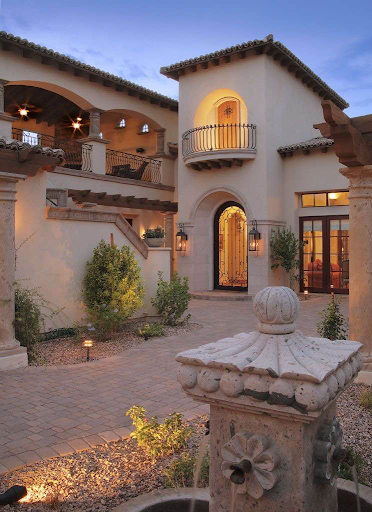
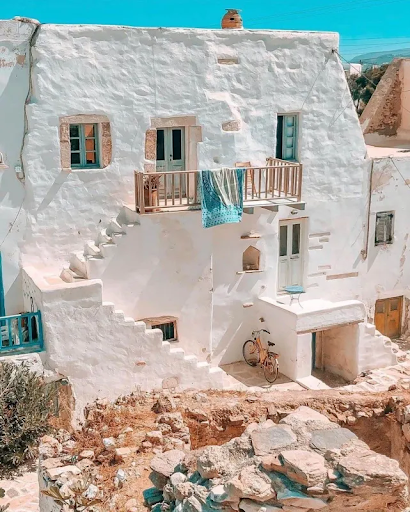
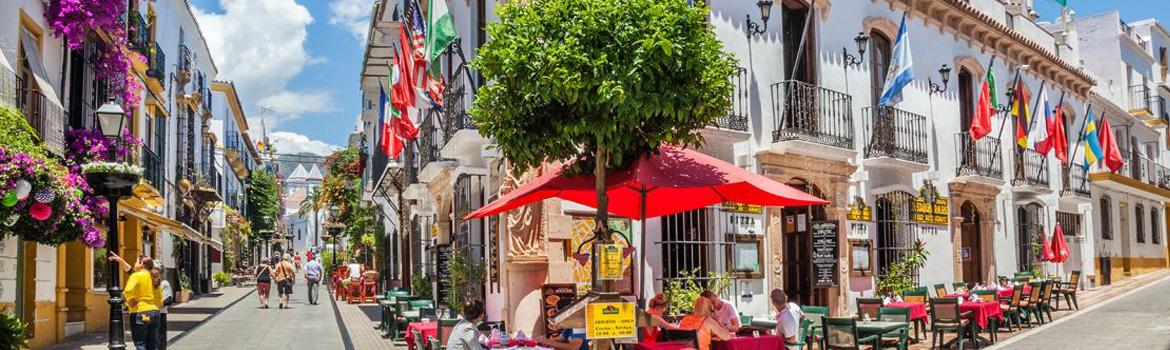
A mix of Cycladic and Spanish Colonial Architecture.