
Kathar
"Here, coin speaks louder than blood, and blood is cheaper than salt."
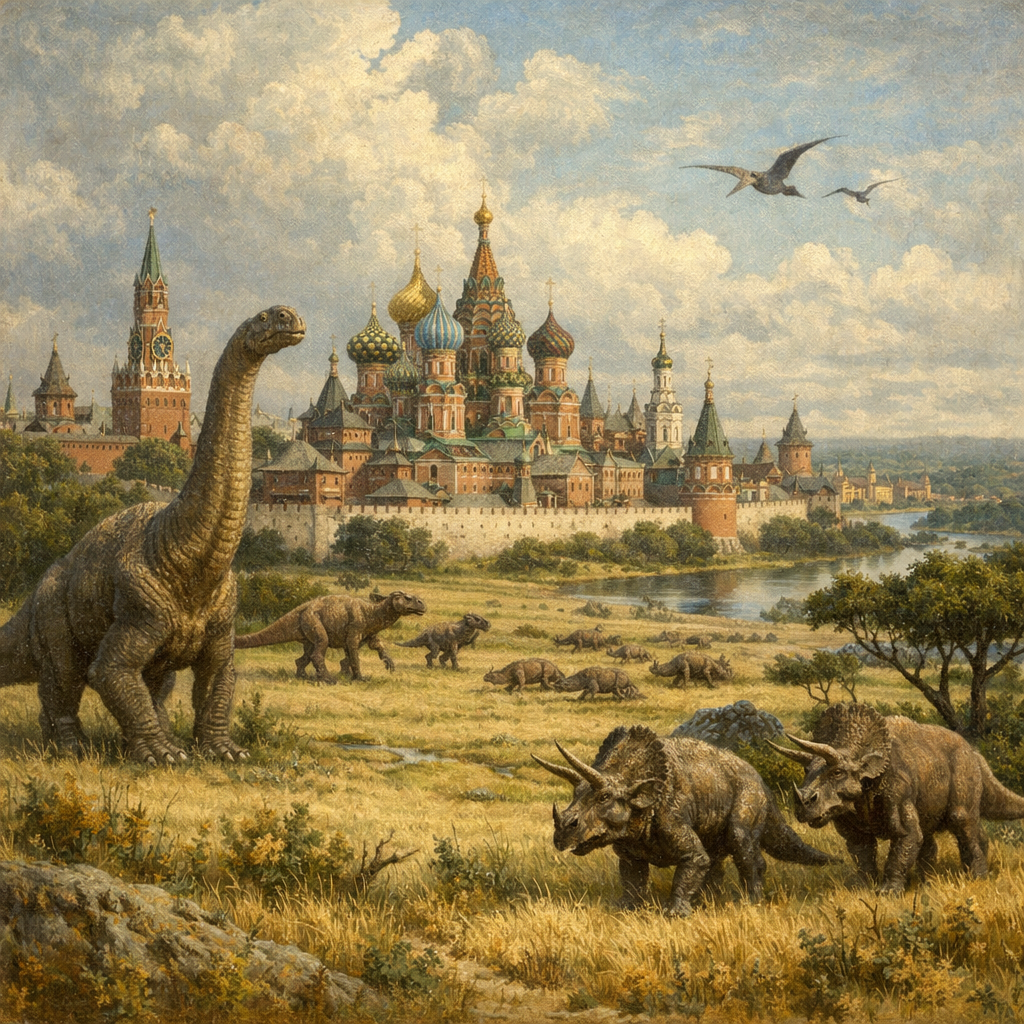
Where the sun rises and sets yet war never sleeps, and the hunger of beasts animal or man never falter. This is Kathar. The 'Untamed Freeholds' as they are often named; A ruthless stretch of land where laws are local, coin is sovereign, and power is measured in muscle, magick, and what monsters you’ve survived. Once Dwarfish territory, claimed by the Orcish beast-folk in The Great Schism, sending the Dwarfs fleeing toward the north to their new home among The Cloudrend Mountains. A crucible of brutality, opportunity, and primal dominance, folk and animal vying for it-all. A land so divided it takes no time to mark their borders within, as-they are likely to be gone by morning. A place of diversity, struggle, and greed, only united to stave off invaders so that they can rip eachother apart in-peace until one of them finally claims dominion over the land. Vast savannahs give way to dense pockets of jungles stretching into unforgiving deserts, all dotted with loose borders between civilizations of different folk changing hands by the day; Each ecosystem crawling with the largest, deadliest forms of wildlife in all of Gaiatia. It is from these lands that beast-folk trace their roots, and where the ancient megafauna, dinosaurs, wyverns, and more Dragons than all of The Folklands stalk the skies and sands as apex predators. The region is fractured to be sure, ever-changing borders, monetary influence, slavers, corrupt merchants, former Dwarfish strongholds turned auction houses, temple-forts doubling as magick cults, wandering religions chasing god-signs in sandstorms... No unified government exists here, nor constant law or figurehead. What rules endure are enforced by tradition, brute strength, or contracts thicker than blood. It is a place of extreme capitalism, biological dominance, and ancestral memory. Those who survive here become something more, and something less, than civilized.Structure
The Untamed Freeholds are not governed in the traditional sense. Instead, power is claimed, proven, and enforced by factions of muscle, lineage, or wealth. Most dominant among them are the Orcish war-merchants, clan-based syndicates who mix martial dominance with ruthless trade networks. Titles include Warchief, Trade-Lord, Scale-Seer, and Toothholder. Leadership is rarely inherited, it's taken, usually after the last holder dies or yields.
Culture
The Freeholders value might, profit, and memory. Honor is paid to ancestors through deeds, not words, and strength, whether of arm, voice, or coin, is seen as sacred. Hospitality is enforced by tradition, betrayal by blood. Religion here is private, whispered over fire or in battle, not bound to institutions. Beasts are revered and mimicked; every clan claims spiritual ties to some apex predator, real or imagined.
Public Agenda
Survive. Thrive. Expand. The Freeholds claim no interest in external conquest, but all seek internal advantage. Whether through trade, territory, or tamed beast, each faction's goal is to outlive its rivals and cement its legacy in fang, scale, and stone.
Assets
The Freeholds are rich, but their riches are wild and fleeting.
- Megafaunal dominion: Some clans tame or weaponize dinosaurs and wyverns.
- Ruined Dwarfish infrastructure: Repurposed for fortresses, vaults, and mining.
- Beast-folk legions and mercenaries.
- Trade hubs for narcotics, exotic furs, alchemical bones, dragon-scale armor, and pre-Schism relics.
- Mobile strongholds carved into hollowed beasts, walking siege-camps.
History
Once Dwarfish highland kingdoms, the southern lands fell during the Schism. Orcish clans rose from the ashes, seizing war-torn cities and making pacts with beast-folk tribes who had always dwelled in the outer wilds. Over centuries, former citadels became freeholds, old halls turned bazaars, and the region embraced the chaos as identity. No king has ruled here since.
Disbandment
No central body exists to disband. Factions rise and fall. Syndicates split, merge, devour each other. Cities burn and are rebuilt by rival hands within weeks. Only the land persists.
Demography and Population
Estimated 800,000 across scattered strongholds and mobile camps. Mostly Orcish and beast-folk, followed by smatterings of Humans, Goblins, and exiled Dwarfs. Low urban density; highly migratory.
Territories
Former Dwarfish provinces now divided into Freeholds. Territory is claimed through conquest or sacred pact, not inheritance. Some lands are jointly shared with wandering beast-folk clans.
Military
Kathar has no standing army, only appetites armed with purpose. Every clan, cult, and caravan keeps its own warhost, a shifting tide of mercenaries, beasts, and blood-sworn kin who fight for coin, vengeance, or the sheer right to exist. Allegiances dissolve as easily as sand, and the banner you march beside at dawn may be your executioner by dusk. War is not a season here; it is the weather. Tactics are brutal and immediate: ambushes born from the terrain, herds of weaponized beasts driven through cities, caravans doubling as siege engines, and mercenaries selling both sides the same steel. The idea of "victory" means little, survival and profit are the only lasting campaigns.
Specialized warriors include:
- Beast-Riders - Masters of living mounts, from raptors and drakes to bone-beasts stitched from fossil and sinew. They strike fast, kill clean, and vanish into the wilds before dust settles. A single Beast-Rider band can unravel entire armies if allowed to circle long enough. Their beasts are treated as kin, fed, sung to, and buried with rites when slain.
- Scale-Guard - The closest thing to elite infantry, their armor is forged from dinosaur hide or wyvern scale, layered to deflect magick and steel alike. They form the shield-lines around warlords and Trade-Lords, their discipline standing out amid the chaos. Each Scale-Guard’s armor is both protection and inheritance, passed from one bloodline to the next until it becomes more scar than hide.
- Bloodcallers - Frenzied berserkers who drink alchemical drafts brewed from beast bile, venom, and salt-mad fungus. Their rage burns hotter than dragonfire and shorter than mercy; they fight until their hearts burst or their kin drag them away. Some speak of Bloodcallers whose screams still echo through the deserts, long after their bodies turned to dust.
Technological Level
- Firesteel weaponry.
- Organic war-beast breeding.
- Fossil alchemy.
- Pre-Schism salvage adaptation (limited).
- No formal science institutions, knowledge is hoarded or mythologized.
Religion
Animist and totemic. Gods are seen as beasts, ancestors, or sky-signs. The Bone Circle, a mystic sect, communes with spirits through fossil rites and tooth-lore.
Foreign Relations
Kathar does not keep ambassadors, only envoys who can kill or bargain in equal measure. There is no central diplomacy, only factions trading, raiding, or swearing blood-pacts that may dissolve by dawn. For the Freeholds, foreign relations are just another form of hunting: the weak are prey, the strong are profitable.
- Drazahar - The blood between them is still wet. Katharan hunters once captured Chitinians to extract venom and study their Ichor, hanging their blackened husks as trophies. In turn, Chitinians sing Kathar’s name as a curse during molting rites. Yet warbands still cross paths on the frontier, bound by shared violence and grudging respect. Both sides admit the other dies well.
- Everwealth - Trade partner, enemy, and addiction. The Freeholds rely heavily on Everwealthy coin and grain, but despise the smug morality of its merchants. Raids on Everwealthy caravans are as common as trade delegations, both sanctioned by local Warchiefs. The current war has torn through the eastern coast, and while some Freeholds sell mercenaries to both sides, others hunt the wreckage for profit. To Kathar, Everwealth’s “civilization” is simply a softer form of savagery.
- Kibonoji - The Empire calls Kathar a wound that never closes. To Kathar, Kibonoji is a blade that refuses to rust. Relations are wary; limited trade through Hinode Port brings exotic beasts and alchemical fangs in exchange for spices and steel. Religious emissaries occasionally cross paths, their philosophies clashing, the Kibonese preaching order, the Katharans answering that chaos feeds the gods.
- Naumos - The deep realm views Kathar with anthropological fascination, and the Freeholders return the sentiment with opportunistic respect. Naumoi envoys are tolerated for their pearls and pressure-glass, but many vanish inland, presumed sold or sacrificed. Some Katharan beast-lords prize Aquian relics and blood for alchemical rites, believing it grants the instinct of the sea’s oldest predators. Trade is rare but highly prized, conducted in silence and sealed in salt.
- Arcryo - Almost mythical in Katharan rumor, a land of frozen prey and beasts that never rot. A few desperate warbands have attempted raids or pilgrimages northward, seeking to test themselves against “the eternal hunt.” None have returned. Arcryo’s silence has only deepened Kathar’s superstition that the cold itself devours memory, an unworthy death.
- Malabash - Revered and feared as sacred ruin. The storms that rage over Malabash are believed to be the breath of dead gods. Rogue shamans and bone-seers often wander there seeking visions, their minds burned to ash by magickal radiation. Still, relics from its ruins, burnt bones, fused glass, god-metal, are sold in Kathar’s black markets as talismans. Few lands are more dangerous; fewer still offer greater profit.
- Tarmahc - Relations are transactional and bloody. Katharan smugglers and Everwealth exiles often meet here, trading slaves, fossils, and narcotics under Naumos’ silent watch. To the Freeholds, Tarmahc is a mirror, another land that has outlived too many wars, too broken to unify, too rich to die.
Laws
In Kathar, law is a suggestion sharpened by teeth. Every Freehold enforces its codes differently, and most can be bought, broken, or bled through. Justice is immediate, public, and often terminal. The only real constant is that coin decides what’s right, and strength enforces it.
- Do not steal from your host, and be caught.
- Betrayal is death, for you and your family.
- No beasts may be hunted unless fully used.
- Strength decides leadership.
- Kin-slaying is unforgivable.
- Punishment is often trial by beast.
Agriculture & Industry
The Freeholds are self-fed through sheer will. Every bite of meat, every scrap of bone, every scale or tooth is currency, nothing in Kathar rots without profit. Industry here bleeds, burns, and bites back; even the land is stripped for sale, and the beasts that roam it are bred for war or butchered for trade.
- Nomadic herding of massive beasts.
- Bonecrafting, fang-forging, scale-weaving.
- Firesteel mining (from molten stone caverns).
- Salting and exporting giant predator meat.
Trade & Transport
Commerce in Kathar is as dangerous as battle. Trade routes are living things, shifting, bleeding, defended by tooth and bribe alike. Caravans move like armies, guarded by mercenaries and beasts that can swallow men whole, while sky barges and blood-totems mark the empire of profit. Whoever controls the routes controls the pulse of Kathar itself.
- Massive caravans on mammoth-sized lizards.
- Sky barges (semi-functional pre-Schism relics).
- Secretive desert trade paths mapped by scent-marking and blood totems.
- Sea access via Bareshade and the Broken Horn docks.
Education
Knowledge in Kathar is not a gift, it’s a weapon. The clever survive as surely as the strong, but wisdom is hoarded like gold and shared only through bloodline, tribe, or pact. There are no schools, only scars and stories. The few who can read the bones of the past or the signs in the sand rule from the shadows, guiding chiefs and killers alike. Oral tradition, combat-based mentorship, and tribal tutoring shape the young. The wise are respected, but book-learning is rare and distrusted. Alchemists and fossil-seers hold reverence, for they wield the only kind of knowledge that bites back.
Infrastructure
Kathar’s cities are not built to last, they are meant to survive. Each fortress, bridge, and lair is an inheritance of conquest: reclaimed, reforged, or reinhabited as the tides of war shift. The land itself serves as foundation and weapon alike; mountains are mined into fortresses, beasts into living engines of transport, and ruins into markets of blood and coin.
- Hollowed beast-bone bridges.
- Scavenged Dwarfish aqueducts.
- Stone-hewn lairs within cliffsides.
- Forge-pits using dragonfire vents.
- Fossil temples carved into extinct beast corpses.
Mythology & Lore
According to southern Katharan myth, the world was not created, but hunted into being. The first breath was a cry of challenge from the First Beast, and from its echo the world was shaped. Land rose where it stamped, water pooled where it drank, and fire sparked from its eyes. The stars are said to be the scattered bones of predators too mighty to die fully, their spirits still watching the world below. Every species was once part of a Great Hunt, a cosmic pursuit where only the most cunning, strong, or loyal were spared extinction. Those who survive carry fragments of those divine instincts within them. Among the most sacred myths are those of Zha'Roka, the Serpent Who Swallowed Time, and Ha'Koruun, the Sun-Lion Who Devoured Death. Their eternal conflict drives the cycle of the dry season and the monsoon, birth and starvation, war and peace.
DISBANDED/DISSOLVED
"Endure, or be eaten."
Founding Date
Founded 33 years before the conclusion of the Great Schism, when the southern tribes first unified under shared mythos and survival doctrines during mass displacement and ecological chaos.
Alternative Names
'The Way of the Great Beasts', ' Path of Scale and Bone' , 'The Eldest Law', 'The Enduring Creed ', 'The Old Hunger'.
Demonym
Katharan(s), 'Endurants' A general term for adherents, also used as a compliment to mean “tough,” “tenacious,” or “unbroken” in Katharan slang.
Gazetteer
Key Freehold Territories:
- The Spire of Bone (beast-worshipping mercenary temple).
- Trade Maw (Black Market stronghold on former Dwarfish aqueduct ruins).
- Bareshade (port city overrun by smugglers and scaled beasts).
- Ashflame Bastion (Orcish-ruled former Dwarfish city of firesteel industry).
Currency
Trade is fluid, coin, relics, bone-chits, and salted beastmeat all hold value. Most standard is the "Spine," a curved silver coin featuring the profile of a slain dragon. Gold from Everwealth is welcome, but not trusted.
Major Exports
- Beast components (bone, blood, scale).
- Tamed war-beasts.
- Pre-Schism salvage.
- Firesteel weaponry.
- Illicit alchemical goods.
Major Imports
Water, Everwealthy grains, forge-grade textiles, elixirs, and spellglass.
Legislative Body
The Freeholds have no standing law, only shifting warbands and mercenary hosts that rise and fall with the season. One year a clan may ride under banners of iron and fire, the next their warriors are scattered, sold to a rival, or devoured by beasts greater than themselves. Militant or interpersonal rights here are as unstable as the land itself, a caravan may carry both traders and berserkers, and a temple may double as a war-camp when the blood runs hot. Specialty fighters exist, but never for long: raptor-riders who vanish with their beasts, berserkers who burn themselves out on frenzy drafts, scale-guards who sell their armor to the highest bidder. In Kathar, every blade is for hire, every bond can be broken, loyalty lasts only as long as coin or fear holds it.
Judicial Body
Law in the Freeholds is as fractured as its borders. Each stronghold, caravan, or cult enforces its own code, written in scars, whispers, or blood-oaths. Theft in one city may cost a hand, while in another it is ignored if the victim cannot defend their purse. Murder may mean trial by beast, ritual duel, or a price of silver bones paid to the victim’s kin. What little consistency exists lies in two rules: betrayal is death, and contracts are sacred, unless you’re strong enough to break them. To wander across Kathar is to step through a dozen different laws in a single day, none of them lasting, all of them absolute in their moment.
Executive Body
Enforcers, tusk-breakers, and mercenary circles. Loyalty is paid for and enforced by fear or favor.
Location
Neighboring Nations

Comments