

Vaaskyr Empire
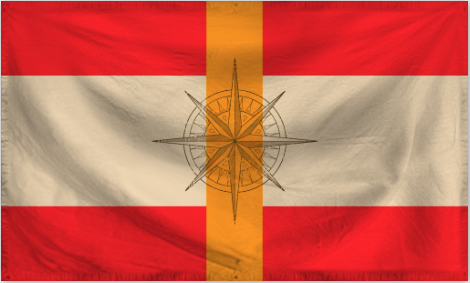
The Vaaskyr Empire sprawls across the scorched savannahs, windswept cliffs, and sun-blasted deserts. Its territory ranges from deep inland sands and volcanic ridges to coastal fortresses perched on jagged promontories. A land forged in heat and ruled through strength, the Empire is a crucible of honor, fire, and conquest.
Dragonborn nobles dominate the social order, descended from ancient dragons who once ruled the skies. Power is centralized under the Vaaskyr, a title claimed through strength, combat, or blood-right, and supported by a rigid caste of generals, clerics, and flamebearers. Every citizen is trained in war, and every city is a fortress. Vaaskyri culture values legacy, fire-forged artistry, personal glory, and above all, domination over the weak.
Dragonborn nobles dominate the social order, descended from ancient dragons who once ruled the skies. Power is centralized under the Vaaskyr, a title claimed through strength, combat, or blood-right, and supported by a rigid caste of generals, clerics, and flamebearers. Every citizen is trained in war, and every city is a fortress. Vaaskyri culture values legacy, fire-forged artistry, personal glory, and above all, domination over the weak.
Culture
The terrain is extreme, from the salt flats near Mesaf, to the jagged cliffs of Tubarat, and the fertile, if heavily fortified, trade hubs like Adira or Ralaq. Each region contributes differently.
The north is forested and mineral-rich, producing metals, obsidian, and gemstone glass for weapons and ritual. The central desert cities hold sacred volcanoes, arenas, and ancient tombs of sun-priests and dragon-kings. The west commands naval garrisons and overseas trade with the other nations. The east (Adira) is the Empire’s primary to Imenia and Sulkara. The south is a pilgrimage and mystic region, home to fire monks, elemental temples, and the Ember Forges.
Vaaskyri honor is displayed through combat, architecture, and flame. Their buildings are tall and spined, echoing draconic shapes. Cities often feature great ziggurats or sun-forges where ancestral flames are ritually maintained.
All aspects of Vaaskyr governance are deeply militarized. The state religion, the Flame Eternal, teaches that fire is the breath of creation and that only through the crucible of hardship does greatness emerge. Every child is tested by fire (literally or symbolically) and those who fail are consigned to labor or exile.
The empire’s military is organized into Scales; regiments named after ancient dragon aspects (Ash Scale, Ember Scale, Obsidian Scale, etc.). Each is led by a general (a Tarsal) who swears fealty directly to the Vaaskyr.
Priests of the Flame Eternal serve as both clergy and inquisitors, enforcing loyalty, interpreting omens, and overseeing imperial rites of conquest and purification.
The north is forested and mineral-rich, producing metals, obsidian, and gemstone glass for weapons and ritual. The central desert cities hold sacred volcanoes, arenas, and ancient tombs of sun-priests and dragon-kings. The west commands naval garrisons and overseas trade with the other nations. The east (Adira) is the Empire’s primary to Imenia and Sulkara. The south is a pilgrimage and mystic region, home to fire monks, elemental temples, and the Ember Forges.
Vaaskyri honor is displayed through combat, architecture, and flame. Their buildings are tall and spined, echoing draconic shapes. Cities often feature great ziggurats or sun-forges where ancestral flames are ritually maintained.
All aspects of Vaaskyr governance are deeply militarized. The state religion, the Flame Eternal, teaches that fire is the breath of creation and that only through the crucible of hardship does greatness emerge. Every child is tested by fire (literally or symbolically) and those who fail are consigned to labor or exile.
The empire’s military is organized into Scales; regiments named after ancient dragon aspects (Ash Scale, Ember Scale, Obsidian Scale, etc.). Each is led by a general (a Tarsal) who swears fealty directly to the Vaaskyr.
Priests of the Flame Eternal serve as both clergy and inquisitors, enforcing loyalty, interpreting omens, and overseeing imperial rites of conquest and purification.

Comments