
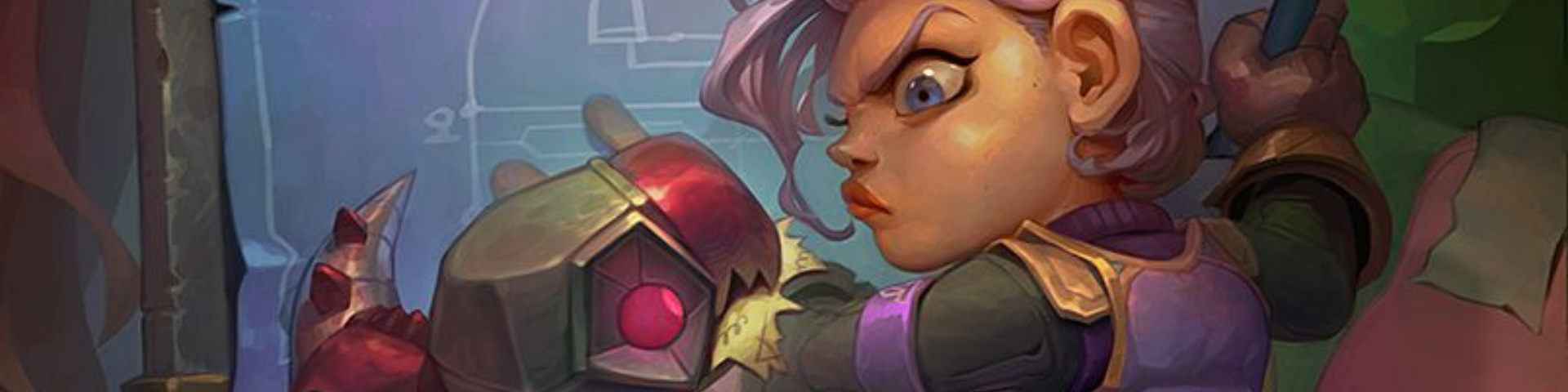
Gnomes
Gnomes, known as the Geun-eon, are among the most enigmatic and enterprising of the Mortal Fey, a people whose boundless ingenuity is rivaled only by their relentless pursuit of progress. Standing at just three feet tall, with disproportionately large hands, feet, and frizzy, static-charged hair that refuses to be tamed, they are as much a spectacle as the wonders they create. Unlike the rigid and hierarchical Elves or the duty-bound Duergar, Gnomes thrive in a world of constant reinvention, where nothing is ever finished, perfected, or beyond improvement. Their society, ruled not by kings or councils but by the ever-churning Chamber of Commerce, is a vast corporate engine where individuals are valued for their ideas, their efficiency, and their ability to turn inspiration into innovation. In the Seelie Court, they are the dealmakers, the engineers, and the problem-solvers, navigating Fey politics not through bloodlines or ancient traditions, but through contracts, negotiations, and a deep understanding that power lies in who controls the means of creation.
To a Gnome, the world is a marketplace of ideas, a puzzle to be solved, a machine waiting to be improved. Their unique approach to magic, known as Punk, blends technology and mageia in ways that defy conventional arcane traditions, from the precise mechanics of Clockpunk to the biological marvels of Biopunk, and even the forbidden entropic engines of Dieselpunk. Ever pragmatic, they see alliances and rivalries as temporary arrangements, measured by profitability rather than sentiment, and interact with both Fey and Mortals as trade partners first, beings second. They are the most willing of the Seelie to deal with outsiders, but only on terms that benefit them—exploiting the Terran, Beastfolk, Orcs, and even the Giantkin with clever contracts and irresistible bargains that always seem too good to be true. Yet beneath their shrewd, deal-making nature is a deeper truth: Gnomes are not driven by greed, but by compulsion—the endless, unshakable need to create, improve, and innovate, lest they succumb to the very stagnation that could doom them to the dreaded Forlorn Curse.
Basic Information
Anatomy
Gnomes are diminutive humanoid Fey, standing at an average height of three feet, with proportions that set them apart from their more slender Elven and Duergar kin. Their heads, hands, and feet are noticeably large compared to their compact bodies, giving them a distinctive, almost caricatured appearance that belies their uncanny dexterity and agility. Their faces are defined by large, expressive eyes that gleam with an almost unnatural vibrancy, capable of shifting in hue to reflect their emotions or, with conscious effort, completely changing color over the course of several days. Their ears are teardrop-shaped and exaggerated in size, granting them exceptional hearing, while their mouths are wide and flexible, capable of producing an astonishing range of speech, laughter, and rapid-fire chatter. Unlike Terrans or even other Fey, a Gnome’s very presence is subtly psychoactive, their emotions bleeding into their physical form in ways both mesmerizing and unsettling. Their nails, irises, and hair shimmer with brilliant, almost neon or iridescent colors, further reinforcing their otherworldly nature.
A Gnome’s hair is a wild and frizzy halo, perpetually untamed as if charged with static energy, never falling flat no matter how damp or groomed it may be. Some Gnomes attempt to braid or style their unruly locks, but the moment they stop paying attention, their hair inevitably returns to its natural state of chaotic disarray. Their nails, though bright and ever-changing, are remarkably tough, adapted for both fine mechanical work and hasty scrabbling through the many cluttered workshops they call home. Unlike other Fey, who may cultivate beauty through symmetry and refinement, Gnomes revel in their own eccentricity, their bodies a living reflection of their boundless curiosity and mercurial minds. Their innate psychoactive nature ensures that their features are never truly static, their shifting hues and flickering emotions making them seem almost as if they exist in a constant state of invention—even down to the very colors of their being.
Biological Traits
The wily Gnomes, like all Mortal Fey, share the hallmark traits of their kind—they cease natural aging upon reaching maturity, and they remain vulnerable to the slow, soul-deep erosion of the Forlorn Curse, which can claim even the most brilliant minds if untended. Yet the gnomes diverge sharply from their cousins in both form and function, their physiology defined by a host of psychoactive quirks and volatile magical sensitivities. Their senses are exceptionally acute, with vibrant hair, nails, and eyes that shift color in response to mood or environmental stimuli, and an innate empathic resonance that allows them to intuit desires, tensions, and even the will of machines. Though they reproduce biologically in a manner similar to elves, their birth rate is significantly higher, a trait that aligns with their compulsive need for innovation, reinvention, and competition. In death, gnomes do not fade like the elves or calcify like the duergar; instead, they often ignite in spectacular bursts of magical feedback, dissolving into shimmering particulate energy—sometimes harmless, sometimes catastrophic—leaving behind a legacy of scattered invention and half-finished patents.
Genetics and Reproduction
Unlike the near-perfect genetic cloning that characterizes elven reproduction, gnomish genetics are a symphony of controlled chaos, a blend of volatile magic, hypermutation, and adaptive instinct. Every gnome birth is a unique recombination of traits, with subtle magical anomalies passed on like entrepreneurial sparks—no two are ever truly alike, not even among siblings. This genetic fluidity, likely a lingering consequence of their transformation from Kaanuama into Mortal Fey, allows the gnomes to rapidly evolve in response to environment, opportunity, and even societal demand. Where elves replicate ideal forms, gnomes produce experimental prototypes, some wildly successful, others eccentric or unstable, but all brimming with possibility. Reproduction among gnomes is less a sacred bond and more a strategic transaction—a spontaneous joint venture between willing participants, with the unpredictable results proudly cataloged by the Chamber of Commerce.
Joint Ventures
Gnomish reproduction follows the same fundamental biological principles as all other Mortal Fey, with pregnancies lasting approximately one Gaanzhie Cycle before birth. However, unlike their slow-reproducing Elven counterparts, Gnomes have a significantly higher birthrate, a result of their more transient and impulsive approach to relationships. While Elves form deep, often lifelong bonds before considering offspring, Gnomes engage in temporary Joint Ventures—fleeting but enthusiastic partnerships based on mutual interests, innovation, or even simple curiosity. Due to their innate psychoactive nature, Gnome embryos are incredibly adaptive, subtly adjusting their biological development in response to environmental factors, parental magic, and even subconscious influences from their gestating parent. This results in offspring who, while genetically similar to their parents, often exhibit slight variations in eye, hair, and nail coloration, reflecting the shifting magic of their prenatal experience. Unlike other Fey, who might shape their offspring through ritual or heritage, Gnomes allow nature, chaos, and happenstance to play a role in the creation of each new generation, ensuring that no two Gnomes are ever truly alike.
Parent Companies
Gnomish reproduction is as unconventional as every other aspect of their society, shaped by their deep-rooted independence and their near-religious devotion to innovation and commerce. Unlike Terrans or even other Fey, Gnomes do not form structured family units, nor do they raise their offspring in traditional households. Instead, they practice free love, valuing relationships as fleeting, joyful "temporary collaborations" rather than binding commitments. When a child is conceived, it is not seen as the responsibility of the parents but rather as an asset of the San-eobe Sang-Gonghoeuiso to which the parent gnomes are currently indebted. This particular Chamber of Commerce becomes the infant's Mohoesa or "Parent Company". The Mohoesa assumes full guardianship over the child, overseeing their upbringing, education, and eventual integration into the gnomish corporate landscape. Raised within vast corporate academies, young Gnomes are trained from infancy to harness their natural creativity and align their talents with the needs of the market, ensuring they become valuable contributors to their native San-eobe's ever-expanding ventures. While some may see this as cold or impersonal, to Gnomes, it is simply the most efficient way to ensure that every individual is given the tools to thrive—not as a burden upon reluctant parents, but as a self-made innovator in a society that values progress above all else.
Growth Rate & Stages
The study of Gnomish physical development, known in scholarly circles as Morphologea Nomus, is an absurdly convoluted and profoundly contradictory field, haphazardly soldering together the disciplines of natural philosophy, astral biology, and Fey metaphysics to produce something that is equal parts scientific theory and speculative folklore, often requiring enchanted flowcharts just to explain a single growth stage. Gnomes, being psychoactive and alchemically mutable by nature, do not follow linear developmental paths, and attempts to categorize their physiology consistently result in models that change depending on who’s observing them—or what mood the gnome in question is in. Factors such as emotional environment, exposure to magical stimuli, and even prevailing market conditions have been shown to influence gnomish height, coloration, and cognitive wiring. As such, Morphologea Nomus is considered less a discipline of anatomy and more a career hazard, pursued only by the bravest (or most underfunded) scholars. Those who attempt to publish findings must contend not only with peer review, but with unsolicited gnomish annotations scribbled directly into their research, often correcting it with aggressively enthusiastic "clarifications" in glittering ink.
Investment Maturity
In Gnomish society, the path to adulthood is not marked by age alone but by market viability. From birth, Gnome children are raised communally in tightly monitored cohorts, each overseen by a battery of specialized educators, assessors, and development advisors employed by the Chamber of Commerce. These mentors do not merely teach—they identify patterns, refine aptitudes, and shape each child's skills into something with economic potential. Creativity is encouraged, but only if it’s scalable; individuality is celebrated, so long as it’s monetizable. For one full Gaanzhie Cycle, young Gnomes are nurtured with relentless efficiency, their progress tracked by a proprietary algorithm known as the KidrMetric, which forecasts long-term market performance. By the end of this cycle, each Gnome is expected to have developed a unique "investment portfolio" of skills and innovations, polished enough to be presented in what is perhaps the most important day of a young Gnome’s life—the Big Pitch.
This ceremony, formally called the Investment Proposal, is a high-stakes presentation delivered before their Parent Company—the syndicate to which their familial obligations and early education have been indebted. Here, the young Gnome must prove they are ready to operate as an Independent Contractor, presenting their business model, growth strategy, and market relevance in a tight, rehearsed pitch. If approved by the Chamber’s appointed board, the Gnome is granted a Seed Investment, symbolizing both their entry into adult society and the beginning of a life of entrepreneurial indebtedness. This investment, while crucial for launching their enterprise, comes with punishing compound interest, ensuring the Gnome remains economically tethered to the Chamber of Commerce in perpetuity. In Gnomish eyes, this debt is not a burden but a rite of passage—a proud declaration that they have joined the grand experiment of value generation that defines their people’s civilization. For a Gnome, to be an adult is not simply to grow up—it is to launch.
Corporate Internships
For the unfortunate majority of Gnomes who fail their Big Pitch, adulthood does not begin with a triumphant business launch, but with an unceremonious assignment to a Corporate Internship—a euphemism for indentured servitude within the lower tiers of their Parent Company’s labor engine. These internships are allegedly "growth-focused", offering hands-on experience in fields like magical compliance auditing, sparkstone extraction, or unpaid explosive research. In truth, they serve as glorified holding pens for failed assets, where Gnomes are cycled through high-risk, low-recognition roles in the desperate hope they’ll discover a profitable niche... or die trying. Some Interns claw their way back to the pitch stage in a future Gaanzhie, while others vanish into spreadsheet footnotes, memorialized only by efficiency reports and suspiciously optimistic quarterly forecasts. Internships may be temporary, but the shame is permanent—until properly monetized, of course.
Psychoteric Merger
For the vast majority of gnomes who do not attain the transcendent glory of IPO Ascension, the final chapter of life culminates in a phenomenon known as the Psychoteric Merger. As their psychoactive essence destabilizes with age and accumulated cognitive strain, the gnome's body begins to unravel—not in decay, but in psychoplasmic astral-energetic volatility. At the moment of passing, they ignite in a spectacular surge of raw magical feedback, dissolving into shimmering particulate energy that may harmlessly scatter like stardust... or detonate in a chain reaction of minor invention-related explosions. These events are often accompanied by flashes of color, snippets of unfinished blueprints, or the faint laughter of the departed innovator echoing through nearby machinery. What remains is a legacy of half-finished patents, unexplained enchantments, and scattered notes written in five dialects of technomagical shorthand, a final, chaotic contribution to the endless experiment that is gnomish society.
The Mysterious Rites of IPO Ascension
The Initial Public Offering Ascension, or IPOA, is both a spiritual and economic metamorphosis—a rare rite wherein a Gnome transitions from mortal innovator to divine market entity. Held only once every decade under the full light of specific stellar phenomena and a carefully calibrated fiscal quarter, the IPO Ascension involves a ceremonial unveiling of the Gnome's life work before the Grand Charitable Trust Fund, the highest spiritual authority in Gnome culture. If approved, the individual’s essence is ritually severed from their physical body and converted into a semi-immortal conceptual brand, living eternally within the AstraStock Market as a sentient corporation. They are no longer addressed by name, but by ticker symbol and brand slogan, and can be invoked via contract, marketing sigil, or favorable reviews. While few achieve IPO Ascension, every young Gnome dreams of one day hearing the sacred words: "Offer Accepted. You are now Tradable".
The Forlorn
As discussed with the Duergar and the Elves, a major threat to all mortal Fey is becoming Forlorn. For Gnomes, forlorning occurs when they stop being intellectually stimulated. This inherently makes forlorning among gnomes more rare than Elves or Duergar but much harder to stop once begun. Gnomes fear boredom and are, in many ways, addicted to new stimuli. However, Gnomes also fear tedium and are obsessed with diverse motivation. It is commonly believed that Gnomes are "jack of all trades and masters of nothing", but that is not exactly true.
Gnomes dedicate themselves completely to a topic until boredom sets in then they completely abandon it for a new interest. They continue this cycle until they've exhausted all hobbies and curiosities, Gnomes will repeat their obsessions, picking up exactly where they left off. Given their long lives, Gnomes can become masters of dozens of abstract disciplines. However this is not a point of pride. Instead this is a reason to panic. It means the Gnome is running out of time and racing headlong toward becoming Forlorn. This is another reason for the innovative compulsion within all Gnomes. It is not enough to master something. Everything can be experimented on, refined, or altered in unimaginable ways. This is key to gnome culture. It is the instinctual drive behind every Gnome's actions.
When a Gnome fails to maintain intellectual stimulation, they slowly become increasingly lethargic. On a metabolic level, their internal organs calcify. The vibrant colors that define their hair, fingernails, and eyes fade to a chalky white. Their skin hardens and their incredible mind addles. The gnome loses its frantic energy, becoming stiff and slow in both actions and speech. Their thoughts become simple, their humor is rendered vapid, and their curiosity all but evaporates. Eventually, the Gnome petrifies, becoming grinning lounging statues. Such statues are often found in hidden Fairie Grounds or gardens within Feygate Sanctuaries, as in a last-ditch attempt at survival, the Forlorn Gnome will try to flee back to the Mysts of Myth. The other Mortal Fey look on this particular outcome of the Forlorn curse with a mix of resentment and pity, as the other Fey are often transformed into horrific monsters or suffer agonizing deaths. However, among the Gnomes, this fate is truly nightmarish—to the Gnome, nothing could be worse than to be reduced from a storm of ingenuity to a dull stone smiling in the sun.
This is why most maniacal gnome criminals throughout history are often shockingly pale and melodramatically dour, as well as why their actions are usually grandiose, vicious, and needlessly absurd... even by Gnomish standards. These Gnomes are desperately trying to stave off the forlorning they have inadvertently succumbed to. Sadly, these Gnomes discover far too late that madness isn't very stimulating.
Ecology and Habitats
The Nollaun-ma
The Leprechaun
The Leprechaun, or "Icheoljeong", also known derogatorily as a Red Cap, is a malicious and malformed splinter species of Gnome. Once possessing brilliant minds even by gnomish standards, the first Leprechauns were hollowed out and thoroughly corrupted by the ancient magics of a failed experiment to halt their forlorning. Where true Gnomes thrive on innovation, creativity, and mutual opportunity, Leprechauns are driven by mindless, all-consuming greed, a trait considered spiritually vulgar and intellectually repugnant by their kin. Stripped of wit and cunning, these cursed beings no longer invent or improve; instead, they lurk in the mortal world offering pots of enchanted gold to the gullible in exchange for favors, tasks, or false promises. When the deal is struck, they almost always renege, murdering their "business partner" to fashion their iconic crimson caps from mortal flesh, and stomping about in cold iron boots to brutalize other Fey. In the rare case that the bargain is made with another Fey, the Leprechaun will honor the deal in full, giving away its cursed gold and thereby infecting its kin with Leper’s Con, a virulent affliction that ultimately transforms the afflicted into a Leprechaun as well. In this way, the Leprechauns have become a plague within the Temporal Realms, a dark echo of gnomish ambition gone terribly wrong.
Gnomes regard Leprechauns with a combination of horror, shame, and ruthless pragmatism. Most consider them a humiliating cautionary tale—a living metaphor for what happens when value is divorced from creation, and greed replaces the drive for innovation. Leprechauns are not debated, negotiated with, or tolerated; they are rooted out, deconstructed, and erased, often through coordinated bounty campaigns funded jointly by the Chamber of Commerce and the Grand Charitable Trust Fund. Other Fey, particularly those of the Seelie Court, react with equal revulsion, viewing the Red Caps as a dangerous contagion that not only threatens the sanctity of the Vaernar Caelei but also twists their very souls through cursed capital. The Unseelie of Acarcia likewise have no mercy for these malicious merchants of death. Mortals, however, have been tragically misled by their own covetous nature. Romanticized stories throughout the Union paint Leprechauns as whimsically harmless tricksters or elusive spirits of fortune hidden at the end of rainbows, obscuring their murderous nature and luring the greedy into fatal bargains. The truth, whispered among the wisest Fey, is simple and grim: Leprechauns do not bring luck—they only spread the curse of avarice, one bloodstained coin at a time.
Behaviour
Hyperaffect and Entrepreneurism
Among the Seelie Court
Among the Mortals
Additional Information
Social Structure
To the gnomes of the Nollaun-ma, society is not just a convenience—it is a catalytic force, the crucible where individual brilliance is refined through collaboration, competition, and contractual obligation. Gnomes gather in societies not out of sentiment, but because no innovation thrives in isolation; communal living allows for the pooling of ideas, the rapid iteration of prototypes, and the mitigation of personal risk through shared liability. By intertwining their fortunes within San-eobe and Geolae alike, gnomes amplify their potential, creating vast economic ecosystems that no individual could construct alone. Their interaction with the wider world is no less vital—foreign markets offer raw resources, new audiences, testbeds for experimental products, and most importantly, different kinds of problems to solve and exploit. In both domestic and global affairs, society provides the gnome what they value most: scalable opportunity.
Corporate Landscape
The Nollaun-ma is a dizzyingly complex social structure that blends psyche-industrial brilliance with mercantile dogma, forming a civilization where every citizen is both a product and a producer. Gnomes are born into San-eobe, glittering trade-nations of mechanical splendor and bureaucratic majesty, where towering gear-temples and humming market towers define the skyline and commerce is both creed and culture. Each Gnome functions either as an Independent Contractor, carving out their personal profit path through pitches, patents, and peril, as a Shareholder, staking investments in the success of others, and in doing so, gaining status and power—or as a lowly Intern, those poor saps buried under their own insurmountable debt and indentured to uncaring corporate overlords or cutthroat captains of industry at minimum wage. Governance is conducted by the ever-watchful Chamber of Commerce, whose sixteen-member boards preside over every aspect of San-eobe life with ruthless efficiency and fiscal enlightenment. Whether in Nollaun-ui Bae-Sel or abroad, innovation is sacred, debt is destiny, and the pursuit of value—material, spiritual, or otherwise—is the path to both prestige and transcendence.
Sang-Gonghoeuiso
The Chamber of Commerce, also known as the Sang-Gonghoeuiso in their native tongue, serves as the supreme governing body of each San-eobe, the autonomous corporate trade-nations of Gnomish society. Unlike traditional monarchies or elected republics, the Chamber functions more like a living, breathing conglomerate, where leadership is determined not by bloodline or popularity, but by investment portfolios, corporate contributions, and debt-free credibility. The Chamber doesn’t rule in the name of a nation or deity—it governs in the name of profit, efficiency, and market stability. While their decisions often mimic those of kings or governors—setting laws, mobilizing forces, regulating trade—their justifications are never based in morality or tradition, but in risk assessment and quarterly projections. In the eyes of the Gnomes, the Chamber is not just a government—it is the engine of civilization itself, and the guardian of the economic soul of its citizens.
The Chamber is composed of sixteen seats, each held by a Chamberlain or Sijong, with one seat reserved for the Hoeuiso Hoejang, also known as the President of the Chamber, the acting supreme authority, who has veto powers and the rare ability to cast a tie-breaking vote in all corporate matters. The remaining fifteen seats are distributed across the Boards of Industry, each representing a major pillar of civil function: Defense, Treasury, Transportation, Labor, Agriculture, Interior, Infrastructure, Justice, Health, Energy, Economics, Education, Intelligence, National Security, and Foreign Affairs. Chamberlains are not elected in a democratic sense; they are appointed from among the General Shareholders—Gnomes in good social and financial standing who have invested significantly into their San-eobe’s core industries. Once appointed, Chamberlains serve indefinite terms, accountable not to the public, but to dividend expectations, shareholder coalitions, and internal audits. The result is a governing council that is both ruthlessly pragmatic and terrifyingly efficient, ensuring that no Gnomish city runs at a loss... at least not without creative accounting.
The Isahoe
The Isahoe, or Board of Trustees, are the clandestine oligarchs who rule over each Geolae, the grand cultural conglomerates that define the macro-identities of the Gnomish people. Unlike the publicly accountable Chamberlains of the Sang-Gonghoeuiso, the Trustees of the Isahoe do not represent individual industrial sectors nor are they bound to civic oversight; instead, they are the six wealthiest and most influential gnomes within their Geolae, whose wealth, leverage, and accumulated secrets grant them supreme, unchecked authority over the long-term agendas of every San-eobe under their cultural banner. While these six moguls are often ruthless competitors and bitter enemies in the marketplace, within the Isahoe they are bound by a single shared obsession: perpetual economic expansion and the prosperity of their collective kin. Although each Trustee are cutthroat rivals, within the Isahoe they are bound by a sacred pact of corporate kinship. The identity of an Isahoe board member is one of the most closely guarded secrets in Gnomish society—so much so that exposing a Trustee’s name to the public is considered a capital offense, not by law, but by the swift and unforgiving hand of corporate assassination. Within the rarefied air of the Isahoe, corporate warfare is literal, and power is preserved not just through profit margins, but through covert alliances, hostile acquisitions, and weaponized secrecy. To serve on the Board of Trustees is to become a living god among Gnomes—unseen, unknown, and utterly untouchable.
The Grand Charitable Trust Fund
The Grand Charitable Trust Fund serves as the primary administrative organ through which the priesthood of the Harmonious Way integrates itself into the broader executive hierarchy of the Nollaun-ma. Though outwardly framed as a benevolent institution—tasked with overseeing public welfare, disaster relief, and karmic reparations—the Trust Fund functions as a spiritual compliance division, ensuring that every act of charity aligns with both religious doctrine and profitable returns. Its leadership, comprised of senior priest-accountants and karmic auditors, holds permanent advisory positions within regional Chambers of Commerce, where they provide "ethical insight" and mystical risk forecasting during major commercial initiatives. Far from separate from secular governance, the priesthood is fully embedded within the system, acting as moral regulators, spiritual economists, and prophetic consultants in equal measure. In the hussle and bussle of Nollaun-ui Bae-sel, even enlightenment is budgeted.
Territorial Markets
The San-eobe
As the gnomes view everything through a transactional lens, their social identity and structure is framed as a business. Their trade-nations are known as "Industries" or San-eobe. As each individual Gnome sees themselves as an Independent Contractor, their connection to any single San-eobe is temporary and transactional. Only members of the Sang-Gonghoeuiso and collective of gnomish children owned by each San-eobe develop any sense of social fidelity, which some do carry throughout the rest of their lives as a twisted form of brand loyalty or market preference.
The Juyo San-eobe
The most metropolitan of the Gnome trade-states within the Nollaun-ui Bae-Sel of Tectusia are known as the Juyo San-eobe, or the "Chief Industries", and function as something akin to multicultural merchant nations; open to all but ruled by the Gnomes. Each of the major Juyo San-eobe is made up of several semi-independent specialized communities known as Hyeoblyeog Gi-eobe, or "Cooperative Enterprises", that work to advance the collective interests of their national headquarters. Cooperative Enterprises are usually sprawling cities of towers, factories, and trade ports. All Hyeoblyeog Gi-eobe are inhabited by several Geolae working in tandem with other Fey as well as select mortal species. Finally, the previously mentioned headquarters are the closest analog Gnomes have to "capitals", and are known as a Hyeoblyeog Nollaun or "Co-Op Center". A Juyo San-eobe's Chamber of Commerce guides their quarterly objectives and track AstraStock dailies from within the Administrative Suites of their respective Hyeoblyeog Nollaun's Industrial Fortress.
Jeonmunhwadoen San-eobe
In addition to the expansive multi-ethnic Juyo San-eobe, Gnomes also have much smaller and ethnically exclusive corporate provinces known as "Specialized Industries" or Jeonmunhwadoen San-eobe. Six in total, these Specialized Industries are each located deep in Tectusia and made up of a single Geolae working towards private goals shared by the entire body of corporate shareholders. Each of the major Jeonmunhwadoen San-eobe is made up of several interconnected communities known as Sajeogen Gi-eobe, or "Private Enterprises", that work to execute the goals of their clandestine and fortified headquarters. These smaller headquarters act as the Gnomes analog to ethno-exclusive oligarchical city-states, and are known as a Sajeogen Nollaun or "Private Center". Like their public counterparts, each Specialized Industries is directed by a Chamber of Commerce, however these Chamberlain are not the final authority within their province. That honor is reserved for the Boardmembers of the Geolae's Isahoe. The Board of Trustees, also known as the Isahoe, are the true bosses of the massive Gnomish commercial machine. They dictate the corporate agendas of their specific Geolae, and are headquartered within the most consolidated Corporate Suites their Sajeogen Nollaun have to offer, surrounded by armies of security golems, amoral yes-men, and interns willing to do any dirty deed for an unpaid ten-minute break.
Gnomes and the Seelie Court
The Gnomes have a complicated relationship with the Seelie Court, one defined by pragmatism, grudging loyalty, and a sharp awareness of their own precarious position within its rigid hierarchy. Unlike the Elves, who see themselves as the rightful lords of the Seelie, or the Duergar, who uphold tradition with begrudging duty, Gnomes treat their place in the court as a contractual obligation—one they honor, but only because it remains mutually beneficial. They recognize that, in the grand hierarchy of the Fey, they are not seen as equals to the Caeleiar, but rather as useful assets, valued for their ingenuity, industry, and boundless ability to create. While the Elves may look upon them with condescending amusement and the Duergar may grumble at their reckless inventiveness, the Gnomes are keenly aware that the Seelie Court would struggle without their contributions.
Despite this, they do not cherish the Seelie Court in the way that more traditional Fey might. To the ever-pragmatic Gnomes, the Court is less a sacred institution and more a bureaucratic framework—one that happens to provide them with resources, protection, and a stable market for their innovations. They humor the Elves’ obsession with aesthetics, tolerate the Duergar’s rigidity, and play along with the grand pageantry of the Court’s traditions as long as it remains profitable. However, Gnomes are not blindly loyal; they do not bow unless doing so serves a purpose. While they have no desire to join the Unseelie or exist outside the system entirely, their true allegiance is to themselves and their enterprises. Should the day come when the Seelie Court no longer offers them a fair return on investment, the Gnomes will not hesitate to reevaluate their contracts and renegotiate their loyalties.
Facial characteristics
Gnomes possess strikingly animated faces, defined by their large, expressive eyes that shimmer with neon or iridescent hues, subtly shifting in color with their moods. Their wide mouths are exceptionally flexible, allowing for rapid speech, exaggerated grins, and an astonishing range of expressions that make even their subtlest emotions easily readable. Their teardrop-shaped ears, oversized and highly sensitive, twitch and adjust instinctively, further amplifying their already excitable demeanor. Though their small, round faces give them a youthful and mischievous appearance, their ever-frizzy, static-charged hair lends an air of barely contained energy, as if their very essence is always in motion. Altogether, a Gnome’s facial features reflect their relentless curiosity and mercurial nature, making them seem as if they are constantly on the verge of either an ingenious breakthrough or an uncontrollable burst of laughter.
Geographic Origin and Distribution
Perception and Sensory Capabilities
Gnomes possess incredibly sharp and adaptive senses, finely attuned to their ever-changing environments and the complex mechanisms they create. Their large, expressive eyes perceive a wider spectrum of color than most Fey, allowing them to detect subtle shifts in magical energy, iridescent hues, and even the psychoactive fluctuations of other Gnomes. Their oversized teardrop-shaped ears grant them an acute sense of hearing, able to pick up the whir of delicate machinery, the faintest murmur of a hushed deal, or the subtle ticking of arcane mechanisms buried beneath layers of metal. Gnomes also possess an unusual tactile sensitivity, their thick, dexterous fingers capable of feeling even the slightest imperfections in materials, making them exceptional artisans and inventors. While their sense of smell is not particularly strong, their innate psychoactive nature allows them to "sense" emotional states, particularly among their own kind, as their hair, eyes, and nails subtly react to changes in the moods and intentions of those around them.
Extrasensory Abilities
Gnomes possess a heightened magical empathy, allowing them to intuit the desires, hesitations, and emotional states of those around them, even without a word spoken. This ability is not mind-reading but rather a deeply ingrained instinct, a combination of subtle psychoactive perception and an innate understanding of patterns in behavior, body language, and emotional resonance. This makes Gnomes uncanny negotiators and manipulators, effortlessly adjusting their approach mid-conversation to exploit an opportunity or soothe an unease before it fully manifests. Their connection to magic also extends beyond living beings—they can "speak" to machines, devices, and enchanted constructs, instinctively sensing their inner workings, faults, and intentions as if the machinery itself were alive. Likewise, their affinity for nature allows them to communicate with animals, not through words, but through a shared emotional wavelength, allowing them to guide, calm, or even subtly influence beasts as if they were merely another part of the world’s living mechanisms.
Civilization and Culture
Major Organizations
The Chamber of Commerce
Sang-Gonghoeuiso, or the "Chamber of Commerce" is the ruling body of each San-eobe, led by a board of successful entrepreneurs. To the outsider, the Chamber of Commerce may appear as a governing body, but in truth, it is better understood as a multi-regional, self-replicating, faith-adjacent megacorporation whose primary agenda is the perpetual stimulation of innovation, productivity, and profit. While it oversees everything from infrastructure and education to spiritual welfare and national defense, every decision it makes is ultimately driven by market optimization and risk mitigation. It operates under the belief that all progress—be it moral, magical, or material—should produce a quantifiable return on investment, preferably within a fiscal cycle. Behind its polished public image lies a sprawling administrative machine of auditors, advisors, patent examiners, and priest-bureaucrats, all working toward the same guiding principle: A well-oiled economy IS a harmonious society. Those who interact with the Chamber quickly learn that negotiations are sermons, contracts are sacred texts, and bankruptcy is a form of excommunication.
Start-Ups
Lurking just outside the bright halls of the Chamber of Commerce are the so-called Start-Ups—not the innovation incubators they pretend to be, but clandestine criminal cartels that prey on desperate Gnomes. These shadowy organizations buy up the "non-performing assets" of the Chamber—i.e., failed or bankrupt Gnomes—acquiring their lifetime debt portfolios at a fraction of their compounding value, effectively becoming their new, far crueler creditors. Once acquired, these Gnomes are worked to the bone in illegal enchantment labs, black-market mana harvesting rings, or underground fashion dens producing unauthorized technomagical wearables. Publicly, the Chamber disavows all Start-Up activity, but quietly profits from the transaction fees and occasional "salvaged breakthroughs". For some, the Start-Ups offer a second chance at entrepreneurial freedom… but for most, they are a hostile acquisition in every sense of the word.
Average Technological Level
The Cutthroat World of Magei-Patents
In the high-stakes realm of Magei-Patents, innovation is war, and litigation is just another form of R&D. Gnomes fiercely guard their psyche-technological inventions through a labyrinthine system of enchanted filings, psychic copyrights, and time-stamped memory crystals. Theft, sabotage, and "preemptive originality"—the act of patenting an idea before someone else finishes thinking it—are all alarmingly common. Legal battles are fought not just in courtrooms, but in psionic dueling chambers where advocates duel via interpretive logic and counter-rituals, often resulting in magical explosions and permanent rebranding. The Chamber of Commerce maintain Patent Coliseums, where public filings are tested live before an audience of investors, regulators, and opportunistic saboteurs. In the world of magei-patents, success means wealth and status—failure means someone else now owns your name, your face, and possibly your firstborn homunculus.
Common Etiquette Rules
Gnomish Market Ethics (or Lack Thereof)
Gnomish market ethics are less a code of conduct and more a series of "implied winks" and "plausible deniability" clauses. In a society where profit is worshipped as the highest virtue and "ethical compliance" is just another service to be bartered, morality tends to fall somewhere between optional and laughably inefficient. Deceptive advertising, weaponized optimism, and contract clauses written in invisible ink are all considered standard industry practice, with truthfulness judged not by factuality, but by market response. If it sells, it's sanctified; if it fails, it's slander. Even the Harmonious Way is commodified in gnomish culture, repackaged into digestible brand slogans like "Chowa Through Commerce!" and "Karma is a Coupon." In Gnomish ethics, there are no sinners—only under-performers.
Good Trade Partners
Among the Seelie Court, no race is more willing—or more eager—to engage with non-Fey than the Gnomes, who have perfected the art of diplomacy through commerce. While the Caeliar hold themselves above mortals and the Unseelie remain insular, Gnomes see opportunity in every handshake, every deal, and every unwittingly signed contract. Their philosophy of being "Good Trade Partners" is a mantra that extends beyond mere business etiquette; it is a calculated strategy, one that allows them to integrate into mortal economies, establish monopolies on rare goods, and ensure that non-Fey remain perpetually dependent on Gnomish craftsmanship and magical ingenuity. To Terrans, Beastfolk, Orcs, and Giantkin, the Gnomes present themselves as friendly, accommodating merchants, always willing to negotiate, always offering "once-in-a-lifetime" deals that seem too good to pass up. However, beneath their cheerful demeanor lies a shrewd, almost predatory cunning—every contract favors the Gnome who wrote it, every invention sold to mortals ensures a reliance on continued Gnomish craftsmanship, and every trade route established subtly shifts power into their hands. While they are not outright cruel or exploitative in the way of more overtly malevolent beings, they are masters of playing the long game, ensuring that, in the end, the best deal is always the one they walk away with.
Culture and Cultural Heritage
The Geolae
As the gnomes distributed themselves across Aemaphia, they congregated and inhabited the various biomes they found most advantageous to their business interests. In time, they became unique cultural groups known as the Geolae, which in Gang-Ui means "Our Trade". Each of the Geolae cultures are themselves developed around the ancient municipal clan roles that their Kaanuama predecessors were compelled to perform prior to the Fey Exodus.
Jib-ui Ju-in
Also known as House Gnomes, although the term more accurately translates to "Masters of the House" in Gang-Ui. The Jib-ui Ju-in are always seen with their yellow caps. They are helpful innovators who live in cyberpunk cities of metal and magic.
Jeongwon-ui Ju-in
Also known as Garden Gnomes, although the term more accurately translates to "Masters of the Garden" in Gang-Ui. The Jeongwon-ui Ju-in are known to wear red caps to identify themselves. They are naturalists who live in semi-sentient walking fungal colonies and have mastered biopunk.
Yeonmos-ui Ju-in
Also known as Fountain Gnomes, although the term more accurately translates to "Masters of the Fountains and Ponds" in Gang-Ui. The Yeonmos-ui Ju-in are never seen without their green caps. They are primarily skilled sailors and marines who live in underwater bubble cities with their impressive clockpunk tech.
Machaui Ju-in
Also known as Wagon Gnomes, although the term more accurately translates to "Masters of the Caravans" in Gang-Ui. The Machaui Ju-in are iconic for donning their blue caps. Nomadic traders and tinkerers who live in long technologically-impressive train-caravans powered by steampunk.
Haneul-ui Ju-in
Also known as Thunder Gnomes, although the term more accurately translates to "Masters of the Darkened Skies" in Gang-Ui. The Haneul-ui Ju-in are always protected by their trusty spiked iron battle-caps. They raid from above as notorious dieselpunk sky pirates.
Pyechajang Ju-in
Also known as Scrap Gnomes, although the term more accurately translates to "Masters of Debris" in Gang-Ui. The Pyechajang Ju-in are known to adorn themselves with caps made of burlap sacks and scraps of trash, and make their homes in enormous mobile dumping stations, Scrap Gnomes are famous for their amazing ability to construct tech from flotsam, jetsam, and bric-a-brac with their weird junkpunk.
Common Customs, Traditions and Rituals
Entrepreneurship
Debt Liquidation
Debt Liquidation is the ultimate, nearly mythic achievement in a Gnome’s professional life—the moment when they have fully paid off all debts owed to their Parent Company, partner corporations, and any holding interests within the Chamber of Commerce. It is a feat so rare that most Gnomes consider it either a rumor or a long-running tax loophole, but those who succeed earn the title of Clearledger or "Bij-i Eobsneun" in Gang-Ui, a status required to even be considered for elevation to the rank of Chamberlain and granted a seat on a regional Board. Without full liquidation, no amount of influence or innovation permits entry into the sacred financial aristocracy that governs gnomish society. More importantly, Debt Liquidation is a strict prerequisite for the IPO Ascension ritual, as no soul still bound by compound interest may achieve metaphysical brand purity. To become tradable, one must first become unburdened.
Gnomish Engineering
Punk, The Science of Magic
Gnomes approach magic as they do all things—with relentless curiosity, boundless innovation, and a compulsive need to tinker, refine, and reinvent. Unlike the structured spell-dancing of Elves or the deeply ritualistic traditions of rune carving mastered by the Duergar, Gnomish magic is a fusion of arcane engineering, primal ingenuity, and chaotic improvisation. They do not merely cast spells; they build, modify, and deconstruct them, treating magic as both a science and an art form. This has led to the development of Punk or "Tinker Magic", a unique school of magical engineering that allows Gnomes to manipulate mageia through mechanical and alchemical means. Each major Gnomish ethnic group specializes in its own distinct form of Punk, blending technology with different mystical principles to create fantastical devices, self-sustaining ecosystems, and even reality-defying contraptions.
For Gnomes, magic is never static—it is an ever-evolving force meant to be experimented with, broken apart, and rebuilt in ways that push the boundaries of possibility. Their spells are often unstable, not because they are careless, but because they want to see what happens when they push magic beyond its limits. While some might view this as reckless, to a Gnome, it is simply the nature of progress—what good is a spell if it cannot be improved? Their devices, enchantments, and constructs often appear haphazard to outsiders, covered in whirring gears, glowing runes, and blinking lights, but each is a masterwork of innovation, designed to function precisely until they decide it needs an upgrade. This constant need for reinvention is not just cultural—it is a survival instinct, a way to stave off the dreaded Forlorn Curse by ensuring that no magic, no device, and no idea ever remains stagnant for too long.
Cyberpunk
Cyberpunk, practiced by the House Gnomes, is a cutting-edge fusion of arcane engineering and raw mageia, seamlessly integrating spellcraft with intricate circuitry, enchanted interfaces, and crystalline data storage. This advanced discipline allows Gnomes to construct sentient constructs, forge self-repairing cities of metal and light, and manipulate reality through an ever-evolving web of technomantic glyphs, all powered by the boundless innovation of their restless minds.
Biopunk
Biopunk, mastered by the Garden Gnomes, is a fusion of primal mageia and living ecosystems, allowing them to engineer sentient fungal colonies, symbiotic plant-beasts, and entire walking forests. By weaving organic matter with magic, they create self-sustaining biotechnologies—sprawling cities grown rather than built, alchemical serums that reshape flesh, and vines that pulse with arcane energy, blurring the line between life and invention.
Clockpunk
Clockpunk, perfected by the Fountain Gnomes, is an intricate blend of engineering and the metaphysical axioms of Anima from the Eternal Realms, making it the most stable and predictable of the Punk disciplines. By harnessing the cosmic principles of order and motion, they create enchanted clockwork constructs, perpetual energy machines, and self-regulating bubble cities beneath the sea. Thus each mechanism is bound by precise laws that ensure near-flawless functionality in a world otherwise ruled by chaos.
Steampunk
Steampunk, which is practiced by the Wagon Gnomes, is a powerful fusion of elemental mageia and mechanical ingenuity, channeling steam, coal, and electricity into arcane-fueled locomotion. Their colossal train-caravans and sprawling mobile workshops are driven by bound elemental forces, their machines exhaling smoke and sparks as raw energy is converted into movement, industry, and dazzling displays of technomantic prowess.
Dieselpunk
Dieselpunk, wielded by the Thunder Gnomes, is a brutal fusion of industrial engineering and Necrotheurgy, binding spirits of oblivion into massive, ironclad war machines that belch smog and thunder across the skies. Their relentless hunger for power fuels engines that run on entropic energies, allowing their airships and mechanical behemoths to defy gravity, endure impossible damage, and burn with an eerie, ghostly fire that never dies—because it was never truly alive to begin with. Dieselpunk, as a magic, is much like the Thunder Gnomes who wield it; loud, destructive, and totally not overcompensating for anything.
Junkpunk
Junkpunk, embraced by the Scrap Gnomes, is a chaotic and adaptive art that breathes new life into discarded relics, turning broken machinery, lost artifacts, and arcane detritus into ingenious, unpredictable inventions. Fueled by raw ectoplasm, maniacal ingenuity, and a deep understanding of magical entropy, their creations may spark, clatter, and rattle, but they work—often in ways no one, not even the Gnome who built them, fully understands.
Common Taboos
Bankruptcy
Bankruptcy among the Gnomes is not merely a financial failure—it is a deep cultural taboo, viewed as a profound existential disgrace and a public declaration of worthlessness in a society where value is identity. To go bankrupt is to admit that one’s ideas, productivity, and potential have all failed to yield a return, rendering the individual functionally void in the eyes of the Chamber of Commerce and, by extension, the cosmos itself. While the Harmonious Way teaches balance and humility, Gnomish society weaponizes that philosophy into a brutal ledger of karmic accounting, where prosperity is proof of spiritual alignment and debt is a stain on the soul. A bankrupt Gnome is no longer seen as an innovator or peer, but a walking cautionary tale—a reminder that even eternal optimism has an invoice. For this reason, most Gnomes will go to absurd, dangerous, and sometimes criminal lengths to avoid the stigma of bankruptcy, choosing eternal debt servitude over public shame.
Bankruptcy Ceremonies
Attempting to resolve one's Bankruptcy in Gnomish society is not merely a financial task—it's a matter of existentially purifying theatre. Any Gnome who wishes to atone must participate in three ceremonies collectively known as the Yeolhan Jang or the "Eleven Chapters". The first ceremony, known as the Severance of Value, is relatively tame, involving the public shredding of a gnome's personal business card and a ritual haircut to symbolize "brand devaluation". The second ceremony, the Auction of Aspirations, involves auctioning off all personal possessions, dreams, and metaphysical trademarks to the highest bidder, often performed in a mock game show format to humiliate the insolvent. The third and final ceremony, known as the dreaded Gauntlet of Red, is a legally mandated survival obstacle course filled with literal boiling red ink, paperwork elementals, and hostile debt collectors armed with stamp-based hexes. Gnomes who survive all three may be granted Asset Reformation, allowing them to rejoin society with a new identity, a new debt structure, and a mandatory (slightly humiliating) debter's cap. Needless to say, bankruptcy is rarely a "minor setback".
History
Gnomes, who call themselves Geun-eon (pronounced Kun-an) after their ancient Fey name "Kaanuama", are diminutive and innovative Bright Fey who have become native to the Temporal Realms alongside their Duergar and Elven kindred.
In the timeless eons under Rakshasa subjugation, the fey of the Glimmer were forced into an overbearing and nonsensical caste system known as the Vaarner Faeryi. For example, the Duroroga, descendants of the Azerisha and ancestors of Duerger, served as the Rakshasa’s craftsmen and artisans while the Aldra, ancestors of the Elves, toiled as scribes and retainers for the Rajhan, the Rakshasa's mythical Fey kingdoms. In this caste system, the Kaanuama were used as quartermasters and supply traders.
Origin of the Gnomes
Unlike other mortal fey, the origin of Gnome is obscured in contradicting rumor and legend. The most popular theory suggested by scholars is that Kaanuama, and thus Gnomes, began existence as an offshoot of the Efrit known as the Qareen. Like many of the distinct fey of the Mysts of Myth, the Qareen were formed by the Qayid. Prior to the Qayid’s tampering, the earliest fey creatures to develop within Mysts of Myth were shaped by collective mortal superstition. In the case of Qareen, they were pulled from the numerous household spirits known as the Korred.
The Korred and the Qareen
Every Sphere that develops civilizations, eventually creates superstitions about household spirits. These fey protect homes, repair tools, keep always vermin, preserve stores and provide stability to the occupants if respected. And a nuisance if insulted. The Korred was one such fey. The Qayid found these useful fey and warped them into the Qareen. However, they quickly deemed their creation a failure and moved on to other Efrit. This left the Qareen to their own devices for countless eons.
The shy Qareen clandestinely tended abandoned gardens, purified old fountains and forgotten koi ponds, as well as fixing broken wagon wheels for beleaguered caravans. This drive to be helpful and clever is what first drew the attention of the imperious Rakshasa. After determining their worth, the Rakshasa bound the newly christened Kaanuama into their grand Majharajhan, the twin planes-spanning alliance of Rajhan.
The Helpful Kaanuama
Like many of the other fey bound by the Rakshasa, the Kaanuama stopped being wholly psychoactive creatures and became distinct unto themselves regardless of which mortal reality they came in contact with. Across the Cosmos, tales of "gnomes" became uniform; that of tiny, clever and crafty creatures in brightly colored skull caps with notorious compulsion toward tinkering and repair, total commerce, cut-throat trade, and convoluted deals.
The numerous Rajhan that dotted the Glimmer and Gloom were each independent fiefdoms and thus required complex systems of trade to thrive. Kaanuama were trained to negotiate, evaluate, and innovate. The Rakshasa Rajh encouraged these traits and over generations, gnome culture became one of pure commerce.
The Gnomish Caps
Given the ridiculous size discrepancy between the Rakshasa and their Gnome subjects, the haughty Rakshasa Rajh could not be bothered to bend their neck, bow their head, or memorize their subject’s faces. As a result, the Rajhan demanded all Kaanuama wear color-coded skull caps that signified their domestic specialization. This eventually led to the four gnome ethnic groups common to the Temporal Realms. Those groups being the House Gnomes with yellow caps who originally served as household and domestic servants, the Garden Gnomes wore red caps who served as landscapers and gardeners, the Fountain Gnome in their green caps who oversaw the plumbing and irrigation of the Rajhans, and the Wagon Gnomes dawning their blue caps who ran transportation and caravan systems for their Rajh. Despite the countless millennia between then and now, Gnomes still wear these caps to honor their cultural heritage.
The Fey Exodus
Following the Fey Exodus from the twin dimensions of the Mysts of Myth, the Kaanuama settled throughout the Temporal Realms. On Aemaphia, Kaanuama followed their Rakshasa Rajh to ancient Faselicia. After several Rajhan were established, the Kaanuama set out to develop ideal trade routes.
Following the conflict known to history as the Draconic War, the Rakshasa Rajhan was shattered and the fey were forced to accept the harsh terms of the Dracon Armistice. Many of the Fey, now freed from the oppressive weight of the Vaarner Faeryi, seized destiny for themselves. The Geun-eon, as they now called themselves, for the first time in millennia, had the power of self-governance. They established a capital for themselves on the mysterious continent of Tectusia and cooperating trade hubs across Faselicia.
Now governed by the Chamber of Commerce, the Gnomes are a loose confederacy of independent contractors obsessed with maximizing profits, innovating their products, and cornering the marketplace of life. Quick thinking and eager to please, Gnomes are fun-loving opportunists with no scruples.
Common Myths and Legends
Gnomes and the Harmonious Way
For the Gnomes, the Harmonious Way is not a path of asceticism or rigid discipline, but a philosophy of constant innovation, adaptation, and the pursuit of progress. They believe that true balance is not found in stillness, but in the ever-turning gears of creation—stagnation is failure, and refinement is enlightenment. To them, Nirvanya is not the dissolution of the self into the ether but the ultimate act of invention, a state where one’s identity becomes so refined, so perfected, that it transcends the need for further iteration. The Gnomes see the Seishin-o Mugengami ni Chowa not as distant, abstract figures of wisdom, but as the greatest innovators, those who perfected their craft, redefined the nature of existence, and rewrote the blueprints of reality itself.
Their punk-based magical disciplines are a direct reflection of this belief—each Gnome strives to perfect their craft, whether through Clockpunk precision, Cyberpunk augmentation, or Junkpunk reinvention, seeing each improvement as a step toward spiritual fulfillment. The Chamber of Commerce frames the Harmonious Way in terms of investment and returns, teaching that every action in life is a transaction that contributes to one’s karmic balance. Charity and greed alike are measured by their long-term consequences, with neither seen as inherently good or evil—only efficient or inefficient in the grand pursuit of balance. To a Gnome, the Harmonious Way is not about detachment from the material but the mastery of creation itself, proving that true harmony is found not in avoiding the chaos of the world, but in engineering it into something greater.
Interspecies Relations and Assumptions
Gnomish diplomacy is fast-talking, shrewd, and relentlessly adaptable, built around the principle that every interaction is a negotiation and that the best deals are struck with charm, wit, and an unshakable confidence in one’s own superiority. Unlike the Elves, who rely on status and tradition, or the Duergar, who demand respect and loyalty, Gnomes approach diplomacy as a game of persuasion, leverage, and calculated risk-taking. They are friendly but never submissive, always presenting themselves as agreeable and accommodating while subtly steering conversations, setting terms, and ensuring that every deal benefits them in the long run. Their natural gift for reading people—combined with their innate psychoactive traits—allows them to adjust their demeanor, speech, and even appearance to put others at ease, making them highly effective negotiators.
However, beneath their charm lies a sharp and calculating mind; a Gnome never enters a deal unprepared and never walks away empty-handed. They hedge their bets, diversify their investments, and ensure they always have a contingency plan, treating diplomacy as a long-term strategy rather than a singular event. Even when they appear to concede a point, they are likely setting up a future advantage, and while they prefer negotiation over conflict, they have no qualms about exploiting loopholes, outmaneuvering rivals, or using their technological and magical superiority to get their way. To deal with a Gnome is to be caught in a whirlwind of words, contracts, and veiled opportunities, and only the most astute negotiators can walk away without wondering how much they just gave up without realizing it.
Fey Diplomacy
Gnomes interact with other Fey in a manner that is pragmatic and opportunistic, treating every relationship—whether with Seelie, Unseelie, or outcasts—as a potential business arrangement rather than a matter of loyalty or tradition. Unlike the Elves, who are bound by hierarchy, or the Duergar, who cling to duty, Gnomes navigate Fey society with a merchant’s mindset, weighing every alliance based on mutual benefit rather than ideology. Among the Seelie, they are the most approachable and least condescending, willing to trade, negotiate, and collaborate without the rigid airs of nobility or dogma. They interact with Unseelie and outcast Fey similarly, seeing even the most reviled beings as potential clients, suppliers, or investors, as long as a fair deal can be struck. However, Gnomes are not naïve—they know that many Fey operate on whimsy, deception, or primal impulse, so they hedge their bets, diversify their investments, and always have an exit strategy in place. In the end, Gnomes don’t judge other Fey by morality or politics—they judge them by whether they can hold up their end of a contract and, more importantly, whether they can be outmaneuvered before they do.
Elven Relations
Gnomes view the Elves with a mix of amusement, frustration, and begrudging respect, seeing them as both necessary patrons and infuriatingly self-important overlords. To a Gnome, an Elf is like an impossibly wealthy client—one who demands perfection, insists on elegance over practicality, and pays handsomely, but only after months of unnecessary theatrics. They recognize that the Elves see themselves as the rightful stewards of the Seelie Court, but Gnomes have little patience for their rigid hierarchy, their obsession with beauty, or their incessant need to act as if they are above everyone else. While the Elves see Gnomes as clever but reckless tinkerers, the Gnomes see the Elves as aesthetically obsessed bureaucrats, wasting centuries on philosophical debates while the real work of progress and innovation is left to those who actually build something.
That being said, Gnomes are not foolish enough to challenge Elven rule outright. They understand that the Caelei Elves control the Seelie Court’s wealth, influence, and social order, and as long as that remains the case, it is in their best interest to stay in the Elves’ good graces. Rather than openly oppose them, Gnomes instead exploit Elven tendencies—selling them finely crafted wonders, indulging their love of artistry, and using flattery, charm, and clever negotiations to secure favorable contracts. They tolerate the Elves' condescension, knowing that, in the end, it is the Gnomes who build the airships, maintain the magical infrastructure, and produce the wonders that the Seelie Court cannot function without. In their minds, the Elves may rule the Seelie Court in name, but it is the Gnomes who keep it running—and that, to them, is far more important than any hollow title.
The Other Elves
Gnomes view the other Elves with a more nuanced, albeit still transactional, perspective, assessing each group based on their usefulness, reliability, and economic potential. The Jhanei, while exiles from the Seelie Court, are still skilled craftsmen and traders, making them valuable black-market contacts, though Gnomes find their melancholic brooding exhausting and prefer not to deal with them longer than necessary. The Deep Elves, with their meticulous, secretive nature, are respected for their craftsmanship, especially in rare minerals and underground forges, but their paranoia and isolationism make business slow and frustrating. To say nothing of their cannibalistic habits when negotiations breakdown. The Sea Elves, by contrast, are seen as pragmatic and open to trade, which Gnomes appreciate, though their deep connection to the ocean and its mysteries sometimes makes them less concerned with profits than Gnomes would like. The Void Elves, however, are viewed with wary disgust, not because of their dark reputation, but because they make terrible business partners—their obsession with oblivion, forbidden magic, and self-destruction leaves little room for economic stability or long-term deals. In the end, Gnomes are less concerned with elven politics and more interested in who can hold up their end of a contract, making their views on other Elves less about ideology and more about business viability.
Duergar Relations
Gnomes view the Duergar with a mix of respect, opportunism, and pragmatic detachment, acknowledging their skill in craftsmanship while carefully maintaining a neutral stance in Fey politics. Unlike the Elves, who see the Duergar as tragic remnants of a lost empire, Gnomes see them as stubborn but highly competent business partners, capable of producing high-quality goods and maintaining stable trade agreements—two things Gnomes highly value. Their token support following the Drowning of Trunsia was less a matter of morality and more a practical decision, ensuring that shipping routes between Trunsia and Tectusia remained viable and that the Duergar had enough stability to continue trading. While the Duergar’s rigid traditions and somber, duty-bound mindset contrast sharply with the Gnomes’ inventive and profit-driven nature, the two peoples share an understanding of craftsmanship, contracts, and the necessity of maintaining a functional economy. However, while Gnomes appreciate Duergar reliability, they also find them frustratingly slow to innovate, often struggling to get them to adopt new technologies or experimental designs. Ultimately, Gnomes view the Duergar as valuable but predictable allies—not bound by sentiment or history, but by the simple reality that trade must flow, and stability benefits them both.
The Banks of Saimun
Gnomes approach the Banking Clan of Saimun with the same mixture of caution, admiration, and ruthless pragmatism that they would extend to a fellow master merchant—recognizing them as both essential partners and dangerous rivals. The Duergar of Saimun are unmatched in financial cunning, their banking empire weaving through every major economy in Aemaphia, making it nearly impossible for any large-scale Gnomish enterprise to operate without some level of entanglement in their web of contracts, loans, and investments. Rather than resist them outright, Gnomes navigate these dealings with carefully worded agreements, clever loopholes, and counter-investments, ensuring that their own financial independence remains intact while still benefiting from the vast capital and security Saimun provides. However, they never trust the Duergar bankers outright, knowing that every contract signed with Saimun is a battlefield in itself—one where a single overlooked clause could spell ruin. As a result, the most elite Gnomish financiers and trade syndicates are trained extensively in Duergar contract law, treating negotiations with Saimun as both a game of wits and a high-stakes gamble, where only the most astute and cunning can walk away with profit instead of debt.
Mortal Diplomacy
Terran Relations
Gnomes view Terrans with equal parts amused opportunism and mild exasperation, seeing them as both an untapped resource and a constant source of baffling inefficiency. To a Gnome, a Terran is a walking contradiction—short-lived yet obsessed with legacy, highly ambitious yet prone to inflexible thinking, and far too willing to let emotions dictate their decisions. While the Elves dismiss Terrans as crude and fleeting, Gnomes see them as endlessly exploitable customers, laborers, and unwitting test subjects for new inventions and experimental magic. Their lack of innate magic and comparatively primitive technology make them highly dependent on Gnomish craftsmanship, ensuring that trade agreements with Terran nations remain one-sided in the Gnomes' favor.
However, despite their habit of taking advantage of Terran ignorance in arcane and economic matters, Gnomes do not outright despise them. If anything, they find their short lifespans and desperate need for progress somewhat endearing, seeing in them a mirrored—but far less refined—version of their own restless drive to innovate. They value Terran creativity, even if they see it as undisciplined and unfocused, and often buy up Terran ideas, patents, and inventions at absurdly low prices before refining and selling them back at a premium. While they would never consider Terrans "equals", Gnomes respect those rare individuals who can match their cunning—whether a brilliant inventor, a masterful merchant, or a politician savvy enough to negotiate a deal where they don’t end up indebted to a Gnome for life.
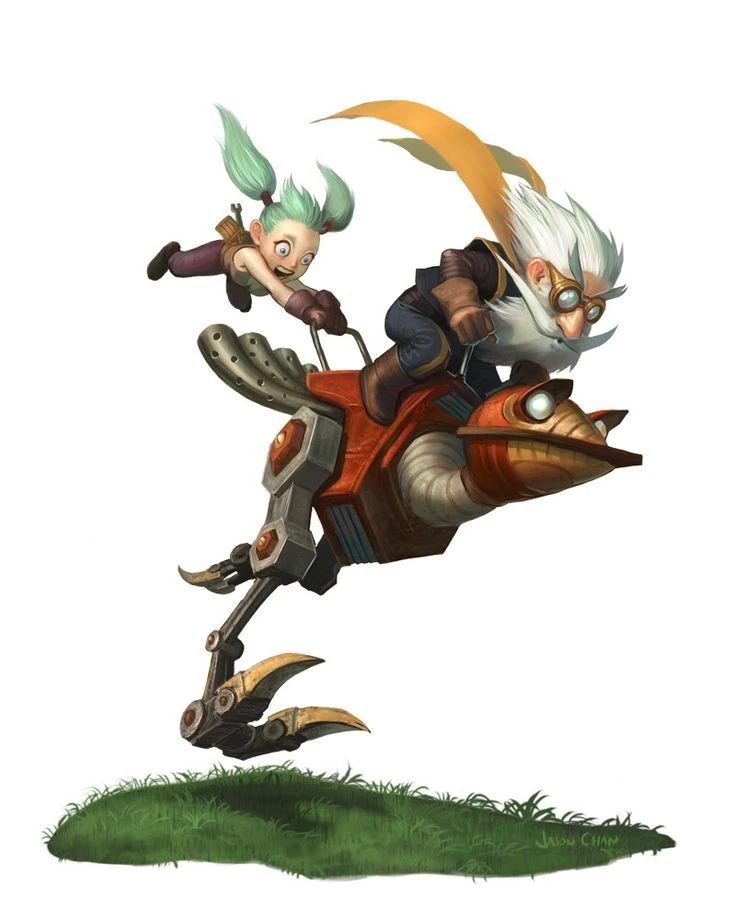
Geun-eon, the Gnomes
Gnomes possess earthy skin tones, ranging from rich umber to warm terracotta, grounding their vibrant psychoactive features. Though their skin does not shift in color like their hair, nails, or eyes, it carries subtle undertones that reflect their fey heritage. Gnomes develop freckles, speckles, or swirling birthmarks, which are often seen as signs of innate magical inclinations.

Comments