The phrase Vealouthe sea'heaeylaiare serves as a simple Avuhuash greeting, much like "Well met" or "Hello" in Vulgar. The literal translation is, of course, far more poetic, meaning something akin to "Peace has arrived upon the open and welcoming heart".
-Dictionarium d'Lingueia Alpesan, the standard Terran guide to Avuhuash
Avuhuash is the modern and living language of the Eliveilean, better known as the many Elves of Aemaphia, whose name for their own tongue simply means "Voice". Among outsiders, it is more commonly known, if somewhat inadequately, as "Elven". Rooted in the ancient tones of Vauyeas, the ancestral language of the Fey, Avuhuash has evolved into a refined, labyrinthine language rich with poetic resonance, spiritual nuance, and social codification. It bears the unmistakable quirks of its Fey origin: superfluous hard vowels that serve not function but flourish, soft aspirated /h/s that drift like breath through syllables, and elegant rolling /l/s that wind through speech like streams through a sacred grove.
The language is structurally fluid yet tonally precise, embracing a musicality that mirrors elven ideals of balance, beauty, and intention. Its phonology favors mellifluous transitions between a vast array of vowels (twenty-five in total) making it simultaneously melodious and maddening to non-native speakers. Avuhuash is not just a medium of communication but a sacred artform; to speak it is to engage in performance, to honor the harmony between thought, sound, and spirit. It is a language where a single word may carry layers of social status, philosophical import, or historical memory—spoken with grace, sung with reverence, and wielded with the precision of poetry etched in stardust.
Avuhuash is inspired by
Hindi.
Writing System
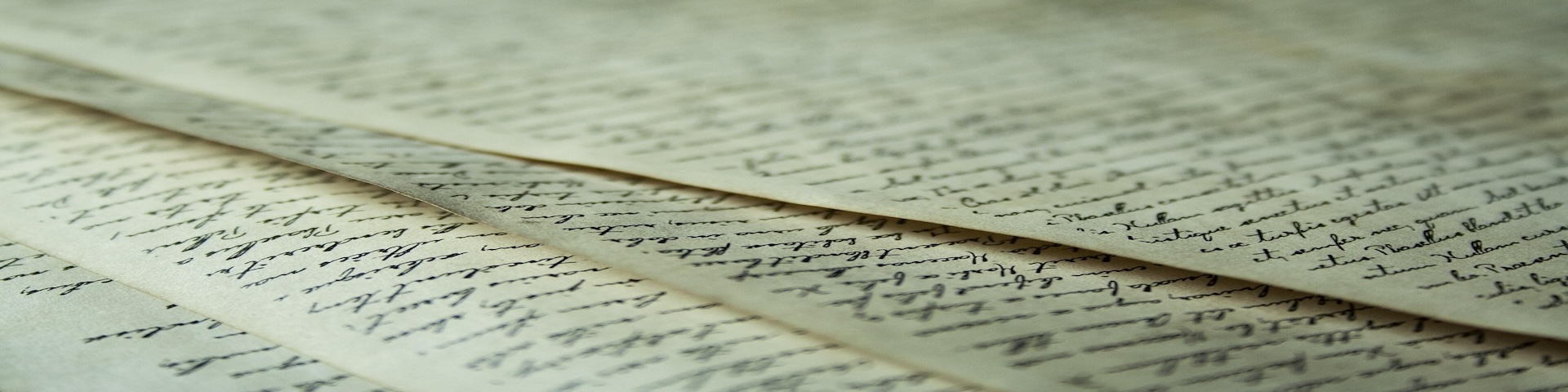
The written form of Avuhuash is called Neirtiea, a word which translates to the "Dance"; a fitting name for a script that flows like silk caught in wind. Far more than mere communication, Neirtiea is considered a sacred performance of meaning, where every letter, stroke, and flourish conveys not just information, but intention, feeling, and philosophical resonance. Each piece of elven writing is a visual expression of Samatue manifested in elegant lines and sweeping arcs. Writing in Neirtiea is a revered act, often performed with reed or crystal-tipped pens on silk, leaf, or vellum. Even mundane documents are composed with a quiet reverence, for to write in Avuhuash is to weave spirit into symbol. Among the Eliveilean, mastery of Neirtiea is not just a mark of literacy but of grace, cultivation, and social standing. Those most skilled in this calligraphic tradition are held in high regard, trusted with drafting contracts, prayers, treaties, and poetry alike, where every stroke may carry echoes of fate, identity, or divine insight.
Basic Structure
Neirtiea consists of Forty-Eight Letters, with twenty-five vowels and twenty-three consonants, each meticulously crafted to reflect the melodic and breath-driven nature of spoken Avuhuash. Characters are interconnected by fluid ligatures, their forms shifting subtly depending on placement within a word or the emotional context of the message. Though the alphabet is fixed, its presentation is never rigid: words are balanced according to principles of aesthetic symmetry and emotional tone, forming cascading waves or spiral blossoms upon the page. A sentence intended to console may appear as a flowing ribbon of gentle curves, while a decree of justice might take on sharp-edged majesty and bold geometric structure.
Script Orientation & Layout
Neirtiea is written Bottom-Up and Right-to-Left, spiraling inward or outward depending on emotional or ceremonial purpose. This layout is not merely ornamental; it reflects the elf’s cyclical worldview—echoing the teachings of Saemhaurah and Qhaerma. Sacred or emotionally charged texts often begin at the page’s edge and spiral toward the center to represent inward spiritual journeys. In contrast, instructional or public writings may blossom outward, signifying the spreading of wisdom.
Emotive Topography
Unlike static mortal scripts, Neirtiea is emotionally topographic—letters stretch, condense, curl, or ascend based on the feeling behind the word or phrase. An apology, for example, may have the characters drooping downward in sorrowful curves, while a triumphal declaration rises sharply, nearly breaking its own bounds. This emotive modulation turns each script into a layered artifact of both language and sentiment.
Glyphic Harmony
Each letter in Neirtiea is constructed according to the principles of Samatue, the spiritual harmony central to the Harmonious Way. Characters are judged not only for legibility but also for aesthetic resonance. A poorly proportioned character is seen as a disharmony—a dissonant echo in the script’s song. Elven scribes believe that each letter must "breathe" alongside the next, and great care is taken to ensure balance of stroke, space, and line.
Multilayered Meaning
Like the elves themselves, Avuhaush is never straightforward. Almost all texts written in Neirtiea operate on three levels of meaning:
Literal, the semantic message itself.
Aesthetic, the emotional and artistic tone of the text, which offers context to the Literal meaning.
Spiritual, the existential intent and esoteric alignment of the writer within the concept of Dhaurma Qeisemet, which provides vital subtext to the Literal meaning.
This tri-layered reading is taught from childhood, and accomplished readers can infer the unspoken context or emotional truth behind a letter just by observing its shape and rhythm.
Sacred Ink & Material
Ink is not simply a writing medium. It is part of the ritual. High elves use blended resins, crushed gems, or psychically responsive inks that shimmer or shift with mood. Some monasteries even use living ink, composed of motile fungal spores that rearrange based on spiritual resonance or reader attunement. Texts are often written on living leaves, songwood bark, enchanted vellum, or spider-silk parchment, depending on the content’s gravity.
Script Classes
There are five recognized script styles with Avuhuash, each corresponding to a specific caste or group. These scripts are used throughout the Eliveilean, regardless of the dialectic branches of Avuhuash:
Llauneineirtiea, meaning Courtly Script. This script is formal and grand, predominately used in Shauei courts throughout Faselicia.
Saehaneirtiea, meaning something akin to Spring Script. Saehaneirtiea is a playful and curving script. It is the most commonly used script; meant for mundane writing.
Shaeneirtiea, which roughly translates to Winter Script, is a sharp and precise script used in official documents, such as government edicts or religious proclamations.
Llheineirtiea, otherwise known as Strange Script. This dense and abstract script is used almost exclusively by the monastic priesthood of the Harmonious Way, as its wandering structure reflects the abstract concept of attaining Enlightenment itself.
Jhaeneirtiea, or Wild Script, is a slightly-more straightforward organic script developed and used by the Unseelie. It is the most common form of Neirtiea encountered by Adventurers, but its form is considered offensive throughout Faselicia.
Furthermore, each of these five scripts have specific sub-styles tailored for poetry, treaties, spiritual verses, or grief scripts used in funerary rites.
Vocational Calligraphy
Mastery of Neirtiea is a vocational calling in elven society. The Qheaneirtin, or Ink-Dancers, undergo decades of training under scribal monasteries to interpret, compose, and preserve sacred texts. Each Qhaneirtin signs their work with a personal glyph, part signature and part soul-mark. These personal glyphs, known as Aneirtieque, are thought to channel a fragment of their spiritual resonance into the script.
Prohibited Use and Script Taboos
It is considered deeply disrespectful to use Neirtiea for lies, vulgarity, or idle gossip. Even personal correspondence must maintain an undertone of poise. The misuse of Neirtiea is a spiritual offense—a violation of Rhaesza Qha Avuhaush, the divine gift of language. The Buerei, as a consequence of their social exile, are often stripped of the right to practice Neirtiea altogether. As such, any text written by a Dark Elf is considered innately profane and deeply blasphemous to everything the Eliveilean stand for.
Avuhuash, the language of the Elves, is the refined descendant of Satreayuedu, the luminous tongue of the Aldra. As the Elivei settled within Aemaphia and adapted to the Temporal Realm, their once-mutable psychoactive language crystallized into Avuhuash—a structured, elegant mode of speech capable of carrying the immense nuance and magical resonance their culture demands. While still saturated with emotional connotation and mnemonic echoes, Avuhuash is more stable and less volatile than its astral progenitor, allowing it to be spoken without involuntary magical effects. Today, Avuhuash serves as the universal language among the Eliveilean across Aemaphia, uniting their disparate cultures and castes. Its poetic cadence, complex inflections, and multi-layered meanings make it both a living language and a ritual one—spoken in council, inscribed in song, and whispered through spells.
Janagi
The Janagi dialect, spoken by the Unseelie elves of Acarcia, diverged sharply from the refined cadence of central Avuhuash due to centuries of exposure to mortal languages—particularly the feral syntax of Bestia, the rhythmic structure of Phoni, and the declarative grammar of Glossa. As such, Janagi is often clipped and sharp, emphasizing consonants over vowels and favoring harsh phonetics over musicality. Where traditional Avuhuash might use "Qaelessa", Janagi would pronounce it "Kzelza". The dialect often replaces flowing double /ss/ with a rasping /z/ sound, soft /q/ with hard /k/, and /ch/ with curt, throaty clicks. To the Seelie, Janagi sounds brutish and ungraceful—yet to the Jhanei and their kin, it is a blade-forged tongue, direct, grounded, and honed by survival.
Shauthaueyuedha
In contrast, Shauthaueyuedha, the ceremonial dialect of the Shueraghe nobility and the exiled Andhiar of the Drudeive Maukare Majhaurajhay, is a decadent, almost theatrical evolution of Avuhuash—closer to its ancestral root in Satreayuedu but laced with forbidden brilliance. The dialect incorporates veiled Vrahmaeyuedu words; the ancient language of Vrahmae, better known to adventurers as the mythical Fey Lords, once forbidden to the lower castes of the Vaarner Faeryi due to its potent somatic-astraplasmic capacity—and borrows rhythm and phoneme structure from Farsa, the language of the Elementals. Shauthaueyuedha is characterized by excessive elongation of vowels, nearly liquefying the structure of the spoken word. Consonants are softened to a velvety hush; a phrase like "Vealouthe sea'heaeylaiare" which is a generic greeting, may take a full breath to pronounce. Among the Highborn and the Dark Elf, this dialect is not merely spoken—it is performed, a linguistic ballet intended to remind all listeners of their divine lineage.
The phonology of Avuhuash is not just aesthetic, it is a philosophical expression. The Eliveilean believe in Samatue (spiritual harmony), and their complex lyrical language reflects that ethos. Words are sculpted, not spoken; phrases ripple like a forest stream rather than bark like a command. Even their profane curses are melodic. The stark contrast between the lyrical grace of Avuhuash and the harsh tongues of Urkh'suanet, Glossa, or Vulgar speaks volumes about how the elves view themselves in the cosmic hierarchy.
Phoneme Inventory
Avuhuash favors euphonic, fluid sounds, reflecting the Eliveilean reverence for beauty and clarity. There is a strong avoidance of harsh or guttural consonants. When one speaks Avuhuash, it is vital to remember it is not a bestial growl, but a soft harp-strum on a gentle perfumed breeze.
Consonants
Common elven consonants include /l/, /v/, /m/, /n/, /h/, /s/, /r/, /t/, /k/, /sh/, /th/. Liquid consonants, especially l and r, dominate, emphasizing softness and continuity. Voiced fricatives (e.g., /v/, /zh/) lend a melodic, breathy quality—ideal for poetry and ritual. Avuhuash possessed few stops or harsh sounds: Plosives like /b/, /d/, /g/ are infrequent and isolated within a word. Furthermore, Glottal or Uvulars are nearly nonexistent, especially in the Shauthaueyuedha dialect. Furthermore, Shauthaueyuedha speech favors softer consonants and elongated vowels to emphasize grace and refinement. Meanwhile, the dialect of Janagi, while based on the same root phonemes, includes slightly firmer consonant use and rhythmically clipped endings—likely a reflection of their martial, oathbound tradition.
Vowels
Avuhuash has twenty five vowels. The five Monophthongs are: /a/, /e/, /i/, /o/, and /u/. Beyond these, elven also has twenty Diphthongs and Triphthongs, which are: /ae/, /ai/, /au/, /ea/, /ei/, /eu/, /ia/, /ie/, /oa/, /oe/, /ou/, /uo/, /ue/, and /ua/, as well as /eie/, /uie/, /aua/, /ouo/, /aea/, and /eae/. Diphthongs and Triphthongs are a very common feature of Avuhaush, even compared to other Fey languages. These complex vowels often occur in proper nouns and spiritual terminology (e.g., Amaeliel, Qechuthuchau). Another feature is frequent vowel harmony. Words often have vowel sounds that match or flow into one another, enhancing melodic flow (e.g. Aszeiriesha). One a stylistic note; Elven poetry and formal speech frequently utilize repeating internal vowel patterns or assonance, creating a resonance that enhances recitation and memorization.
Syllable Structure
Avuhuash is generally structured as Consonant-Vowel or Consonant-Vowel-Consonant, but more complex clusters exist in compound or ritual words. Emphasis is often falls on the penultimate syllable, though compound titles and caste names shift emphasis to highlight meaningful roots (Shauei, Kaepattha, Samatueamaercuele).
Phonotactics
Glides and elisions are common in fast or conversational speech, especially between vowels and soft consonants. Prefixes and suffixes are phonologically assimilative—they often morph slightly to match the root word’s sound profile (e.g., -nei vs. -nar, or Kaepattha Caubelle vs. Caubeiliear). There is an avoidance of final hard consonants unless marking something as fundamental, sacred, material, or taboo (Taubahar, Shaupit, Vaernar).
Prosody
Avuhuash is highly musical, with an expectation that even prose have rhythmic and aesthetic cadence. The language is meant to be spoken with a gentle rise and fall akin to sung verse—especially among highborn and religious speakers.
Avuhuash is a fusional, root-based, poetic language with strong morphological alignment to both emotional resonance and metaphysical function. At its heart lies a system of deeply meaningful root morphemes, typically one or two syllables in length, that serve as the elemental seeds from which all words grow. These roots are adorned through suffix-heavy construction, using affixes not only to modify grammatical structure but also to infuse words with spiritual, philosophical, or social weight. Avuhuash is also a language of metaphoric inflection, where poetic symbolism is woven directly into morphology—death becomes “the return,” love becomes “interweaving,” and destiny is always phrased with reverence. Crucially, the morphology of Avuhuash reflects the cultural and spiritual hierarchy of Elven society; higher castes employ more elaborate compounds and honorifics, while wilder or lower classes favor earthier, simpler constructions. While the language avoids rigid gendering, it fluidly marks animacy and sacredness through context-dependent suffixes and verbal inflections. Lastly, Avuhuash embraces compound formation, creating long, lyrical portmanteaus that express philosophy, narrative, and theology in a single breath. In this way, morphology is not merely structural in Avuhuash—it is an act of art, caste, and cosmology.
Root-Based Derivation (Morphemic Core)
Avuhuash relies heavily on root morphemes—typically one or two syllables—that form the semantic base of meaning. These roots are then inflected or expanded through suffixes, prefixes, and compound formation to create nuance, tone, and purpose.
Examples:
Qechu- means bind → Qechuthuchau thus means "reunite".
Faerei- means fey → Faereilean thus means "the fey people".
Mael- means love → Maellien thus means "romantic love".
Suffix-Heavy Construction
The language strongly prefers suffixation over prefixation for indicating grammatical roles, emotional intensity, or social hierarchy.
-in implies the subject is one who practices.
-que means the subject is one who embodies.
-then means the subject is of origin/from (e.g. Neithenthaelean means "From foulness").
-napei indicates transformation or result (e.g. Faerunapei means "One who has become of the sun").
Metaphoric Inflection
Avuhuash often morphologically encodes allegory or poetic symbolism into its words—especially in high speech or ceremonial dialogue. Concepts like love, pain, beauty, and death are not stated directly but inflected with spiritual or natural references.
Vaevienne Sievease - Soulmate, literally means “the interwoven other”.
Vaupasea - The Return, a poetic term for natural death, implies rebirth into the mist.
Morphological Alignment by Social and Spiritual Caste
Morphology reflects cultural hierarchy and metaphysical status. High Elves (Shauei) use more complex and honorific constructions, while Wild Elves (Jhanei) use simpler, nature-rooted morphology.
For example: High Speech might use Aeiveiparnei Kaepattha Caubeilie or "Oathbound Kindred of the Ivy Leaves", while Low Speech could reduce this to Parnei Caubelle or "Oath-kindred".
Grammatical Gender and Animacy are Optional
Avuhuash doesn't employ fixed gendered nouns, but it does use fluid animacy. Words may take on suffixes to indicate whether the speaker sees the object as alive, sacred, or significant.
Pead - Tree.
Peadiel - The Tree that Listens, a nature guardian spirit.
Peadsin - The Practiced Tree, a honorific implying sacred or ancestral.
Compound Formation and Portmanteaus
Avuhuash frequently constructs complex compound words that merge concepts into new meanings, particularly in naming conventions or metaphysical terminology. This is typical of religious or mythic phrases where etymology is narrative.
Peadruanuelle Qechuthuchau Qeisemet Faelean literally means "The Weeping Tree Destined to Reunite Us All" but is used to "Messiah".
The syntax of Avuhuash, like its speakers, is both elegantly disciplined and inherently poetic, reflecting the language’s dual purpose as a vessel of communication and a medium of aesthetic truth. Its default sentence structure follows a Subject-Object-Verb (SOV) order, favoring a rhythm that delays resolution—placing emphasis on action as a culminating moment rather than an initiating force.
Adjectives, possessives, and descriptive modifiers typically precede the noun, giving speech a forward momentum that builds expectation. While the syntax remains generally stable in common discourse, it is intentionally flexible in elevated, spiritual, or emotional speech, where word order may shift for poetic impact or rhetorical flourish. In such contexts, topic-comment constructions emerge frequently, where an abstract idea is introduced and then elaborated upon—mirroring philosophical or meditative contemplation. Meaning is often derived from context rather than rigid grammatical markers, with tense and conjunctions either omitted or suggested through inflected particles and poetic intuition.
Moreover, Avuhuash delights in parallel phrasing and repetition, employing recursive structures as both mnemonic device and spiritual emphasis. In songs, prayers, or sacred utterances, key concepts are repeated in trios or mirrored phrases, reinforcing the idea of harmony and reinforcing metaphysical resonance. Syntax in Avuhuash is not merely a tool for clarity, but a structure for revealing hidden emotional subtext and layered intention. The speaker's mood, caste, and spiritual standing can subtly shift word order, tone, and even allowable forms of conjunction—resulting in a language that is at once lyrical, intentional, and alive. In short, the syntax of Avuhuash is not fixed; it is tuned—a living melody woven between breath, feeling, and the ever-shifting truths of the Fey.
For ease of research, each word listed in this limited Elven vocabulary is structured in thematic sections. Furthermore, words may be listed multiple times, if they possess more than one definition or grammatical use.
Core Elven Nouns
People and Kinship
Elivei means Superior. Elivei is also the term the Elves use to refer to themselves, referencing their origin and status.
Eliveilean means Elvenkin, literally translating to the "Superior Beings". This term is often used to identify the totality of Elves.
Sylvanis Alpes is the academic term for Elves used predominantly by Imperial scholars.
Shuedaeliveilean means True Elves, as is a term used by Dark Elves to refer to themselves as the "true masters" of Elven society.
Faerei has multiple meanings. In the context of People and Kinship, it means "Mistborn" and is used to refer to Fey.
Faereilean means the "Children of the Mist" and is used to refer to all Feykind.
Eliveiraghe means "Those of Elven Blood" and is used to identify the entire Elven species and its five ethnic subgroups.
Raghe means Bloodline.
Shueraghe means "Those of the Blood of the Sun"; it refers to the ethnic minority that serves as elven nobility. They originally inhabited Telia Obscura prior to its collapse. Also known as Sun Elves.
Tuaraghe means "Those of the Blood of the Moon"; it refers to the ethnic majority of Tenebrusia. Also known as Moon Elves.
Kauseraghe means "Those of the Blood of the Stars"; it refers to the major ethnic group that adapted to life outside of Tenebrucia. Also known as Star Elves.
Nietcheraghe has a dual interpretation, meaning both "Those of the Blood of the Cosmos" as well as "Those Without Blood". It refers to the extreme ethnic minority of former Shueraghe who were exiled to the Infragercia. They refer to themselves as Cosmic Elves, but are also known as Void Elves by the greater Eliveilean.
Gehaeraghe means "Those of the Stolen Blood"; a broad term used to identify several unconnected ethnic minorities and mutations. Also known as Lost Elves.
Caubeilie means Kindred, Culture, or Society. The term Caubelle is the Uncaelei variation of Caubeilie.
Uncaubeilie means Not Kindred. It is synonymous to, but also more extreme than, the caste of Buerei, The term can also mean something more akin to Rejected, Exiled, or Disavowed.
Pauvuat Caubeilie means "Kindred of the Alpine Mountains". This term is used to identify the Elves who inhabit Fryllyen. Also known as Pauvuatar or, more commonly, Ice Elves.
Gaellez Caubeilie means "Kindred of the Many Gardens". This term is used to identify the Elves who inhabit Faellyen. Also known as Gaellar or, more commonly, Wood Elves.
Raegistez Caubeilie means "Kindred of the Desert Sands". This term is used to identify the Elves who inhabit Foellyen. Also known as Raegistar or, more commonly, Sand Elves.
Quehasaz Caubeilie means "Kindred of the Countless Storms". This term is used to identify the Elves who inhabit the Tectusian interior. Also known as Quehasar or, more commonly, Storm Elves.
Dauluada Caubeilie means "Kindred of the Miring Swamps". This term is used to identify the Elves who inhabit the Tectusia coastline. Also known as Daladar or, more commonly, Bog Elves.
Guephez Caubeilie means "Kindred of the Cacophonous Depths". This term is used to identify the Elves who inhabit the Infragercian Shallows of Tectusia. Also known as Guephear or, more commonly, Cave Elves.
Dardear roughly means Pain Elves, and is a derogatory term used to identify the Guephear by the greater Eliveilean.
Aeiveiparnei Kaepattha Caubelle means "Oathbound of the Ivy Leaves". This term is used to identify the Unseelie Elves of Aegesia and Aquilesia. Also known as Aeiveiparnear or, more commonly, the Ivyleaf Elves.
Fazuaparnei Kaepattha Caubelle means "Oathbound of the Oak Leaves". This term is used to identify the Unseelie Elves of Aesersia. Also known as Fazuaparnear or, more commonly, the Oakleaf Elves.
Raurezeparnei Kaepattha Caubelle means "Oathbound of the Laurel Leaves". This term is used to identify the Unseelie Elves of Aestidesia. Also known as Raurezeparnear or, more commonly, the Laurelleaf Elves.
Shoelparnei Kaepattha Caubelle means "Oathbound of the Holly Leaves". This term is used to identify the Unseelie Elves of Arthesia. Also known as Shoelparnear or, more commonly, the Hollyleaf Elves.
Keaeparnei Kaepattha Caubelle means "Oathbound of the Lichen Leaves". This term is used to identify those renegade Jhanei Nietcheraghe Elves of the Acarcian Infragerica who forsook their kin and allied themselves with the Unseelie as penance for their past sins. Also known as Keaeparnear or, more commonly, the Lichenleaf Elves.
Taubahar roughly means Deep Elves. The term is, itself, shorthand for Taubah Caubeilie or "Ruined Kindred". They are a group of Gehaeraghe Elves that inhabit the Infragercian Shallows.
Naemauqar roughly means Sea Elves. The term is shorthand for Naemauqez Caubeilie or "Kindred of the Seas". They are Gehaeraghe Elves of the turbulent waters of the Frangenaus.
Khaeyear roughly means Trench Elves. The term is shorthand for Khaeyez Caubeilie or "Kindred of the Trenches". They are Gehaeraghe Elves of the fathomless depths of the Aecornausian Abysm.
Jinnar is the term used to refer to Elven Djinn; it is shorthand for Jinn Caubeilie or "Kindred of Quintessence". They are also considered Gehaeraghe Elves by the greater Eliveilean.
Shaupitar is the term used to identify Elven Cambion. The term is shorthand for Shaupit Caubeilie or "Kindred of the Damned". Despite their profane origins, almost all Shaupitar are considered Gehaeraghe within the greater Eliveilean.
Dhaemaraghe refers exclusively to Demonic Cambion. Though the term literally translates to "Demon-Blooded", they are not recognized as an legitimate Elven ethnic group.
Apuaradeis Kaepattha refers specifically to Infernal Cambion, but literally translates to "Sin Bound".
Unellei Neiyaruepar refers to Fiendish Cambion that are not associated with the Dark Elves or their empire, but are instead adherents of the Covenant of Nihil. The term more accurately translates to "Those Who Reshape Themselves into Something Unnatural".
Andhiar is a profane term that means something akin to "Dark Elf". It is considered a profoundly derogatory term to all Eliveilean. Referring to an Elf as an Andhiar is considered a grave insult. Even the foul Nietcheraghe of the Infragercia find it distasteful. As a result, it is the preferred term by the greater Eliveilean to identify the Elves of the Drudeive Maukare Majhaurajhay
Shuedaelivei means True Elves, and is a term used by Dark Elves to refer to themselves and mark them as the "true masters" of all Elven society.
Unshuedear effectively means False Elves. This pejorative term is used by Dark Elves to refer to most other Elves, particularly those within the Seelie Court and the Unseelie.
Uncaubeilie means Not Kindred. It is synonymous but also more extreme than Buerei, meaning something more akin to Rejected or Disavowed. While it can be used to refer to any elven society rejected by the Vaernar Caelei, it is almost exclusively used to refer to the Dark Elves. The Dark Elves, in turn, use the term to refer to all Fey outside of their empire, the Drudeive Maukare Majhaurajhay.
Druchadei roughly means Poisoned Elves. It is shorthand for Elivei Drucenagei, which itself more literally translates to "Elves Who Poisoned Their Caste". It is a derogatory term used by the fey of the Seelie Court to identify the totality of the Dark Elves as a whole within the context of the Vaernar Caelei caste system. It is worse than a Buerei, more akin to the caste of the Dauliete pariahs of the Vaarner Faeryi.
The Dark Elves do not use this term in any way. Instead, the Dark Elves use the traditional caste system of the Vaernar Caelei, placing all elves outside of their empire as Buerei.
Drucear means something akin to "Those Who are Poisoned". It is a blanket term used by the Seelie Court and the Unseelie Fey to refer to the entire culture of the Dark Elves and their subterranean empire. The Dark Elves do not use this term to identify themselves and detest its use.
Maucear is the term the vast majority of Dark Elves use to identify themselves, to the point that most non-Elves assume it means Dark Elf. The Maucear are the Druchadei Elves of the Infragercian Expanse and make up the bulk of their empire. The term itself means "Those in the Web" and is shorthand for Maukarei Uncaubeilie or "Exiles of the Web". Despite commonly being called Dark Elves, scholars refer to them as Web Elves for purposes of academic clarification.
While adopting the same general term, Maucear identify themselves as Maukarei Shuedacaubeilie or "True Kindred of the Web".
Rauhte Chaundhane Caubeilie means "Kindred of the Redeeming Night". This term is used to identify the rebellious Buerei Nietcheraghe Elves of the Infragercia Shallows beneath Faselicia, who rejected the insidious Drudeive Maukare Majhaurajhay but do not ally themselves with the Vaernar Caelei. Also known as Rauhtear or Night Elves.
Sadaundhuar means something akin to "Those Who Choose Decay" or the Rot Elves. This term is used to identify the foul Druchadei Elves of Neillyenez, the Blight Lands. It is shorthand for Sadaundhu Uncaubeilie or "Exiles of Decay". These Dark Elves seek to dismantle all the Seelie Court, the Unseelie, and the Drudeive Maukare Majhaurajhay, as well as all other fey societies as part of a deranged scheme to usher in a species-wide fungal/fey hybrid hive-mind known as the Kauvukeilean Rhaujhay.
Sadaundhuar refer to themselves as Sadaundhu Shuedacaubeilie or "True Kindred of Decay".
Andshiear means "Those Who Choose Darkness" or Shadow Elves. This term is used to identify the Druchadei Elves of the Infragercian Depths. It is shorthand for Andhiri Uncaubeilie or "Exiles of the Darkness". These Dark Elves maintain tacit loyalty to the Drudeive Maukare Majhaurajhay while focusing on their own eldritch experimentations and their unknowable Aberrant patrons.
Andshiear refer to themselves as Andshirei Shuedacaubeilie or "True Kindred of the Dark".
Loelthear means "Those That Choose Oblivion", althought they are better known throughout Aemphia as the Null Elves. This term is used to identify the Druchadei Shaupitar, the Cambion Dark Elves of the Infragercian Abyss. It is shorthand for Nietcheraghe Loelthear or "Exiles of Accursed Oblivion". They serve as the noble class of the Drudeive Maukare Majhaurajhay, answering only to the Drouvear and their Drudavear overlords.
Loelthear refer to themselves as Loeltharei Shuedacaubeilie or "True Kindred of Nothingness".
Drouvear means "Those Who Are Complete" although they are better known as the dreaded Drow. These corrupt Cambion, who are referred to as the Drouv Shaupit Uncaubeilie or the "Completely Corrupted Exiles" by the greater Elivei, are the most hated group of Buerei. The Drouvear are the hedonistic inbred nobles of the Drudeive Maukare Majhaurajhay who merged their souls with the stolen anima of Fiends, Demons, and Devils.
Drouvear refer to themselves as Drouvearei Shuedacaubeilie or "True Kindred of the Complete Form" and are the noble class of the Drudeive Maukare Majhaurajhay.
Drudavear refers to the horrific spider-like Druchadei monstrosities, also known as Driders. The term is shorthand for Drudavha Shaupit Uncaubeilie or "Exiles of the Abyssal Spider".
Drudavear refer to themselves as Aldracaubelile Shuedaldruvha or "Supreme Kindred of the True God-Spider" and are the royal class of the Drudeive Maukare Majhaurajhay.
Anaethear means "Those of the Curse" or more commonly Forlorn Elves. These monstrous beings are a group of Gehaeraghe Elves made up of individuals who have survived the Forlorn Curse that plagues all Fey. Any Elves, regardless of background will be transformed into a Anaethear if they endure Forlorning.
Anaethe Abhiesap literally means Forlorn Curse.
Faerei means "Mistborn" and is used to refer to Fey.
Faereilean means the "Children of the Mist" and is used to refer to all Feykind.
Aszeiriesha is the term used to refer to Duergar.
Treintaun is the term used to refer to Tritons.
Mareid is the term used to refer to Trolls.
Shieque is the term used to refer to Satyrs.
Ghodhieque is the term used to refer to Centaur.
Sielaheat is the term used to refer to Hags.
Thiengheu is the term used to refer to Harpies.
Qaeraen is the term used to refer to Gnomes.
Rhauqshuasha is the term used to refer to Rakshasa.
Thae means Other or Alien.
Thaelean means the Other People; this term is used to identify Mortals.
Duothaelean is the term used to identify Terrans; but it literally translates to "Mud People".
Nualthaelean is a term used to refer to Imperial Sailors or Terran Pirates; it literally translates to "Ocean People".
Neithenthaelean means the Orcs; but literally translates to "Misshapen Ones" or more crudely "Dung People".
Society and Infrastructure
Vaernar Caelei means the Seelie Court. The confederate alliance of independent fey kingdoms that collectively control Faselicia and administer the tenuous peace between the Fey and the Dragons following the Aejagaure Wars. The Elves sit as the innate and undisputed controlling party of the Vaernar Caelei.
Vaernar means Court, Council, or Order.
Caeleiar means "Those Who are Free" and is used to refer to the Seelie Fey.
Uncaeleiar means "Those Who are Bound" and is used to refer to Unseelie Fey.
Rhaujhay means Empire.
Majhaurajhay Qha Faerdvaeraz means the Grand Empire of the Mist Gates or simply the Feygate Empire. The first fey empire established on Aemaphia, it established the Feygates that are still active to this day. The earliest form of the Vaernar Caelei was established during this period, while the empire itself was still ruled exclusively by the Rakshasa Majharajan.
Faereilean Rhaujhay Qha Abhaerae means something akin to the Fey Empire of Aemaphia, which referred to the ancient global empire that briefly existed following the Efrit Uprising and the collapse of the Majhaurajhay Qha Faerdvaeraz. It was destroyed during the First Aejagaure War and replaced by the Caeleilean Rhaujhay following the establishment of the Vaenar Caelei and Uncaelei.
Caeleilean Rhaujhay means the Seelie Empire of Faselicia, which dominated the continents of Tenebrusia, Tectusia, and Trunsia prior to the Fae Schism. Despite the Vaernar Caelei being active during this era, the Seelie Empire was also ruled by an imperial elven dynasty which superseded the Seelie Court's authority. It collapsed following the conclusion of the Second Aejagaure War and the Fae Schism.
Drudeive Maukare Majhaurajhay means the Grand Empire of the Spider-Queen Web. This refers to the Dark Elf empire located within the three lower levels of the Infragercia.
Huade means Kingdom.
Eliveihuadaz means the Elven Kingdoms and refers to the collective elf-dominated regions of Tenebrusia.
Paurhuade means Region or Province.
Haellyhaen means Expanse or Continent.
Llyen means Haven or Nation.
Yuen means Outpost, Fortress, or Sanctuary.
Lluriem means City or Epicenter.
Dvaer means Gateway or Portal.
Key Elven Settlements
Abhaerae is the elven term for Aemaphia which literally means Sanctuary.
Naemauqaiere Qha Abhaerae is the elven term for the Aecornaus. It roughly translates to the "Great Ocean of the Sanctuary".
Ceielhaellyhaen is the elven term for Faselicia, which means the Open Continent or more accurately the "Boundless Expanse". This was not the original term for Faselicia, only gaining this name following the First Aejagaure War and the establishment of the Seelie Court.
Wiesethaellyhaen literally means the Eastern Expanse and was the original term used to refer to Faselicia.
Ceielluriem means the Open City or the Boundless City; the former capitol of the Faereilean Rhaujhay Abhaerae that existed prior to the First Aejagaure War. It now serves as the seat of the Seelie Court and exists as a semi-independent city-state.
Taellyen means the Golden Lands; the quasi-mythic peninsula continent of western Faselicia, which was destroyed during the Fae Schism. Original home of the Shueraghe.
Taegaellehuade means Kingdom of the Golden Garden, and refers to the former civilization that inhabited lost Taellyen and ruled the Caeleilean Rhaujhay prior to the Fae Schism.
Taegaelluriem means City of the Golden Garden; the former capitol of the Caeleilean Rhaujhay.
Fryllyen roughly means the Northern Haven; the northernmost region of the continent of Tenebrusia.
Frypaurhuade means Province of the North.
Frylluriem is the capitol city of both Fryllyen and Frypaurhuade.
Faellyen means the Mist Lands; the largest central region of the continent of Tenebrusia. it takes it name from its origin being a multiracial home for all Mortal Fey.
Faelepaurhuade means Province of the Mistborn.
Faelluriem is the capitol city of both Faellyen and Faelepaurhuade.
Neillyenez are the Blight Lands; Fetid swamps of fungi and decay that are slowly corrupting eastern Faellyen.
Foellyen means the Southern Lands; the southmost region of the continent of Tenebrusia.
Foepaurhuade means Province of the South.
Foelluriem is the capitol city of both Foellyen and Foepaurhuade.
Buerhaellyhaen is the elven term for Acarcia, which means the Forsaken Continent. This was not the original term for Acarcia, only gaining this name following the First Aejagaure War and the establishment of the Unseelie.
Waetheallyhaen means the Western Expanse and was the original term used to refer to Acarcia.
Jhaenyuen means Wild Watch and refers to the Feygate Sanctuary of the Shoelparnear.
Jhaengalleparhade means the Province of the Feral Forest; the territory surrounding Jhaenyuen. It is also known as the Wild Woods.
Jhaeunllyenez is the term used to identify Arthesia and means something akin to the "Wild Wastes".
Llheinyuen means Weird Watch and refers to the Feygate Sanctuary of the Fazuaparnear.
Llheingalleparhade means the Province of the Strange Forest; the territory surrounding Llheinyuen. It is also known as the Weird Woods.
Llheiunllyenez is the term used to identify Aesersia and means something akin to the "Weird Wastes".
Maunyuen means Wise Watch and refers to the Feygate Sanctuary of the Aeiveiparnear.
Maungalleparhade means the Province of the Wise Forest; the territory surrounding Maunyuen. It is also known as the Wise Woods.
Maunuellyen is the term used to identify Aegesia and means something akin to the "Haven of Wisdom".
Chiephahuae Maunuellyen means the "Haven of Hidden Wisdom" and refers specifically to the Aquilesian Peninsula.
Shaenyuen means Wicked Watch and refers to the Feygate Sanctuary of the Raurezeparnear.
Shaengalleparhade means the Province of the Cruel Forest; the territory surrounding Shaenyuen. It is also known as the Wicked Woods.
Shaenunllyenez is the term used to identify Aestidesia and means something akin to the "Wicked Wastes".
Neithenunllyenez is the term used to identify Arcesia and means something akin to the "Wastes of Excrement" or less-artfully, the "Shit Lands".
Shearsheallyhaen roughly means the Northernmost Expanse or Expanse at the Top. It is the elven term for Polareus Bores.
Necheiheallyhaen means the Southernmost Expanse or Expanse at the Bottom. It is the elven term for Polareus Notos.
Nagei means Social Class, Inherent Status, or Caste.
Shauei roughly means Highborn Elves. It is shorthand for Elivei Shauhaenagei, which itself more literally translates to "Elves of the Regal Caste".
Shaunei is derived from Shauhae, meaning Regal or Royal.
Qhamei roughly means Lowborn Elves. It is shorthand for Elivei Qhaminagei, which itself more literally translates to "Elves of the Mundane Caste".
Qhamei is derived from Qhami, meaning Mundane or Low.
Dhuerei roughly means Farborn Elves. It is shorthand for Elivei Dhuernagei, which itself more literally translates to "Elves of a Foreign Caste".
Dhuerei is derived from Dhuer, meaning Farborn or Foreign.
Jhanei roughly means Wildborn Elves. It is shorthand for Elivei Jhaenagei, which itself more literally translates to "Elves of the Untamed Castes".
Jhanei is derived from Jhaen, meaning Wild or Untamed.
Buerei roughly means Forsaken, Exiled, or Tainted Elves. It is shorthand for Elivei Buerienagei, which itself more literally translates to "Elves Whose Caste was Forsaken".
Buerei is derived from Buer, meaning Tainted or Forsaken.
Gehaerei roughly means Elves of Stolen Birthright. It is shorthand for Elivei Gehaerenagei, which itself more literally translates to "Elves Whose Caste was Stolen".
Gehaerei is derivied from Gehaera, meaning Pilfered or Stolen.
Druchadei roughly means Poisoned Elves. It is shorthand for Elivei Drucenagei, which itself more literally translates to "Elves of the Poisoned Caste". This is a newer caste within the Vaernar Caelei, used exclusively to refer to the Dark Elves of the Drucheide Maukare Majhaurajhay.
Druchadei is derived from Druece, meaning Venom or Poison.
Caubeilie means Kindred, Culture, or Society.
Caubeal means Kin and is used to identify a Citizen of a specific Culture or Society.
Uncaubeilie means Not Kindred. It is used to refer to any Fey who are, for whatever reason, outside of the hierarchy of both the Seelie Court and the Unseelie. The term can also mean Renegades, Insurgents, or Traitors.
Uncaubeal means Not Kin and can be used to refer to a Criminal, Rebel, Outcast, or anyone outside the social or cultural order.
Raghe means Bloodline.
Tae means Gold, Treasure, or Wealth.
Lean means People or Group.
Anatomy and the Body
Shaereier means Body.
Hea means Heart or Essence.
Aunqhien means Eyes, while Aunqh refers to a single Eye.
Ansuen means Tear Drop.
Suir means Head.
Sanea means Mind or Intelligence.
Munhe means Mouth.
Avuhuash means Voice. This term is also used to refer to the language itself.
Lue means Song.
Raghe has several meanings. In the context of Anatomy and the Body, it refers to Blood itself.
Darde means Pain.
Neith means Feces.
Shee means Spirit.
Faeruthiepe literally means "Shaping of Mist" and is the Elven term for child rearing.
Vaupasea means "The Return". Vauspasea is used to describe the natural expiration process of an Elf at the end of their mortal lifespan.
Lieng means Gender.
Peurush means Masculine.
Maehilah means Feminine.
Baeharae'lieng means something akin to Nonbinary Gender presentation.
Sabhae'lieng means something akin to Genderfluid presentation.
Guptuangh means Sex.
Peurguptu means Male. It is shorthand for Peurush'guptuangh.
Maehuptu means Female. It is shorthand for Maehilah'guptuangh.
Sabhae'guptu means Intersex.
Emotions and Behavior
Maellie means Love.
Loathue means Irritated.
Haellaue means Devoted, Spiritual, or Faithful.
Ciecatue means Dumb, Stupid, or Witless.
Meirisaue means Bright, Intelligent, or Witty.
Jhaenue means Wild, Uncivilized, or Untamed.
Neitaue means Foul-Tempered, Mean-Spirited; literally translating to "Shitty Attitude".
Llheine means Weird or Strange.
Shaenue means Cruel, Callous, Malicious, or Wicked.
Geography and Nature
Abhaerae is the elven term for Aemaphia.
Yerae means World, Sphere, or Planet.
Nietche means Cosmos, the Void of Space, and Mortal Existence.
Haellyhaen means Continent.
Yarue means Nature. It can also be used to indicate something is Natural or Primal.
Neiyarue means Unnatural.
Shuere means the Sun; specifically refers to the Sun of Aemaphia.
Fhaere is another term for Sun, but more accurately refers to the Eternal Sun of the Mysts of Myth.
Ariyea means Day.
Taliya means Dawn.
Ieariye means Midday and Noon.
Neryes means Dusk or Sunset.
Tuare means Moon.
Kausere means Star.
Ieqauserez means Constellations.
Rauthe means Night.
Ierautha means Midnight.
Meiri means the concept of Light or Light itself.
Andhiri means Shadow, the concept of Darkness, or the Dark itself.
Foe means South.
Wieset means East.
Fry means North.
Waethe means West.
Pauvuat means Mountain.
Pauvuataz means Mountain Range.
Guepha means Cavern.
Keae means Lichen, Algae, or Moss.
Kauvuak means Fungi, Mold, or Mushrooms.
Duoth means Mud.
Raegiste means Sand or Silt.
Raegistez means Dunes or Desert.
Pead means Tree.
Peadthen means Wood or Lumber.
Aeivei means Ivy.
Fazua means Oak.
Raureze means Laurel.
Shoele means Holly.
Parnei means Leaf.
Qheite means Produce or Edible Plant.
Fuoule means Flower.
Gaelle means Garden, Grove, or Field; while Gaellez is the pluralization that can also refer to a wide or diverse landscape.
Jhaengaelle means Forest, but literally translates to "Wild Grove".
Qheitegaelle means Farm or Orchard; it directly translates to "Field of Produce".
Fuoulegaelle means Botanical Garden.
Fae has several meanings. In the context of Nature and the World, Fae means Mist.
Quehase means Storm, Hurricane, or Typhoon.
Naemauqa means Ocean or Sea.
Nuala means Wave.
Khaeyez means Abyssal Trench.
Dauluada means Swamp, Marsh, or Mire.
Sadaundhu means Rot or Decay.
Elements and Forces
Jinn means Elemental or Quintessence.
Sabhae means Chaos.
Spactial and Directional
Eylai means Open.
Baeharae means Beyond.
Shearsh means Top.
Nechei means Bottom.
Sea means Toward or Upon.
Materials and Crafts
Peadthen means Wood or Lumber.
Qheite means Produce or Edible Plant.
Fuoule means Flower.
Tools and Weapons
Animals; Wild and Domestic
Jaeneva means Animal.
Sanni means Bird or Avian Animal.
Lussani means Songbird, this doesn't refer to a specific breed of bird but is used as a general term.
Jhaenecha means Wolf.
Qhuecha means Dog or Hound.
Suanph means Reptile.
Hiese means Snake.
Drudavha means Spider.
Maukare means Web.
Druece means Venom.
Banshee means Wailing Spirit. A Banshee is a tragic spectral victim of the Forlorn curse who now haunt the world of the living with their deadly screams.
Drudavear means Driders. This term refers to the horrific spider-like Druchadei monstrosities.
Dhaema means Demon. Given the mercurial nature of all Fey, the ruinous Eternals of Abaddon are intrinsicly drawn to Elves. This is best seen with the constant schemes of Caliseaean the Jade Jackal, the Archdemon of Desperation, that have plagued the Eliveilean for eons.
Asura means Devil, and is used to identify the infernal Eternals of Hel as well as the Asuras of Hel, the former Rakshasa and Oni invaders who eventually became the Fey Devils of the fringes of the Pit.
Taemiesra means Fiend, and is used to refer to the nihilistic Eternals of Tartarus as well as their ascetic followers throughout the Cosmos.
Aejagar means Dragon.
Teveasque means Destroyer and refers to the mythic Tarrasque. The Tarrasque is a legendary singular monstrosity that is an effectively immortal, indestructible, unstoppable engine of destruction.
Professions and Social Classes
Mhaerhaujhalie means Emperor.
Rhaujhalie means King.
Svaumei means Steward or Chamberlain.
The suffix -ie means High or Great and the suffix -iere means Most, Greatest, or Highest.
Loathiere means Most Irritating.
Teveasque means Destroyer.
Kaepattha means Oathsworn.
Sievease means Lover.
Vaevienne Sievease means Soulmate but literally translates to the "Interwoven Lover".
A’maellien means "My Love"; a term of romantic endearment.
Thiepein means Craftsfolk or Artisans.
Religion and Philosophy
Samatueamaercuele is the term used to identify The Harmonious Way; based on the original Vauyeas term "Samautuelyaum Maargaulu".
Haellas means Faith.
Haellasin means Faithful.
Maunue means Wisdom.
Samatue means Harmony or Spiritual Purity.
Samatuit means To Enlighten.
Puora means Complete or Whole, in a metaphysical sense. This is a more modern term, and is thus not used in some of the oldest Eliveilean texts.
Neirvhaena means Divine Apotheosis, Perfect Enlightenment, or Ascension; from the original Vauyeas term "Noksaumge".
Puorvearei means Perfected or Complete Form. It is the ultimate goal of Neirvhaena.
Hanya means Sacred Marks or Tattoos.
Qeisemet means Destiny.
Dhaurma Qeisemet means Dharma or Divine Purpose.
Saemhaurah means Divine Reincarnation; from the original Vauyeas term "Saamsarya".
Qhaerma means Karma or Divine Justice.
Gienan Ghaen refers to the Divine Harmony of the Two Absolute Opposites. It is core to understanding the Harmonious Way; from the original Vauyeas term "Gaenen Ghannega".
Gienan roughly means something akin to This, while Ghaen means That.
Rhae means Gift or Blessing.
Hea means Essence.
Heautma means Soul, although it translates more accurately as "Dynamic Essence" or "Essence in Motion".
Puorhautma means Perfected or Complete Soul. It is the key to achieving Neirvhaena.
Duosht means Evil or Wickedness.
Apuaradeis means Sin.
Shaupit means To Damn.
Dhaema means Demon, Asura means Devil (while also literally referring to the Asuras of Hel, the Fey Devils), and Taemiesra means Fiend.
Loelthe mean Oblivion, Void, or Emptiness.
Drou also means Complete or Whole, in the metaphysical sense. This term, however, is outdated term. It is now predominantly associated with the vicious Drow and thus not used in most Eliveilean societies. However, the Jhanei are known to still use it with its original connotation.
Drouvearei means Complete or Perfect Form, i.e. the goal of Neirvhaena. Like Drou itself, this term is now associated with the Drow, and therefore not in common use.
Peadruanuelle Qechuthuchau Qeisemet Faereilean is a term used to refer to the prophesied Elven Messiah who will reunite all the Elivilean, literally translating to the "Weeping Tree Destined to Reunite Us All".
Agricultural and Husbandry
Magic and the Supernatural
Abhiesap means Curse.
Warfare
Vea means Peace.
Nonspecific Nouns
Colors
Raenge means Color.
Saefi means White.
Kaela means Black.
Sletei means Gray.
Lael means Red.
Naeranei means Orange.
Peala means Yellow.
Hara means Green.
Neala means Blue.
Bainganei means Purple or Violet.
Bhuera means Brown.
Ciecatie is an adjective that means something is Dull or Pale in Color.
Meirise is an adjective that means something is Bright in Color.
Andhirise is an adjective that means something is Dark in Color.
Common Verbs in Avuhuash
Unellei means To Make or To Shape.
Louthe means To Arrive.
Qechuthuchau means To Reunite.
Chandhane means To Redeem or To Restore.
Qechute means To Repeat.
Huchau means To Bind or To Unite.
Valim means To Bite or To Sting.
Duosht means To Do Evil.
Tevese means To Destroy.
Taubah means To Ruin.
Shaupit means To Damn.
Ruanue means To Weep.
Bane means To Wail or To Cry Out.
Samatuit means To Enlighten.
Thiepe means To Craft.
Vaevie means To Weave.
Loath means To Irritate.
Adjectives and Descriptors
Gienan roughly means something akin to This, while Ghaen means That or, more accurately, "Not This".
Cealei means Free.
Uncealei means Bound, Enslaved, Indentured, but literally translates to "Not Free".
Sauchei means True.
Unsauchei means False.
Shuedaeh means Pure.
Unshuedaeh means Impure or Mixed.
Neit means Foul or Corrupted.
Aelvei means Superior; anachronistic synonym of Elivei used during the earliest period of the Fey Exodus. Based on the ancient Vauyeas term "Aldra".
Ciecatie means Dull.
Meirise means Bright.
Andhirise means Dark.
Shauhae means Regal or Royal.
Qhami means Mundane or Low.
Dhuer means Farborn or Foreign.
Jhaen means Wild or Untamed.
Llhein means Weird, Odd, or Mad.
Buer means Spiritually Tainted or Forsaken.
Gehaera means Pilfered or Stolen.
Maellien means Romantic Love.
Dardien means Painful.
Chiephahuae means Hidden.
The prefix Un- can be added to a subject to invert its meaning.
The prefix A- is used to indicate possession of the subject.
The suffix -in is used to identify the subject is a practitioner of a skill, an art, or a craft.
The suffix -ie means High or Great and the suffix -iere means Most, Greatest, or Highest.
The suffixes -que and -qae are used to indicate the subject is the embodiment of a concept.
The suffixes -ue and -aue are used to denote the subject possesses qualities of a concept.
The suffix -then is used to indicate the subject is from or the product of the original term.
The suffix -ar is used to identify that the subject is generally related to or symbolically associated with the original term.
The suffix -are is a present continuous suffix used for interpersonal states or shared conditions.
The suffixes -ez and -az are both used to denote the subject is a multiple or to pluralize the subject.
The suffix -m modifies the subject to indicate it is a new iteration or generation without establishing possession. Example Fazuam means New Oak or Oak Sampling.
Qha means Of, and is a preposition used to denote a relation between two subjects.
The preposition -u can be used to join two subjects to establish a relationship of origin by forging them into a single word.
-vaelle is a suffix added to indicate the subject is related to a Reflective or Sacred Past.
-sera is a suffix added to indicate the subject is related to a Ongoing or Eternal Cycle.
-eluin is a suffix added to indicate the subject is related to a Destined Future.
Numbers in Avuhuash
Tense in Avuhuash functions more like a philosophical lens than a rigid grammatical necessity. It's an experiential feature, not a timeline stamp—rooted in the Fey perception of time as cyclical, emotional, and even metaphorical.
Tense Is Optional and Contextual
Avuhuash does not require explicit tense marking in every sentence. Time is implied through context, particle use, or the speaker’s emotional state, especially since Elves—being immortal or functionally ageless—view time as fluid, nonlinear, and spiritually layered.
Example: Faereilean Qechuthuchau Qeisemet is a common phrase which literally translates to "The Fey Reunite Destiny", however the term could mean "the fey have finally reunited", "the fey are reuniting", or even "the fey will reunite", depending on the moment and intent of the speaker.
Temporal Markers Reflect Mood or Intention
Rather than simple “past-present-future” distinctions, Avuhuash uses tense to indicate the metaphysical relationship to time. There are modal particles and verb modifications that express things such as the Reverent Past, the things worth remembering; the Ongoing Harmony, ongoing truths or repeating cycles; or the Anticipated Destiny, future shaped by fate, not chronology.
Example particles:
-vaelle is a suffix added to indicate the subject is related to a Reflective or Sacred Past.
-sera is a suffix added to indicate the subject is related to a Ongoing or Eternal Cycle.
-eluin is a suffix added to indicate the subject is related to a Destined Future.
Time Is a Spiritual Layer
In religious or poetic speech, Avuhuash often encodes time metaphorically—using natural symbols like the sun, moon, or mist to indicate temporality. For example; Meirise Taliyaeluin literally translates to "Bright Dawn To Come", but may refer to an upcoming actual solar phenomenon of significance or a metaphorical awakening prophesied to come in the future.
Recursion > Linearity
The elven view of reincarnation, cycles, and prophecy is reflected in how they use repetition in place of tense. Words like Qechute (“to repeat”) and Qechuthuchau (“to reunite”) hint that what has happened will happen again. Time is not marked to fix it in place—but to recognize its emotional or cosmic role.
In conclusion, tense in Avuhuash is a graceful suggestion, not a grammatical obligation—a fluid undercurrent rather than a rigid framework. In everyday speech, temporal meaning is most often implied or entirely optional, with verb suffixes or modal particles used sparingly to suggest a reverent past, an eternal present, or a destined, inevitable future. Elven perception of time is deeply metaphorical rather than mechanical, woven into the language through symbols of nature—sunlight, mist, moonlight, and returning tides—rather than measured intervals. Rather than placing events along a linear track, Avuhuash expresses time as a cycle of emotional resonance, where repetition replaces distance, and every spoken moment is a reflection, a recurrence, an echo. To speak in Avuhuash is to stand within time, not apart from it.


Comments