
Dog
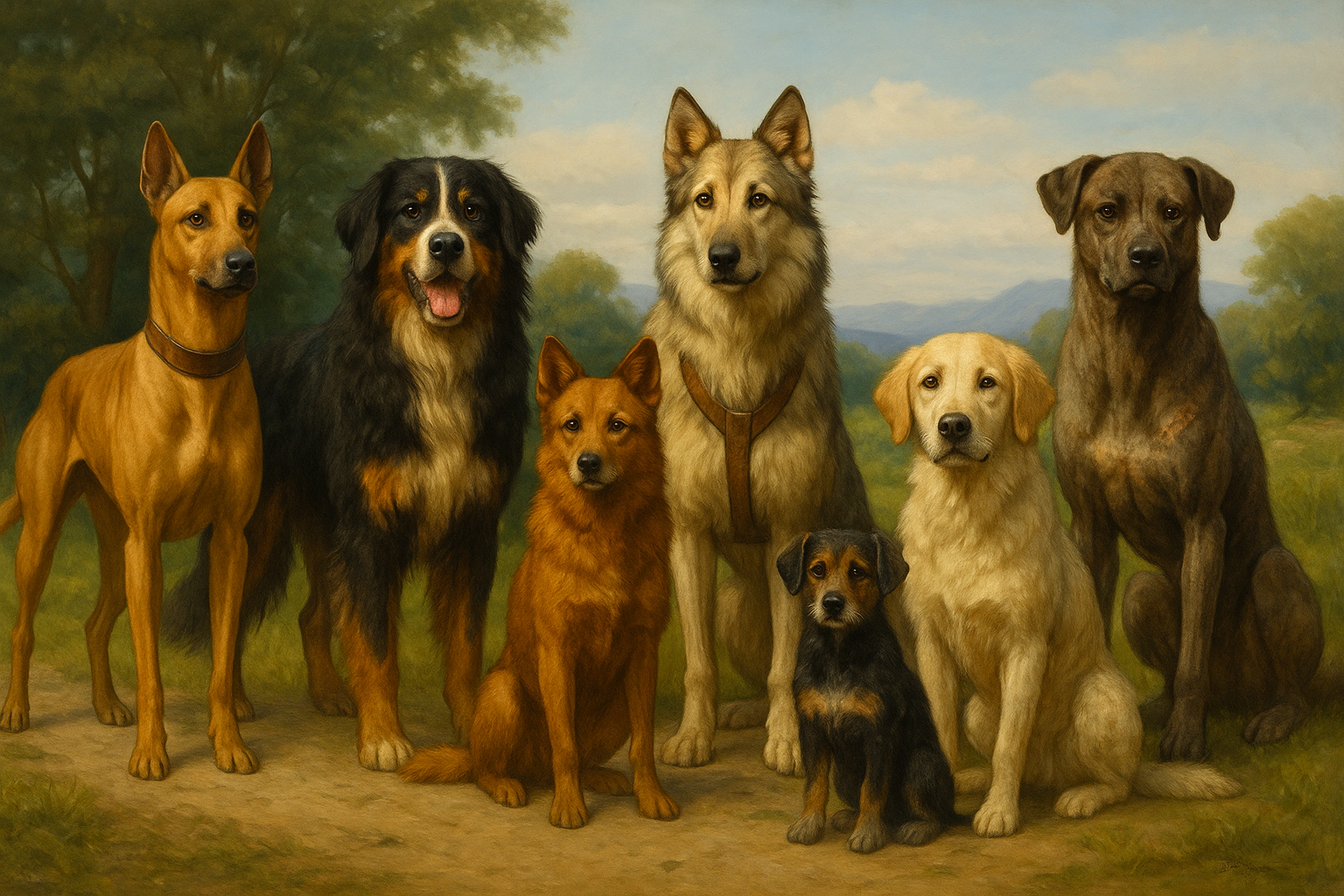
Dogs hold an essential place throughout Tanaria, woven into the daily life, culture, warfare, and mythology of its many kingdoms and tribes. Although all domesticated dogs share ancient ancestry with wild canids native to the continent, centuries of selective breeding and environmental pressures have produced broad regional variations. These breeds range from small village companions to massive war-trained beasts and specialized endurance hounds capable of running for days beside their people. Each lineage reflects the needs, climate, and temperament of the culture that shaped it.
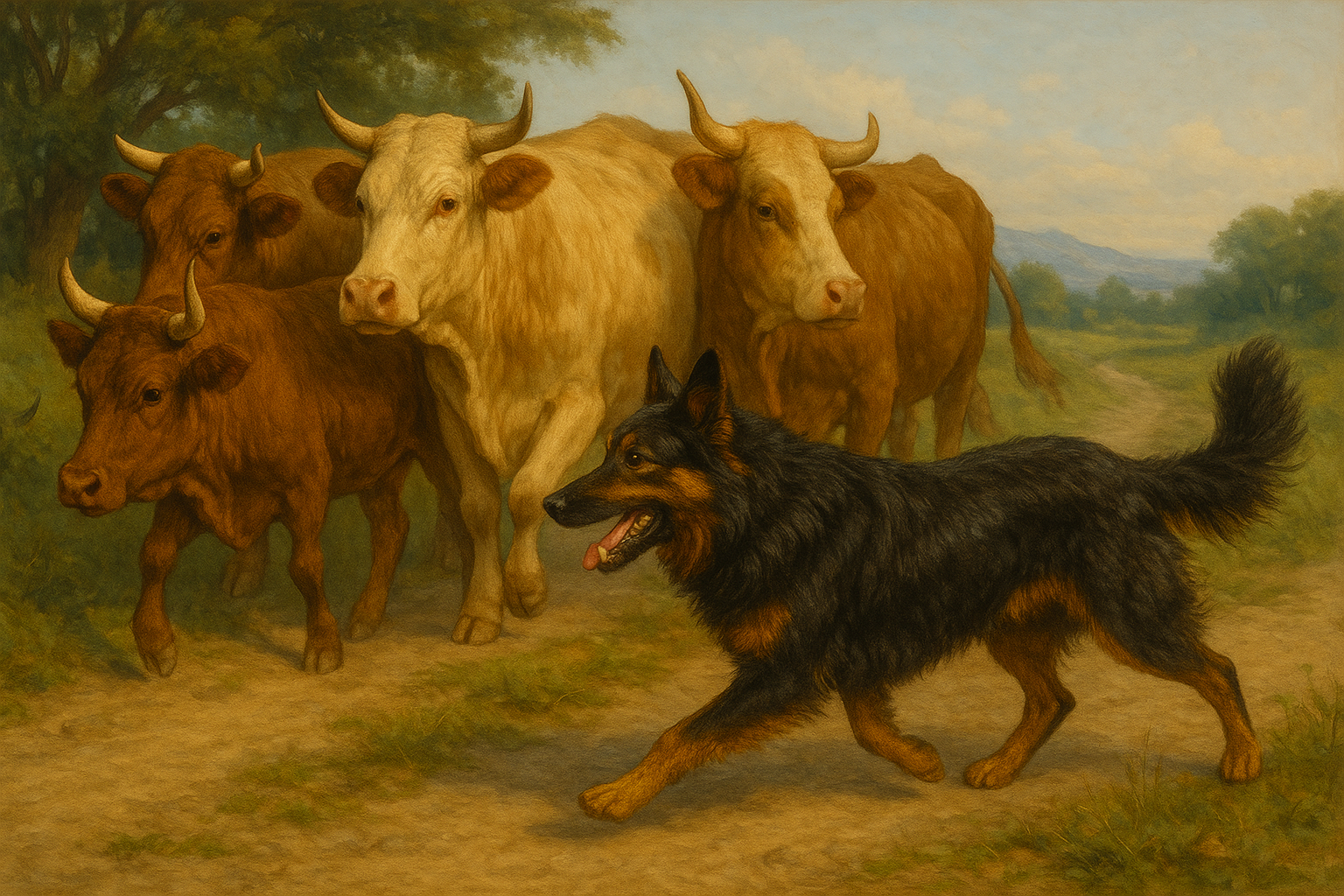
In the fertile heartlands of Kamulos, dogs tend toward medium-sized multipurpose breeds that excel in farm work, herding livestock, and guarding households. Their temperaments are even and social, making them excellent family guardians as well as dependable work animals. Kamulosian folklore is filled with stories of faithful hounds who sensed storms, spirits, or bandits long before their Human companions could.
By contrast, the frigid reaches of Kalros produce thick-coated mountain dogs, bred for strength, cold resistance, and loyalty to tight-knit clans. These dogs often serve as sled beasts, pack carriers, and early-warning sentinels capable of detecting ice wolves or frost wraiths long before danger reaches camp. Their bodies are sturdy and resilient, their coats thick enough to withstand unforgiving winters, and their instincts deeply tied to family and territory.
The deserts and vast trade routes give rise to some of the most specialized breeds in Tanaria. Among nomadic peoples, the renowned Caravan Hounds stand apart for their unmatched endurance and intelligence. Trained to run alongside migrating caravans for days, these lean, disciplined hounds serve as scouts, guardians, and navigators. Mountain-lined variants with long coats thrive along cold passes, while desert-lined hounds maintain short, reflective coats suited for heat and harsh sun. Their entire identity is tied to movement; the caravan is their pack, their instinct, and their purpose.
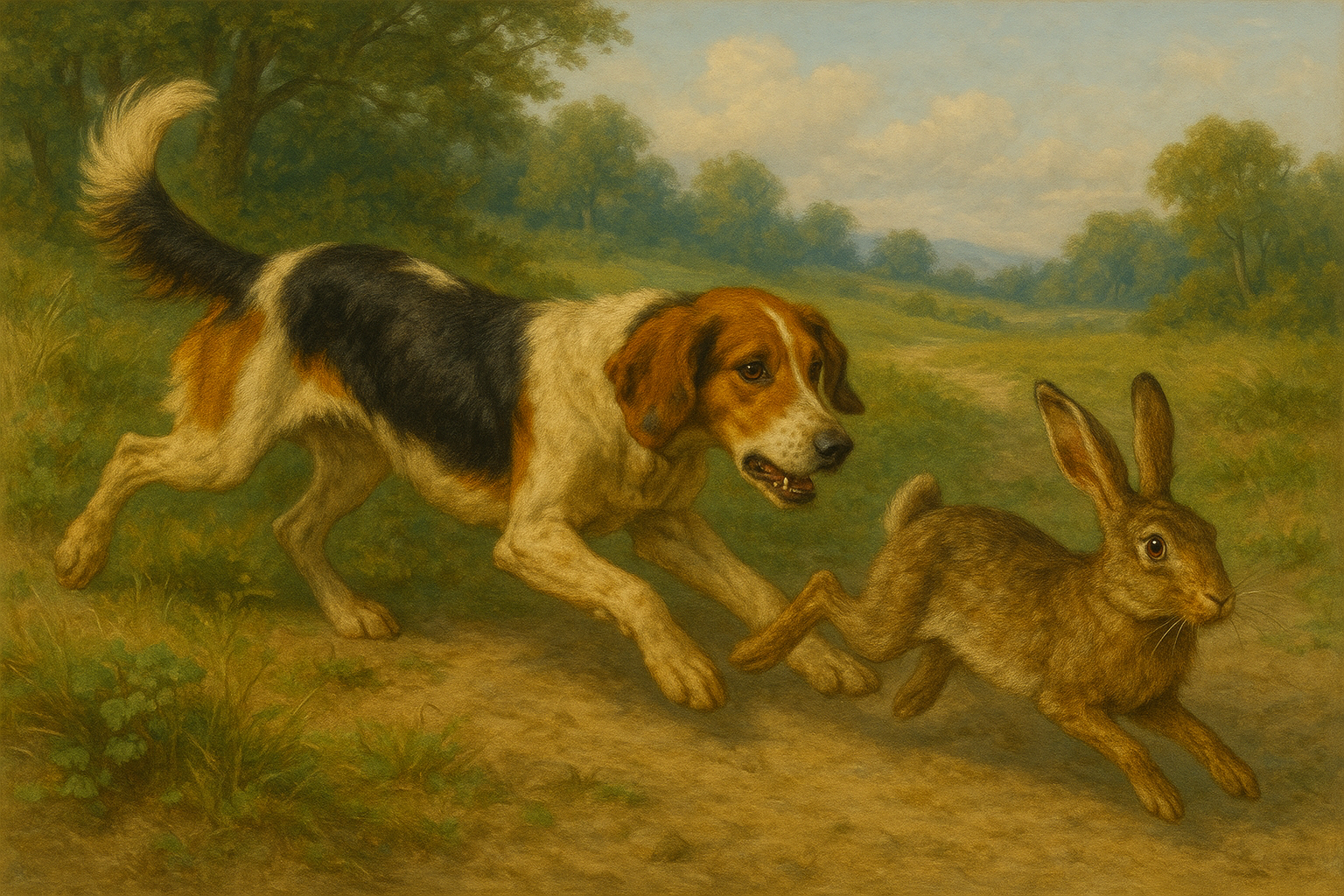 The dense jungles and humid reaches of Necai nurture an entirely different class of canine: small, agile, sharp-eyed dogs adept at weaving through thick foliage. These jungle companions track prey, alert hunters to serpents or predators hidden in the canopy, and communicate through rapid clicks and short barks. Some Necain breeds are rumored to have faint magical sensitivity, reacting visibly to leyline surges or Fae disturbances that ripple through the understory.
On the storm-lashed coasts and island environments, dogs take on aquatic or amphibious traits. Fishing villages in Eouma breed strong swimmers with waterproof coats and webbed paws, assisting in retrieving nets, pulling floating cargo, or rescuing sailors swept into rough waters. These dogs demonstrate remarkable courage and calmness in churning seas, often seen as omens of good fortune when swimming ahead of returning boats.
Even the wilder territories of Zalhara hold unique canid populations, some semi-domesticated and others bonded more loosely to tribes or wilderness guides. These dogs may exhibit heightened senses or unusual resilience, shaped by the continent’s dangerous flora, predatory beasts, and magical anomalies. Their domestication is less strict, and many Zalharan dogs straddle the line between companion and autonomous sentinel.
Despite their differences, all dogs of Tanaria share a single unifying trait: their deep-rooted bond with sentient beings. Whether guarding caravans, herding livestock, hunting game, patrolling fortresses, or sleeping at a child’s feet, Tanarian dogs embody adaptability, loyalty, and partnership. Breeds evolve alongside the civilizations they serve, reflecting the triumphs, hardships, and histories of the people who walk beside them. In every kingdom and climate, dogs remain steadfast companions—shaped by the world, yet shaping it in return.
The dense jungles and humid reaches of Necai nurture an entirely different class of canine: small, agile, sharp-eyed dogs adept at weaving through thick foliage. These jungle companions track prey, alert hunters to serpents or predators hidden in the canopy, and communicate through rapid clicks and short barks. Some Necain breeds are rumored to have faint magical sensitivity, reacting visibly to leyline surges or Fae disturbances that ripple through the understory.
On the storm-lashed coasts and island environments, dogs take on aquatic or amphibious traits. Fishing villages in Eouma breed strong swimmers with waterproof coats and webbed paws, assisting in retrieving nets, pulling floating cargo, or rescuing sailors swept into rough waters. These dogs demonstrate remarkable courage and calmness in churning seas, often seen as omens of good fortune when swimming ahead of returning boats.
Even the wilder territories of Zalhara hold unique canid populations, some semi-domesticated and others bonded more loosely to tribes or wilderness guides. These dogs may exhibit heightened senses or unusual resilience, shaped by the continent’s dangerous flora, predatory beasts, and magical anomalies. Their domestication is less strict, and many Zalharan dogs straddle the line between companion and autonomous sentinel.
Despite their differences, all dogs of Tanaria share a single unifying trait: their deep-rooted bond with sentient beings. Whether guarding caravans, herding livestock, hunting game, patrolling fortresses, or sleeping at a child’s feet, Tanarian dogs embody adaptability, loyalty, and partnership. Breeds evolve alongside the civilizations they serve, reflecting the triumphs, hardships, and histories of the people who walk beside them. In every kingdom and climate, dogs remain steadfast companions—shaped by the world, yet shaping it in return.
Steel can fail. Even men can falter. But a good war dog?
They don’t break. They don’t waver. They stand their ground so you have time to stand yours.
Basic Information
Biological Traits
Dogs of Tanaria exhibit remarkable biological diversity, shaped by the continent’s varied climates and the long partnership between canines and mortal societies. As a species, Canis tanariensis is defined by its adaptability. Tanarian dogs retain the foundational traits of their wild ancestors, keen senses, swift reflexes, and social intelligence, but centuries of selective breeding have refined these attributes differently across cultures and regions.
Size and build vary widely among Tanarian dogs, with desert, plains, jungle, coastal, and alpine environments producing distinct regional morphologies. Desert-line breeds tend to be lean and long-limbed, with narrow frames and short coats that dissipate heat efficiently, while mountain breeds develop thick double coats, dense musculature, and broad chests to endure frost, altitude, and snow. Jungle dogs are compact and agile, optimized for maneuvering through dense vegetation, and water dogs have tightly sealed coats and webbed toes to handle fast currents and coastal work. Kamulos herders represent the balanced center of the species—medium-sized, athletic, and sturdy enough to endure long days of labor.
Across all breeds, Tanarian dogs display heightened sensory acuity. Many lineages have been bred specifically for scent tracking, storm detection, or predator awareness. Their hearing is acute, especially in mountain and jungle breeds that must detect threats through wind or dense foliage, while desert breeds rely heavily on long-range vision. Even the most domesticated varieties retain the ability to read microexpressions, body language, and changes in Human tone with uncanny precision, strengthening their bond with the people around them.
Lifespan is influenced by environment and role. Working dogs generally live between twelve and sixteen years, with Caravan Hounds, mountain dogs, and herders often reaching the upper end of that range due to selective breeding for endurance and heart health. Lineages raised in harsh climates, such as Thanarian trail dogs or Kalrosi frost guardians, mature slightly slower and live longer, sometimes surpassing eighteen years. Dogs raised exclusively in settlements or city environments tend to show less seasonal resilience but benefit from stable food and medical care.
Sexual dimorphism is subtle across the species. Males are typically more muscular and slightly taller, while females often exhibit greater stamina and heat tolerance. Litter sizes vary widely but average between three and six pups, with nomadic or tribal cultures tending toward smaller litters due to selective pressure for endurance and health. Many Tanarian dogs reach maturity around two years of age, with larger breeds developing more slowly but gaining strong bone density and tendon resilience as they age.
Despite this diversity, all Tanarian dogs share a core set of traits: a cooperative social structure, a deep loyalty to their chosen group, and a biological predisposition toward partnership. They are creatures shaped not only by environment and breeding but by the cultures they walk beside. Whether built for snow, desert wind, sea spray, forest shadow, or open plains, the dogs of Tanaria reflect the land that raised them—and the people who have trusted them for generations.
Behaviour
Dogs in Tanaria share a core temperament shaped by millennia of partnership with mortals, yet each regional lineage has developed its own psychological traits suited to the roles and environments in which they live. Across all breeds, Tanarian dogs are defined by their intelligence, emotional attunement, and remarkable adaptability. They form social bonds easily, not only with individual handlers but with entire households, clans, caravans, or communities, reflecting their deeply ingrained pack-oriented instincts.
Tanarian dogs display an exceptional awareness of their surroundings. Whether herding, scouting, guarding, or hunting, most breeds remain alert without being anxious, assessing changes in weather, scent, and mood with uncanny precision. This situational intelligence is often interpreted as a spiritual sensitivity by rural cultures, who believe dogs can sense disturbances in the natural flow of magic or foresee danger before it manifests.
 Their behavioural patterns are strongly influenced by purpose. Herding breeds demonstrate problem-solving skills and a strong desire for structure, responding readily to commands and anticipating their handler’s needs. Hunting hounds, by contrast, show heightened focus and persistence, capable of tracking a trail long after other animals would lose interest. Mountain dogs display stoic patience and quietly protective dispositions, often placing themselves between family members and perceived threats without needing direction. Water dogs are playful and bold, thriving in cooperative tasks that require trust and physical coordination.
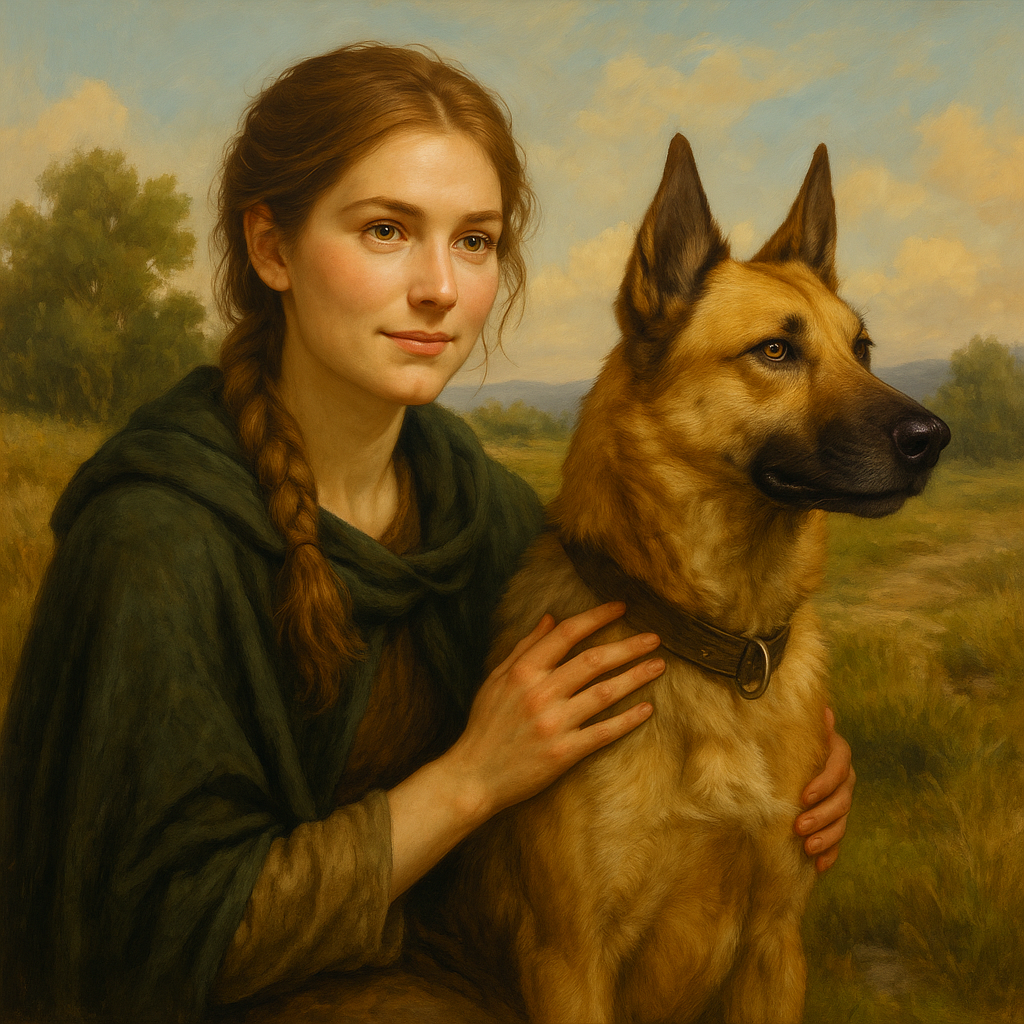
Despite these differences, all Tanarian dogs share an emotionally expressive nature. They respond strongly to human tone, posture, and even stress levels, often mirroring the mood of their community. Many are capable of forming “multi-handler bonds,” recognizing a hierarchy or familial structure and adjusting their behavior accordingly. This makes them invaluable not only as working animals but as companions who reinforce the social cohesion of their people.
Aggression among Tanarian dogs is generally purpose-driven rather than habitual. Work-focused breeds act with precision and restraint, directing their energy toward threats only when necessary. Wild-born or semi-domesticated types, particularly those of Zalhara, may exhibit greater independence or wariness, but even these dogs tend to integrate quickly when treated with respect and consistency. Their intelligence makes them highly trainable, though many breeds show a stubborn streak if deprived of purpose or mental stimulation.
Above all, dogs in Tanaria thrive on partnership. Their psychology is built around shared work, shared travel, or shared space. Whether running alongside caravans, patrolling frostbound passes, herding cattle, or waiting patiently beneath a fisher’s nets, they define themselves by service, loyalty, and presence. In return, they gain a sense of identity, belonging, and fulfillment that makes the Dogs of Tanaria some of the most trusted and beloved animals across the continent.
Their behavioural patterns are strongly influenced by purpose. Herding breeds demonstrate problem-solving skills and a strong desire for structure, responding readily to commands and anticipating their handler’s needs. Hunting hounds, by contrast, show heightened focus and persistence, capable of tracking a trail long after other animals would lose interest. Mountain dogs display stoic patience and quietly protective dispositions, often placing themselves between family members and perceived threats without needing direction. Water dogs are playful and bold, thriving in cooperative tasks that require trust and physical coordination.
Despite these differences, all Tanarian dogs share an emotionally expressive nature. They respond strongly to human tone, posture, and even stress levels, often mirroring the mood of their community. Many are capable of forming “multi-handler bonds,” recognizing a hierarchy or familial structure and adjusting their behavior accordingly. This makes them invaluable not only as working animals but as companions who reinforce the social cohesion of their people.
Aggression among Tanarian dogs is generally purpose-driven rather than habitual. Work-focused breeds act with precision and restraint, directing their energy toward threats only when necessary. Wild-born or semi-domesticated types, particularly those of Zalhara, may exhibit greater independence or wariness, but even these dogs tend to integrate quickly when treated with respect and consistency. Their intelligence makes them highly trainable, though many breeds show a stubborn streak if deprived of purpose or mental stimulation.
Above all, dogs in Tanaria thrive on partnership. Their psychology is built around shared work, shared travel, or shared space. Whether running alongside caravans, patrolling frostbound passes, herding cattle, or waiting patiently beneath a fisher’s nets, they define themselves by service, loyalty, and presence. In return, they gain a sense of identity, belonging, and fulfillment that makes the Dogs of Tanaria some of the most trusted and beloved animals across the continent.
Additional Information
Domestication
The domestication of dogs in Tanaria predates the written word and is woven so deeply into the continent’s early migrations that scholars struggle to distinguish where wild lineage ended and companionship began. Unlike many species shaped through deliberate husbandry, Tanarian dogs emerged from a slow and reciprocal partnership with early clans, caravans, and tribes. The first bond was built not through capture or control, but through proximity: wild canids shadowing campsites for food scraps, warmth, and protection, and mortals soon realizing that watchful eyes in the dark could mean the difference between survival and extinction.
Over centuries, communities began selectively nurturing pups that showed the traits most vital to their way of life. Endurance, sharp senses, stable temperament, and loyalty became the guiding ideals rather than aesthetic purity. Each region shaped its dogs according to its needs: mountain clans fostered the strongest and calmest pups to guard livestock against frost-wraiths and cliffside predators; desert nomads favored the leanest, swiftest runners capable of keeping pace across endless dunes; and farmers of Kamulos cultivated versatile herders with level temperaments to work sunlit fields. In jungles, small agile dogs evolved through selection for quick reflexes and serpentine awareness, while coastal cultures bred powerful swimmers to retrieve nets and rescue sailors in treacherous surf.
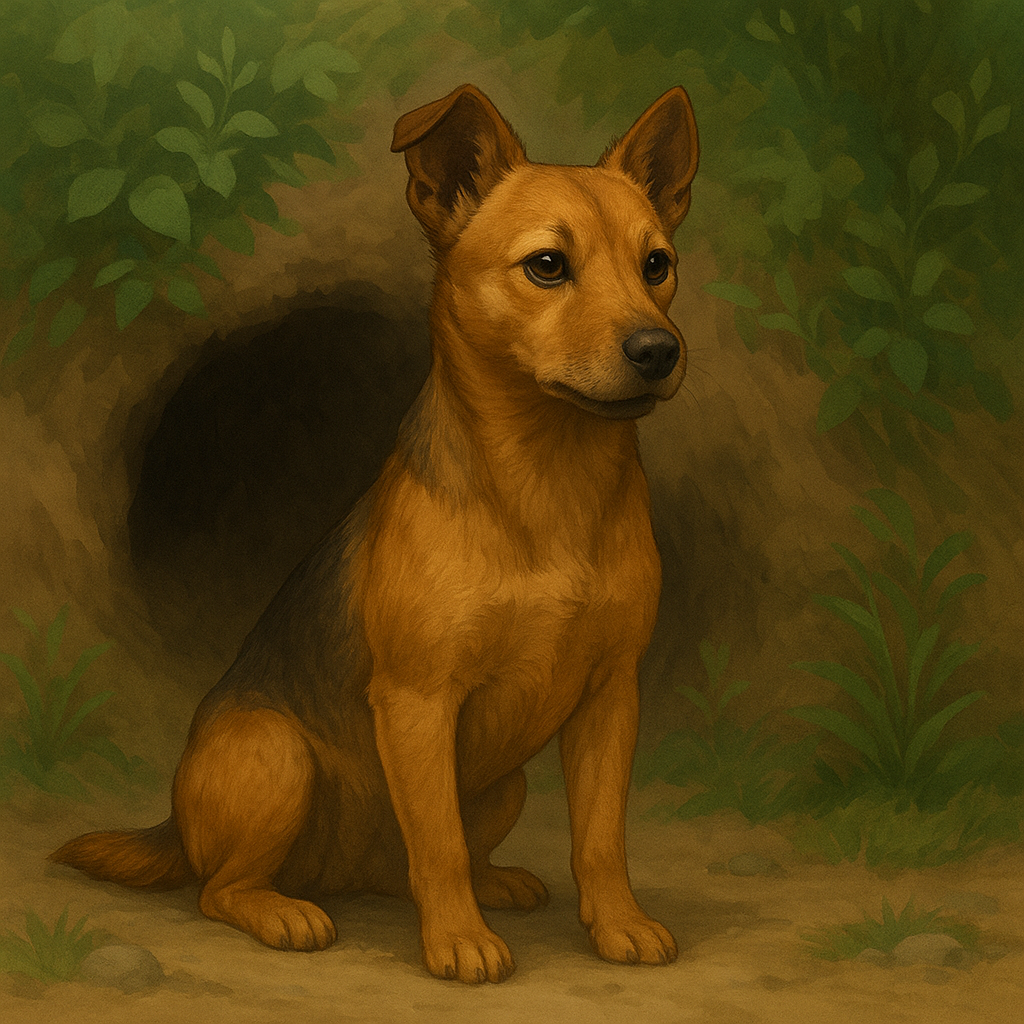
Unlike species bred for rigid obedience or ornamental display, Tanarian dogs remain remarkably independent-minded. Their domestication is rooted in partnership, not hierarchy. Most breeds view their human companions as packmates rather than masters, responding best to shared work, mutual trust, and clear communal roles. Even tiny burrow dogs exhibit a fierce sense of purpose, thriving when allowed to work alongside their people rather than beneath them.
Domestication also varies by culture. Nomadic groups raise pups communally, forging bonds with entire caravans rather than single handlers. Kalrosi clans teach their dogs structure and vigilance through ritualized training woven into daily chores, while Necain hunters socialize their dogs to navigate dense foliage and respond to subtle gestures over spoken commands. Dogs in settled cities or ports experience a softer form of domestication—still loyal and attentive, but less shaped by survival-driven tasks.
Attempts to remove Tanarian dogs from their native cultures often fail. Many breeds, particularly caravan hounds and mountain guardians, struggle emotionally when denied purpose, travel, or the pack-structure they were bred to understand. Their domestication is not simply biological—it is cultural, generational, and deeply intertwined with the identities of the people who shaped them.
Today, dogs remain indispensable across Tanaria: herders, scouts, hunters, guardians, companions, rescuers, and sometimes warriors. Their domestication is not a finished process but an ever-evolving dialogue between species. As long as mortals carve out lives in the plains, forests, mountains, deserts, and coasts, the dogs of Tanaria will walk beside them—shaped by the land, and shaping it in turn.
Geographic Origin and Distribution
Genetic Descendants
Scientific Name
Canis tanariensis
Lifespan
Dogs across Tanaria enjoy a generally long and healthy lifespan compared to many real-world working breeds. Most Tanarian dogs live between twelve and sixteen years
Conservation Status
Domestic dogs in Tanaria are classified as Secure, with a widespread and stable population across most inhabited regions of the continent. As a species, Canis tanariensis thrives due to its close relationship with mortal societies and its extraordinary ability to adapt to different climates, terrains, and cultural needs.
Average Height
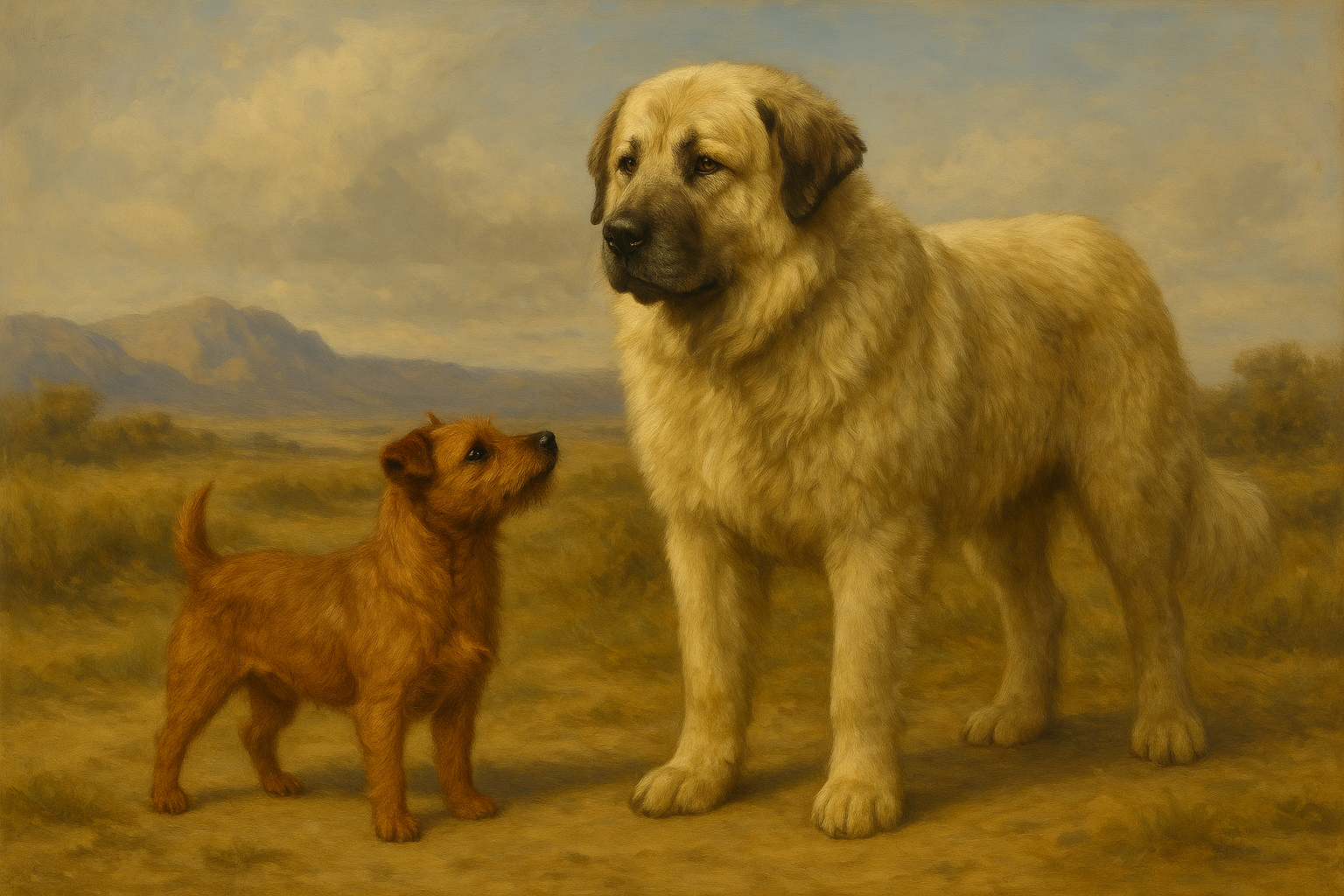
Because Tanaria’s canine species spans an enormous range of regional and functional breeds, average height is best understood in broad clusters. Medium-sized dogs—herders, village companions, jungle runners—form the largest population with heights between 18–24 inches at the shoulder. Desert-line endurance hounds run taller, averaging 26–30 inches, while Kalrosi mountain dogs and other livestock guardians stand even larger at 30–34 inches, some reaching impressive shoulder heights that border on the size of small ponies like the Frosthounds of Kalros. Conversely, specialized breeds such as Necain ratters and Dunmaran burrow dogs stand between 10–14 inches, bred for agility, small quarry work, and maneuverability in tight spaces. Despite this range, all Tanarian dogs share the same basic skeletal structure, differing mainly in scale and proportion.
Average Weight
Weight among the Dogs of Tanaria varies significantly by breed, climate, and lineage. Medium working breeds typically weigh 40–65 pounds, maintaining athletic frames suitable for herding, tracking, and daily labor. Endurance breeds such as caravan hounds fall within 55–80 pounds, their lean musculature designed for long-distance travel rather than bulk. Mountain guardians represent the upper extreme, with weights commonly ranging from 100–150 pounds, built for strength, cold resistance, and predator deterrence. On the opposite end of the spectrum, tiny ratting breeds weigh 8–15 pounds, with compact bodies designed for speed and tight spaces. Regardless of size, Tanarian dogs maintain functional builds—sleek or sturdy depending on purpose—shaped by generations of practical breeding rather than ornamental selection.
Body Tint, Colouring and Marking
The dogs of Tanaria display a wide spectrum of colours and markings shaped by regional adaptation, selective breeding, and the cultural needs of the people they serve. Each lineage carries its own palette, yet all share the practical, earth-toned aesthetics of a species bred for work rather than ornament.
Across most settled regions, dogs tend toward browns, creams, russets, blacks, and muted greys, colours that blend naturally with farmland, grassland, and forest environments. Kamulosian herding dogs often carry rich, warm tans or sable patterns, allowing them to stand out just enough against golden fields for shepherds to track them. Their coats range from short to medium length, with occasional white chest patches or toe markings passed through old lineage traditions.
In harsher climates, colouring becomes more specialized. Kalrosi mountain dogs possess thick double coats with frosted greys, charcoal, or pale ice-white underlayers. Their markings often include darker facial masks, dorsal saddles, or subtle marbling across the shoulders, camouflage that helps them remain unseen by predators stalking cliff paths or tundra shadows. Some clans intentionally breed for stronger mantle markings, believing such patterns honor ancient guardian spirits.
Desert-line breeds, especially the caravan hounds of the southern trade routes, lean toward narrow colour ranges designed for heat and visibility over long distances. Sand, fawn, dun, and pale rust dominate, with rare brindled ripples resembling wind-cut dunes. These coats are sleek and close to the body, reflecting sunlight rather than trapping heat. Dark muzzles and ear tips are common adaptations that protect sensitive skin from sun exposure.
Jungle and coastal dogs exhibit the continent’s most varied patterning. Necain forest hounds often show agouti banding, broken striping, or mottled spotting, patterns that dissolve their bodies into understory shadow. Their coats absorb humidity well and dry quickly despite the thickness needed to deter insects. Eouman water dogs, meanwhile, favor darker coats, black, seal brown, and deep grey, helping them disappear beneath turbulent surf. Their fur is naturally oil-rich, creating a smooth sheen in damp light.
Tharnarian semi-domestic dogs carry the wildest diversity. Their colouring mirrors predators and magical fauna in the region: smoky blacks, ember-tinged reds, shadow-striped greys, and stone-dusted browns. Many exhibit scar-like striping or patchwork markings, remnants of ancient interbreeding with local wild canids. These dogs rarely display symmetrical patterns; instead, they carry the rugged unpredictability of their homeland.
Across all lineages, markings remain practical, not ornamental. Tanarian cultures rarely breed for novelty; a dog’s coloration is chosen for function, camouflage, visibility, climate resilience, or cultural symbolism. Whether a tiny dun-coloured burrow dog or a towering frost-white mountain guardian, the coat of a Tanarian dog is a record of its land, its work, and the people who shaped it.
When the blizzard closed in, I thought we’d die in the dark. Then old Hrakka pressed her shoulder to mine and growled low and steady.
A dog’s courage can be warmer than any fire.


Whose a good article? YOU'RE a good article!
Lmao I agree!
"Every story is a thread, and together we weave worlds."
The Origin of Tanaria