


Wiretail
Wiretails are large dragons native to the Scorched Lands of Nalmaria. Measuring in at almost fifteen metres, they dwarf most other animals in the region. Despite this, they choose to hide during the day, in caves where the gargantuan hostilins cannot reach them.
The dark of night is the only time a wiretail is safe on the surface of the planet. Colonies of wiretails emerge from their caves, setting alight to the Scorched Lands with their copper-infused breath. By morning, a green fire continues to rage across the area, wiretails long gone by then.
Taxonomy
Like all classic dragons, wiretails are in the class Saurigna. They are in the family Elignatidae, alongside wirewings and threadtails.
Anatomy
These dragons are wyverns, possessing just two legs. Their wings serve as their arms, using large claws to climb up cave walls. Wiretails are incredible flyers, reaching top speeds around sixty miles per hour.
Beautiful creatures, truly. We've been observing them for what, ten days now? Their colonies are so intricate. They're better at forming social hierarchies than us.
Outstretched, wiretails have a wingspan of about ten metres. When they cling to cave walls, the wings wrap around their body, preserving heat. Wiretail dragonskin is uniquely good at conserving thermal energy, helping them from freezing to death deep inside caves.
As the name suggests, the tail of these dragons is the most impressive thing about them. One long, thin tail splits anywhere from six nine ways, about a foot from the backbone. Each wire is packed with rows of spines. It is common for these spines to tangle, and in rare cases, a tail loses circulation and drops off.
Wiretails range in colour, from dark reds and purples to soft creams and whites. Most have darker spots around the eyes and face.
Diet
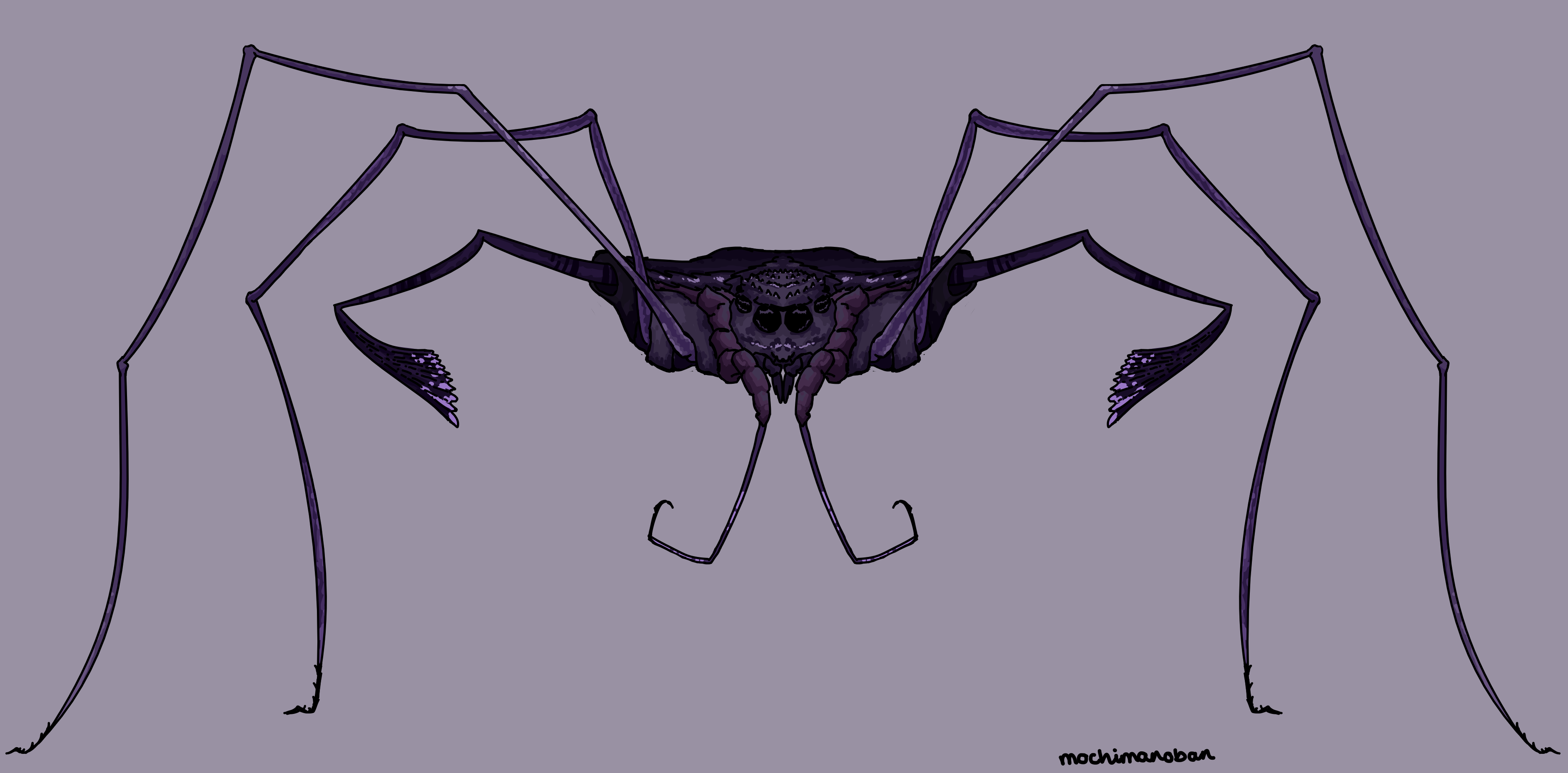
Wiretails prefer to hunt insects, as they are much easier to overpower than other animals. Small spiders such as house spiders, the size of a typical house, are preferred. Wiretails target the legs, ripping them off, completely immobilising the prey.
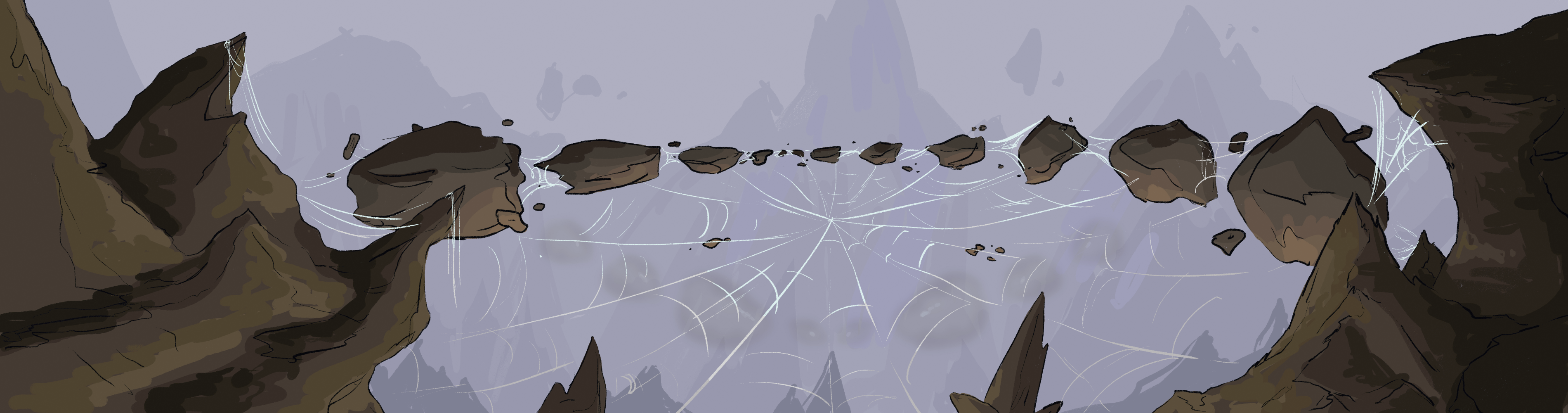
If no spiders are around, they will go for other invertebrates. Entire colonies of wiretails, in the hundreds, have been observed hunting blanket spiders, docile creatures around nine miles in diameter.
Reproduction & Growth
Wiretails nest in large colonies. Deep in the caves they spin a mix of silk and mucus, secreted from glands around the spinal cord. They weave this sticky material around their tails, quickly hardening and forming a secure nest. They will then lay their eggs straight into the nest, before completely sealing it off, leaving just a small hole for ventilation.
The female, with the nest attached to her tail, will mostly rest, while her partner hunts for food at night. The eggs take around four weeks to hatch, babies forced to break out of the nest in order to survive. Hatchlings hide in the cavernous chambers with their mother for an entire orbital year, while the father continues to hunt for food. The father often finds several females to mate with during this period.
After an orbital year, juveniles will now follow the mother out of the caves, as both parents teach them to hunt, targeting small spiders, insects, and other creatures.
Habitat
A nocturnal species, wiretails spend their days in caves, emerging at night. They hide from hostilins, Nalmaria’s dominant species, exclusively diurnal.
At night, entire colonies of wiretails will leave the caves and fly around the skies. They sporadically set the ground alight with a bright green fire. Scientists still haven’t figured out the purpose of this, but some believe it is due to the flame sac swelling if it isn’t regularly used - this is an issue for closely related species, so naturally is presumed to be an issue with wiretails, as well.





Ah yes, the common house spider, around the size of a typical house. Help. Wondering why the wiretails wouldn't just let out some flame to warm themselves up, especially if flame sac swelling is a problem---perhaps to conserve it for a nightly hunt. Must be a terrible experience for the blanket spiders, suddenly getting set on fire by thousands of sand grains Typo: "Wiretails are incredibly flyers..."
hehehe, I didn't think about that! I think they'd definitely like to conserve their fire for hunting... so the clock is always ticking! fixed the type, thank you!