
The Beast-Kin:
in Races:"C'mon you big hairy gobshite! C'MON!"
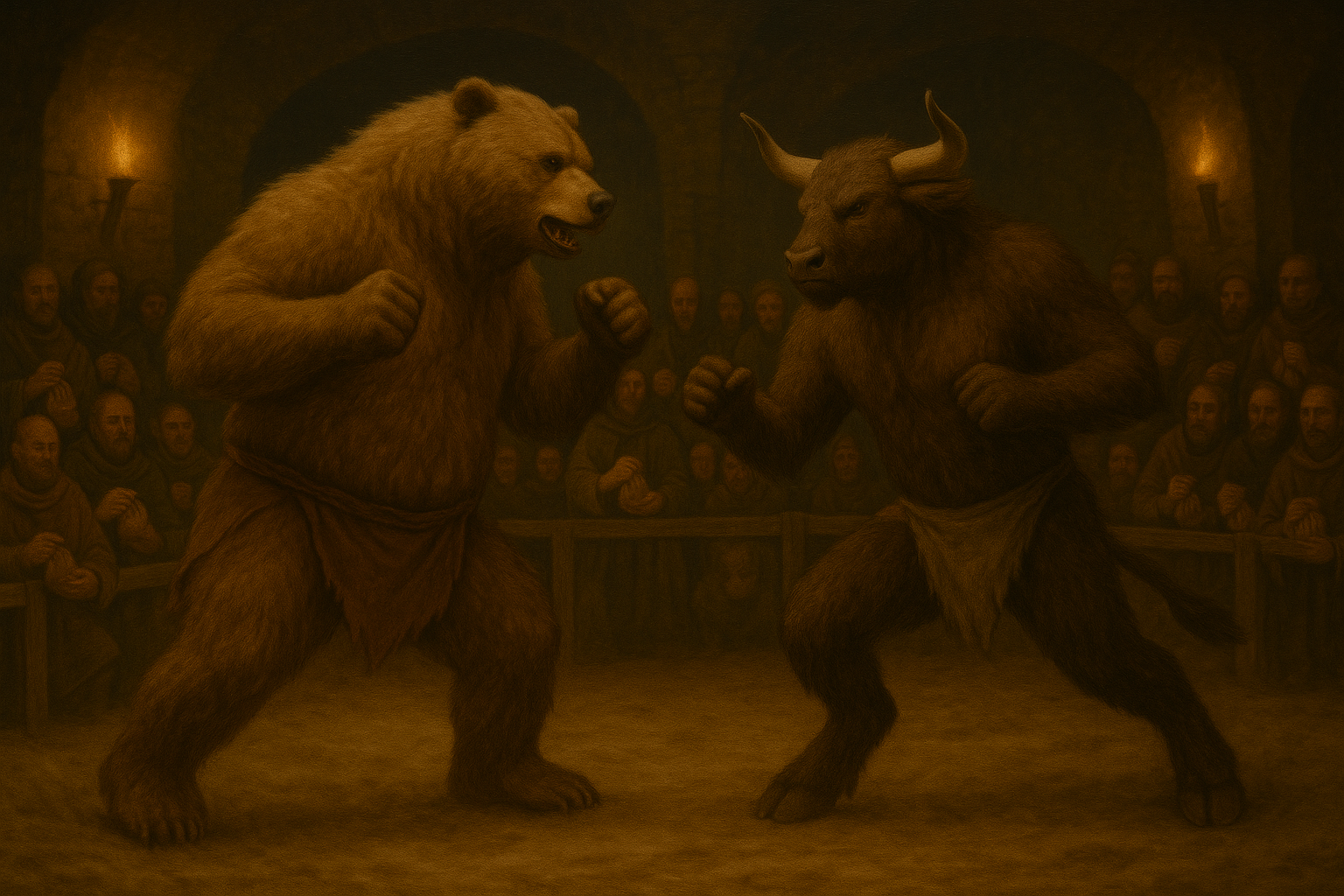
The beast-folk are Everwealth’s marvel and its mirror, bodies written in claw and horn, sinew, hide, and membranous wing, every line a lesson nature refused to forget. They are not one people but a tumult, the bull-broad Minotaur, the whip-quick Mustelish, the rock-silent Lizard-Kin that skim rapids and climb sheer stone, and a dozen other kindreds whose very shapes refuse disguise. Where Humans and Elfese can pass unmarked through a crowd, beast-folk announce themselves before the first word leaves their mouths. Coin notices. Chains notice faster. From the first ledgers to the newest scars, they have been bought as spectacle and broken for labor. Minotauri yoked to plows by day and to arenas by torchlight. Canid camps put to flame so a duke might own their hunters’ skill without their songs. Serpentine damned as poisoners, so that every cruel plantation elsewhere might feel righteous. Tuskites taken for tusk alone, bodies discarded like emptied shells. Ursi spared the shackles only because iron cannot afford them, then maligned as hired fangs all the same. Whogi skinned for a sweat alchemists call “rare” and widows call by other names. The ledger runs long, blood sold, kin stolen, whole generations written in ink the color of mud and old meat. Chains break. Backs do not. And when the ground finally tilts, it is often a beast-folk shoulder that sets it right. And yet the same traits that marked them for market make them indispensable. Who climbs a fortress wall without sound but the Mustelish? Who brews a venom gentle enough to halt a plague and cruel enough to end a tyrant but a Serpentine? Who crosses three days of red wind without a waterskin but a Tuskite? Who hauls stone through a winter that kills men in their sleep but the Ursi? Thus the joke of it, the kingdom calls them monsters, then begs their miracles. The insults endure, “Cattle,” “Furbacks,” “Lashmasters,” “Croakers”, tossed like pebbles in taverns where the thrower sleeps beneath a roof a beast-folk built. Crowds cheer their caravans when a war horn sounds, then sneer when peace returns and wages are due. Their strength is feared, their usefulness coveted, their difference distrusted. Condemned as savage at breakfast, praised as savior by dusk, ogled in the square and pitied afterward when the spectacle turns sick. Under the jeers and the laws, the beast-folk keep truer ledgers. Their bodies are not curses but crowns: horns that carry bloodlines, fur that laughs at frost, tusks that split steel, tongues that pluck secrets no riddle can hide. In their marrow sits Everwealth’s ugliest paradox, that what the kingdom most mistrusts is what keeps it standing. They remember the markets. They remember the ropes. They also remember that rope frays. So they go on, not merely surviving cruelty, but outlasting it, sharpening themselves against each slight until even the insult has an edge.
World Codex
Timelines
All writing and lore by author Patrick Enger; All art done by Chat-GPT (for now).