
Elfese
"Everwealth's former masters, a fact they have not forgotten."
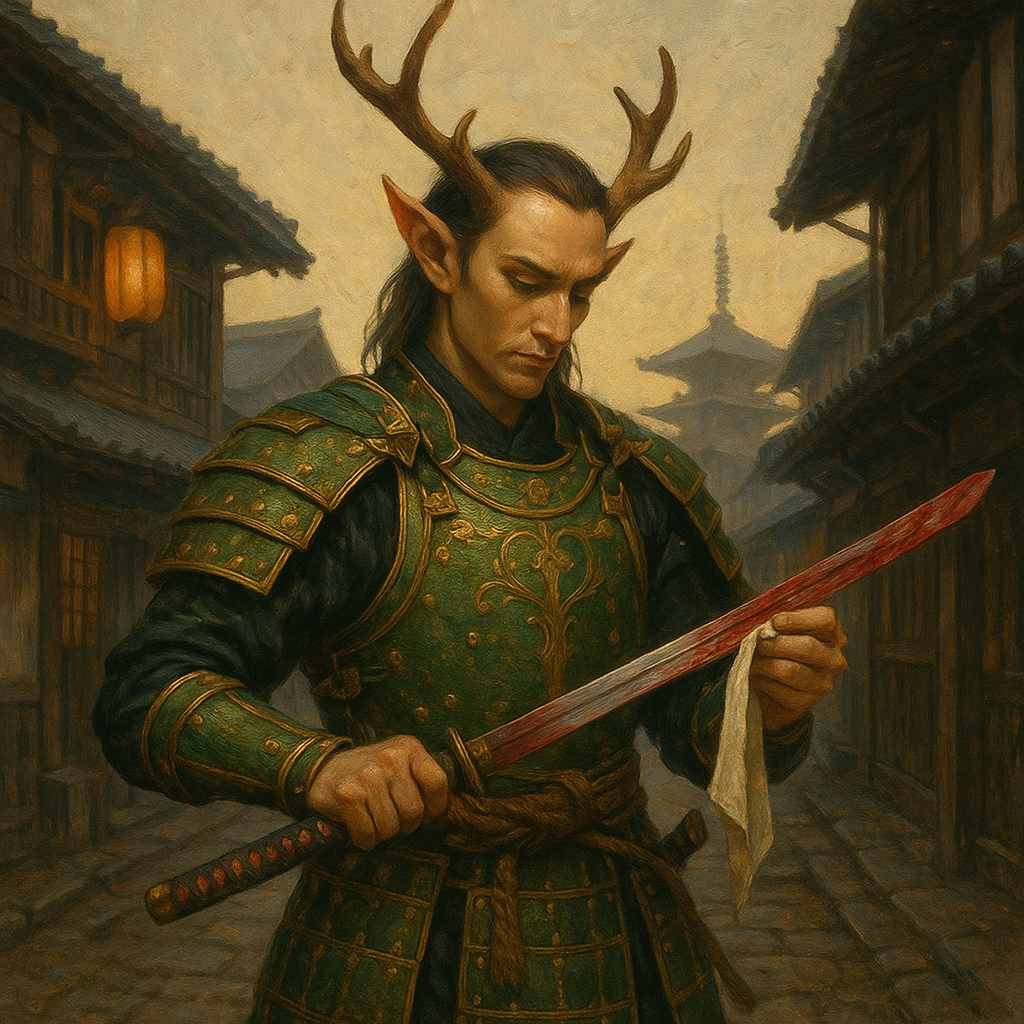
The Elfese are a people carved from loss and gilded with memory. Once they ruled the continent as Chikara, a flawless empire of marble towers and moonlit discipline that endured ten-thousand years. Its gardens were sculpted by hand, its wars fought with poetry and precision, its laws written like scripture on silk. For a time, it seemed nothing could break them, not rebellion, nor famine, nor time itself. Then The Great Schism came like a blade in the dark, the world they had polished to mirror-perfection shattered into a thousand distant, unrecognizable pieces; The land of Everwealth. What survived crawled into the jungles of old Halash, now Kibonoji, carrying not just relics but a hatred so refined it gleamed. The Schism did not humble the Elfs; it distilled them. They emerged thinner, colder, every smile sharpened into ceremony, every breath measured by ritual. Where once they ruled as gods, they now live as exiles, and every custom, every gesture, is a prayer that one day their chains will rust. Their way of life, still bound by the iron petals of their Way of the Flower, is both religion and cage. It demands grace even in agony, beauty in servitude, composure in defeat. Their warrior creed, the Way of the Falling Petal, teaches that death is not to be feared, only delayed until it can be performed properly. For the Elfese, the line between art and violence no longer exists; Both are forms of obedience to a world that no longer exists. They hold themselves as nearer to perfection than any other race, an old truth curdled into arrogance and despair. In Everwealth today, they labor as scribes, field-hands, or servants, their centuries of experience sold by the hour. Yet even beneath rags, they move like ghosts of kings. To speak with an Elf is to hear a dirge sung through clenched teeth. To meet their eyes is to glimpse an empire still burning behind them. They remember every insult carved upon their fall, and they have learned to smile while they sharpen the blade that will repay it.
Naming Traditions
Feminine names
- Aoi.
- Fumiko.
- Hana.
Masculine names
- Akihiko.
- Daiki.
- Kaito.
Unisex names
- Itsuki.
- Jun.
- Midori.
Family names
- Sato
- Suzuki.
- Tanaka.
Other names
Culture
Major language groups and dialects
Culture and cultural heritage
Shared customary codes and values
- The Way of the Flower, which governs social conduct, artistry, ancestry, and one's role in the larger whole. It is the foundation of daily life, emphasizing harmony, duty, and beauty born from order.
- Katsuragari-no-Michi, or The Way of the Falling Petal, governs the warrior class specifically. It teaches that to wield a blade is not merely to fight but to do so with elegance and necessity. A warrior does not seek death, but accepts it as part of their form. Honor, when breached, is restored only through sacrifice that blooms in silence.
Average technological level
Common Etiquette rules
Common Dress code
Art & Architecture
Foods & Cuisine
Common Customs, traditions and rituals
Birth & Baptismal Rites
Coming of Age Rites
- This ceremony varies slightly depending on caste, but always includes three core elements:
- The Bow of Form: The young Elf must demonstrate their dedication to the "Way of the Flower" through a series of rituals meant to show patience, control, and composure. These may involve meditation, floral arrangement, or a full day of ceremonial silence.
- The Skill of Duty: The adolescent must showcase a skill that reflects their intended path in society, be it martial, artistic, spiritual, or academic. A warrior-in-training may perform a kata with ancestral weapons; a noble-born might recite lineage histories or conduct a tea ceremony; a shrineborn might perform a sacred song or prayer.
- The Marking of the Brow: At the conclusion of the rite, the elder of their family or a local Daimyo applies a small, petal-shaped mark to the center of the youth’s brow using powdered pigment derived from Throatbloom flowers, symbolizing beauty born of suffering. This mark fades in the days to follow, but its memory remains a source of pride.
- After the Hanatōmei, the Elf is expected to act in full accordance with their caste's expectations, and is eligible to marry, inherit titles, and perform shrine rites. While the ceremony is elegant and serene, it is also heavy with pressure, for failure or rebellion during the rite often results in social shame or reassignment to a lesser station.
Funerary and Memorial customs
Common Taboos
- Losing Composure in Public: Displaying uncontrolled anger or strong emotion in public is considered disgraceful, as Elfese society prizes grace and self-restraint.
- Disrespecting Elders and Ancestors: Any show of disrespect toward elders or ancestors, such as failing to use proper honorifics or neglecting ancestral rites, is strictly taboo, as reverence for forebears is paramount in Elfese culture.
- Violating Gender Roles: Defying traditional gender expectations in public or sacred contexts is strongly taboo. Each gender has clearly defined roles in ceremonies and society, and crossing those boundaries without cause invites social censure.
- Profaning Sacred Spaces: Any defilement of sacred spaces, entering a temple without purification, raising one’s voice at a shrine, or spilling blood on holy ground, is strictly forbidden. Elfese culture demands the utmost reverence and purity in the presence of the divine.
- Despoiling Nature’s Gifts: Unnecessary harm to the natural world, such as cutting down ancient trees or killing creatures for sport, is deeply taboo. The Elfese believe all life is sacred, and one must never waste or disrespect nature’s gifts.
Common Myths and Legends
- The Moonlit Stag: A ghostly white stag is said to appear on full-moon nights to guide lost travelers and bless those pure of heart. This legend reassures the Elfese that living virtuously and in harmony with nature will bring guidance in times of need.
- The Crimson Oni: Legends tell of a horned, crimson-skinned Oni that once terrorized Elfese villages, preying on those who neglected the old protective rites. It was finally banished by a selfless hero’s sacrifice, and the tale endures as a warning that abandoning tradition and light can invite terrible evils.
- Ariavel the Firstborn: Ariavel the Firstborn was the legendary founder of the Elfese nation, guided by a divine star to lead their ancestors to their forest homeland. Ariavel’s sacred laws and wise example established the Elfese principles of honor, harmony, and reverence for nature that still guide them today.
- Prince Kaelen’s Folly: Prince Kaelen was a proud Elfese noble who broke a sacred oath and dabbled in forbidden sorcery, seeking immortality and power. As punishment, the gods cursed him to transform into a mindless beast. His tragic fate stands as a dire warning against arrogance and defying the natural order.
- The Song of Starfall: Legend says an Elfese bard once played a melody so pure that it calmed a rampaging dragon, saving an entire city without spilling a single drop of blood. This cherished tale highlights the Elfese belief in the transcendent power of art and beauty to resolve conflicts where violence cannot.
Historical figures
Ideals
Beauty Ideals
Gender Ideals
Courtship Ideals
Relationship Ideals
- Antlers of Age: Male Elfs grow antlers with age, considered a mark of wisdom and experience. Elaborately shaped antlers are seen as signs of noble lineage or spiritual insight.
- Way of the Flower: Their philosophical doctrine governs daily life, emphasizing harmony, discipline, and one's role in society as ordained by birth or duty.
- Dual Legacy: Despite being born in Everwealth, many Elfese are treated with suspicion due to ancestral ties with Kibonoji, leading to a fractured identity between loyalty and heritage.
- Shrine Offerings: Some believe that properly honoring one’s ancestors through shrine rituals can grant blessings of luck, fertility, or protection against dishonor.
- Craft of Porcelain: Elfese artisans are credited with the creation of the world’s finest porcelain, so delicate and perfect that it is sometimes rumored to be spun from moonlight and prayer.
- “Bloom with grace, fall with honor.” A proverb reminding one to live beautifully, even if destined for failure. Often said before duels or moments of great sacrifice.
- “Antlers unbent.” Used to describe someone who refuses to submit or compromise, even under pressure, noble, but often foolish.
- “One petal out of place.” A metaphor for minor dishonor or deviation from protocol that may have outsized social consequences.
- “Better to bleed on the mat than stain the name.” A warning that personal suffering is preferable to shaming one's family or clan.
- :The flower bows to the wind, but breaks for no man.” An expression of quiet resilience, subtle flexibility without surrendering one's core.

Comments