
Gods:
in Religion:"Keep Faith, and stand tall, for I am here to guide you." Alleged words of Chiniae, The Epic of Saint Ancelon. Catcher's Rest, Scholar's Guild, 154 CA.
The gods of Gaiatia are not parents of creation, nor artisans who shaped the world at their leisure. They are the living souls of existence itself, manifestations of forces that cannot be untangled from reality. Fire’s rage is Druvain. Fate’s turning is Ny'yala. Mercy’s quiet is Chiniae. Greed’s hunger is Xaethra. These beings are not infinite in scope, but absolute within their nature. They endure so long as these fragments of the world endure, yet they are diminished or exalted according to the strength of their worship and the balance of their domains. Before The Fall their voices were known only in dreams, omens, the shapes of clouds and storms, never direct; Loose direction at-best in silect treaty to preserve the natural balance. Mortals invented countless lesser faiths to fill their absence, some so strong that thought and magick birthed false gods, tulpa-like beings who still haunt folk tales and cults. But the true gods remained ever-aloof, until Xaethra shattered that silence with her infernal armies. For the first and only time, the pantheon spoke clearly to mortals, gifting them tenets and the first powers of faith to combat the invasion. When the war was won, they withdrew once again, leaving only the laws of devotion behind. In Everwealth, the gods are both anchor and fracture. They provide tenets, virtues, vows, and prohibitions, which allow priests, paladins, and clerics to channel divine power. Yet these powers obey conviction, not conscience. A righteous saint and a corrupt paladin may both call upon miracles with equal strength, so long as their faith remains unbroken. Thus, divine orders often wield tremendous influence, for good or ill, interpreting the gods’ silent will through their own politics, ambitions, and fears. Faith shapes law and culture across nations. The Knights of All-Faith enforce orthodoxy and guard relics, facilitating their worship and preventing conflicts between them as there were many of during The Great Schism, their authority is mistrusted by many who remember the gods’ long silence.
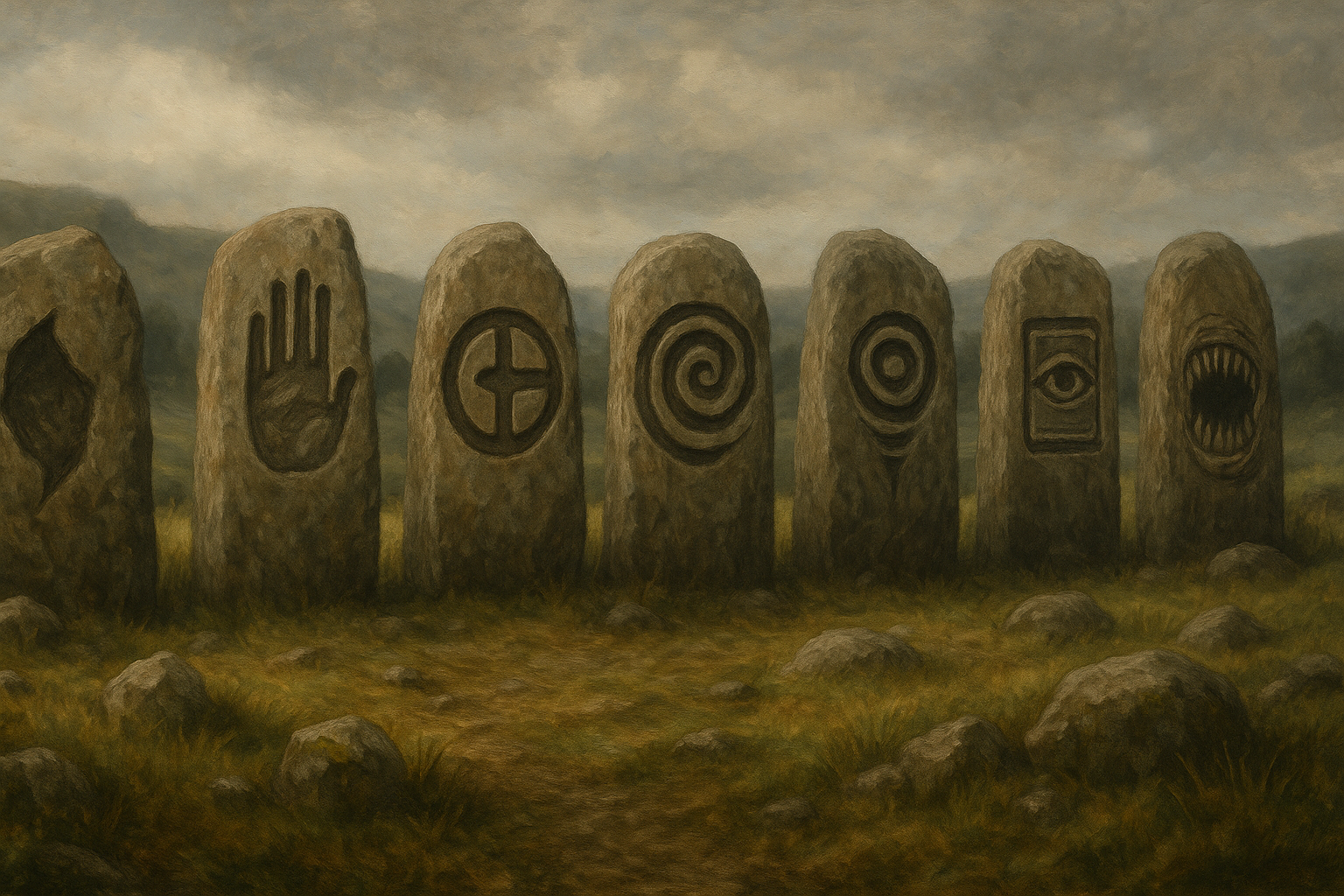
Though distant, the true gods are known and named:
- Caelbrith, The Veil Between - The god of endings and silence. He is the knife that severs, the wound that never heals. To pray to him is to ask for finality that nothing can undo.
- Chiniae, The Silent Mercy - The goddess of restraint and forgiveness. Her mercy is a sword never swung, her calm heavier than wrath. To follow her is to endure and be spared.
- Druvain, The Everforged - The god of labor and transformation. His worship is the hammer’s rhythm, the sweat of endurance, the fire that makes broken things whole again.
- Ny’yala, The Lady of Cycles - The goddess of fate and inevitability. She is the Wheel turning all things to ash and bloom again. Her truth is that nothing ends, all returns.
- Orram, The Deep Pulse - The god of depth and concealment. He is the pressure in the dark, the weight of secrets, the silence that crushes until only truth remains.
- Thalyss, The Veiled Tome - The god of memory and secrets. He is the archivist who forgets nothing, the whisper that ensures no story ever dies. To be seen by him is to be remembered forever.
- Xaethra, The Wanting Maw - The goddess of hunger and envy. She is the endless gnawing, the desolation of greed, the promise that nothing is ever enough. To worship her is to embrace desire as power no-matter the cost.
World Codex
Timelines
All writing and lore by author Patrick Enger; All art done by Chat-GPT (for now).