
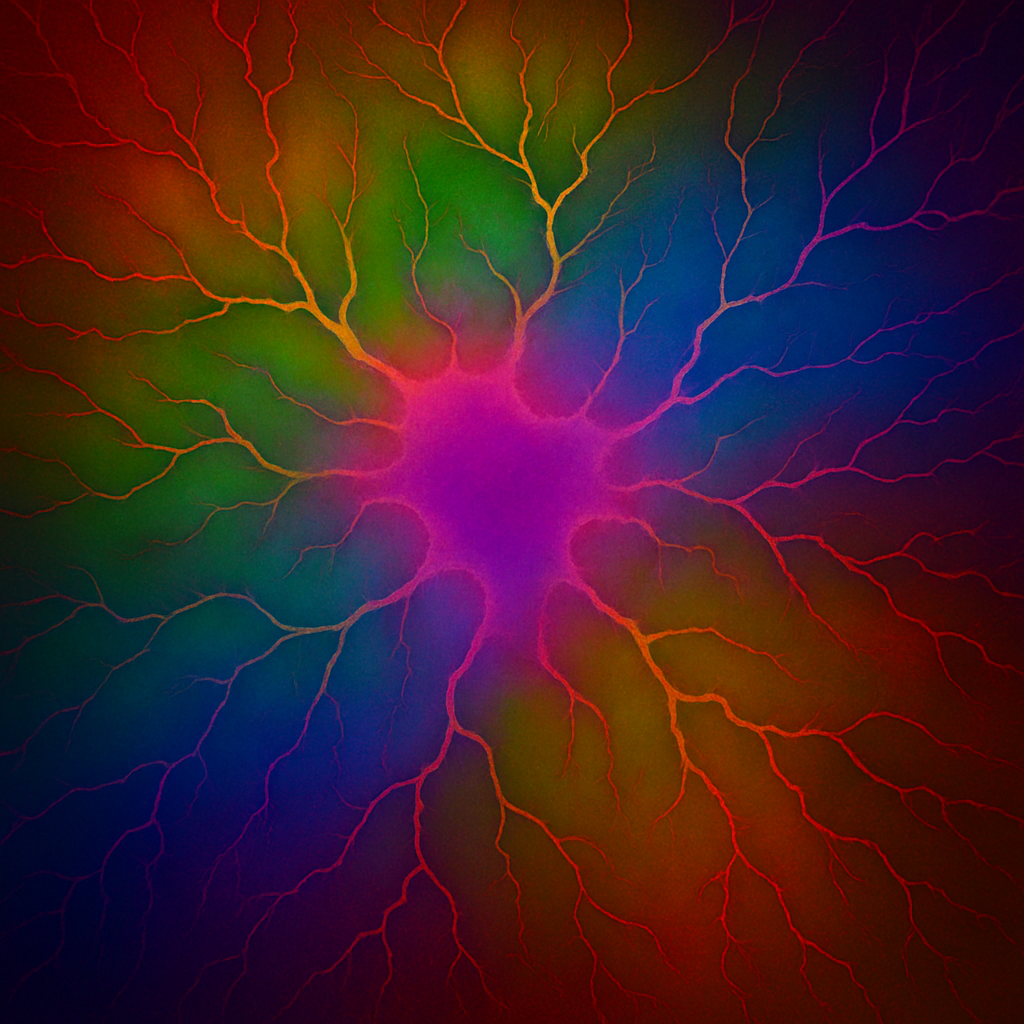
Druvain
“Break, then make. If it cannot endure the hammer, it was never worth the metal.” -Druvain's words to Saint Edravos as he forged The Radiant Tongue.
Druvain is the god of labor made sacred, endurance, craft, and the hard alchemy that turns raw, hostile matter into use. He is not simply fire, nor stone, nor iron, he is the will that binds them, the hand that brings Magickal Elements. into concord under purpose. When farmers set plow to stubborn earth, when masons coax arches from quarried blocks, when smiths lift a bar gone white and trust the next strike will not ruin months of fuel, they are already praying to him whether they know it or not. He is beloved by guilds, road-builders, siegewrights, and any soul who has ever looked at ruin and thought, “We can fix this.” The Knights of All-Faith honor Druvain openly in every blade sworn to their cause; Even they admit law is worthless if bridges fail and grain barns collapse to the wiles of the wicked. Among the pantheon, Druvain often stands where other gods meet, Ny'yalaturns the Wheel, but Druvain decides what the next age is built from; Caelbrith closes the book, but Druvain keeps the tools that write anew; Orram conceals and presses, and Druvain teaches how pressure makes grain, blade, and bearing; Xaethra devours, and Druvain answers with scarcity’s answer, skill; Thalyss remembers, and Druvain inscribes craft into tradition so memory becomes method. Worship of Druvain is not incense and choir so much as callus and cadence. He is a god you can hear in the beat of hammers and the thrum of mills, a liturgy of work.Divine Domains
- Primary Domains: Labor, Endurance, Craft, Temperence. Druvain’s law is this, worthy things are made under strain. He governs the conversion of chaos into structure, ore into steel, timber into truss, rubble into roadway, fear into drill and discipline.
- Secondary Connections: Tools & Guild Oaths, Mastery of Materials, Engineering, Resupply & Logistics, Disaster Rebuilding. He does not claim Fire or Stone outright; he claims their use. In his temples, a brazier is a teacher, not an object of veneration.
- Tertiary Reflections: Innovation under Constraint, Scar-city Prudence (rationing, salvage), Battle-Readiness through Routine. His miracles arrive as better joints, truer edges, cooler heads, and lines of supply that somehow hold.
Artifacts
- The Ninefold Tongs. A set of shifting tongs that grip anything, wind, screaming steel mid-quench, al without harm or need of complex spellcraft. In untrained hands they clamp shut on the wielder’s resolve, making any task feel impossible until the user sets them down; In the hands of the masters, this tool has been used by his most-devout craftsmen to create blends of magick and steel of craftsmanship so tremendous and peculiar that they are echoed across the eons.
- The Heartforge Plate. A portable anvil etched with runes of stress and grain. Anything shaped on it keeps its “memory”, becoming easier to repair perfectly, but harder to corrupt or re-enchant later.
- The Oath-Ring of Sparks. A heavy iron ring that flares when craft is true. Break a sworn work-oath while wearing it and the ring brands the palm permanently with your failed mark.
- Bellows of the Sleepless. A furnace bellows that never cools, fueling itself on the bearer’s stamina. Marvelous for armies in march, lethal for leaders who refuse to rest.
Holy Books & Codes
- The Soot Canticles. Hymns beaten into rhythm rather than melody, cadences for lifting, hauling, and striking. Recited to synchronize crews and keep fear from spreading in night work.
- The Masterline. A living codex of patterns, bridges, braces, joinery, ration plans, camp layouts. Each guildchapter adds a page only after proving the design through a season of use.
- The Thesis of Heat. Treatises on tempering, not just for metal, but for people. How to test without breaking, to demand without humiliating, to quench at the moment between courage and collapse.
Divine Symbols & Sigils
- A hammer within a ring.
- An anvil with a stitched crack (endurance honors failure repaired).
- A bundle of tools bound by cord.
Tenets of Faith
- Make, then make it better. Completion is not perfection; iteration is worship.
- Endure with purpose. Pain that teaches is holy; pain that only punishes is waste.
- Tools are vows. Keep them sharp, clean, and honest. A borrowed tool is a borrowed oath.
- Share the pattern. A guarded technique may feed a family; a taught technique feeds a city.
- When it breaks, learn why. Failure hidden returns as collapse; failure studied returns as strength.
Divine Goals & Aspirations
- Keep the world workable. Druvain opposes both neglect and perfectionism; the first rots, the second freezes. The right tolerances make life possible.
- Turn ruin into resource. Catastrophe is inventory you haven’t sorted yet.
- Temper souls, not just steel. Teach leaders to bear heat without warping; teach followers to quench without brittling.
- Bind the elements to purpose. Fire for heat, not havoc; water for drive, not drown; air for draw, not boast; earth for bearing, not stagnation. He does not own the elements, nor did he create them, he gave them work to be done.
Physical Description
General Physical Condition
Druvain’s true form is not a body, nor even a constellation, but an ever-expanding nerve of creation itself. From a central rupture, called by his faithful the Heart of Creation, burst veins of every conceivable color, branching outward in endless channels that split, rejoin, and fracture again. These arteries of light and fire do not flow smoothly; they twitch and spasm, each vein shifting hue in violent cascades of crimson into viridian, sapphire into searing white, until the very air seems to scream in color. The structure grows without end, spreading outward like a nervous system stitched across the void, a living diagram of refinement and ruin in constant expansion. At its core, the tear widens forever, a wound in reality bleeding creation into itself. Witnessing Druvain is an agony of comprehension. Mortals who have glimpsed him describe the sensation of their own bones branching outward, nerves unraveling into the void as if their bodies were being folded into his lattice. Eyes seize and bleed from colors that should not exist; Ears split at the clang of hammers ringing in time with each pulse of his veins. Minds fracture under inspiration too vast to endure, driven to mutter blueprints of impossible structures before collapsing into silence. Survivors cough soot as though their lungs were the forge itself, their skin marked by branching burn-scars that mirror the living nerve they beheld. Some return with their thoughts alight, creating without pause until their hands wear down to ruin. Others are left hollow, staring endlessly as though waiting for the next strike of a hammer no one else can hear. When Druvain chooses mercy, he veils this horror in subtler signs, scaffolds growing from shadow, sparks that rearrange themselves into fleeting blueprints, hammer-blows ringing from nowhere until broken things mend. In dreams, he is the click of a joint locking true, the rhythm of a bearing finding its line, the silence that follows when creation stands balanced for one fragile instant. Yet even here, the terror remains, Druvain is not comfort, but the raw nerve of creation itself, always building, always breaking, always too vast to survive whole.
Divine Classification
God.
Children

Comments