

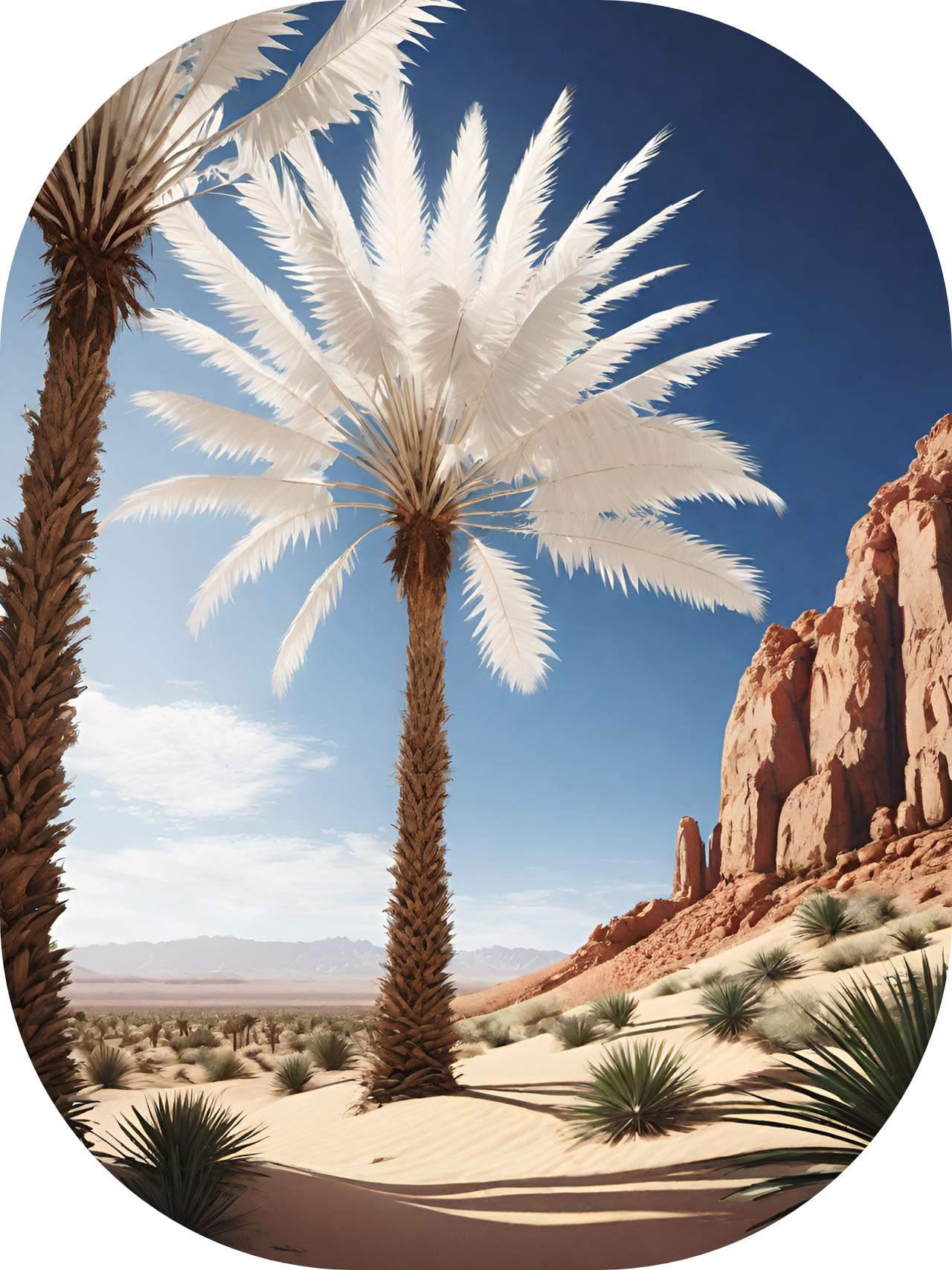
 Also known as the Radiant Dunes or just Shamsi, this is a harsh and unforgiving landscape home to hardy, adaptive creatures and cultures! Dangerous sunlight showers these arid dunes and vacuous regs, transforming Shamsi into onen of the most punishing landscapes to traverse in Emynea. Only those with solar magic are able to even perceive its most dangerous feature: radiation. Invisible pockets of intense radiation are interspersed throughout the desert, especially in its deepest reaches--a silent killer most Emyneans refer to as radiant poisoning. Even at night the sunlight persists, miniature suns set between dunes or even beneath the sand, each grain giving off an ethereal glow after sunset.
Only those with elemental protection or the right gear can hope to survive the pervasive influence from Rithaldis. Many nomadic clans of Imazighen and Toubou have evaded the Kingdom of Accia's influence thanks to these hazards, native to Shamsi and laden with solar kaithur. But even with solar magic, inhabitants have also had to adapt to the intensely arid and seemingly barren sands. Yet Shamsi holds many surprises. Creatures one would never guess to live in a desert call Shamsi home such as the Shab'lul Snail, Agru Frog or Anji Shrimp! Unique and astonishingly resilient plants, animals and peoples cluster together anywhere there is water, the lifeblood of any desert settlement. |
Habitats |
|---|
DesertMontane |
Semi-DesertShrublandCoastal |
Elemental Influence |
|---|
|
|
Alternate Names |
|---|
Sahra' al-Shams |
Radiant Dunes |
صحراء الشمس |
Saha Shamsi |
Shamsi |
Government |
|---|
Geography |
Shamsi covers a considerable stretch of land and to outsiders, it may seem nothing more than an endless and bright, arid wasteland devoid of life. Geographic features include sandy dunefields (ergs), stone plateaus (hamadas), gravel planes (regs), dried up valleys, ravines or riverbeds (wadis) and salt flats (shatts). While infamous for its desert ergs, most of Shamsi is taken up by regs and hamadas, transforming into grassy belts and scrubland along the borders of Kasar Wuta and its most verdant regions, Birit Narim and Kemet. There are also craggy, alpine or even volcanic mountain ranges rearing their heads throughout the desert including Emi Toubou, Ahaggar Highlands and the towering Idraren Draren in the regions of Kemet, the Dar Emirates and Marrakesh. And surprisingly lush coasts strafe the desert along the coast of the Keyh Sea, home to unique fog-watered cacti within Libu. But perhaps the most unforgiving stretch of desert sits at its center--called the dead heart of Shamsi. These are the barren ergs and shatts of Aznag! |
Settlements and Landmarks
Country |
Major City |
Landmark |
 Etemenanki |
||
Demography |
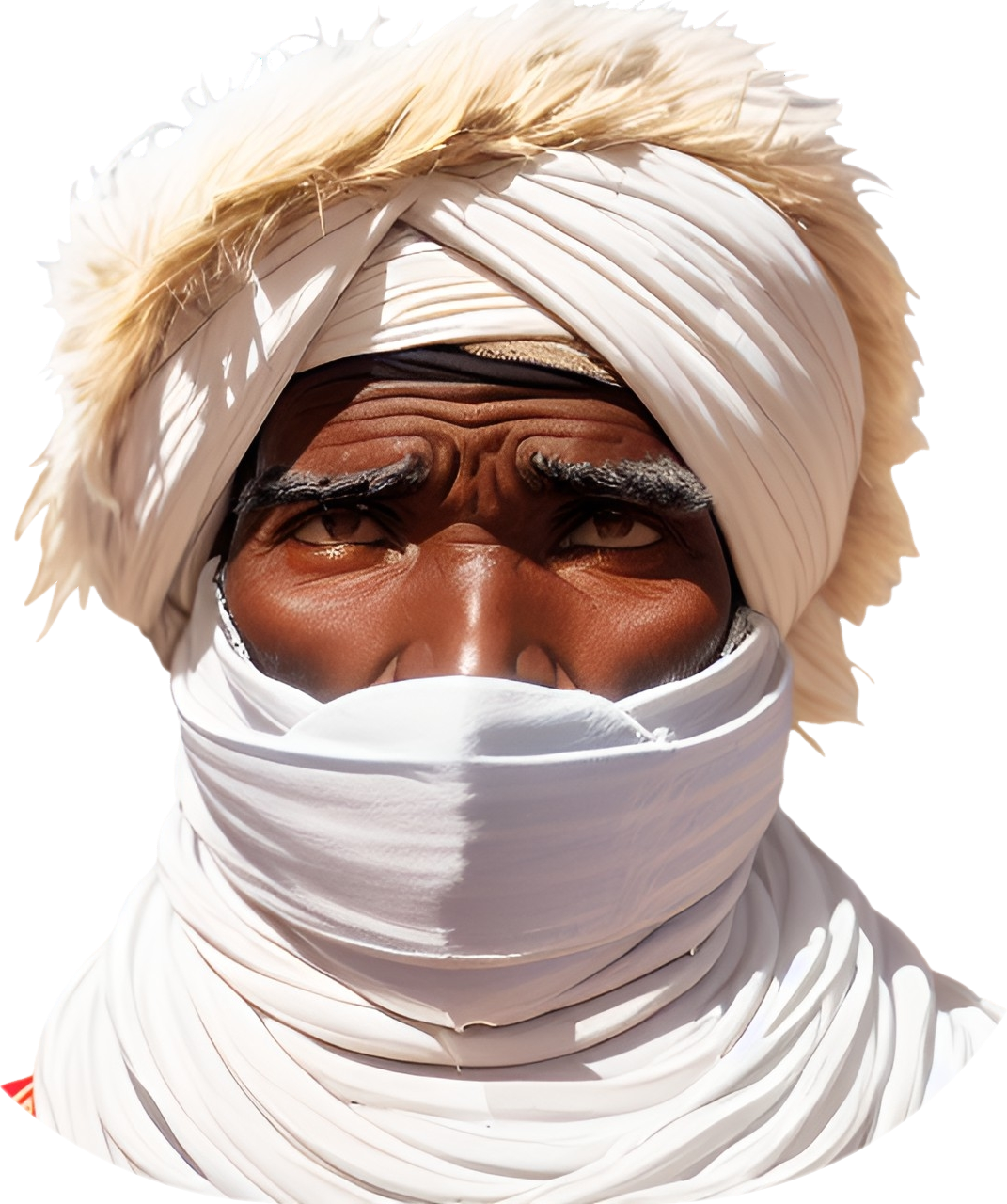
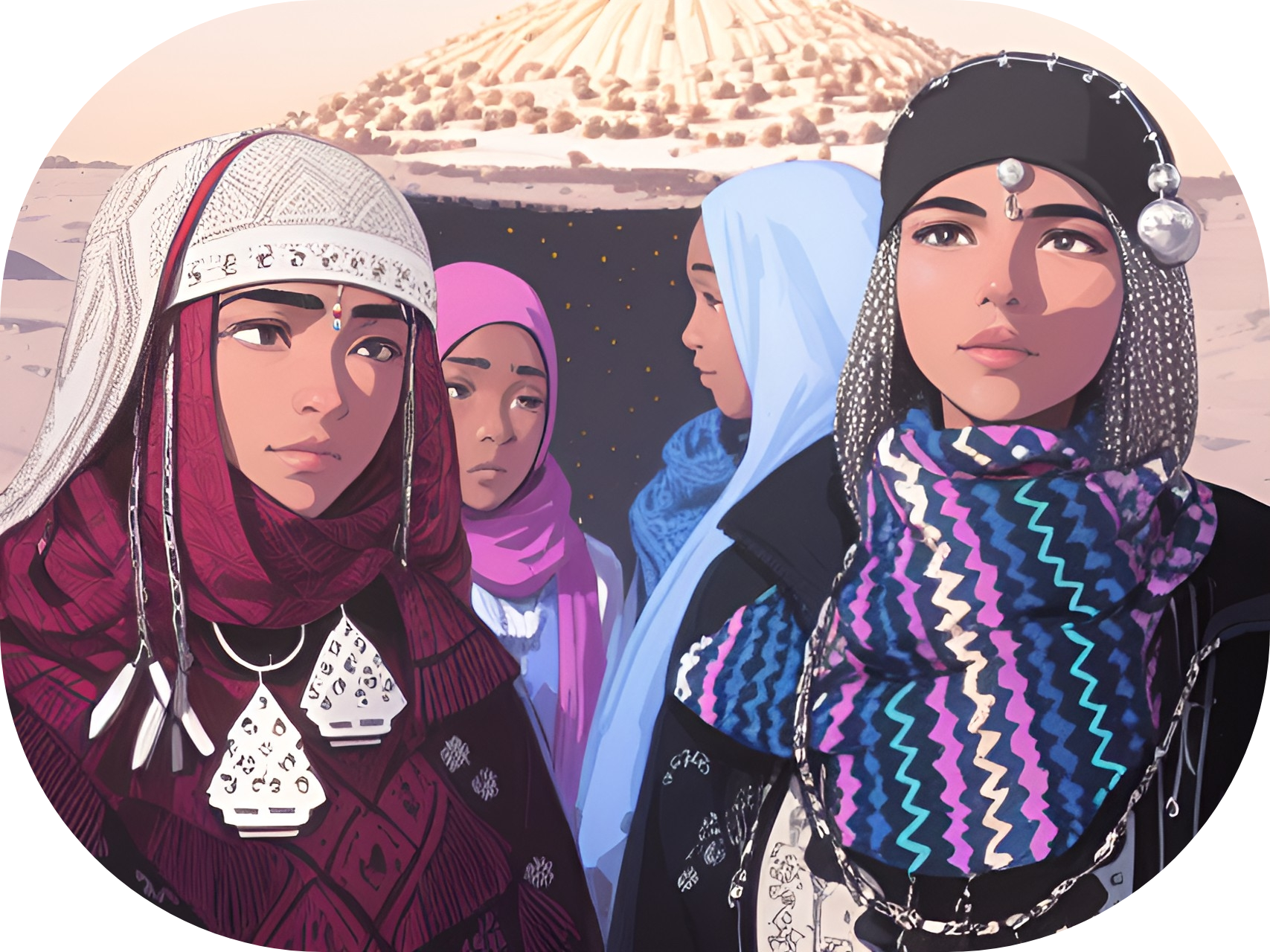 Much like the wildlife of the desert, human cultures in Shamsi are incredibly hardy and resourceful. The two largest groups by far are the Arabiyy and Imazighen, making up more than half of any region. While the Arabiyy are foreign conquerors from the west, the Imazighen are native to Shamsi alongside reclusive Toubou tribes. Some Imazighen have assimilated into Arabiyy society while others resist outside influence alongside the Toubou. These peoples make their home in sparse oases, mountain villages, coastal ports and trading hubs all across northern Alkelbulan!
 In more verdant reaches of Shamsi, such as Birit Narim and Kemet, the Masriyyin, Siryan and Kurdish peoples thrive but seem ever at war over these bountiful lands. In fact there are those who have been ejected or who migrated away from these chaotic events--the Kameeni and Masala. They originate from the al-Nil River valley but now farm oases or along the southern edges of Shamsi. Neighboring cultures such as the Kanembu, Kanuri, Fulbe and Wollof have also bled over from Kasar Wuta. Lastly are descendants of those abducted into slavery from lands even futher south, the Haratin, still serving their anscestors' masters despite attempts to abolish slavery. |
Pastorial nomads and their Tamadla Goat herds graze sparse vegetation in irradiated mountains as the seasons ebb and flow. Merchant traders and travelling caravans traverse ancient trade routes alongside their regal Shamsi Camels and tenacious Aa-Hemet Donkeys, finding sanctuary in verdant oases and fortified ksour. Unexpected centers of agriculture buzz with farmers tending to Khisbat Palms, Isik Sakiz Trees or Azeradj Olive Trees and patches of Ramli al-Hanzal desert melons guarded by racous Impangele Hens. Yet most mysterious are the tribal settlements high in volcanic and irradiated peaks of Emi Toubou or the harshest sands of Aznag, shrouded in searing hot sand toxic to the ordinary traveller--strongholds yet untouched by outside forces! Only those peoples immune to or even empowered by solar kaithur can tolerate their volatile hideaways. These are fiercely independant tribes of Imazighen and Toubou, still resisting the Kingdom of Accia and Khalifah al-Rasul while enshrouded in sand and smoke. From their enigmatic ksour, they launch brief but volatile attacks on military escorts, royal palaces and sacred temples or anyone else they view as a threat to their traditional way of life! |
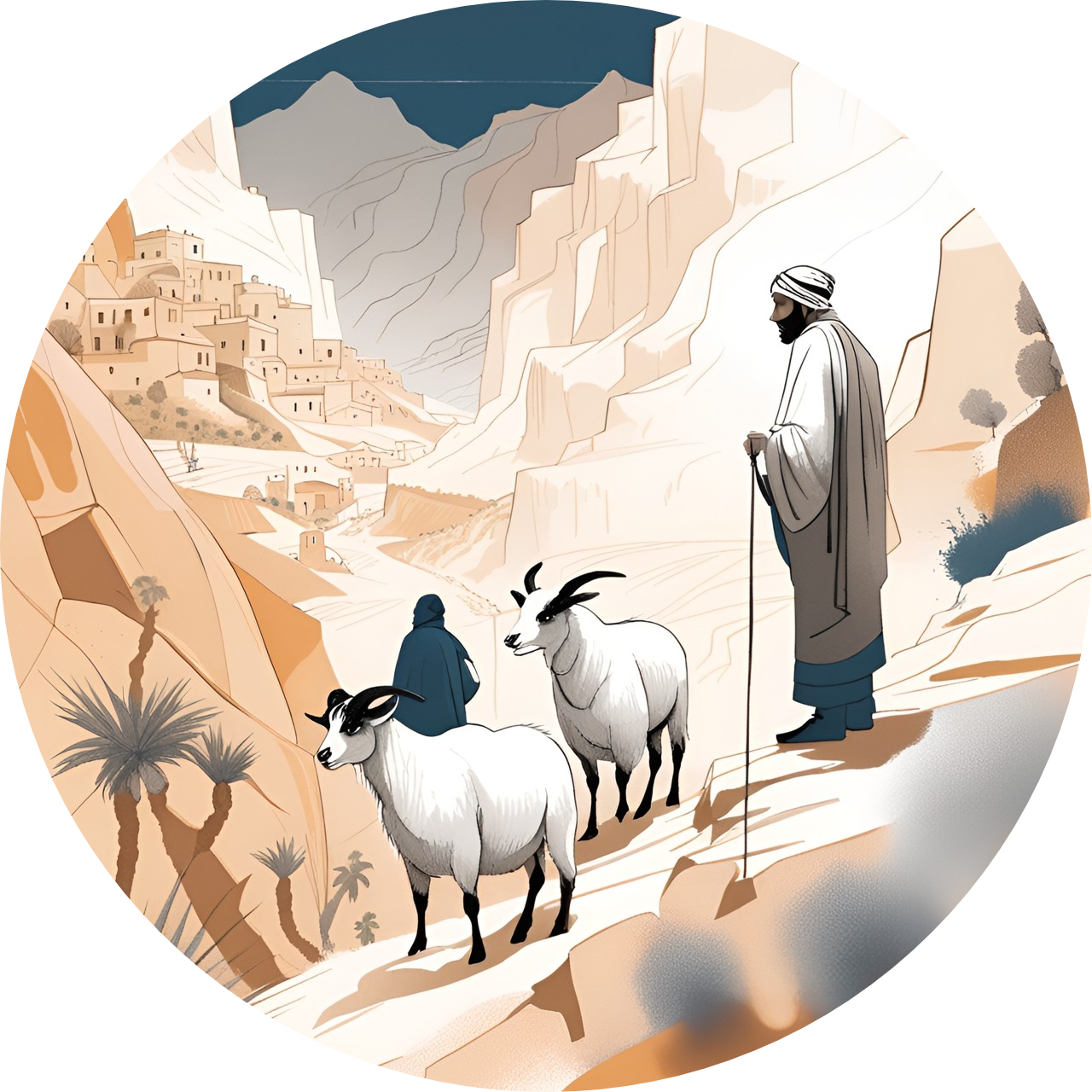

Either nomadic or sedentary, Shamsi splits their society into those with the right to own property, those bound into labor and subservience and those precariously surviving but living freely in a delicate balance with the desert itself. Foreign royalty, religious leaders and wealthy merhcants preside over the labor of farmers, performers and artisans while free peoples continually defy this harsh, unrelenting yoke. Outside powers vie for control over bountful trade routes while stubborn tribes cling to ancient traditions, somehow preserved after wave after wave of foreign rule. Overall, Shamsi's peoples are equally harsh and stubborn as Shamsi itself, carried through the eras on radiant sands and bathed in generous sunlight! |
Ethnicities
Elemental Influence |
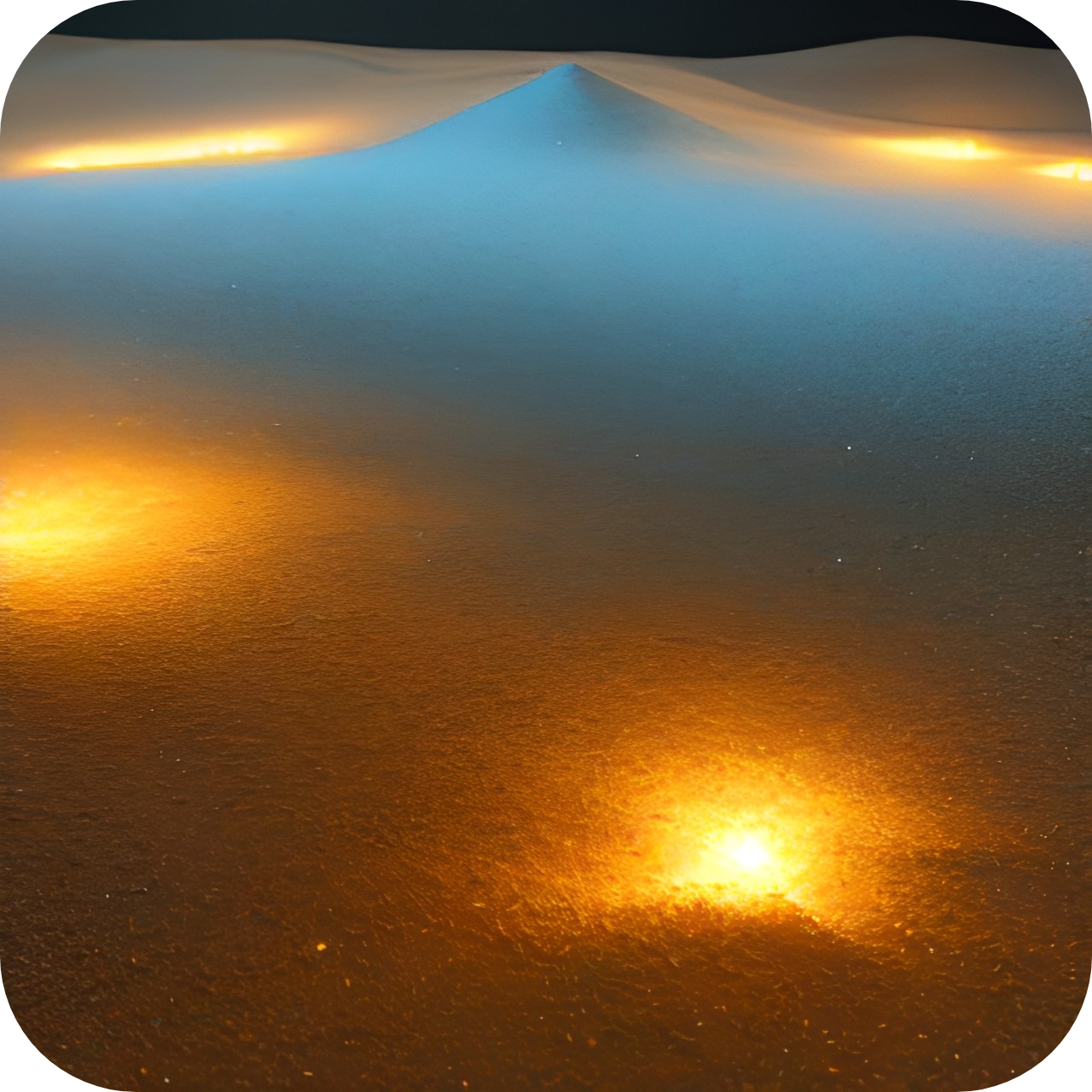
The Shamsi Desert is infamous for its intense sunlight, heavy with Rithaldis' influence. Overheating, dehydration, intense sunburn and radiation poisoning afflicts unprepared travellers. There are even miniature suns interspersed amid the dunes, giving off immense heat and energy, while far smaller suns lay deep beneath the sands in the burrows of Khepri Scarab Beetles. There are even those who believe portals to Rithaldis' Plane wait beneath the dunes. The radiant dunes are bright and hot even at night—there is no escaping its solar influence. These conditions do at least lessen during the night when the actual sun no longer hovers overhead. The wildlife and local cultures of Shamsi are often nocturnal or crepuscular for this reason. |
Wildlife |
Organisms of Shamsi have had to adapt to extreme sunlight, heat and radiation. There is also very little water, making life here difficult even to those blessed by Rithaldis. Plantlife is centered around or within oasis and wadis, tapping into hidden water with expansive roots or drawing sustanance from the infamous solar energy of this region directly. They are the foundation for the rest of Shami's ecosystem. |


Beasts |
Many Shamsi species are evolved so that their water intake comes mostly from their diet. In fact, availability of water rules the life of these organisms. They are in a constant battle between their own needs and the harshness of their home, evading heat, radiation and predators at every turn while seeking out the resources they need. Yet many have adapted beautifully to Shamsi, carrying solar and celestial magic and capable of incredible feats of speed and agility. Yet most surprising are those species which only emerge amid the rainy season when this arid habitat is inundated with water, however briefly. |

Plants |
Plantlife mostly includes sparse and scattered concentrations of grasses, shrubs and trees, all of which fall under the influence of Aasaru the Xeric rather than her mother, Fliral. She is the Aethid of desert and tundra plants. These hardy plants thrive considerably on the powerful sunlight. Others will sprout, flower and complete their reproductive cycle in a matter of days in response to the rainy season—seeds may lay dormant for years awaiting rainfall. Most plants will sprout around oases, hamadas and wadis or along coasts and borders of other lands. |



Comments