
Toubou
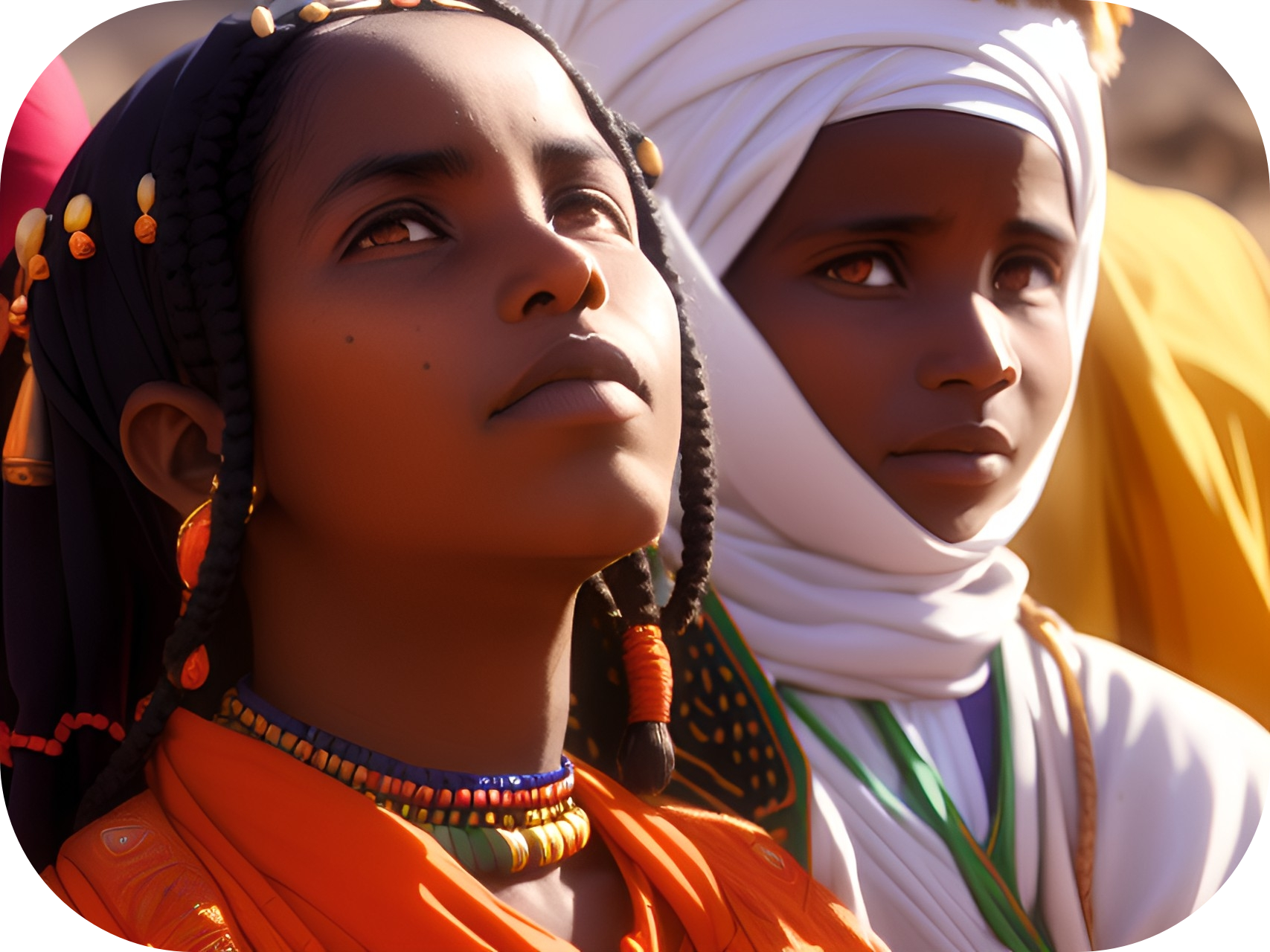
The Toubou are indiginous nomads spread across the arid highlands of the Shamsi Desert and fiery grasslands of Kasar Wuta, refusing any lifestyle that involves settling down and farming or becoming dependant on civilization! Even as the Kingdom of Accia eliminated slavery, the Toubou doubled down on their nomadic lifestyle rather than subjecting themselves to sedentary agriculture, more likely to raid small settlments than cultivate their own crops. The Toubou consider themselves a warrior people, having many clans and making their home across the mountains, massifs and plateaus of radiant sands and volcanic peaks.
This culture has two distinct groups, the Teda and Dazagra, which make their home in the highlands of Kanem, especially within Emi Toubou. Teda tend to live further north, straddling the borders between Shamsi and Kanem and thriving within the volcanic reaches of Emi Toubou. The larger Dazagra tribes live further south within Kasar Wuta and amid the Ahaggar Highlands. The Dazaga might also be known as the Goran people, an exonym given by the Arabiyy. |
Kaithur |
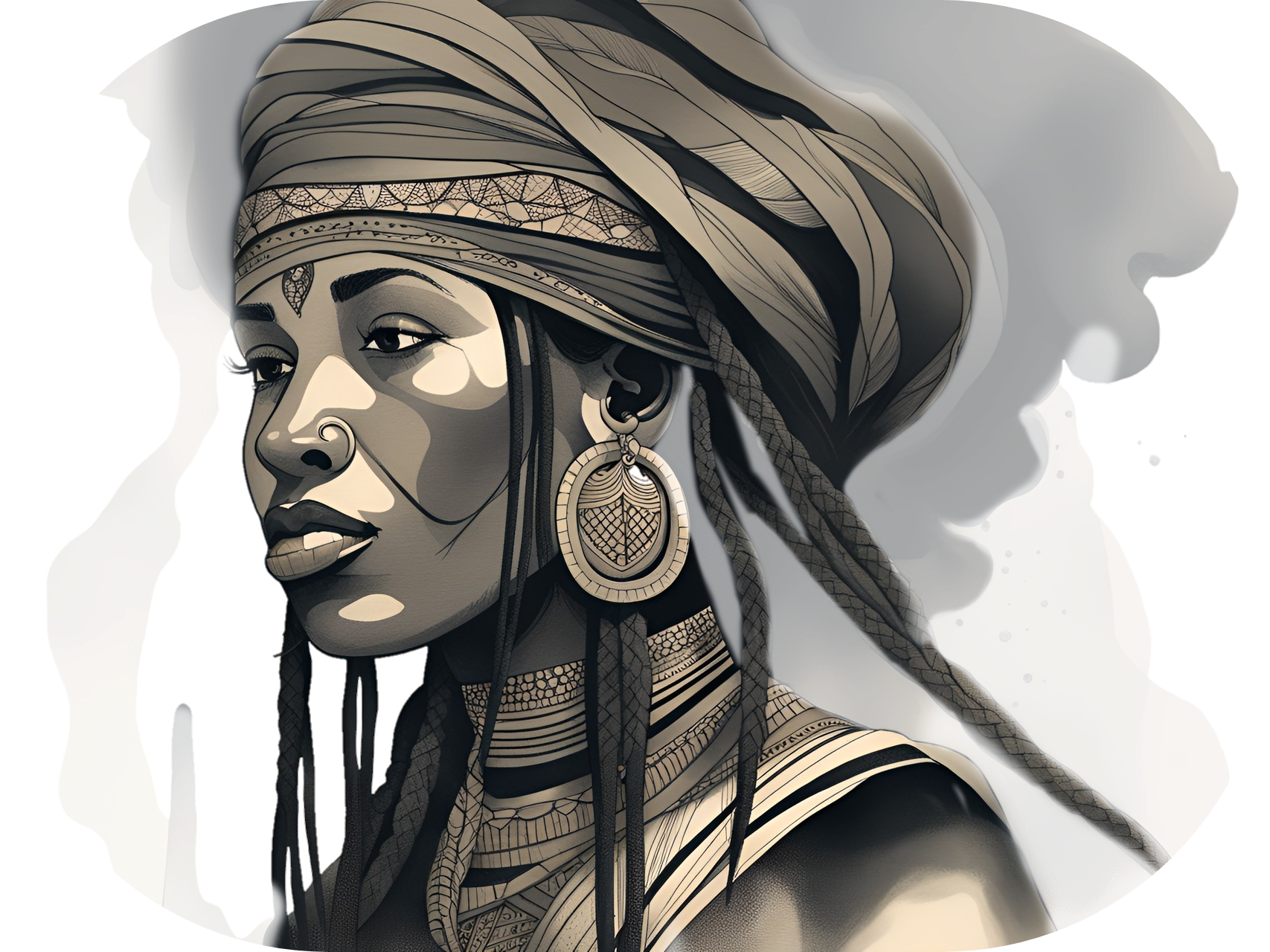
The two main groups of Toubou, Teda and Dazagra, have surprisingly diverse selection of potential kaithur. Those Teda living within or along the borders of the Shamsi Desert tend to inherit the blessings of Rithaldis and Elbixur while Dazagra living further south within the mountains of Kasar Wuta usually inherit the magic of Flithmar and Zithvek. Regardless of tribe, Toubou residing in the high volcanic peaks of Emi Toubou inherit powerful Shil kaithur, the air thick with smoke and ash and nearly impossible for outsiders to safely traverse. And all Toubou are known to inherit magic from Gokmar, apt at picking out salt, natron and precious ores from their mountains. Toubou trade these resources with agricultural villages in exchange for food and are the most frequently encountered Toubou by outsiders. This is in fact where the Toubou recieved their name which means rock people! Finally, nomadic herdmen sometimes inherit Maralith kaithur useful in keeping track of and raising their livestock. |
Rithaldis |
|---|
Manipulation | Movement | Sense | Charge | Shield |
Flithmar |
|---|
Manipulation | Movement | Sense | Charge | Shield |
Elbixur |
|---|
Aura | Binding | Empathy | Touch | Sense |
Zithvek |
|---|
Aura | Binding | Empathy | Touch | Sense |
Shil |
|---|
Manipulation | Movement | Slip | Eye | Skin |
Touch | Breath | Push | Shield | Step |
Gokmar |
|---|
Manipulation | Movement | Slip | Eye | Skin |
Touch | Breath | Blade | Shield | Step |
Maralith |
|---|
Manipulation | Aura | Imprint | Form |
Language |
The Toubou people speak a language called Tebu which can be split between Tedaga and Dazaga spoken by the Teda and Daza subgroups. This falls under the Nil-Shamsi language branch and is a distinctly tonal language. The Teda live within the Emi Toubou mountains and Aznag. Meanwhile, the Daza live within Kanem and the Ahaggar Highlands.
As for naming traditions, most Toubou have either a name from their own language or are influenced by Arabiyy names. But rather than having individual surnames, most Toubou take on their father's name or identify by their larger tribe. This means they are called by their given name and then by their father's given name! |
Major Tribes |
|---|
Alala |
Anakaza |
Choraga |
Dazza |
Djagada |
Dogorda |
Donza |
Gaeda |
Kamaya |
Kara |
Ketcherda |
Kokorda |
Mourdiya |
Nara |
Wandja |
Yirah |
Lifestyle |
Many Toubou tribes are nomadic pastorialists, following the migratory patterns of their herds of Tamadla Goat, Shamsi Camels, dogs or tamed Manid Hyena, Aa-Hemet Donkey or even purportedly Azru Aoudad. They might even harvest wild Khisbat Palm dates and Ramli al-Hanzal melons as they migrate, prefering to scavenge rather than cultivate crops. Yet there are small groups within Emi Toubou which might grow patches of vegetables, cereals, dates and legumes--tucked away into the most secluded oases settlements. But even these Toubou do not engage in cultivation themselves, these crops instead tended to by slaves aquired during raids! Otherwise, the Toubou rely on trade with Kanembu, Kameeni and Kanuri settlements and passing merchants to meet more specific needs, trading away animal products and precious ores. |
Whether raising livestock, raiding villages or mining precious ore, these resources are their main source of wealth and far more important to their tribes than actual money, relying on bartering over currency. For example, livestock are a vital part of a dowry in weddings, either given to a bride for starting her new family or to her parents in exchange for the bride. Miners mostly seek out ore, salt and natron from the mountains while those with solar magic even extract radioactive materials to craft truly volatile weapons! Meanwhile natron and salt might be used medicinally, mixed into chewing tobacco, used to preserve food, for tanning or soap production and for feeding livestock. |
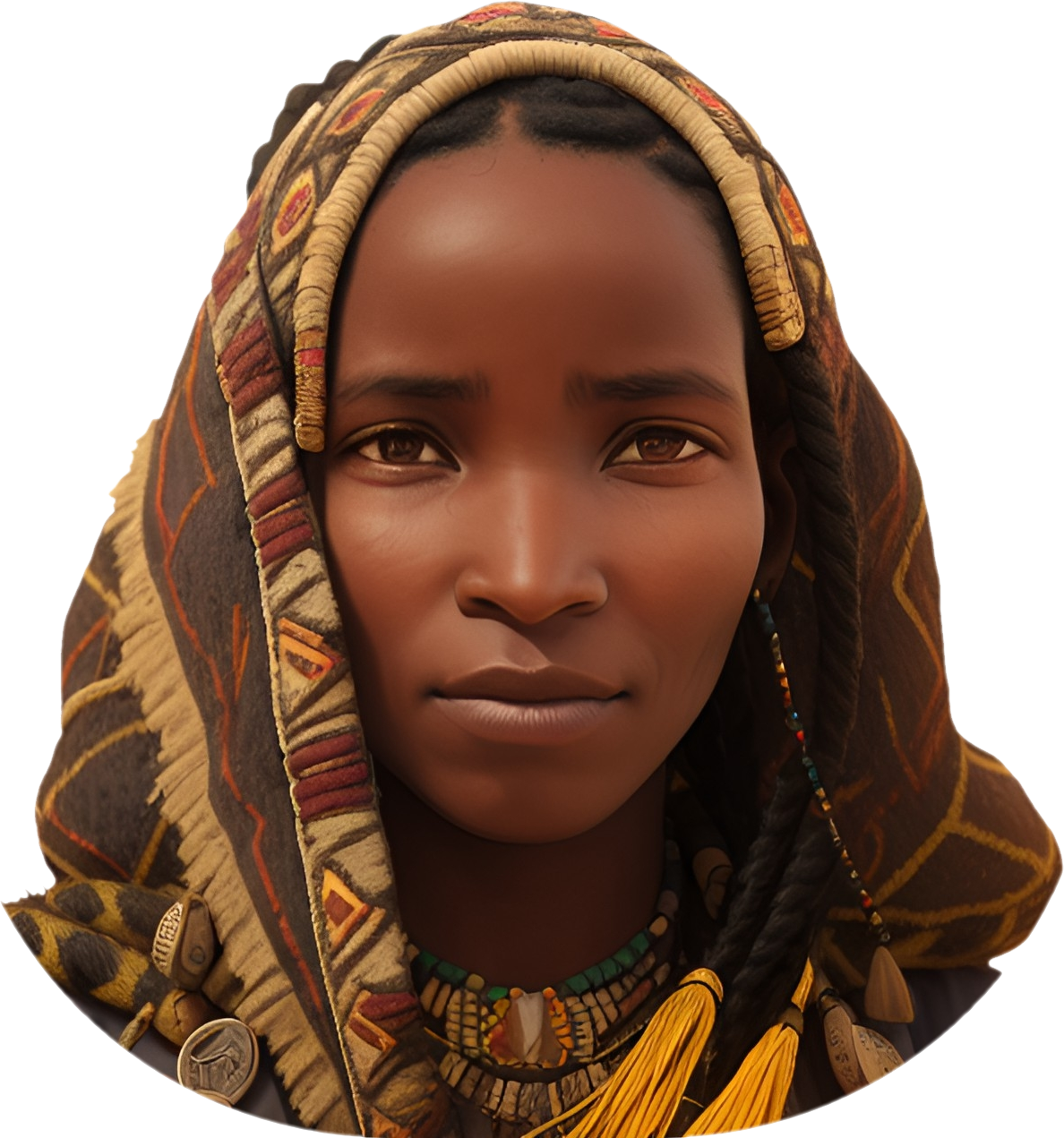
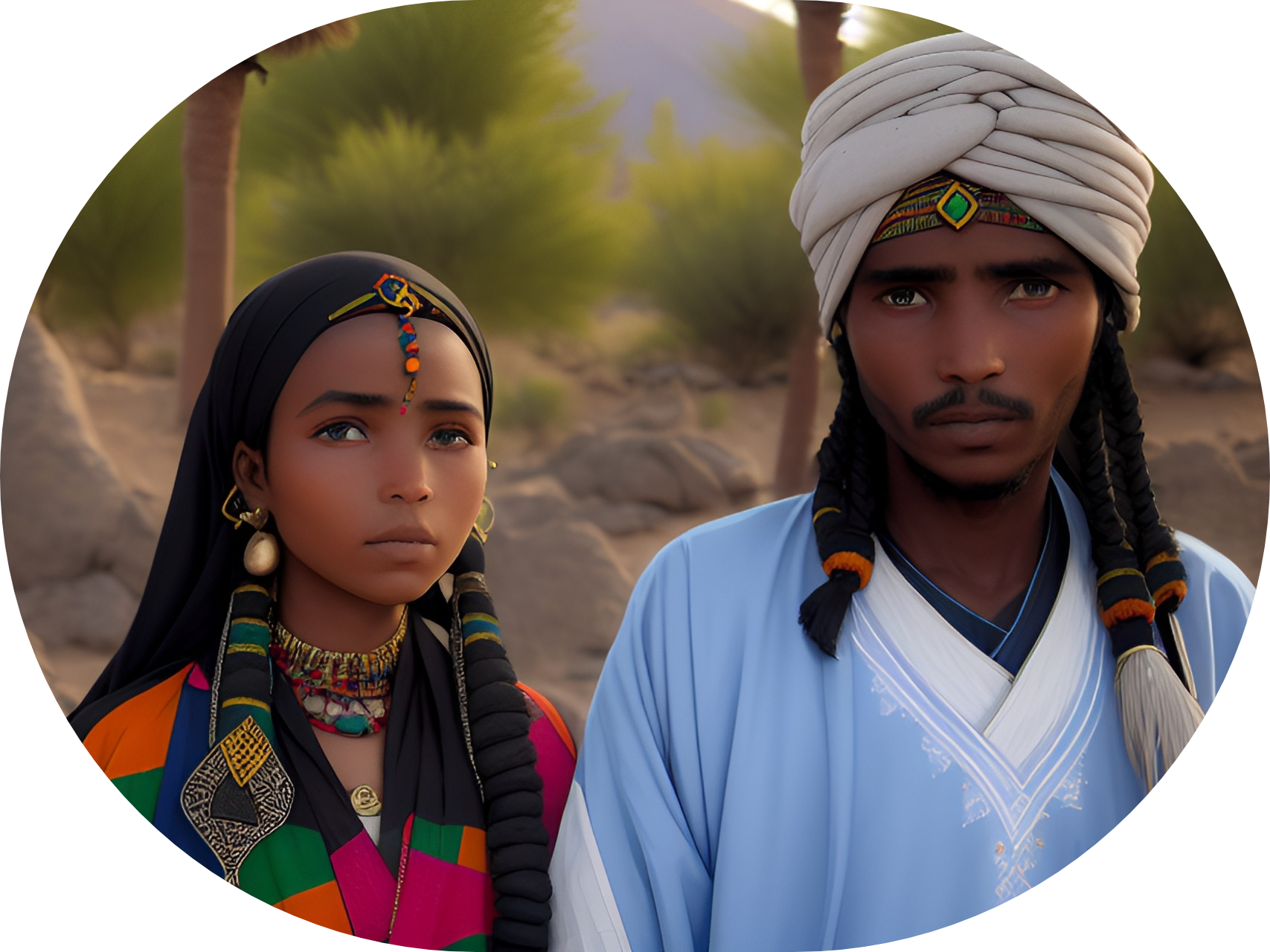
Within more permanant villages, the Toubou create palm-thatched mud houses which are rectangular or cylindrical. Their families are patrilineal, having an elder patriarch as their headsman. Each family also belongs to a larger clan making it easier to find fellow members even amid widely dispersed settlements and camps. This kinship is an important part of their identity but the Toubou also adhere to Islam law. This includes settling murders between the family of the victim and the murderer, requiring the family to attempt to kill the murderer or a relative when negotiations for blood money fail! |
Tradition |
Despite being disconnected from wider society, the Toubou people are followers of Islam al'Rasul, though they do tend to revere Lithmor as a rasul over Ilnid. They also don't undergo the same formal education and are largely illiterate. Instead they practice the same traditions, laws and rituals spread through oral tradition! Otherwise they adhere to their own traditions.
Toubou do not allow marriage between cousins, especially first cousins, but a man can have multiple wives. Despite this allowance, it isn't nearly as prevalent among the Toubou as it is with their neighbors. Property rights are more complex within oases settlements, land, trees and wells belonging to a specific clan. But multiple families can have access to fields for agriculture. A family instead has rights to harvest crops watered from their family well. Meanwhile, specific Khisbat Palm Trees and animals are owned individually. |
Politics |
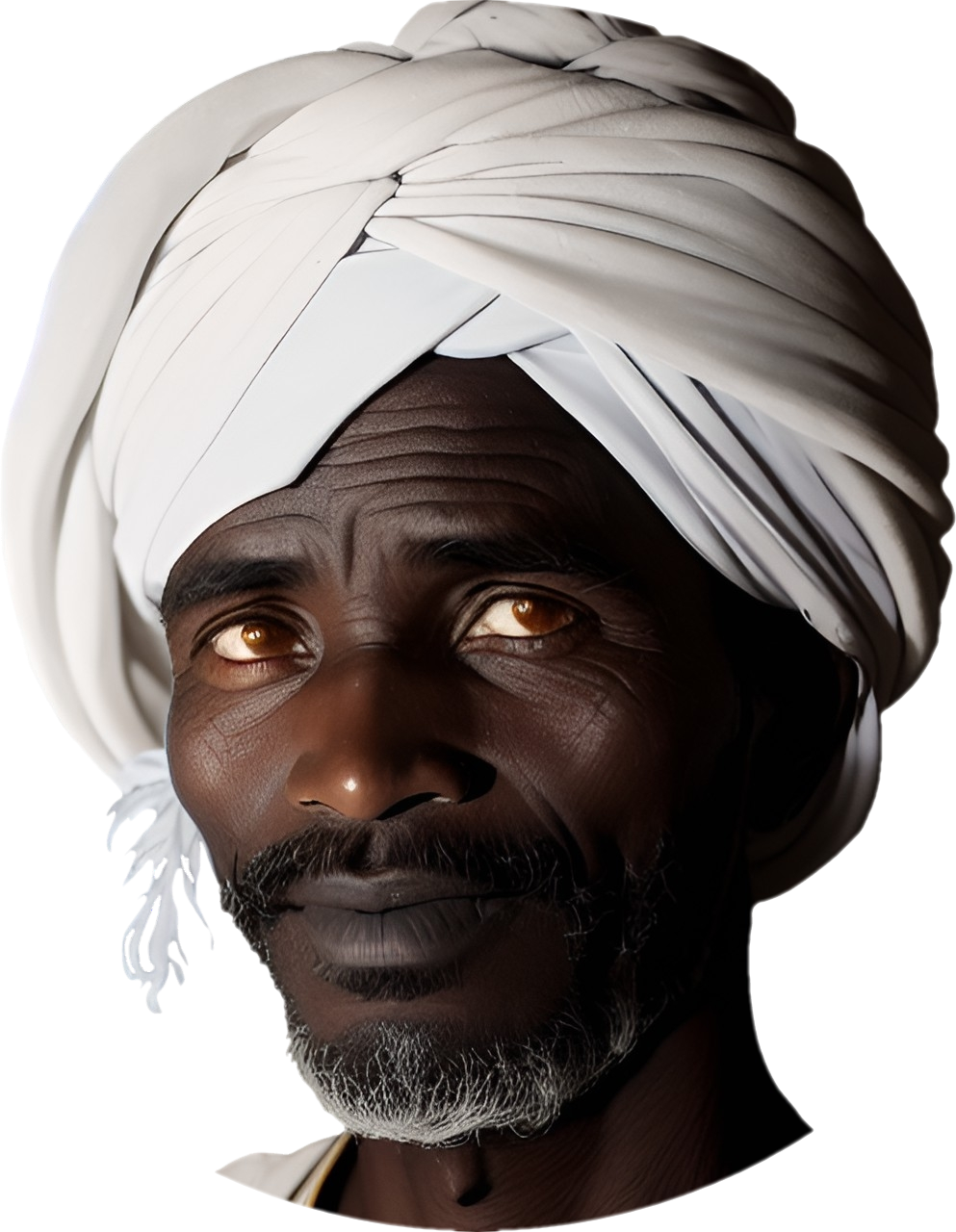
Toubou society has three strata which make up a caste system. These are freemen, artisans and slaves. Only freemen have the right to own property and livestock while artisans are called Azza, taking up occupations such as blacksmithing, leatherworking, salt mining, tailoring and the like. Much like the Kanembu Duu, Azza are held in contempt and looked down upon by freemen. Azza have the same traditions as the rest of their people but their politics, beliefs and family ties are separate, kept from marrying other Toubou castes and living in their own communities. Marrying a freeman is especially unacceptable. But even the lowliest Azza are regarded with more respect than the slave caste called the Agara.
Agara are peoples captured during raids and warfare and are considered the property of those who defeated and abducted them. Like the Azza, they cannot marry above their caste. Agara perform the least desireable jobs, farming and cultivating crops. It is particularly difficult for Agara to escape slavery, surrounded by inhospitable if not elementally lethal habitats! While this slavery is technically outlawed by the Kingdom of Accia, it has been near impossible to enforce among the Toubou thanks to their nomadic and secluded lifestyle. In fact, despite a functioning alliance with the Khalifah al-Rasul, the Toubou are poorly regarded by the kingdom as they also withhold their children from attending Accian Military Training Program, seen as lawless and backwards. It is only Wollof raiders who "recruit" Toubou children in exchange for a hefty reward! |
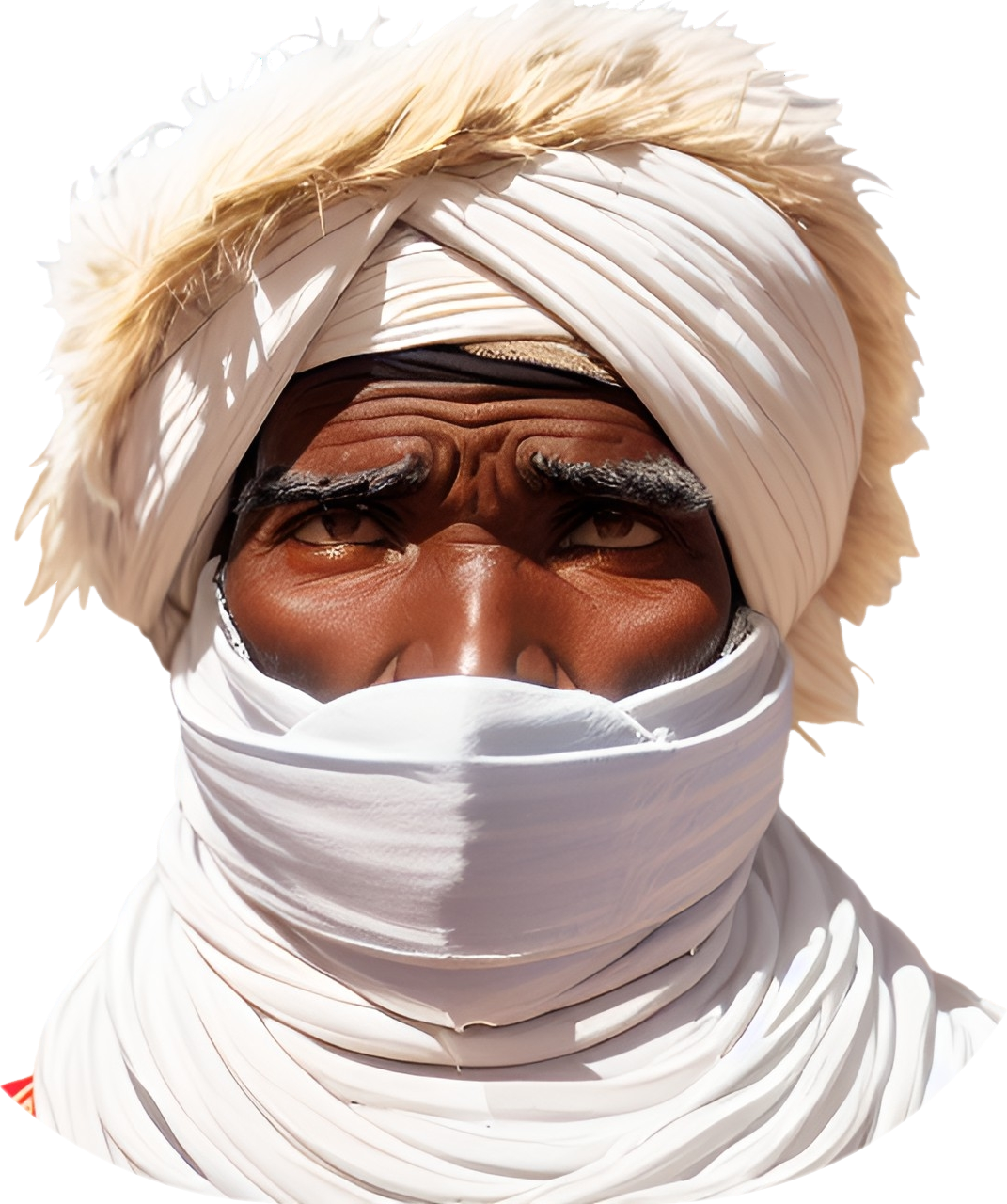
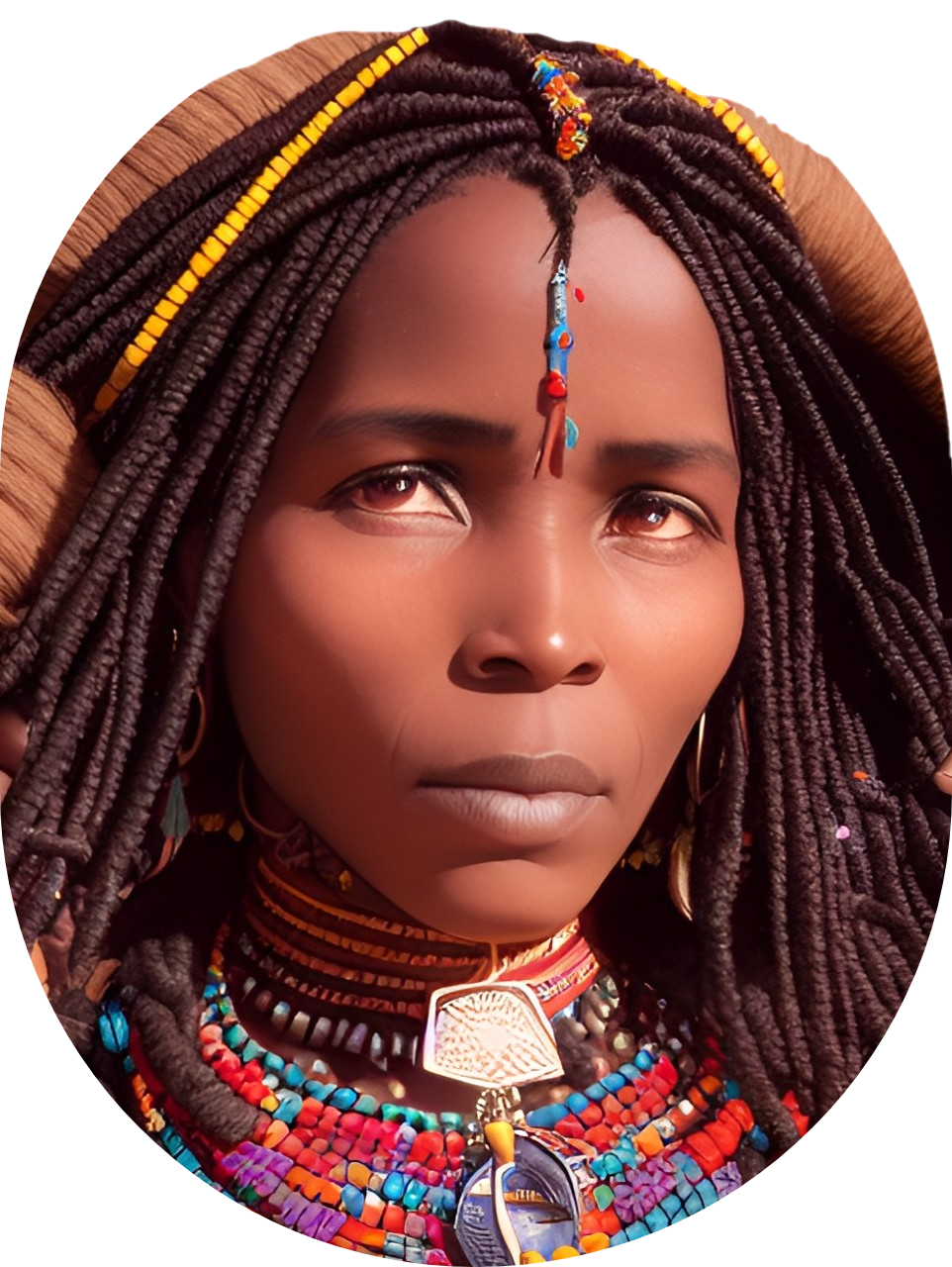
Because the Toubou are poorly regarded by the kingdom and are well within their conquered territories, they are often abused by officials and treated as lesser than more co-operative peoples (much like other nomads throughout the kingdom). But the Toubou are an extremely proud and prickly people, having little respect for the Accians in return. They tuck away their children in the most secluded villages and attack Accian forces anytime they have the advantage or a ready retreat. They might even co-operate with Imazighen tribes further north to resist the kingdom! However, they are still too disorganized and segmented to truly oppose the kingdom on their own, waiting for the right opportunity and the right ally to show themselves.
Accians paint the Toubou as highly mistrustful, hostile, irritabile, aggressive, impulsive and individualistic in spirit. They claim the Toubou have no respect for the life or property and that they value freedom to the point of anarchy--that their government is elastic and highly fragmented. However, most of this comes from the Toubou's resistance to Accian assimilation and rule. The Toubou are indeed very individualistic and value freedom as any nomad might, more than willing to fight for that freedom. And while they are mistrustful and hostile, the Toubou believe their discontent is well earned. And as Accian influence settles in, each side's severe outlook and ill-content only grows! |


Comments