
Imazighen
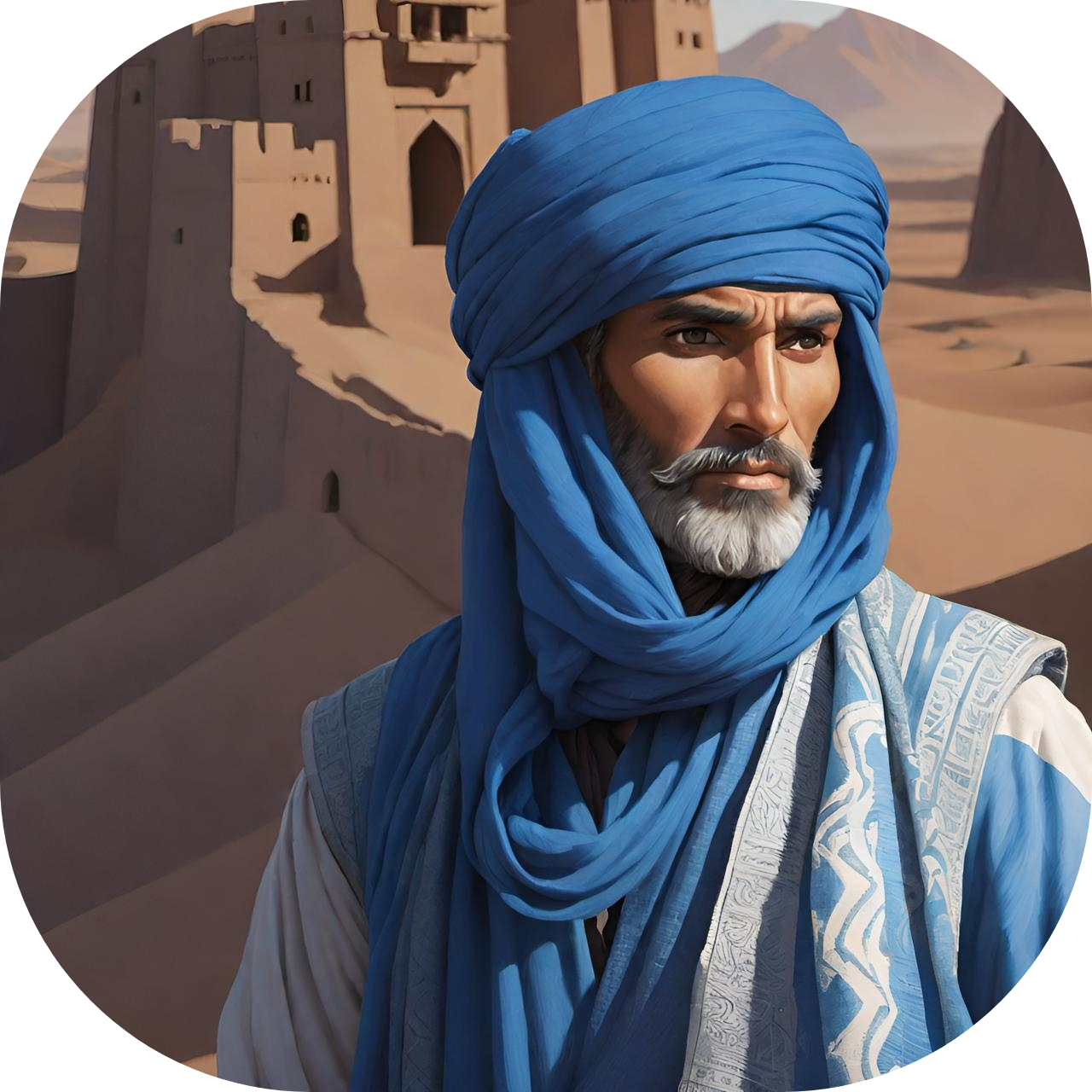
A traditionally nomadic and nocturnal people, the Imazighen people have make their home throughout the Shamsi Desert as traders, raiders, herders, artisans, farmers and more. With solar, celestial and mineral magics, these many tribes can thrive even in the most treacherous and radioactive reaches of Shamsi. They are one of the oldest ethnic groups native to Shamsi alongside the Toubou tribes. These are a scattered but persistent people--a consequence of repeated outside influence and occupation which touches even their architecture. Most Imazighen are either tribal nomads, urban traders or even local politicians. Yet the most traditional tribes make their home in hidden oases, fall back into the craggy mountains of Idraren Draren or reside in the most unforgiving depths of Aznag, the dead heart of Shamsi!
While traditionally nomadic, the majority of Imazighen are either migrant traders or sedentary farmers, raising Azeradj Olive Tree and Khisbat Palm or fascilitating trade across barren sands. These tribes have assimilated successfully into the culture of their western invaders, the Arabiyy, speaking al-'arabiyyah and practicing Islam al'Rasul under the watchful eye of Ilnid's Khalifah. Only recently has the Kingdom of Accia pushed back against this empire. Yet the Imazighen remain uncertain whether they offer freedom or another foreign yoke. Highland and nomadic tribes have a stronger distrust of Accian promises and treaties, frowning on any outside aid. A few tribes even see this as their golden opportunity to liberate Sahra' al-Shams before their latest invaders can set down roots! Night raids on Accian Military forces have been increasing in frequency as the kingdom settles in. Meanwhile, the remaining tribes go about their business as traders or pastorialists as they always have. |
Kaithur |
As the largest native population of Shamsi, it may be unsurprising the Imazighen are capable of nearly every kind of solar magic! Celestial kaithur are also prevalent alongside mineral and some sand magic. Whether they received Ilnid's blessings before or after being conquered by the Arabiyy is unclear. |

Rithaldis |
|---|
Manipulation Aura Movement Eye |
Sense Skin Touch Charge |
Blade Breath Shield Vision |
Step Form |
Sylthari |
|---|
Physcial Aura/ Mental Aura Movement |
Physical Eye/ Mental Eye Physical Sense/ Mental Sense |
Gokrilvek |
|---|
Aura Movement |
Slip Craft |
Ilnid |
|---|
Manipulation Sense |
Breath Form |
Language |
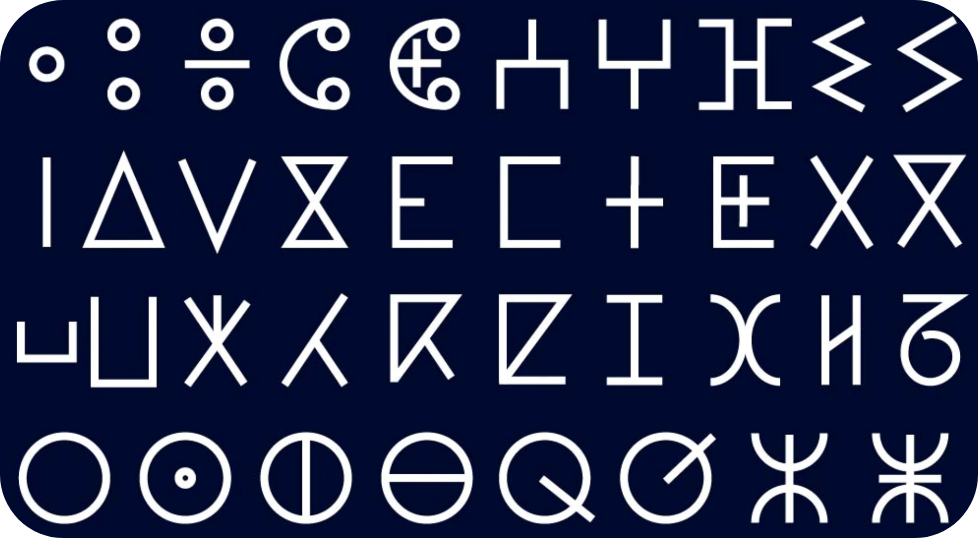
While most are fluent in al-'arabiyyan, Tamazight is the spoken language of the Imazighen people while their script is called Tifinagh, ⵜⴼⵏⵗ or ⵜⵉⴼⵉⵏⴰⵖ. A common letter not present in Accian is ɣ, the closest sound being gh. It is a voiced velar frictive, made by constricting airflow between the soft palate and back of tongue. Tamazight can be grouped together with other Shamsi' Walmashriq languages and narrowed even further with Nil-Shamsi languages. More specific dialects of Tamaziɣt include Tmaziqɣt, Taqbaylit, Taclḥiyt, Maziɣ and Tamahaq. |
Common Names |
Masculine |
Aderbal | Afaw | Aɣilas |
Amanar | Ayyur | Badis |
Kasila | Mastanabal | Yuba |
Ziri |
Feminine |
Adamamt | Azil | Badida |
Duna | Fakka | Ittuba |
Lilleo | Numidia | Sallentet |
Tadazt | Tilleli | Ziddina |
Surnames |
Ait | Aitbrahim | Benasser |
Haliche | Izem | Maziɣ |
Mbarek | Meziane | Mokrani |
Ouyahia | Tamaziɣt | Zammit |
Traditions |
Imazighen woman are well known to weave intricate kilims, hand-woven tapestries and carpets popular across their trade routes. These have distinct patterns which are unique to each region and tribe! Stripes and geometric shapes like triangles and diamonds interlock across these fabrics while sequins and fringes embellish the edges. Festivals are another important tradition of the Imazighen which include Tbourida, Yennayer and Souch Aam! Known as Mawsim by the Arabiyy, Tbourida is a rite performed during cultural events and weddings. Men exhibit their horsemenship, several riders co-ordinate their movements alongside radiant bursts of solar magic!
Souk Aam, or Betrothal Festival, helps to unite tribes which may rarely interact, allowing Imazighen youths to seek otherwise unlikely marriages! It can be difficult to find a partner amid their scattered, conservative and nomadic lifestyle so this festival allows young men and woman to meet in a socially aceptable setting. During this festival, upwards of fourty couples take their vows in a single day! All accompanied by music, dancing, feasts and vivid clothing for all to enjoy as they celebrate love and cultural unity. |

Yennayer dates back to long before the Erlithmanil walked Emynea, celebrating the bond between the Imazighen people and the land. It is also their new year festival! They celebrate the wealth and generosity of Shamsi in a festival of nature, agrarian life, rebirth and abundance. This is the first month of their year but their celebration can last up to three days. Festivities include joyful music, feasting, family bonding and even special events like weddings or a child's first haircut. A full belly on Yennayer is beleived to chase away poverty or famine in the upcoming year but woman will also sprinkle crumbs outside for birds and animals, not a single belly remaining empty! |
Clothing |
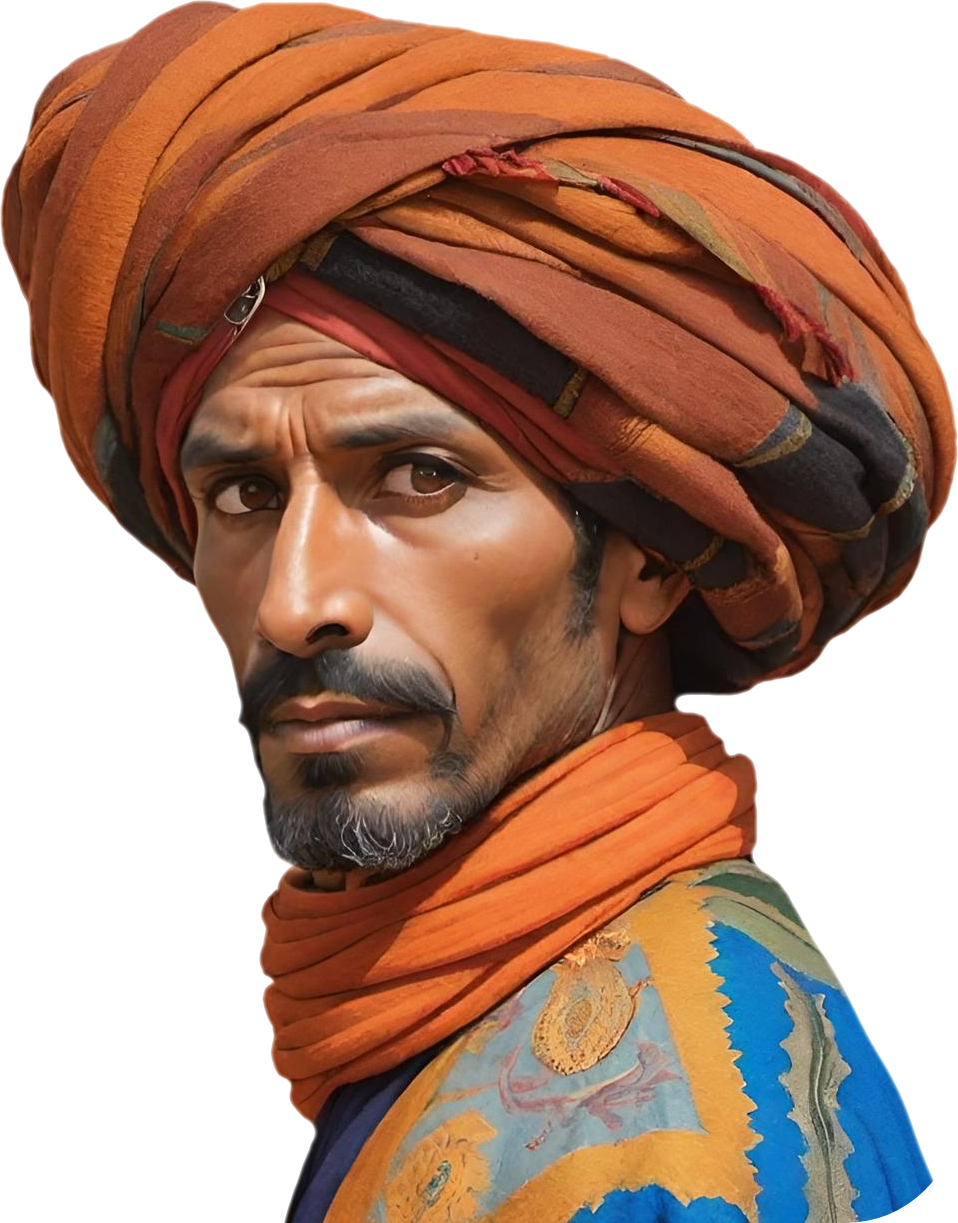 Men drape themselves in a signature cloak made of camel hair and wool. It keeps them warm during cold desert nights, when most Imazighen herdsman are active. Turbans are equally practical and popular.
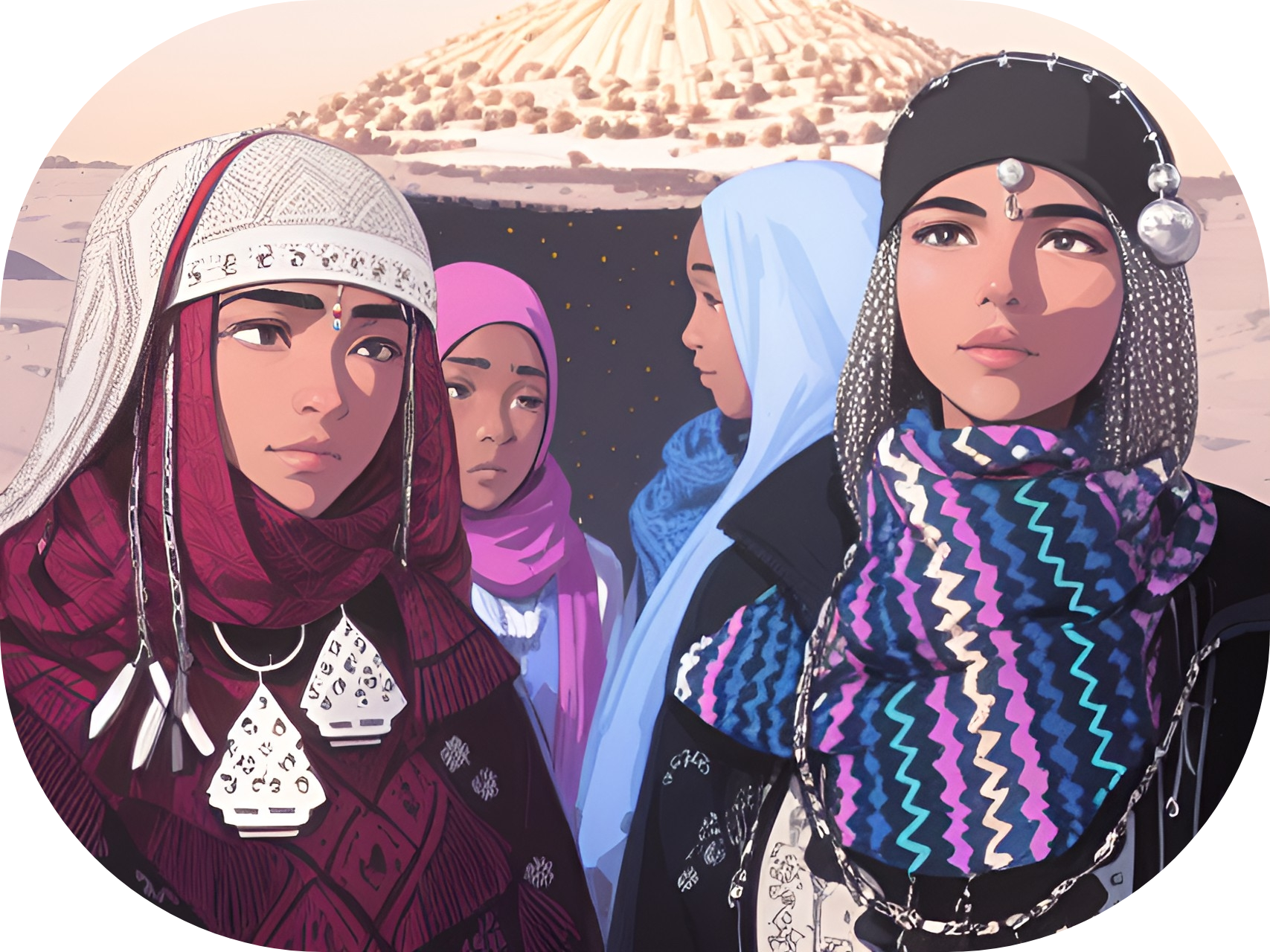
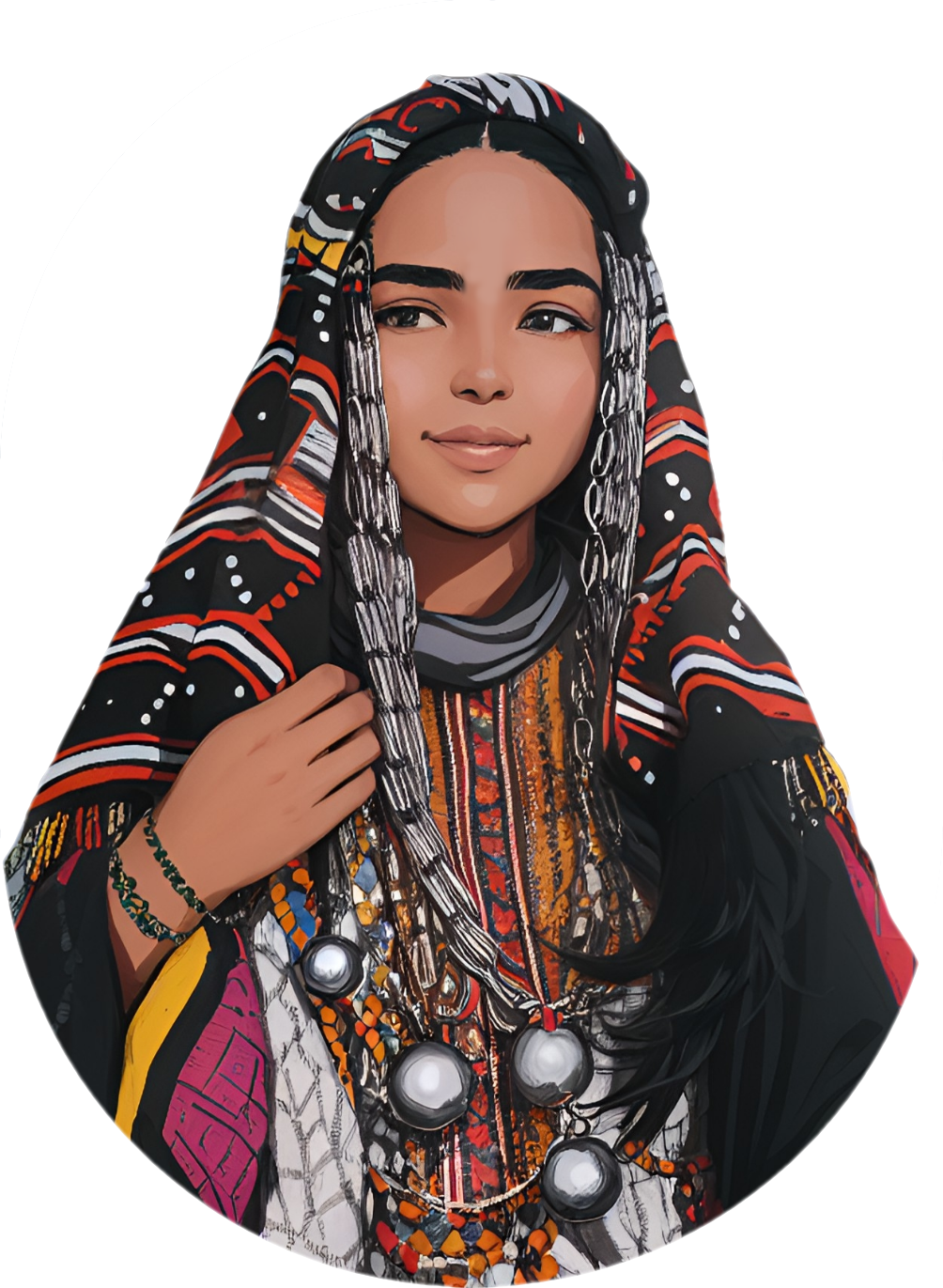
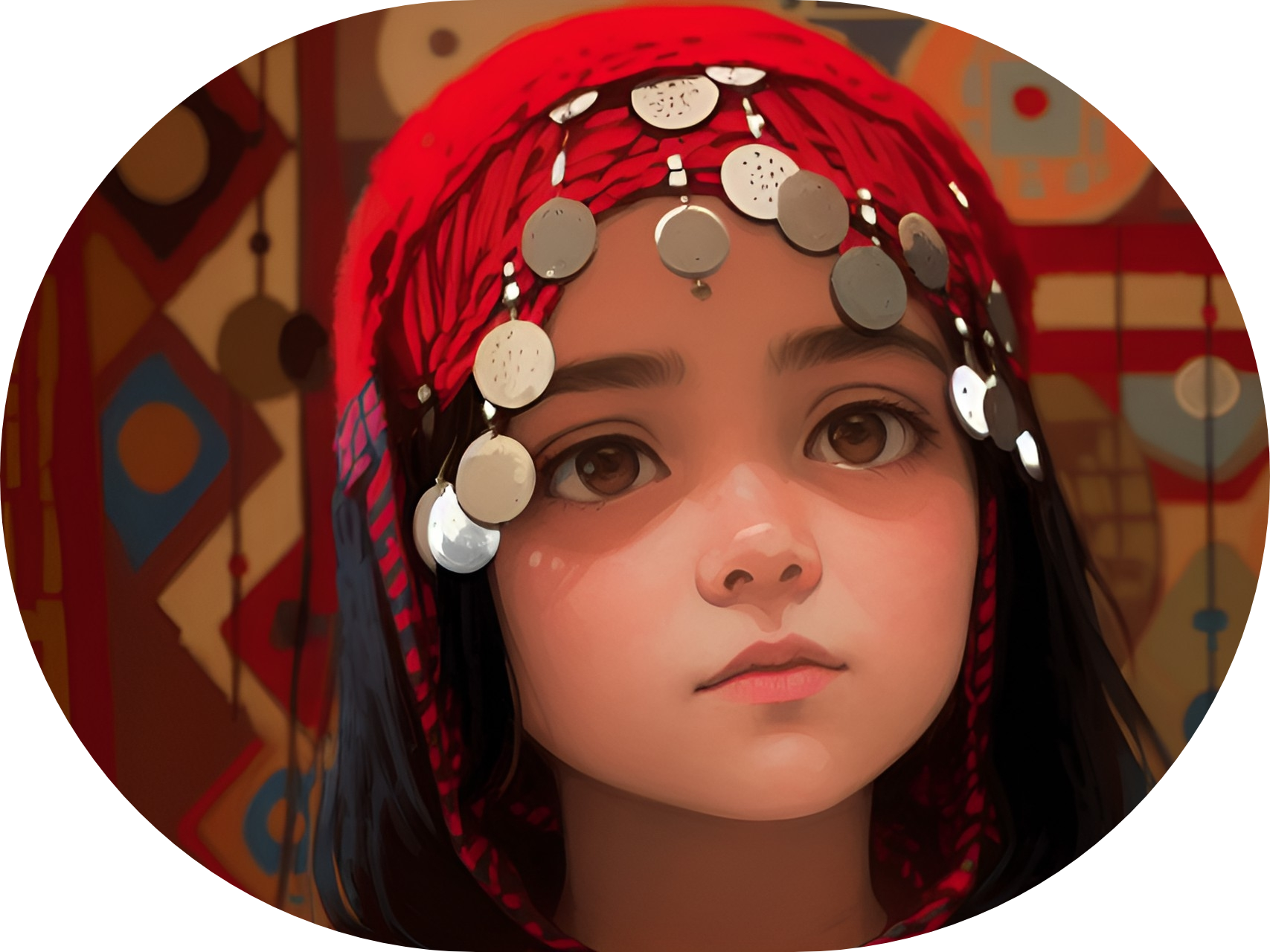
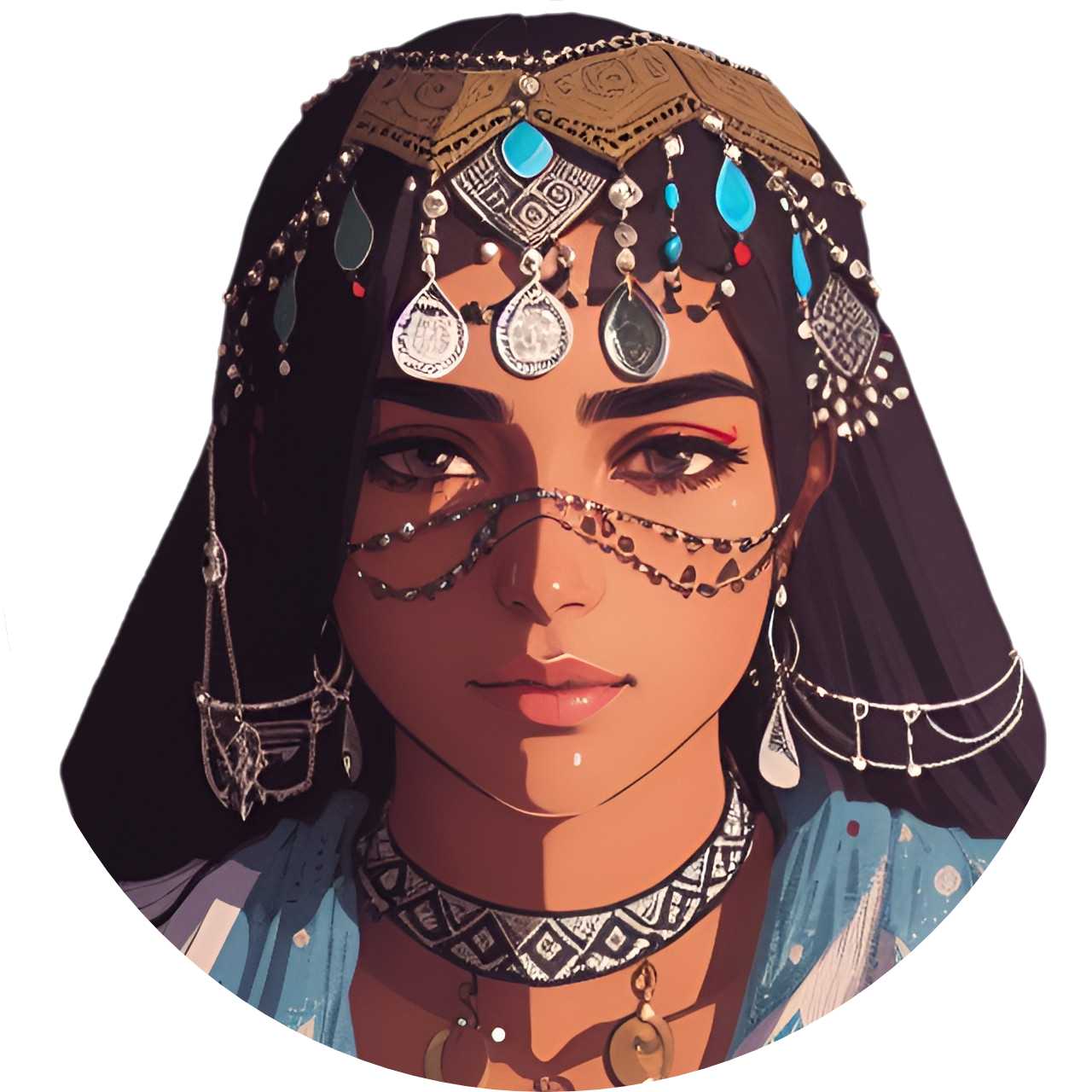
Woman adorn themselves with elaborate silver jewery, passed down from mother to daughter. Triangular plates and pins clasp their clothes together while necklaces, bracelets and earrings dangle about their face. Much of the rest of Imazighen clothing carries the mark of their occupations. The haik, a cloth one wraps around their body, resembles the Quiris toga. Arabiyy turbans, mandeels (face coverings) and chalwar (pants) are also worn and woman cover their hair with scarves. And the farther an Imazighen woman lives from Arabiyy influence, the more colorful her attire! |
Cuisine |
 |
|---|
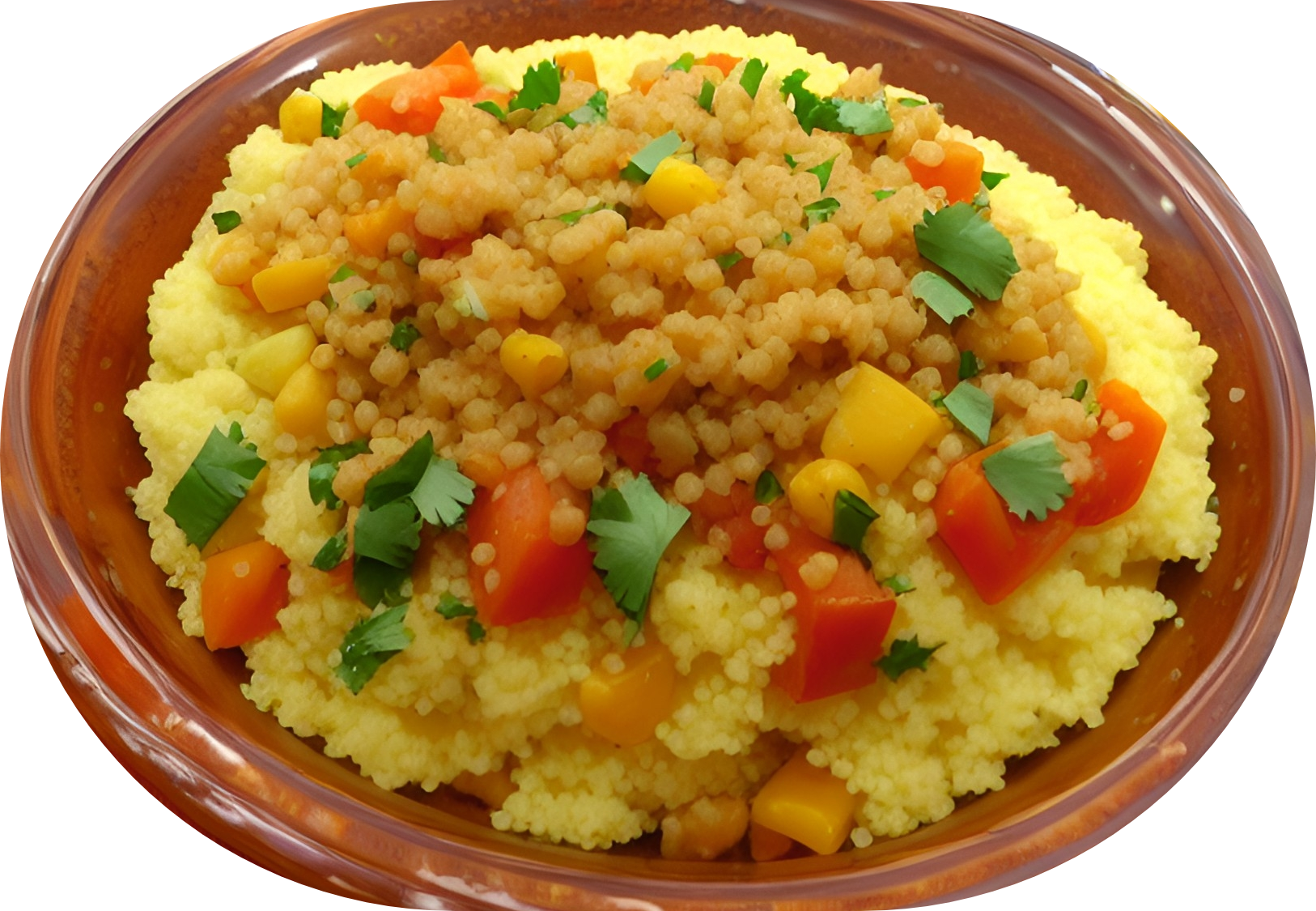
Also known as couscous, this traditional dish is made from semolina wheat grain rolled into tiny spheres before being steamed. |
Tajine |
Slow-cooked stew named after the conical clay pot its prepared in which bastes goat or beef with minimal water. Includes vegetables like potato, carrots and zuchini and flaovored with onions, garlic, ginger and cumin. |
|
It's name meaning stick, this dish is prepared by wrapping tripe such as ganglion, caul, lung or heart around a stick and wrapping it with intestines before being seared on hot coals. |
| Baghrir |
|---|---|
A fluffy flatbread or pie made with semolina and wheat flour, a small amount of yeast, sugar and salt. It's usually served with honey and butter. | Light and spongy pancakes roasted only on one side, having a honeycomb texture similar to a waffle. These absorb toppings such as honey, syrup, butter, jam, fruit and sometimes orange blossom water. Alternately it might be topped with olive oil, cheese or paprika and enjoyed with mint tea. |
History |
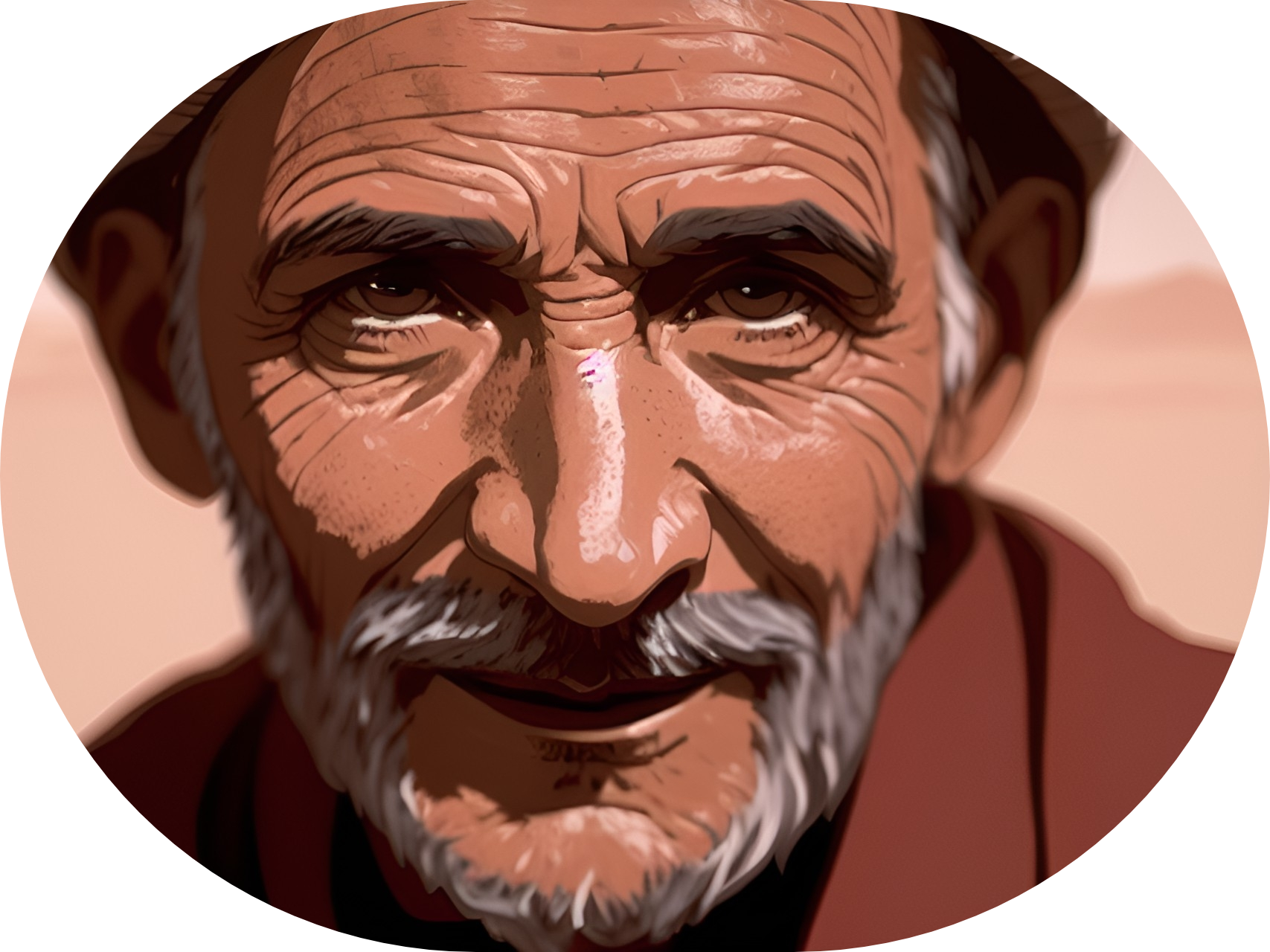
Early in Emynean history, the Imazighen had their own kingdoms spanning Sahra' al-Shams. But they are no strangers to foreign rule. Most recently, when Ilnid rose to power, his Khalifah al-Rasul suppressed Imazighen influence and scattered their civilization. The most traditional tribes fled to the harshest reaches of the desert, too dangerous for outsiders, while the rest compromised and accepted Arabiyy rule in order to continue their lifestyle as traders or farmers. There were even those who embedded themselves into the caliphate, marrying members of the Ahl al-Bayt and becoming merchants, governors and wealthy land-owners!
The Arabiyy conquerers ruthelessly assimilated sedentary Imazighen into their culture, conversion to Islam al'Rasul and speaking al-'arabiyyah mandatory. Those who refused were enslaved, banished or executed! However, those living in the dangerous depths of Aznag maintain their own oases as do hidden highland communities in Idraren Draren and Emi Toubou, preserving their original culture and language. Simultaneously, these settlements became more isolated than in the past, diversifying dialects into alternate Tamazight languages and subethnicities including the Leqbayel, Imaseglɣan, Iznaten, Ishelhien, Iriffiyen and Ishawiyen. |
The Leqbayel reside along the northern coast in Libu, tucked within an irradiated mountain range. They had a thriving port inside a safe seaside pocket but it was this port that allowed Arabiyy conquerors to finally overcome them, those unwilling to be assimilated retreating into the mountains. Those who remained became major agriculturists of Azeradj Olive Trees. But these laborers were not treated as equals, sharecropping, serfdom and even slavery entrapping them. The last free members of the Leqbayel have been known to descend and rally these serfs, instigating revolts to drive out the Arabiyy. However, each time Ilnid's forces would return by sea, whittling down their will and numbers. |
Arabiyy rule continued until recently, as the Kingdom of Accia spread into Shamsi and opposed the Khalifah. Ready to take back their city, the remaining Imazighen renegades allied themselves with Accian forces, definitively pushing out Arabiyy influence. This triggered a string of treaties between Accia and several sedentary Imazighen settlements across Libu and Marrakesh. However, the nomadic tribes of Aznag remain skeptical of these outsiders and some go so far as raiding Accian encampments, covering their retreats with Ramli al-Hanzal sandstorm bombs! They refuse to give up their children to the kingdom, resisting Accian influence at every turn, untrusting of any foreigners. |
Government |

Most nomadic Imazighen are tribal and leadership is appointed. Outside of Khalifah al-Rasul's influence, female chiefs are not only common but they thrive with immense pride! However, those under Arabiyy influence can only appoint men and most defer to the caliphate's strict political system. If an Imazighen is to rule, he can only do so by being officially promoted by the Khalifah and marrying a member of the Ahl al-Bayt, one of Ilnid's many daughters! Outside of the caliphate, each tribe is unique. Some are more hierarchal than others, even having had kings in the distant past. Others are led by spiritual leaders and have a communal, almost democratic structure. But regardless of individual tribe, in times of great crisis tribal leaders may gather in Tamenghest to resolve whatever plagues them and even form a confederation! |
Architecture |
]
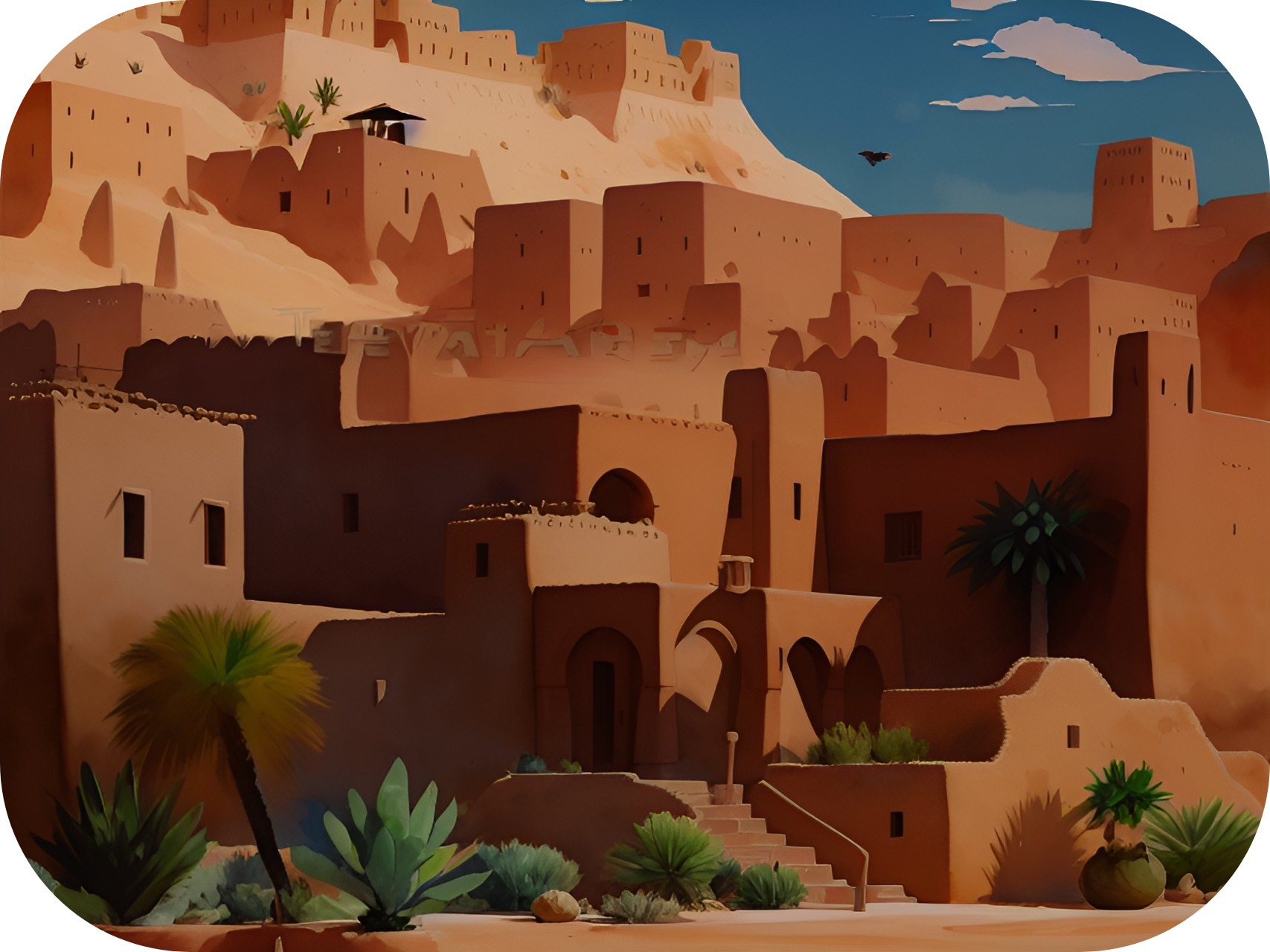
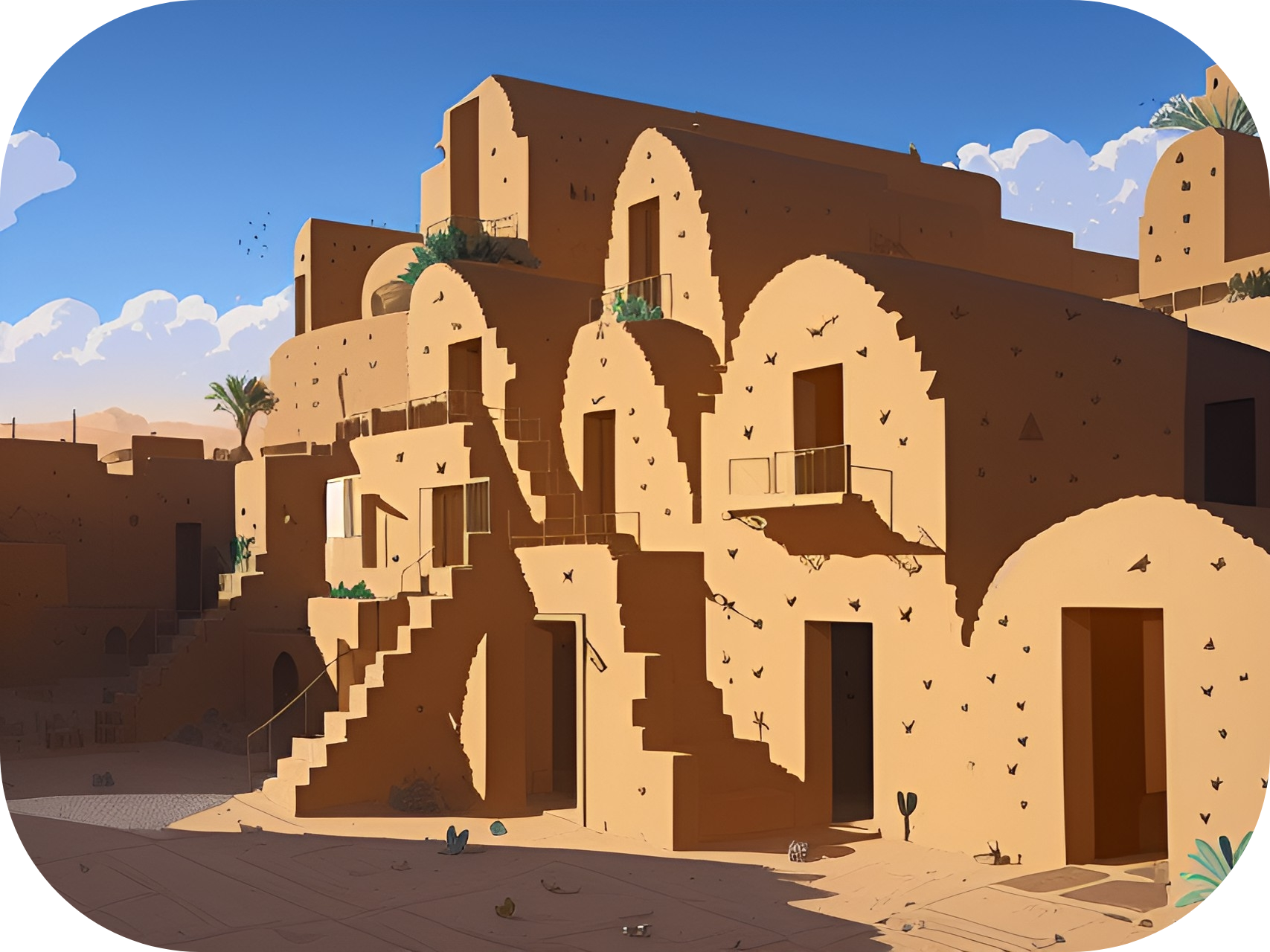
You might not expect a nomadic people to possess traditional architecture but the Imazighen are full of surprises! Their most impressive constructs lay deep within the radiant desert, centered around hidden oases or overlooking fertile floodplains. Built into these safe havens are kashahs (fortresses) and ksour (fortified villages)—the last defense if their enemies manage to traverse these dangerous sands. These stone fortresses were carved by hand into the craggy hamadas and mountains of Shamsi, blending into the desert amid sandstorms. Imazighen create flat roofed buildings made of rammed earth, if not carved from raw stone, and are either whitewashed or painted with geometric patterns when stealth is not a necessity. However, ancient settlements have had these paints whittled away by relentless sand. |
In the highlands, hilltops are dotted by ksour and ghorfa (fortified graineries). These are made with loose stone, mortar and clay. While spread throughout the desert, not all of these settlements are constantly occupied! Some operate instead as transient pit stops set into place as respite for nomads, travelers and merchants. A handful of small businesses inhabit these safe havens, meeting the needs of travelers and trading with those passing through to meet their own demands. There are even rumors of hidden pathways through the desert, too dangerous for outsiders, and of Imazighen smugglers who are willing to transport any cargo--for a suitable price. Mostly consisting black market deals and contraband, these smugglers are capable of dodging Accian checkpoints and unwanted eyes. |
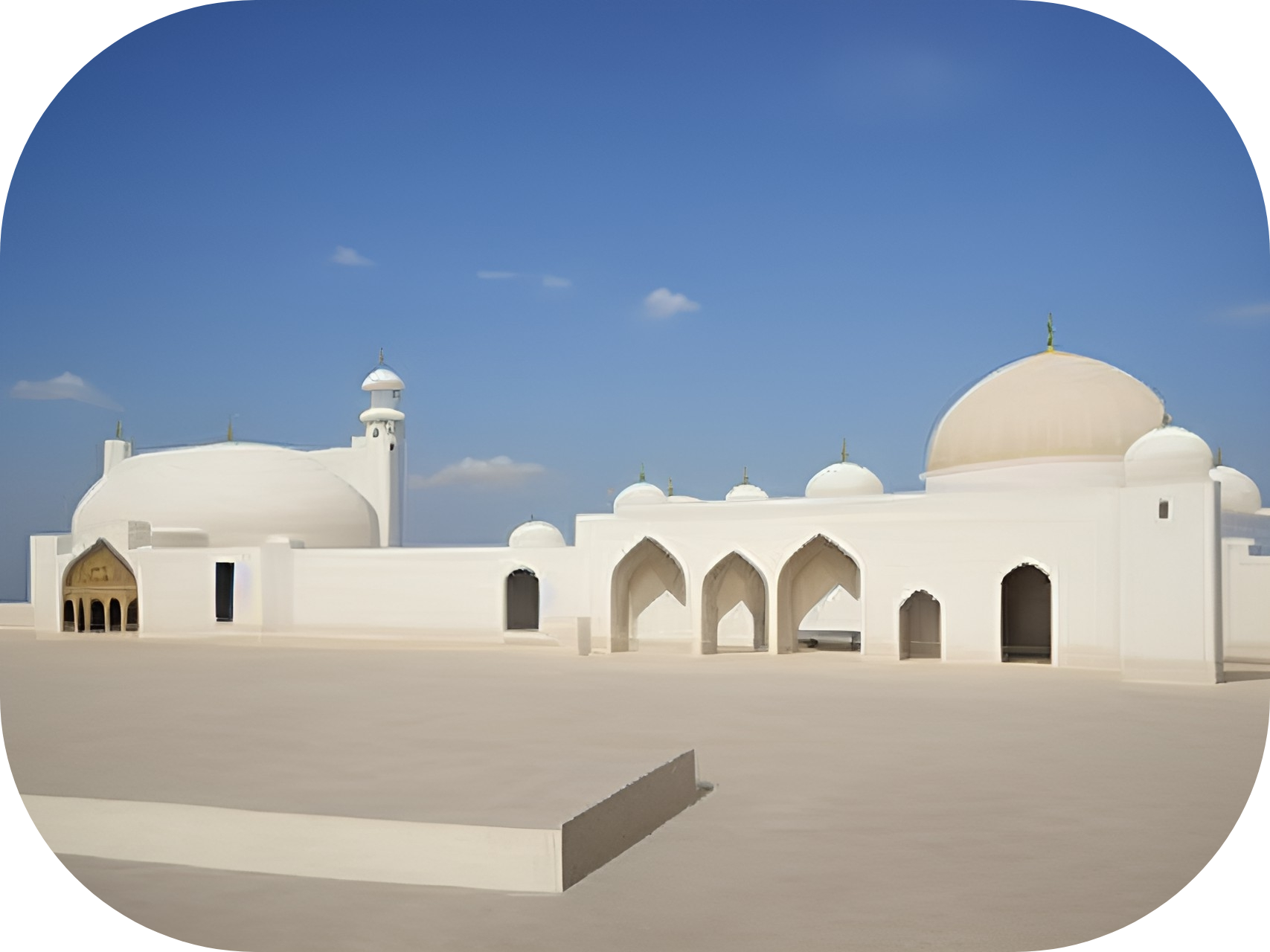
Established oases towns of Sahra Shamsi, along safer routes for those without solar magic, are inhabited by sedentary Imazighen who have accepted Arabiyy rule and religion. Despite this, their mosques have their own unique styles with domed prayer halls, low-lying and whitewashed structures made of stone or rammed earth, barrel vaults and unique minarets. These minarets are tall with a square base which tapers at its end. Some call these fortified mosques, doubling as a fortress if they are attacked. |
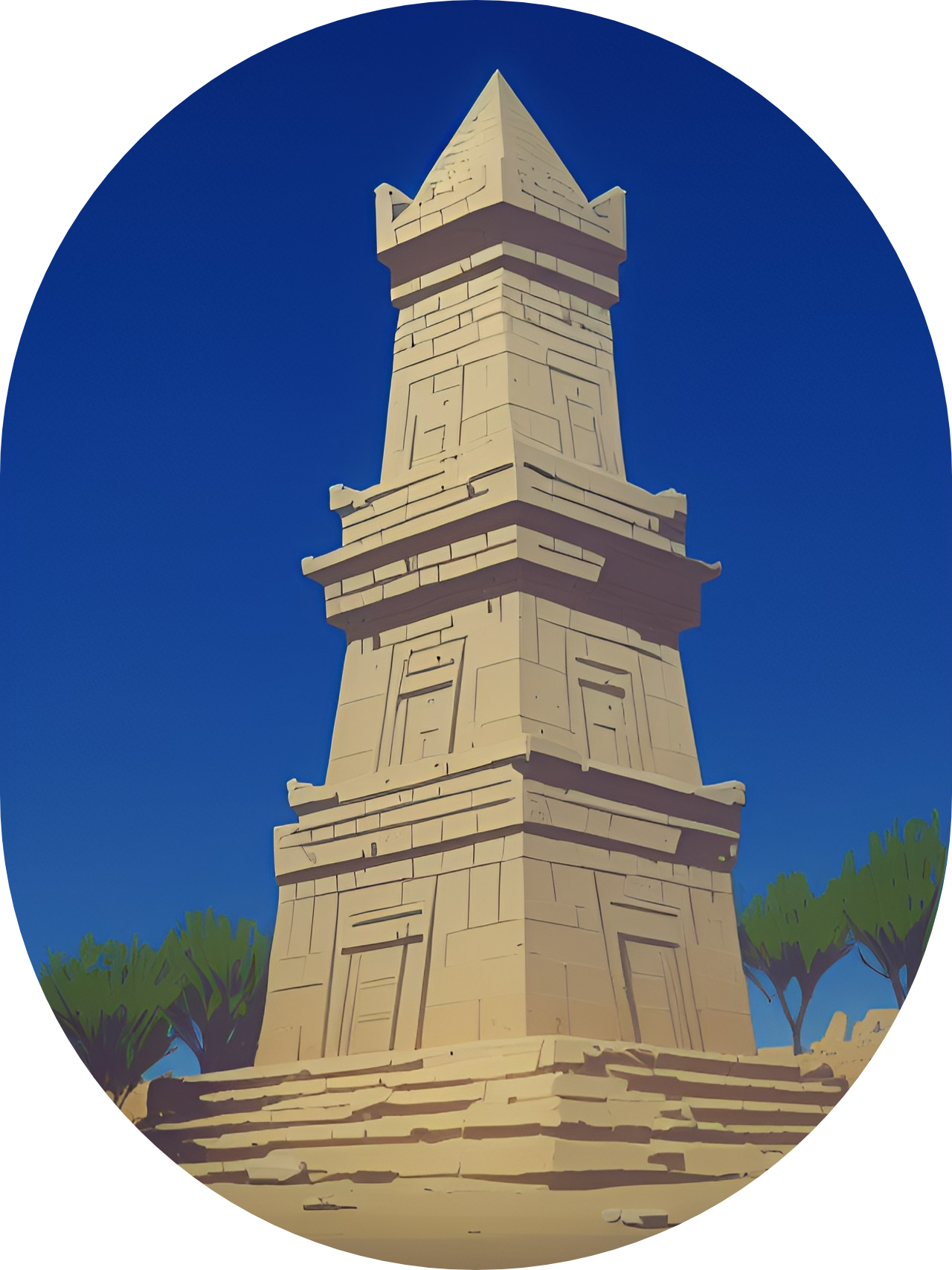
Other structures are made from dry stone or mudbrick, as wood isn't readily available. Over their long history, they've adopted architecture from their previous invaders including Quiris, Arabiyy and Turkler. As an example, they may construct villas or tombs for aristocracy. Mounds, well-cut masonry, columns and cornices are also apparent. There is even a tomb which has columns, spiral pathways and domes. Another common tomb is a three story structure topped by a convex pyramid. For any who seek them out, remains of ancient civilization like amphitheaters and colloseums lay abandoned, slowly digested by endless hungry sand. |
Rites of Passage |
Marraige |
In many tribes, the groomn selects a potential bride and her family makes the decision. By contrast, there are tribes in which the woman chooses her own husband. These traditions and marriage rites differ dramatically between Imazighen tribes, including whether the tribe is patriarchal or matriarchal. In patriarchal tribes, men take care of the livestock and migrate by following their animals' natural grazing patterns. They procure wild plants, wool and milk and seek out shade and shelter. Woman instead look after the family and work on crafts, for the family and for selling in souqs (open air markets) |
Death |
Traditional Imazighen will entomb their dead and paint them with radiant-resistant ochre to protect them from decay. A number of objects are usually buried with them including Ostritch eggs, jewelry and weapons. However, there is one community which mummifies their dead as well. They buried their dead in caves, tumuli, tombs in rocks, mounds and even megalithic structures like pyramids. |
Religion |

Most Imazighen have converted to Islam al'Rasul, revering Ilnid, Luxis and Lithmor. However, nomadic or isolated oases have their own pantheistic belief systems mostly unknown to the outside world!
Traditional Imazighen beliefs differ by tribe. Some view their ancestors as deities, trying to consult with them when facing uncertainty. They even use a combination of herbs like Artemesia, Isik Gozyaslari and Lux Thyme before sleeping overtop tombs, seeking out prophetic dreams! This is especially practiced within tombs of ancient and respected leaders, those considered honorable and brave. These are viewed similarly to saints. Other Imazighen practice a more ancient religion which worships the sun, celestial bodies and the stones of the earth itself! They especially venerate Lithmor alongside her celestial daughter, Sylthari. Over the millennia, a secretive cult has constructed megalithic structures engraved with the Tifinagh script and mysterious glyphs, their purpose unknown. Only their reverence for the stars is apparent. They have their own secret names for their pantheon but the Quiris call them Dii Mauri. Finally, the rest of the Imazighen tend to worship the Masriyyin's ancient pantheon, Netjer Pesedjet. Their war god is named Gurzil, son of Raet, and he resembles the Quiris deity Saturn. Which Erlithmanil these were associated to is a matter of academic debate in Sesli Plato. |


|
All images were created by me using AI generator, is my own art or a combination of the two!
(AI generator is wombo dream.ai) |
Comments