

Anson Seinrill

"He became the man I always hoped to be, yet feared my own hands would prevent him from becoming. I admire him more than he will ever believe and regret more than he will ever know."
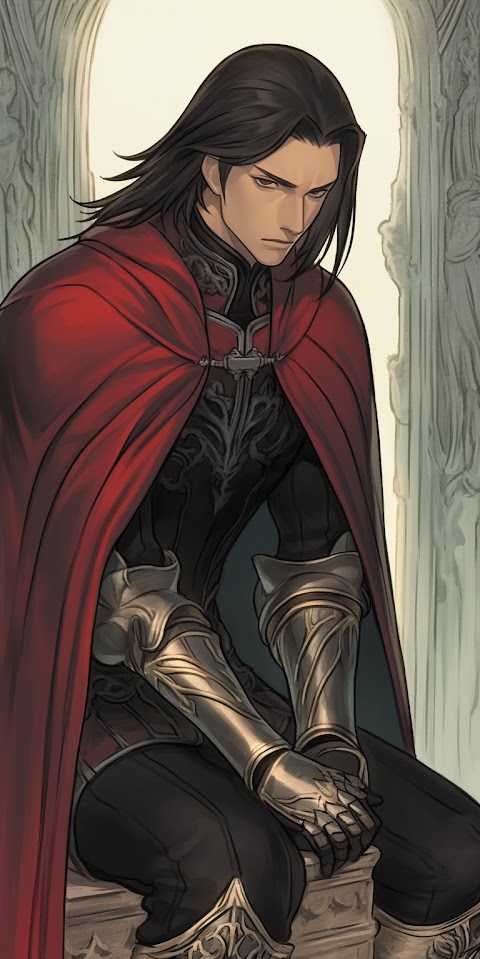
— Corvyn Seinrill, personal journal

 
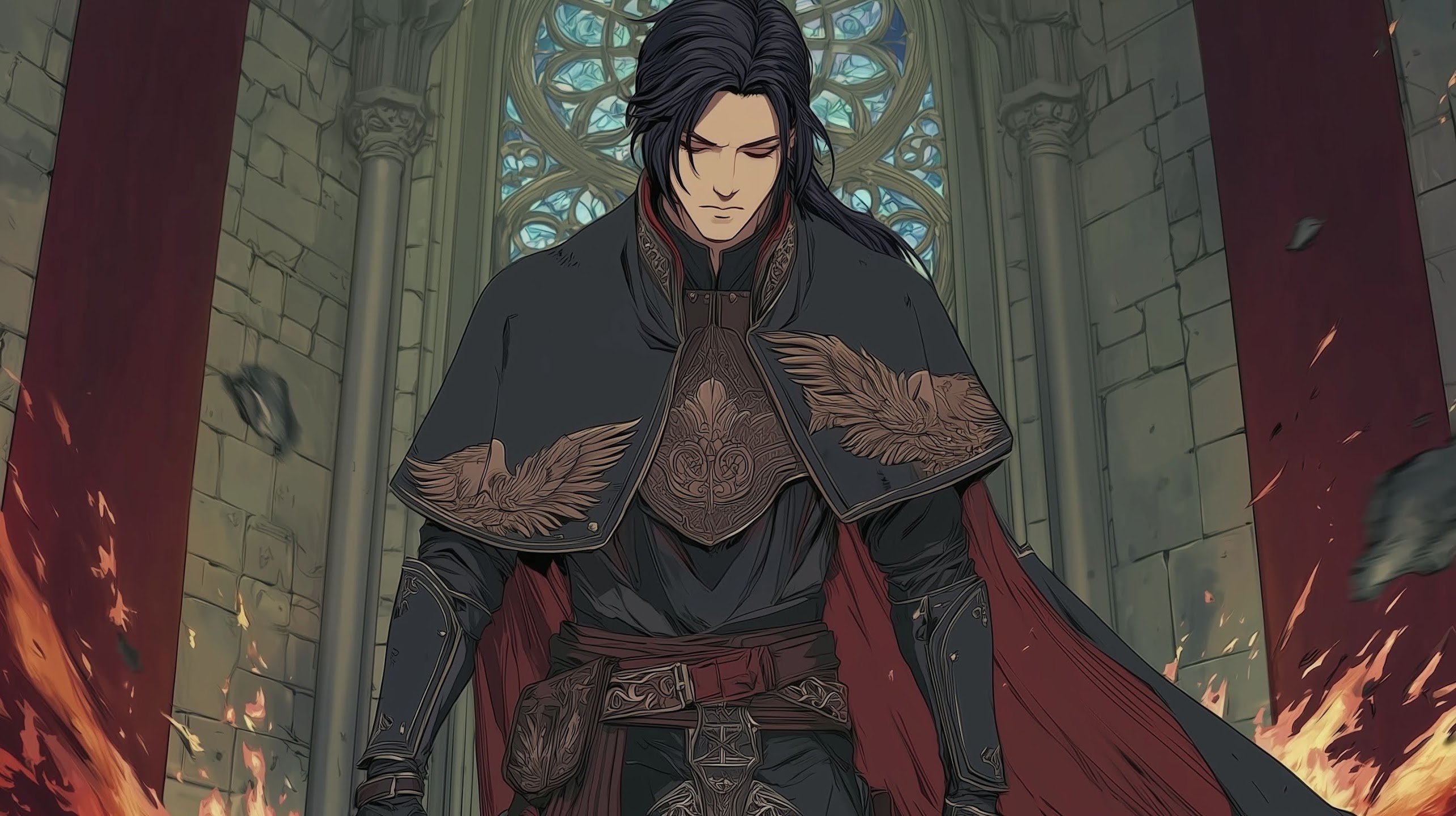
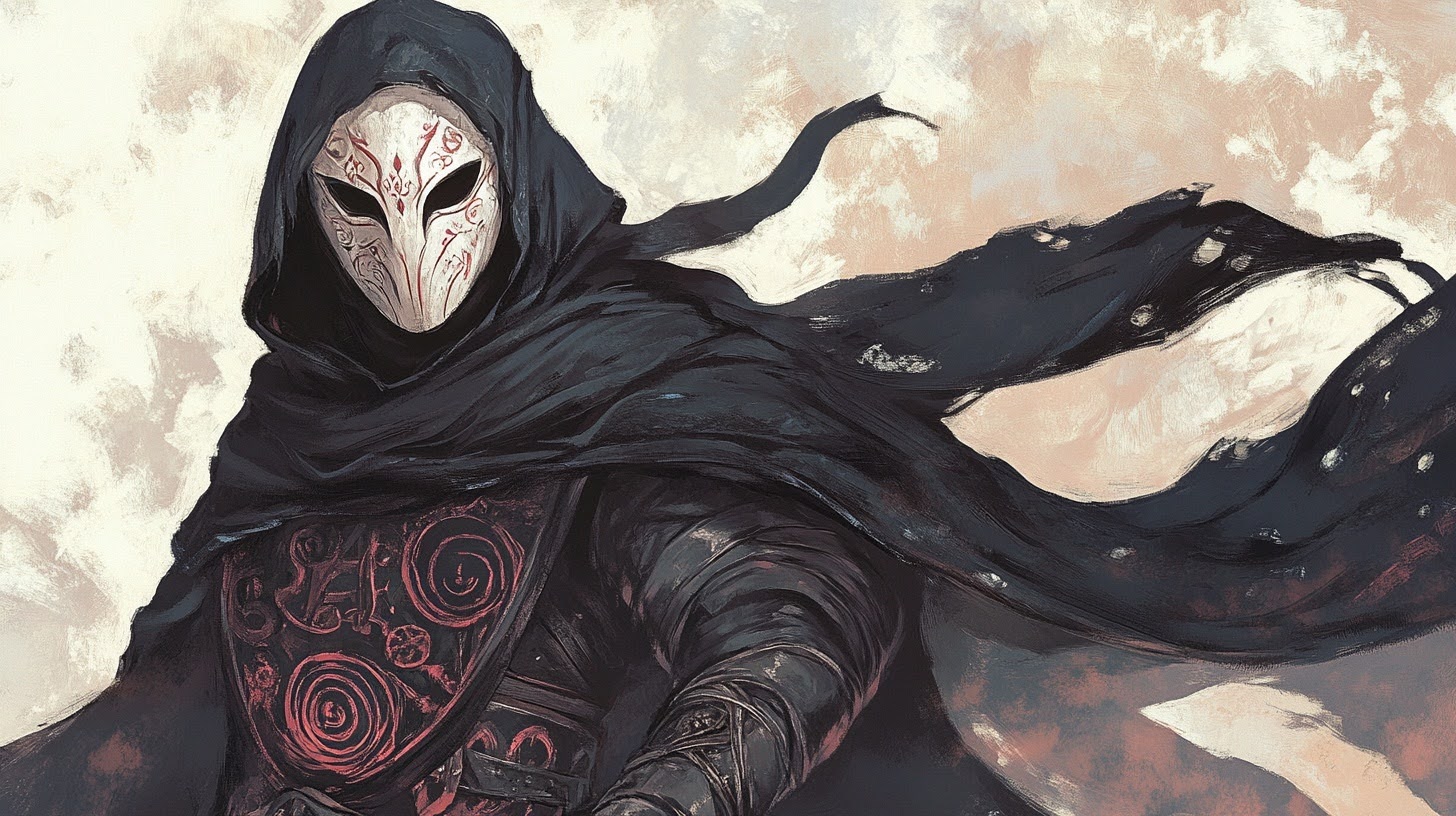
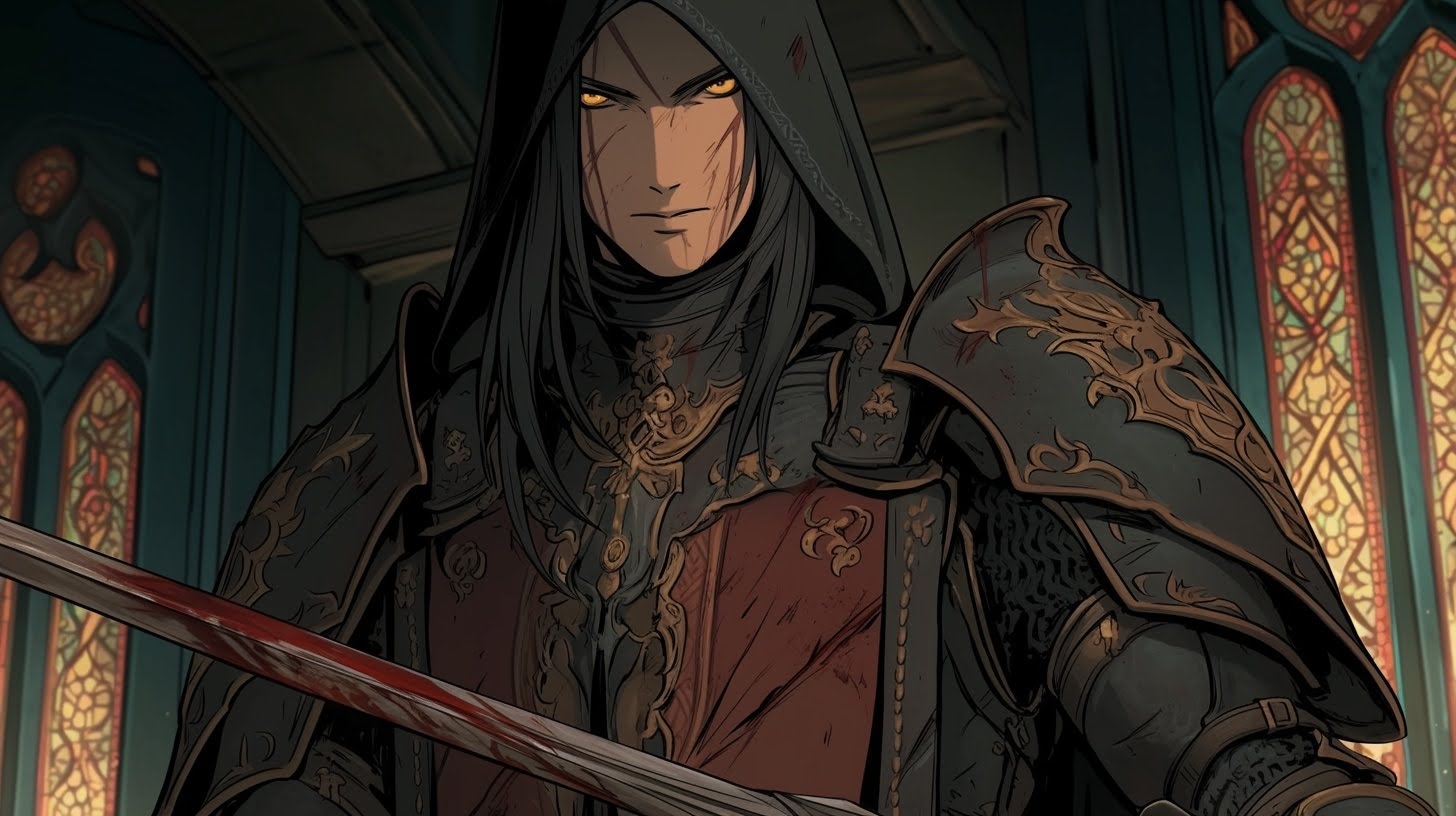
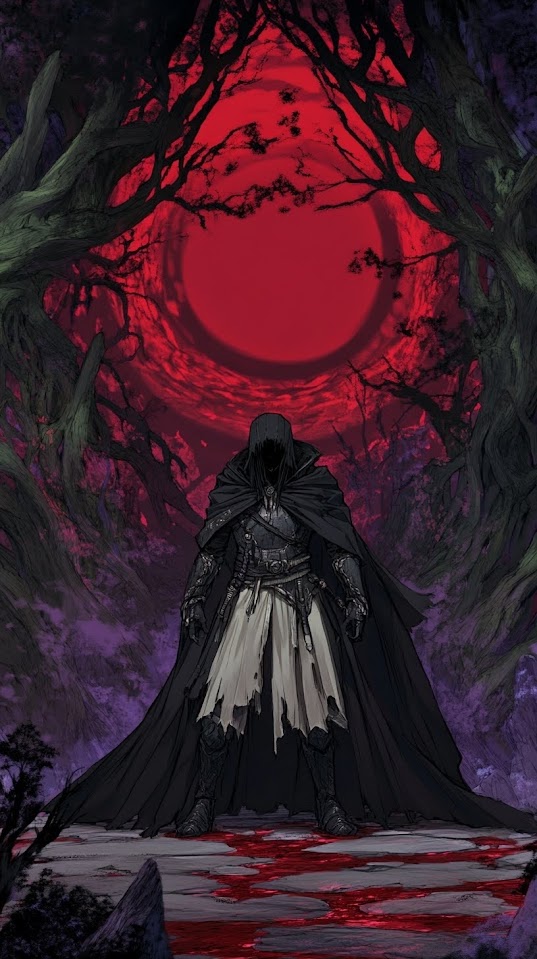
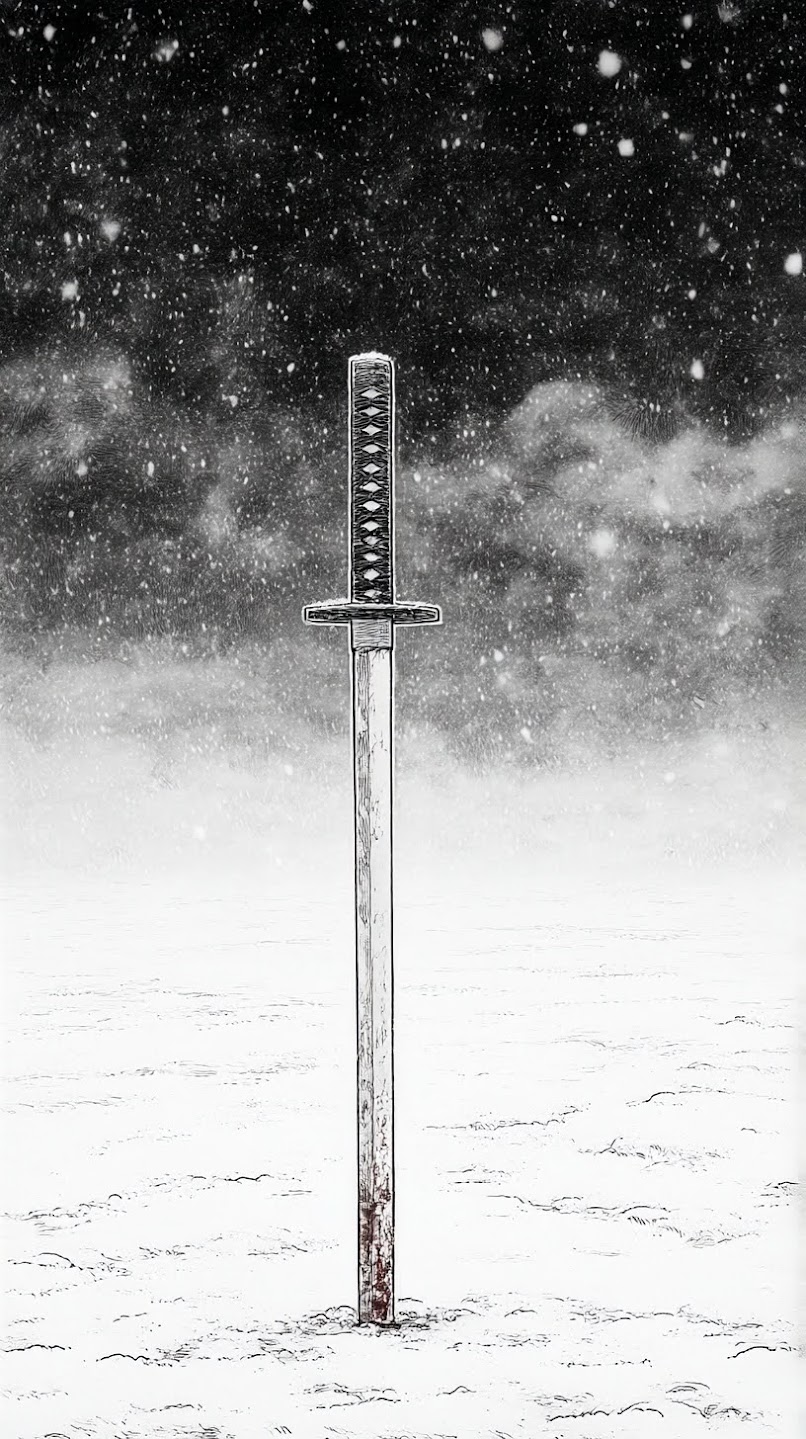
There is a figure in Areeott whispered about by people who know better than to trust quiet nights. No one knows his name. No one knows his origin. They only know that when the Guard faces something they cannot tame, a silent man arrives alone. He steps out of the dark, ends the danger with unnerving precision, and vanishes before anyone can ask who he was.   Witnesses describe a presence rather than a person. Footsteps that do not match the distance he crosses. A blur of motion that feels impossible to track. Eyes that seem to follow a moment before the movement occurs. Those who survive an encounter with him leave convinced he is watching two futures at once which is why blades that should have struck him do not and why his strikes always land where they must. Every rumor contradicts the next, yet each leaves the same impression. He does not merely fight. He anticipates.   He served the House Guard for centuries as the operative sent when every other path had failed. His missions left no story behind, only outcomes. Conspiracies dissolved. Criminal networks vanished. Foreign agents withdrew without explanation. Anson walked through the world like a sentence pronounced long before guilt or innocence could be proven. People feared him not because of what he said but because he never needed to speak at all.   Then one day he was gone. No farewell. No betrayal. No body. Just absence. In the Xi'an Empire, new stories began. A wandering swordsman. A silent defender. A man who arrives in places where injustice festers and leaves them cleaner than he found them. These tales never use his name but they do not need to. Only one man in Aerith moves that quietly and carries that kind of weight. And wherever he walks, people tell the same whispered truth. If you see him, something dangerous was already coming.

Physical Description

Body Features

"He carries strength with quiet grace, the way I once wished I could. Every scar on him feels like a failure on my part to keep him safe."

— Corvyn Seinrill, personal journal

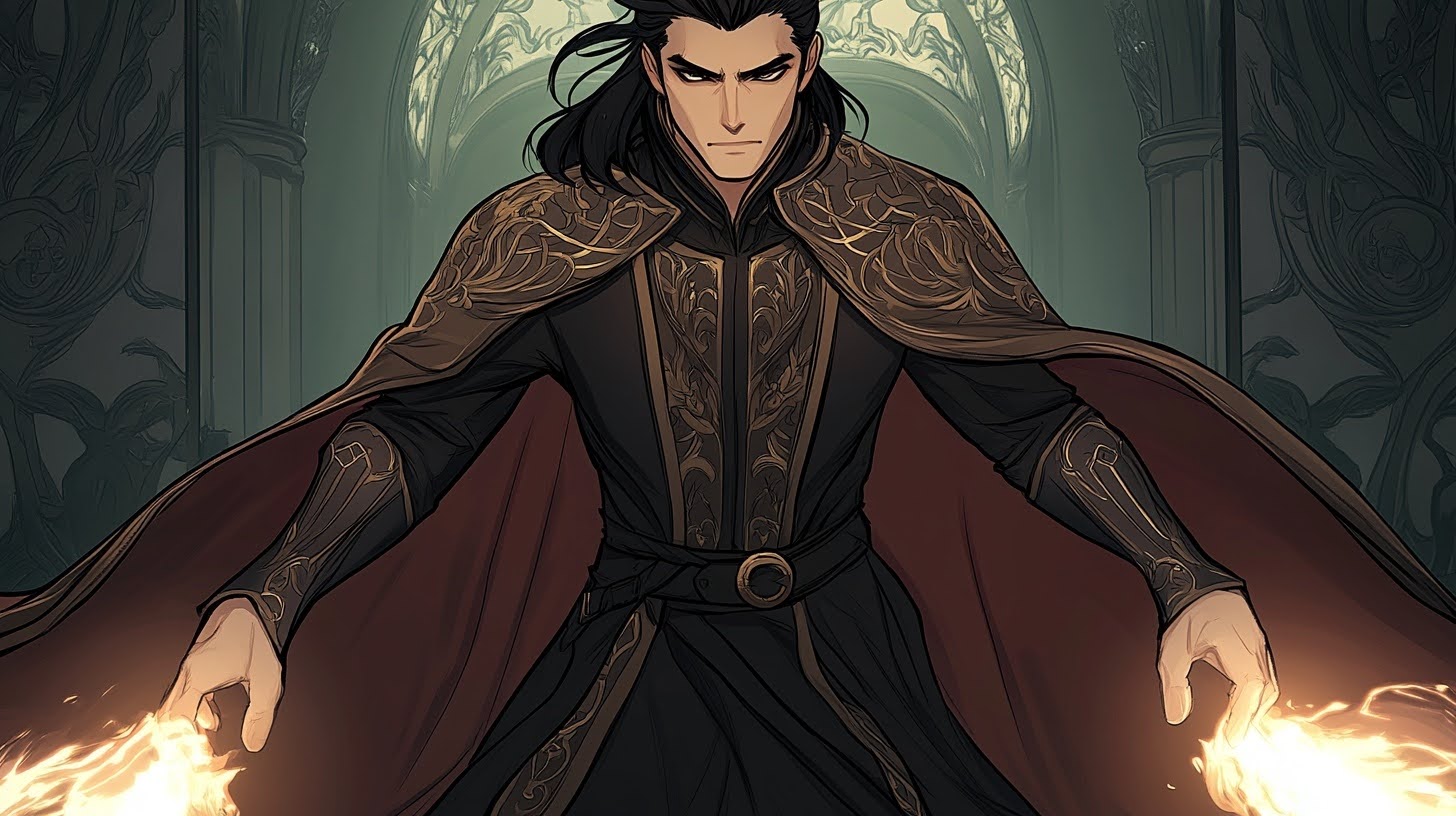
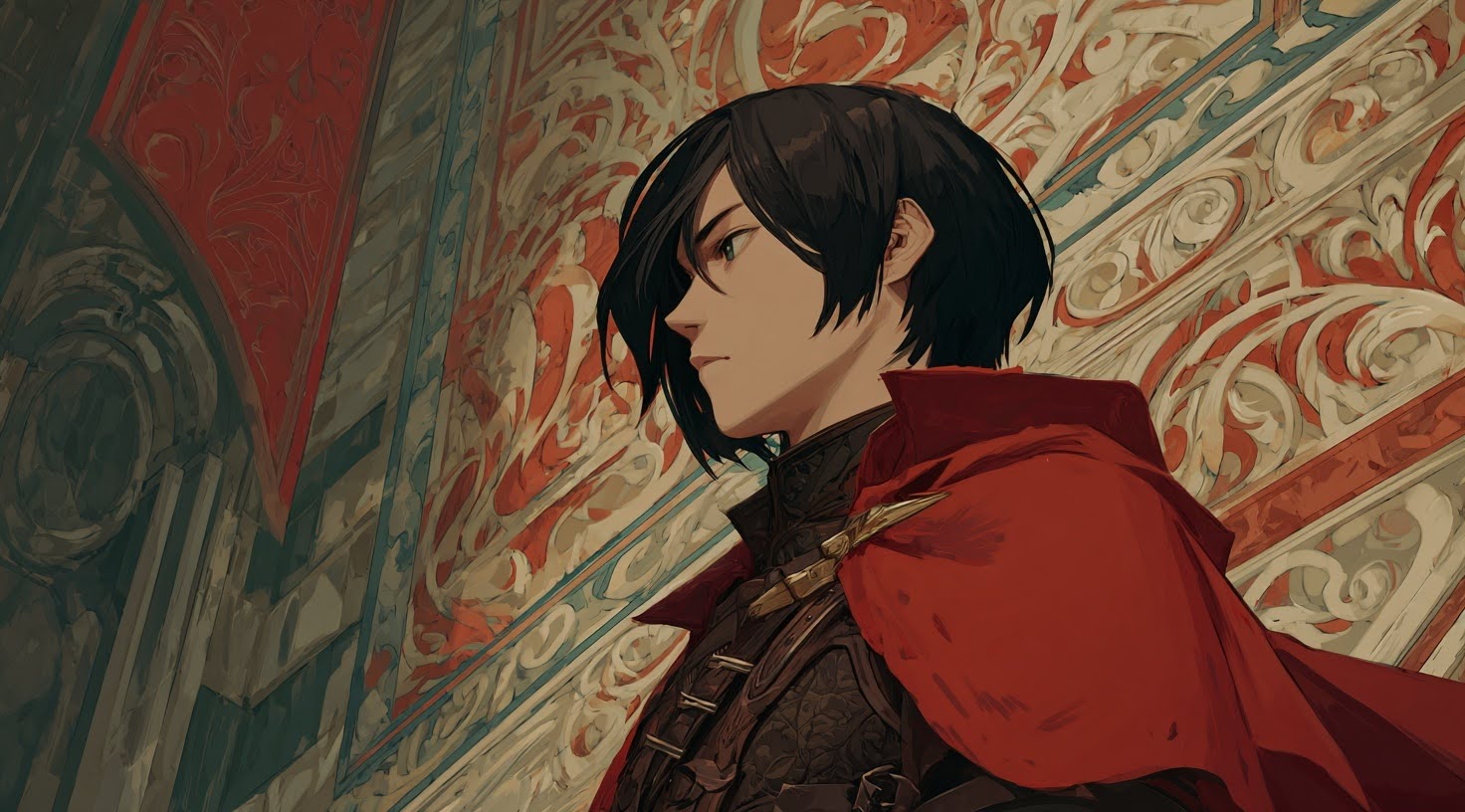
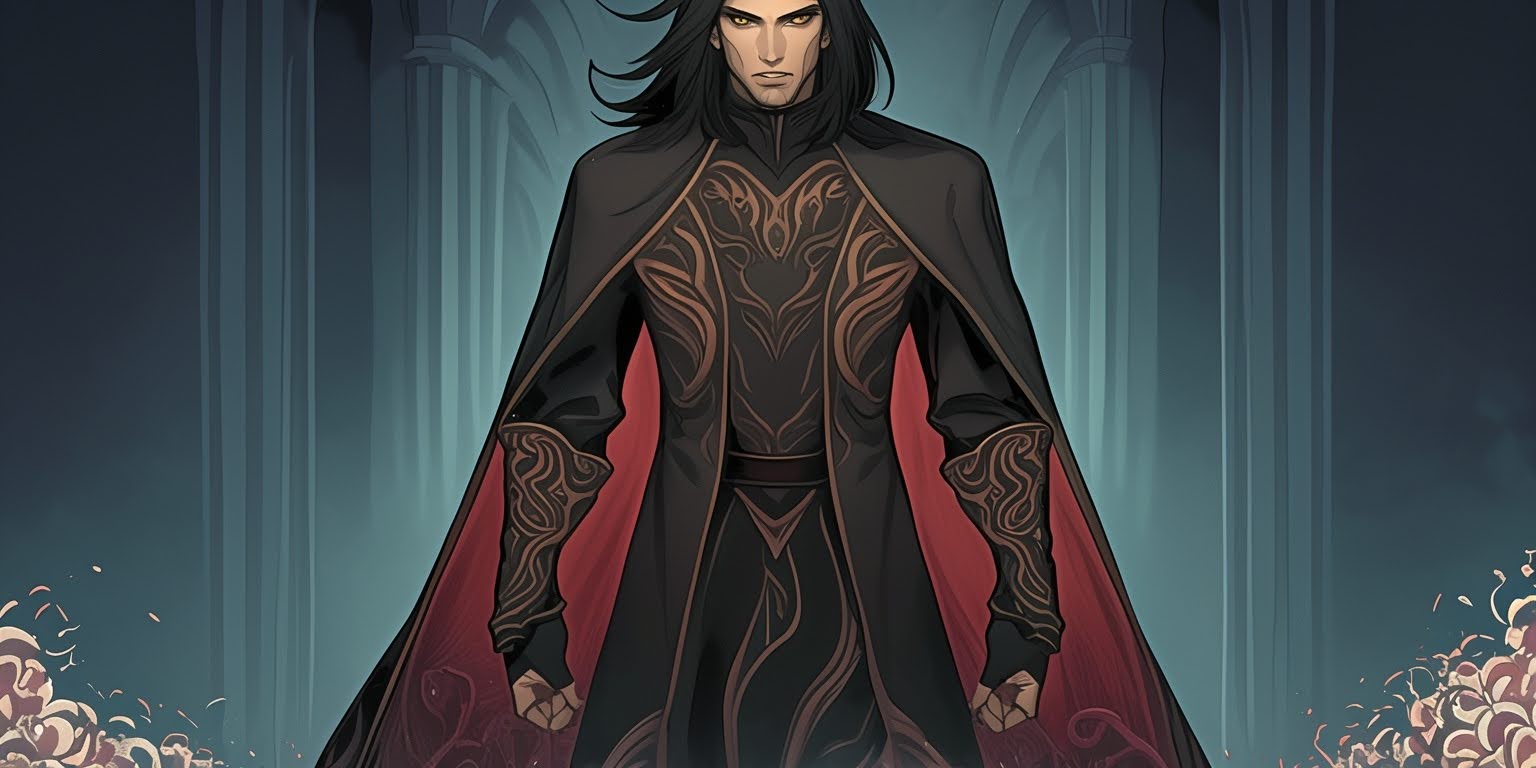
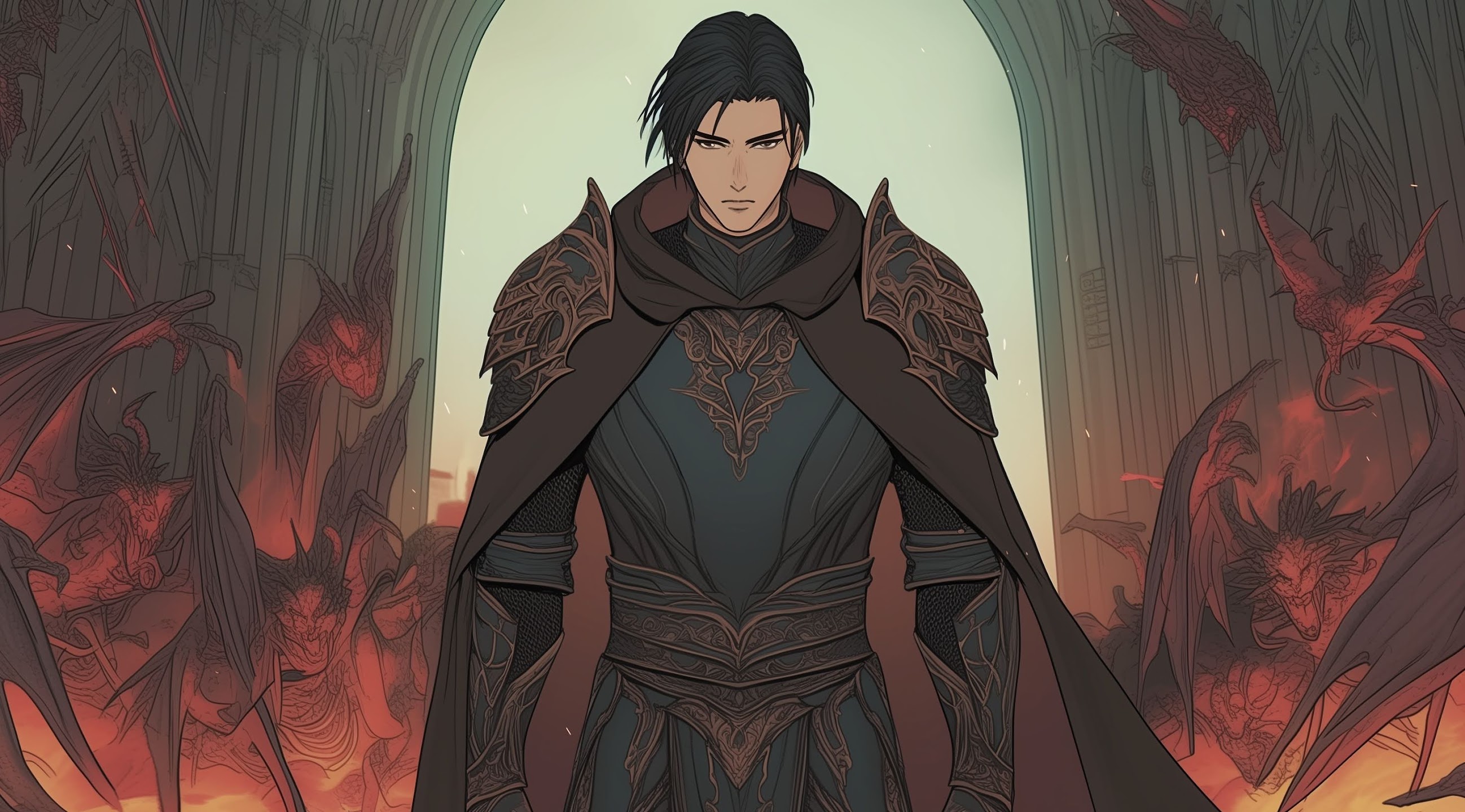
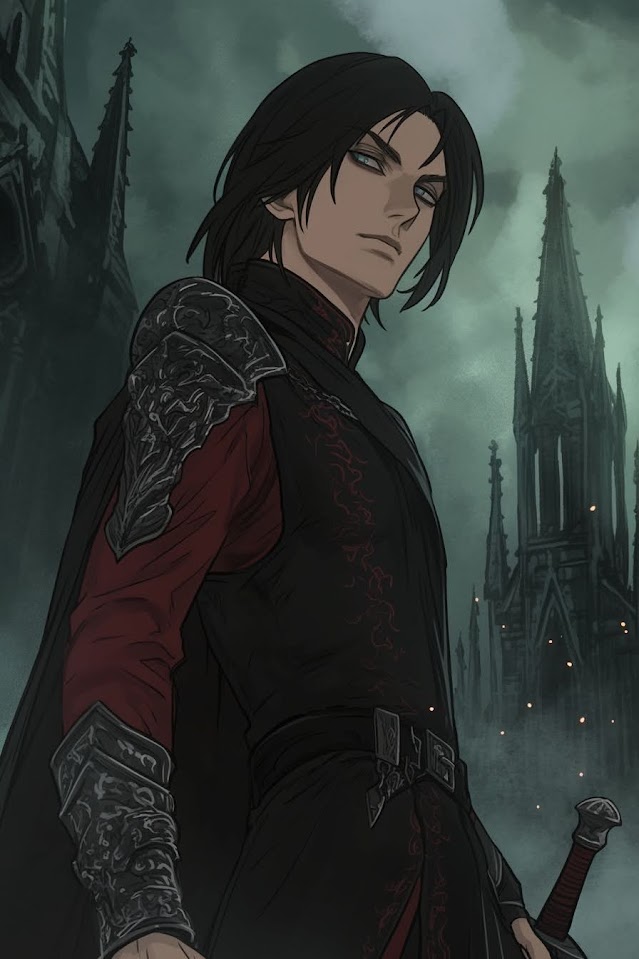
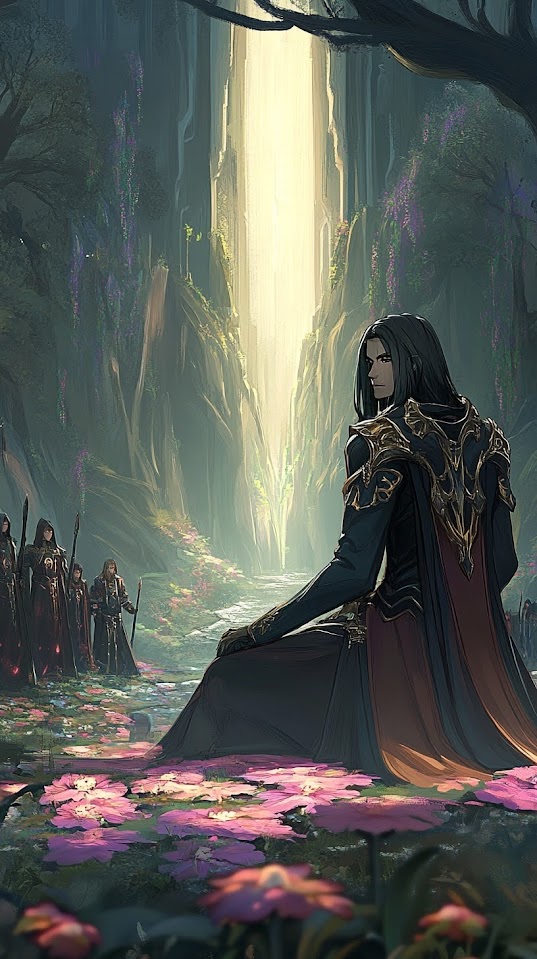
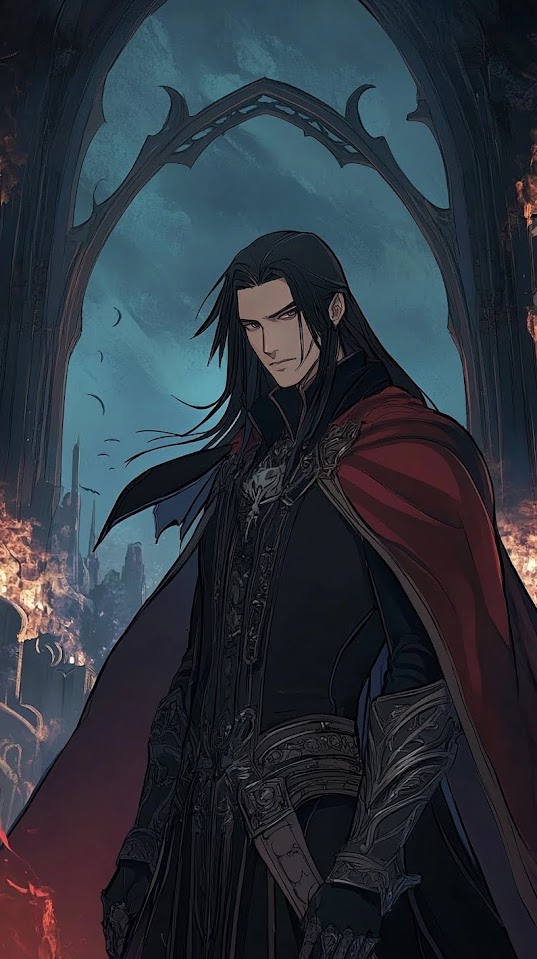
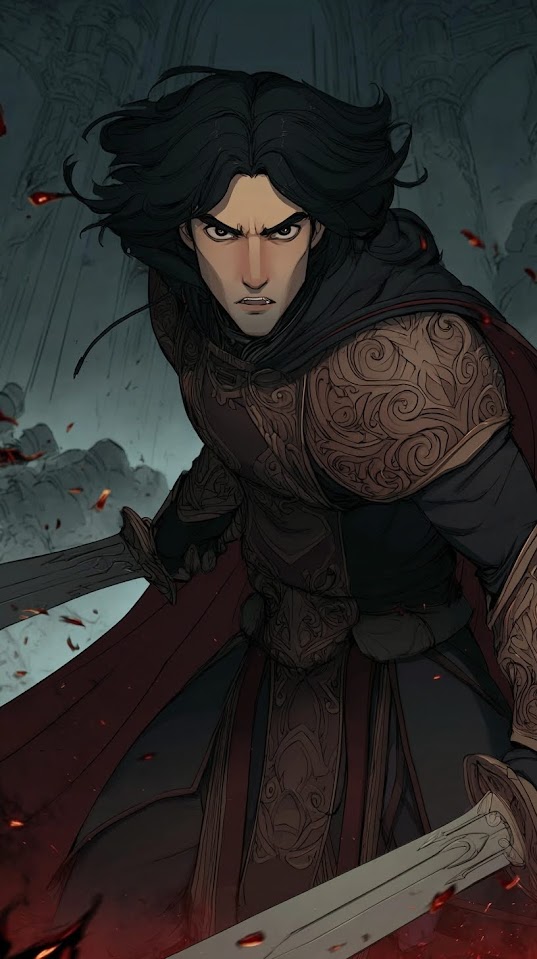
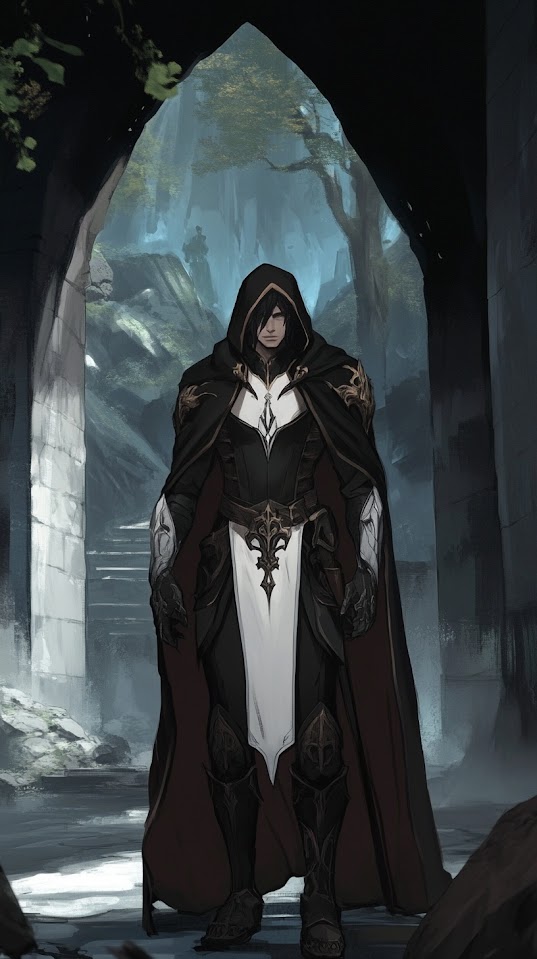
Anson carries the kind of physical presence that draws attention even when he tries to disappear into a crowd. His frame is built through decades of disciplined training and reinforced by the slow aging of his bloodline. Broad shoulders, powerful arms and a balanced stance give him a solidity that is difficult to ignore. He moves with controlled weight, every step placed with intention. Nothing about his posture is careless which makes even simple movements feel purposeful.   His build reflects a life shaped by martial discipline rather than brute force. He is strong without bulk and agile without softness. Long years in the Xi'an Empire refined his muscles into something lean and dependable. His center of gravity is low and stable which allows him to shift direction with surprising ease. When he fights there is no wasted motion. His body flows in a pattern that feels almost meditative. Even at rest he holds himself with the quiet readiness of someone who expects the world to change in the next heartbeat.   The ritual that altered his sight also left subtle marks on his body. His reactions are slightly ahead of the world around him which gives him an uncanny ability to evade attacks that should have landed. People who train beside him notice the way he seems to turn before the strike begins or adjust his weight before the terrain shifts. His balance feels preternatural, though he insists it is discipline rather than power. Stillness comes easily to him because he is perpetually aware of what might come next.   His hands reveal the different worlds he has lived in. The strength of a swordsman. The precision of a student of arcane symbols. The steady grip of someone who cooks with care and carves with patience. Small scars cross his knuckles and palms, not from clumsy mistakes but from the countless hours spent drilling forms, climbing terrain and handling blades that demanded respect. When he folds his hands together the gesture looks calm, yet the readiness beneath it remains unmistakable.   Anson’s gait carries the influence of the Empire. He walks with the quiet grace taught by the schools and monasteries he trained in. Each step is grounded through the heel and rolled through the ball of the foot which allows him to move silently even on uneven terrain. When he stands still he anchors his weight evenly across both legs, a position that comes naturally after years of meditative practice. This posture gives him a calm center that radiates outward even when he is preparing for conflict.   Despite the intensity of his training and the weight of his abilities, there is nothing monstrous about his physical form. His strength does not overwhelm the spaces he occupies. His presence does. He is built like a man who has lived through battle after battle yet who carries himself with the restraint of someone who learned to fear what violence can make of a person. Every line of his body speaks to discipline. Every motion reflects intention. Even in stillness he feels like someone who could act in an instant.

Facial Features

"When I look at him, I see the youth I buried long ago staring back at me, except for those golden eyes. They reflect the cost of the life I pushed him toward and the burden he never asked to carry."
— Corvyn Seinrill, personal journal

 
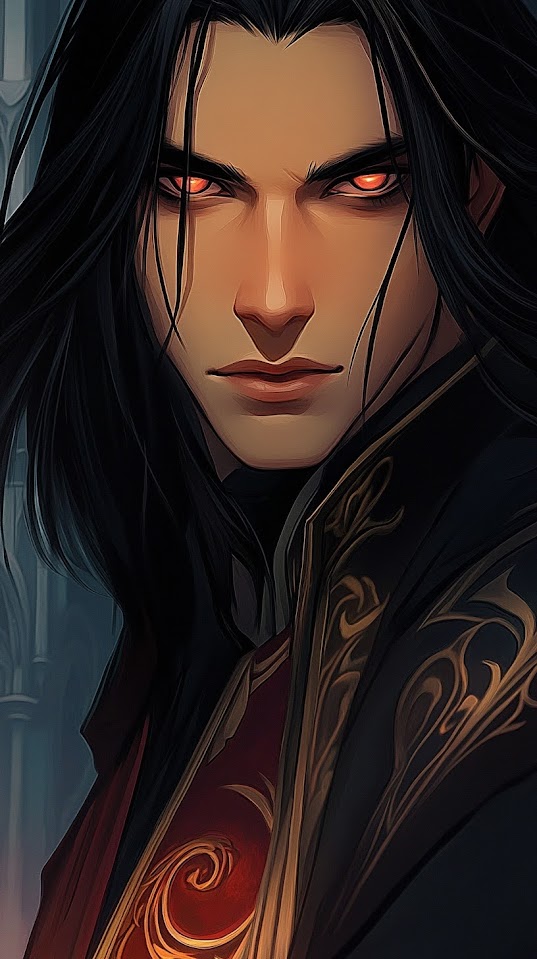
Anson’s face carries the unmistakable shape of his bloodline. The structure of his jaw. The quiet tension around his eyes. The steady, unreadable composure that seems carved rather than grown. All of it echoes Corvyn in his youth so strongly that those who knew the older man often fall silent when they first see Anson. There is no softness in the resemblance. It feels like looking into a memory that never aged. People who catch only a passing glimpse wonder if the stories about the Seinrill legacy are true. They are not, but the resemblance fuels speculation wherever he walks.   His features rest naturally in a calm, controlled expression. Even when relaxed he looks like someone who is studying the world rather than occupying it. The stillness is inherited. Corvyn wore it long before Anson did. Yet on Anson it feels sharper, as if tempered by the years he spent reading danger in every angle of a room. When he raises a brow or shifts his gaze even slightly the entire atmosphere changes. His face communicates more through restraint than expression, and that alone can unsettle people who do not know him.   Up close the similarities to Corvyn run deeper. The shape of his mouth. The line of his cheekbones. The slight downturn of his brows when he concentrates. Strangers often mistake him for a portrait of Corvyn come to life which frustrates him more than he lets on. He does not resent his father’s face on him, but he carries a complicated relationship with the man who shaped his life. Seeing that reflection in mirrors and windows reminds him of a story he no longer wishes to repeat.   The one feature that breaks the resemblance completely is his eyes. They were once the same deep green their mother carried. The Garsenda ritual changed them forever. His irises turned gold, not bright like flame but muted like old metal warmed by candlelight. The color catches light strangely and shifts when he focuses, as if a second perception rests behind the first. This is the mark of his altered sight, the fractional glimpse of the next moment that bends his awareness into something more than human reflex.   Anson has never fully accepted his golden eyes. To him they feel unnatural and unearned. He believes they make him look predatory or eerie. He has heard the way whispers change when someone notices them. He knows the look people get when they are not sure what he is seeing or how far ahead his awareness has reached. He never wanted to inspire fear through appearance. The eyes remind him of a transformation he did not choose and cannot reverse.   Despite his discomfort, those eyes serve as the quiet symbol of the man he has become. They are a visible reminder of his discipline, his training and the burdens he carries. They set him apart from Corvyn in a way he secretly finds necessary. They mark the point where his father’s legacy ends and his own begins. Anyone who looks into them long enough understands that beneath the gold lies a depth shaped by sorrow, insight and the relentless work of forging himself into something better than the life he inherited.

Special abilities

"His sight, his precision, his control, all of it was hard won. I admire his mastery but wish he had never needed such gifts in the first place."
— Corvyn Seinrill, perssonal journal

 
Anson’s most defining ability is his altered sight. The Garsenda ritual changed the way his mind receives the world. He perceives the next breath of motion before it happens which creates the effect that he is reacting faster than any opponent can think. This is not supernatural speed. It is advanced perception. He watches the shift of a shoulder or the twitch of a muscle and sees the next instant forming. To him combat unfolds as a series of possibilities narrowing into a single line. This makes him nearly impossible to surprise and very difficult to overwhelm.   His martial skill was already exceptional before the ritual. Corvyn trained him from childhood and the Guard refined him into a disciplined fighter who wastes no movement. The Xi'an Empire shaped him further. Years spent studying under duelists and wandering masters taught him economy, rhythm and the silent timing of sword combat. When he fights he strikes only when necessary and never repeats the same pattern twice. Even without enhanced perception he would be formidable. With it he becomes a force that opponents remember long after the battle ends.   Anson’s investigative instincts function as a different kind of ability. He can reconstruct events from the smallest scraps of evidence. He notices inconsistencies that others overlook and reads emotional cues with unsettling clarity. People do not realize how much he learns from a single conversation. He stores every detail and sorts them later with the precision of a scholar mapping a complex text. This talent made him invaluable within the Guard because he could see through deception without relying on confession or luck. In many cases he solved problems before anyone else realized they existed.   His magical talent, developed under Renza guidance, supports these skills rather than overshadowing them. He casts with control rather than force. His spells anchor to intention rather than spectacle. He uses magic to reinforce perception, stabilize his footing, mute distractions or sharpen awareness. When he augments his sight with arcane focus the world becomes even clearer which allows him to make decisions with a precision that borders on uncanny. He does not rely on magic as a primary weapon. He uses it to refine the tools he already possesses.   Years spent wandering the Xi'an Empire granted him abilities that are not traditionally categorized as combat or investigation. He learned the meditative control of breath, emotion and reaction. He can drop into stillness in an instant which allows him to reset his awareness even in chaotic environments. He learned forms that connect movement with intention which makes his posture speak as clearly as his words. These practices allow him to recover from stress and regain clarity faster than most warriors can manage.   Anson’s most underrated ability is his adaptability. He learns quickly and adjusts without hesitation. He can walk into a new school or monastery and grasp its philosophy before the day ends. He can face a technique he has never seen and decode it within minutes. He can shift from combat to diplomacy to investigation with the same steady presence. This flexibility is what allows his other abilities to work together. The altered sight, the disciplined training, the investigative mind and the restrained magic all function because he can balance them without losing himself in the complexity of what he has become.

Mental characteristics

Personal history

"I raised him to survive a world that had already broken me, and he learned those lessons far too well. When I look at the man he became, I see strength I never earned and scars I never meant to give him."
— Corvyn Seinrill, personal journal

 
Anson’s childhood was quiet and watchful. He and Cassandra grew at the strange, slow pace of their lineage, caught between childhood and adulthood for decades at a time. Corvyn trained them both, but Anson absorbed the lessons differently. He listened with total focus and studied every movement with the seriousness of someone much older. Even as a boy he carried an intensity that made tutors second guess themselves. He wanted to understand how everything worked. Every lock. Every pattern. Every strategy. Every secret. It was clear early that his mind was built for more than obedience.   Life inside Seinrill Castle offered little softness. Corvyn loved his children, yet grief and duty shaped every corner of their upbringing. Anson learned to read the tension in the room the way other boys learned to read books. He watched Cassandra cling to him when nights felt too long and promised her, in the quiet way only a twin can, that he would always stand between her and the dark. In the absence of a mother he became protector, brother, shadow and anchor all at once. These roles settled into him so deeply that he carried them into adulthood without realizing he had done so.   When Corvyn brought him formally into the House Guard, Anson stepped into the role with a seriousness that frightened some of the senior members. His aptitude for strategy, investigation and combat grew at a pace that outstripped every expectation. Corvyn recognized that his son was not merely gifted. He possessed the same leadership instincts, the same instinctive grasp of danger, the same hunger for understanding that had once defined Corvyn himself. Anson did not ask for glory. He asked only for clarity. He wanted to know why things happened and how they could be stopped or prevented. That desire made him indispensable.   His training expanded beyond his own House. The Renza Guard sharpened his intellect through arcane study. The Garsenda Guard exposed him to the discipline of guardianship, testing every part of his body and mind. It was within the Garsenda rituals that his vision changed. His eyes turned gold and the world shifted in ways he could not fully explain. He began to see the next instant of motion before it happened. The gift horrified him, not because of its utility but because it changed something fundamental about how he perceived the world. He never stopped feeling as though he had lost a part of the boy he once was.   For centuries he and Cassandra worked as a seamless pair. Missions that demanded subtlety and precision relied on their combined strengths. She moved with illusion and grace. He followed the invisible threads of motive and consequence. Together they uncovered conspiracies, dismantled criminal networks and confronted threats that few knew existed. Their bond was the quiet center of Anson’s life. Protecting Cassandra felt as natural as breathing. Her presence steadied him through every moral uncertainty and every cold order issued by their father.   That stability collapsed when they learned the truth of their mother, the curse and the war that had shaped their bloodline. Anson understood the facts, yet it was the pattern beneath them that broke him. Corvyn had raised him with the same ruthless expectations that Corvyn had once endured. The cycle that had destroyed Corvyn’s youth had been passed on to him. Once he understood that truth, he could no longer continue as the weapon his father had made. For the first time in centuries he felt something like fear, not of danger but of what he was becoming.   He walked away without ceremony. Cassandra woke to find him gone. Corvyn received no explanation. Anson fled Areeott with nothing but his sword and the heavy knowledge that he had abandoned the two people he loved most. He crossed the sea into the Xi'an Empire where anonymity allowed him to unravel himself. There he sought out fencing masters, wandering monks, hermits in the mountains and duelists in the cities. He challenged them not for dominance but for understanding. Every victory and every defeat gave him a clearer sense of the man he wished to become.   The stories that formed around him in the Empire were never of a stranger from Areeott. They were of a lone swordsman who arrived when needed, solved injustices others feared to touch and then moved on before he could be thanked. Anson did not correct these tales. They gave him room to heal. They gave him time to rebuild the parts of himself that had been shaped for someone else’s purpose. Through these years of wandering he rediscovered his sister, found companionship among unlikely allies and learned how to live without a blade pressed to his back. For the first time in his life, Anson belonged to himself.

Gender Identity

"He carries himself with a steadiness that reminds me of the man I once tried to be. His sense of himself was forged without my guidance, and that failure is my regret, not his burden."
— Corvyn Seinrill, personal journal
 
Anson grew into his understanding of himself slowly because nothing in his childhood encouraged open reflection. The House Guard environment valued discipline and function, not personal exploration. He accepted that he was a boy because the world treated him as one, yet he did not feel shaped by the expectations that usually accompany that. His sense of manhood developed quietly, almost incidentally, through the responsibilities he took onto his shoulders rather than through any idea of what a man is supposed to be. He never chased authority or presence. He simply grew into it because others leaned on him.   His identity as a man is grounded in steadiness rather than dominance. Corvyn’s example could have pushed him toward hardness, yet Anson rejected that instinctively. He associated being a man with protecting others, thinking before acting and carrying weight without complaint. He defined himself through his reliability. If someone needed help, he responded. If someone needed comfort, he offered it. His masculinity took shape as a calm center in dangerous spaces, a quality that earned him the trust of people who had every reason to fear him.   Anson also understands his gender through the lens of his bond with Cassandra. They grew in parallel and shaped each other in ways neither fully grasps. Cassandra’s softness allowed him to be gentle. His steadiness allowed her to be bold. He never felt threatened by her talent or presence. If anything, her strengths helped him understand that masculinity did not need to stand in opposition to femininity. Their twinship created space for him to be a man without the rigid posturing he saw in others. He never adopted the brittle edges that some warriors carried.   Life in the Xi'an Empire added another layer to his self understanding. He lived among cultures where emotional control and spiritual refinement were seen as virtues rather than weaknesses. He found teachers who valued humility and reflection as much as martial strength. These philosophies aligned with the quieter parts of him and reinforced his sense that being a man meant mastering oneself first. It gave him permission to define his identity through peace instead of violence, even though he was shaped by both.   Above all, Anson’s gender identity is rooted in his capacity to care. He sees strength not as the ability to command but as the willingness to stand between danger and the people who cannot face it. He wants to protect children, elders, the helpless, and his own loved ones with a devotion that is almost instinctive. That instinct is the core of how he sees himself. He is a man because he chooses to be a shield when needed and a gentler presence when it is safe to be one. His identity is not loud, conflicted or ceremonial. It is simply lived.

Education

"Everything I taught him he mastered, and everything I failed to teach him he learned alone. His mind was always sharper than mine, and I wish I had guided it with a gentler hand."
— Corvyn Seinrill, personal journal

 
Anson’s education began at home under Corvyn’s hand. He learned to read and reason early, but more important than books was the way he learned to observe. Corvyn taught him to study a room before crossing it and to understand a person before speaking to them. Lessons were quiet affairs filled with long silences and sharp questions that forced him to think rather than recite. Anson absorbed information with calm focus and a seriousness unusual for a child, driven by a natural desire to understand the mechanics behind every action.   When he entered formal training within the House Guard his education expanded into a demanding mixture of scholarship and discipline. He studied history, governance, strategy, law, and the structures that held Areeott together behind the scenes. His instructors discovered quickly that he worked through problems in ways that did not follow the expected path. He approached each lesson like a puzzle to be solved rather than a task to be completed. Tactical theory became one of his strongest subjects because he could see multiple outcomes of a situation long before others had finished analyzing the first.   His arcane education took shape through the Renza Guard who recognized his aptitude for magic and sharpened it with rigorous study. Anson learned advanced spell theory, symbolic logic and the deeper structure of arcane patterns. He excelled not through raw power but through precision. The Renza valued intellect and discipline which suited him perfectly. He learned how to anchor magic through thought and intention which later paired with the altered vision he received in Garsenda training. This combination produced a spellcaster who could process information faster than most could voice the incantations.   The Garsenda Guard provided the education that changed him the most. Their teachings focused on the harmony between mind, body and land. They trained him in forms that required stillness as much as movement. They taught him how to control breathing, emotion and reaction until all three worked as one. It was within this school that he underwent the ritual that altered his sight. This moment split his life into a before and after, and his instructors treated it as both blessing and burden. Garsenda philosophy framed it as a responsibility he had to master rather than a power he could wield freely.   Anson’s final and most personal education came later during his years in the Xi'an Empire. There he studied under wandering duelists, monks and scholars who cared nothing for his past. He learned poetry, calligraphy, cooking, and the meditative practices that helped him find peace inside a mind trained for conflict. Each master taught him something the Guard never had, pieces of life that had nothing to do with duty or violence. Through these lessons he discovered the balance he had been missing and the beginnings of an identity shaped by choice rather than obligation.

Employment

"He did the work I should have carried alone. Every mission he completed flawlessly is a testament to his discipline and a mark of my own failings as a father."
— Corvyn Seinrill, personal journal

 
Anson’s service to Areeott began the moment Corvyn placed him within the House Guard. He did not rise through ranks because there was no rank that applied to what he was being shaped to become. His earliest responsibilities involved tracking small disturbances that seemed beneath the attention of senior operatives, yet he approached each task with meticulous care. These early missions taught him how to move through the world without drawing notice, how to question without being questioned, and how to gather information from people who had no idea they were being studied. His instructors recognized a rare precision in him almost immediately.   As he matured his duties expanded into investigations that required sharper perception and deeper intuition. Anson had a talent for following threads that others overlooked. He could track inconsistencies in testimony, interpret evidence with uncanny accuracy, and identify the underlying motive behind actions that seemed random. Corvyn used this ability to dismantle conspiracies before they grew teeth. Anson learned to sift through lies like an archivist handsorting relics and came to understand the darker machinery of the kingdom long before he understood his own place in it.   Combat assignments soon became part of his regular work. These were not battles fought in open fields but targeted operations that required someone who could assess a threat, strike with perfect timing, and leave no trail behind. His altered vision made him devastating in close conflict. Soldiers and criminals alike reported that he reacted to danger before it fully formed. Some believed he was enchanted. Others believed he was not human at all. Anson ignored the rumors. His focus was always on the task, not the legends rising around him.   Throughout these years he often worked in tandem with Cassandra on missions that required two minds working in harmony. She could infiltrate where he could not. He could interrogate reality itself in ways she did not attempt. Together they created results that no single operative could have achieved. Their partnership became a quiet cornerstone of the Guard’s most delicate operations. Anson trusted her instincts as completely as he trusted his own and viewed their work as an extension of their twin bond rather than a professional pairing.   As he gained experience he was increasingly assigned to cases that required absolute autonomy. These operations demanded judgement without supervision and action without hesitation. Anson traveled across Areeott under numerous false identities, handling threats that were dangerous not because of their size but because of their precision. He neutralized assassins, exposed hidden factions, shut down smuggling rings, and rescued people who never learned who had intervened. Success never brought recognition. Only more assignments.   The break from Corvyn ended his employment with the Guard immediately and completely. Anson left without asking permission and without waiting for consequences. In the Xi'an Empire he refused all offers of formal service. He chose wandering over command, temporary alliances over structured hierarchy. Villages and schools sought his help when trouble found them, yet he never accepted payment beyond a meal, shelter or a place to rest. His work became personal rather than political. He acted when he felt compelled, not because someone above him ordered it.   Through these years of drifting he created a new kind of employment for himself. He became the man who arrived when injustice festered. He became the traveler who taught with one hand and defended with the other. He became the swordsman whose presence ended conflicts before they grew into tragedies. None of it was official. None of it was recorded. Yet to the people he aided, he was more reliable than the local magistrates. Anson traded the machinery of the Guard for a life shaped by conscience which was the first time his work belonged entirely to him.

Accomplishments & Achievements

"Everything he achieved, he earned through discipline I once mistook for obedience. His victories are his own, though I know too many were forged from the burdens I placed on him."
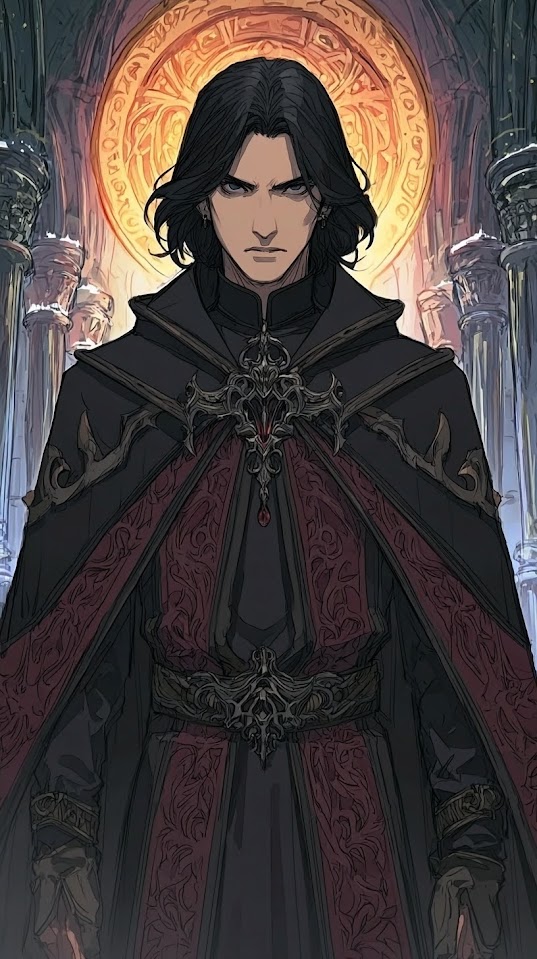
— Corvyn Seinrill, personal journal

 
Anson’s earliest accomplishments took place long before anyone outside the Seinrill household knew his name. As a child he displayed an ability to absorb complex information with unusual clarity. Corvyn noticed that Anson could analyze a situation with an accuracy far beyond his years. By the time most children were still learning discipline, Anson was already solving layered tactical exercises and demonstrating an instinctive understanding of danger. These early signs of brilliance formed the foundation on which the Guard later built its most precise operative.   Within the House Guard his first true achievement was earning trust on missions that required absolute discretion. Senior operatives learned quickly that Anson did not improvise recklessly. He prepared with quiet thoroughness, executed with calm precision and returned without fanfare. His success on investigations that had confounded others earned him an unspoken reputation. He became the operative whose conclusions were rarely questioned because his logic was consistently supported by results. His ability to uncover hidden motives and structural weaknesses in any scheme became invaluable.   His combat achievements grew alongside his investigative work. Anson completed assignments that required confronting threats which outmatched standard Guard capabilities. Not through brute strength, but through calculated timing and immaculate technique. His altered perception allowed him to anticipate movement with unnerving accuracy which made him capable of neutralizing opponents who should have bested him. Stories circulated among Guard members of missions turned around by a single strike placed exactly where it needed to be. These accounts remained unofficial, yet they shaped internal understanding of his value.   Training within the Renza and Garsenda Houses deepened his list of achievements. He mastered advanced arcane principles with a level of precision Renza tutors rarely witnessed. The Garsenda instructors noted his ability to internalize their disciplined forms with startling speed. Enduring the ritual that altered his sight and learning to control the new perception that resulted from it counted as one of the most demanding trials the House had ever put forward. Many candidates struggled to adapt. Anson not only adapted but found ways to integrate the discipline into the rest of his training.   His years in the Xi'an Empire added a different collection of accomplishments that the world will never record. He earned the respect of martial schools that traditionally welcomed few outsiders. Masters who rarely acknowledged foreign students recognized his discipline and clarity. He resolved conflicts in remote villages that had no formal protection, often settling disputes without requiring violence. Travelers told stories of a quiet swordsman who arrived at the right moment, restored balance and departed without accepting reward. These achievements mattered to him more than any formal accolade he earned in Areeott.   His greatest accomplishments are the ones tied to growth rather than skill. Leaving the Guard took courage that most warriors never find. Choosing peace after a lifetime shaped by violence required deeper strength than any battle he won. Rebuilding his connection with Cassandra and creating relationships based on trust rather than duty marked the beginning of his true life. These achievements do not appear in records or legends. They exist in the person he became, in the choices he made to step away from the shadow of his past and into a life guided by conscience and self acceptance.

Failures & Embarrassments

"He blames himself for every misstep, even the ones that were mine. If he carries any shame, it is because I taught him to hold the world on his shoulders without ever showing him how to set it down."
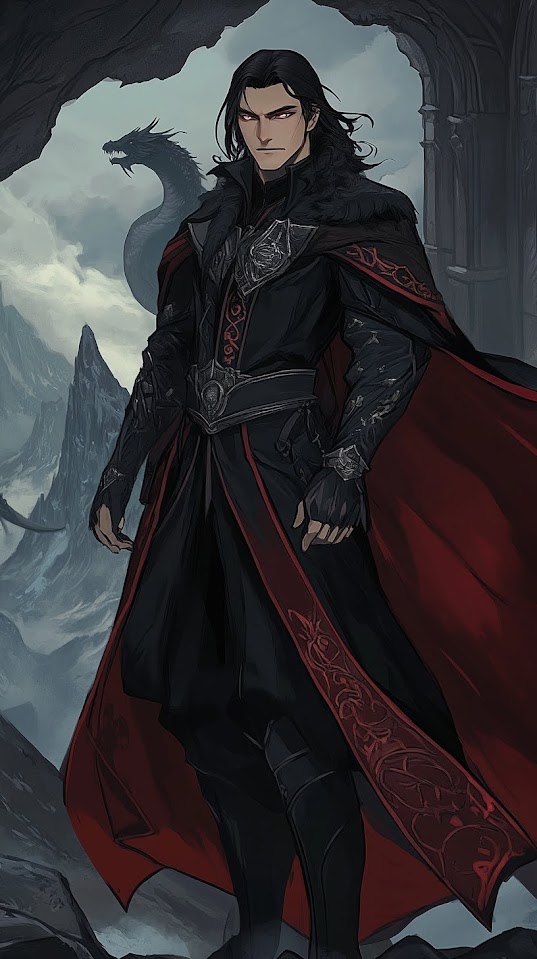
— Corvyn Seinrill, personal journal

 
Anson considers his greatest failure to be the moment he finally understood what Corvyn had shaped him into and realized he had allowed it to happen without question. He spent centuries believing that duty was synonymous with righteousness. When the truth of his family surfaced he saw how deeply he had participated in a legacy he did not choose. The recognition cut him more sharply than any blade. It forced him to confront the fact that he had acted as an extension of another man’s grief rather than as a person guided by his own principles. This truth haunts him and he still revisits it when his confidence falters.   Leaving Cassandra remains the wound he returns to most often. He did not leave out of malice or carelessness. He left because the walls of his life had begun to collapse around him and staying would have crushed what remained of his sense of self. Yet he knows that he walked away without explanation and that she woke to a silence that should never have been asked of any sister, let alone a twin. Even though they have rebuilt their bond, he carries shame for the pain he caused her. That choice stands as the clearest example of how survival sometimes requires actions that feel like betrayal.   His altered vision, though a remarkable asset, produced moments of humiliation during its early years. The overload of sensory information made him react to movements that had not yet occurred. He dodged blows that were never thrown and responded to phantom threats created by his own perception. Senior instructors watched him misstep or tense at empty shadows and Anson internalized every mistake. He hated the sense that his body was acting without his permission. The learning curve embarrassed him deeply because he believed mastery should come without error.   There were missions in the Guard that still sit uneasily with him. Situations where he investigated too slowly, missed a clue he should have seen, or acted one breath too late. These moments are rare, yet he remembers each one with painful clarity. The failures that involved harm to innocent people weigh on him the most. He replays them privately, searching for alternative choices that might have prevented the outcome. The Guard moved on. Anson did not. He treats these memories as lessons but cannot fully separate them from self blame.   His social missteps trouble him more than any tactical mistake. Anson’s difficulty expressing emotion has led to misunderstandings with people he cared for. He has spoken too bluntly when softness was needed and held his tongue when reassurance would have mattered. Moments when someone interpreted his calm as indifference still embarrass him. He carries each instance like a small stone in his pocket. None of these mistakes are dramatic, but each reveals the gap between what he feels and what he knows how to articulate.   Even in the Xi'an Empire where he found space to rebuild himself, he made errors that left him quietly ashamed. He challenged a master too boldly once, believing he understood the subtleties of their school before he truly did. The defeat that followed was swift and public. Anson bowed, thanked the master for the lesson and carried the sting of overconfidence with him for years. Failures like these frustrate him not because they reflect weakness but because they show that he can still be ruled by the instincts he thought he had overcome. Each mistake becomes another reminder that growth is ongoing and that humility must be chosen again and again.

Mental Trauma

"I know the weight he carries because I once carried it myself. What breaks me is knowing that some of his wounds were shaped by my silence rather than the world’s cruelty."
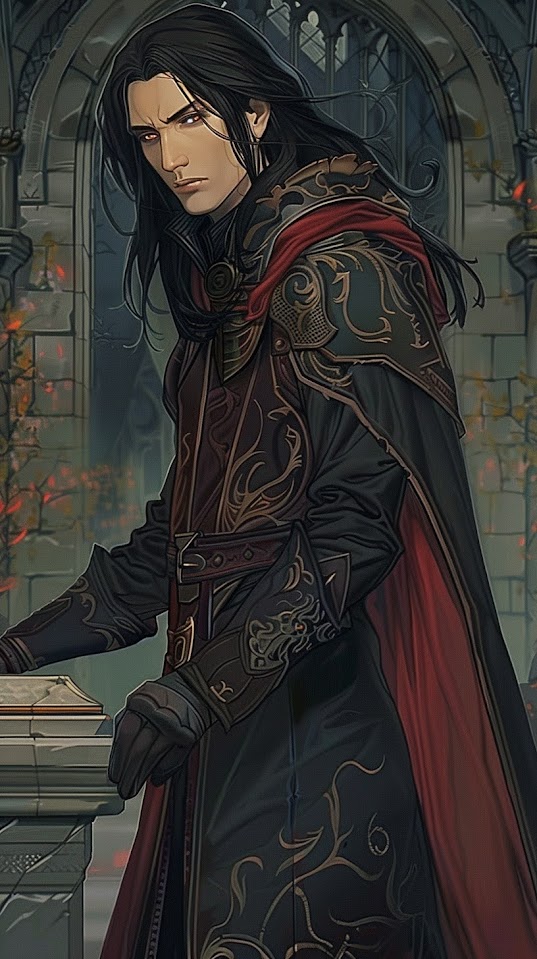
— Corvyn Seinrill, personal journal

 
Anson’s earliest and most persistent wound came from growing up in a home built on silence. Corvyn loved his children, yet everything he carried from the past created an environment where grief lived in the walls. There were no stories of their mother, no warmth to anchor childhood memories, only expectations and unspoken sorrow. Anson internalized that silence as responsibility. He believed it was his job to keep Cassandra safe, to keep Corvyn steady and to keep himself controlled. The pressure to hold everything together settled into him long before he understood why he felt it.   Life inside the House Guard added a sharper edge to that strain. Anson was praised for being calm, composed and unshakeable which meant any crack in that mask felt like failure. He learned to bury fear before it reached the surface and to swallow emotions that did not serve the mission. Over time this habit created a dangerous split between what he felt and what he allowed himself to express. Rage, grief, confusion and doubt all stayed locked behind the quiet face he showed the world. The disconnect left him with an emotional weight he carried alone because he did not know how to set it down.   The ritual that altered his vision deepened this fracture. His new perception turned every moment into a flood of information. He saw danger a fraction before it happened which made the world feel like it was always on the verge of attack. Every gesture carried potential meaning. Every movement hinted at the next. The constant anticipation strained his nerves and forced him into a state of vigilance that later became difficult to shut off. Even after years of mastering the ability he could not unlearn the idea that the next second might demand perfect precision.   Discovering the truth of his family created the breaking point. He had shaped his entire identity around the belief that duty had purpose and that Corvyn shaped him for a cause greater than himself. When he learned the truth, the realization that his father had repeated the same generational harm that once shaped him struck harder than any physical blow. Anson was not just wounded by the facts. He was wounded by the pattern. He saw himself becoming a reflection of a man defined by loss and vengeance and the recognition filled him with a fear he had no language for.   Leaving Cassandra behind inflicted its own lasting scar. He believed he had to go in order to save himself from becoming what Corvyn had become, yet abandoning his twin violated the promise he had lived by since childhood. The guilt followed him into every mile of his wandering. He replayed the choice in the quiet hours of the night, imagining her waking to find him gone, imagining the look she must have worn. Even after their eventual reunion the ache remains. It is the hurt he hides most carefully because it speaks to the part of himself he considers weakest.   His years in the Xi'an Empire helped him soften some of these fractures but did not erase them. He learned stillness, patience and acceptance, yet the childhood anxiety of being separated from those he loves remains rooted in him. He fears losing people more than he fears losing battles. Loud conflict or sudden danger stirs the old instincts he has spent decades unlearning. And although he walks with greater peace than he once did, Anson carries every trauma as part of the man he has chosen to become. He is stronger for surviving them but the marks remain, shaping him as surely as any blade or lesson ever did.

Intellectual Characteristics

"His mind sees farther and clearer than mine ever did. I admire that clarity even as it reminds me that he learned caution and mistrust at my side."
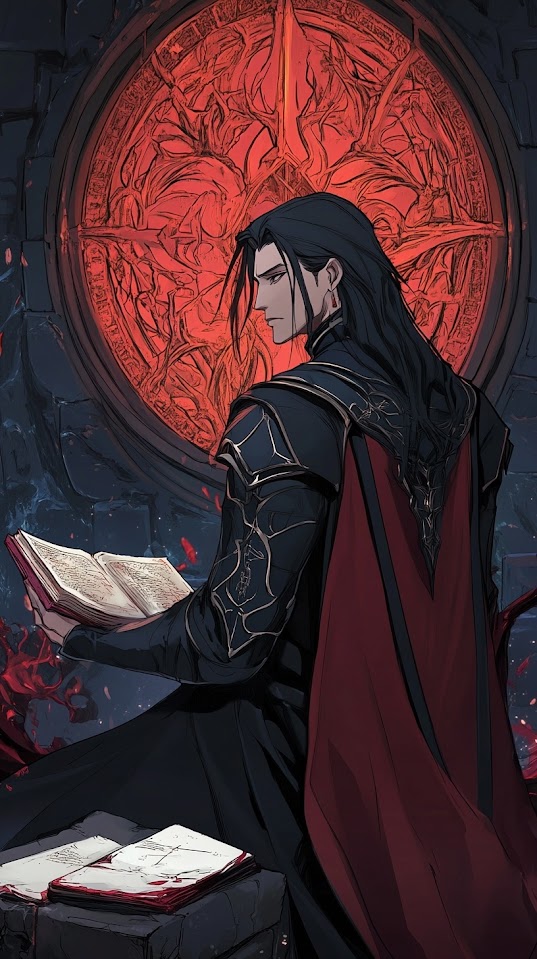
— Corvyn Seinrill, personal journal

 
Anson thinks in straight lines and branching paths at the same time. He has a mind that prefers quiet observation over spoken theory and he rarely reveals how much he has understood until the moment requires it. Even as a boy he approached problems with a sense of calm distance, breaking them into parts and arranging them in his head until every piece made sense. He has never needed to show his intelligence to earn respect. His presence says enough. People who work with him learn quickly that he notices everything and forgets nothing.   His strategic thinking borders on unsettling. Anson sees patterns where others see noise. He can follow a trail of motives through a maze of lies and reach the heart of a conspiracy without relying on guesses. His ability to predict behavior comes from patience rather than assumption. He studies posture, silence, timing and the emotional undercurrent of a room until the next step becomes obvious to him. This sharpness gave him an unspoken reputation within the Guard as the one who solved the problems no one else knew how to approach. It also created a distance between him and others because he often understood their intentions before they understood their own.   The altered vision from the Garsenda ritual deepened his analytical nature. Seeing a fraction of the future means he processes information continuously, even when he tries not to. Every motion carries a possible branch. Every sound contains a possible shift. This heightened awareness sharpened his reflexes and made him devastating in combat, yet it also changed how he reasons. He rarely considers only the present moment. His thoughts extend into the next instant, then the next, creating a layered understanding of cause and effect that few can follow. It is not prophecy. It is advanced perception.   Anson is also a gifted investigator. He approaches mysteries with the patience of a craftsman. He examines evidence slowly, replays conversations in his mind and reconstructs events until the truth emerges from the smallest overlooked detail. His intuition is not mystical. It is trained focus. He trusts logic even when emotion pushes him elsewhere. Yet he never forgets that people are more complicated than any theory. His time in the Empire strengthened this part of him, teaching him to balance intellect with empathy and to interpret silence as carefully as he interprets words.   His intellectual weaknesses stem from his intensity. Anson has difficulty turning his mind off. He thinks too far ahead. He prepares for dangers that never come. He expects betrayal in places where none exists because pattern analysis sometimes fills in gaps that should remain empty. When overwhelmed he retreats inward, sorting his thoughts into rigid order even when a softer approach would serve him better. This tendency isolates him. It is hard for him to accept help because he is used to being the one who sees what others miss.   Despite these challenges his intelligence is not cold or abstract. It is rooted in discipline and shaped by a desire to protect rather than control. He uses what he knows to prevent harm, not to gain advantage. When he teaches others, he does so with patience and clarity. When he solves problems, he looks for outcomes that minimize suffering. His mind is sharp enough to cut, yet he chooses to use it as a shield. This balance between precision and compassion defines the way he thinks and the way he moves through the world.

Morality & Philosophy

"He found his own compass in the ruins of mine and still walks straighter than I ever did. His convictions are his own, though I fear too many were forged in reaction to my failings."
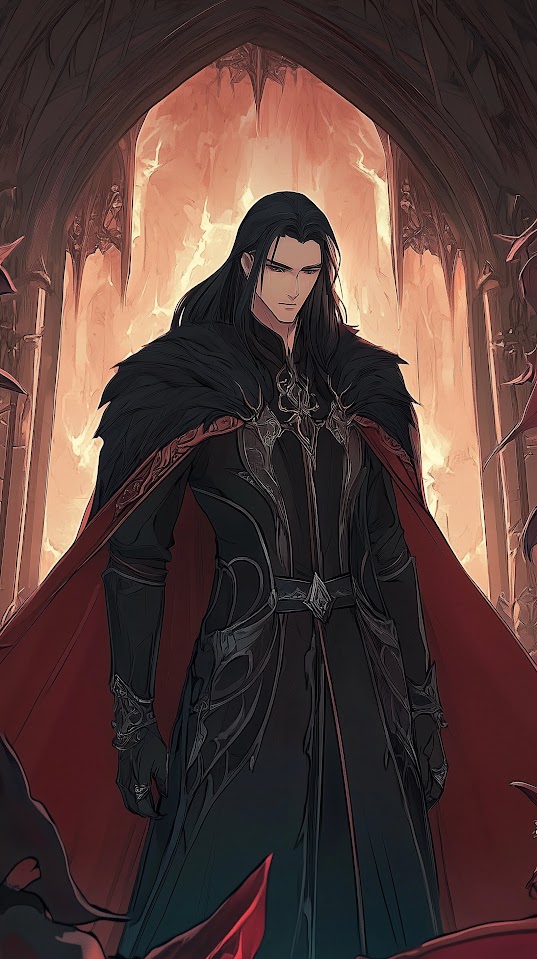
— Corvyn Seinrill, personal journal

 
Anson’s moral compass formed in the shadow of a father who lived by duty rather than happiness. As a child he believed that strength meant endurance and that righteousness meant silence. He watched Corvyn bear impossible weight and assumed that was the shape a good man took. This early understanding made him disciplined and dependable, yet it also taught him to ignore his own needs. His sense of right and wrong grew from the idea that protecting others was always more important than protecting himself.   As he entered the Guard his philosophy shifted from simple obedience to a sharper sense of justice. Anson despised cruelty, especially when directed at those who could not defend themselves. Every case that involved harm to children, elders or the powerless struck him with a personal urgency that no training could temper. He became known within the Guard for handling those missions with unwavering severity. His morality did not come from rules written by nobility. It came from instinctive outrage at the abuse of the vulnerable.   The revelation of his family’s truth forced a painful evolution in his beliefs. Anson realized that blind loyalty can destroy lives as easily as neglect. Corvyn had justified terrible actions through grief, tradition and purpose, and for years Anson had followed without questioning. Understanding this pattern shook him deeply. It made him reject the idea that duty is always virtuous. It pushed him toward a philosophy that values independent moral judgment above obedience. He walked away because staying would have made him complicit in a legacy he no longer believed in.   During his wandering years in the Xi'an Empire he found philosophies that aligned more closely with the person he wanted to be. He learned that strength is measured not by domination but by restraint. He learned that clarity does not come from violence but from stillness. He adopted ideas that encouraged humility, intention and balance. These teachings gave him language for a morality he had carried all along, a morality that valued the preservation of life over the ease of destruction.   Anson’s ethics are shaped by personal responsibility. He takes the consequences of his actions seriously and expects himself to bear the weight of any harm caused under his watch. This often makes him harder on himself than he is on anyone else. He measures right and wrong through the impact on real people rather than through allegiance to institutions. He is willing to walk alone if it means walking toward what he believes is correct. He is equally willing to admit when he has failed and to find a path that repairs the damage.   At the heart of his philosophy lies a simple conviction. The world is full of pain that cannot be prevented, yet every person has the power to reduce some portion of it. Anson believes it is the duty of those with strength to shield those without it. He believes justice should be tempered with mercy and that violence should be the last solution, not the first. His life has shown him how easily good intentions can twist into ruin, so he moves with deliberate care. In every choice he makes, he seeks not glory or absolution, but the steady path that causes the least harm.

Taboos

"He cannot abide cruelty or manipulation, and I know exactly why. He refused to become the man he watched me become, and I respect him for every line he drew that I did not."
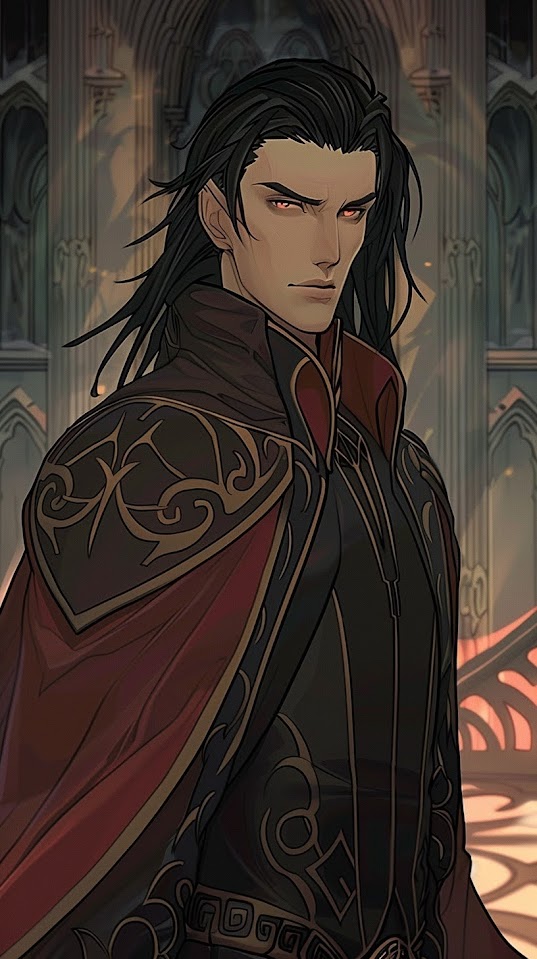
— Corvyn Seinrill, personal journal

 
Anson carries an instinctive refusal to abandon the vulnerable. Any act of cruelty toward children, elders or defenseless people provokes a reaction in him that bypasses thought entirely. He cannot tolerate standing by while someone weaker is harmed. This is not idealism. It is the shape of the promise he made to Cassandra when they were young and the echo of the mother they never knew. To him, turning away from suffering is a violation of the person he strives to be.   He has an equally deep aversion to exploitation of power. Anson despises bullies in all forms. He cannot endure watching someone wield strength or authority for selfish gain, especially at the expense of those who cannot push back. This taboo is tied to his memories of the Guard and to the slow realization that even righteous institutions can fall into patterns of control. Whenever he sees someone impose fear to secure obedience, something inside him goes cold. He intervenes even when it is not his place because the alternative feels morally unbearable.   Deceit that manipulates trust is another line he will not cross. Though he spent centuries in a role that demanded lies, he never accepted dishonesty as an acceptable personal practice. He respects truth, not because he expects others to live by it, but because deception within meaningful relationships destroys the foundation he depends on. He will lie for a mission. He will lie to protect the innocent. He will not lie to someone he cares for. Doing so feels like an injury that cuts both directions.   Anson rejects any attempt to turn a person into a tool. His resentment toward Corvyn grew from recognizing that he was shaped for a purpose he did not choose. That realization solidified a taboo he had already carried without words. Using another person’s life, skill or loyalty for personal agendas feels to him like a moral trespass. He refuses to participate in systems that reduce individuals to instruments. If he discovers such behavior in others he shuts it down with the kind of controlled intensity that leaves a lasting impression.   He has an aversion to needless violence. This is not hesitation. It is principle. Anson believes conflict should resolve danger, not feed ego. Killing without restraint disgusts him because it reflects the exact mindset he fled when he left the Guard. He refuses to strike when a lesser action will suffice and he refuses to harm a defeated opponent. Even in combat he moves with an ethic that surprises those who only know the legends. To him, brutality is not strength. It is failure.   Abandoning the people he loves is the one taboo he carries deep enough to ache. Leaving Cassandra behind when he fled Areeott broke something in him that has never fully healed. Since then he cannot bear the thought of repeating that kind of absence. If someone he cares for needs him, he goes. If someone he loves calls out, he answers. He will tolerate distance only when it is necessary for their safety. Anything else feels like surrendering to the very pattern he escaped, and he refuses to let that shape his life a second time.

Personality Characteristics

Motivation

"He walks a path he shaped himself, not the one I forced on him, and I am proud of that. Yet it pains me knowing he had to break away from me to find it."
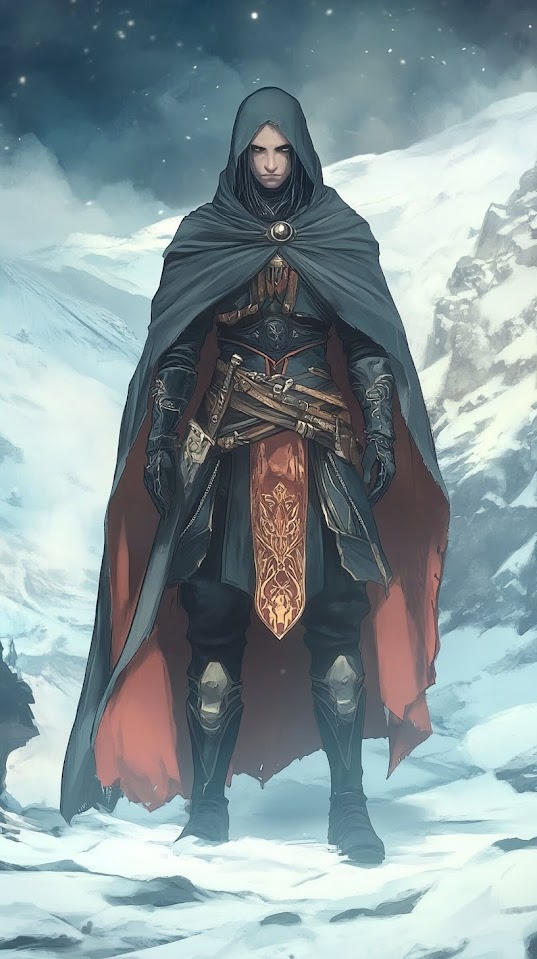
— Corvyn Seinrill, personal journal

 
Anson’s earliest motivation was shaped by the silence that filled his childhood. With no stories about his mother and no emotional guidance from Corvyn, he grew up determined to understand the world around him so he could make sense of the world within him. Knowledge became a way to feel in control. Observation became a way to feel safe. He pursued clarity because nothing in his upbringing provided it willingly. Even as a boy he tried to solve the unanswered questions of his family by studying everything he could touch.   His training in the House Guard sharpened that initial drive into duty. Anson wanted to excel not for recognition but because competence felt like the only stable ground in a life defined by secrecy. Protecting Cassandra became a core part of that purpose. Every mission, every skill, every lesson carried the same quiet intention. If he grew strong enough and perceptive enough, no one would ever harm the people he loved. He worked endlessly because stopping felt dangerous, as if the world would fall apart the moment he relaxed.   As he matured his motivation turned toward justice. He could not tolerate cruelty or exploitation and he reacted to injustice with a depth of conviction that made him stand out even among seasoned operatives. This sense of right and wrong was not philosophical. It came from instinct and empathy. Whenever he saw someone vulnerable being used or harmed, something in him ignited. He stepped into dangers that others avoided because he believed, without question, that someone had to. This belief became one of the central pillars of his identity.   Learning the truth of his family fractured everything he had built his life on. Anson realized he had been shaped for a role he never chose and guided by a father who was repeating the same generational harm that once shaped him. This forced him to confront a terrifying question. Was he becoming a reflection of a man defined by grief and vengeance. That realization created a new motivation. He wanted to break the pattern. He wanted to stop becoming the thing he feared. Leaving the Guard became the first step toward saving himself from a future he could no longer accept.   When he fled to the Xi'an Empire his motivation shifted again. Survival was no longer the goal. Transformation was. Each master he sought, each school he visited, each path he walked was chosen because it brought him closer to understanding who he was without the weight of duty pressing him into a predetermined shape. He wanted a mind that did not fold under pressure. He wanted a heart that did not tighten with guilt. He wanted peace, not as an escape but as a foundation strong enough to hold the rest of his life.   As he grew into the person he chose to be, Anson’s motivation broadened into something quieter and more personal. He wanted to help people without the machinery of the Guard behind him. He wanted to use his skills for those who had no power. He wanted to prove to himself that the strengths he carried could be used for healing rather than for the silent violence his old life demanded. Each village he aided and each injustice he quietly corrected served as a step toward becoming a man he could respect.   His bond with Cassandra and the people he meets in the Empire gives shape to his final ongoing motivation. He wants connection that is not built on obligation. He wants relationships formed through honesty rather than expectation. Most of all he wants to protect the people he loves without losing himself in the effort. Every decision he makes now carries the same quiet intention. He refuses to repeat the past. He refuses to become a weapon shaped by another hand. He works each day to create a life guided by conscience, clarity and choice.

Savvies & Ineptitudes

"His strengths are many, but the wounds beneath them are familiar. I know why he overthinks, why he withdraws and why he protects too hard. He learned those habits by watching me."
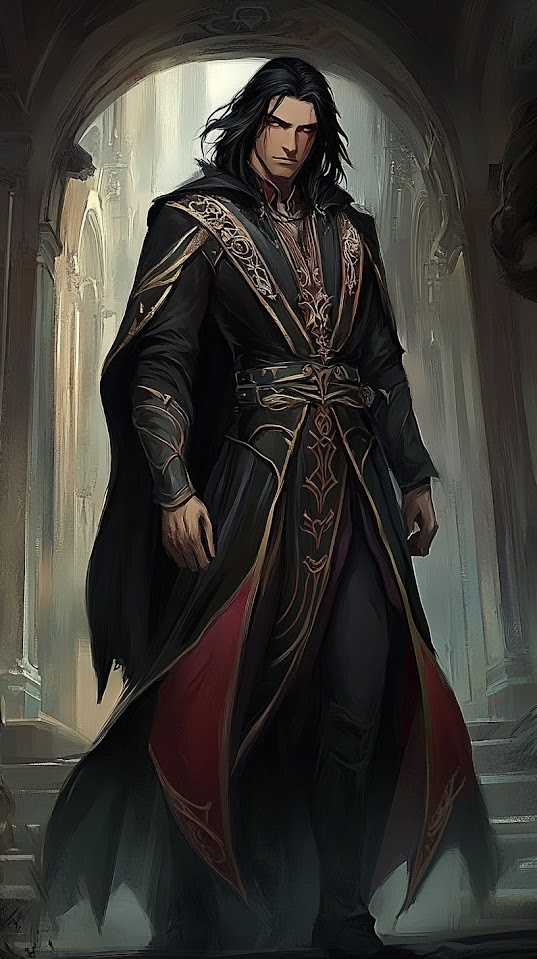
— Corvyn Seinrill, personal journal

 
Anson moves through the world with a kind of focused awareness that feels almost unnatural to those around him. He excels at reading a situation before anyone else has finished assessing it. He can map a room, a confrontation or a negotiation in moments. His perception is not only visual. He listens to silence, watches breath patterns and studies the unspoken tension that precedes conflict. This makes him exceptionally good at solving problems that demand patience and insight. Even outside of missions he carries this instinct. He notices when someone is uneasy, when a story does not add up or when danger is quietly building beneath the surface.   His skill in investigation is matched by a talent for strategic thinking. Anson can build plans out of incomplete information with remarkable accuracy. He follows motive the way others follow footprints. His mind holds details in place until the shape of a larger pattern becomes visible. This is why he was trusted with the Guard’s most delicate operations. He understood the difference between what people said and what they meant. He also understood how to predict behavior without presuming intent. His analytic calm makes him steady under pressure, and his foresight ability only sharpens that natural aptitude.   In daily life he demonstrates a quieter kind of savviness. Anson is practical in the way craftsmen are practical. He cooks well because he pays attention. He paints well because he sees shapes others overlook. He gardens with patience because the work steadies his thoughts. He is also a surprisingly good teacher. His explanations are structured, simple and calm. He does not overwhelm people with information. He guides them through the logic of a skill until it feels natural. These soft talents are often overlooked, yet they reveal the gentler man he prefers to be.   His ineptitudes come from the same intensity that shapes his strengths. Anson struggles with emotional openness. He can dissect a motive but cannot easily express his own feelings. When overwhelmed he withdraws into silence, organizing his thoughts the way he organizes evidence which makes him appear distant or uncaring even when he is simply trying not to break. He has difficulty understanding when others need comfort instead of solutions. Cassandra often teases him for responding to emotional situations with analysis, which he does without realizing it.   Separation anxiety is another weakness he carries quietly. He fears losing the people he loves because the absence of their mother shaped him at an age when no one explained how to process loss. His instinct to protect Cassandra extends to anyone he grows attached to. This becomes overprotective behavior at times. He checks in more than necessary. He watches for threats that are not present. He becomes restless when someone he loves is far away. His need for reassurance is subtle but constant, a lingering scar that he manages rather than resolves.   His final blind spot lies in how he interprets his own instincts. Anson trusts his analysis but doubts his worth. He can predict a fight with perfect clarity yet hesitate when asked what he wants from his own life. He sees threats everywhere but struggles to see where he is safe. His foresight gives him an edge in combat, not in understanding his own emotions. He handles complexity with ease and handles vulnerability poorly. These contradictions do not weaken him. They simply show the parts of himself he is still learning to accept.

Likes & Dislikes

"The things that bring him peace are the things I never had the wisdom to offer him. The things he hates are reminders of the man I once was, and I cannot fault him for that."
— Corvyn Seinrill, personal journal

 
Anson gravitates toward activities that quiet the noise in his mind. Cooking is one of his greatest comforts. He enjoys the structure of preparing a meal, the calm repetition of cutting, stirring and tasting. It gives him a sense of order that feels earned rather than imposed. Painting offers a similar peace. He loses himself in the movement of a brush and the slow emergence of shape and color. It is one of the few times when his altered vision feels like a gift instead of a burden. Fishing provides a different kind of rest. The silence. The gentle pull of current. The focus on breath and patience. These simple moments are the closest he comes to feeling fully at ease.   He enjoys the discipline of martial practice, not for the violence but for the clarity it brings. Forms, stances and drills give him something to pour his mind into. They calm him in the same way a meditation would. Walking through a forest or garden gives him another form of grounding. He likes tending to plants even though he never stays in one place long enough to call a garden his own. He also enjoys quiet conversation, especially with people who do not demand emotional performance. When he is comfortable he shows dry humor and a surprising wit that only a small circle ever sees.   Anson has an appreciation for the cultures and philosophies of the Xi'an Empire. He enjoys visiting dojos and schools not to dominate them but to learn from their perspectives. He values teachers who speak plainly and students who question boldly. He likes the feeling of being an outsider with something to earn instead of someone watched for what he represents. The Empire gave him space to breathe and he carries that gratitude into every interaction he has there.   Loud, chaotic environments unsettle him. Sudden noise strikes at instincts he has spent years trying to temper. He dislikes spaces where he cannot predict the next moment and situations where people move without intention. Disorder makes him restless. He also dislikes being watched. When someone studies him too closely he can feel every part of his old life pressing against him. He spent centuries as a figure defined by fear and expectation. Being observed brings that weight back in ways he cannot easily shake.   He has a deep aversion to cruelty. Seeing someone abused or humiliated triggers the part of him that was shaped to intervene. He cannot stand bullies in any form. If he senses exploitation or unfairness he steps in without hesitation. This dislike extends to institutions that rely on intimidation. Anything that resembles the worst parts of his time in the Guard sets his teeth on edge. He distrusts leaders who demand loyalty instead of earning it and he avoids people who treat others as disposable.   He dislikes his golden eyes, though he rarely admits it. They remind him of the ritual that altered him and of the life he left behind. He finds them unsettling in mirrors and worries that others see something predatory in them. He also dislikes the idea of being known. Fame, reputation and whispered legends make him uncomfortable because they turn him into a symbol instead of a person. What he wants most is simple. Peace, clarity and the freedom to choose his own direction. The world does not always grant him that, but he chases it wherever he can find it.

Virtues & Personality perks

"His steadiness, compassion and humility were never my lessons. Those are his mother’s gifts living on in him, and I am grateful every day he inherited them."
— Corvyn Seinrill, personal journal

 
Anson’s strongest virtue is his steadiness. He carries himself with a quiet reliability that does not need to be announced. When he gives his word he keeps it. When someone needs help he answers. He does not waver once he commits to a path. This constancy makes him a grounding presence for those around him. Even when he is uncertain inside, he moves with the deliberate calm of someone who refuses to let fear dictate his choices. People trust him because he behaves as if trust is a responsibility, not an expectation.   Compassion shapes more of his actions than most people realize. Beneath his controlled exterior is a man driven by empathy. He feels the pain of others in a deep, instinctive way and steps into danger because he cannot bear to see someone suffer. His kindness is quiet but unwavering. He helps without demanding gratitude. He protects without needing recognition. The fierceness that appears when someone vulnerable is threatened is simply the outward form of a gentleness he rarely shows in words.   His discipline is another defining virtue. Anson does not chase strength for its own sake. He practices, studies and trains because mastery gives him clarity. He understands the value of patience and repetition. He is meticulous in his work whether it involves swordsmanship, investigation or something as simple as preparing a meal. This discipline keeps him from losing control even when emotions press against him. It also allows him to grow continuously. He improves because he refuses to stop learning.   Anson possesses a gift for reading people. He observes without intruding and listens with genuine intent. He notices what others miss which allows him to offer the right guidance at the right moment. He does not push. He does not manipulate. He reflects what he sees with honesty and respect. This perceptive nature makes him an exceptional ally. He understands the needs and fears of others long before they voice them and responds with a calm that helps them find steadiness in themselves.   Humility is one of his most unexpected strengths. Anson never assumes he is above anyone. He does not flaunt his abilities. He does not take pride in the fear or awe others might feel toward him. In the Empire he bows to masters without caring if they know who he once was. He accepts correction easily and learns from anyone willing to teach. This humility protects him from arrogance and keeps him aligned with the moral clarity he fought so hard to build.   His protective instinct is both virtue and gift. It shapes every relationship he values. Anson takes the safety of those he loves as a personal duty. He is the kind of person who steps into danger first and steps out last. This unwavering loyalty creates deep bonds because people feel truth in his actions. He does not protect to feel important. He protects because he cannot imagine doing anything else. This instinct makes him a formidable ally, a steady friend and someone whose presence alone can make others feel safe.

Vices & Personality flaws

"His flaws are shadows of mine, carried forward despite his efforts to escape them. I wish I had shown him how to be gentle with himself."
— Corvyn Seinrill, personal journal

 
Anson’s greatest flaw is the weight he places on himself. He carries responsibility with an intensity that borders on self punishment. When something goes wrong he assumes he should have prevented it. When someone he cares for suffers he believes he failed them. This reflex formed in childhood when he tried to fill the silence left by their mother and has only grown heavier with age. Even now he takes blame that does not belong to him which keeps him locked in cycles of guilt he struggles to escape.   He hides too much. His instinct is always to bear emotional strain alone rather than risk burdening others. When he is frightened he becomes quieter. When he is grieving he becomes still. When he is overwhelmed he withdraws into analysis instead of expressing how he feels. People who do not know him well mistake this for coldness. Those who do know him recognize it as fear of vulnerability. He is so accustomed to being the steady one that admitting weakness feels dangerous.   His tendency toward overprotection creates problems of its own. Anson watches the people he loves with a vigilance that can become suffocating if left unchecked. He checks in too often. He hovers when he worries. He imagines dangers that might not exist. This comes from genuine fear rather than control, yet it can push him into choices that override the autonomy of others. Cassandra often has to remind him that protection is not the same as possession and that caring too fiercely can still cause harm.   The altered sight he carries can distort his judgment. Seeing a fraction of the future makes him anticipate threats even when none are present. He reacts to possibilities instead of realities which causes tension in moments that require calm. In social situations this can make him seem guarded or aggressive without meaning to be. His mind jumps ahead before his heart has caught up which leads to misread intentions and strained interactions with people who do not understand the rhythm of his perception.   His inability to forgive himself is another flaw that follows him everywhere. Anson can offer mercy to others with sincerity yet refuses to extend it inward. He holds on to past mistakes long after they have been resolved. The decision to leave Cassandra weighs on him even after their reconciliation. The choices he made under Corvyn’s influence are scars he revisits in quiet moments. This self judgment prevents him from fully embracing the peace he spends his life seeking.   Anson also struggles with emotional expression. He slips into analysis when he should speak plainly. He offers solutions when someone simply needs comfort. He shuts down conflict instead of addressing the feelings beneath it. His stoic exterior hides a deep well of emotion that he does not know how to articulate. This creates misunderstandings with the people he cares for most because they see the depth of his devotion but not always the tenderness behind it. His heart is generous, but his ability to share it is still a work in progress.

Social

Contacts & Relations

"He chose companions who saw the man beneath the discipline, something I never made space for. I am grateful to each one who gave him what I could not."
— Corvyn Seinrill, personal journal

 
Anson’s closest and most enduring relationship is with Cassandra. Their bond formed long before either of them understood the world they were born into. Growing up in a house defined by silence and expectation pushed them toward each other in ways nothing else could. Even after the fracture that sent him fleeing Areeott, Cassandra remained the fixed point in his internal compass. Their reunion in the Empire rebuilt something he feared was lost forever. She knows him more completely than anyone alive and their connection remains the most important force in his life.   His relationship with Corvyn is far more complicated. Anson respects the man his father became, yet he cannot separate that respect from the resentment he carries. Corvyn shaped him with the same rigid expectations that once shaped Corvyn himself. Anson’s departure was not an act of rebellion but an act of survival. Despite this distance, the bond between them is not broken. It is strained, quiet and unresolved. There is affection beneath it, but also pain that neither knows how to unmake. Their connection is a wound and a tether at the same time.   Dartimen became a friend in a way Anson did not anticipate. Their temperaments differ sharply, yet something about Dartimen’s sincerity disarmed him. He admired Dartimen’s loyalty to Cassandra and trusted him with an ease he rarely grants others. Traveling together in the Empire showed Anson that not every bond needs to be forged through hardship. Dartimen became one of the few people who could make him laugh without effort and one of the even fewer people he allows close to his guard.   Rillian holds a place in his life that sits outside every other relationship. She was his equal, his partner and his quiet mirror in the Empire. Their bond formed through shared discipline, mutual respect and the rare kind of gentleness he never expected to find. The relationship does not end happily, yet the meaning of it remains. Rillian showed him a version of love not built from duty or trauma. That experience shifted him permanently, teaching him that family and connection can grow from choice rather than blood.   His final network of affiliations lies with the teachers, wanderers and villagers he met during his time in the Empire. They do not know his past and he prefers it that way. These people saw him not as a weapon of the Guard but as a traveler who helped quietly and moved on without asking for anything. Some consider him a friend, others a mysterious visitor, but all remember him as someone who acted with integrity. These bonds, scattered across distant lands, form the first true community Anson chose for himself.

Family Ties

"He loves fiercely, far more fiercely than I ever allowed myself to. That depth of devotion came from living with the emptiness I created."
— Corvyn Seinrill, personal journal

 
Anson’s earliest sense of family grew from the quiet bond he shared with Cassandra. They were raised in an environment that offered structure rather than comfort, so they became each other’s anchor by necessity and by instinct. Cassandra was the one person who understood the slow aging of their bloodline, the pressure of Corvyn’s expectations and the silence that surrounded their mother’s memory. Anson protected her long before he understood why that responsibility mattered so deeply to him. She was the constant in a childhood that offered little warmth.   Corvyn was a more complicated presence. Anson loved him because children do not know how not to. Corvyn taught him discipline, focus and purpose. Yet the love was shaped by distance, grief and the unspoken pain that lived in the house with them. Anson admired his father’s strength without understanding its cost. As he grew older, admiration became tension. He sensed that Corvyn had shaped him into something rigid and burdened long before he had the chance to choose another path. His affection never vanished, but it hardened into something strained.   The absence of their mother created a silent wound that shaped both twins. Anson knew nothing of her except the shadow she left behind. He saw that Cassandra felt the same emptiness and tried to fill the void by offering her the protection he wished someone had given them both. This longing created a fierce loyalty in him. It also created fear. He worried constantly about losing Cassandra because losing their mother had taught him that love could vanish without warning. That fear followed him well into adulthood and colored every relationship he formed.   When he and Cassandra entered the House Guard, their bond strengthened through shared purpose. They trusted each other more completely than they trusted anyone else. Working together on missions felt natural, almost reflexive. Anson understood her movements before she made them. She sensed his thoughts without words. Their connection became a living structure inside the Guard. It was the foundation that allowed them to work with precision that others could not replicate. Family and duty blurred for them, sometimes to their detriment.   The fracture came when Anson learned the truth about their lineage and Corvyn’s past. He could not reconcile the man he loved with the legacy he now understood. Leaving was the only choice that felt honest, yet doing so meant abandoning Cassandra. The guilt tore at him, and the separation inflicted a wound he struggled to heal. Even after their reunion he carries that ache quietly. Their bond survived, but the scar reminds him of the price he paid for choosing his own path.   Life in the Xi'an Empire brought Anson a different kind of family. He found companions in wanderers, swordsages and travelers who cared nothing for his name. He met Rillian and felt a connection he had never experienced before. It was shaped by shared respect rather than shared trauma. For a time they created a life that felt peaceful. Though their story does not end happily, the bond shaped him in ways that still linger. It showed him that love did not need to be rooted in obligation and that family could grow from choice rather than blood.   Through all of this Cassandra remains the center of his familial world. Their reconciliation rebuilt the part of him that had fractured the most. He treats her children as if they were his own and values Dartimen as the rare person who can stand beside his sister without diminishing her. Anson’s life has been shaped by loss, silence and separation, yet the ties that survived hold him steady. Family for him is not simply blood. It is the small circle of people he would cross any distance to protect and the few whose presence keeps him grounded in the man he has worked so hard to become.

Social Aptitude

"He speaks softly and listens deeply, the way I used to before the world hardened me. That quiet grace is his own, though I wish I had nurtured it instead of burdening it."
— Corvyn Seinrill, personal journal

 
Anson presents himself with calm reserve in most social settings. He listens before he speaks and measures his words with care. This makes him appear composed even when he is quietly evaluating every person in the room. People often mistake his silence for aloofness, but the truth is simpler. He prefers to understand the emotional landscape before stepping into it. His presence has weight, not because he tries to command attention but because he moves with the stillness of someone who has lived too long in dangerous spaces.   When he is comfortable his manner softens noticeably. He speaks more freely, shows dry humor and allows warmth to thread through his voice. Cassandra can draw this out of him effortlessly and a few others manage it with time. In casual conversation he reveals a thoughtful curiosity, asking questions that show genuine interest rather than polite obligation. He values sincerity over performance and responds well to people who do not hide behind pretense.   Strangers often find him difficult to read. His steady gaze and controlled expression can feel intimidating, especially to those unaware of his gentle instincts. He does not fill silence for the sake of ease. He allows it to settle, treating it as part of the conversation rather than evidence of awkwardness. This habit can make some people uneasy, though others find the quiet surprisingly comforting. He makes space for others to speak, and when he does respond, he does so with clarity rather than flourish.   In group settings Anson tends to stay at the edges until he has a reason to step forward. He watches interaction patterns, notes tensions and moderates conflict before it escalates. His presence often stabilizes a group without any intentional effort. He instinctively mirrors emotional tones which helps him diffuse intensity or support someone who is struggling. He never tries to dominate a room, yet he becomes a grounding center when others begin to drift or falter.   His relationships function best when built on patience. Anson is slow to trust, not out of suspicion but because he values authenticity. Once someone earns that trust, he offers loyalty with a depth that rarely wavers. He does not thrive in environments that demand constant small talk or emotional display. Instead he excels in quiet companionship, long walks, shared tasks and conversations that unfold naturally. His social aptitude is not about charm or charisma. It is about presence, intention and the steady warmth he allows others to see only when he feels safe.

Speech

"When he does speak, he carries a weight I recognize all too well. I only regret that so many of his silences were learned from watching me."
— Corvyn Seinrill, personal journal

 
Anson speaks rarely, but when he does, the room tends to quiet around him. His voice rests in a low, steady register that carries calm rather than force. He does not rush his words. He lets them settle before continuing, as if he is measuring their weight even as he speaks them. This controlled cadence gives the impression that he is always thinking one step ahead, choosing language with the same precision he brings to combat or investigation. People often lean in without realizing it because his tone invites attention rather than demands it.   His speech reflects his tendency to observe before acting. He listens fully, sometimes to the point of unsettling others, and then responds with clarity rather than embellishment. Anson dislikes speaking simply to fill silence. When he answers a question or offers advice, his words are exact. He will not say more than he believes necessary, but what he says tends to be memorable. His insight carries through his phrasing which often reveals that he noticed something the other person had missed.   Around those he trusts, his voice shifts into something warmer. He softens his tone, allows humor to surface and occasionally lets a smile slip into his words. Cassandra brings out the lighter side of him most easily, though close friends in the Empire learned to catch the faint amusement in his phrasing. His wit is quiet and often delivered without a change in expression which makes it land all the harder. He never mocks to wound. His humor comes from observation, timing and the gentle teasing shared between people who feel safe with one another.   Anson struggles with emotional expression, and this extends into his speech. When discussing feelings he becomes brief and hesitant, as if speaking plainly makes the emotion too real. He defaults to logic when discomfort rises which can create a disconnect during intimate conversations. His pauses grow longer. His sentences shorter. When he is upset he tends to speak in a flat calm that hides more than it reveals. People who know him well learn to read the silence between his words rather than the words themselves.   Despite these challenges, his speech carries a quiet authority that does not rely on volume or force. When he gives direction others follow because he does not posture or dramatize. He conveys confidence without arrogance and conviction without aggression. Even his softest statements hold weight. In many ways his voice mirrors his presence. Controlled. Precise. Steady. And beneath it all rests the careful tenderness of a man who has spent a lifetime learning how to speak without giving away the wounds he carries.

Relationships

Anson Seinrill

Husband

Towards Rillian Harshtide

5
0

Rillian Harshtide

Wife

Towards Anson Seinrill

5
0

Anson Seinrill

Brother

Towards Cassandra Silvernight

5
0

Cassandra Silvernight

Sister

Towards Anson Seinrill

5
0

"My son walks with a strength I never earned and a heart I never learned to protect. Everything good in him grew in spite of the man I was, not because of it."
— Corvyn Seinrill, personal journal
Alignment
Lawful Good
Current Status
Missing
Species
Ethnicity
Honorary & Occupational Titles
The Right Hand
The Left Hand
The Voice
The Constant
Age
Unknown
Circumstances of Birth
Twin
Family
Spouses
Siblings
Children
Current Residence
Pronouns
He/Him
Sex
Male
Gender
Man
Presentation
Masculine
Eyes
Gold (Green Originally)
Hair
Black
Skin Tone/Pigmentation
Fair
Height
6'1''
Weight
200 lbs
Belief/Deity
Apatheistic
Aligned Organization
Rillian Harshtide
Character | Dec 1, 2025

Princess of the Storm

Cassandra Silvernight
Character | Dec 8, 2025

The Right Hand of the Baron

Andrielle Seinrill
Character | Dec 1, 2025

The Heart of Areeott

Corvyn Seinrill
Character | Dec 8, 2025

The Shadow Cast By the Light of Knowledge

The Seinrill House Guard
Organization | Oct 15, 2025

The Shadow Of The Baron

The Helm of the Guard
Item | Dec 5, 2025

Visage Of The Ghost

The Seinrill Catacombs
Plot | Nov 27, 2025

Your Legacy Awaits


Comments

Please Login in order to comment!
Powered by World Anvil