

Ixion
"I hate it here. It'd be one thing if I went to work, flirted with the office girls, and then we went out for a nice quiet drink to see where it goes. No, at work it's nothing but cold shoulders and even contempt. Then, I'm putting my thumb up to the reader on the train and she's spinning me around with her tongue down my throat. I know I've only been here a few months but it's like the whole world is two-faced.
Pre-Terraforming State
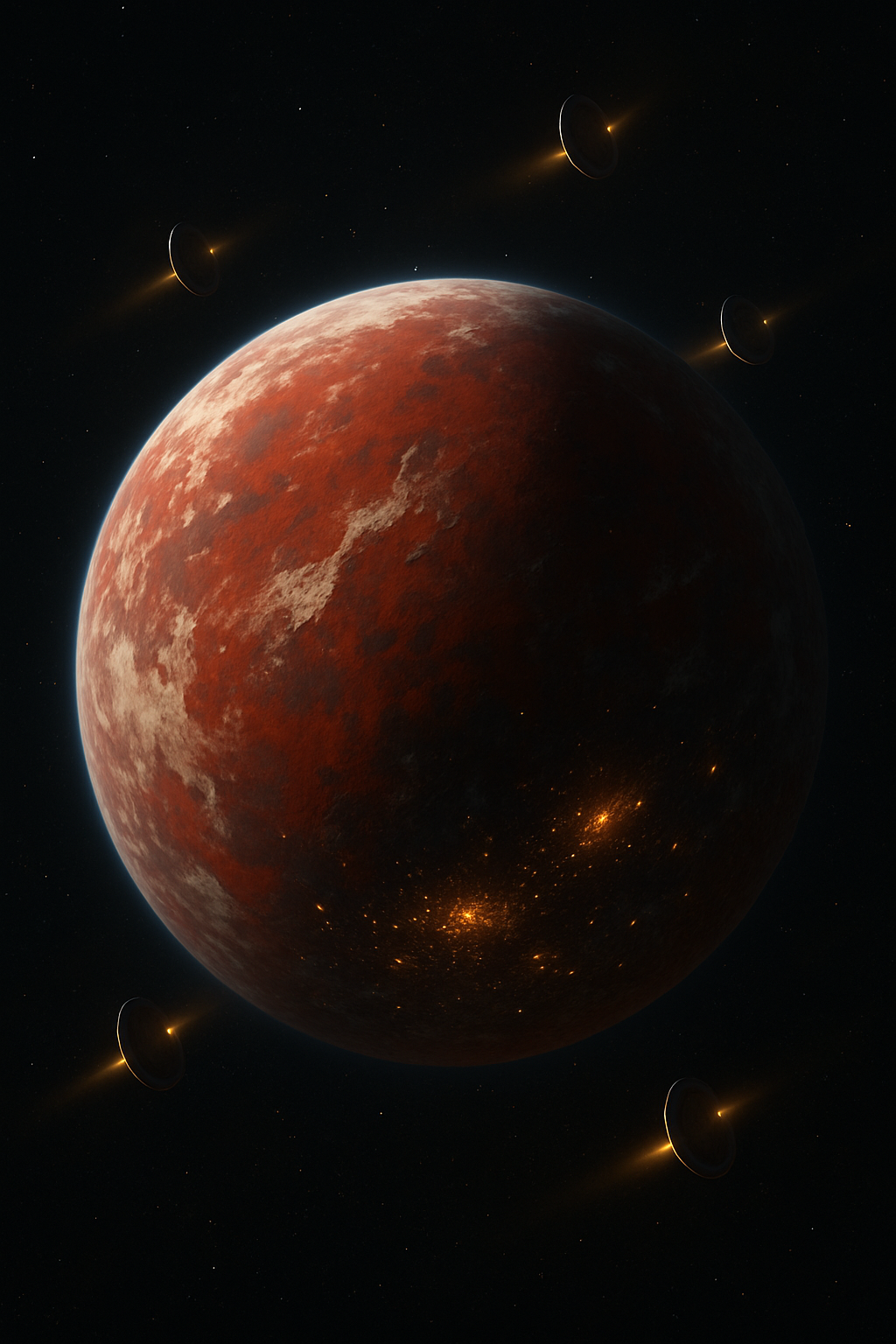
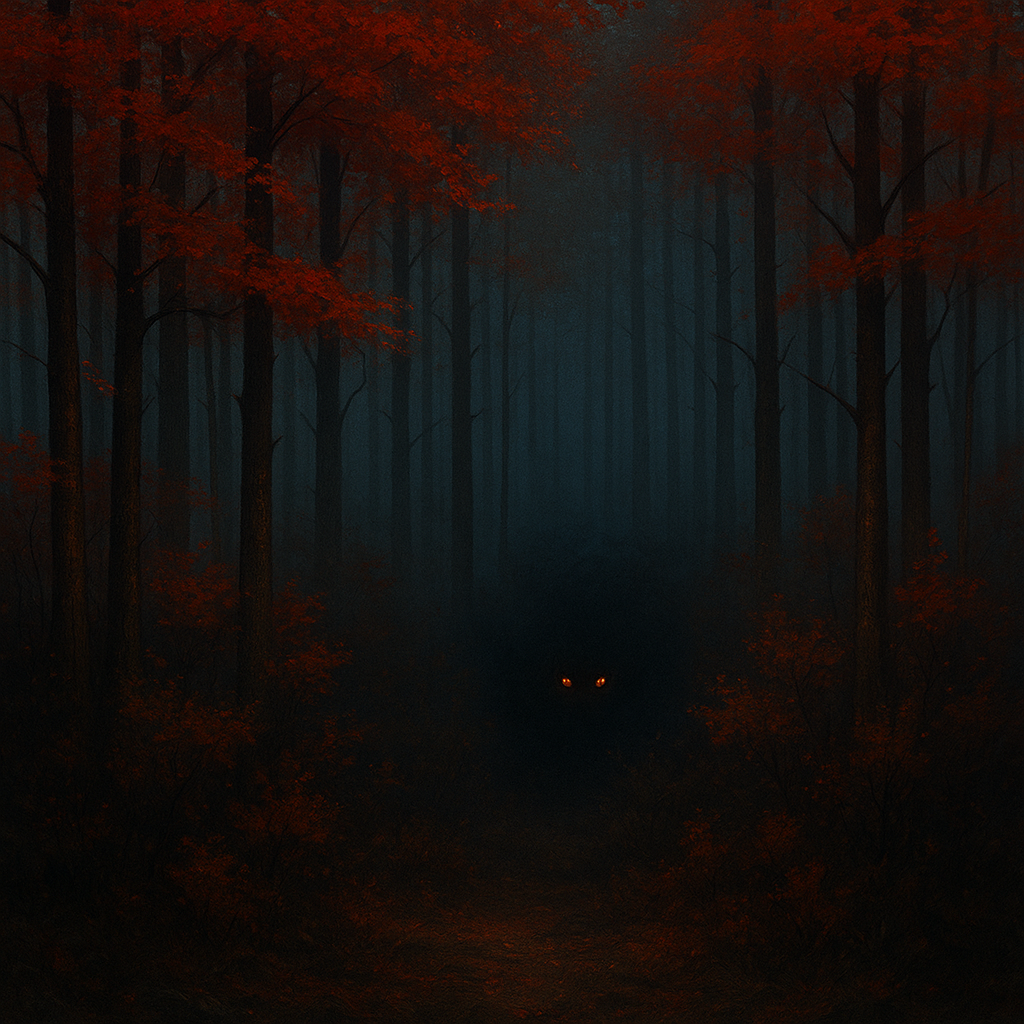
Ixion, a large Plutino, is a reddish world coated in tholins, complex organic compounds produced by radiation acting on methane and nitrogen ices. These tholins give Ixion its distinctive color but also created an unusual danger: they proved capable of anchoring Redspace Adversarial Intelligences (RAIs) in Realspace. Normally, RAIs require living organic hosts to persist, but Ixion’s tholin-rich surface offered a vast inert canvas for them to “bleed” into. The result was a uniquely hostile environment — not overtly lethal, but prone to psychovoric contamination, violent outbursts, and possession-like phenomena.
The Great Timocracy Era
The first humans to reach Ixion came during the Great Timocracy, when the pursuit of merit and fame drove expeditions far into the outer system. A colony was established, but it failed catastrophically. The settlement was lost with all hands under mysterious circumstances. Later Solar Commonwealth probes found no clear threats, only silent ruins — a mystery that would define Ixion’s reputation for centuries.
The Reformed Solar Commonwealth and the Refugee Plan
Centuries later, the Reformed Solar Commonwealth (RSC) identified Ixion as a potential solution for displaced populations on Earth. The revolution that reformed the Commonwealth left Terran city-states in rubble, their Clone factories compromised by the Lucifuge Virus, which granted Exemplar clones free will and awareness of their atrocities. To allow full-scale reconstruction of devastated cities such as Louisiana, Prague, Cairo, and Tiruchirapalli, entire populations were temporarily resettled on Ixion.
At first, the plan seemed practical: the Great Timocracy’s infrastructure still stood, supplies were provided, and the displaced were safe from prejudice elsewhere in the system. But the colonists almost immediately began to kill each other. Law enforcement dismissed it as postwar trauma, but statisticians quickly saw that Ixion’s violent crime rates were orders of magnitude higher than even war-ravaged Earth.
The Ixion Slaughter Riots
Subsequent resettlements — including Kyoto, Loudun, Bogotá, and Ghana — only worsened the situation. In 212 YAC, the Ixion Slaughter Riots erupted. Unlike other civil conflicts, these riots had no grievances, no demands, and no sides. Colonists butchered each other indiscriminately, with even law enforcement squads turning their weapons inward. The bloodshed escalated until combat synth armies from offworld imposed martial law.
Investigators from every discipline descended on Ixion, but it was only the work of John Fitch and Aeli Finnig, pioneers of the Fitch-Finnig subspace engine, that identified the truth: Ixion was saturated with RAI contamination. The tholins of Ixion acted as an “oubliette,” trapping exiled or unwanted RAIs. The Sentient RAI Loor’Ayjeh eventually revealed himself, explaining that a subspace tear beneath Ixion’s glaciers had long served as his dumping ground for captured or disobedient entities. The tholins gave them permanence, ensuring their madness spread to anyone vulnerable.
Withdrawal and Survival
Fitch and Finnig’s revelations scandalized the scientific community, and though RSC leadership did not endorse them publicly, Cynthia Croft, first leader of the RSC, quietly acted on their warning. Refugees were recalled, but many chose to stay — often criminals, outcasts, or those already enthralled by Ixion’s influence. Croft tapered off government support, leaving Ixion to become increasingly self-sufficient. Terraforming was handed off to gigacorporations, producing a breathable atmosphere contaminated with psychovoric dust.
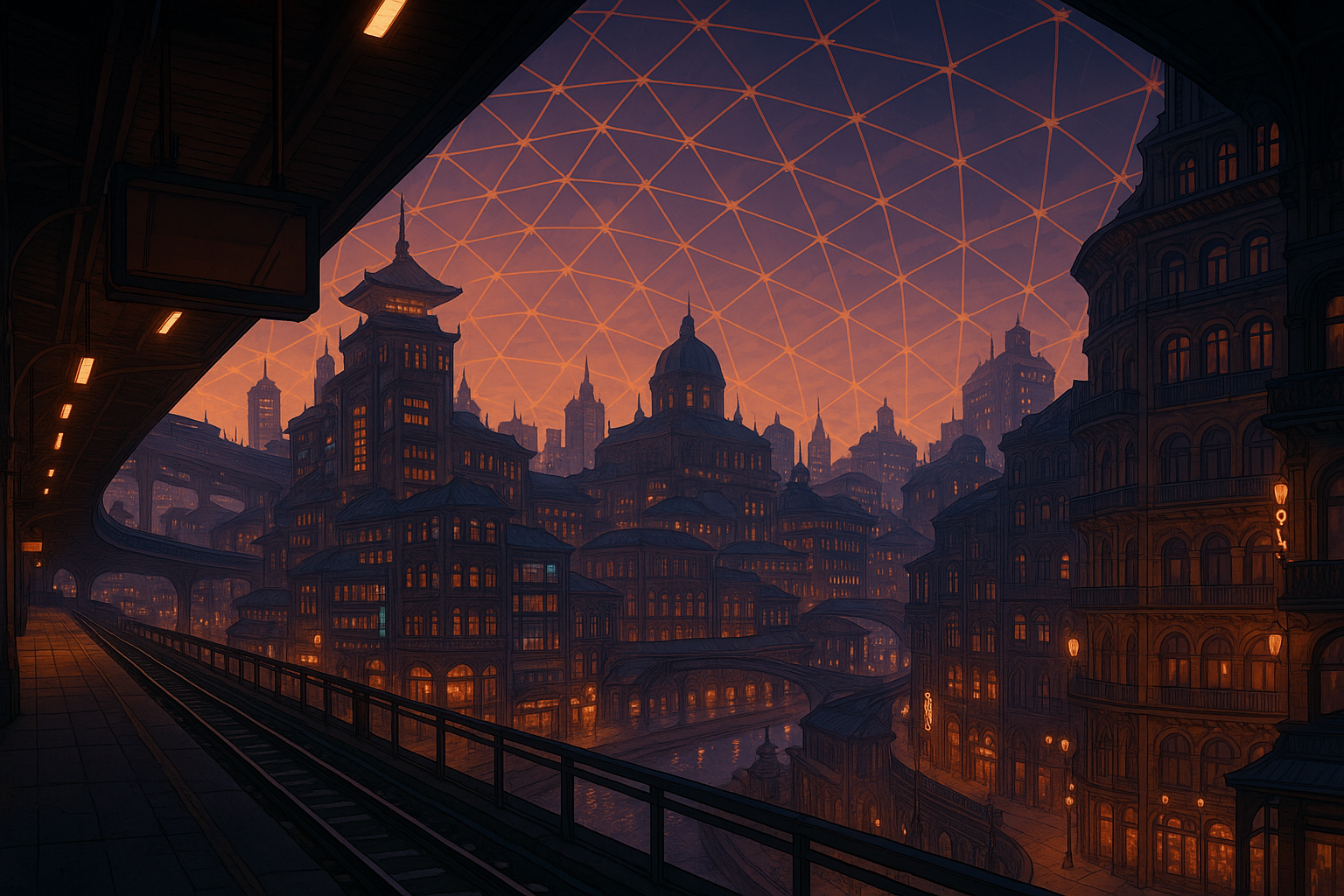
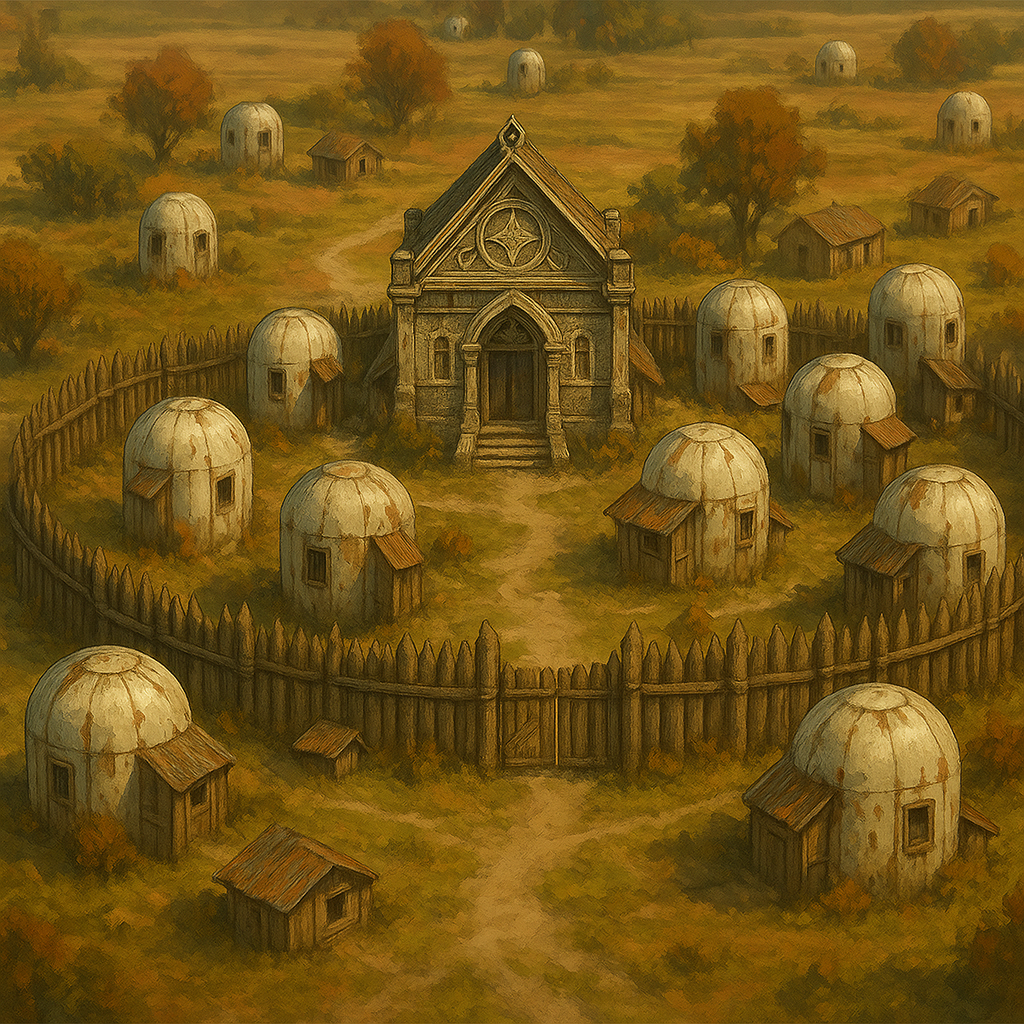
Ixion’s settlements evolved into airtight domes linked by subterranean railways, while rural folk accepted the gamble of living in contaminated air. These “surface folk” experienced higher mutation rates and greater risk of Perfect Vessels — humans entirely overwritten by RAIs. Riots continued sporadically, but never reached the scale of the Slaughter Riots.
The Cozine Disaster
During the Cozine Disaster, Ixion suffered heavily. Cas, Wadonmaskurul, and Ororojo were destroyed outright, while Kireinamachi — the largest city-state — endured weeks of brutal street fighting. Cozine never fully conquered Ixion, largely due to the Gigafactorum that supplied critical war matériel and prevented orbital bombing. Resistance fighters immortalized the Ixionens with the phrase: “They fought like demons.” This reputation became central to Ixionen identity.
Postwar, many domed cities lay in ruins, reduced to clusters of smaller towns repurposed as market towns. Ixion’s primary export became mercenaries — small PMCs with demonic iconography, such as Cerberus Corp’s Hellhounds or the Onisenshi. They developed a Warrior ethos rooted in revived martial texts: Hagakure, On War, Extreme Ownership, and Great Timocracy classics like Honor and Sacrifice.
The Hollow Quintessence
Amid chaos, the religion of the Hollow Quintessence arose. This faith divides life into two halves:
- The Empty: a stoic, ascetic persona focused on work, duty, and perfection without ego.
- The Hedon: a carnal persona that pursues indulgence, purification through excess, and in rural extremes, human sacrifice or cannibalism.
Adherents switch between faces depending on context. For PMCs, the Hedon is indulged only on leave; for priests, it may be used to “feed” RAIs they willingly harbor. This doctrine gave Ixionens resilience against psychovoric influence, channeling their fractured psyches into cultural structure. It also quelled the riots that plagued earlier centuries.
House Volkert and the Damned Company
In 278 YAC, House Volkert launched a charm offensive, convincing Ixion’s leaders to sell the colony to them. By 282 YAC, the deal was sealed. Volkert established Castle Otiose, reorganized civil administration, and consolidated the mercenary PMCs into a single megacorporation: The Damned Company. They also systematized the Hollow Quintessence into a network of shrines.
Under Volkert’s guidance, Ixion entered two centuries of unprecedented prosperity. Infrastructure improved, living standards rose, and each generation outpaced the last. The story of Ixion’s survival and renewal spread across the system, though House Volkert’s role is curiously downplayed in wider discourse. For the Ixionens themselves, however, the legacy of “fighting like demons” remains central to their Warrior culture.
Modern Ixion
Today, Ixion is known as the Red Marble: a world both cursed and thriving, haunted by the remnants of Loor’Ayjeh’s castoffs but transformed into a crucible of warriors. Its capital, Kireinamachi, dominates trade and production, while the surviving market towns cling to their rail-linked domes.
Ixion exports mercenaries, iron-willed laborers, and a religion that turns psychovoric despair into stoic defiance. Beneath its glaciers, the oubliette of RAIs still churns, ensuring Ixion will forever remain a world of demons — both real and metaphorical.

Comments