Folkland
A Humble Hamlet
Everybody’s tale must begin somewhere - so, dear friend, let us set our feet upon this path.
Our destination?
A small, quiet village of humans, tucked along the road between Sandpoint and Nybor, known to few and loved by fewer still: Folkland. A close-knit community of simple, honest folk - farmers and shepherds at their vast majority - but most importantly, the birthplace of one of our Misfits: Davina Blake.
As I have told you before, Varisia is wilderness first and civilization second. Between its great marble cities and ancient monuments lie miles upon miles of dark forests, fertile fields, and rolling orchards. Here sheep and goats graze under the watch of weather-worn shepherds, and villages cling to the land like fireflies against the night. Small, scattered dots of light - unremarkable, some would say.
But I would disagree. For in these places live the bonds the cities forget: trust, familiarity, and peace. Their strength is not in marble or steel, but in the way neighbors share bread, in how fields are tilled together, and how their hearths burn warm through the coldest nights. And sometimes, against all expectation, such humble soil nurtures a hero destined to shape the fate of many.
Folkland, as I’m sure you have guessed, is such a place.
Founding
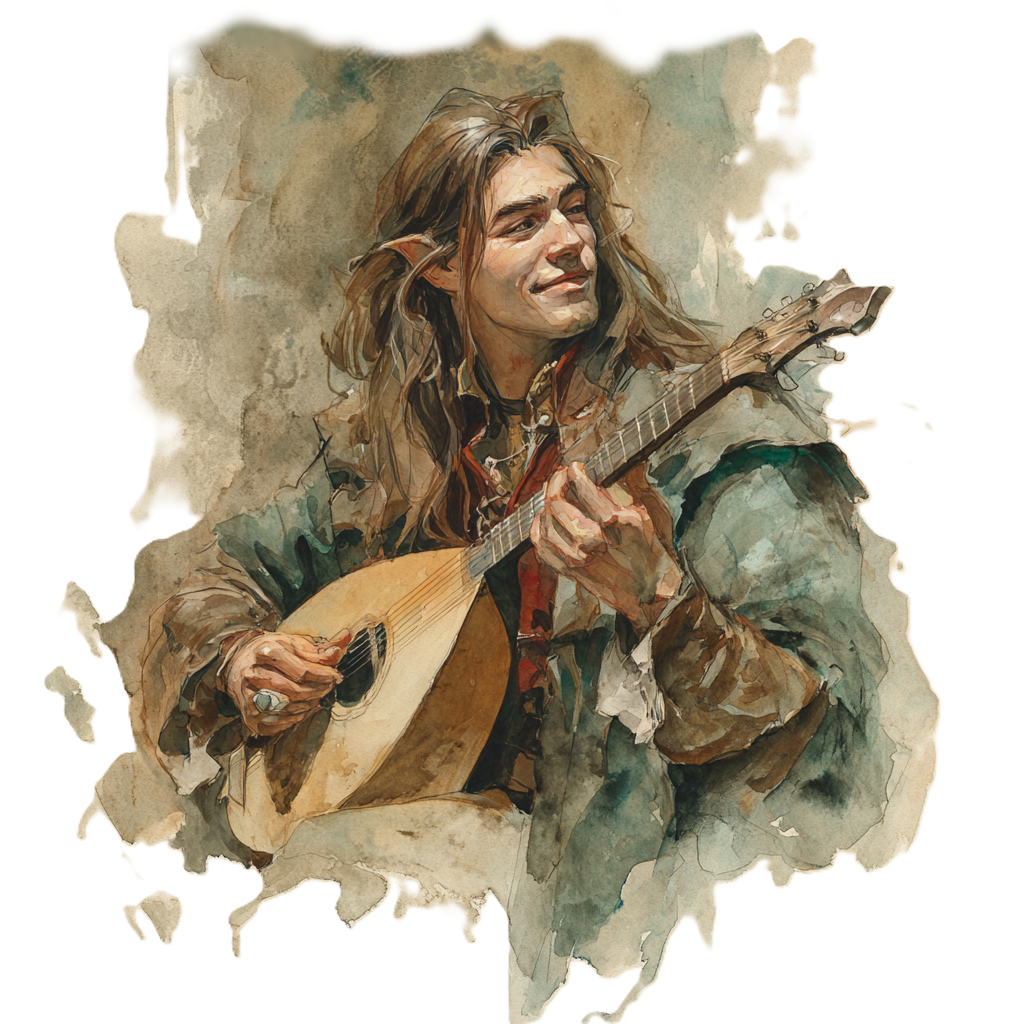
As you might imagine, Folkland was never founded by decree. Its birth was almost accidental; a place that seemed to grow in step with the wild life surrounding it. Nestled beside a broad offshoot of the mighty Yondabakari River, it became a natural pause for wandering folk: a place to rest, to trade stories, and to ponder how best to cross those stubborn waters.
In time, convenience gave way to permanence. After Magnimar rose upon the coast, a stone bridge was set across the river, and with it came a clutch of huts to tend those who lingered.
Huts soon became homes, and homes grew into hearths. Before long, a community had taken root. Folkland never truly outgrew those humble beginnings. It remains much the same: a cluster of houses by the river, the forest pressing close on one side, and vast pasturelands rolling out like an ocean of grass on the other. Small farms cling to the outskirts, their furrows and fields as much a part of the village as the bridge that binds it together.
The first man to bear the mantle of leadership was Guy Folk - though ruler is far too heavy a word for so modest a charge. His name, first given to the hamlet and then carried forward by his line, remains bound to the office of mayor, passed quietly from one Folk to the next.
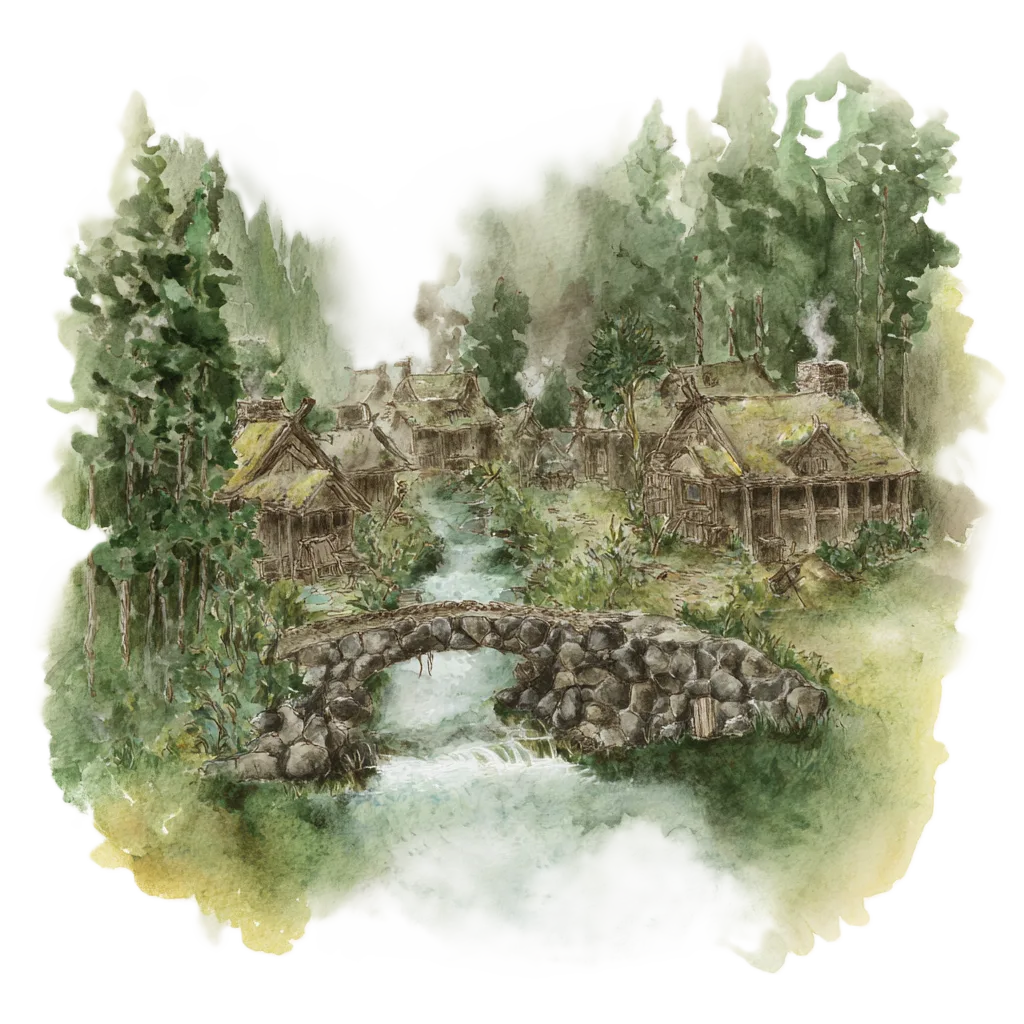
There’s a truth Thaddeus could not have known, and so his tale leaves it aside. You see, Davina was not born in Folkland at all. Her mother, disgraced by her kin at the age of seventeen for bearing a half-elven child, was sent away.
She gave birth in her own hometown of Wartle, a village just a few days’ road from Folkland, but then had to relocate and so she settled in Folkland with her infant daughter. None of Davina’s parents ever belonged there by blood, yet the place indeed became her first home .

Daily Life: Simple Living
"Folkland is no grand city, and I pray it never will be. Here we have soil beneath our nails, laughter on our porches, and enough bread to share. That is plenty for any heart."
By dawn, Folkland is already awake. Smoke rises from crooked chimneys, and the sharp ring of an axe carries across the riverbank. Some head to the fields, bending their backs to coax barley and beans from the soil. The shepherds gather their flocks, pack a humble lunch, and take the long, weary road to the distant meadows. Others cast nets in the shallows, muttering curses when the lines knot and tangle. Near the bridge, the smith’s hammer begins its steady rhythm; a heartbeat of iron that keeps the hamlet alive.
The day - every day - moves in small labors: baskets woven, herbs gathered at the forest’s edge, a child running errands to earn a loaf still warm from the oven. By midday, neighbors barter in murmurs and laughter, a wheel of cheese for a length of rope, gossip traded just as freely.
As dusk approaches, the bell is rung: an old, rusty iron thing bolted to the Folk estate, the largest building in the settlement and seat of its modest hall. It calls the villagers back within the withered palisade - a wall never quite finished - before the shadows stretch too far. The forest is generous in daylight, but at night the trees seem to lean closer, whispering in voices best left unanswered. They locals call it the tongue of the wilds, carried - as legend says - by some of the most mischievous fae. By the time night settles, Folkland softens. Families gather around shared tables, stories are told by firelight, and sometimes music drifts faintly across the water.
Life here is simple, easy to understand. The folk are neither learned nor sophisticated, but they are warm of heart. They may eye the strange or different with suspicion, but they do it out of fear - or perhaps lack of understanding - and not cruelty . Yet when it matters, they stand by one another, guided by the hand of the god Erastil and his teachings of kinship and community.
People of Folkland
Now, you might wonder why I trouble you with the details of a hamlet so small you’ve likely never heard its name, and so quiet you may never care to visit. I understand your doubt - but there is method in my rambling. You see, a hero is remembered for their greatest deeds, but they are shaped long before those deeds are done. To truly understand a hero - or a villain, for that matter - you must first know the how, the what, and the who that marked their earliest years.
Folkland was Davina's soil. It was where she lived her first eighteen years. She left it gladly, eager to chase a life of adventure, and never looked back… or so she thought. Years later - fifteen, perhaps more - I heard her admit, more than once, how she envied her older brother for the life he had chosen there.
That, I think, tells you more about her than any song of glory ever could.
Yet even that truth is only half the tale. For no soul grows alone. Folkland was not just Davina’s home: it was her family, her teachers, and the stubborn bonds of a village that raised her in its quiet way. Let me tell you of a few of them, for their names deserve to be remembered too.
Anabelle Blake
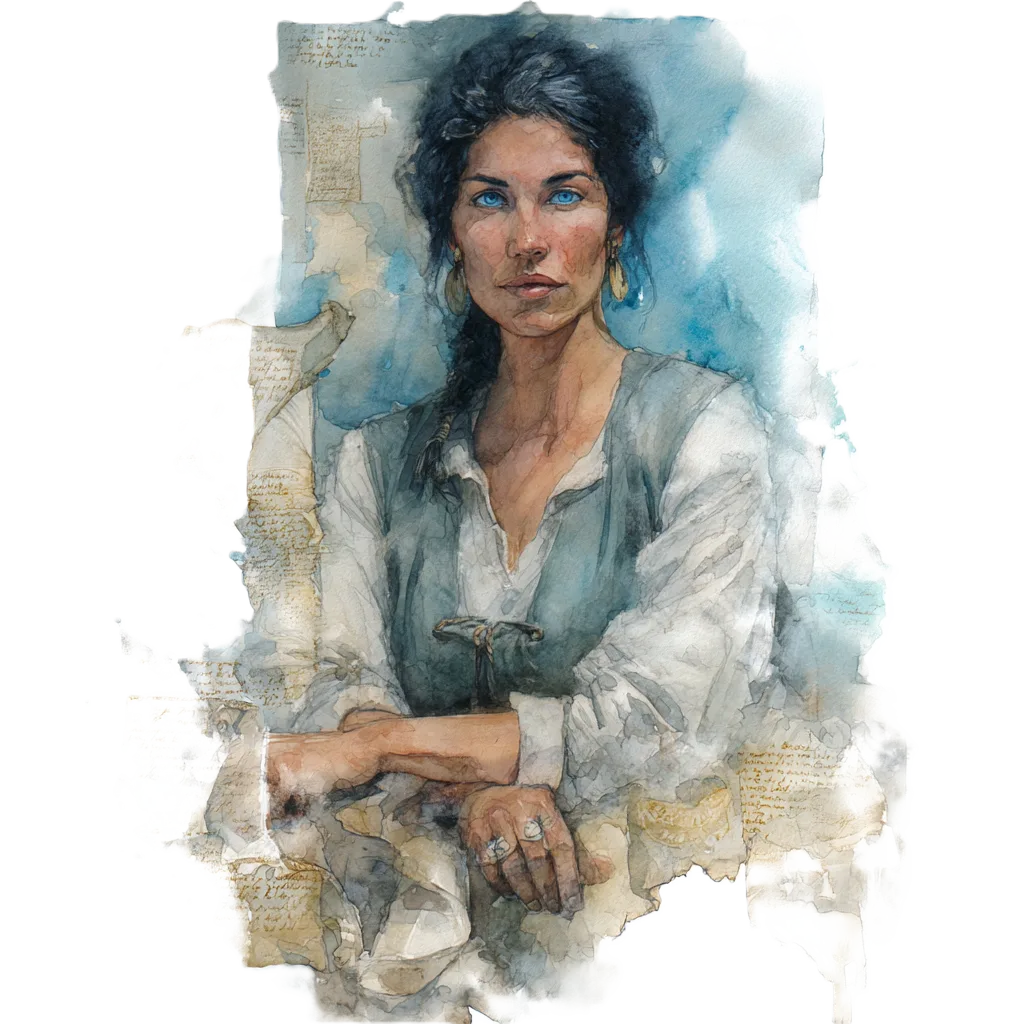
Davina’s mother, Anabelle, was sharper than most in Folkland. Scribe to the mayor, with ink-stained fingers and a wit to match, she carried the air of someone born for more than village life. Once, she had toyed with wizardry herself, before love and shame and circumstance pressed her into another role. She was strict, yes, but beneath it burned pride and a secret wish: that her daughter might chase the dream she herself had abandoned.
Hado Blake
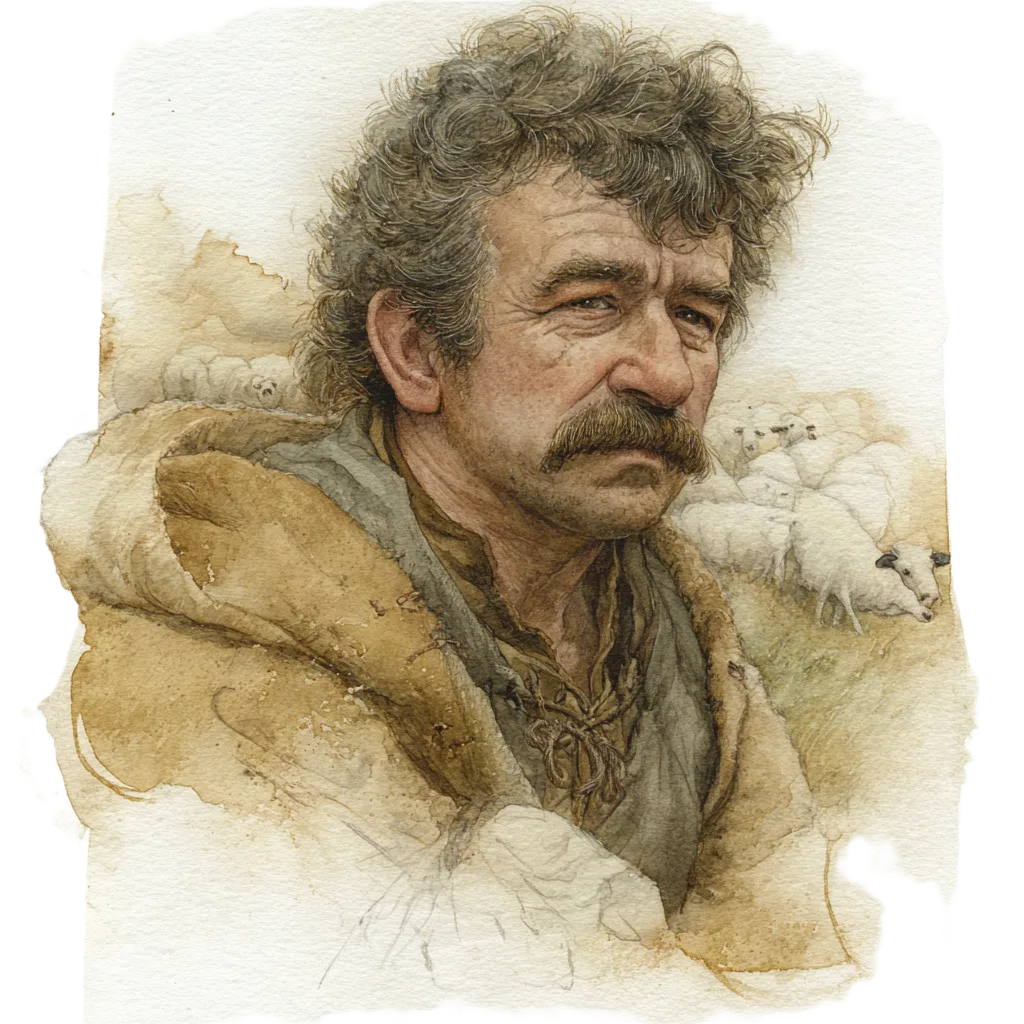
Her stepfather, Hado, was a shepherd and a farmer, plain as the soil he worked. He and Davina never truly bridged the gulf between them. She thought him too simple, and he never quite understood her fire. Yet time has a way of revealing truth. In the end, Davina saw the quiet devotion behind his ways, and honored him as few daughters ever get to honor a father: by naming the capital of the Duchy she came to rule Hado’s Passing.
Mattias, Zachary & Joshua
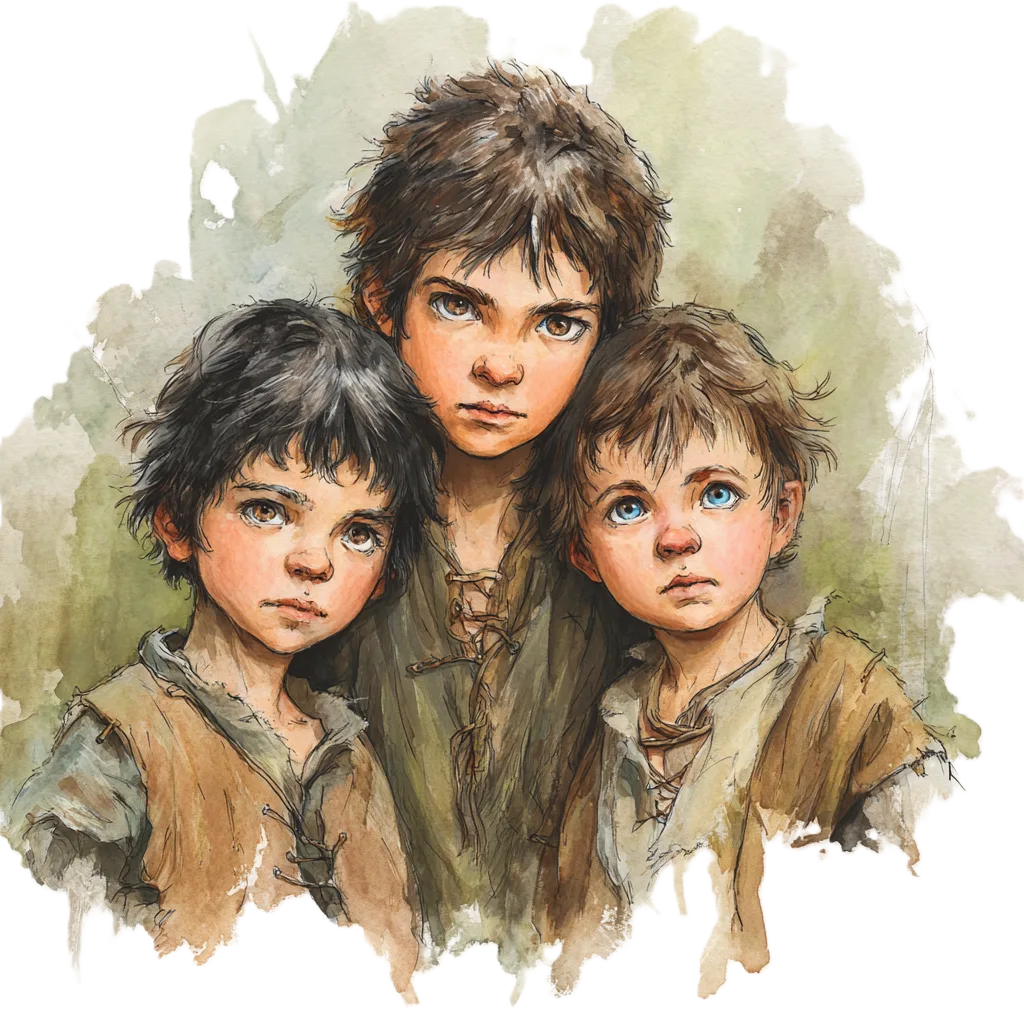
Her brothers came late to her life, each born years apart, each filling the house with noise and mischief. As children, Davina kept her distance - save for little Joshua, who would beg her for stories with wide eyes and a laugh too big for his small body. Yet blood tells in the end. As they grew, the boys became her fiercest supporters, and she, in turn, loved them more fiercely than she ever thought she could.
Anton Mannell
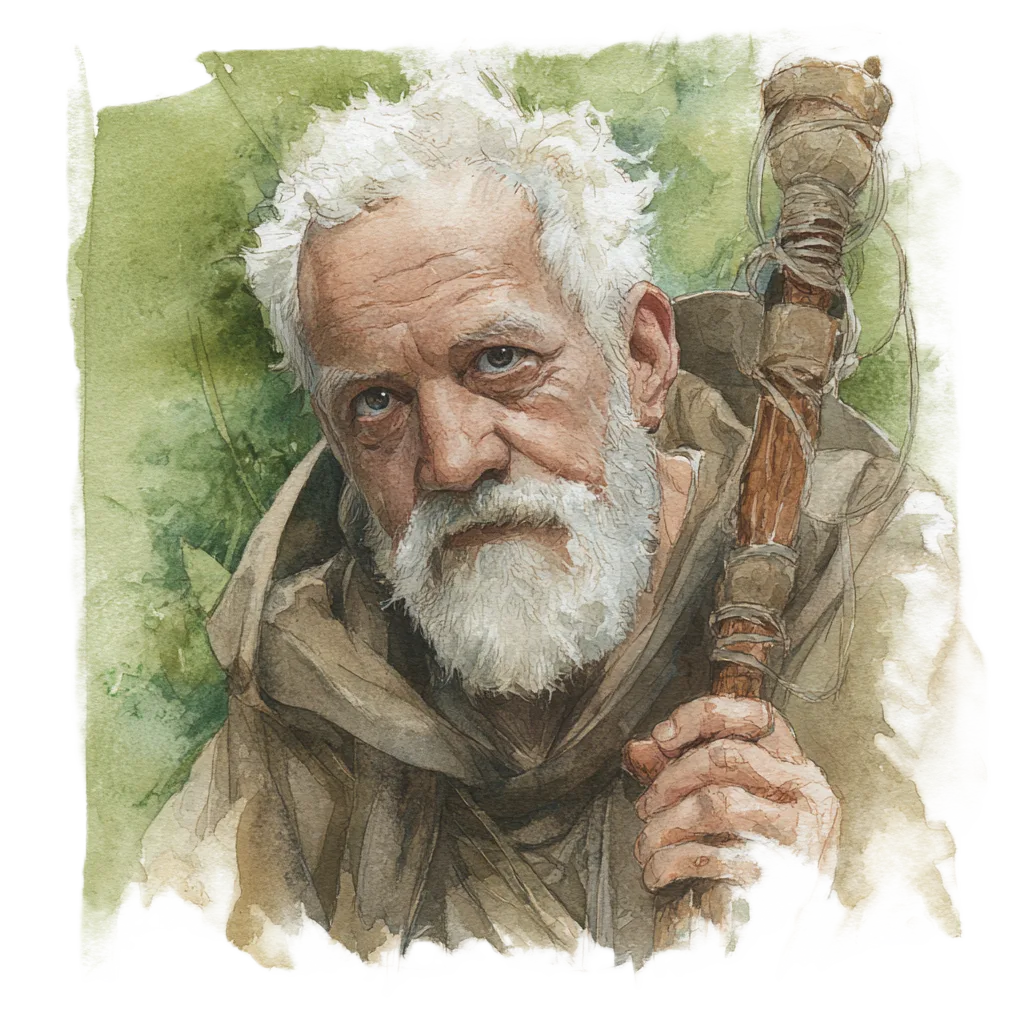
And then there was Anton, the elder of the village. A kind soul with dirt always on his hands and clothes, half-wizard, half-gardener and wholly devoted to every child in Folkland. It was he who first spotted the spark of magic in Davina, he who fanned it, and he who laid the path before her: Magnimar, the Pathfinder Lodge, the life she was meant for.
A Farewell
Years later, when fire and blood swept across the land in the Battle of Nybor, Folkland was nearly lost, its fields trampled, its homes burned. But Davina, no longer the uncertain half-elf girl of her youth, stood and fought to see her village saved. And when fate carried her to rulership, her first decree was not of conquest or ambition, but of restoration: to see her childhood home rise again from ash and sorrow.
That's Folkland for you, friends. A handful of houses by a river and a bell that rings at dusk. A village so small it hardly earns a place on most maps, yet without it, there would have been no Runeflame.
So if you ever find yourself on the road between Sandpoint and Nybor and the bridge brings you to its gates - because yes the walls and gate were finally complete - don’t hurry on. Walk the fields and taste the sweet bread baked in humble ovens. You may think it an ordinary place, but remember this: greatness often grows where no one bothers to look.
Worlds you may also like
Do you enjoy the tales of the Misfits? If that's the case, here are some more worlds I believe you will enjoy as well!
If you pay them a visit, make sure to give them some love. They absolutely deserve it!

Comments
Author's Notes